


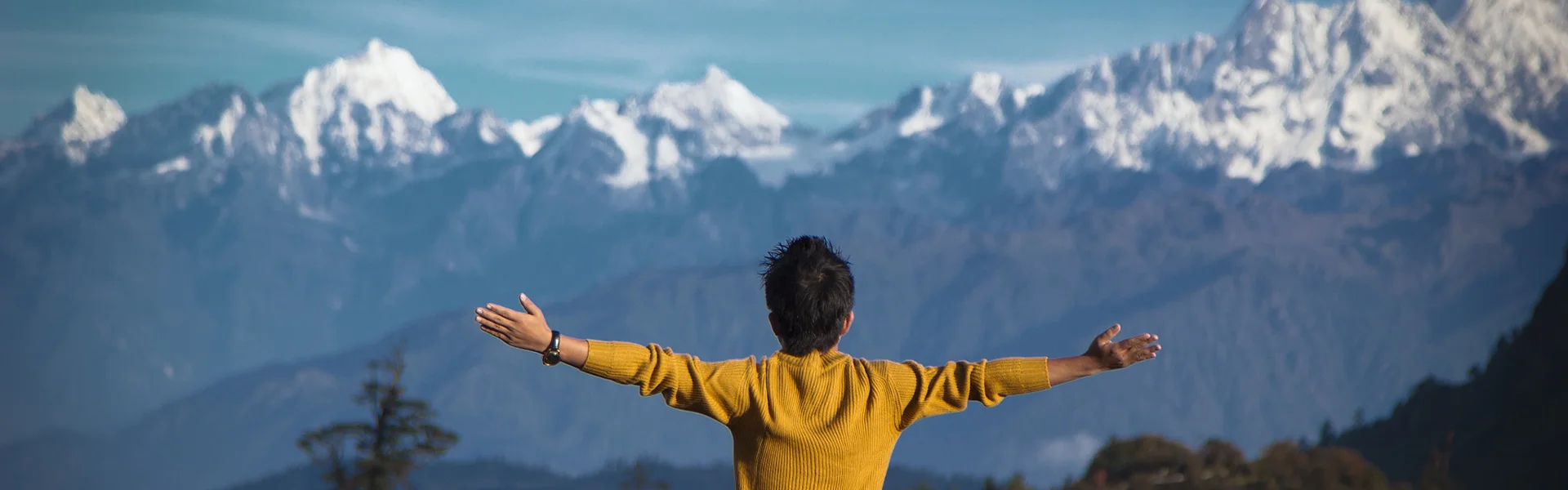

The Annapurna Circuit offers experiences beyond just a trek. It allows you to go through lush green foothills to the stark high-altitude landscapes around Thorong La Pass at 5,416m. Budget planning for the Annapurna Trek helps ensure a smooth and hassle-free trip. Your Annapurna Circuit Trek Cost depends on your travel style and how many days you spend on the trail. This detailed budget guide will help you break down the key costs to prepare your trek confidently.
The Big Three: Permits, Guides, and Porters
The main expenses on the Annapurna Circuit Trek are from the mandatory permits and your support staff.
Permits: All trekkers need permits to enter the Annapurna region. The primary permit is the Annapurna Conservation Area Permit (ACAP), which costs about NPR 3,000, about USD 25-30 for foreigners. SAARC nationals need to pay NPR 1,000 for the same permit. This fee directly supports the conservation and local community projects. You no longer need the TIMS card, so the process is more straightforward and reduces the overall permit costs.
Guides: Nepal requires all foreigners to trek with a licensed guide. A professional English-speaking guide charges about USD 25-40 daily. This cost includes their food, lodging, and insurance minus the tip. A good guide will help navigate the trail and ensure safety. They’ll share insights into the local culture and traditions.
Porter: If you don’t want to trek while carrying a heavy backpack, you can hire a porter for around USD 20-25 daily. Your porter will carry about 20-25 kg, which is often the total weight of a backpack for two trekkers. You can’t trek with a light daypack if you hire a porter.
Porter-Guide: Many people hire a porter-guide who combines carrying gear while offering basic guidance. It’s a more budget-friendly option, costing about USD 20-30 daily. They are a practical choice for people who want to save money with basic assistance.
Accommodation and Food: The Teahouse Budget
You’ll stay in local teahouses throughout the trek in the Annapurna Circuit. Trekkers rest and eat at these local lodges at a reasonable cost while enjoying a taste of local life.
Accommodation: Rooms typically cost about $5-15 per night. These rooms are simple with two single beds and a blanket. You will use shared bathrooms at most elevations. You might get a private bathroom in lower elevations at a higher price. As you climb higher, the lodges get more basic and expensive as transporting supplies is hard. People use mules or porters to carry every supply at higher altitudes, increasing the price of every item and service.
Food and Drink: Meals add up the most in your overall expense as the price increases with altitude. You should budget about $30-50 per person daily for meals and drinks. You’ll pay about $8-10 per meal with options like fried rice, noodles, momo, and some western cuisine in lower elevations. Prices increase to about $10-15 for the same meal in higher elevations due to the higher effort people need to bring supplies up the trail.
Most trekkers stick to dal bhat, a Nepali cuisine with rice, lentil soup, and vegetable curry. It’s filling, nutritious, and comes with free refills. Tea and coffee cost about $1 at lower elevations and $2-4 at higher elevations. Bottled water is expensive and increases plastic waste, so we advise using purification tablets and reusable water bottles.
Other Essential Annapurna Circuit Trek Cost
Beyond permits, support staff, and accommodation, several other essentials build up your total cost for the trek. One of them is your Nepal Tourist Visa, which costs, depending on how many days you want to stay in Nepal. If you’re going to remain for 15 days, you need to pay about USD 30, which only goes up. You should ensure your trek duration fits your visa period, or buy a longer visa for more flexibility.
Reaching the Annapurna Circuit adds extra costs. Most trekkers take road transportation from Kathmandu to the railroad, then begin the trek. A public bus to Besisahar is not expensive and costs about $10 or even less. It’s a cheap but long and bumpy ride. Private jeeps cost about $150-200 for a full jeep, which you can split between the group. It’s faster and more comfortable.
Most trekkers take a jeep directly to Jagat or Chame to skip the less scenic sections. You’ll typically finish the trek at Muktinath or Jomsom. While some trek on foot from Muktinath to Jomsom, many take a jeep for this section. You can fly from Jomsom to Pokahra after the trek, which costs about $100-125 one way and saves a couple of days of travel.
You need trekking gear for comfort and safety. You can either rent these items in Kathmandu/Pokhara or buy them. Renting is a more affordable choice if you don’t trek often. Most gear rentals cost about $1-2 per item daily, and you can rent a complete set of essential gear for $10-15.
Travel Insurance is mandatory for all high-altitude trekking. Ensure your policy covers trekking up to 6,000m and includes an emergency helicopter evacuation. Helicopter rescue can cost well over $5000, leaving you with a financial strain. Most insurance ranges from $100 to $200 and offers peace of mind and financial protection in case of an emergency.
Other extras include hot showers, charging devices, WiFi fees, and snacks/treats. These expenses range from $1 to $5 and can add up over the trek, so plan accordingly. You must also tip your porter and guide at the end of the trek. It’s customary to tip about 10% of total guide/porter fees at the end of the trek.
Remember that you must pay for everything in cash while on the trail, as shops don’t accept cards. ATMs are unreliable beyond Besisahar and Pokhara, so withdraw enough money before the trek and carry a little extra for safety.
Conclusion
Expect to spend at least $1,100 and a maximum $2,000 or more on the Annapurna Circuit trek. No matter your budget, you should plan carefully to ensure you get the best value from every rupee you spend. You should understand the cost of the permits to trek while avoiding any unexpected expenses. Smart budgeting and thoughtful preparation mean you get the best of the Annapurna Circuit.