



Nepal is not just for expert mountaineers and experienced trekkers. Beginners hike here every season and return home satisfied, healthy, and ready to come back. The key lies in choosing the right trail for your fitness and your first trip. Kathmandu Valley alone holds more than 50 hiking trails.
Short day hikes near the city cost nothing special and need no special permits. Slightly longer multi-day treks, such as Ghorepani Poon Hill, suit families and first-time visitors well. Use this beginner’s guide to hiking in Nepal to find the right starting point, understand the rules, and prepare your body and gear for a safe and enjoyable first experience on Nepal’s trails.
Quick Answer: Is Nepal Good for Beginner Hikers?
Yes — Nepal suits beginners well when they choose realistic routes.
- Kathmandu Valley offers easy day hikes with no permits and no guide requirement
- Short first treks like Ghorepani Poon Hill suit beginners and families equally
- Strong starting routes include Nagarkot, Shivapuri, Champadevi, Australian Camp, and Poon Hill
- Avoid Everest Base Camp, Manaslu, Upper Mustang, and restricted zone routes on a first trip
- Altitude affects hikers above 2,500 m — trail difficulty and altitude risk are two separate things
- Nepal Tourism Board supports Nepal as a hiking destination for all experience levels on the right routes
What Hiking in Nepal Means for Beginners
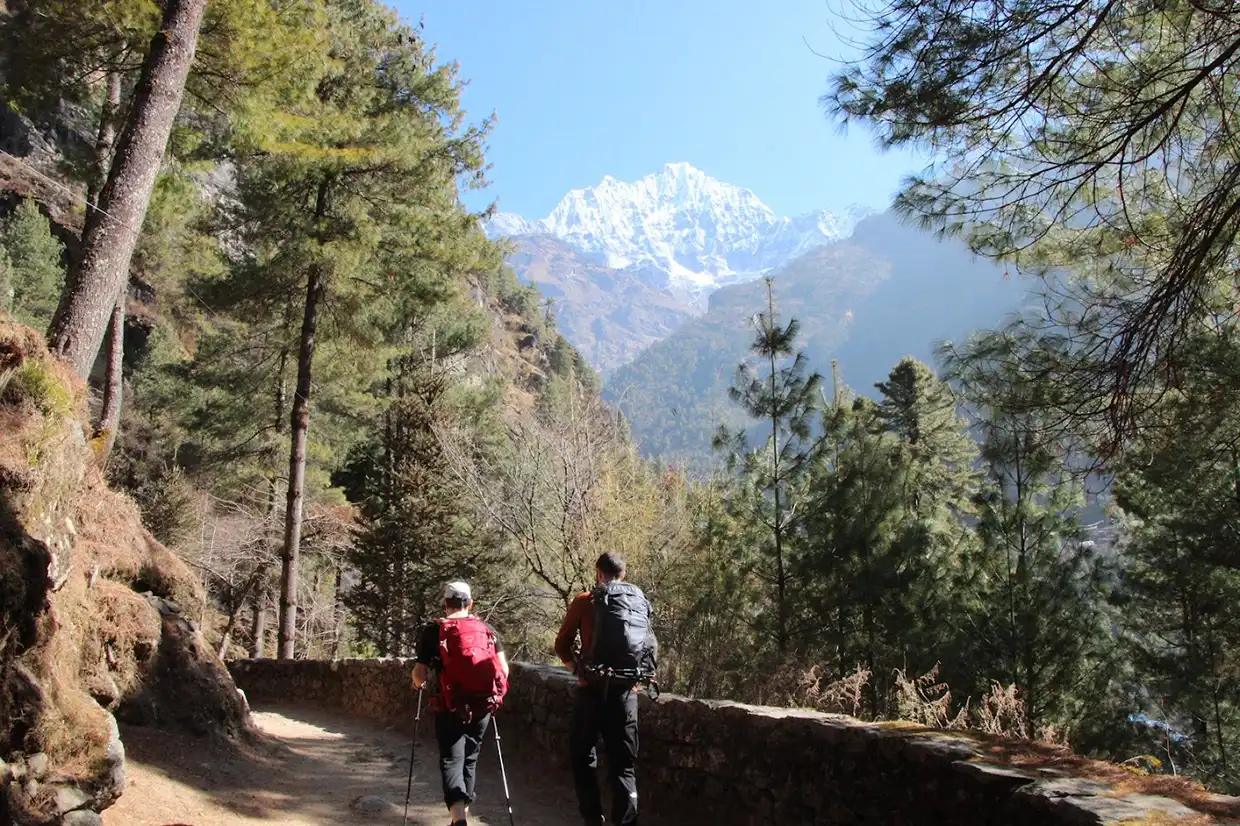
Nepal offers hiking at many levels. A day hike means a single long walk — no overnight stop, no heavy pack, and no need to book a teahouse. Kathmandu Valley provides dozens of these within one hour of the city. A short trek adds overnight stops at teahouses along the trail. Ghorepani Poon Hill runs 4 to 5 days. Australian Camp takes 2 to 3 days.
Both use established teahouse networks with simple but comfortable lodging and meals. A classic trek like Langtang Valley or Annapurna Base Camp runs 7 to 12 days. Beginners handle these with good fitness and smart pacing. Remote or restricted treks like the Manaslu Circuit or Upper Mustang require experience, special permits, and a licensed guide — beginners should leave these for a later trip.
Nepal Hiking at a Glance
| Feature | Detail |
|---|---|
| Best beginner area | Kathmandu Valley — 50+ day hikes close to the city |
| Best short hike area | Nagarkot, Shivapuri, Champadevi, Nagarjun |
| Best beginner multi-day trek | Ghorepani Poon Hill — 4 to 5 days, moderate, family-friendly |
| Best first trek with mountain views | Poon Hill or Australian Camp — both deliver Annapurna panoramas |
| When altitude becomes a real concern | Above 2,500 m — treat any illness seriously from this point |
| Guide requirement | Required on most major trekking routes from March 2023 |
| Best hiking seasons | Spring (March–May) and Autumn (October–November) |
| Solo hiking | Allowed on many day hikes — restricted routes need a minimum group of two |
How to Choose the Right First Hike in Nepal
By Fitness Level
A light walker who does moderate exercise at home handles Kathmandu Valley day hikes and Australian Camp easily. A regular gym-goer or weekend hiker handles Ghorepani Poon Hill without trouble. Someone who trains outdoors regularly handles Langtang Valley or Mardi Himal.
By Number of Days
One free day can be spent at Shivapuri, Champadevi, or Nagarkot. A long weekend suits Dhampus or Australian Camp. Five to seven days open Ghorepani Poon Hill. Eight to twelve days open Langtang Valley and Mardi Himal.
By Altitude
Hikes in the Kathmandu Valley mostly stay below 2,700 m. Australian Camp reaches around 2,060 m. Poon Hill reaches 3,210 m. Langtang Valley reaches 3,870 m at Kyanjin Ri. Mardi Himal High Camp sits at 4,500 m. Each step up requires better preparation.
By Mountain View Priority
Hikers who want mountain views without high altitude get the best results from Poon Hill and Sarangkot. Both offer panoramic views of the Annapurna range from below 3,300 m. Australian Camp gives similar views from 2,060 m. Nagarkot gives Himalayan views from near Kathmandu.
By Season
Spring and autumn deliver the clearest views and most stable weather. Winter suits low-altitude trails near Kathmandu, where snow is rare. Monsoon suits the Mustang rain shadow, making Kathmandu Valley trails lush but slippery.
Best Beginner-Friendly Hikes in Nepal
Best Easy Day Hikes Near Kathmandu
Shivapuri National Park Hike
Shivapuri National Park sits on the northern edge of Kathmandu at an elevation of around 2,732 m. The trail passes through dense forest and arrives at a viewpoint above the Kathmandu Valley. The hike takes 5 to 7 hours return from the park gate.
Difficulty: Moderate. Best for: Active day hikers wanting forest and valley views. Best season: October to April. Drawback: The park charges an entry fee. Tip: Start before 8 AM to reach the top before the clouds build.
Champadevi Hill
Champadevi lies southwest of Kathmandu at an elevation of around 2,278 m. The trail rises through pine forest and opens to views of the Kathmandu Valley and the Ganesh Himal range on clear days. Duration: 4 to 5 hours return.
Difficulty: Moderate. Best for: First-time hikers testing their fitness near Kathmandu. Best season: October to May. Drawback: Trail signs are limited in places—go with a local guide or a downloaded offline map.
Nagarkot Area Hikes
Nagarkot, east of Kathmandu at about 2,175 m, is one of the most accessible viewpoints for Himalayan sunrises from near the capital. The Nagarkot to Changu Narayan trail runs about 12 km through terraced farmland and small villages.
Difficulty: Easy to moderate. Best for: Families and first-time visitors. Duration: Half-day to full-day. Tip: Stay overnight at Nagarkot to catch the sunrise before hiking down.
Pulchowki
Pulchowki reaches 2,762 m and holds the highest point in the Kathmandu Valley rim. Rhododendron forest covers the upper slopes. The trail rewards walkers with wide views over Kathmandu on clear mornings.
Difficulty: Moderate. Duration: 5 to 7 hours. Best season: March and April for rhododendron bloom.
Nagarjun Forest Reserve
Nagarjun sits just northwest of Kathmandu and offers quiet forest trails to a summit stupa at 2,096 m. The climb takes about 2.5 hours and suits walkers who want a quick green escape from the city.
Difficulty: Easy to moderate. Duration: 3 to 4 hours return. Best for: First-day hikers and families. Tip: Entry fee required at the forest gate.
Best Short Multi-Day Hikes for Beginners
Ghorepani Poon Hill — 4 to 5 Days
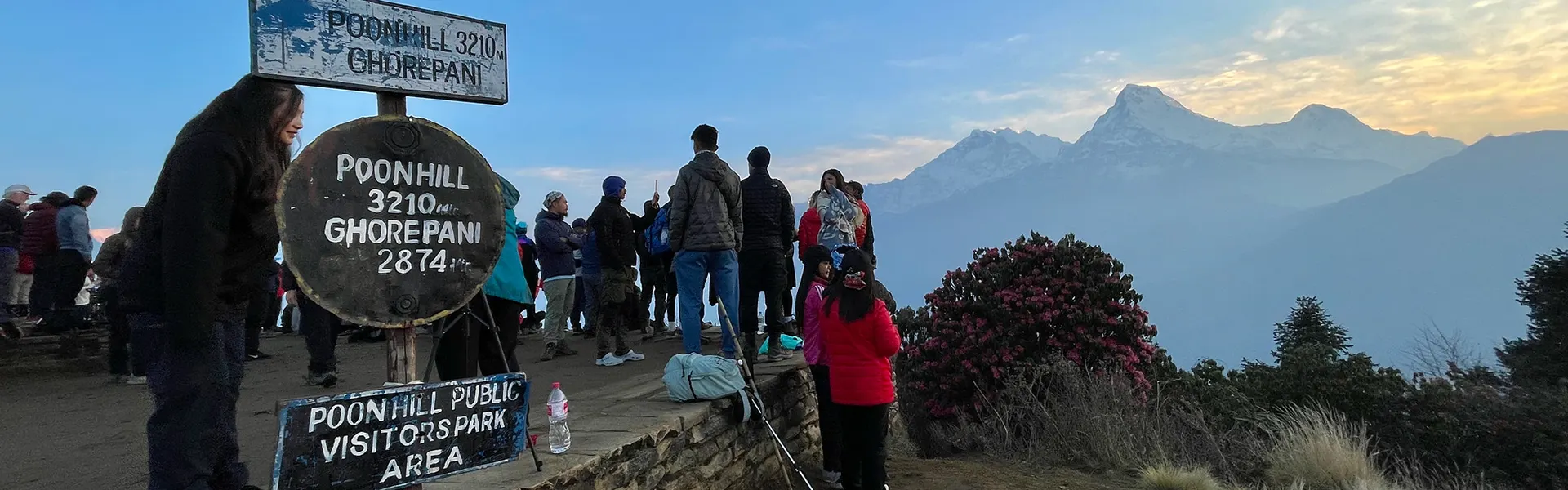
Ghorepani Poon trek ranks as the most popular short trek in Nepal for beginners. The trail runs through rhododendron forests, Gurung villages, and river valleys before climbing to Poon Hill at 3,210 m.
Max altitude: 3,210 m. Difficulty: Moderate. Why it works for beginners: Short daily stages, established teahouses every few hours, clear trail, and strong mountain views without very high altitude. Fitness needed: Regular walkers who can handle 5 to 7 hours daily on hilly terrain. Drawback: Gets busy in spring and autumn—book teahouses in advance.
Dhampus and Australian Camp — 2 to 3 Days
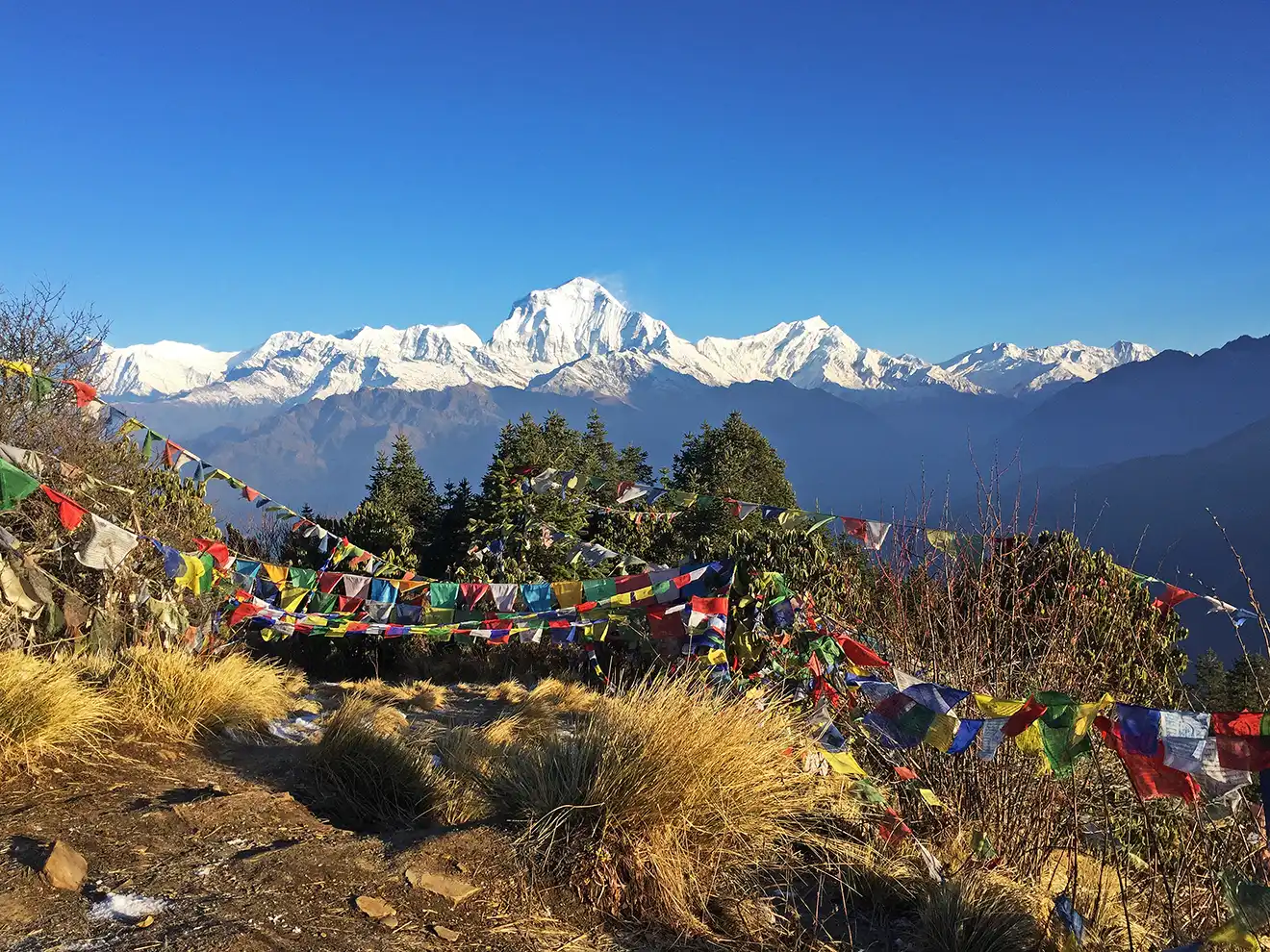
Australian Camp sits at about 2,060 m above Pokhara and delivers clear Annapurna views with minimal altitude risk. The trail passes Dhampus village and rises gently through forest and open hillside.
Max altitude: 2,060 m. Difficulty: Easy to moderate. Why it works: Very low altitude, gentle terrain, short days, and strong Annapurna views. Drawback: Views depend entirely on clear weather — clouds build quickly from late morning onward.
Pikey Peak — 5 to 6 Days
Pikey Peak, in the Solu district, reaches 4,065 m. The summit offers rare simultaneous views of Everest, Kanchenjunga, and the Annapurna range — all from a quieter, less-visited trail.
Difficulty: Moderate. Why it works: Less crowded than Poon Hill, rewarding views, manageable route. Best for: Fit beginners who want an off-the-beaten-path first trek. Drawback: Requires more planning and transport than routes in the Annapurna area.
Beginner-Friendly Longer Treks
Langtang Valley — 7 to 9 Days
Langtang Valley offers one of the closest major trekking experiences from Kathmandu. The route runs northeast through dense forest, Tamang villages, and high-altitude pastures before reaching Kyanjin Gompa at 3,870 m.
Max altitude: 3,870 m (Kyanjin Ri day hike reaches around 4,773 m). Difficulty: Moderate. Better with: Good fitness and proper acclimatization days. Not the easiest first option, but well-supported with teahouses and clear trails.
Annapurna Base Camp — 9 to 11 Days
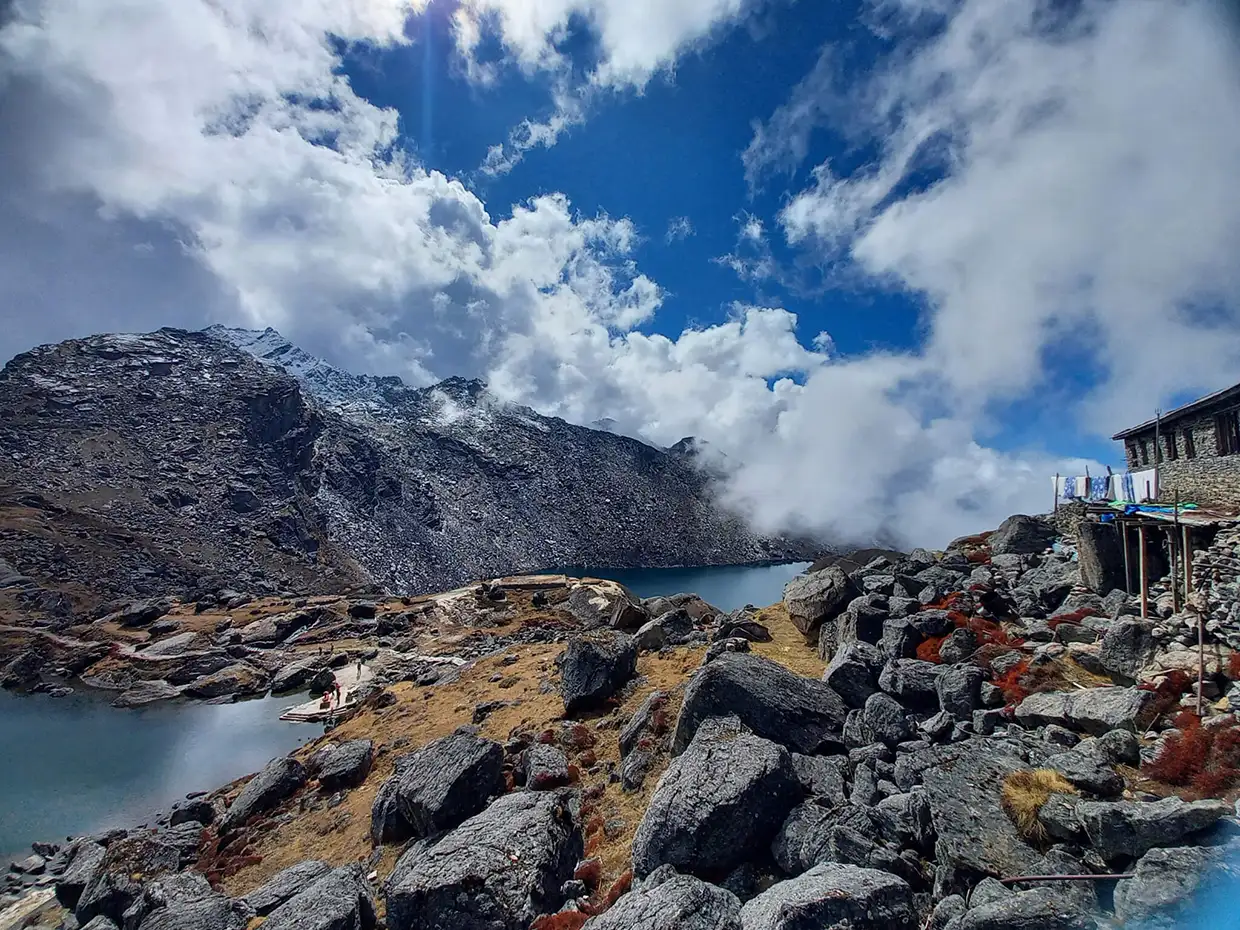
ABC reaches 4,130 m and delivers some of the most dramatic mountain scenery in Nepal. Beginners with strong fitness and a smart pace can handle this route. The final push from Deurali to ABC crosses a steep glacial valley.
Max altitude: 4,130 m. Difficulty: Moderate to strenuous. Better with: At least 3 weeks of regular cardio training. Possible for prepared beginners — not recommended for casual walkers on a first trip.
Mardi Himal — 7 to 8 Days
Mardi Himal Trek reaches High Camp at 4,500 m and Base Camp at around 4,500 m. The route is less crowded than Poon Hill or ABC and rewards strong beginners with close-up views of Machhapuchhre and Annapurna.
Max altitude: 4,500 m. Difficulty: Moderate to strenuous. Better with: Solid hiking fitness and respect for altitude. A rewarding goal for stronger beginners who want something beyond the standard short-trek options.
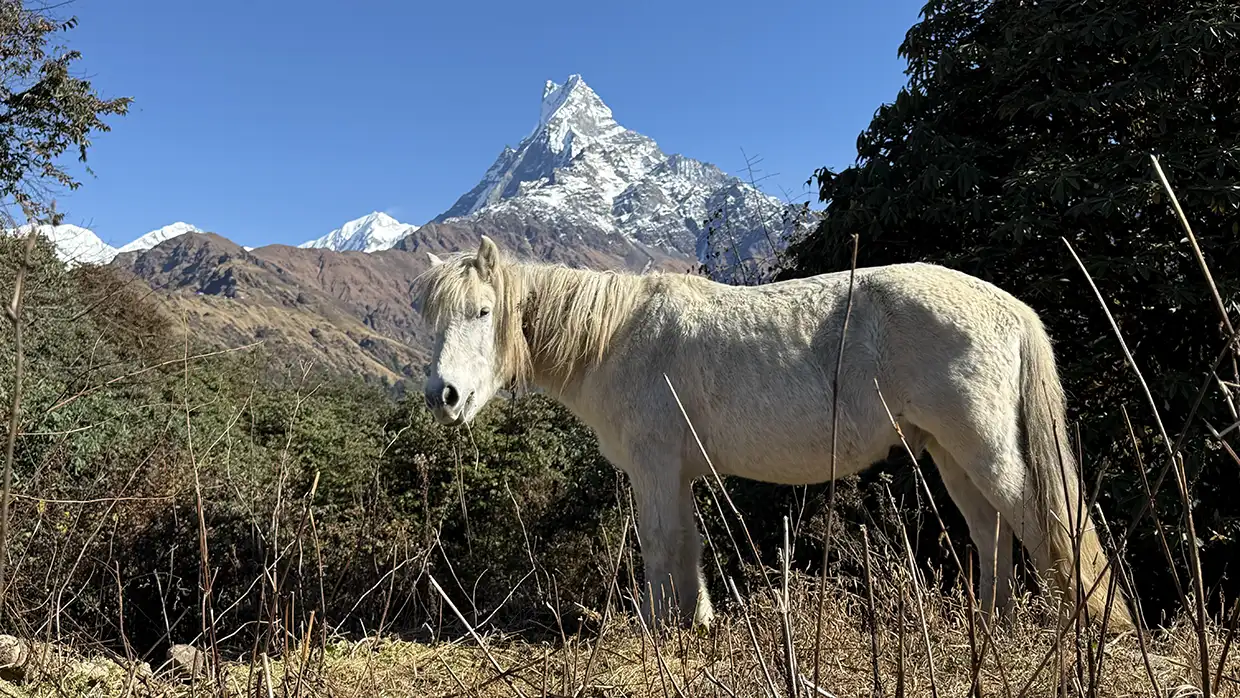
Trails Most Beginners Should Avoid on a First Nepal Trip
Honest trail advice helps beginners make better decisions. Several famous Nepal routes carry real risk for unprepared first-timers.
- Everest Base Camp: Reaches 5,364 m. Altitude sickness risk stays high. Most first-timers with no altitude experience struggle above 4,000 m.
- Manaslu Circuit: A restricted zone route requiring a special permit, a licensed guide, and a minimum group of two. Crosses a 5,106 m pass. Not suitable for beginners.
- Upper Mustang: Another restricted zone requiring a special permit. Remote terrain, limited rescue access, and high altitude passes make it unsuitable for a first trip.
- Kanchenjunga region treks: Very remote, long, and demanding. Emergency support stays are limited. Beginners should build experience before attempting this circuit.
- Great Himalayan Trail sections: A full traverse of Nepal from east to west. Some sections require technical skills and extreme weather tolerance.
Choosing a realistic trail on a first trip does not limit your future options. It protects the experience and sets a strong foundation for harder routes later.
Best Time for Beginners to Hike in Nepal
Spring — March to May
Spring delivers warm days, clear morning skies, and rhododendron blooms on trails above 2,000 m. Visibility for mountain views stays strong through most of March and early April. Trails get busier in April and May.
- Best for: Ghorepani Poon Hill, Champadevi, Langtang Valley, Australian Camp
- Skip: Very long routes that risk ending in early monsoon weather in late May
Autumn — October to November
Autumn gives the best all-round hiking conditions in Nepal. The monsoon clears by late September. Air stays crisp. Mountain views arrive sharp and reliable. October fills popular trails quickly.
- Best for: All beginner routes — this is the peak season for a reason
- Book teahouses early for October travel — they fill weeks in advance on popular routes
Winter — December to February
Winter suits lower-altitude routes near Kathmandu well. Trails above 3,000 m see snow and colder nights. Poon Hill Trek and Langtang Valley Trek stay open in winter but require warmer gear and shorter days.
- Best for: Shivapuri, Champadevi, Nagarkot area hikes, and Pikey Peak lower section
- Avoid: High-altitude trails without proper winter gear and weather preparation
Monsoon — June to September
Monsoon brings heavy rain to most of Nepal from June through August. Trails below treeline turn slippery. Leeches appear on lower forest routes. Mountain views stay hidden behind clouds for most of the season.
- Best for: Mustang rain-shadow routes if you have the permit budget
- Possible: Kathmandu Valley day hikes on clear morning windows
- Avoid: Poon Hill, Langtang, ABC, and most standard beginner routes
Permits, TIMS, and Guide Rules Beginners Must Know
Nepal updated its trekking regulations in March 2023. Many major routes now require a licensed trekking guide and an agency-issued TIMS card. Beginners planning their first multi-day trek need to understand these rules before booking. Restricted areas like Upper Mustang and Manaslu require a special area permit in addition to the standard requirements. Both also require a minimum of 2 trekkers and a licensed guide.
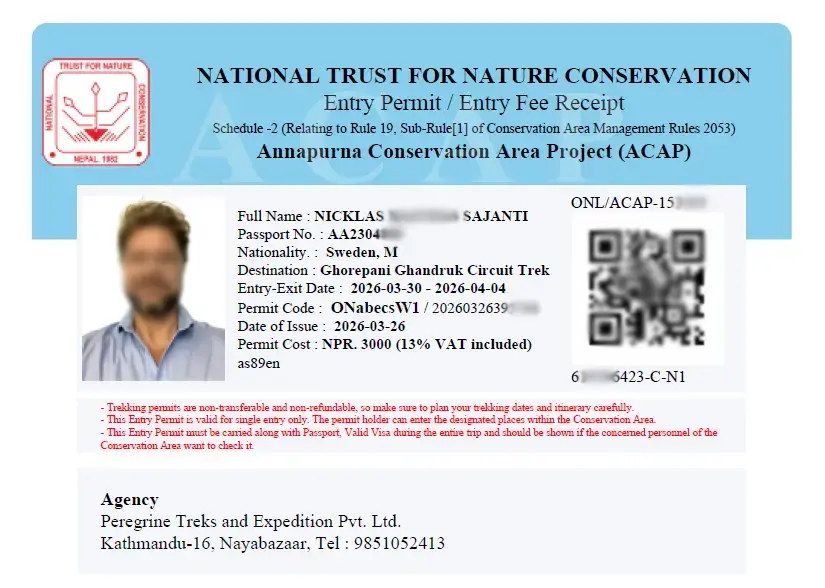
Solo independent travel does not apply to these zones. Day hikes in the Kathmandu Valley, such as Shivapuri, Champadevi, and Nagarjun, do not require a guide or TIMS. Simple park entry fees apply at some sites. Check the current rules before travel, as permit regulations update periodically.
| Route | Guide Required | TIMS Needed | Special Permit | Beginner Friendly? |
|---|---|---|---|---|
| Shivapuri / Champadevi | No | No | No | Yes — ideal start |
| Nagarkot area hikes | No | No | No | Yes |
| Ghorepani Poon Hill | Yes | Yes (agency) | ACAP fee | Yes — best first trek |
| Mardi Himal | Yes | Yes (agency) | ACAP fee | Yes — for fit beginners |
| Langtang Valley | Yes | Yes (agency) | LNAP fee | Yes — closer to Kathmandu |
| Annapurna Base Camp | Yes | Yes (agency) | ACAP fee | Possible — needs good fitness |
| Everest Base Camp | Yes | Yes (agency) | SNPF + local fee | No — not for first-timers |
| Manaslu Circuit | Yes | Yes (agency) | Restricted zone permit | No — advanced route |
| Upper Mustang | Yes | Yes (agency) | Restricted zone permit | No — restricted permit route |
Altitude and Safety for First-Time Hikers
Altitude affects most hikers somewhere above 2,500 m. Symptoms of Acute Mountain Sickness(AMS) include headache, nausea, loss of appetite, fatigue, and dizziness. Treat any illness above 2,500 m as possible AMS until proven otherwise. The most important rule at altitude sounds simple: do not go higher if you feel sick. Descending even 200 to 300 m often brings immediate relief. Ignoring symptoms and pushing upward turns a mild case of AMS into a serious medical emergency.
Key Altitude Safety Rules for Beginners
- Drink 3 to 4 liters of water daily at altitude — hydration supports acclimatization
- Ascend no more than 300 to 500 m per day above 3,000 m
- Plan at least one acclimatization rest day after every 2 to 3 days of climbing
- Avoid sleeping pills and alcohol above 3,000 m — both suppress breathing
- Tell your guide immediately if any AMS symptoms appear
- Descend at the first sign of worsening symptoms — do not wait until morning
A slower pace costs one extra day on the trail. Ignoring altitude symptoms costs much more. Beginners who move slowly and rest properly almost always complete their route safely.
Note: Altitude Warning: Altitude risk and trail difficulty are two separate things. An “easy trail” can still reach a dangerous altitude. Do not underestimate the elevation on any Nepal hike above 2,500 m.
What to Pack for Your First Hike in Nepal
Clothing
Pack in layers. A moisture-wicking base layer, a mid-layer fleece, and a waterproof outer shell cover most conditions on beginner trails. Bring one warm hat and light gloves for early mornings above 2,000 m.
Footwear
Wear properly broken-in hiking boots with ankle support. Nepal’s trails mix loose stone, mud, and uneven steps. New boots cause serious blisters within the first hour. Break them in at home for at least 4 weeks before departure.
Rain and Cold Protection
Carry a packable rain jacket and a waterproof trouser shell. Nepal’s weather changes fast, even in spring and autumn. A compact umbrella works well in lower-altitude rain but fails in wind. A rain jacket beats an umbrella above treeline.
Hydration and Snacks
Carry a 1.5 to 2-liter water bottle or hydration bladder. Use water purification tablets or a filter straw — do not rely on buying plastic bottles at every stop. Pack trail snacks like nuts, energy bars, and dried fruit for between meals.
Simple Health Kit
- Ibuprofen or paracetamol for headache and muscle pain
- Blister plasters and medical tape
- Rehydration sachets for stomach upset
- Antidiarrheal tablets
- Sun protection — SPF 50+ cream and UV-protective sunglasses
- Lip balm — altitude dries lips faster than most beginners expect
Documents and Cash
Carry your passport, permit documents, and travel insurance details at all times. Nepal’s rural villages use cash only — there are no ATMs in the countryside. Carry enough Nepali rupees before leaving the main city.
What Beginner Hikers Can Expect on Nepal’s Trails
Teahouse trekking on Nepal’s main beginner routes follows a simple daily pattern. Wake early, eat breakfast at the lodge, walk for 4 to 6 hours, arrive at the next village, and check into the next teahouse. Evenings stay social — hikers share the dining room and talk over dinner. Teahouses on popular routes like Ghorepani and Langtang serve dal bhat, pasta, noodles, soups, eggs, and a rotating menu of simple meals. Hot showers are available at most teahouses, but cost a small extra charge above 3,000 m.
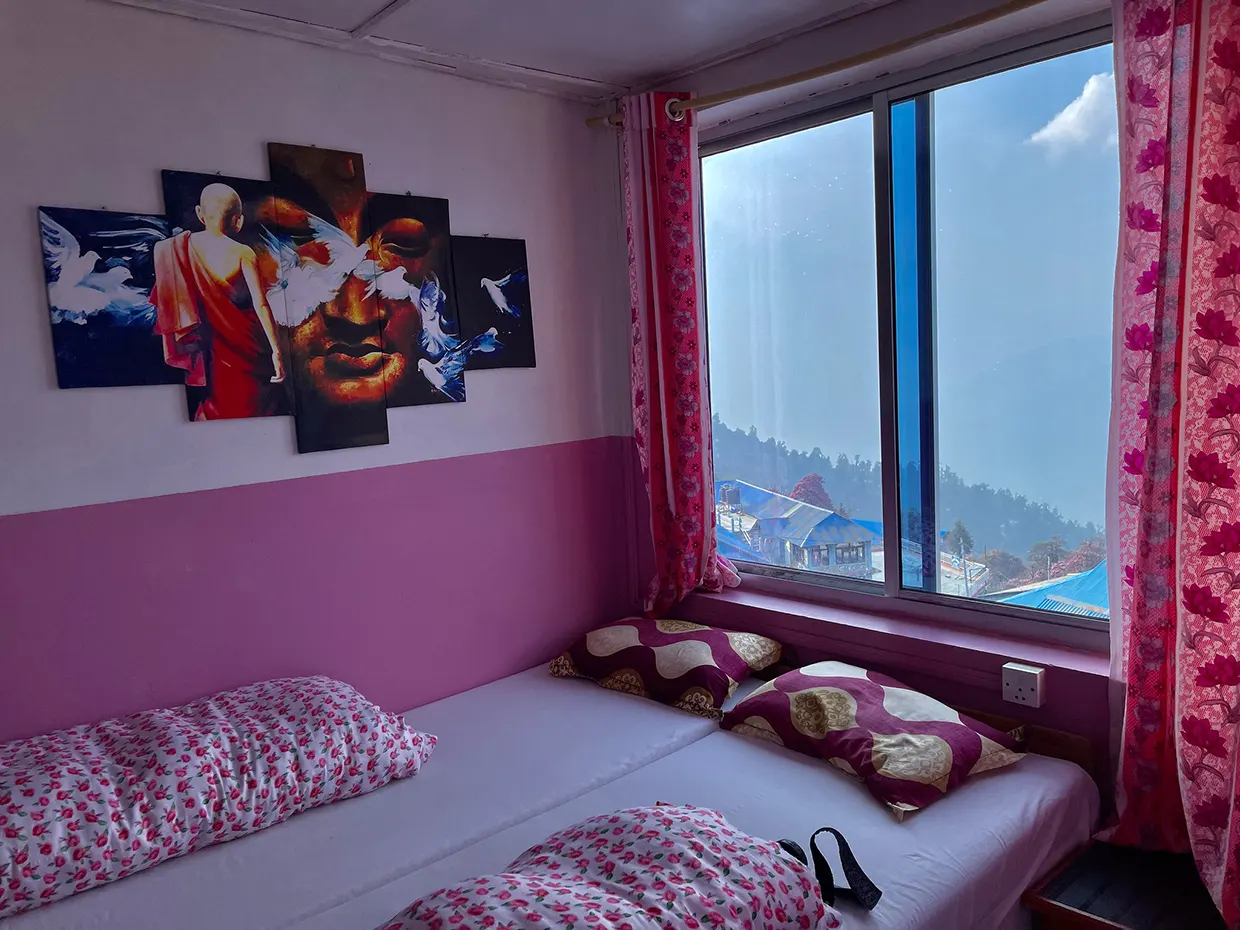
Charging phones costs a small fee above the lower trail sections. Wi-Fi is available at some lodges, but it remains slow and unreliable. Toilets on most beginner routes are western-style or squat-style in shared facilities. Private tours with premium Nepal packages sometimes arrange better-equipped lodges even on beginner trails, which appeals to travelers used to higher comfort standards. Most beginner hiking routes hold clear signage.
A licensed guide helps with navigation, local knowledge, altitude monitoring, and communication with teahouse owners. For first-time visitors and beginners, hiring a local guide adds genuine value far beyond route-finding.
Best Nepal Hikes for Beginners by Trip Length
| Trip Length | Best Routes | Why It Works for Beginners | Max Altitude |
|---|---|---|---|
| 1 Day | Shivapuri, Champadevi, Nagarjun, Pulchowki | No overnight gear, easy access from Kathmandu | 1,500–2,700 m |
| 2 to 4 Days | Dhampus–Australian Camp, Pikey Peak lower section | Short daily stages, simple teahouse logistics | 2,000–3,000 m |
| 5 to 7 Days | Ghorepani Poon Hill, lower Langtang loop | Established trails, managed lodges, and good signage | 3,000–3,500 m |
| 8 to 12 Days | Langtang Valley, Mardi Himal, ABC for fit beginners | Rewarding views, manageable with proper acclimatization | 3,500–4,500 m |
Beginners get the most value from routes that match their available days, honestly. A fit beginner who rushes a 10-day route into 7 days creates altitude risk. Building in one rest day per three walking days makes a real difference in comfort and safety.
Best Beginner Hikes in Nepal by Travel Style
For Families
- Nagarkot area walks — short, accessible, Himalayan views
- Australian Camp — low altitude, easy terrain, gentle pace
- Ghorepani Poon Hill — best family multi-day option, good teahouses
Families with children under 12 do best below 3,000 m. Poon Hill reaches only 3,210 m and is suitable for fit families.
For Photographers
- Poon Hill at sunrise — Annapurna panorama at first light
- Nagarkot at dawn — Himalayan sunrise above Kathmandu
- Shivapuri — forest light and valley shots
- Langtang Valley — dramatic glaciated peaks and yak pasture scenes
Carry a lens cloth and a sealed dry bag. Dust on descents and rain in forest sections quickly damage camera gear.
For First-Time Nepal Visitors
- Start with a Kathmandu Valley day hike on day 2 or 3 of the trip
- Add Nagarkot overnight for a Himalayan sunrise before the main trek
- Choose Ghorepani Poon Hill for a first multi-day trek — the best combination of scenery, accessibility, and manageability
For Weekend Hikers
- Shivapuri — full day hike from Kathmandu
- Champadevi — half to full day
- Dhampus–Australian Camp — 2 nights from Pokhara
Weekend hikers based in Kathmandu or Pokhara get a strong return on short trips without needing a week of annual leave.
For Views Without Very High Altitude
- Australian Camp — Annapurna views from 2,060 m
- Sarangkot near Pokhara — panorama from 1,592 m
- Nagarkot — Himalayan views from 2,175 m
- Poon Hill — the best mountain view in Nepal below 3,300 m
Should Beginners Start from Kathmandu or Pokhara?
Kathmandu serves as the best base for day hikes and short valley walks. Shivapuri, Champadevi, Nagarjun, Pulchowki, and Nagarkot all start from Kathmandu-side trailheads. Taxis and local transport reach most trailheads without a long drive. Pokhara suits beginners planning multi-day hikes in the Annapurna region. Australian Camp, Dhampus, and Ghorepani Poon Hill all begin within 1 to 2 hours of Pokhara. The city also provides gear shops, good food, and a relaxed base before heading to the trail.
A combined Nepal itinerary that includes both cities gets the best of both options. Start with a day hike in the Kathmandu Valley to test fitness. Fly or drive to Pokhara. Start the multi-day trek from there. Many private Nepal tour packages and beginner hiking itineraries follow exactly this structure, offering private transport, a guide, and curated teahouse accommodation throughout.
Beginner’s Guide to Hiking in Nepal FAQs
Q: Is Nepal good for beginner hikers?
A: Yes. Nepal holds dozens of trails suitable for beginners — from easy day hikes near Kathmandu to moderate multi-day treks like Ghorepani Poon Hill. Choosing the right route for your fitness and altitude tolerance makes all the difference.
Q: What is the easiest hike in Nepal?
A: The Nagarjun Forest Reserve hike near Kathmandu ranks among the easiest. It takes 3 to 4 hours return, reaches about 2,096 m, and needs no guide or special permit. Champadevi and Nagarkot area walks also stay easy and accessible.
Q: What is the best short trek in Nepal for beginners?
A: Ghorepani Poon Hill runs 4 to 5 days, reaches 3,210 m, and delivers wide Annapurna views from a well-supported trail with teahouses throughout. Nepal Tourism Board specifically highlights it as a beginner and family-friendly option.
Q: Do beginners need a guide in Nepal?
A: Day hikes near Kathmandu do not require a guide. Most major multi-day trekking routes now require a licensed guide and agency-issued TIMS card under the revised Nepal trekking regulation, effective March 2023. A guide adds safety, navigation support, and cultural insight on any route.
Q: When is the best time for beginner hiking in Nepal?
A: Spring (March to May) and Autumn (October and November) give the clearest mountain views and most stable weather. Autumn delivers the best conditions overall. Winter suits low-altitude Kathmandu Valley hikes. Monsoon suits very few beginner routes.
Q: Can beginners do Annapurna Base Camp?
A: Yes, for fit beginners with proper training. ABC reaches 4,130 m and requires 9 to 11 days. Beginners who train seriously for 2 to 3 months beforehand and pace themselves carefully complete it successfully. It does not suit casual walkers as a first Nepal hike.
Q: Is Langtang a good first trek?
A: Yes. Langtang Valley lies close to Kathmandu and spans 7 to 9 days. The trail reaches 3,870 m at Kyanjin Gompa. It suits fit beginners who prepare properly and take the acclimatization seriously. The teahouse network and clear trails reduce logistical difficulty.
Q: What altitude should beginners avoid on a first trip?
A: Treat any altitude above 3,500 m with careful acclimatization on a first trip. AMS risk rises meaningfully above 3,000 m. A beginner’s first route should stay below 3,500 m unless they plan rest days and move slowly above that level.
Final Thoughts
Nepal opens its trails to hikers of every level. The beginner’s guide to hiking in Nepal boils down to one core principle: choose your route honestly, prepare your body properly, and respect altitude from the start. A day hike on Shivapuri costs almost nothing and builds real confidence for the longer trails ahead. Ghorepani Poon Hill delivers the complete Nepal mountain experience without sending a first-timer to dangerous altitudes.
Langtang Valley rewards the prepared beginner with scenery and cultural richness that stays memorable for years. Start with what matches your fitness and available days. Build experience across two or three Nepal visits. The harder routes will wait, and they reward visitors far more once a real foundation exists.