


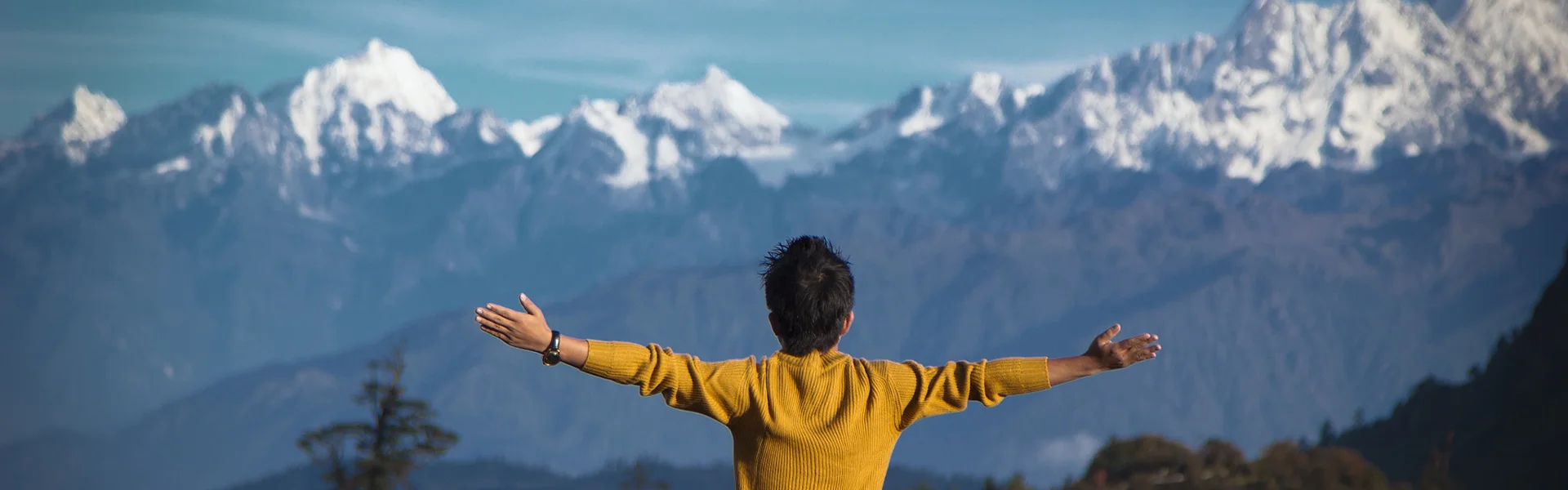

Sarangkot sits on a hilltop approximately 1,600 m above Pokhara. The first ray of light hit the Himalayas from here at dawn. Annapurna, Machhapuchhre, Dhaulagiri, and Manaslu all glow in the morning sun. The valley below fills with color as the day begins. Travelers can watch as the snowy peaks turn a vibrant red and pink during the Sarangkot Sunrise.
Location And Access
Sarangkot is about 10km northwest of Pokhara’s Lakeside. You can take a taxi or jeep for NPR 800 to 1500 for a round trip. Local buses and shared jeeps also run from the Lakeside bus station and take 30 to 40 minutes to reach. Optionally, you can hike to the viewpoint by starting from Lakeside Park. The hike takes about 2 hours and can be steep in places. If you plan to see the sunrise, beginning the hike early and carrying a small flashlight is better.
Tours and taxis often pick up travelers at around 4:30 to 5:00 AM. Many hotels arrange guided sunrise trips for about USD 20 to 30, including transport. You can also rent a motorbike with a helmet or a cycle.
At the top, you’ll take a short walk from the parking area to the view tower and a small temple. The entry fee to the tower is NPR 60, but you can still enjoy impressive views from outside.
A popular activity in Sarangkot is the paragliding return to Pokhara. You’ll take off from Sarangkot and land near the Lakeside. It’ll cost you about NPR 8,000 to 12,000 per person.
The Sarangkot Sunrise Experience
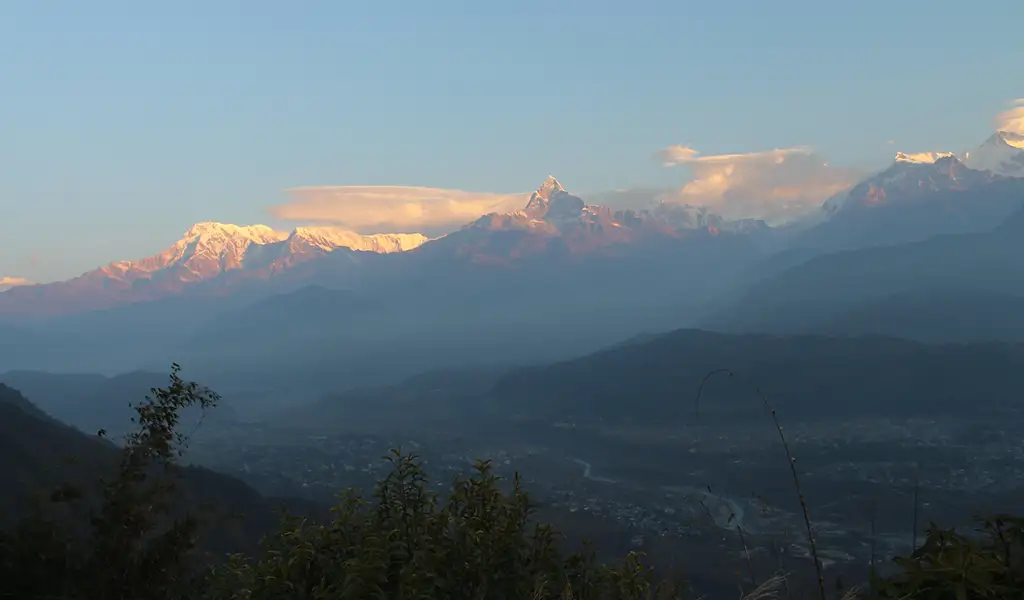
Watching the sunrise at Sarangkot is an exceptional experience. You can watch the sunrise as the sky turns into a shade of gold and orange, and the snow peaks glow. Annapurna I, Dhaulagiri, Machhapuchhre, and the Annapurna range come from here—Pokhara valley and the Phewa Lake stretch below the hill.
You can hear birds singing, roosters crowing, and the dogs barking in the distance. The wind is calm in the morning, and you can drink hot tea near the viewpoint.
You should wear something warm since the hill is cold in the morning. Wear a jacket, gloves, and a hat. Once the sun rises, the air warms up and the chill quickly fades.
Best Time and Weather
The dry season from October to March usually has bright, clear mornings and excellent visibility. These months have the best mountain views. Winter mornings may be freezing, and roads may have ice during deep winter.
April to May brings warmer sun, haze, and dust, which may reduce visibility. During the summer monsoon, clouds and mist often cover the hills at sunrise and block the peaks.
You should check the local weather forecast and ask the hotel staff or guides about the cloud conditions the evening before. Arrive at Sarangkot at least 30 minutes before sunrise. It’ll help you find a good spot and avoid last-minute crowds.
Practical Tips
Clothing: Dress in layers. Early mornings are cold, around 0 to 10°C in winter. Wear a warm jacket, fleece, and a hat to stay comfortable and remove layers as the sun rises.
Footwear: Wear sturdy walking shoes or boots. The path and stairs to Sarangkot can be rocky or slippery, especially when damp. You must avoid flip-flops or loose sandals.
Gear: Bring a camera and a tripod for low-light conditions if you want to take pictures. Binoculars will help you see distant peaks or villages, and carry a headlamp or flashlight if you’re hiking.
Essentials: You can bring bottled water and some snacks. Small stalls at Sarangkot sell tea, coffee, and simple snacks.
Health: If you’re from a lower altitude, climbing to 1600 may leave you breathless. Stroll and stay hydrated.
Safety: Stay behind the railings and on marked paths. Rocks can be slippery and wet, so you must never lean over or climb fences.
Respect: Sarangkot is home to the Gurung and Magar communities. You must respect local customs, remove shoes from temples, and carry trash or use bins. Help the area stay beautiful.
Facilities: There are simple restrooms and small tea shops near the viewpoint. Keep small changes around NPR 20-50 for the toilet or for tips.
Nearby Attractions
Paragliding: You can take off from Sarangkot hilltop and fly over Phewa Lake. Tandem flights cost around NPR 8,000 to 12,000 per person. Certified pilots will accompany you with the equipment that meets the safety standards.
Phewa Lake: You can rent a boat or canoe to tour the Phewa Lake from the lakeside. The lake often reflects the mountains and creates beautiful views, especially at sunset.
World Peace Pagoda: This Buddhist stupa otherwise known as Peace Stupa sits on a hill southwest of the lake. You can hike up from the Lakeside in 1 to 2 hours or take a boat across the Phewa Lake, then hike up. The top of the hill offers excellent views of Phewa, Pokhara, and Annapurna peaks.
Devi’s Fail and Gupteshwor Cave: Both attractions are near the Lakeside, about 2 km from the city center. Devi’s Falls is a dramatic waterfall, and Gupteshwor Cave sits directly across the road.
Hiking Trails: The Sarangkot-to-Naudada trail descends through terraced farms and villages. The hike is about 2 to 3 hours one way. Kashikot village, about 15km away, has its own sunrise viewpoint and fewer crowds.
Annapurna Trails: Pokhara is the primary starting point for the Annapurna Circuit and Annapurna Sanctuary treks. While Sarangkot is not on the trekking route, you can relax and enjoy before heading to the hills.
Cultural Context
Local Gurung and Magar communities have lived on the hills around Sarangkot for generations. You’ll notice stone and wood houses, rice terraces, prayer flags across the area, and villagers singing folk songs during the day.
There are temples and shrines at Sarangkot’s peak and its base. During Dashain and Tihar, these sites are colorful. You can see altars decorated with marigold flowers or release pigeons for good luck. Locals say “Sarangkot” in Nepali means a place of sunlight, inspired by the sunrise.
Accommodation and Costs
Accommodation: Most travelers stay in Lakeside Pokhara, which offers options for every budget. Basic guesthouses cost around $10-15 per night. Mid-range hotels cost about $30-60, and luxury resorts begin at $80 per night.
Book ahead during the high season, from October to November and March to April, to secure the best rates. Some hotels even offer free pickups to Sarangkot.
Tours and Transport: Sunrise tours to Sarangkot usually cost $20-30 per person, often including hotel pickup and a guide. Local taxis or shared jeeps cost around NPR 200-300 per person. You can take public buses in daylight, which cost about NPR 50-100, but they don’t operate before dawn. Paragliding tandem flights cost about NPR 8,000-12,000 per person, and entry to the Sarangkot viewing tower is NPR 60.
Conclusion
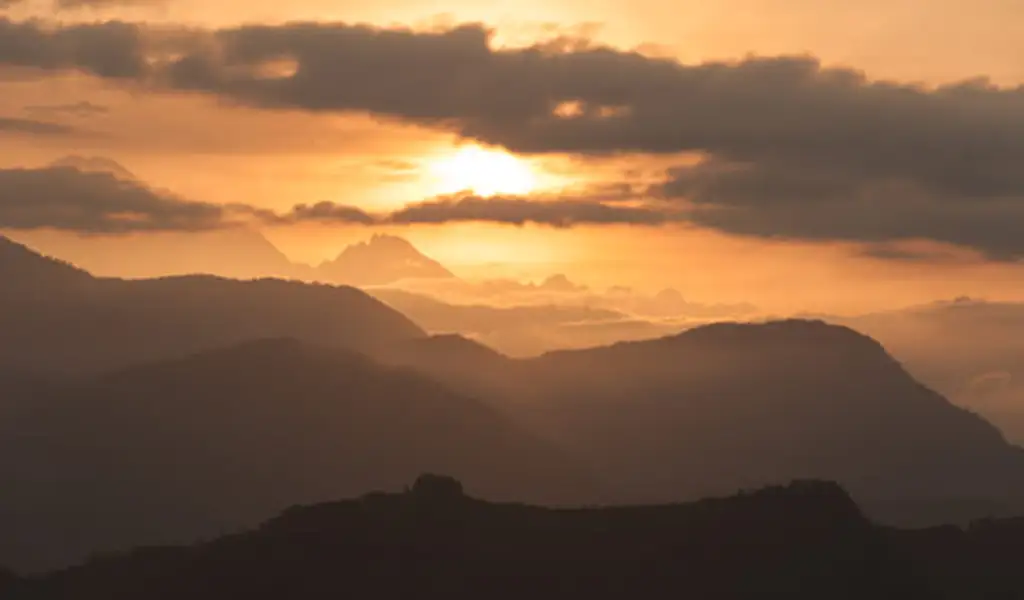
Watching the sunrise at Sarangkot is a peaceful experience. The mountains are clearly visible in the morning light. This viewpoint also supports local guides, shops, and communities relying on tourism.
You must stay on marked paths and carry out any trash. Bring a warm jacket and a camera. You should begin your trip early to understand why Sarangkot is a popular destination.