


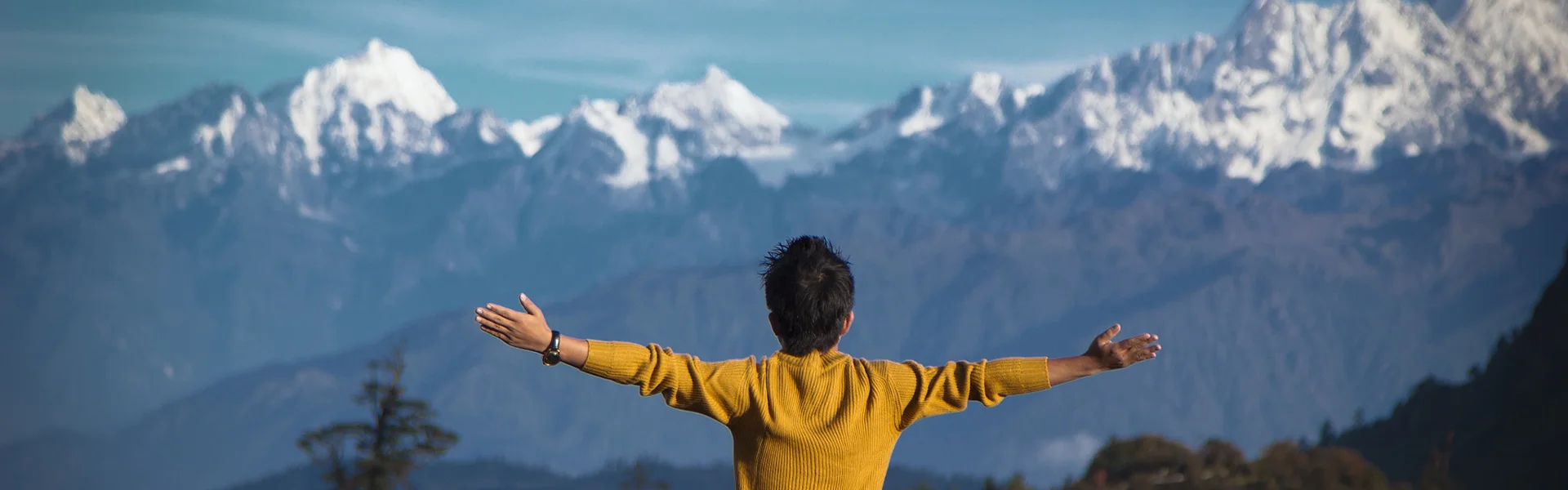

You can enjoy trekking in the Annapurna Circuit the most during the two main trekking seasons. These seasons include Autumn, September to November, and Spring, March to May. These months experience stable weather, clear skies, and pleasant temperatures. That said, the ideal time to trek depends on your priorities. Some trekkers prefer solitude, while others may like certain landscapes or cultural experiences. You can explore the characteristics of each season to decide precisely when to plan your Annapurna Circuit trek. Here is a clear explanation of the Best time for the Annapurna Circuit Trek.
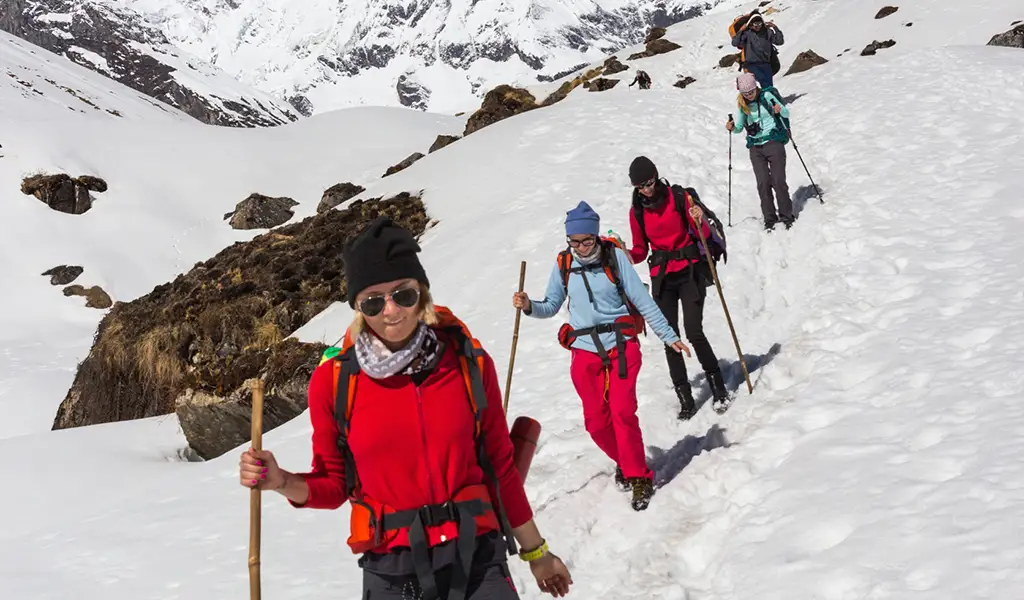
Peak Seasons: Autumn and Spring
Autumn (September to November)
Autumn is the best time for the Annapurna Circuit Trek. The monsoon rains pass, leaving the air crisp and clear. The mountains are clear against the deep blue skies. The weather is usually stable and dry. You’ll experience the ideal conditions for trekking.
Weather and Visibility: The atmosphere stays clear after the monsoon. You get the panoramic views of Annapurna, Dhaulagiri, and other Himalayan giants every morning. There is almost no haze to block the views. You can enjoy the mountains and landscape views as visibility stays excellent throughout the day.
Temperature: Mid-elevation trails are usually warm and range from about 15°C to 20°C in sunny areas. Higher elevations are colder but manageable with a fleece or light jacket. Nights are still chilly and can drop below freezing above 4,000m. You need a warm sleeping bag and layered clothes to manage the temperature. Crisp nights make early mornings fresh. However cold nights can be, Autumn offers a comfortable temperature for trekking.
Trail Conditions: The trails dry down after the summer rains by Autumn. The path is easy and flat, with rare muddy stretches and landslides. Rivers are also calmer and easier to cross. Most teahouses operate entirely with well-stocked supplies. Trekking is generally the smoothest with this season’s east weather interruptions or trail issues.
Seasonal Highlights: Not just the temperature, but the atmosphere is also almost perfect during Autumn. It brings cultural richness. People celebrate festivals like Dashain and Tihar, which often fall in October and November. You might see colorful decorations, traditional music, and festive foods while trekking through Gurung and Thakali restaurants. The blend of great mountain views and these cultural experiences makes Autumn an advantageous time to trek in the Annapurna Circuit.
The Downside: Autumn is popular, so the trails stay crowded. You’ll see many trekking groups in Manang and Muktinath in early October and during holiday weeks. Teahouses fill up quickly, and dining rooms are full and lively with hikers sharing stories. Prices for rooms and meals are also slightly higher due to high demand. If you don’t mind the busy atmosphere for the exceptional weather, scenery, and culture, Autumn is perfect.
Spring (March to May)
Spring is easily the second-best time for the Annapurna Circuit Trek. Many trekkers do find Spring equally as rewarding as Autumn. While it’s similar to Autumn, Spring brings a natural beauty like no other season. The landscape transforms, and trekking feels beautiful with color and energy.
Flowers: Spring is a vibrant flowering season. Rhododendrons, also the national flower of Nepal, bloom in March and April. These flowers cover the entire hillsides in red, pink, and white shades. Mid-elevations have wildflowers lining the trail, making trekking through these paths magical. Nature lovers and photographers will especially love the season.
Weather and Visibility: Spring has mild and pleasant conditions. Early Spring has crystal-clear mornings with great views of the mountains. Later, April and May bring light haze or dust in the lower valleys. You’ll get distance views from a lower elevation, but it’s nowhere near as close to Autumn. You’ll likely not see any rain until the very end of May. Spring is generally dry and reliable for trekking with occasional short showers or thunderstorms.
Temperature: This season offers some of the most comfortable trekking temperatures. Afternoons can reach 20°C to 25°C in lower valleys, particularly in April and May. Higher places like Manang have 10-15°C temperatures during the day and cold nights. Above 4,000m, nights can still fall below, with nights that bring warm temperatures. While still cold, nights are milder than in Autumn. Spring has longer daylight hours, so you can trek more relaxed while enjoying the scenery.
Trail Conditions: You may see lingering snow at higher elevations in early Spring, but most of it melts by April. Thorong La Pass is more manageable than in winter. Trails typically stay dry with occasional patches of mud after a Spring shower. The landscape remains full of life with swelled stems after snowmelt, green valleys, and active wildlife. Spring generally has excellent conditions except for some landslide risk before the monsoon.
Seasonal Highlights: Beyond blooming flowers, Spring has a softer, more vibrant setting in the Himalayas. Forests are lively with songs, and longer days make the trek feel more paced. The pass is easier to cross by late March and April as the heavy winter slowly recedes.
The Downside: Similar to Autumn, Spring also brings many trekkers. Trials get especially crowded in April with teahouses filling by evening. The atmosphere is lively and social, but not ideal if you are seeking solitude. Another minor drawback is the pre-monsoon haze in May. It can block views from a lower altitude. Still, the high-altitude view stays beautiful. Many trekkers find the blooming forests and comfortable weather worth the season.
Off-Seasons: For the Adventurous Trekkers
Monsoon/Summer (June to August)
The summer monsoon season is not the best time for the Annapurna Circuit Trek. First-time trekkers should avoid the season at all costs. However, monsoons offer a unique view of the Himalayas for experienced and adventurous hikers.
Rain and Humidity: June, July, and August bring daily heavy rain, especially in the lower valleys. Mornings start with a grey sky or a light shower, with afternoons bringing intense rain. The air stays humid, and you’ll feel damp without rain. Forests below 2,500 have high leech infestation during the monsoon. You may see some attached to your boots and legs. You can use gaiters and check your clothes frequently to keep them away.
Slippery Trails and Landslides: Trails stay muddy, slick, and risky during the monsoon. You must be highly attentive, especially when descending on wet stone, as slips are common. There’s a high risk of a landslide, which may wash out sections of trails or roads. Streets and rivers are in full motion. So, cross these water bodies with caution.
Limited Mountain Views: Don’t expect clear Himalayan panoramas if you plan to trek during the monsoon. Clouds block the view of the mountains for days at a time and surround the trail in mist and fog. That said, there are occasional breaks in the clouds in the early morning or late evening. You can see the dramatic snow peaks against the stormy skies, creating fleeting but unforgettable moments.
The Silver Lining: Despite the challenges, the summer monsoon has its own rewards. Valleys are vibrant with rich terraces, mossy forests, and raging waterfalls, creating a lush and tropical atmosphere. Villages and trails are quiet with only a handful of trekkers. Rooms are readout available, and you may even get off-season discounts. If you prefer solitude and don’t mind the rain, the monsoon might be for you.
Rain Shadow Effect: The Annapurna Circuit has a unique geography. Beyond Manang, and towards Thorong La Pass, the trail enters a rain shadow of the Annapurna and Dhaulagiri ranges. These peaks block much of the monsoon moisture and leave areas like Manang, Yak Kharka, and Muktinath quite dry. Suppose you can get through the muddy lower sections, you’ll find clearer skies and better conditions in Mustang and beyond. Getting to this rain shadow does take patience, as heavy rain in the first half of the trek can slow down the progress.
Winter (December to February)
Winter in the Annapurna Circuit is the complete opposite of the monsoon. The air is dry, and the skies are often clear. You can see the mountains shine under heavy snow. However, it is also free and more demanding. Only experienced trekkers with complete preparation should even consider attempting the trek this season. So, this is also not the best time for the Annapurna Circuit Trek.
Extreme Cold: Winter trek means low temperatures. In the foothills, days stay mild at around 10-15°C, but nights are chilly. Higher up, the cold is almost not manageable. Around Manang at 3,500m, the daytime highs are just above freezing, and nights drop to -10°C or lower. At Thorong Phedi, nights can drop from -15°C to -20°C, with freezing water bottles and icing over the windows inside the lodges. The cold is still bearable with the sun, but it becomes piercing as soon as the light fades or the wind rises. Bring a quality down jacket, thermal layer, insulated gloves, and an expedition-grade sleeping bag.
Snow and Ice: As the winter deepens, snowfall increases. December starts relatively straightforward, but January and February bring heavy snow in the high passes. Thorong La Pass usually stays closed; even when it is open, you must climb through deep, slow, and slick patches. We recommend micro spikes or crampons for the climb. Lower trails may be icy with frozen streams and slippery patches. Many teahouses stay closed for the season, bringing another challenge to winter trekking. Yak Kharka or Thorong High Camp may have absolutely zero operating lodges.
Stunning Scenery: Winter makes the circuit a wonderland. Peaks often glow in fresh snow, and villages stay white from snowfall. The air stays clear with sharp views of the distant summits and glaciers. The contrast of blue skies, bright sun, and warm golden light created an atmosphere unlike any other.
Solitude: If you’re looking for a quiet trek, winter is your friend. There may be only a handful of other hikers, if at all, in places like Manang. Teahouses feel intimate with owners often sitting beside you at the fire. Most of the time, you may be the only guest in the lodge. You can connect to the land and people more deeply.
Clear Skies: However cold the winter weather may be, it is stable. Unlike in Spring or summer, there are rarely any clouds in the afternoons, and visibility lasts all day. The downside is that a cloudless night means you lose heat rapidly. Days are short, so you should begin your trek early to reach your destination mid-afternoon before darkness and extreme cold set in.
Comparing the best time for the Annapurna Circuit Trek
| Factor | Autumn (Sep-Nov) | Spring (Mar-May) | Monsoon (Jun-Aug) | Winter (Dec-Feb) |
| Weather | Dry and very stable. The sky is clear blue every day, and mountain visibility is excellent. | Mild and mostly dry. Clear mornings with some haze or clouds in late Spring afternoons. | Wet season with frequent rain in the lower parts. The surroundings are cloudy with limited views, except in rain shadow areas. | Dry but very cold. Mostly clear skies with occasional snowstorms. |
| Temperature (Day/Night) | Comfortable days (15–20°C at mid-altitudes). Nights are cold (often below 0°C higher up). | Pleasant days (10–20°C at mid-altitudes). Nights are cold at altitude (around or below 0°C). | Hot, humid days at low elevations (25–30°C). Cooler nights, but generally not freezing in lower areas. | Cold days (often 0–5°C or below at high altitudes). Frigid nights (–10°C to –20°C in the highest areas). |
| Crowds | Extremely popular with very busy trails and teahouses. Lively social atmosphere. | Popular and busy, especially in April. Trails have many trekkers, and teahouses can fill up. | Very few trekkers, so you’ll have lots of solitude and empty lodges. | Very few trekkers, quiet trails, and empty teahouses (only some stay open). |
| Trail Conditions | Excellent. Dry paths, no mud, and low chance of landslides. | Excellent. Mostly dry with maybe a little mud if brief rain. | Poor. Muddy, slippery trails; landslide risk in wet areas. | Challenging. Snow and ice are on high sections, and some lodges are closing down. |
| Highlights | Best mountain views, vibrant festivals (Dashain, Tihar), and local culture with perfect trekking weather. | Blooming rhododendrons and wildflowers. Extended daylight hours with mild temperatures are ideal for hiking. | Lush green scenery, full of waterfalls, and complete peace with almost no other trekkers around. | Stunning snow-covered scenery with crisp air and brilliant views. |
| Cons | The trails are busy, so you need to book rooms early. Prices are also high. | Trails can feel crowded, and late Spring haze can dull views slightly. | Heavy rain, leeches, and mountains often stay hidden—There’s a risk of delays due to landslides or flooded roads. | Extreme cold with short days. High passes may be closed, and high villages have limited services. |
Conclusion
Your best time for the Annapurna Circuit Trek ultimately depends on what you’re researching for. You’ll enjoy crisp skies, dramatic scenery, and festive energy in Autumn with reliable weather, great mountain views, and a classic trekking adventure. Spring is ideal for nature enthusiasts and photographers. You get to see rhododendrons bloom and slightly warmer temperatures. The scenery is vibrant, and the conditions are manageable.
If you seek solitude and a more adventurous challenge, look into off-peak trekking seasons. The summer monsoon has lush green valleys with almost no crowds. However, it brings heavy rain, humidity, and leeches, demanding a flexible schedule. Winter is serene, with snow-covered landscapes and quiet trails, but you have prior trekking experience and proper gear. You should be ready for extreme cold and sudden changes.
No matter what season you choose, the Annapurna Circuit trek is still a great trip. Each time of the year offers a different perspective of the Himalayas. You should choose the season according to your priorities for a memorable adventure.