


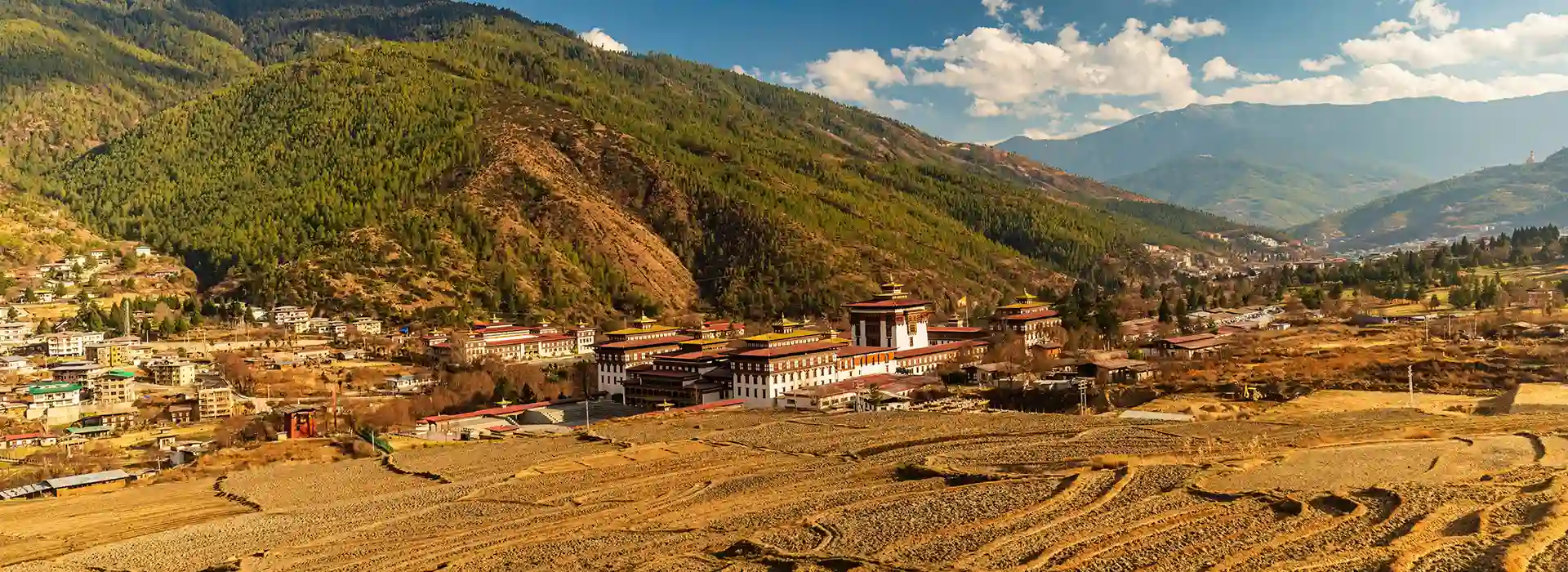

Bhutan Cultural Tour offers a unique window into a nation that measures success through collective happiness. Most countries focus on economic growth. The Kingdom of Bhutan prioritizes the well-being of its people and the environment. Travelers find a landscape where ancient traditions remain part of daily life. High mountain passes provide views of snow-capped peaks. Valleys house fortress-monasteries known as dzongs. Bhutan Cultural Tour provides an opportunity to see a society that balances modernization with cultural preservation. The government maintains a “High Value, Low Volume” tourism policy to protect these assets. Visitors contribute directly to the nation’s development through a sustainable fee system.
1. Introduction to Bhutan Cultural Tour
Bhutan remains one of the most mysterious places on earth. Bhutan’s culture remains intact because the country limits the number of visitors. Most people know Bhutan as the Land of the Thunder Dragon. Deep valleys and high peaks define the geography. Spirituality influences every aspect of life here. Bhutan Cultural Tour lets you see monks in red robes and locals in traditional dress. You walk through ancient forests to find hidden shrines.
The nation follows the Drukpa Kagyu school of Mahayana Buddhism. Religion is not a separate part of life. It is the life of the people. Bhutan Cultural Tour guides you through Thimphu, Paro, and Punakha. You see grand festivals and quiet village scenes. The experience changes how you look at the world. You learn that peace and nature matter more than fast cars and big malls.
2. Why Choose a Cultural Tour in Bhutan
The Bhutan Cultural Tour focuses on the philosophy of Gross National Happiness. King Jigme Singye Wangchuck coined the term in the 1970s. He believes that spiritual and emotional needs matter as much as material wealth. The government evaluates how new laws affect the environment and the community. Lawmakers protect the kingdom’s heritage.
Tourism in Bhutan feels authentic because it is limited. You do not see huge crowds or noisy buses. Small groups get personal attention from local experts. Preservation of heritage means the buildings look traditional. People speak their native language. They practice rituals that go back hundreds of years. Bhutan Cultural Tour offers value beyond simple sightseeing. You gain a sense of peace that lasts long after you return home.
3. Monasteries of Bhutan: Spiritual Centers of Daily Life
3.1 Role of Monasteries in Bhutanese Society
Monasteries serve as the heart of the community. Buddhism guides everyday life for everyone. Monks provide education and perform rituals for families. Local people visit temples to pray and gain merit. Prayer wheels spin throughout the day. The sound of bells and chants fills the air. The Bhutan Cultural Tour allows you to witness these spiritual practices.
3.2 Famous Monasteries to Visit in Bhutan
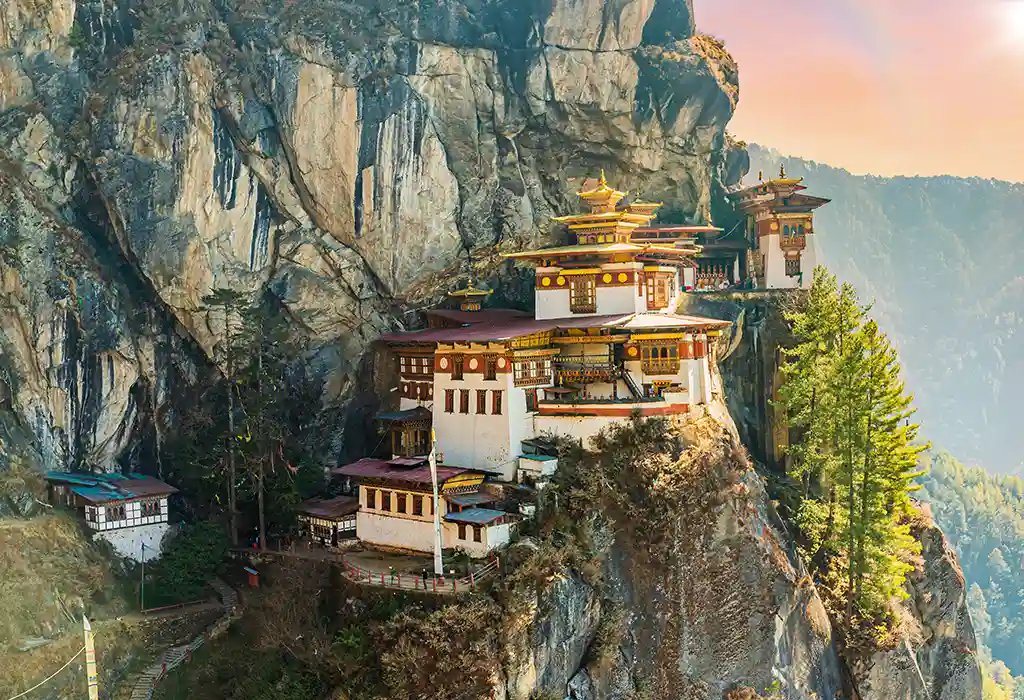
Paro Taktsang stands as the most famous monastery. People call it the Tiger’s Nest. The complex clings to a cliff high above the valley. Guru Rinpoche arrives here on a flying tigress in the 8th century. He meditates in a cave for three months. The hike to the monastery offers great views. You see prayer flags fluttering along the path.
Punakha Sangchhen Dorji Lhuendrup Lhakhang is a beautiful hilltop nunnery. It offers views of the surrounding valley. Nuns here begin their day with meditation. They learn traditional arts like embroidery and painting. The temple houses a large bronze statue of Avalokiteshvara. Bhutan Cultural Tour often stops here to see the training of female practitioners.
Kurjey Lhakhang in Bumthang is very sacred. The name means “Body Imprint.” Guru Rinpoche leaves his body imprint in a rock inside a cave here. The complex has three temples and a wall with 108 chortens. A tall cypress tree grows nearby. People believe it sprouts from the Guru’s walking stick.
Tamshing Monastery is the seat of Pema Lingpa. He is a famous treasure revealer. The monastery preserves 16th-century murals. These paintings show the history of Buddhism in the region. Monks here perform sacred dances during festivals. Bhutan Cultural Tour visitors enjoy the quiet atmosphere of this ancient site.
4. Dzongs of Bhutan: Fortress-Monasteries
4.1 What Is a Dzong?
A dzong is a massive fortress that serves two purposes. Half of the building houses the district government. The other half is a monastery for monks. These structures are located in strategic places, such as hilltops or river bends. They have thick white walls and beautiful wooden roofs. Masters build these without using nails or blueprints.
4.2 Must-Visit Dzongs in Bhutan
Punakha Dzong sits where two rivers meet. People call it the Palace of Great Happiness. It is the most beautiful fortress in the country. Bhutanese kings receive their coronation here. In spring, purple flowers bloom around the white walls. Bhutan Cultural Tour highlights this site for its history and art.
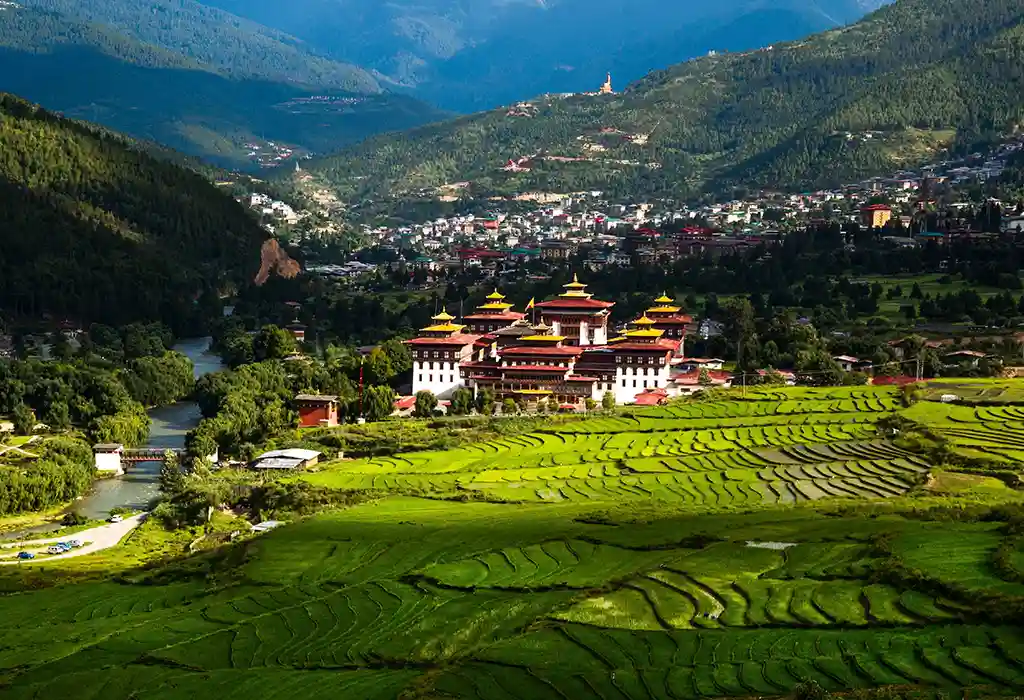
Tashichho Dzong is in the capital city, Thimphu. It houses the King’s throne room. The building has golden spires and red roofs. It serves as the monks’ summer home. You can visit in the evening to see the lights on the walls. The structure reflects the blend of government and religion.
Paro Dzong overlooks the Paro Valley. Its formal name is Rinpung Dzong. This means “Fortress on a Heap of Jewels.” A traditional wooden bridge connects the dzong to the town. The fortress hosts a major festival every year. Bhutan Cultural Tour guests admire the detailed carvings in the courtyards.
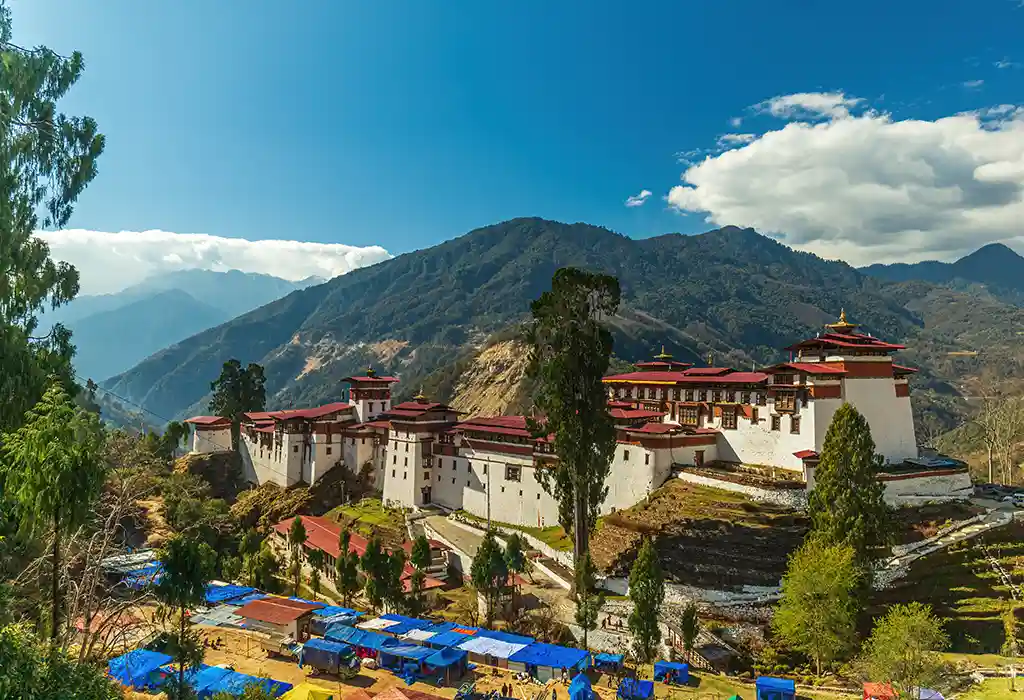
Trongsa Dzong is the largest fortress in Bhutan. It sits on a high ridge. The building controls the east-west route for centuries. It has many levels and watchtowers. The royal family has deep roots here. The complex includes several temples and a museum in a tower above the dzong.
5. Bhutanese Architecture and Design
Traditional houses have unique features. Massive stone walls provide stability. Intricate wood carvings decorate the windows and doors. Murals on the walls show religious stories. Symbols like the endless knot represent eternity. The lotus flower stands for purity.
Roof designs follow ancient rules. They have open spaces for ventilation. Wooden shingles often cover the top. Builders use river stones to hold the shingles in place. The Bhutan Cultural Tour shows how these buildings blend into the mountains. The design remains consistent nationwide.
6. Bhutanese Traditions and Customs
6.1 Dress and National Identity
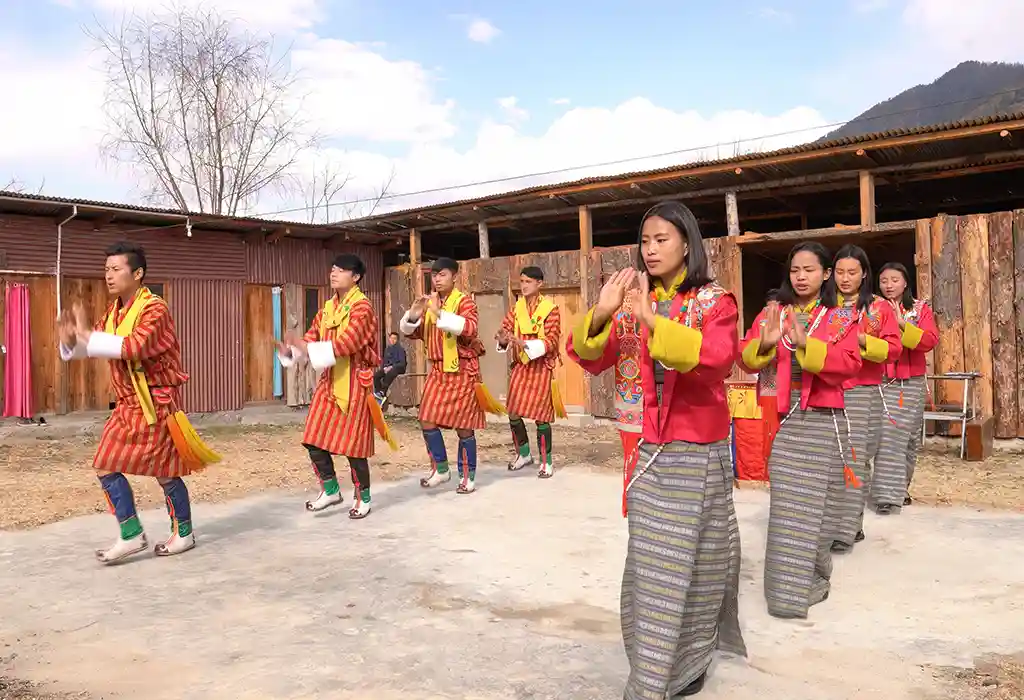
People take pride in their national dress. Men wear the gho. This robe reaches the knees. A kera belt ties it at the waist. Women wear the kira. This is a long wrap dress. They wear a jacket called a toego over it. National dress is required for schools and offices.
The colors of scarves show rank. Common citizens wear white scarves. The King wears a yellow scarf. Ministers wear orange. These garments reflect the wearer’s social status. Bhutan Cultural Tour guests often try wearing these clothes for a day.
6.2 Daily Life and Social Etiquette
Etiquette matters in Bhutanese culture. People speak in soft voices. They show respect to elders and monks. You must remove your shoes before entering a temple. Photography is not allowed inside sacred rooms. Always walk clockwise around shrines and prayer wheels.
Phallus paintings appear on many village houses. These symbols represent protection and fertility. They honor the legacy of Drukpa Kunley. He is a saint known as the Divine Madman. The paintings drive away evil spirits. Bhutan Cultural Tour visitors see these unique images in rural areas.
7. Bhutan Festivals (Tshechus) and Rituals
7.1 What Is a Tshechu?
Tshechus are grand religious festivals. They take place in dzong courtyards. Monks and laypeople perform masked dances. These dances tell stories from Buddhist history. Spectators believe the dances provide blessings. The events bring the whole community together.
7.2 Major Festivals Tourists Can Experience
Paro Tshechu happens in the spring. It is a very large event. The final morning features the unfurling of a giant tapestry. This tapestry is a thongdrel. It is so large that it covers a whole wall. People believe that just looking at it purifies sins. Thimphu Tshechu occurs in the autumn. It is the capital’s biggest festival. Thousands of people attend in their best clothes. The mask dances continue for three days. Bhutan Cultural Tour itineraries often include these dates for an immersive experience.
Punakha Drubchen re-enacts a 17th-century battle. Local men dress as ancient warriors. They perform dramatic scenes in the dzong courtyard. The festival honors the victory over invading forces. It shows the strength and spirit of the people.
8. Bhutanese Food and Cultural Cuisine
Food in Bhutan is spicy and hearty. Chilies are a main vegetable. Ema Datshi is the national dish. It consists of green chilies and local cheese. Red rice is the staple grain. It grows in high-altitude fields. The rice has a nutty flavor and sticky texture.
Suja is a popular drink. It is a tea made with salt and yak butter. It provides energy in the cold mountain air. Dining etiquette requires using the right hand. Most people sit on the floor to eat. Bhutan Cultural Tour offers farmhouse lunches to sample authentic Bhutanese cuisine.
9. Role of Buddhism in Bhutanese Culture
Mahayana Buddhism shapes the nation. Every village has a temple or a stupa. Prayer flags carry blessings on the wind. Blue flags represent the sky. White flags represent air. Red flags stand for fire. Green stands for water. Yellow represents earth.
Mani walls are made of carved stones. They feature the mantra “Om Mani Padme Hum.” Spinning prayer wheels generates good karma. Spiritual practices happen throughout the day. Bhutan Cultural Tour guides explain the meaning of these rituals to visitors.
10. Cultural Experiences Included in a Bhutan Cultural Tour
A typical tour includes many activities. You visit ancient monasteries with expert guides. You eat lunch at a local farmhouse. You watch a game of archery. This is the national sport. Players use bamboo bows and sing songs to distract each other.
You can attend a local festival. You visit handicraft workshops. Artisans show you how they weave silk or carve wood. Some tours include a hot stone bath. Stones heat in a fire and drop into a wooden tub. The water contains medicinal herbs to relax the body.
11. Best Time for a Bhutan Cultural Tour
Spring and autumn are the best seasons. March to May brings blooming flowers. You see rhododendrons in the mountains. September to November offers clear skies. You get the best views of the high peaks. Most festivals happen during these months.
Winter stays dry but gets cold. You can visit the southern valleys, such as Punakha. Summer is the monsoon season. It rains often, but the landscape turns very green. Bhutan Cultural Tour works well in any season if you plan for the weather.
12. Responsible and Respectful Cultural Travel in Bhutan
Respect sacred spaces at all times. Dress modestly by covering your shoulders and knees. Never touch religious artifacts. Ask permission before taking photos of people. Do not smoke in public places. The country has strict laws against tobacco.
Sustainable travel supports the community. Use reusable water bottles to reduce plastic. Follow the advice of your guide. The Sustainable Development Fee you pay helps the government. It funds free healthcare and schools for all citizens. Bhutan Cultural Tour promotes a balance between visitors and nature.
13. Cultural Tour Itinerary Overview
A 7-day tour covers the main highlights. You start in Paro and drive to Thimphu. You spend two days exploring the capital. Then you drive over Dochula Pass to Punakha. You visit the beautiful dzong and the fertility temple. You return to Paro for the Tiger’s Nest hike.
A 10-day tour goes further east. You visit the Phobjikha Valley. This is the winter home of black-necked cranes. You continue to Bumthang. This region is the spiritual heartland. You see the kingdom’s oldest temples. Bhutan Cultural Tour offers a deep look into rural life.
14. Practical Travel Tips for Cultural Tourists
Photography rules are simple. No photos inside temples. You can take photos in courtyards. Always wear long pants or long skirts when visiting dzongs. Bring comfortable walking shoes. The paths can be steep and uneven.
The local currency is the Ngultrum. It has the same value as the Indian Rupee. Most shops in towns take credit cards. Small villages prefer cash. Tipping is not required but appreciated by guides and drivers. Carry a light jacket even in summer. The mountain air stays cool.
15. Variations of the Bhutan Cultural Tour
Bhutan Cultural Tour vs Trekking Tour
A cultural tour focuses on buildings and traditions. You travel by car between towns. A trekking tour involves camping. You walk for several days through remote mountains. Cultural tours are much more comfortable.
Cultural Tour for Senior Travelers
Senior travelers enjoy a slower pace. You can request ground-floor rooms. Most sites have accessible paths. Guides adjust the walking speed to match your needs. You still see all the major landmarks.
Cultural Tour with Short Hikes
You can add short walks to your cultural tour. The Gangtey Nature Trail is easy and flat. It takes about two hours. The walk to Chimi Lhakhang goes through rice fields. These hikes add a touch of nature to the spiritual journey.
Luxury Bhutan Cultural Tour Experience
Luxury tours use high-end lodges. You stay in beautiful resorts like Amankora or Six Senses. These places offer premium spas and fine dining. You get private guides and high-quality vehicles. The experience combines ancient culture with modern comfort.
16. Conclusion: Why Bhutan Cultural Tour Is a Unique Experience
Living traditions define the country. It is not a museum. People practice their faith every day. You see a balance of spirituality and daily life. The scenery is pristine and quiet. You feel a deep connection to the mountains and the people.
Bhutan Cultural Tour leaves a long-lasting impression. You learn about a different way of living. You see a nation that values happiness over wealth. The journey stays in your heart forever. It is more than a vacation. It is a life-changing experience.