


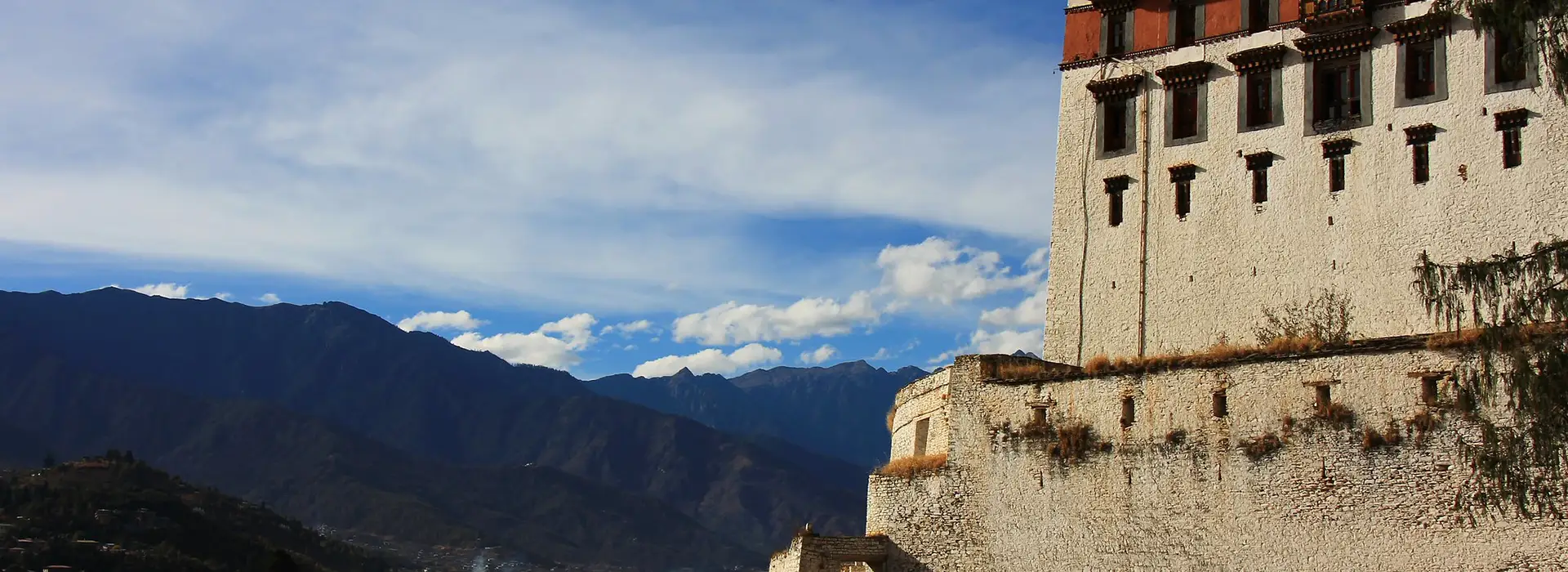

Travelers find the Bhutan Dzong standing as a massive fortress in every central valley of the kingdom. These structures represent the heart of the country through a mix of spiritual and secular roles. Every Bhutanese Dzong serves as both a religious monastery and an administrative center for the district government. They act as guardians of the national identity and protect the sacred relics of the people. Understanding the history and design of the Bhutan Dzong helps visitors prepare for a deep look into the local way of life.
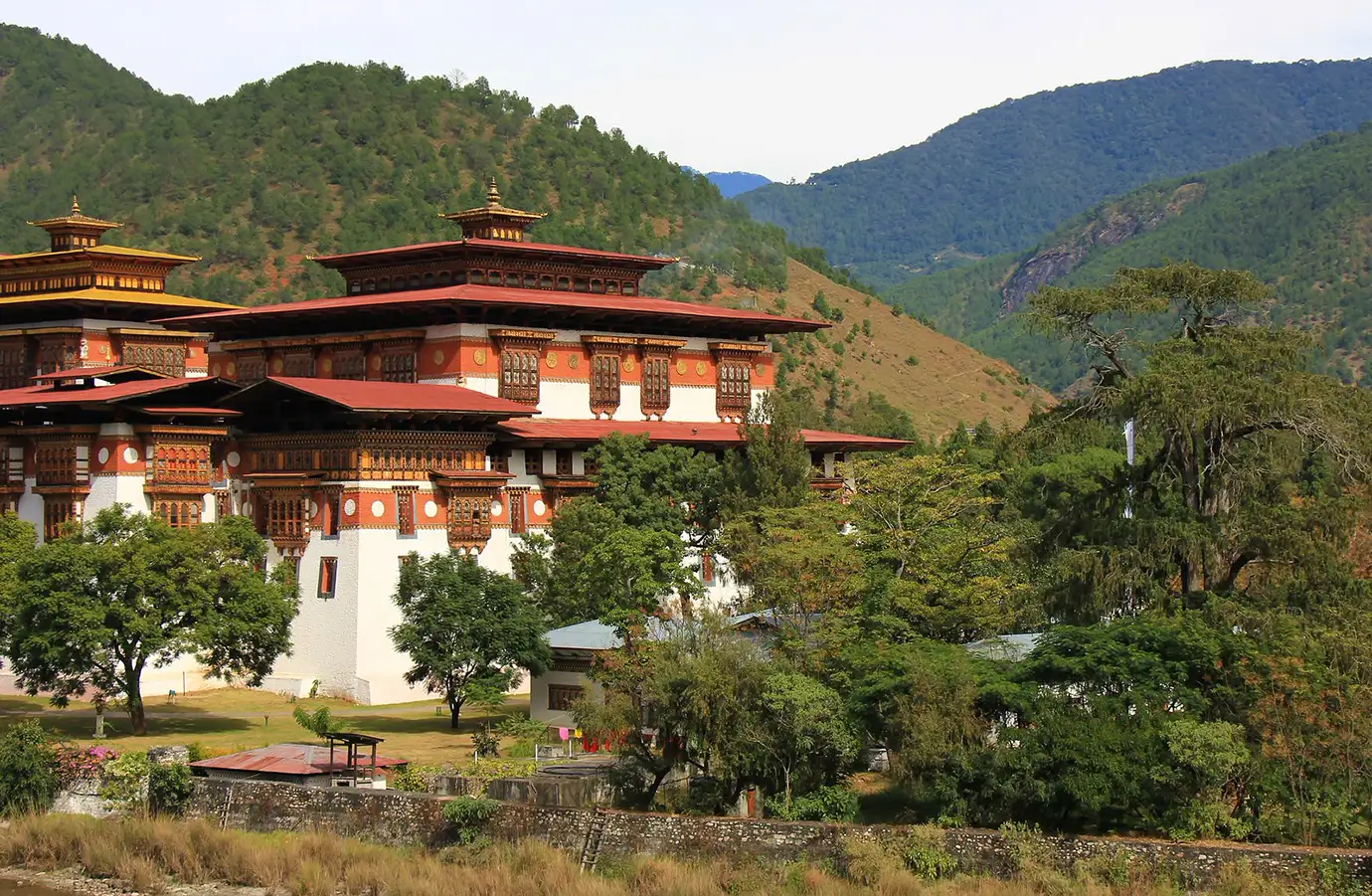
Introduction: What Are Bhutan Dzongs?
The Bhutan Dzong serves as a complex of buildings that combine power and peace. These fortress-monasteries lie in strategic places, such as hilltops or river confluences. They dominate the rural landscape with their sheer size.
Definition of Dzong
A Bhutan Dzong consists of high walls that surround courtyards, temples, and offices. The word translates to “fortress” in the local language. These buildings serve as homes for monks and as workspaces for government staff. They offer a physical space where the spiritual and worldly affairs of the people meet.
Dual Role: Fortress and Monastery
The most distinctive feature of a Bhutanese Dzong is its dual purpose. Half of the rooms provide offices for the district governor or other civil servants. The other half contains temples and monastic living quarters. This division shows the balance of power between the religious and secular branches of government.
Symbol of Bhutanese Identity
Every Bhutanese Dzong stands as a living witness to the nation’s history. They represent the strength of the people and their devotion to Buddhism. The buildings use traditional styles that require no nails or paper plans. This craftsmanship reinforces a sense of pride and cultural unity across the valleys.
Why Every Traveler Should Understand Dzongs
Visitors see the best examples of local art and engineering inside a Bhutan Dzong. These sites act as the primary venue for annual festivals and community gatherings. Understanding the history of these fortresses helps travelers respect the sacred nature of the space. A Bhutan tour feels incomplete without exploring these majestic structures.
The Origin and History of Bhutan Dzongs
The history of the Bhutan Dzong dates back to the 12th century. Early priests from different Buddhist schools built the first small fortresses to control specific areas. However, the most famous period of construction began in the 17th century.
17th-Century Unification of Bhutan
Zhabdrung Ngawang Namgyal arrived in western Bhutan in 1616. He flees Tibet after a dispute over his recognition as a high lama. He finds the region split into many small valleys ruled by local lords. He begins a mission to bring these warring factions under a single rule. He uses the Bhutan Dzong as a primary tool to gain influence and secure the land.
Role of Zhabdrung Ngawang Namgyal
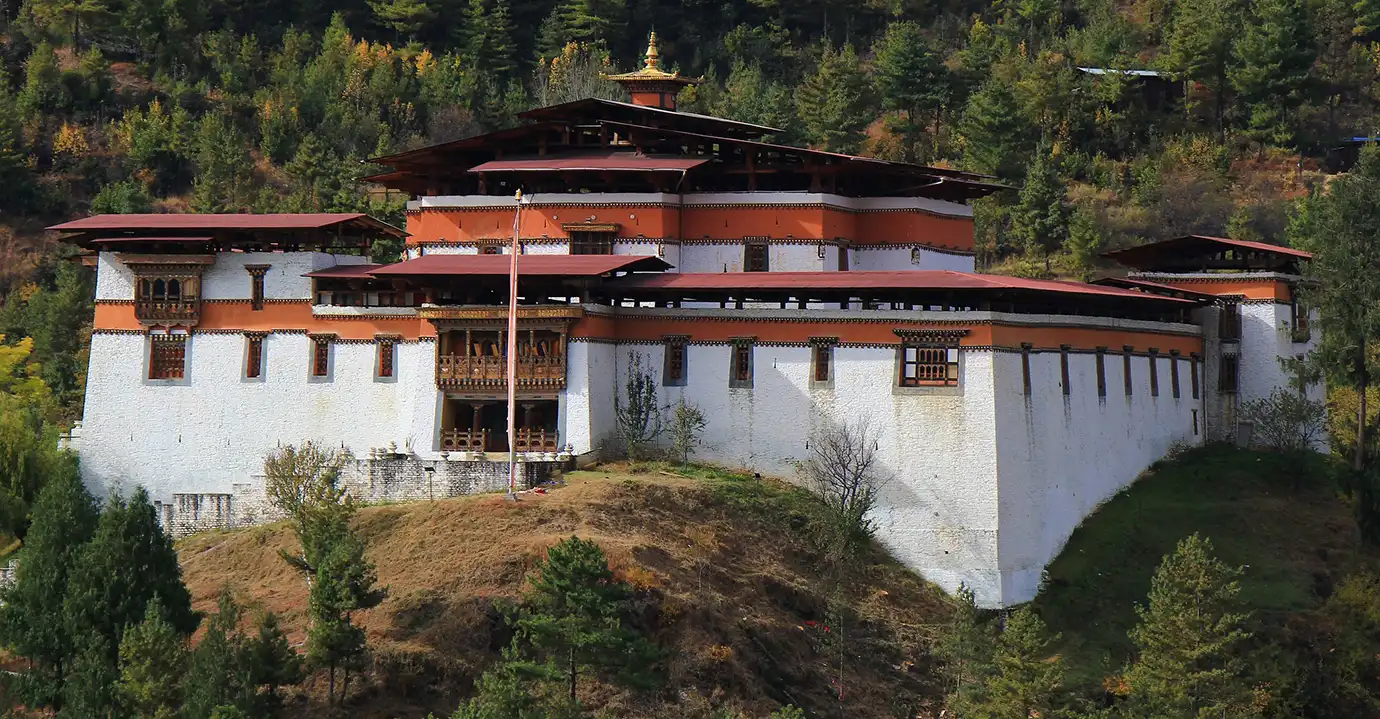
Zhabdrung Ngawang Namgyal is the kingdom’s founding father. He follows visions and omens to choose the best sites for his fortresses. He constructed Simtokha Dzong in 1629 as his first major stronghold. This building serves as the model for all later dzongs. His leadership establishes the Drukpa Kagyu tradition as the state religion.
Defense Against Tibetan Invasions
The Bhutan Dzong system provides a strong defense against northern threats. Tibetan and Mongol armies attacked the valleys several times during the 17th century. The massive walls and strategic hilltop positions allow local warriors to repel these invaders. Fortresses like Drukgyel Dzong specifically commemorate victories over these foreign forces.
Evolution From Military Fortresses to Administrative Centers
As the country finds peace, the military role of the Bhutan Dzong changes. The buildings transition into seats of regional governance. Today, they continue to house the district courts and offices. They also remain active monasteries where monks continue ancient rituals
| Historical Period | Key Developments for Bhutan Dzong |
| 12th Century | Early clergy built basic fortresses for regional control |
| 1616 | Zhabdrung Ngawang Namgyal arrives from Tibet |
| 1629 | Simtokha Dzong becomes the first combined religious/civil center |
| 1637 | Punakha Dzong rises as the capital of the unified state |
| 1907 | Monarchy begins; dzongs house royal coronations |
The Dual System of Governance
The Bhutan Dzong supports a unique governance model called Chhoe-sid nyi. It translates to the “dual system” of secular and religious rule. Zhabdrung Ngawang Namgyal created this system to ensure harmony between the state and the faith.
Religious Body (Monastic Community)
The religious half of the Bhutan Dzong serves as the home of the central monastic body. The Je Khenpo serves as the Chief Abbot and spiritual leader of the country. Monks living in the dzong study Buddhist philosophy and perform daily rituals. They move between summer and winter residences according to ancient tradition.
Administrative Offices
The secular half of the Bhutan Dzong houses the district administration. The Dzongdag acts as the district governor and represents the King’s authority. Offices within the walls handle land records, civil laws, and agricultural planning. This proximity ensures that government workers remain connected to the faith’s moral values.
District Headquarters Inside Dzongs
Every district in the country operates out of its primary Bhutan Dzong. People visit the fortress to settle legal matters or receive government aid. The building serves as the civic heart of the community. It acts as a courthouse, a town hall, and a temple all at once.
Continued Importance in Modern Bhutan
Modernization does not diminish the role of the Bhutan Dzong. The King maintains offices in Tashichho Dzong to stay close to both the government and the monks. The fortresses adapt to incorporate new technologies such as fire sensors and electrical systems. They remain the most important landmarks for local people.
Bhutan Dzong Architecture: Key Features
The Bhutan Dzong architecture stands out as a masterpiece of design. Builders follow the Driglam Namzha, a code that governs traditional construction. These rules ensure that all buildings maintain a consistent and harmonious look.
Massive Whitewashed Walls
High stone or rammed-earth walls form the exterior of a Bhutanese Dzong. These walls slope inward as they rise toward the roof. This battering technique makes the structure appear more powerful and enhances its stability during earthquakes. A dark red stripe, known as a kemar, circles the top of the walls to mark the building as sacred.
Central Tower (Utse)
The central tower, or utse, is the most prominent feature of any Bhutanese Dzong. It usually occupies the center of the primary courtyard. The utse houses the most sacred shrines and stores the district’s religious treasures. It represents the spiritual authority of the complex.
Large Courtyards
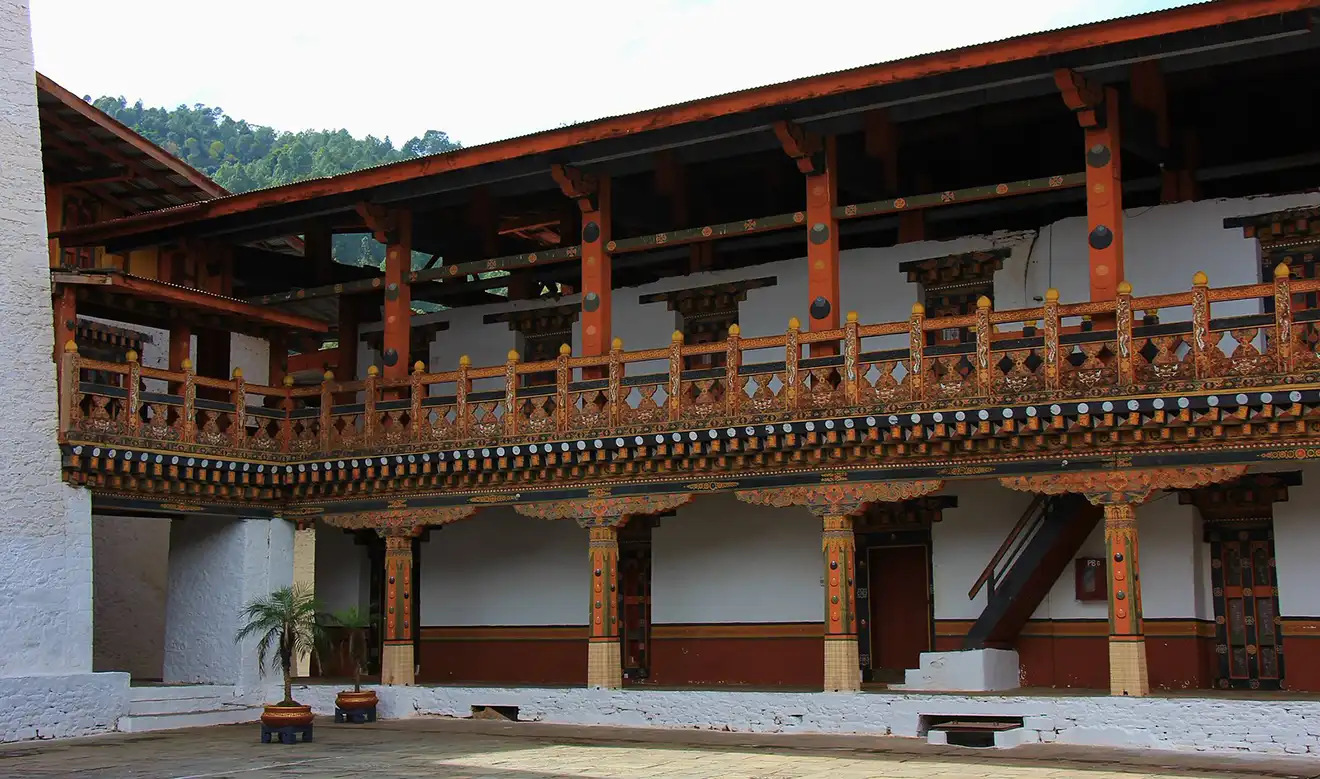
Buildings within the Bhutan Dzong enclose open courtyards called shabkhor. These stone-paved spaces serve as the venue for mask dances and festivals. They accommodate hundreds of people for social and religious events. The courtyards separate the fortress’s functional wings.
Wooden Windows and Carvings
Elaborate woodwork decorates the upper stories of a Bhutan Dzong. Carpenters carve intricate patterns into the windows and eaves. The window assemblies, known as rabsel, often project out over the lower walls. They feature traditional motifs such as the double dorje and floral patterns.
Fortress Layout
Designers choose the location of a Bhutan Dzong for maximum defense. Many sit on mountain spurs that offer views in three directions. Others guard the confluence of fast-flowing rivers. Watchtowers, or Ta Dzong, often sit on the slopes above the main building to prevent attacks from higher ground.
Materials and Construction Techniques
The construction of a Bhutan Dzong relies on local materials and manual labor. Builders use stone, earth, and timber sourced from the surrounding environment.
Stone Foundations
Heavy stones provide a stable base for the massive walls of the Bhutan Dzong. These foundations sit deep in the ground to support the weight above. Stone layers also act as breaks to prevent moisture from rising through the walls. This technique helps the buildings survive for centuries in the damp Himalayan climate.
Rammed Earth Walls
Western Bhutan favors the use of rammed earth for building a Bhutan Dzong. Workers pound soil into wooden frames to create solid blocks. These walls provide excellent thermal mass. They keep the interior warm during the cold mountain winters and cool in the summer.
Timber Frameworks
The roofs and floors of a Bhutan Dzong consist of heavy timber beams. Carpenters use an interlocking system called dovetail joinery to assemble the pieces. They do not use iron nails or bars in traditional construction. This flexibility allows the wooden parts to shift slightly during tremors.
Earthquake-Resistant Design
Traditional Bhutanese builders understand how to survive natural disasters. The inward-sloping walls and wide stone bases give the Bhutan Dzong a low center of gravity. The use of timber within the masonry adds a layer of elasticity. Some recent projects now use seismic isolation technology under the central towers.
Fire-Resistant Modernization Updates
Fire represents a significant risk for the wooden parts of a Bhutan Dzong. Many fortresses suffer from fires caused by butter lamps or short circuits. Current restoration efforts include installing concealed water pipes and modern fire sensors. These updates protect the buildings without changing their historical look.
| Feature | Description | Material |
| Exterior Walls | Tapered, thick, and whitewashed | Stone or Rammed Earth |
| Roof Structure | Sloped eaves with golden pinnacles | Timber and Metal Shingles |
| Window Frames | Intricately carved “rabsel” style | Handcrafted Timber |
| Main Tower | High “utse” housing the temple | Masonry and Wood |
Famous Bhutan Dzongs to Visit
A tour of the kingdom includes stops at several iconic fortresses. Each Bhutan Dzong offers a unique story and architectural style.
Punakha Dzong: The Palace of Great Happiness
Punakha Dzong lies at the junction of the Pho Chhu and Mo Chhu rivers. Its full name translates to “The Palace of Great Bliss”. This Bhutan Dzong serves as the winter home for the central monastic body. It features six levels and several large courtyards. Visitors see purple jacaranda trees blooming around the white walls in late spring.
Paro Rinpung Dzong: The Heap of Jewels
Rinpung Dzong rises on a hill above the Paro River. The name means “Fortress on a Heap of Jewels”. It guards the entrance to the Paro Valley and protects the western border. Travelers reach the entrance by crossing the Nemi Zam, a traditional cantilever bridge. The dzong hosts the annual Paro Tshechu, which attracts thousands of guests.
Tashichho Dzong: The Fortress of Glorious Religion
Tashichho Dzong stands on the banks of the Wang Chhu River in Thimphu. It serves as the seat of the national government and houses the King’s throne room. The fortress features manicured gardens and golden roofs. It serves as the summer residence for the Chief Abbot and his monks.
Trongsa Dzong: The Royal Seat of Power
Trongsa Dzong represents the largest fortress in Bhutan. It sits on a spur overlooking the deep gorge of the Mangde Chhu. This Bhutan Dzong controls the east-west trade route across the central mountains. All kings of Bhutan serve as the governor of Trongsa before they take the throne.
Wangdue Phodrang: The Elephant Ridge Fortress
Wangdue Phodrang Dzong sits on a ridge that looks like a sleeping elephant. Zhabdrung Ngawang Namgyal built it in 1638 to secure the central valleys. A major fire destroyed the original structure in 2012. A massive project aims to restore the dzong to its full glory by 2022. The site offers 14 newly reconstructed temples and a giant gold statue.
Bhutan Dzongs and Religious Significance
The Bhutan Dzong serves as the spiritual anchor for the local people. Every fortress contains sacred objects and serves as a place of active worship.
Monastic Life Inside Dzongs
Large communities of monks live and study within the Bhutan Dzong. They follow a strict schedule of meditation, prayer, and ritual performance. The monastic wing provides classrooms for young novices to learn Buddhist texts. These monks offer spiritual services to the government and the public.
Sacred Relics and Pilgrimage Stories
The fortresses house treasures that pilgrims travel long distances to see. Punakha Dzong keeps the Rangjung Kharsapani, a self-manifested image of the Buddha of Compassion. Other dzongs store the preserved remains of famous lamas and ancient statues. These objects act as spiritual batteries for the entire district.
The Tshechu: Vibrant Mask Dance Festivals
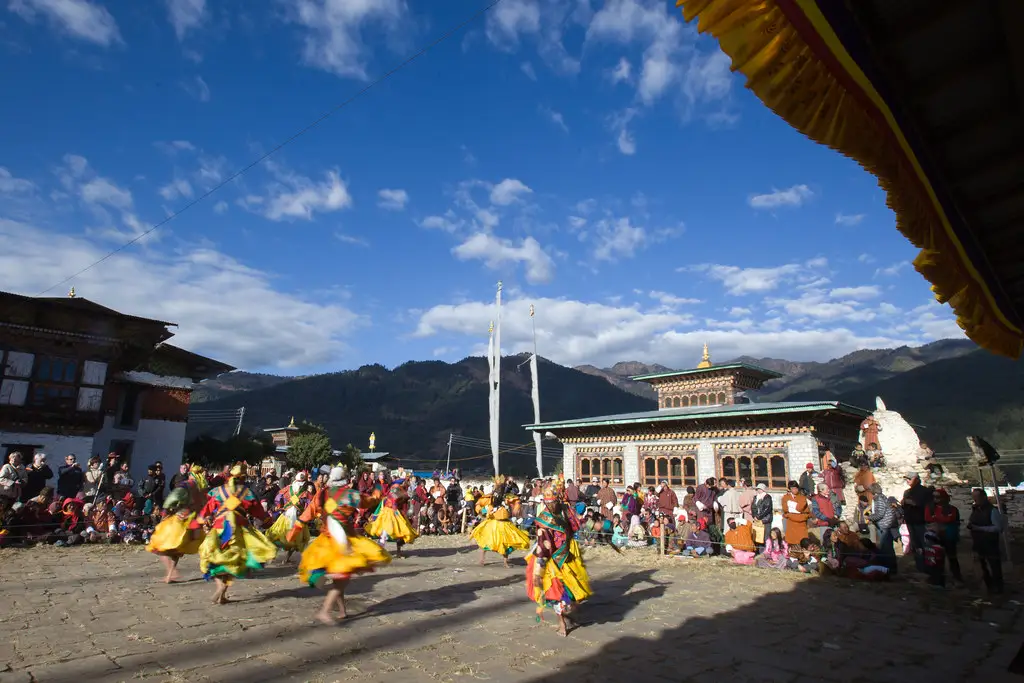
The courtyard of the Bhutan Dzong provides the stage for the annual Tshechu. These festivals commemorate the life of Guru Rinpoche. Monks wear silk costumes and wooden masks to perform sacred dances called Cham. Local people believe that watching these dances helps them gain merit and cleanses their souls.
Spiritual Symbolism in Layout
The design of a Bhutan Dzong reflects the Buddhist view of the cosmos. The utse symbolizes the center of the universe. The four pillars in many courtyards represent the four cardinal directions. Murals on the walls depict the history of enlightenment and the protection of the faith.
| Festival Name | Timing | Location |
| Paro Tshechu | 2nd Lunar Month (March/April) | Paro Rinpung Dzong |
| Punakha Dromche | Early Spring | Punakha Dzong |
| Thimphu Tshechu | 8th Lunar Month (September) | Tashichho Dzong |
| Trongsa Tshechu | December/January | Trongsa Dzong |
Dzongs vs Monasteries: What’s the Difference?
New visitors often find it hard to distinguish between different religious sites. While a Bhutan Dzong shares features with a monastery, it serves broader functions.
Administrative Role
The primary difference involves the presence of civil government. A Bhutan Dzong always houses the district administrator and legal offices. A monastery, known as a Goemba, serves only as a place for religious training and retreat. You will not find tax offices or courtrooms in a remote Goemba.
Size and Structure
A Bhutan Dzong stands as a massive complex with high fortification walls. Monasteries can be smaller clusters of buildings around a central temple. While monasteries may follow the “dzong model” of design, they lack the heavy defensive walls characteristic of dzongs.
Community Functions
The Bhutan Dzong acts as a social hub for thousands of people. It hosts regional political meetings and massive public festivals. Monasteries often sit in secluded spots, such as forests or cliffs, to allow for quiet meditation. A Lhakhang represents a simple village temple used for daily prayers by local families.
Practical Advice for the Bhutan Tour
Visiting a Bhutan Dzong requires careful preparation. These sites are active workplaces and holy spaces.
Visitor Etiquette and Modest Dress Code
Visitors must wear formal and modest clothing to enter the Bhutan Dzong. You must cover your arms and legs completely. Shorts, short skirts, and sleeveless tops are strictly prohibited. Remove your hat and sunglasses before you walk through the main gate. In some temples, you must also take off your shoes.
Photography Guidelines and Technical Tips
You can take photos in the courtyards and outside areas of the Bhutan Dzong. However, photography remains banned inside all temples and shrine rooms. Do not use a flash when photographing ancient murals. Ask your guide for permission before you photograph monks or local people during ceremonies.
Best Time for Photography
Early morning and late afternoon provide the best light for the white walls of the Bhutan Dzong. Soft light from the “golden hour” enhances the colors of the woodwork and the red band. It is best to use a wide-angle lens to capture the full scale of the fortress against the mountains.
Behavior and Respect
Keep your voice low and avoid loud noises while inside the walls. Walk clockwise around all religious objects, such as prayer wheels and stupas. Never point your feet toward a statue or a monk when you sit down. If you see a ritual in progress, stay on the sidelines and do not block the practitioners’ path.
| Category | Advice for Bhutan Dzong Visitors |
| Clothing | Wear long sleeves and long pants; no caps inside |
| Footwear | Wear comfortable walking shoes; remove them in shrines |
| Voice | Maintain silence or speak in hushed tones |
| Smoking | Strictly prohibited in all religious precincts |
Symbolism and Artistic Detail
Art within the Bhutan Dzong teaches viewers about the path to enlightenment. Every painting and carving holds a specific meaning.
The Eight Auspicious Symbols (Tashi Tagye)
Painters use the Tashi Tagye to decorate the walls and doors of the Bhutan Dzong. These eight signs represent the qualities of the Buddha.
- The Parasol (Dhug): Represents protection from suffering and the shade of royalty.
- The Golden Fishes (Sernya): Symbolize freedom from the cycle of rebirth and happiness.
- The Treasure Vase (Bumpa): Stands for spiritual wealth and endless blessings.
- The Lotus (Metok): Represents purity because it grows clean from muddy water.
- The Conch Shell (Dungkar): Symbolizes the far-reaching voice of the teachings.
- The Endless Knot (Peljor): Shows the interconnections of all things and eternal wisdom.
- The Victory Banner (Gyaltsen): Marks the triumph of wisdom over ignorance.
- The Wheel of Dharma (Dharmachakra): Represents the path to perfection and right living.
Murals and Storytelling
The walls of the Bhutan Dzong feature detailed murals of the “Four Harmonious Friends” or the “Wheel of Life”. These stories teach people how to live in peace with others and the environment. Skilled artists spend years learning how to paint these complex themes with natural pigments.
Color and Motif Significance
White represents peace and purity, while red represents power and sacredness. White dragons, the national symbol, signify protection and prosperity. You will see these dragons on the exterior walls of the Bhutan Dzong and homes across the valley.
Challenges and Modern Preservation
The government works hard to protect the Bhutan Dzong from natural and human threats. These sites are national treasures that require constant care.
Earthquake Resilience
The kingdom sits in a high-risk earthquake zone. Recent restoration of the Bhutan Dzong often includes seismic reinforcement. Engineers use a mix of traditional timber frames and modern base isolators to help the towers sway without breaking.
Fire Prevention and Reconstruction
Fire poses the greatest threat to the wooden interiors of the Bhutan Dzong. Many dzongs have been burned down several times over the centuries. Modern projects now install hidden fire hydrants and safer electrical wiring. The reconstruction of Wangdue Phodrang serves as a model for rebuilding with traditional skills while enhancing safety.
UNESCO Recognition
Five major fortresses currently sit on the tentative list for UNESCO World Heritage status. These include the primary Bhutan Dzong in Punakha, Paro, Trongsa, Wangdue Phodrang, and Dagana. Their inclusion would help the nation secure more funding and expertise for preservation.
Conclusion
The Bhutan Dzong remains the most critical building for every citizen of the kingdom. It guards the history of the unification and the spiritual roots of the people. These massive fortresses serve as active centers where modern government meets ancient faith. Visiting a Bhutan Dzong offers travelers a chance to see a living heritage that continues to thrive in the contemporary world.
Preparing for a Bhutan tour means respecting these sacred spaces and admiring the skill of the builders who create them. The Bhutan Dzong stands as a testament to the strength and beauty of the Land of the Thunder Dragon.