


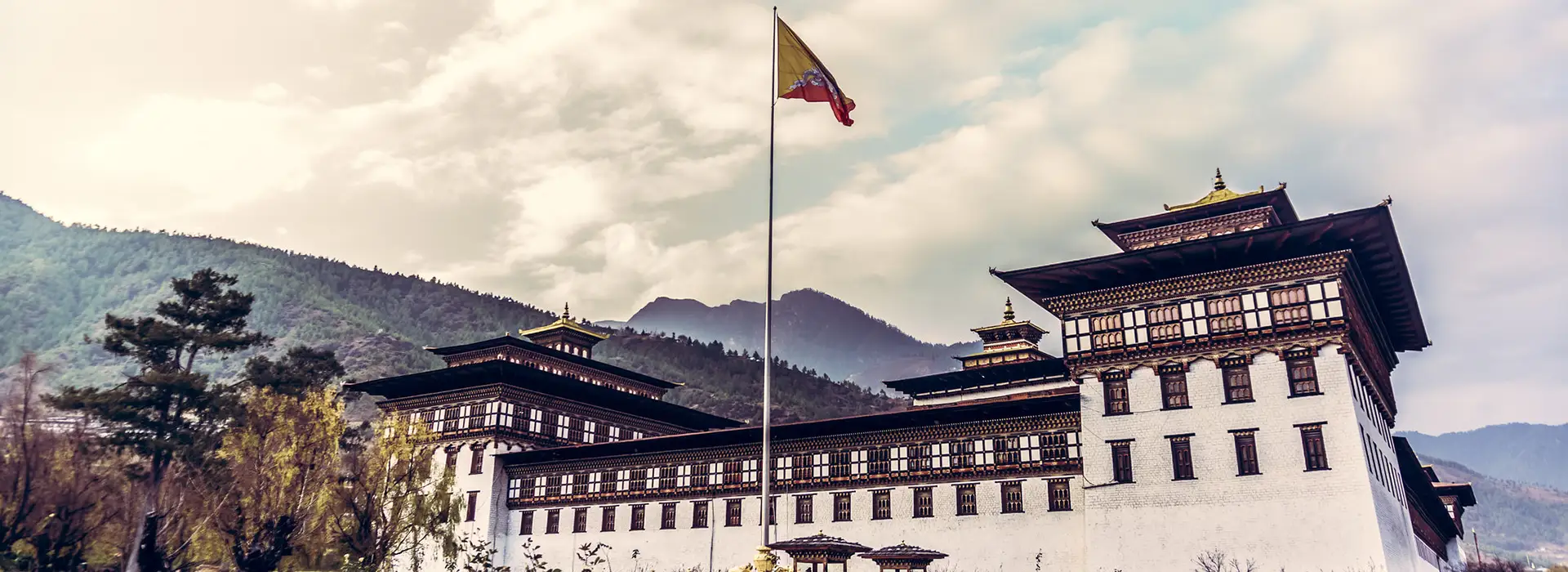

Bhutan Travel Safety remains a primary focus for the Royal Government of Bhutan as the nation maintains its “High Value, Low Volume” tourism model. The kingdom prioritizes the security of international visitors through a combination of strict entry regulations, professional guiding requirements, and a society built on Buddhist values. Bhutan Travel Safety incorporates personal security, medical readiness, and environmental awareness to ensure a secure environment for guests.
Crime rates stay remarkably low compared to global averages, making the country a stable destination for travelers. Political stability and effective governance create a setting in which violent crime or civil unrest is almost nonexistent. Guests navigate the country with confidence, knowing that the local community prioritizes the well-being of visitors as a core cultural value.
Societal Security and Crime Metrics
Bhutan ranks as the most peaceful country in South Asia. The Global Peace Index 2024 places Bhutan 21st globally out of 163 countries, highlighting a strong performance in societal safety and security domains. Such a ranking reflects the harmonious nature of Bhutanese society, where Gross National Happiness (GNH) guides national development rather than purely economic metrics. Bhutan Travel Safety benefits from a close-knit community structure that discourages criminal behavior and promotes social accountability.
Crime levels stay minimal across the kingdom, with violent offenses against tourists being extremely rare. Petty crimes such as pickpocketing, burglary, or bag snatching occur occasionally in major towns like Thimphu, though they remain infrequent. Travelers maintain personal safety by practicing standard precautions and taking care of their belongings in public areas. The police-to-population ratio in Bhutan is approximately 600 officers per 100,000 people, which is higher than in many similarly peaceful nations. A high police presence ensures that law enforcement remains responsive to any potential threats to Bhutan Travel Safety.
| Safety Metric | Current Status / Rank |
| Global Peace Index Rank (2024) | 21st |
| Regional Rank (South Asia) | 1st |
| Police Rate (per 100k people) | 600 |
| Violent Crime against Tourists | Rare |
| Political Stability Level | Very High |
Societal peace is not merely a policy goal but a reflection of the national pursuit of happiness. Travelers find that the peaceful environment allows for free movement in cities, old towns, and local markets without fear. Public places remain well-maintained and free from the disturbances common in other major tourist destinations. Respect for law and social order is deeply ingrained in local culture, significantly enhancing Bhutan Travel Safety.
Solo Female Traveler Protections
Bhutan Travel Safety offers exceptional security for women traveling alone. The respectful nature of the local culture ensures that women explore the country’s heritage without feeling threatened or uncomfortable. Buddhist values emphasize peace, kindness, and respect for all individuals, creating a secure environment for female guests. Unwanted attention, staring, or harassment remains uncommon on Bhutanese streets and in public spaces.
Professionalism in the tourism industry provides another layer of security for solo female travelers. Licensed tour operators, verified hotels, and experienced guides ensure that every aspect of the trip adheres to strict safety standards. Accountability remains a priority for the government, and tourism workers receive training to provide polite, helpful assistance to women. Female visitors report feeling safe even when walking in public areas during the early evening.
| Feature for Solo Women | Security Impact |
| Cultural Values | Respectful treatment; no harassment |
| Tourism Infrastructure | Professional guides and drivers |
| Accommodation | Verified and secure hotels |
| Public Spaces | Quiet and well-maintained streets |
The slow pace of life and mindful living in Bhutan reduce common safety concerns, such as overcrowding and confrontations. Travelers find that locals are genuinely helpful when asked for directions or advice. Bhutan Travel Safety for women depends on this combination of community support and formal security measures.
Medical Facilities in Bhutan: Capacity and Constraints
Bhutan Travel Safety involves understanding the limitations of the local healthcare system. Medical care in the kingdom does not meet Western or Australian standards in most areas. Medical facilities in Bhutan are centered in the capital city of Thimphu and the major gateway, Paro. Rural areas often lack basic resources, and specialized care remains unavailable in remote districts.
The Jigme Dorji Wangchuck National Referral Hospital in Thimphu serves as the primary medical hub. The facility offers emergency services, surgery, and specialist departments. For serious conditions, local hospitals provide only stabilization before a patient is transferred to international medical centers in Bangkok or Singapore. Medical staff often speak limited English, which can complicate communication during emergencies.
| Medical Center | Location | Service Type | Contact |
| National Referral Hospital | Thimphu | Specialist and Emergency | +975-2-322496 |
| Paro Hospital | Paro | General and Emergency | +975-8-271233 |
| Punakha Hospital | Punakha | Basic Emergency | +975-2-584247 |
| Indigenous Hospital | Thimphu | Traditional Herbal Medicine |
Emergency medical response faces challenges due to the rugged topography. Ambulance services remain unreliable in most regions outside Thimphu. Travelers often find it faster to use a taxi or private vehicle to reach a hospital during an emergency. Hospitals and doctors frequently require cash payment up front before providing service or admitting a patient. Most facilities do not accept credit cards or foreign health insurance plans for direct billing.
The Economics of Healthcare: Sustainable Development Fee Impacts
The Sustainable Development Fee (SDF) plays a critical role in supporting Bhutan Travel Safety by funding infrastructure. International tourists pay USD 100 per person per night as a mandatory charge. The government allocates approximately 30% to 40% of this fee to fund the national healthcare sector, education, and cultural preservation. This funding model ensures that basic medical consultations and emergency treatments at state hospitals remain free for tourists, reflecting the GNH philosophy.
While the SDF does not cover hotels or meals, it invests in the underlying systems that keep the country safe and clean. Every visitor contributes directly to the sustainability of the nation’s social services. High SDF rates help the government limit tourist numbers, preventing overcrowding and reducing the strain on the limited Medical facilities in Bhutan.
| Fee Category | Amount (per night) | Purpose |
| Standard International | USD 100 | Health, Education, Conservation |
| Children (6-12) | USD 50 | Support social services |
| Indian Nationals | INR 1,200 | Regional development |
| Children (Under 5) | Exempted | Family support |
Public health remains a national priority, and the government uses SDF revenue to upskill tourism workers in safety and hygiene. Such investments ensure that the hospitality sector maintains high standards for guest well-being. Bhutan Travel Safety stays linked to this sustainable funding model, which balances tourism growth with societal needs.
Bhutan Altitude Sickness: Physiological and Preventive Protocols
Bhutan altitude sickness represents a significant risk for travelers visiting high-elevation areas. Many tourist hubs sit above 2,500 meters, where air pressure drops and oxygen levels decrease. Acute Mountain Sickness (AMS) occurs when the body fails to adapt to these changes quickly enough. Bhutan Travel Safety requires a careful approach to elevation to avoid life-threatening conditions like High Altitude Pulmonary Edema (HAPE) or High Altitude Cerebral Edema (HACE).
Symptoms of AMS vary from mild to severe. Mild signs include persistent headaches, nausea, fatigue, and loss of appetite. Moderate symptoms include vomiting and severe headaches that do not respond to medication. Severe AMS manifests as confusion, inability to walk, and shortness of breath even at rest. HAPE involves fluid buildup in the lungs, while HACE involves swelling of the brain. Both conditions require immediate descent and urgent medical attention.
| AMS Symptom Level | Common Signs | Required Action |
| Mild | Headache, fatigue, nausea | Rest and hydration; stop ascent |
| Moderate | Persistent vomiting; dizziness | Descend at least 500m |
| Severe (HAPE) | Shortness of breath at rest | Immediate medical evacuation |
| Severe (HACE) | Confusion; loss of coordination | Immediate medical evacuation |
Physiological adaptation takes time and cannot be rushed through physical fitness alone. Proper Bhutan Travel Safety protocols emphasize a slow ascent and adequate hydration. Drink at least three liters of water daily to combat the dry mountain air. Hydration helps the blood absorb oxygen more effectively at high elevations. Avoid alcohol and smoking during the first few days of travel, as these substances interfere with the body’s acclimatization process.
Regional Elevation Variations and Acclimatization Charts
Bhutan Travel Safety depends on understanding the specific elevations of major destinations. Most valleys where visitors spend time are at mid-range altitudes, generally safe for healthy adults. However, crossing high mountain passes or trekking into remote regions increases the risk of altitude sickness in Bhutan.
| Destination | Elevation (m) | Elevation (ft) | Risk Assessment |
| Punakha Valley | 1,250m | 4,101ft | Low risk; warmer climate |
| Paro Gateway | 2,250m | 7,382ft | Mild risk; acclimatization spot |
| Thimphu Capital | 2,320m | 7,611ft | Mild risk; acclimatization spot |
| Bumthang Heartland | 2,800m | 9,185ft | Moderate risk |
| Phobjikha Valley | 3,000m | 9,843ft | Moderate risk |
| Chele La Pass | 3,700m | 12,139ft | High risk for long stays |
| Jhomolhari Base | 4,000m+ | 13,000ft+ | Very high risk; requires a plan |
Paro and Thimphu serve as the primary acclimatization points for most visitors. Spend at least two nights at these altitudes before venturing to higher areas like Phobjikha or Bumthang. Punakha lies at a relatively low altitude and offers a break from the stress of high altitude. Bhutan Travel Safety guidelines recommend staying at the same sleeping altitude for at least two nights once a traveler reaches 2,500 meters.
Strategic rest days allow the body to produce more red blood cells to carry oxygen. If symptoms of altitude sickness do not improve within 24 hours, the only effective treatment is a descent to a lower elevation. Guides monitor guests’ heart rates and oxygen levels to ensure that no one pushes their body too hard.
Nutritional Health and Food Safety Management
Bhutan Travel Safety management involves dietary caution due to the unique local cuisine. Bhutanese food features heavy use of chili and cheese, which can cause digestive issues for unaccustomed stomachs. The national dish, Ema Datshi, is famously spicy. Travelers often request “tourist-style” versions of local dishes to avoid “Himalayan belly”.
Food safety remains a priority for the Bhutan Food and Drug Authority (BFDA). The Food Quality and Safety Division monitors all food products available in the country to ensure they meet national standards. BFDA issues licenses to food handlers only after a health screening and training on safety practices. Such oversight helps maintain a safe dining environment for visitors.
- Eat thoroughly cooked food served hot.
- Avoid raw vegetables or salads that may have been washed in tap water.
- Choose fruits with thick skins that travelers can peel themselves.
- Stick to reputable restaurants and hotels recommended by guides.
Food handlers must sign an undertaking to avoid handling food if they experience symptoms of illness. The National Food Testing Laboratory provides technical support to ensure that imported and domestic products stay safe for consumption. Bhutan Travel Safety remains high due to these rigorous government inspections and certifications.
Water Quality and Sanitation Risks
Bhutan Travel Safety focuses on preventing waterborne diseases. Tap water remains non-potable for international guests nationwide. Water quality suffers due to limited sanitation infrastructure, as only 63% of the population has access to basic sanitation services. One in five schools lacks access to water for handwashing, highlighting broader challenges in national water, sanitation, and hygiene (WASH) programs.
Travelers avoid drinking tap water to prevent traveler’s diarrhea and other infections. Bottled water is generally safe and widely available in major towns. When trekking or in remote areas, use water purification methods such as boiling or using iodine tablets. Bhutan Travel Safety depends on maintaining high hygiene standards, especially during the monsoon season when water sources face higher contamination risks.
| Water Source | Safety Status | Recommended Action |
| Bottled Water | Safe | Check the seal before drinking |
| Tap Water | Unsafe | Avoid drinking or brushing teeth |
| Ice in Drinks | High Risk | Often made from tap water; avoid |
| Boiled Water | Safe | Ensure a rolling boil for 1 minute |
| Stream Water | Dangerous | High risk of parasites; purify first |
Climate change and rising temperatures increase the risk of vector-borne tropical diseases like malaria and dengue, even at higher elevations. Protecting water resources and ensuring safe disposal of waste remain central to national development plans. Travelers contribute to Bhutan Travel Safety by using hand sanitizer and choosing restaurants with high hygiene ratings.
Environmental Risks: Monsoon Dynamics and Landslide Impact
The monsoon season occurs from June to September and poses the highest environmental risk for Bhutan Travel Safety. Heavy rainfall triggers frequent landslides and flash floods, particularly in mountainous regions. Rainfall reaches 5,000 mm in some southern areas, which can wash away bridges and sections of the main Lateral Road. Such conditions make travel between valleys unreliable and potentially dangerous.
Landslides frequently cut off remote areas, slowing access for relief and emergency response. During peak rainfall, visibility on mountain roads drops significantly, making driving hazardous. Bhutan Travel Safety plans during the monsoon must account for these infrastructure disruptions.
| Monsoon Hazard | Impact on Travelers | Safety Response |
| Landslides | Road closures; blocked routes | Follow local media and guide advice |
| Flash Floods | Bridge damage; isolation | Avoid trekking near riverbeds |
| Dense Fog | Flight cancellations; low road visibility | Allow extra time for travel |
| Leeches | Trail infestations; skin irritation | Wear gaiters and long pants |
The 2025 monsoon season brought weeks of continuous rain, causing unprecedented flooding in Samtse, Paro, and Thimphu. Power lines and transport systems faced significant damage, highlighting the increasing intensity of summer storms. Bhutan Travel Safety involves staying informed about regional weather forecasts and being prepared for sudden schedule changes.
Climate Change and Critical Infrastructure Vulnerabilities
Bhutan Travel Safety faces long-term threats from climate change and geological hazards. The country lies in a high-altitude region, highly vulnerable to rising temperatures. One of the most critical threats is Glacial Lake Outburst Floods (GLOFs). As glaciers retreat at rates of 30 to 60 meters per decade, the volume of water in glacial lakes increases. This puts pressure on unstable natural dams, creating a risk of massive flash floods that can destroy lives and infrastructure downstream.
Current disaster management policies work to address recurrent hazards, but the new GLOF threat requires more advanced preparedness. Hydropower plants that supply electricity to the entire country face risks from heavy siltation and river surges. Power outages during the 2025 monsoon season affected communications, health facilities, and schools. Bhutan’s Travel Safety depends on the nation’s ability to build resilient infrastructure and early warning systems.
| Climate Impact | Infrastructure Risk | Safety Implication |
| Glacial Melt | GLOF (Glacial Lake Outburst Floods) | Risk to northern trekking routes |
| Intense Rain | Hydropower outages | Loss of communication and power |
| Rising Heat | Spread of vector-borne diseases | Malaria/Dengue at higher altitudes |
| Soil Erosion | Loss of topsoil; road washouts | Unpredictable road conditions |
The government integrates climate adaptation into all levels of development planning. Travelers supports these efforts through the SDF, which funds environmental protection and carbon-neutrality initiatives. Bhutan Travel Safety benefits from this national commitment to intergenerational equity and a safe environment.
Surface Transportation: Road Safety and Navigation Risks
Road safety remains a primary concern for Bhutan Travel Safety, given the rugged terrain and narrow road network. The Lateral Road connects the east and west, but construction and weather often lead to closures. Winding roads with steep drop-offs and blind curves require experienced drivers and well-maintained vehicles.
Travelers must use transportation arranged by their tour operator, as self-driving is not permitted for international visitors. Taxis are available in towns, but public transportation remains limited and slow. Traffic moves slowly throughout the country, and travelers must plan for several hours of driving between even nearby valleys.
| Road Segment | Distance | Time (Approx.) | Hazard Profile |
| Paro to Thimphu | 50 km | 1.5 hours | High traffic; winding river valley |
| Thimphu to Punakha | 72 km | 3 hours | High mountain pass (Dochula) |
| Punakha to Phobjikha | 65 km | 3 hours | Narrow roads; steep climbs |
| Thimphu to Bumthang | 280 km | 8 hours | Multiple passes; prone to snow |
Falling rocks and landslides are common during the rainy season and winter. Bhutan Travel Safety protocols recommend avoiding travel after dark when these hazards stay hidden. Animals like cattle and stray dogs often block roads, requiring drivers to remain constantly alert. Despite these challenges, the low traffic volume compared to neighboring countries keeps the roads relatively calm.
Civil Aviation: Weather Dependencies and Logistics
Paro International Airport is the kingdom’s only international gateway. Bhutan Travel Safety in the aviation sector depends heavily on weather conditions. Flights to and from Paro are only available during daylight hours and when visibility remains high. Strong winds and cloud cover frequently disrupt flight schedules, leading to cancellations or delays.
Travelers contact their airline or tour operator regularly to check for disruptions. The landing approach at Paro is world-famous for its difficulty, requiring specialized training for pilots. Bhutan Travel Safety stays high in this sector because airlines like Drukair and Bhutan Airlines prioritize passenger security over strict schedules.
- Flights are conducted under visual flight rules (VFR).
- Monsoon and winter weather cause the most disruptions.
- Paro Airport lacks night-landing facilities.
- Domestic airports in Bumthang and Yonphula face similar weather constraints.
Aviation security remains tight, and travelers must declare restricted items, such as tobacco or electronic devices, upon arrival. Bhutan Travel Safety involves building buffer days into the itinerary to account for potential weather-related flight delays.
Bhutan Travel Insurance: Coverage and Requirements
Comprehensive Bhutan travel insurance is essential for every visitor. While immigration does not always check for a policy at the border, tour operators frequently require proof of coverage. A solid plan protects travelers from high costs related to medical emergencies, trip cancellations, and lost baggage.
Standard insurance policies often exclude high-altitude activities. Bhutan Travel Safety requires a policy that specifically covers trekking and medical evacuation above 2,500 meters. Without this coverage, the cost of a helicopter rescue can reach $15,000, which the traveler must pay out of pocket.
| Insurance Plan | Key Features | Potential Cost |
| OneTrip Prime | Family-friendly; medical benefits | ~5% of the trip cost |
| OneTrip Premier | Double benefit limits; SmartBenefits | Higher premium |
| Pathway Premium | Up to $100,000 trip cancellation | Based on age |
| Atlas International | High medical maximums | Daily rate based on age |
| Faye Basic | High evacuation limits | ~$350 for seniors |
Medical evacuation insurance should provide at least $100,000 in coverage. Moving a patient from Bhutan to Bangkok or Singapore for advanced treatment is extremely expensive. Bhutan Travel Safety is best ensured when travelers save their insurance provider’s emergency number on their phone for offline access.
Emergency Medical Evacuation and Helicopter Services
Royal Bhutan Helicopter Services (RBHS) provides critical support for Bhutan Travel Safety during medical emergencies. Established in 2015, the service uses Airbus H-130 helicopters designed for high-altitude operations. These helicopters handle air medical evacuations, search and rescue, and freight transportation.
Evacuation missions are expensive and depend on immediate payment or insurance guarantees. High-altitude rescue missions cost approximately $10,500 per hour. Even if the weather prevents a successful rescue, the flight time remains chargeable because pilots still make the attempt. Bhutan Travel Safety protocols recommend that guests have a policy that covers these specific helicopter costs.
| Helicopter Mission Type | Hourly Rate (USD) | Passenger Capacity |
| High Altitude Rescue | $10,500 | Variable |
| Tourist Charter Flight | $5,250 | 5-6 pax |
| Freight Cargo | $5,250 | Variable |
| Underslung Ops | $6,300 | N/A |
RBHS operates with highly experienced pilots who have thousands of hours of mountain flying experience. Scenic tours are also available, offering views of the Tiger’s Nest Monastery and Mt. Jhomolhari. However, the primary role of the helicopter service remains ensuring Bhutan Travel Safety by providing a rapid link to Medical facilities in Bhutan during emergencies.
Legislative Framework: Tobacco and Substance Regulations
Bhutan Travel Safety involves strict adherence to national laws regarding tobacco and controlled substances. The kingdom aims to protect public health and spiritual well-being. Smoking in public places remains banned, including in hotels, restaurants, public transport, and cultural sites.
Tourists may bring up to 200 cigarettes into the country for personal use. Every visitor must declare their tobacco at customs and pay a 200% import tax. Failure to declare tobacco is considered smuggling and can result in confiscation, fines, or imprisonment. Always carry the customs receipt and import permit while in possession of tobacco products.
- Tobacco sales are only permitted through licensed government outlets.
- Public smoking carries a fine of 500 Ngultrum.
- Hotels must display bilingual “No Smoking” signs.
- Smokers must never light up near monks or sacred sites.
Illegal drugs face a zero-tolerance policy. Marijuana grows naturally in Bhutan, but possession or use carries severe legal penalties, including lengthy jail terms. Bhutan Travel Safety depends on visitors respecting these local boundaries and avoiding all involvement with narcotics.
Photography, Drones, and Digital Media Etiquette
Digital media and Bhutan Travel Safety intersect through strict regulations on photography and drone use. Drones are effectively banned for all international visitors. Only government agencies receive permits to operate UAVs. Unauthorized drone flight leads to immediate confiscation and potential legal action by the Civil Aviation Authority.
Photography in religious sites is subject to strict rules. Taking photos inside the main shrine rooms of temples and monasteries is strictly prohibited. Visitors leave their cameras and phones in bags at the entrance to these sacred spaces. Courtyards and the exteriors of buildings are usually open for photography, but travelers should always check with their guide.
| Photography Rule | Status | Action Required |
| Inside Temple Shrines | Strictly Banned | Leave cameras in the bag at the entrance |
| Exterior Courtyards | Generally Allowed | Ask the guide for confirmation |
| Portraits of Monks | Restricted | Always ask permission first |
| Military Areas | Strictly Banned | Follow official signage |
| Drones / UAVs | Strictly Banned | Do not bring or fly drones |
Respectful photography involves asking permission before taking portraits of locals, especially elders and children. Never use flash on ancient murals or religious paintings. Bhutanese people generally feel honored that visitors want to capture their scenery, but intrusive behavior is considered impolite. Bhutan Travel Safety depends on maintaining these cultural boundaries to ensure a positive relationship between visitors and locals.
Cultural Customs and Temple Conduct
Bhutan Travel Safety stays rooted in cultural respect. Misunderstanding social norms can lead to awkward situations or perceived disrespect. Modesty remains central to Bhutanese life, influenced deeply by Buddhist traditions.
Religious sites are sacred spaces where visitors follow a specific decorum. Remove shoes before entering any temple or home. Always walk clockwise around stupas, chortens, and prayer wheels. This movement reflects reverence and brings good karma. Never touch sacred objects, statues, or religious texts.
- Wear long sleeves and pants, or a long skirt.
- Keep voices low and calm inside shrines.
- Avoid turning your back directly to a Buddha statue for photos.
- Accept the holy water with both hands; sip a little, then touch it to your head.
Bhutan Travel Safety involves avoiding physical contact with monks’ robes and, if possible, sitting lower than religious figures. Do not point fingers at sacred images; use an open palm instead. These small gestures show that a visitor pays attention to what matters in Bhutanese culture.
Social Etiquette and Communication Standards
The Bhutanese are polite and dignified people who value soft language and gentle tones. Bhutan Travel Safety is enhanced when visitors adopt a calm demeanor. Raised voices or aggressive behavior are seen as extremely rude and can lead to a “loss of face”.
The standard greeting is “Kuzu Zangpo La”. A slight bow with hands folded at chest level shows respect to elders or those in authority. Use both hands when giving or receiving something, such as a gift or a cup of tea. Public displays of affection, such as hugging or kissing, are uncommon and can make locals feel uncomfortable.
| Social Norm | Expected Behavior |
| Greeting | “Kuzu Zangpo La” with a slight bow |
| Giving/Receiving | Use both hands |
| Hand Gestures | No pointing; use an open palm |
| Public Behavior | Stay calm; avoid loud voices |
| Feet | Never point feet at people or altars |
Respecting the head as the most sacred part of the body is important; never touch someone’s head. Showing patience during delays or mixed-up bookings is a vital part of Bhutan Travel Safety. Discuss any issues calmly with your guide rather than reacting emotionally. Such conduct ensures a smooth and respectful relationship with the local community.
Trekking Safety: Equipment and Guide Competency
Trekking in the Himalayas requires physical fitness and high-quality gear to maintain Bhutan Travel Safety. The weather stays unpredictable, and temperatures can drop below freezing even in the spring and autumn. Layering is the most effective strategy for managing these shifts.
Essential technical clothing includes moisture-wicking baselayers, fleece jackets, and waterproof shells. Avoid cotton, as it stays wet and cold when damp. Hiking boots must be broken in before the trip and provide good ankle support. Proper gear keeps a trekker warm and dry during long days on the trail.
| Gear Category | Specific Item | Purpose |
| Footwear | Gore-Tex Hiking Boots | Waterproofing and support |
| Layers | Merino Wool Baselayers | Warmth and moisture control |
| Outerwear | Down Parka | Extreme cold protection |
| Protection | High-SPF Sunscreen | UV protection at altitude |
| Sleep | -25°C Rated Sleeping Bag | Insulation for cold nights |
Every trekker must be accompanied by a licensed guide and by staff who manage the camp’s logistics. Guides provide boiled water for drinking and prepare meals hygienically in dedicated kitchen tents. They carry basic first-aid kits and monitor guests for signs of altitude sickness in Bhutan. Bhutan Travel Safety is best managed through these structured trekking programs that prioritize guest well-being in remote areas.
Licensed Guides and Staff Responsibilities
Licensed guides play the most important role in ensuring Bhutan Travel Safety. They undergo rigorous training and must follow strict government regulations to maintain their certification. Guides stay with guests from arrival until departure, providing cultural context, managing transport, and handling all permits.
On a trek, the staff handles setting up sleeping, dining, and toilet tents. Pack animals like horses or yaks carry the bulk of the luggage, leaving trekkers to carry only a small daypack. Staff ensure that the environment stays clean by packing out all rubbish.
- Guides provide accurate safety advice daily.
- Staff prepare hot water bags for sleeping bags in cold regions.
- Guides act as a link to local medical services if someone falls ill.
- Staff manage river crossings and difficult trail sections safely.
Bhutan Travel Safety benefits from the high staff-to-guest ratio on most tours. This level of attention ensures that help is always available if someone feels unwell or encounters a physical challenge. Professional guides also protect the kingdom’s heritage by ensuring that visitors follow all photography and temple etiquette rules.
Conclusions and Strategic Safety Recommendations
Bhutan Travel Safety is a multi-dimensional effort that combines national policy with individual responsibility. The kingdom remains one of the safest travel destinations in the world due to its low crime rates and stable political environment. However, the physical environment of the Himalayas requires specific health and safety preparations.
Strategic recommendations for maintaining Bhutan Travel Safety include:
- Prioritize Acclimatization: Allow at least 48 hours in Paro or Thimphu before crossing high mountain passes.
- Invest in Insurance: Purchase a policy that covers medical evacuation and high-altitude activities up to 5,000 meters.
- Respect Local Laws: Adhere to strict tobacco and drone regulations to avoid legal penalties.
- Manage Health Risks: Drink only purified or bottled water and bring a full supply of personal medications.
- Follow Guide Advice: Professional guides are the best resource for navigating road conditions, weather changes, and cultural norms.
Bhutan’s commitment to Gross National Happiness ensures that visitor safety is integrated into the national vision. By paying the Sustainable Development Fee, travelers support the very infrastructure that keeps them safe. This partnership between the government and the visitor creates a secure and enriching environment for exploring the spiritual heart of the Himalayas. Bhutan Travel Safety stays high because the nation values long-term sustainability and cultural integrity over mass tourism.