


Planning a luxury vacation to the highest peak on Earth requires careful paperwork. Many travelers use the phrase Everest Base Camp Tibet Permit as a single term. The actual trip involves multiple official documents depending on your route. Permit needs change based on your entry point, the current season, and your travel style. Only tourists join small-group tours to share costs and simplify paperwork. Private luxury groups enjoy flexible daily schedules while using the exact same documents.
Our team at Nepal Hiking Company handles all document processing for our clients. Local regulations require foreign tourists to book a package with a licensed operator. Independent backpackers face strict entry bans. Visitors travel with a registered guide and a private vehicle. Authorities link the Everest Base Camp Tibet Permit directly to your travel dates and approved locations.
Different travelers require different approaches. All foreign visitors carry the same base documents regardless of group size. Our guide explains the requirements for the Tibet Everest Base Camp permit in clear terms. We outline the exact timeline for your application. We highlight common paperwork errors. Proper preparation guarantees a smooth border crossing and a relaxing vacation.
Quick Facts
- Government officials link your permits directly to your exact travel dates.
- Most international visitors hire a licensed local agency to handle applications.
- Remote travel routes demand longer processing times.
- Bureaucrats reject last-minute itinerary changes after the application starts.
- Visitors keep paper copies of documents accessible during all travel days.
Where Is Everest Base Camp in Tibet?
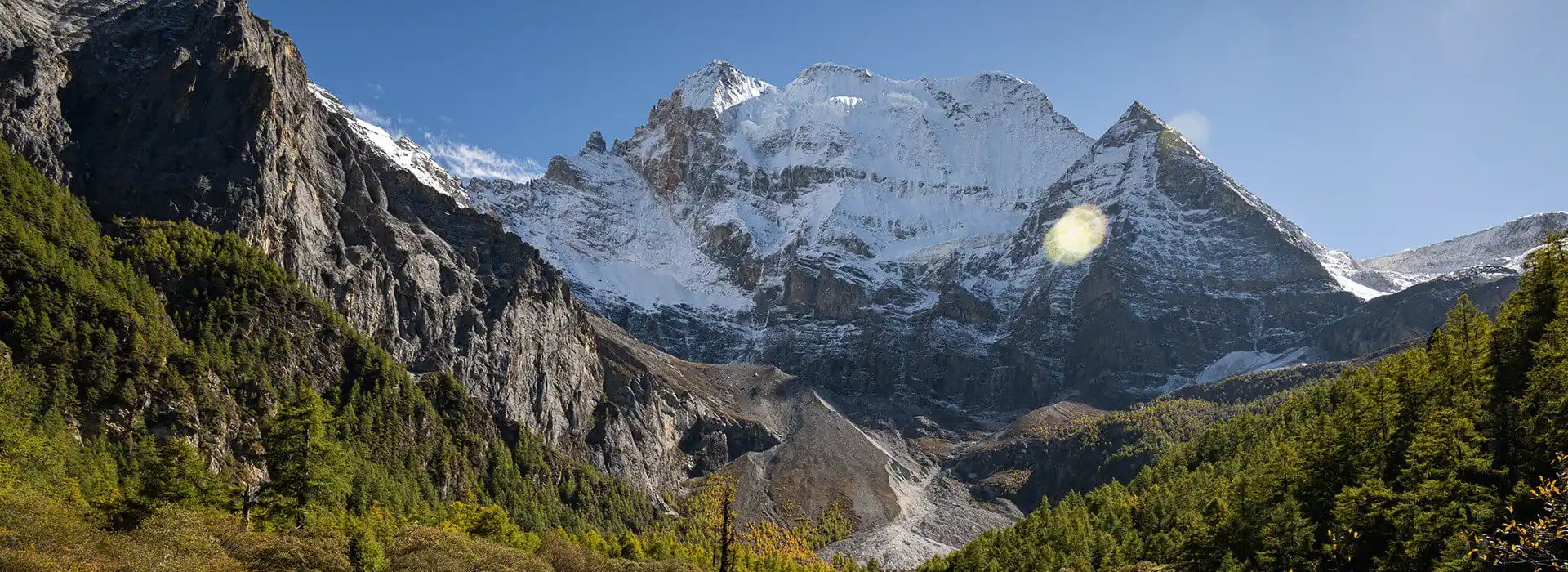
Tourists often confuse the two different base camps. The term “Tibet-side Everest Base Camp” refers to the northern access point to the Everest Base Camp. The Nepal side features a famous multi-day hiking trail in the south. The northern camp is located in Tingri County, Shigatse Region. Travelers reach the northern camp using motorized transport. Visitors drive along the Friendship Highway directly to the site. The route eliminates the need for intense physical hiking. Luxury tour packages feature comfortable vehicles and professional drivers. Tourists enjoy dramatic mountain views without extreme physical exertion.
The classic corridor connects the capital city of Lhasa to the mountain region. Visitors spend several days driving through historic towns. The route passes through Gyantse and Shigatse before reaching Tingri. The altitude increases gradually along the highway. Gradual elevation gain helps the human body adapt to the thin air. At the final checkpoint, tourists leave private vehicles behind. Everyone boards a mandatory eco-friendly bus for the final approach. The bus ride protects the fragile local environment. The bus drops visitors near the famous Rongbuk Monastery. From the monastery, tourists walk a short distance to the official viewing platform.
Permits You May Need
A complete vacation requires a combination of regional approvals. The Everest Base Camp Tibet Permit acts as an umbrella term for these different papers. We list the exact documents below.
A) Tibet Travel Permit
The Tibet Travel Permit serves as the primary entry document. The Tibet Tourism Bureau issues this mandatory paper. Every foreign passport holder needs this document to board a flight or train. Officials check the paper at airport gates and train stations. The document lists your exact travel dates and approved locations.
B) Alien’s Travel Permit
The Alien’s Travel Permit for Everest region access allows entry into regions outside the capital city. Everest Base Camp Tibet tour permits include this specific document. Local Public Security Bureau offices issue the paper. Your guide applies for this paper in Shigatse while you rest at the hotel. The process takes only a few hours.
C) Additional Approvals for Restricted Zones
Some itineraries venture near sensitive border areas. A Tibet military permit for travel in the Everest region is required for certain extended routes. Tourists visiting Mount Kailash need extra military clearance. A Tibet border permit and the Everest Base Camp document allow access to specific frontier zones. Travel agencies determine the exact needs based on your final route.
Permit Comparison Table
| Permit | Purpose | Who needs it | Who arranges it | When officials check it |
|---|---|---|---|---|
| Tibet Travel Permit | General entry into the region | All foreign tourists | Travel Agency | Airports, train stations, road checkpoints |
| Alien’s Travel Permit | Access beyond the main city | All foreign tourists | Tour Guide (in Shigatse) | Road checkpoints, hotel check-ins |
| Military Permit | Access to sensitive borders | Route-dependent travelers | Travel Agency | Remote military checkpoints |
| Border Pass | Access to frontier zones | Route-dependent travelers | Travel Agency | Border crossings, deep regional stops |
Who Needs These Permits?
The rules apply strictly based on nationality and passport type. Understanding the requirements prevents border delays.
International Travelers
Tourists from Europe, the Americas, Australia, and Africa are subject to the standard rules. All non-Chinese passport holders secure the Everest Base Camp Tibet Permit before arrival. The government prohibits independent exploration for these nationalities. Visitors must travel with a licensed guide at all times.
Solo Travelers Joining Group Tours
Single tourists avoid high costs by booking shared packages. The travel agency bundles the Tibet Travel Permit for Everest Base Camp for the entire group. The group travels together on the same bus. Everyone stays at the same hotels. The guide holds a single master document listing all group members.
Private Tour Travelers
Families and couples prefer private luxury packages. Private groups enjoy exclusive vehicles and personal guides. The agency processes the papers specifically for the private party. Private tours offer flexible daily pacing. Tourists spend more time at photo stops or rest longer in the mornings.
Indian Passport Holders
Indian citizens follow specific regulations. The government restricts Indian passport holders from visiting Mount Kailash through standard tourist agencies. However, Indian tourists visiting only Lhasa and the mountain base camp use the standard agency process. Indian citizens secure a Chinese visa and the required entry papers just like other international tourists.
Entry Routes That Affect the Process
Your starting location determines the exact sequence of paperwork. The Everest Base Camp Tibet Permit process changes depending on your arrival city. We outline the two main options below.
Option A: Enter via Mainland China
Many visitors fly into major Chinese cities first. Beijing, Shanghai, and Chengdu serve as popular transit hubs. Tourists spend a few days exploring these cities. Visitors then take a domestic flight or the famous plateau train to Lhasa. Travelers secure a standard Chinese tourist visa in their home country. The travel agency processes the Everest Base Camp Tibet Permit using a passport photo and the visa. The agency mails the physical permit to the tourist’s hotel in the transit city. Tourists show the physical paper to airport security to board the flight.
Option B: Enter via Nepal
Kathmandu offers a popular gateway to the mountain region. The paperwork process changes entirely for this entry route. Tourists do not apply for a Chinese visa at home. The travel agency applies for a special China Group Visa at the Chinese Embassy in Kathmandu.
The Everest Base Camp Tibet Permit application happens simultaneously in Lhasa. Tourists arrive in Kathmandu at least 5 days in advance. The agency collects original passports to finalize the China Group Visa. The process requires at least four working days in Kathmandu. The guide brings the approved papers to the border crossing or airport to meet the tourists. Existing standard Chinese visas become invalid when the embassy issues the new group visa.
Entry Route Comparison Table
| Entry Route | Best For | Complexity | Planning Tip |
|---|---|---|---|
| Mainland China | Pre-tour acclimatization, train enthusiasts | Low | Apply for a standard Chinese tourist visa at home. |
| Nepal (Kathmandu) | Cross-Himalayan tours, Nepal trekking combos | High | Arrive in Kathmandu five days early to process the group visa. |
Everest Base Camp Tibet Permit: Step-by-Step Process
Securing the Everest Base Camp Tibet Permit involves clear coordination. Nepal Hiking Company handles the complex steps. Travelers follow a simple sequence to ensure success.
- Choose exact travel dates and confirm the Everest region itinerary.
- Select the entry route (mainland China or Nepal).
- Submit clear document scans (passport photo page and personal details).
- Our operator applies for the required permits based on your route.
- Confirm luxury hotels and private transport aligned with the approved itinerary.
- Finalize flight or train tickets after the government approves the paperwork.
- Travel with physical document copies ready for regular security checks.
Task Division: Traveler vs Operator
The traveler provides accurate personal information. The traveler signs the official tour contract. The traveler pays the required deposit. The traveler books international flights to the starting city.
The operator reviews all passport scans for accuracy. The operator submits the official application to the local bureau. The operator tracks the approval status. The operator secures the local guide and the private vehicle. The operator delivers the final physical documents to the traveler.
Documents Checklist
Preparing the right documents prevents application delays. The Tibet Tourism Bureau enforces strict document standards. Use the following checklist to prepare your file.
- Clear passport scan (Ensure all text shows clearly without glare).
- Digital passport-style photo (White background, no glasses).
- Confirmed arrival and departure dates.
- Exact entry route details (Flight numbers or train numbers).
- Occupation details (Some professions require extra screening).
- Existing Chinese visa details (Only for mainland entry routes).
Common Document Errors
Travelers occasionally make simple mistakes when submitting documents. Blurry passport scans cause immediate rejection. Camera flash glare covers important passport numbers. Name mismatches create severe problems. The name on the flight ticket must match the name on the passport exactly. The name on the Everest Base Camp Tibet Permit must match the name on the passport exactly. Missing middle names on flight bookings leads to denied boarding.
Passport renewal causes critical failures. Travelers submit an old passport for the permit application. The traveler then brings a brand-new passport on the trip. The permit numbers fail to match the new passport numbers. Security guards deny entry at the border. Always travel with the exact passport used during the application phase.
Processing Time and Planning Timeline
The Everest Base Camp Tibet Permit requires significant lead time. Government offices close during public holidays. Bureaucratic delays happen during peak summer months. We recommend starting the process as early as possible. Peak season demands earlier planning. Thousands of tourists apply for documents in July and August. The high volume slows down the approval system. Complex routes require even more buffer time. Adding remote western regions adds weeks to the process.
Last-minute route changes force complete reprocessing. Once the agency submits the application, the route becomes locked. Tourists cannot add new towns to the list. Changing a hotel city requires starting the entire application over.
Planning Timeline Box
- 6–8 weeks out: Confirm the exact route and submit all clear document scans.
- 4–5 weeks out: The agency submits the official application to the local bureau.
- 3–4 weeks out: Lock down all luxury hotel reservations and secure the private vehicle.
- 1–2 weeks out: Finalize domestic flight tickets and complete winter or summer packing.
On-the-Road Checks and Travel Rules
The Everest Base Camp Tibet Permit acts as your daily passport. Security forces monitor travel along the Friendship Highway. Tourists experience several standard security procedures during the trip. Everest Base Camp Tibet tour rules require strict compliance. Police operate checkpoints outside every major town. The driver stops the vehicle at police booths. The guide takes the documents and all passports to the security window. Officers verify the papers against the physical tourists in the car. The process usually takes ten minutes.
Hotels verify documents during evening check-in. Reception staff scans the passport pages. Staff also review the permits. Luxury hotels require strict adherence to these rules.
Staying on the approved route avoids serious legal problems. Tourists cannot wander away from the group. Taking an unauthorized taxi into a restricted village results in immediate deportation. Guides manage all daily procedures and timing to ensure compliance.
Travel Day Checklist
- Carry your original passport at all times.
- Keep multiple paper copies of your permits in your daypack.
- Keep documents accessible instead of packing them deep in luggage.
- Stay close to the guide during checkpoint stops.
- Avoid off-route detours without guide approval.
Prohibited Items and Actions
The local government prohibits certain items. Tourists cannot bring drones into the region. Security forces confiscate drones immediately. Books featuring the Dalai Lama remain strictly banned. Clothing featuring political slogans causes severe trouble at the border. Avoid bringing any material related to sensitive political topics.
Best Time to Visit Everest Base Camp in Tibet
Selecting the right season maximizes comfort and visibility. The best time to visit Everest Base Camp, Tibet, depends on your priorities. The paperwork remains available year-round. Weather conditions change drastically across the seasons.
- Spring brings excellent visibility. April and May offer clear morning skies. The mountain peak shows clearly against the blue background. Night temperatures drop below freezing. Luxury tours provide warm hotel rooms in Shigatse before the final cold night near the mountain.
- Summer brings warmer weather. July and August offer comfortable daytime temperatures. Summer represents the monsoon season. Rain clouds often block the mountain views. Tourists might wait hours for the clouds to clear.
- Autumn provides the best overall conditions. September and October feature highly stable weather patterns. The air turns crisp and clear. Visibility reaches its annual peak. Autumn attracts the most tourists.
- Winter offers extreme cold but perfect visibility. December through February brings freezing winds. Few tourists brave the winter conditions. The tent hotels near the mountain close entirely for the season. Tourists sleep in nearby villages instead.
Season Guide Table
| Season | Views | Comfort | Crowds | Travel Tip |
|---|---|---|---|---|
| Spring | Excellent | Cold nights | Medium | Pack heavy down jackets for evening viewing. |
| Summer | Variable | Warm | High | Bring waterproof gear and expect rain delays. |
| Autumn | Perfect | Cool | Very High | Book tours months ahead to secure luxury hotels. |
| Winter | Excellent | Freezing | Low | Stay in Tingri village instead of base camp tents. |
Sample Itineraries
A well-planned schedule makes the trip memorable. The Everest Base Camp Tibet itinerary and permits link directly to these daily movements. We offer several luxurious pacing options.
8 Days: Classic Lhasa to Everest Base Camp
- First-time visitors enjoy this balanced schedule. The pacing alternates between cultural sightseeing and the mountain drive.
- Day 1: Arrive in the capital city. Transfer to the luxury hotel. Rest entirely to adapt to the altitude.
- Day 2: Tour the famous Potala Palace. Walk through the Jokhang Temple. Browse the local stalls on Barkhor Street.
- Day 3: Visit Drepung Monastery in the morning. Watch the monks debate philosophy at Sera Monastery in the afternoon.
- Day 4: Drive past the turquoise waters of Yamdrok Lake. Stop near the Karola Glacier. Arrive in Gyantse.
- Day 5: Explore the Kumbum Stupa at Pelkhor Chode Monastery. Drive to Shigatse. The guide processes the Alien’s Travel Permit here.
- Day 6: Drive over Gawu La Pass. See five massive mountain peaks. Arrive at the base camp area. Sleep in a local guesthouse.
- Day 7: Wake up early for the mountain sunrise. Drive back to Shigatse for a warm luxury hotel stay.
- Day 8: Return to the capital city. Transfer to the airport for departure.
Drive intensity: Medium.
Altitude pacing: Standard acclimatization in the capital.
Permit notes: The guide handles the secondary paperwork on Day 5. Lhasa to Everest Base Camp permits cover the entire route.
10 Days: Slower Pace with Extra Acclimatization
Comfort-focused tourists prefer this extended schedule. The route adds buffer days to reduce driving fatigue.
- Day 1: Arrive and rest at the hotel.
- Day 2: Explore the Potala Palace and Jokhang Temple.
- Day 3: Visit local monasteries and drink sweet tea in a local cafe.
- Day 4: Take a slow drive to Yamdrok Lake. Return to the capital for the night.
- Day 5: Drive along the Yarlung Tsangpo River. Arrive in Shigatse.
- Day 6: Tour Tashilhunpo Monastery. Eat traditional Tsampa and Yak Momo in town.
- Day 7: Drive to Tingri. Rest in the village to adapt to the high elevation.
- Day 8: Drive the short distance to the mountain base camp. Enjoy the sunset views.
- Day 9: Watch the sunrise. Drive back to Shigatse.
- Day 10: Return to the capital and depart.
Drive intensity: Low.
Altitude pacing: Excellent. The extra days prevent altitude sickness.
Permit notes: Matches the slower pace perfectly.
12 Days: Extended Corridor and Everest Region
This schedule dives deep into local culture. Tourists explore hidden valleys and ancient sites.
- Day 1-3: Standard capital city acclimatization and touring.
- Day 4: Drive to Tsedang. Visit the ancient Samye Monastery.
- Day 5: Explore the Yumbulakang Palace.
- Day 6: Drive to Gyantse via the glacier route.
- Day 7: Tour Gyantse and drive to Shigatse.
- Day 8: Rest in Shigatse. The guide finalizes the paperwork.
- Day 9: Drive over the high passes to the mountain region.
- Day 10: Enjoy a full morning at the viewing platform. Drive to Sakya.
- Day 11: Explore the ancient Sakya Monastery. Return to Shigatse.
- Day 12: Take the new high-speed train back to the capital and depart.
Drive intensity: Medium to High.
Altitude pacing: Very safe.
Permit notes: Requires an exact listing of Tsedang, Sakya, and Tingri on the documents.
Detailed Site Experiences Along the Route
The drive from the capital to the mountain features incredible historical sites. Proper planning ensures you experience each location fully.
Potala Palace and Jokhang Temple
The Potala Palace dominates the capital city skyline. The massive structure contains over one thousand rooms. Visitors climb steep stone steps to reach the entrance. Inside, tourists view golden stupas, ancient murals, and sacred scriptures. Guards strictly enforce a ban on indoor photography. Jokhang Temple sits in the center of the old town. Pilgrims prostrate themselves outside the main doors. The temple houses a life-sized statue of a twelve-year-old Buddha. The scent of burning juniper and butter lamps fills the air.
Pelkhor Chode Monastery and Kumbum Stupa
Gyantse town is home to the remarkable Pelkhor Chode Monastery. The complex uniquely houses three different Buddhist sects under one roof. Monks from the Gelug, Sakya, and Buton suborders live peacefully on the same grounds. The famous Kumbum Stupa stands within the monastery walls. The thirty-two-meter-tall structure features one hundred and eight small chapels. Visitors climb through the multiple levels. Each chapel contains intricate statues and vibrant wall paintings.
Gawu La Pass
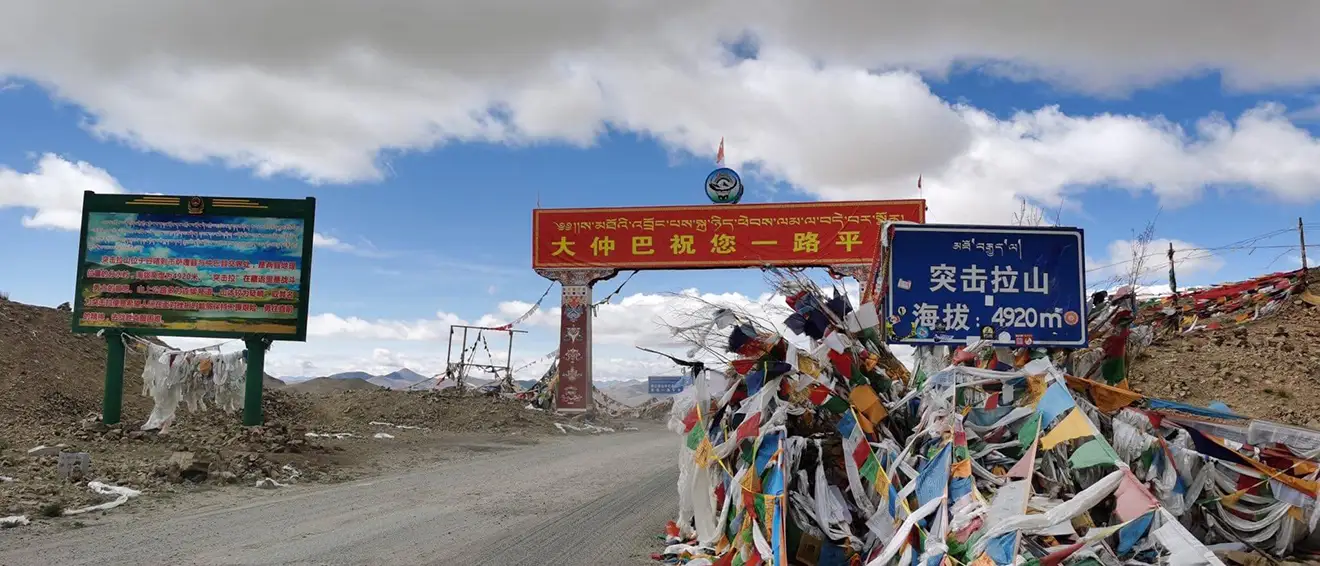
Photographers consider Gawu La Pass the greatest mountain viewpoint on Earth. The high-altitude pass sits at 5,210 meters above sea level. The viewing platform reveals a stunning panorama of the Himalayas. Tourists see five massive peaks that exceed 8,000 meters. The sweeping vista includes Makalu, Lhotse, Everest, Cho Oyu, and Shishapangma. Sunrise paints the peaks in brilliant colors. A sea of clouds often fills the valleys below. Prayer flags flutter wildly in the strong winds.
Rongbuk Monastery
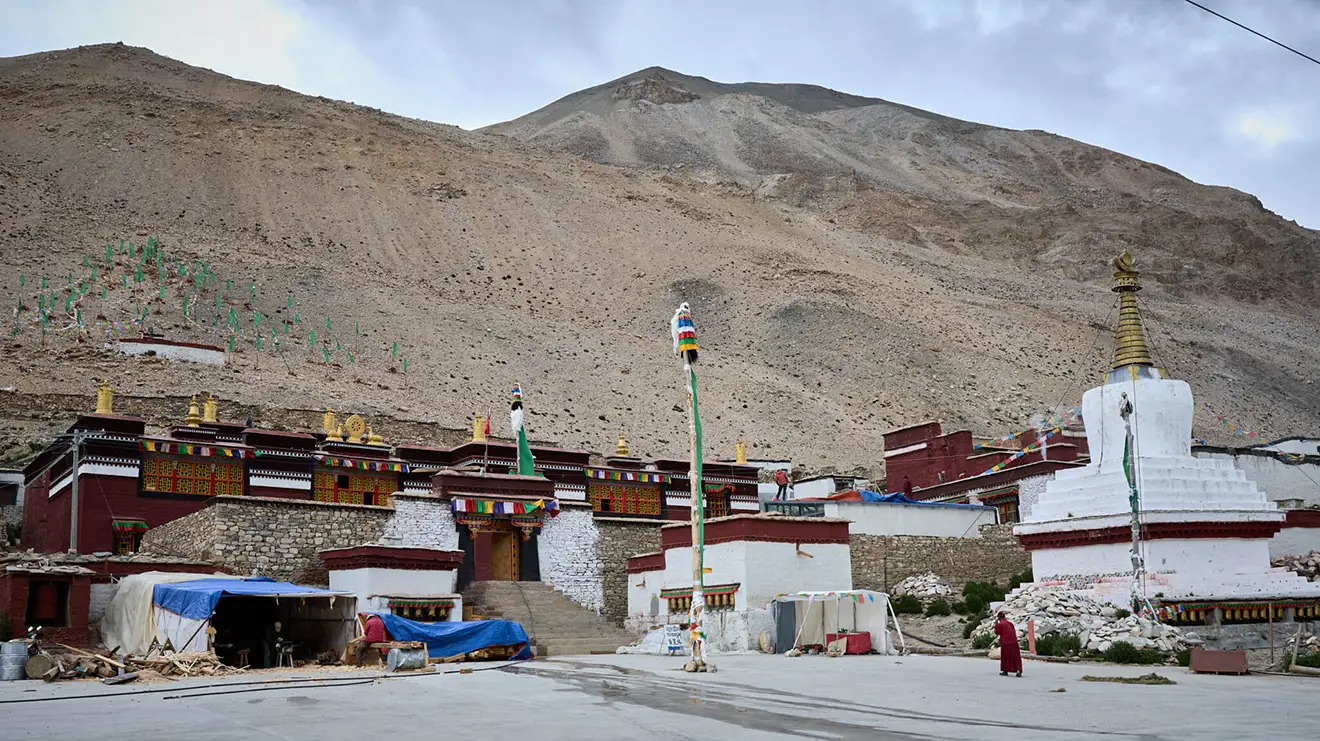
Rongbuk Monastery holds the title of the world’s highest monastery. The complex sits at 5,154 meters above sea level. Monks and nuns live together in perfect harmony at this extreme altitude.
Visitors hear the resonant hum of sacred chants during daily rituals. The monastery features exquisite murals and a statue of Padmasambhava. Tourists capture incredible photos of the mountain looming directly behind the monastery stupa.
Food and Dining Logistics
High-altitude travel requires proper nutrition. The region offers unique culinary experiences. In the capital city, restaurants serve diverse menus. Visitors enjoy traditional Tibetan dishes, spicy Sichuan stir-fries, and basic Western meals. Tashi Restaurant offers excellent yak meat, mashed potatoes, and spaghetti.
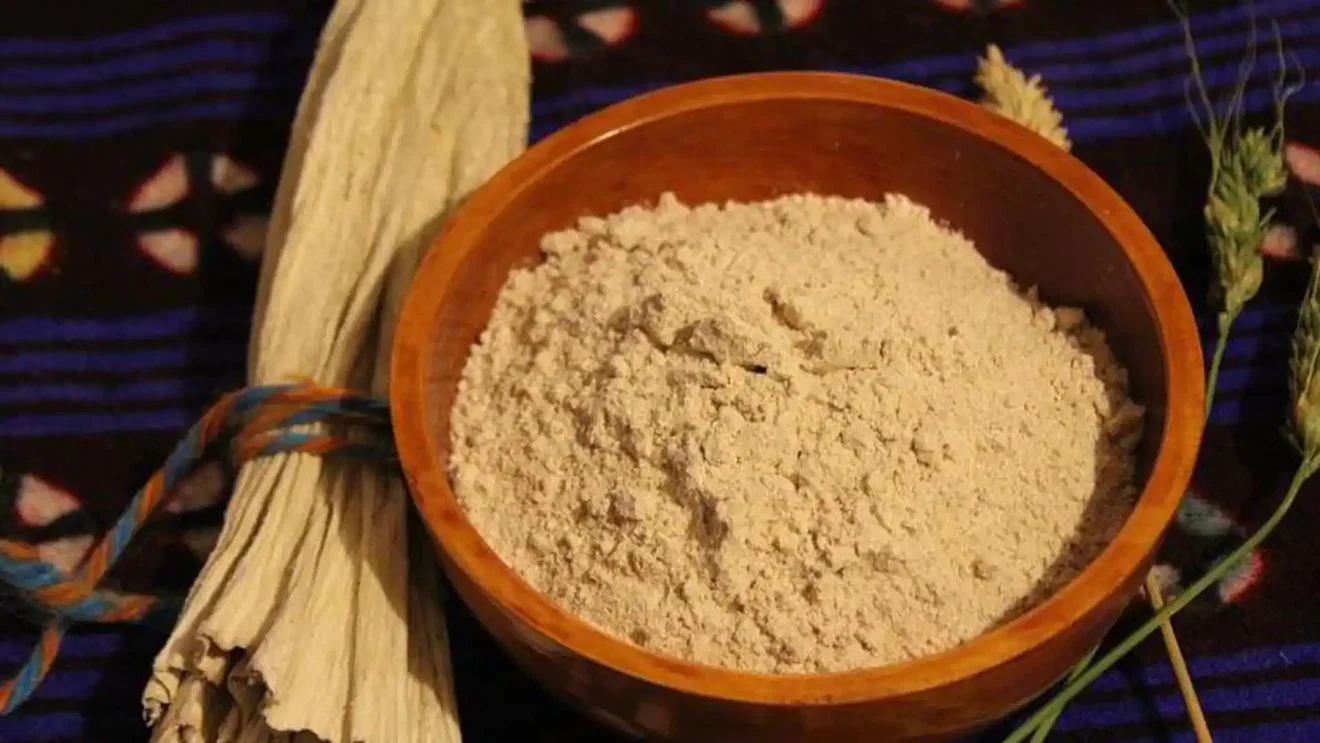
Shigatse features excellent local food. Try authentic Tsampa. Locals make Tsampa by mixing roasted barley flour with yak butter tea. Tibetan Momos resemble dumplings filled with vegetables or yak meat. Drink plenty of sweet tea to stay warm and hydrated. Food options dwindle near the mountain base camp. The tent hotels serve basic fried rice, noodles, and hot tea. Pack high-energy snacks from home. Chocolate bars, protein powder, and mixed nuts provide essential calories during the cold nights. Drink only boiled or treated water to prevent stomach illness.
Toilet Facilities and Hygiene
Sanitation standards change dramatically outside the major cities. Prepare for basic conditions near the mountain.
Luxury hotels in the capital and Shigatse provide modern Western toilets and hot showers. Bring a microfibre towel and your preferred toiletries.
The tent hotels near the mountain lack running water. Showers do not exist at the base camp. Tourists use shared squat toilets located outside the tents. Pack your own toilet paper and biodegradable wet wipes. Bring a small bottle of hand sanitizer. Dispose of used wipes in designated bins rather than flushing them down the toilet. A headlamp proves essential for navigating to the toilet in the dark.
Cultural Etiquette and Tour Rules
Understanding local customs ensures a polite visit. Local people practice deep religious traditions. Tourists show respect by following basic etiquette guidelines. Walk clockwise around all religious sites. When visiting Barkhor Street, join the flow of local pilgrims moving left to right. Spin prayer wheels in a clockwise direction. Never spin a wheel backward. Dress modestly when entering monasteries. Wear long pants and long sleeves. Remove hats and sunglasses before crossing the temple threshold. Never point the bottom of your feet toward an altar or a statue. Use a flat, upturned palm to gesture toward objects instead of pointing a single finger.
Ask permission before photographing local people. Some locals decline photo requests. Respect their privacy immediately. Some locals request a small tip for photos. Never photograph sky burial sites. Food etiquette matters in local restaurants. When a host pours sweet tea, do not empty the cup completely. Leave a small amount at the bottom. The host refills the cup continuously. Eat quietly and avoid loud conversations in small family dining rooms.
Altitude Sickness Prevention
The high elevation poses a real physical challenge. The mountain base camp sits at 5,200 meters above sea level. The air contains significantly less oxygen than at sea level.
Acclimatization forms the core defense against altitude sickness. Spend at least two full nights in the capital city before driving higher. Ascend slowly and avoid gaining too much elevation in a single day. Drink three to four liters of water every day. Dehydration accelerates altitude sickness symptoms.
Avoid alcohol and tobacco during the first five days of the trip. Eat light meals high in carbohydrates. Digesting heavy, greasy food drains the energy needed for oxygen circulation. Walk slowly and avoid running up stairs.
Many travelers use Diamox (Acetazolamide) to speed up acclimatization. The medication acidifies the blood and forces deeper breathing. Consult your doctor before taking any medication.
Recognize the symptoms early. Mild headaches, slight nausea, and shortness of breath affect many tourists. These mild symptoms usually fade after a day of rest. Take standard ibuprofen or paracetamol to ease headache discomfort.
Severe symptoms require immediate action. Persistent vomiting, extreme dizziness, and blue lips indicate dangerous conditions. Guides carry emergency oxygen canisters in their private vehicles. The only true cure for severe altitude sickness is to descend to a lower elevation immediately. Never sleep at a higher altitude if symptoms worsen during the day.
Luxury Travel Amenities
Nepal Hiking Company specializes in premium comfort. High-altitude travel no longer requires extreme hardship. Modern infrastructure brings luxury to the roof of the world.
In the capital city, clients stay at five-star properties. The St. Regis offers oxygen-enriched rooms and a gold-tiled swimming pool. The Shangri-La provides a dedicated oxygen lounge for arriving guests. These amenities speed up the body’s adaptation process.
In Shigatse, high-quality four-star hotels offer central heating and modern bathrooms. Restaurants serve a mix of traditional local dishes and familiar Western meals. Enjoy a safe, clean dining environment before heading into the rugged mountains.
Near the mountain itself, accommodations remain basic. The strict environmental protection laws prevent the construction of luxury resorts at the base camp. During the warmer months, tourists sleep in traditional yak-hair tent hotels. These tents feature basic beds and shared outdoor toilets. Our team provides high-quality sleeping bags to ensure a warm night. For clients who prefer solid walls, we book upgraded guesthouses in the nearby village of Tashi Dzom.
Packing Checklist for the High Altitude
Proper gear makes the trip enjoyable. The weather changes rapidly near the mountain. Sunburn and frostbite remain real threats on the same day.
- Clothing: Pack thermal base layers for the cold nights. Bring a heavy down jacket rated for freezing temperatures. Include a waterproof outer shell to block the fierce mountain winds. Pack comfortable fleece pants for the long driving days.
- Footwear: Wear sturdy, broken-in walking shoes. Heavy hiking boots prove unnecessary since vehicles do most of the work. Bring warm wool socks for the evening.
- Sun Protection: The thin atmosphere allows intense UV rays to pass through. Pack SPF 50 sunscreen. Bring high-quality polarized sunglasses. A wide-brimmed hat protects your face and neck.
- Hygiene Items: The tent hotels lack running water. Pack biodegradable wet wipes for evening cleaning. Bring your own toilet paper and a small bottle of hand sanitizer. Use heavy lip balm to prevent cracked lips in the dry air.
- Electronics: Cold batteries drain extremely fast. Keep spare camera batteries in a warm inner pocket close to your body heat. Bring a portable power bank to charge phones.
Photography Advice for the Mountain
Capturing the perfect mountain photo requires specific techniques. The Everest Base Camp Tibet Permit allows personal photography at the viewing platform.
Bring a wide-angle lens to capture the vast valley leading up to the peak. A zoom lens compresses the distance and highlights the snow plumes blowing off the summit. Use a circular polarizer filter to cut the glare from the snow and darken the blue sky.
Sunrise and sunset offer the best lighting. The sun paints the peak in bright orange and pink colors. Set up a lightweight carbon-fiber tripod for sharp images in low light. Keep your camera inside your jacket until the exact moment you want to shoot. Condensation ruins lenses quickly when moving from a warm tent to the freezing outdoors.
Stop at Gawu La Pass for the ultimate panoramic shot. The viewing platform at the pass reveals five massive peaks at once. You see Makalu, Lhotse, Everest, Cho Oyu, and Shishapangma in a single sweeping view. Photographers consider Gawu La Pass the greatest mountain viewpoint on earth.
Nepal vs Tibet: Comparing the Base Camps
Tourists often debate which side of the mountain to visit. The two base camps offer entirely different experiences.
The South Face route in Nepal requires intense physical effort. Trekkers hike for twelve to fourteen days through high-altitude Sherpa villages. The trail requires crossing suspension bridges and ascending steep hills. Helicopters handle emergency rescues. Trekkers reach an altitude of 5,364 meters. The Nepal route immerses tourists in the purest form of trekking culture.
The North Face route in Tibet requires very little physical exertion. Tourists drive comfortably in private vehicles across the plateau. The paved roads reach 5,200 meters. The North Face offers vastly superior, unobstructed views of the mountain peak. The Tibet route immerses tourists in ancient monasteries and vast plateau landscapes. Choose the North Face for dramatic scenery and comfortable access. Choose the South Face for a grueling physical challenge.
Common Mistakes to Avoid
Travelers often make errors that ruin their vacation plans. Proper guidance from Nepal Hiking Company eliminates these risks. Booking non-refundable flights before permits align results in a financial loss. Never buy international tickets until the agency confirms your route. The government occasionally closes regions without warning. Wait for the agency’s green light before spending money on flights.
Going to high passes too early without acclimatization ruins the body. Rushing the schedule causes severe sickness. Always respect the slow pacing designed by the travel experts. Do not force the driver to skip rest stops. Overloading drive days without buffer time leads to exhaustion. The roads wind through steep mountain valleys. A map makes the distance look short. Strict speed limits govern the highways. A two-hundred-kilometer drive takes several hours. Plan for slow, scenic travel.
Trying to add restricted regions mid-trip fails completely. The Everest Base Camp Tibet Permit locks your exact route weeks in advance. Tourists suddenly decide they want to visit the Nepal border or a remote lake. Local police reject all unapproved detours. Plan the perfect route during the initial booking phase.
Not carrying copies of documents on travel days causes checkpoint delays. Keep a folder of paper copies in your small daypack. Do not pack the papers in your large suitcase. The guide needs fast access to the documents at every police stop.
FAQs
Q: What is the Everest Base Camp Tibet Permit, and what does it include?
A: The document package acts as official government approval for foreign tourists to enter the mountain region. The paperwork includes the primary entry document, the Alien’s Travel document, and a registered itinerary. The approval includes a mandatory guide, a registered vehicle, and a fixed travel route.
Q: Which permits do I need for Everest Base Camp in Tibet?
A: Foreign tourists need the primary entry document from the Tourism Bureau. You also need the Alien’s Travel document issued by the Public Security Bureau in Shigatse. Tourists entering from Nepal also need the special China Group Visa.
Q: Do group tours include the Everest Base Camp Tibet Permit?
A: Yes. Local agencies bundle all official paperwork into the total package price. The travel agency handles all applications and local bureaucratic processes. Tourists simply provide accurate passport scans and follow the guide’s instructions.
Q: How long does the permit process take for Tibet Everest Base Camp tours?
A: The standard process requires at least four to five weeks of lead time. Peak summer seasons require 6 to 8 weeks to ensure smooth processing. We recommend booking your vacation two months in advance to avoid any paperwork delays.
Q: Can I change my itinerary after permit processing starts?
A: No. Authorities lock the travel route the moment the agency submits the application. Adding new cities or changing hotel locations requires canceling the current application and starting completely over. Finalize your exact travel plans before the agency submits the paperwork.
Q: What documents do I need for the Everest Base Camp Tibet Permit?
A: You need a high-quality color scan of your valid passport. The passport must have at least 6 months of validity remaining. Travelers entering from mainland China provide a scan of their standard Chinese tourist visa. Travelers entering from Nepal provide a passport photo for the group visa process.
Q: Is the Tibet-side Everest Base Camp suitable for first-time visitors?
A: Yes. The northern approach utilizes paved highways directly to the viewing area. Tourists avoid the exhaustion of multi-day hiking required on the southern side. First-time visitors enjoy luxury vehicles, comfortable hotels along the route, and professional medical support from our experienced guides.