


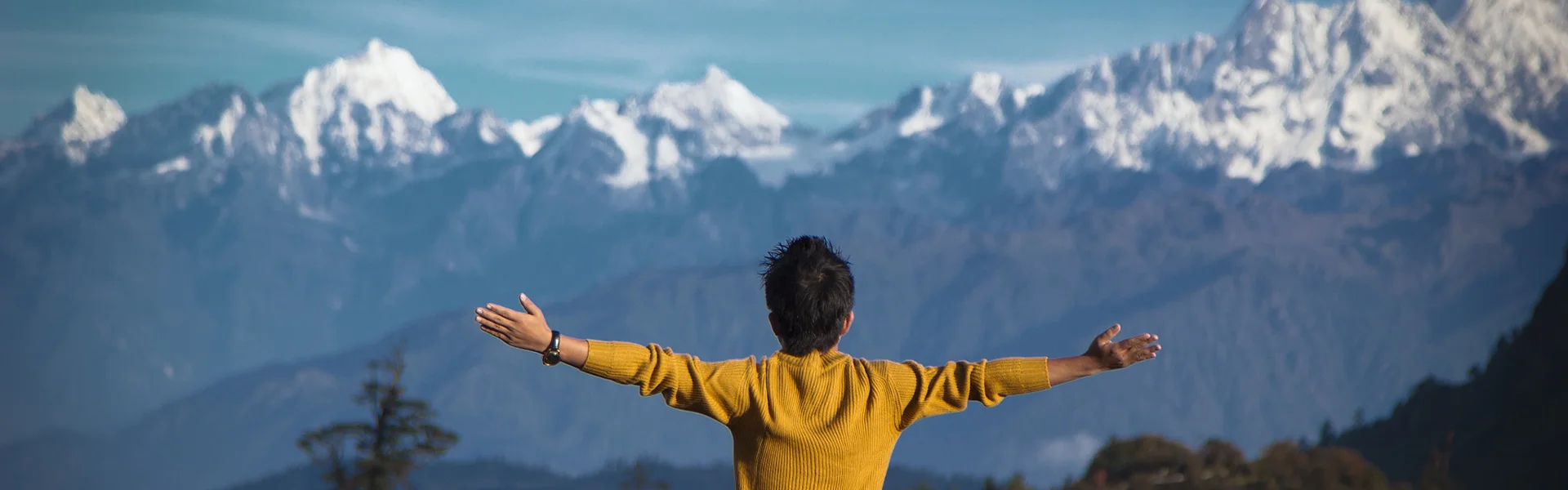

This Everest Base Camp Trek Guide helps you plan the classic route to the base of the world’s highest mountain. Most trekkers fly to Lukla, then walk through Phakding, Namche Bazaar, Tengboche, Dingboche, Lobuche, and Gorak Shep, reaching Everest Base Camp at about 5,364 meters. Many also climb Kala Patthar for the best views of Everest.
The Everest Base Camp Trek takes 12 to 14 days from Lukla. It does not require technical climbing. Altitude, cold weather, and long walking days make the trek moderate to challenging. Proper fitness, acclimatization, warm gear, and a safe itinerary keep trekkers healthy on the trail. This Everest Base Camp Trek Guide covers the full route, a 14-day itinerary, trek cost, permits, difficulty, altitude sickness prevention, best seasons, Lukla flights, teahouse food, packing, and common mistakes to avoid.
Quick Answer: What Should You Know Before the Everest Base Camp Trek?
The Everest Base Camp Trek usually takes 12 to 14 days from Lukla. The route reaches Everest Base Camp at about 5,364 meters and often includes Kala Patthar for the best views of Everest. This Everest Base Camp Trek Guide confirms the trek requires good fitness, proper acclimatization, warm gear, permits, travel insurance, and careful planning for Lukla flights.
Everest Base Camp Trek Guide: Quick Facts
| Topic | Quick Details |
|---|---|
| Trek Region | Everest / Khumbu, Sagarmatha National Park |
| Starting Point | Lukla (flight from Kathmandu or Manthali) |
| Standard Duration | 12 to 14 days from Lukla |
| Main Goal | Everest Base Camp (5,364 m) |
| Key Viewpoint | Kala Patthar (5,545 m) |
| Trek Style | Teahouse trekking |
| Difficulty | Moderate to challenging |
| Best Seasons | March–May and October–November |
| Main Risk | Altitude sickness |
| Main Logistics Issue | Lukla or Manthali flight delays |
| Recommended Support | Licensed guide and porter support |
Why Trek to Everest Base Camp?
The Everest Base Camp Trek puts you near the base of Mount Everest without technical climbing. Trekkers walk through the Sherpa homeland in the Khumbu region. Namche Bazaar, the main Sherpa town, offers markets, bakeries, and sweeping mountain views. Tengboche Monastery sits below Ama Dablam with strong views of Lhotse, Nuptse, and Thamserku. Kala Patthar gives the best classic view of Mount Everest at sunrise. No other viewpoint along the standard route rivals what Kala Patthar delivers at dawn.
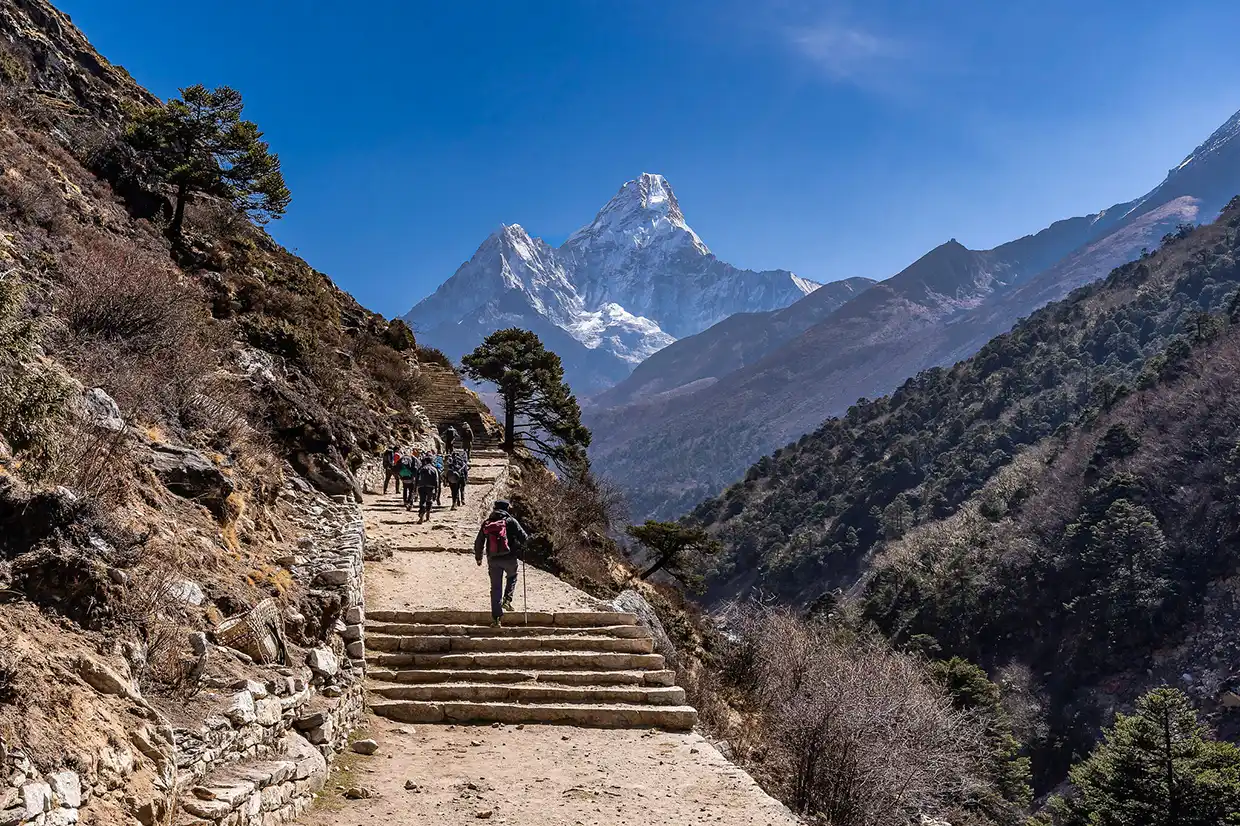
The trail follows the Dudh Koshi River valley through forests, suspension bridges, prayer wheels, and stone villages. Teahouse trekking means warm meals and a bed each night. The Everest Base Camp Trek experience blends physical exertion, mountain scenery, and Sherpa culture throughout the route.

This Everest Base Camp Trek Guide helps you plan the classic route to the base of the world's highest mountain.…
 12 Days
 Moderate
Everest Base Camp Trek Guide: Route Overview
Classic Lukla to Everest Base Camp Route
The standard route in this Everest Base Camp Trek Guide starts with a flight from Kathmandu or Manthali to Lukla. From Lukla, trekkers walk to Phakding, then climb to Namche Bazaar. An acclimatization day in Namche lets the body adjust before moving higher. The trail continues to Tengboche, then Dingboche. A second acclimatization day in Dingboche helps prevent altitude sickness. From Dingboche, the route goes to Lobuche, Gorak Shep, Everest Base Camp, and Kala Patthar. The descent follows Pheriche back to Namche and Lukla.
Key Villages on the Everest Base Camp Trek
- Lukla: Gateway to the Everest trail. The airstrip sits at 2,860 meters.
- Phakding: First overnight stop near the Dudh Koshi River at 2,610 meters.
- Namche Bazaar: Main Sherpa town and acclimatization hub at 3,440 meters.
- Tengboche: Monastery village with strong Ama Dablam views at 3,860 meters.
- Dingboche: Important acclimatization stop at 4,410 meters.
- Pheriche: Common descent route and medical support point at 4,371 meters.
- Lobuche: High-altitude village before Gorak Shep at 4,940 meters.
- Gorak Shep: Last overnight stop before Everest Base Camp at 5,164 meters.
- Everest Base Camp: The main destination of this Everest Base Camp Trek Guide is at 5,364 meters.
- Kala Patthar: Best viewpoint for Mount Everest at 5,545 meters.
Everest Base Camp Trek Guide: Detailed 14-Day Itinerary
| Day | Route | Elevation | Walking Time | Key Purpose |
|---|---|---|---|---|
| Day 1 | Arrival in Kathmandu | 1,400 m | — | Arrival and rest |
| Day 2 | Fly to Lukla, trek to Phakding | 2,860–2,610 m | 3–4 hrs | Start trek |
| Day 3 | Phakding to Namche Bazaar | 3,440 m | 5–6 hrs | Enter higher Khumbu |
| Day 4 | Namche acclimatization day | 3,440 m | 2–4 hrs | Hike high, sleep low |
| Day 5 | Namche to Tengboche | 3,860 m | 5–6 hrs | Monastery and views |
| Day 6 | Tengboche to Dingboche | 4,410 m | 5–6 hrs | Higher valley |
| Day 7 | Dingboche acclimatization | 4,410 m | 2–5 hrs | Altitude adaptation |
| Day 8 | Dingboche to Lobuche | 4,940 m | 5–6 hrs | Glacial Valley Trail |
| Day 9 | Lobuche to Gorak Shep and EBC | 5,164/5,364 m | 7–8 hrs | Reach base camp |
| Day 10 | Kala Patthar, trek to Pheriche | 5,545/4,371 m | 7–8 hrs | Best Everest view |
| Day 11 | Pheriche to Namche | 3,440 m | 6–7 hrs | Long descent |
| Day 12 | Namche to Lukla | 2,860 m | 6–7 hrs | Final trek day |
| Day 13 | Fly back to Kathmandu/Manthali | — | — | Weather-dependent |
| Day 14 | Departure or buffer day | — | — | Safe travel planning |
Important: Do not follow itineraries that skip both Namche and Dingboche acclimatization days. This Everest Base Camp Trek Guide recommends a gradual ascent, sleeping at altitudes of about 300 to 500 meters per day above 2,500 meters, and rest days after every 1,000 meters of altitude gain to keep trekkers safe.
Day 1: Arrival in Kathmandu
Arrive in Kathmandu and check into your hotel. The trekking agency handles a final gear check, permit briefing, and flight confirmation for the Everest Base Camp Trek. Explore Thamel or rest before the early morning flight the next day.
Day 2: Fly to Lukla, Trek to Phakding
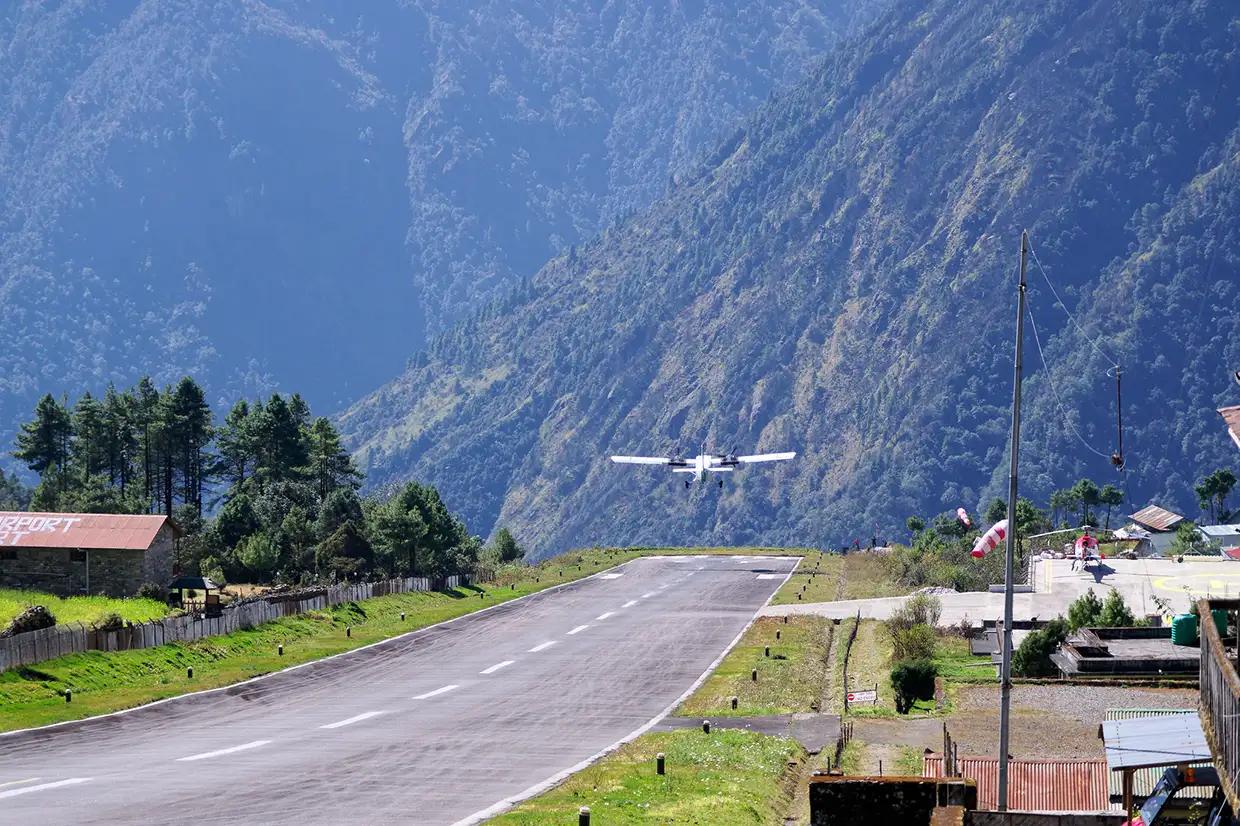
The flight to Lukla takes about 30 minutes. Lukla airport sits at 2,860 meters with a short runway between mountains. The Everest Base Camp Trek starts immediately after landing. The trail follows the Dudh Koshi River valley downhill to Phakding at 2,610 meters. The walking time is about 3 to 4 hours, with a gentle introduction to the route.
Day 3: Phakding to Namche Bazaar
The trail crosses suspension bridges and enters Sagarmatha National Park at the Monjo checkpoint. Permit verification happens here on the Everest Base Camp Trek. A steep climb leads to Namche Bazaar at 3,440 meters. The walking time runs about 5 to 6 hours. The last section before Namche feels genuinely demanding for most trekkers.
Day 4: Acclimatization Day in Namche Bazaar
Stay at the same altitude for a full day on the Everest Base Camp Trek. Hike to the Everest View Hotel viewpoint or visit the Sherpa Museum. The body adjusts to thinner air during the rest day. Drink plenty of water and eat well throughout the day. Walking remains light at 2 to 4 hours.
Day 5: Namche to Tengboche
The trail crosses a ridge with views of Ama Dablam, Everest, Lhotse, and Nuptse. The route drops to the Dudh Koshi River, then climbs to Tengboche at 3,860 meters. The famous Tengboche Monastery stands here against one of the Everest Base Camp Trek’s most memorable backdrops. Walking time runs about 5 to 6 hours.
Day 6: Tengboche to Dingboche
The trail descends through rhododendron forests, crosses rivers, and then climbs steadily into the broader Imja Khola valley. Dingboche sits at 4,410 meters among stone-walled fields. Meals feel simpler at this altitude on the Everest Base Camp Trek. Walking takes about 5 to 6 hours.
Day 7: Acclimatization Day in Dingboche
A second acclimatization day on the Everest Base Camp Trek helps the body adjust to above 4,000 meters. Most trekkers hike toward Nangkartshang Peak for better views of the surrounding valley and ridgeline. Altitude symptoms often appear at this stage. Rest, hydration, and slow movement matter here more than anywhere else on the route. Walking lasts 2 to 5 hours.
Day 8: Dingboche to Lobuche
The trail climbs past the Thukla memorial cairns honoring fallen climbers. The terrain becomes rocky and barren as the Everest Base Camp Trek enters the high glacial zone. Lobuche sits at 4,940 meters in a glacial valley. Cold nights feel sharper here than at any previous stop. The walking time runs about 5 to 6 hours.
Day 9: Lobuche to Gorak Shep and Everest Base Camp
The trail follows the Khumbu Glacier moraine to Gorak Shep at 5,164 meters. After lunch and rest, trekkers walk to Everest Base Camp at 5,364 meters — the main destination of this Everest Base Camp Trek Guide. The Khumbu Icefall becomes visible from the base camp area during climbing season. The round trip from Gorak Shep to EBC and back takes about 4 to 5 hours. Total walking runs 7 to 8 hours on the most demanding day of the Everest Base Camp Trek.
Day 10: Kala Patthar and Descent to Pheriche
An early-morning hike to Kala Patthar at 5,545 meters offers the best views of Everest available on the standard route. The sunrise lights up Everest, Lhotse, and Nuptse in golden sequence. The hike up takes about 2 hours from Gorak Shep. After returning to Gorak Shep, the descent continues to Pheriche at 4,371 meters. Total walking runs 7 to 8 hours. Kala Patthar represents the highest viewpoint and the visual highlight of the entire Everest Base Camp Trek.
Day 11: Pheriche to Namche Bazaar
A long descent day drops from 4,371 meters to 3,440 meters on the Everest Base Camp Trek. The body feels noticeably stronger at a lower altitude. The trail passes back through Tengboche and the Dudh Koshi River valley. Walking takes about 6 to 7 hours.
Day 12: Namche to Lukla
The final walking day of the Everest Base Camp Trek retraces the route from Namche to Lukla. The trail feels considerably easier on the descent. Walking takes about 6 to 7 hours. The last night stays in Lukla before the morning flight.
Day 13: Fly Back to Kathmandu or Manthali
Morning flights depend on weather and visibility. Fog, clouds, or wind delay many flights during peak season on the Everest Base Camp Trek. Trekkers wait at Lukla airport until the flight clears. Some trekkers use helicopter transfers at an extra cost when delays exceed a full day.
Day 14: Departure or Buffer Day
Use the buffer day to account for any flight delays on the return from the Everest Base Camp Trek. Do not book an international departure on the same day as the Lukla return flight. The buffer day protects the entire trip from weather disruptions that regularly affect the Lukla corridor.
Everest Base Camp Trek Guide: Route Variations
Classic Everest Base Camp Trek
The standard 12 to 14-day route suits first-time trekkers who want proper acclimatization. Two rest days in Namche and Dingboche give the body time to adjust. The route uses teahouses every night and follows the itinerary described throughout this Everest Base Camp Trek Guide.
Everest Base Camp Trek with Helicopter Return
The helicopter shortens the descent from Gorak Shep or Lukla back to Kathmandu. The ascent stays the same for proper acclimatization on the Everest Base Camp Trek. The helicopter does not rush the climb — it saves 2 to 3 descent days. Best for travelers with limited time or luxury trekking clients who want to protect their knees on the return.
Everest Base Camp via Gokyo Lakes
The Gokyo route follows a quieter trail to Gokyo Lakes and Gokyo Ri. The turquoise lakes and the Gokyo Ri viewpoint attract photographers seeking alternatives to the standard Everest Base Camp Trek route. Some itineraries cross Cho La Pass to combine Gokyo with EBC. Best for experienced trekkers and repeat visitors.
Everest Three Passes Trek
The Three Passes route crosses Kongma La, Cho La, and Renjo La. The trek takes 18 to 21 days and covers the full Khumbu region far more extensively than the standard Everest Base Camp Trek. It demands strong fitness, cold-weather experience, and careful altitude management. Best for experienced high-altitude trekkers only.
Everest View Trek
A shorter trek reaching Namche Bazaar and the Everest View Hotel area. The route takes about 7 days and stays below 4,000 meters. Best for travelers who want Everest views without going to base camp — a gentler alternative to the full Everest Base Camp Trek.
Jiri or Salleri to Everest Base Camp
The classic approach starts by road from Kathmandu to Jiri or Salleri. Walking from Jiri adds about 7 extra days to the Everest Base Camp Trek. The slower ascent helps with acclimatization and eliminates the risk of Lukla flights entirely. Best for trekkers with extra time who want the traditional experience that predates the Lukla airstrip.
Planning Your Everest Base Camp Trek Logistics
Lukla and Manthali Flight Planning
During peak trekking seasons, many Lukla flights depart from Manthali Airport in Ramechhap rather than Kathmandu. Manthali sits about 4 to 5 hours by road from Kathmandu. Trekkers often leave Kathmandu very early, sometimes around 1 to 2 AM, for the drive. The Manthali to Lukla flight takes less time than the Kathmandu to Lukla flight. Flight delays still happen due to weather, fog, or wind. The Lukla runway sits between mountains, so visibility controls everything. Add buffer days before international departures when planning your Everest Base Camp Trek.
Mandatory Guide and TIMS Rule for the Everest Base Camp Trek
Nepal Tourism Board lists the Everest Base Camp Trek under routes where trekkers should travel with a licensed trekking guide. Trekkers also need a trekking agency-issued TIMS card under the revised provision, effective since March 2023. Field practice in the Khumbu area shows consistent checkpoint enforcement. Confirm the latest rule with a registered agency before booking your Everest Base Camp Trek. The standard route does not fall under restricted area rules. Restricted-area updates apply to regions such as Upper Mustang, Manaslu, and Dolpo.
Insurance Requirements for the Everest Base Camp Trek
Buy travel insurance that covers trekking up to 5,500-6,000 meters for the Everest Base Camp Trek. The policy should include emergency helicopter evacuation, medical treatment, altitude sickness, trip delay, flight cancellation, lost baggage, and weather-related changes. Many agencies verify insurance details before departure. Some checkpoints also inspect insurance certificates along the route. Carry a printed copy of your insurance policy throughout the entire Everest Base Camp Trek.
Everest Base Camp Trek Guide: Permits and Fees
Regular Everest Base Camp Trek trekkers commonly need two main permits and a TIMS registration. The standard route does not require a restricted area permit.
| Permit | Approximate Fee | Purpose |
|---|---|---|
| Sagarmatha National Park Entry Permit | NPR 3,000 for foreigners, NPR 1,500 for SAARC | Entry into Sagarmatha National Park |
| Khumbu Pasang Lhamu Rural Municipality Permit | Around NPR 2,000 | Local Khumbu entry fee |
| TIMS / Agency-issued trekker record | Check the current rule with the agency | Trekker registration and safety tracking |
Checkpoints verify Everest Base Camp Trek permits at Monjo, before Namche Bazaar. Your trekking agency handles all permit processing in advance. Carry printed copies of every permit throughout the entire trek.
Everest Base Camp Trek Guide: Cost Overview
The final Everest Base Camp Trek cost depends on guide service, accommodation level, flights, meals, permits, gear rental, and comfort extras. The table below shows a general cost framework across three service levels.
| Cost Type | Budget Trek | Standard Guided | Luxury Trek |
| Total Estimated | USD 1,200–1,800 | USD 1,800–3,000 | USD 3,500–6,000+ |
| Accommodation | Basic teahouses | Standard teahouses | Comfort lodges were available |
| Guide | Basic licensed guide | Experienced guide | Senior guide / private support |
| Porter | Optional | Usually included | Included |
| Meals | Basic trail meals | Full meals included | Better menu choices |
| Kathmandu Hotel | Budget hotel | 3-star or 4-star | 5-star hotel |
| Flights | Standard Lukla flights | Standard flights | Flight + helicopter options |
| Best For | Budget travelers | Most trekkers | Luxury adventure travelers |
Extra Costs to Budget for on the Everest Base Camp Trek
- Hot showers: NPR 300–800 per shower, depending on altitude
- Wi-Fi: NPR 300–600 per day or via Everest Link card
- Phone and device charging: NPR 200–500 per charge
- Snacks, drinks, and bottled water are at higher prices above Namche
- Gear rental in Kathmandu or Namche, if needed
- Tips for the guide and porter at the end of the Everest Base Camp Trek
- Buffer day hotel and meals in Kathmandu
Everest Base Camp Trek Guide: Difficulty and Fitness
How Difficult Is the Everest Base Camp Trek?
The Everest Base Camp Trek rates moderate to challenging. The trail does not require technical climbing, ropes, or mountaineering skills. Altitude makes the trek demanding throughout. Thin air above 3,500 meters slows every step on the Everest Base Camp Trek. Cold nights, rocky trails, and long walking days test endurance at every stage. Mental fatigue builds over multiple consecutive days. Repeated uphill and downhill sections wear down legs. Basic facilities above Namche mean fewer comforts. Lukla flight uncertainty adds stress at the end of the Everest Base Camp Trek.
Fitness Requirements for the Everest Base Camp Trek
- Walk 5 to 8 hours per day on uneven mountain trails
- Carry a daypack weighing 5 to 8 kg throughout
- Climb stone steps for extended periods
- Trek for multiple days in a row without a full rest
- Sleep in basic teahouses at cold temperatures
- Manage reduced appetite and energy at altitude
12-Week Training Plan for the Everest Base Camp Trek
| Training Period | Focus |
|---|---|
| Weeks 1–4 | Walking, light cardio, mobility, stretching |
| Weeks 5–8 | Hill walking, stair climbing, leg strength, core work |
| Weeks 9–12 | Long hikes with a loaded daypack, back-to-back walking days |
Altitude Sickness on the Everest Base Camp Trek
What Causes Altitude Sickness?
Acute Mountain Sickness (AMS) occurs when the body ascends too quickly during the Everest Base Camp Trek. Lower air pressure at altitude reduces the amount of oxygen available. The body needs time to adjust to each new elevation. AMS affects anyone regardless of age, fitness, or previous trekking experience.
Mild Symptoms on the Everest Base Camp Trek
- A headache that does not go away with water and rest
- Nausea or poor appetite
- Dizziness or lightheadedness
- Unusual tiredness or weakness
- Poor sleep quality at altitude
Danger Symptoms: Descend Immediately
- Breathlessness at rest
- Confusion or disorientation
- Poor coordination or stumbling
- Severe weakness, unable to walk
- Wet cough or chest tightness
- Blue lips or fingertips
Prevention Rules for the Everest Base Camp Trek
- Walk slowly and maintain a steady pace throughout the Everest Base Camp Trek.
- Do not skip acclimatization days in Namche and Dingboche
- Drink enough clean water throughout each day
- Avoid alcohol during ascent days on the Everest Base Camp Trek
- Eat enough even when your appetite drops at altitude
- Tell your guide immediately if any symptoms appear
- Descend if symptoms get worse after rest
The Himalayan Rescue Association runs an aid post in Pheriche. The post focuses on prevention and care for altitude sickness and other mountain health issues along the Everest Base Camp Trek route. Medical support also operates at Everest Base Camp during the spring climbing season.
Everest Base Camp Trek Guide: Best Time to Trek
Spring: March to May
Spring brings warmer days, an active climbing season, and rhododendron blooms at lower elevations on the Everest Base Camp Trek. The trail feels lively during this period. Afternoon clouds sometimes block views above Namche. May gets hazy. Lodges fill quickly during peak weeks.
Autumn: September to November
Autumn offers the clearest mountain views, the driest trails, and the most stable weather for the Everest Base Camp Trek. October draws peak crowds throughout the Khumbu region. Guides, flights, and lodges book early for the autumn season. November nights turn colder, but skies stay remarkably clear.
Winter: December to February
Winter offers quiet trails and sharp, clear Himalayan skies on the Everest Base Camp Trek. Very cold nights drop well below freezing at every stop above Namche. Snow and ice cover higher sections of the trail. Some lodges above Namche close for the winter season. Only experienced cold-weather trekkers should attempt the Everest Base Camp Trek in winter.
Monsoon: June to August
Monsoon brings rain, clouds, muddy trails, and significantly lower visibility. Lukla flight delays increase during the monsoon months. Very few trekkers walk the Everest Base Camp Trek during this season. Only experienced trekkers who accept the risk of persistent rain should consider summer.
| Season | Months | Strength | Challenge |
|---|---|---|---|
| Spring | March–May | Warm and active | Haze and crowds |
| Autumn | Sept–Nov | Best views and conditions | Peak demand |
| Winter | Dec–Feb | Quiet and clear | Severe cold |
| Monsoon | Jun–Aug | Green scenery | Rain and flight risk |
Teahouse Accommodation and Food on the Everest Base Camp Trek
What Are Teahouses?
Teahouses are local lodges along the Everest Base Camp Trek route. Each teahouse offers basic rooms, a dining hall, hot meals, and paid extras like showers and charging. Room styles vary from twin beds with blankets to simple mattresses throughout the trek.
Lower Route: Lukla to Namche
Better rooms, more menu choices, attached bathrooms in some lodges, stronger Wi-Fi, and more charging options define the lower route of the Everest Base Camp Trek. Prices remain reasonable compared to higher villages along the trail.
Higher Route: Dingboche to Gorak Shep
Simpler rooms, shared bathrooms, colder nights, higher food prices, limited electricity, and paid charging define the higher sections of the Everest Base Camp Trek. Expect fewer comforts and shorter menus at every teahouse above Dingboche.
Best Foods on the Everest Base Camp Trek Trail
- Dal bhat: the classic Nepali meal with rice, lentils, and vegetables
- Sherpa stew: a thick, hearty soup with noodles and vegetables
- Thukpa: Tibetan noodle soup
- Fried rice and fried noodles
- Porridge, eggs, toast, and pancakes for breakfast
- Potatoes in many styles: boiled, fried, or in soup
- Tibetan bread, tea, and hot lemon ginger drinks
Wi-Fi, Charging, Showers, and Connectivity on the Everest Base Camp Trek
Wi-Fi works in many villages along the Everest Base Camp Trek trail. Speed varies by altitude and demand at each stop. Everest Link cards or local network access provide internet in some areas. Charging usually costs extra at every teahouse along the route. Hot showers cost extra and are heated by solar or gas. Above Dingboche, hot showers become impractical or unavailable. Carry a power bank for all devices on the Everest Base Camp Trek. Download offline maps before leaving Kathmandu. Tell family members that the connection becomes unreliable above Namche throughout the trek. Messages and calls may not go through for hours or days at higher camps.
Everest Base Camp Trek Guide: Packing List
Clothing for the Everest Base Camp Trek
- Moisture-wicking base layers (top and bottom)
- Trekking shirts and pants
- Fleece jacket for mid-layer warmth
- Down jacket for cold mornings and evenings
- Waterproof shell jacket and pants
- Thermal layers for sleeping at high camps
- Warm hat, sun hat, buff, or neck warmer
- Light gloves and warm insulated gloves
Footwear for the Everest Base Camp Trek
- Broken-in trekking boots with ankle support
- Trekking socks and liner socks
- Camp shoes or sandals for teahouse evenings
Gear for the Everest Base Camp Trek
- Daypack (25–35 liters)
- Duffel bag for porter carry
- Sleeping bag rated to at least -10°C
- Trekking poles (adjustable)
- Headlamp with extra batteries
- Sunglasses with UV protection
- Water bottles and purification tablets
- Power bank and charging cables
- Dry bags for rain protection
Health and Toiletries
- Sunscreen (SPF 50+) and lip balm
- Personal medicine and altitude medication, if prescribed
- Blister care and first-aid items
- Hand sanitizer and wet wipes
- Toilet paper and a small towel
- Electrolyte packets
Documents and Money for the Everest Base Camp Trek
- Passport and Nepal visa
- Travel insurance printed copy
- Permit copies (all permits)
- Flight tickets
- Cash in Nepali rupees (ATMs available only in Namche on the Everest Base Camp Trek)
- Emergency contact details
Lukla Flight Delays and Buffer Days on the Everest Base Camp Trek
Lukla flights depend on weather and visibility throughout the Everest Base Camp Trek season. Morning flights work best because clouds build through the day. Delays last hours or days during peak season. Fog, wind, and low clouds ground flights without warning. During peak seasons, flights sometimes route through Manthali Airport instead of Kathmandu. Helicopter transfers reduce the risk of delays but cost more on the Everest Base Camp Trek. Carry snacks, a book, and patience for waiting days in Lukla.
Important: Do not schedule your international departure on the same day as your Lukla return flight from the Everest Base Camp Trek. Add 1 to 2 buffer days in Kathmandu to protect your trip from weather disruptions.
Sustainable and Ethical Trekking on the Everest Base Camp Trek
- Carry a refillable water bottle and avoid single-use plastic on the Everest Base Camp Trek.
- Use purified or boiled water instead of buying bottled water
- Take batteries, wrappers, and non-biodegradable waste back to the city
- Support local teahouses and buy meals locally along the route
- Hire licensed guides and fairly paid porters
- Respect monasteries, prayer walls, and stupas throughout the trek
- Walk clockwise around religious structures
- Avoid loud music on trails and in villages
- Ask before photographing people
- Dress modestly in villages and near religious sites
Common Mistakes to Avoid on the Everest Base Camp Trek
- Choosing the cheapest package without checking what the Everest Base Camp Trek actually includes
- Skipping acclimatization days to save time on the route
- Underestimating altitude effects above 3,500 meters
- Booking tight international flights right after Lukla return
- Packing too much weight in the duffel bag
- Wearing brand-new boots that have not been broken in before the Everest Base Camp Trek
- Drinking alcohol during ascent days
- Ignoring headaches, nausea, or dizziness at altitude
- Not carrying enough cash in Nepali rupees
- Expecting luxury facilities above Namche Bazaar
- Not buying proper high-altitude travel insurance for the Everest Base Camp Trek.
- Not checking Manthali flight arrangements before departure
Frequently Asked Questions About the Everest Base Camp Trek
Q: How long does the Everest Base Camp Trek take?
A: The Everest Base Camp Trek usually takes 12 to 14 days starting from Lukla. A safe itinerary requires dedicated acclimatization days in Namche Bazaar and Dingboche. Always schedule extra buffer days in Kathmandu. These additional days protect your travel plans from frequent flight delays caused by unpredictable mountain weather during peak season on the Everest Base Camp Trek.
Q: How difficult is the Everest Base Camp Trek?
A: The Everest Base Camp Trek rates moderate to challenging. It does not require technical climbing skills. The primary difficulties come from high altitude, cold weather, and long walking days on rugged mountain terrain. You must also adapt to basic teahouse facilities and limited comforts along the upper trail. Physical and mental preparation remain essential for completing the Everest Base Camp Trek safely.
Q: When are the best conditions for the Everest Base Camp Trek?
A: The best conditions for the Everest Base Camp Trek occur from March to May and October to November. Autumn offers the sharpest, clearest mountain views and the most stable weather. Spring offers warmer temperatures and a vibrant atmosphere as the climbing season begins. Choosing these peak windows ensures the most spectacular Himalayan panoramas throughout the Everest Base Camp Trek.
Q: How much does the Everest Base Camp Trek cost?
A: A standard guided Everest Base Camp Trek typically costs between USD 1,800 and 3,000. Luxury packages with helicopter returns and comfort lodges range from USD 3,500 to over 6,000. Your final cost depends on the level of service, domestic flights, meal inclusions, and the quality of accommodation you choose for the Everest Base Camp Trek.
Q: Do I need a guide for the Everest Base Camp Trek?
A: Under current regulations, the Nepal Tourism Board requires a licensed guide for the Everest Base Camp Trek. You must also obtain an agency-issued TIMS card for legal access to the trail. Confirm these rules with your trekking agency before departure. A professional guide ensures your safety and helps you make critical altitude decisions throughout the Everest Base Camp Trek.
Q: What permits do I need for the Everest Base Camp Trek?
A: The Everest Base Camp Trek requires the Sagarmatha National Park Entry Permit and the Khumbu Pasang Lhamu Rural Municipality permit. You must also carry a valid TIMS card or agency-issued documentation at all times. Your trekking agency coordinates these permits to ensure smooth passage through every checkpoint on the Everest Base Camp Trek.
Q: Can beginners do the Everest Base Camp Trek?
A: Fit beginners can complete the Everest Base Camp Trek successfully with the right preparation and support. Follow a safe itinerary with enough acclimatization days and hire a licensed guide. Start a 12-week fitness program before departure to build the stamina needed for the Everest Base Camp Trek. Focus on cardiovascular health, leg strength, and endurance walking.
Q: Can I see Everest from Everest Base Camp?
A: While the Everest Base Camp Trek takes you to the foot of the mountain at 5,364 meters, the summit view from base camp remains limited. For the best and most spectacular view of Mount Everest, hike to Kala Patthar at 5,545 meters. Most trekkers plan this sunrise ascent on Day 10. Kala Patthar delivers the defining visual highlight of the entire Everest Base Camp Trek.
Q: What should I pack for the Everest Base Camp Trek?
A: Your Everest Base Camp Trek pack should include layered clothing, a warm down jacket, a waterproof shell, and sturdy, broken-in trekking boots. Essential items include a sleeping bag, insulated gloves, a warm hat, and UV-protection sunglasses. Carry a headlamp, personal medicine, and water purification supplies for safety throughout the Everest Base Camp Trek.
Q: Are Lukla flights reliable on the Everest Base Camp Trek?
A: Lukla flights depend entirely on weather and visibility, making them unreliable during the peak Everest Base Camp Trek season. Delays happen frequently. Always add 1 to 2 buffer days before your international departure. Helicopter transfers reduce delay risk but cost more. Planning for potential flight disruptions remains essential for a stress-free Everest Base Camp Trek experience.
Q: Is Wi-Fi available on the Everest Base Camp Trek?
A: Wi-Fi works in many villages along the Everest Base Camp Trek trail, but connection speed slows at higher altitudes. Most teahouses charge extra fees for device charging. Carry a high-capacity power bank and download offline maps before leaving Kathmandu. Planning your digital needs keeps you connected throughout the Everest Base Camp Trek.
Q: Is travel insurance necessary for the Everest Base Camp Trek?
A: Yes, comprehensive travel insurance is necessary for the Everest Base Camp Trek. Your policy must specifically cover high-altitude trekking up to at least 5,500 meters and emergency helicopter evacuation. The insurance should also include coverage for medical treatment, altitude sickness, and flight cancellations. Proper insurance provides a critical safety net against unexpected emergencies throughout the Everest Base Camp Trek.
Final Advice From This Everest Base Camp Trek Guide
The Everest Base Camp Trek rewards every trekker who prepares well. Choose the right season. Follow a safe itinerary with proper acclimatization days at Namche and Dingboche. Train for at least 8 to 12 weeks before departure. Pack warm layers and a quality sleeping bag. Confirm current permit rules and guide requirements with your registered trekking agency. Add buffer days for Lukla flights. Buy high-altitude travel insurance before departure.
Listen to your guide on the trail. Respect the mountains, the culture, and the Sherpa communities who live among them. The trail to Everest Base Camp stays open to anyone with the fitness, patience, and respect for altitude that the route demands. Prepare well, walk steadily, and enjoy every step of this Everest Base Camp Trek Guide’s recommended route through the Khumbu.