


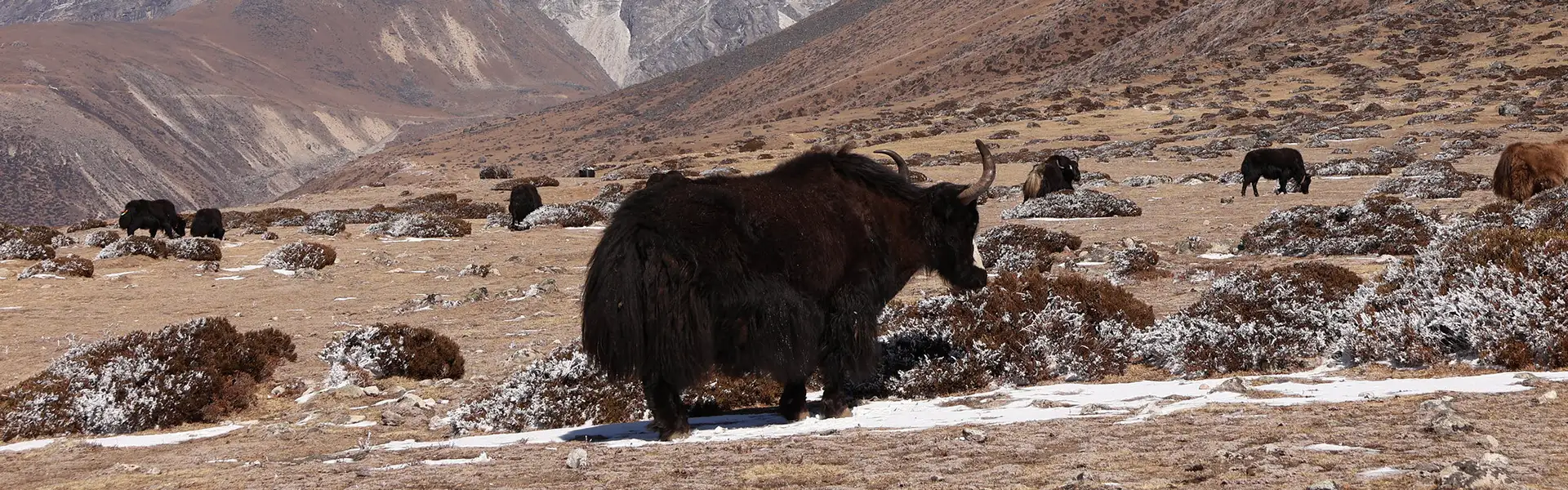

The Everest Panorama Trek Guide helps travelers plan a short trek in the Everest region with views of Mount Everest, Ama Dablam, Lhotse, Nuptse, Thamserku, and Kongde Ri. The route usually starts from Lukla and follows the lower Khumbu trail to Phakding, Namche Bazaar, Everest View Hotel, Khumjung, Khunde, and sometimes Tengboche.
Unlike the Everest Base Camp Trek, the Panorama route does not reach Base Camp or Kala Patthar. It stays lower, takes fewer days, and suits travelers who want Everest views, Sherpa culture, and a moderate Himalayan trek without walking above 5,000 meters. This guide covers the full route, two itinerary options, mountain views, key viewpoints, villages, altitude profile, difficulty, permits, cost, best season, packing, flight logistics, and how the Panorama trek compares with the full EBC route.
Quick Answer: What Is the Everest Panorama Trek?
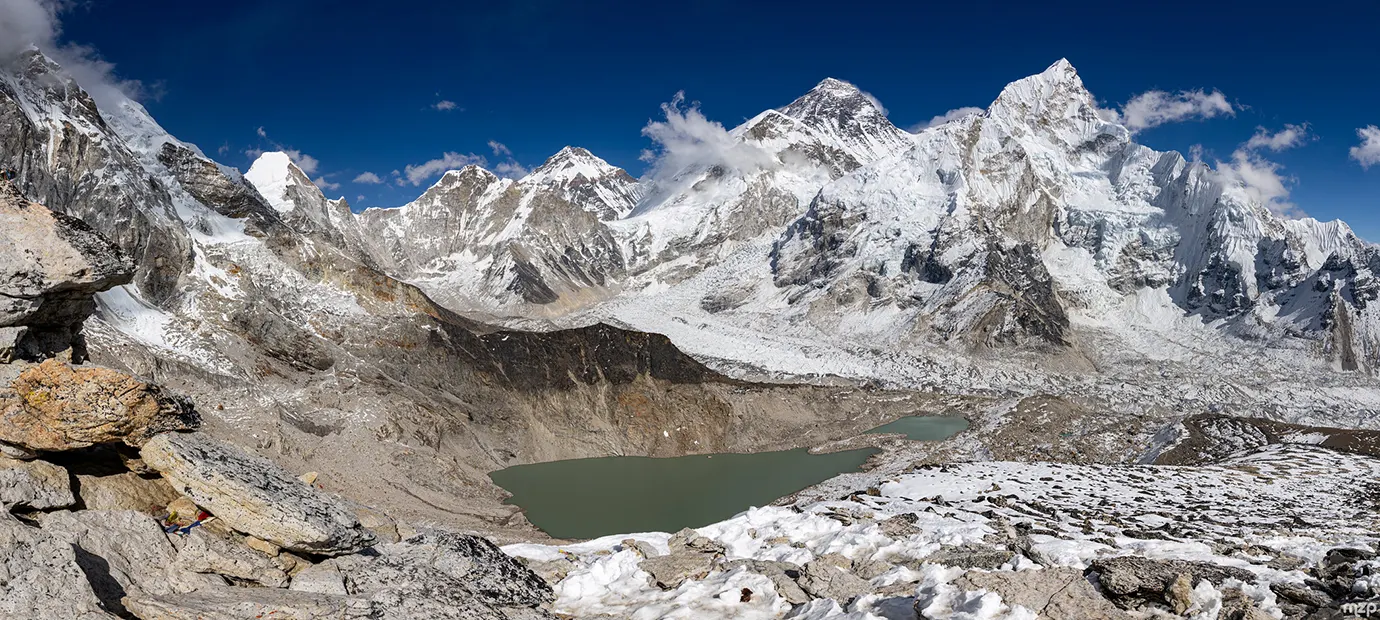
The Everest Panorama Trek follows the lower Khumbu trail from Lukla to Namche Bazaar, Everest View Hotel, Khumjung, Khunde, and sometimes Tengboche. It gives views of Everest, Lhotse, Ama Dablam, Thamserku, and Kongde Ri without going to Everest Base Camp. Most itineraries take 7 to 10 days.
Quick Facts
| Topic | Details |
|---|---|
| Trek Region | Everest / Khumbu, Sagarmatha National Park |
| Starting Point | Lukla (flight from Kathmandu or Manthali) |
| Main Places | Phakding, Namche, Everest View Hotel, Khumjung, Khunde, Tengboche |
| Typical Duration | 7 to 10 days |
| Difficulty | Easy to moderate |
| Highest Common Point | Everest View Hotel area or Tengboche (~3,860-3,880 m) |
| Best Seasons | March-May and October-November |
| Best For | Beginners, families, older travelers, photographers, short-term visitors |
| Does It Reach EBC? | No |
Mountains You See on the Everest Panorama Trek
| Mountain | Altitude | Best Seen From | View Quality |
|---|---|---|---|
| Everest | 8,849 m | Everest View Hotel, Namche ridge | Distant summit view |
| Lhotse | 8,516 m | Everest View Hotel area | Strong view |
| Ama Dablam | 6,812 m | Namche ridge, Khumjung, Tengboche | Excellent and photogenic |
| Thamserku | 6,623 m | Trail to Namche, Namche area | Excellent |
| Kongde Ri | 6,187 m | Namche Bazaar | Excellent |
| Nuptse | 7,861 m | Everest View Hotel area | Good |
| Kangtega | 6,782 m | Trail above Namche | Good |
Everest appears as a distant summit behind the Lhotse-Nuptse wall. Travelers who want a close-up view of Everest should choose the full Everest Base Camp route with Kala Patthar. Ama Dablam and Thamserku often feel more dominant from this lower route.
Key Viewpoints on the Everest Panorama Trek
Everest View Hotel Area (~3,880 m)
The main panorama point above Namche. Strong views of Everest, Lhotse, Ama Dablam, Thamserku, and Kongde. Best in the morning before clouds build. Good for tea and photography. The short hike from Namche doubles as an acclimatization walk.
Namche Bazaar Ridge Viewpoint
A short climb from central Namche offers the first clear view of Everest for many trekkers. The Sherpa Museum and the national park visitor area sit nearby. Good for sunrise or morning photography.
Khumjung and Khunde Villages
Sherpa villages above Namche give views of Ama Dablam, Thamserku, and Kongde. Khumjung holds a monastery and the Hillary School. Khunde sits quieter with a hospital built by the Hillary Foundation. Strong cultural and photography value.
Tengboche Monastery (~3,860 m)
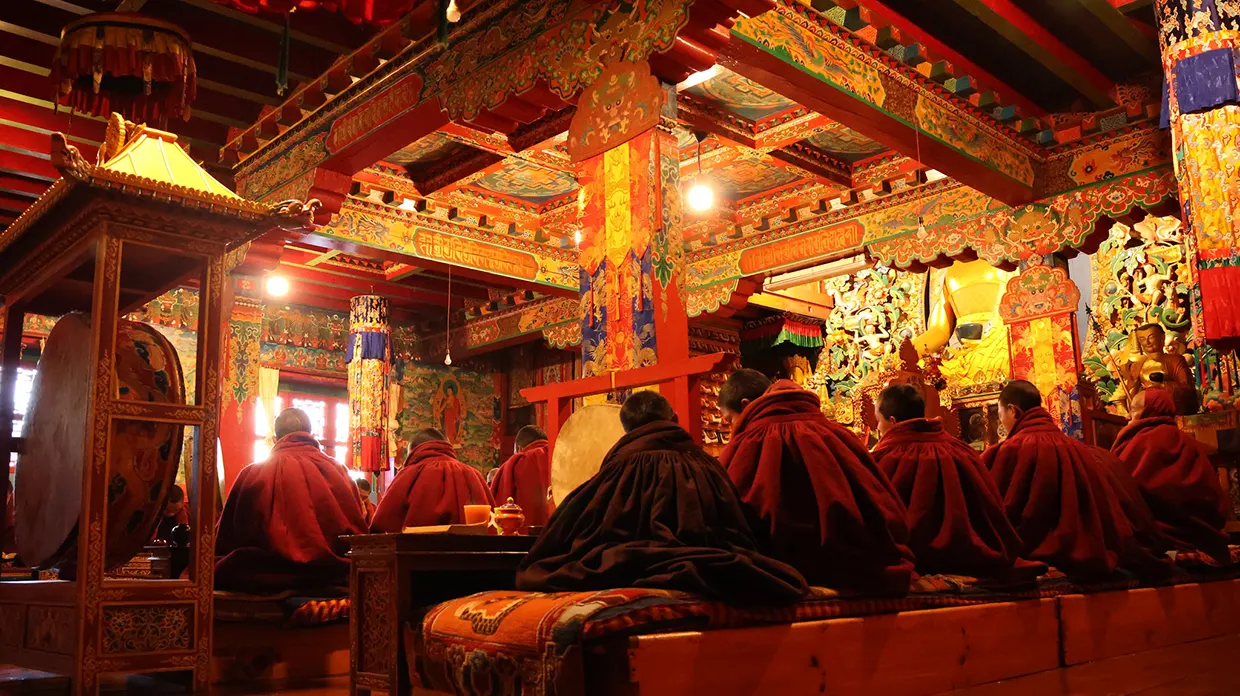
Optional in some Panorama itineraries. The famous Tengboche monastery sits below Ama Dablam with strong mountain views. Morning and late-afternoon light create the best photographic moments. The monastery adds spiritual and cultural depth.
Thame Village (~3,820 m)
Optional extension from Namche. A quieter trail leads to the village linked with Tenzing Norgay Sherpa. The side trip adds one to two days. Best for travelers who want a deeper Sherpa cultural experience beyond Namche.
Villages and Cultural Highlights
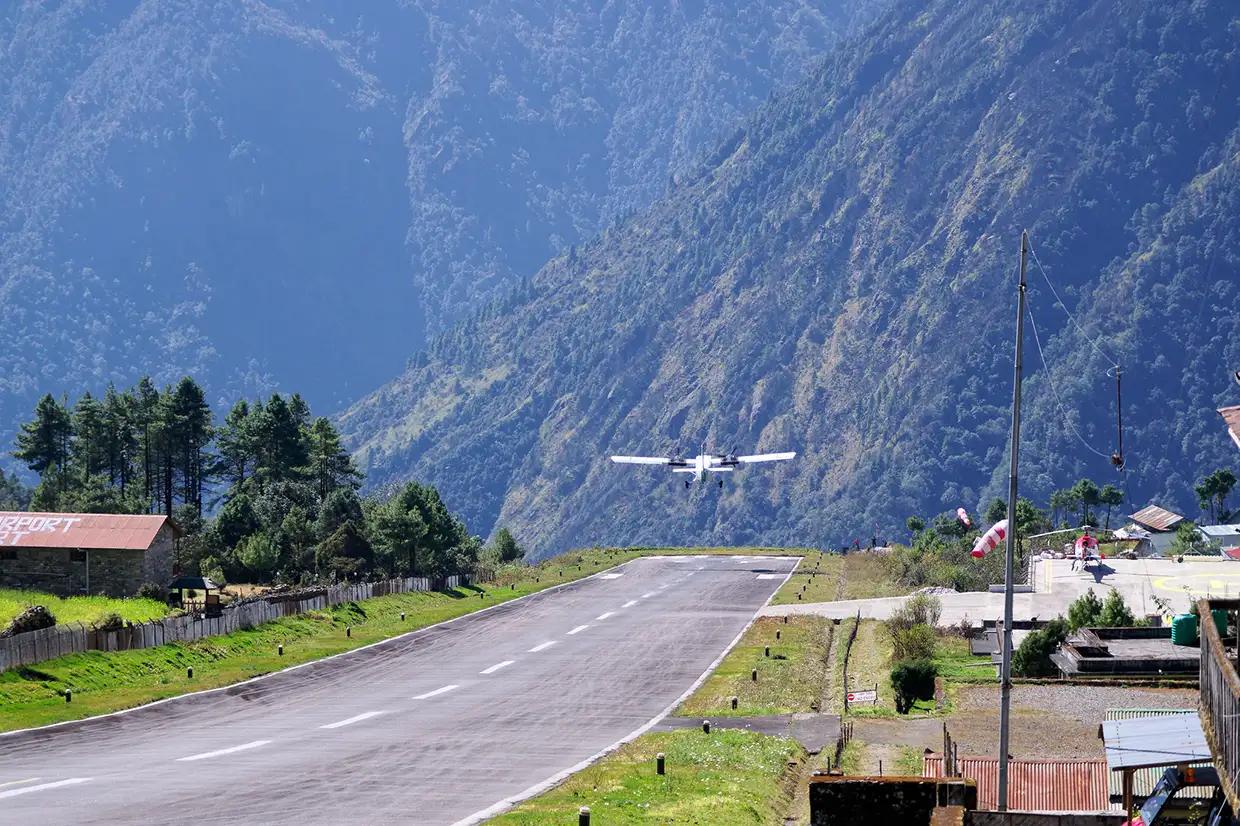
- Lukla: Gateway to the Everest region. Home to the famous Tenzing-Hillary Airport. Starting and ending point.
- Phakding: Riverside village along the Dudh Koshi. Common first-night stop. Sits lower than Lukla for an easier start.
- Namche Bazaar: Main Sherpa town. Best lodges, cafes, bakeries, and gear shops on the route. Weekly market adds local color.
- Khumjung: Traditional Sherpa village. Stone houses, potato fields, a monastery, and Hillary School. Strong cultural stop.
- Khunde: A quiet Sherpa village near Khumjung. Known for Khunde Hospital. Fewer crowds than Namche.
- Tengboche: Major Buddhist monastery site. Optional or key stop depending on the itinerary. Strong Ama Dablam backdrop.
- Thame: Optional extension. Quieter valley west of Namche. An important Sherpa village linked with Tenzing Norgay Sherpa.
Everest Panorama Trek Itinerary: 9 Days
| Day | Route | Altitude | Walk Time | Highlights |
|---|---|---|---|---|
| 1 | Arrive Kathmandu | 1,400 m | — | Hotel, briefing, gear check |
| 2 | Fly to Lukla, trek to Phakding | 2,610 m | 3-4 hrs | Lukla flight, Dudh Koshi valley |
| 3 | Phakding to Namche Bazaar | 3,440 m | 5-6 hrs | Bridges, climb to Namche |
| 4 | Everest View Hotel, Khumjung, Khunde | 3,880 m | 4-5 hrs | Main viewpoint and Sherpa villages |
| 5 | Namche to Tengboche | 3,860 m | 5-6 hrs | Monastery and Ama Dablam views |
| 6 | Tengboche to Namche or Monjo | 2,835-3,440 m | 5-6 hrs | Return through forest trails |
| 7 | Trek to Lukla | 2,860 m | 5-7 hrs | Final trekking day |
| 8 | Fly to Kathmandu/Manthali | — | — | Weather-dependent flight |
| 9 | Departure | — | — | Buffer day/airport transfer |
Shorter 7-Day Version
The 7-day version skips Tengboche:
- Day 1: arrive in Kathmandu;
- Day 2: fly to Lukla; trek to Phakding;
- Day 3: Phakding to Namche;
- Day 4: Everest View Hotel and Khumjung hike;
- Day 5: Namche to Lukla;
- Day 6: fly back;
- Day 7: departure. The shorter route sacrifices Tengboche Monastery but works for travelers with very limited time.
Important: Do not skip the Namche acclimatization day (Day 4). Do not book an international flight on the same day as your Lukla return.
Altitude Profile
| Location | Altitude | Role in Trek |
|---|---|---|
| Kathmandu | 1,400 m | Arrival and departure |
| Lukla | 2,860 m | Trek start |
| Phakding | 2,610 m | First overnight |
| Namche Bazaar | 3,440 m | Main acclimatization hub |
| Everest View Hotel / Syangboche | ~3,880 m | Main viewpoint |
| Khumjung | ~3,790 m | Sherpa village visit |
| Khunde | ~3,840 m | Sherpa village visit |
| Tengboche | ~3,860 m | Monastery and views |
The trek usually stays below 4,000 meters. Altitude risk remains lower than on the full EBC trek route. The climb from Phakding to Namche marks the main altitude gain. Walk slowly and stay hydrated.
Everest Panorama Trek vs Everest Base Camp Trek
| Factor | Everest Panorama Trek | Everest Base Camp Trek |
|---|---|---|
| Duration | 7-10 days | 12-14 days |
| Highest area | ~3,880 m | Kala Patthar ~5,545 m |
| Everest view | Distant view | Closer from Kala Patthar |
| Main goal | Views and Sherpa culture | Base Camp and Kala Patthar |
| Difficulty | Easy to moderate | Moderate to challenging |
| Altitude risk | Lower | Higher |
| Cost | Lower | Higher |
| Best for | Beginners, families, short trips | Full Everest route seekers |
Difficulty and Fitness
The Everest Panorama Trek is rated easy to moderate by Nepal trekking standards. The hardest section climbs from Phakding to Namche Bazaar — about 800 meters of altitude gain over five to six hours with stone steps and suspension bridges. Trekkers should manage three to six hours of walking per day, uphill walking on stone steps, a light daypack, and basic hill training before arrival. The route stays well below the altitude levels that challenge EBC trekkers.
Suitability by Traveler Type
| Traveler Type | Suitable? | Note |
|---|---|---|
| Fit beginner | Yes | Good first Himalayan trek |
| Family with children 10+ | Yes | Use a slower pace and proper acclimatization |
| Active older traveler | Yes | Medical check advised, slower itinerary helps |
| Luxury traveler | Yes | Comfort lodge options exist in Namche |
| Very low fitness | Challenging | Train first or choose a lower trek |
| Experienced trekker | Easy | May prefer EBC, Gokyo, or Three Passes |
Best Season and Weather
| Season | Months | Views | Crowd Level | Rating |
|---|---|---|---|---|
| Autumn | Oct-Nov | Excellent | High | Best |
| Spring | Mar-May | Good to excellent | Moderate | Strong |
| Winter | Dec-Feb | Good on clear days | Low | Possible |
| Monsoon | Jun-Sep | Often poor | Low | Not ideal |
Winter works better for the Panorama Trek than for higher EBC routes because the route stays lower. Clear winter skies reward trekkers with sharp mountain views. Cold mornings and fewer open lodges require warm gear and early booking.
Permits and Guide Rules
| Permit / Rule | Required? | Notes |
|---|---|---|
| Sagarmatha National Park Permit | Yes | NPR 3,000 for foreigners |
| Khumbu Local Permit | Yes | Local entry fee for the Khumbu region |
| TIMS / agency trekking registration | Check the current rule | NTB lists Everest View Trek under revised guidance |
| Licensed trekking guide | Check the current rule | NTB lists the route under the revised TIMS provision |
| Restricted Area Permit | No | Not needed for this route |
Permit and guide rules change. Confirm the latest requirements with a registered trekking agency before booking.
Cost Breakdown
| Cost Item | Budget | Standard | Luxury |
|---|---|---|---|
| Lukla flights | USD 350-450 | USD 350-450 | USD 350-450+ |
| Permits | USD 50-80 | USD 50-80 | USD 50-80 |
| Guide and porter | USD 250-450 | USD 450-700 | USD 700+ |
| Accommodation | USD 80-200 | USD 200-500 | USD 600+ |
| Food and drinks | USD 120-250 | USD 250-400 | Often included |
| Kathmandu hotel | USD 50-150 | USD 150-300 | USD 300+ |
| Estimated Total | USD 1,000-1,600 | USD 1,600-2,500 | USD 2,500-4,500+ |
The trek costs less than the full EBC route because it has fewer trail days. Luxury EBC options work well because Namche Bazaar offers better lodges than higher Khumbu villages. Add extra for hot showers, Wi-Fi, charging, tips, and snacks.
Food and Teahouse Accommodation
Lukla and Phakding offer simple but comfortable lodges. Namche Bazaar offers the best lodges and food options on the lower Khumbu trail. Some Namche lodges offer attached bathrooms and better comfort. Tengboche lodges feel more basic. Common meals include dal bhat, Sherpa stew, noodles, fried rice, pasta, eggs, porridge, potatoes, Tibetan bread, tea, and hot lemon. Dining rooms stay warmer than bedrooms. Food quality and variety are at their best in Namche.
Packing List
Clothing
- Base layers and trekking shirts
- Fleece jacket
- Light down jacket
- Waterproof jacket
- Trekking pants
- Warm hat, sun hat, light gloves, buff
- Warm socks
Footwear and Gear
- Broken-in trekking boots
- Camp shoes or sandals
- Daypack
- Duffel bag
- Trekking poles
- Headlamp
- Sunglasses
- Water bottle and purification tablets
- Power bank
Health and Comfort
- Sunscreen and lip balm
- Personal medicine
- Blister kit and first-aid items
- Hand sanitizer and wet wipes
- Passport copy, insurance copy, permit copies
- Cash in Nepali rupees
Pack lighter than for Everest Base Camp. The route stays shorter and lower. Warm layers still matter for evenings in Namche and Tengboche.
Lukla and Manthali Flight Logistics
Lukla flights depend on the weather. Peak-season flights often operate from Manthali/Ramechhap instead of Kathmandu. The drive from Kathmandu to Manthali usually starts very early, sometimes around 1 to 2 AM. Flight delays affect short treks even more because there are fewer buffer days built into the schedule. Add a buffer day after returning from Lukla. Do not book an international departure on the same day as the Lukla return flight.
Extending the Everest Panorama Trek
| Extension | Extra Days | Max Altitude | Best For |
|---|---|---|---|
| Add Tengboche | 1-2 days | 3,860 m | Monastery and Ama Dablam views |
| Add Thame | 1-2 days | 3,820 m | Quieter Sherpa culture |
| Add Dingboche | 3-4 days | 4,410 m | Higher Khumbu experience |
| Extend to EBC | 5-7+ days | 5,364 m+ | Full Everest Base Camp goal |
| Helicopter return | Saves 1-2 days | Varies | Luxury and time-limited travelers |
Common Mistakes to Avoid
- Expecting a close-up Everest view (the view stays distant from this route)
- Skipping the Namche acclimatization day
- Ignoring Khumjung and Khunde (many trekkers miss these villages)
- Booking no Lukla flight buffer day
- Packing too heavily for a short, lower trek
- Choosing the monsoon season for clear mountain views
- Treating the trek as too easy and skipping preparation
- Wearing new trekking boots on the trail
- Not carrying enough cash for trail expenses
- Missing the morning view from the Everest View Hotel
Who Should Choose the Everest Panorama Trek?
Best For:
- First-time trekkers wanting a Himalayan experience
- Families with active children (usually 10+)
- Older travelers with good moderate fitness
- Travelers with 7 to 10 days available
- Photographers seeking mountain and village scenes
- Luxury travelers who want comfort in Namche
- Trekkers testing altitude before a future EBC trip
Not Best For:
- Trekkers whose main goal is to reach Everest Base Camp
- Experienced hikers seeking a hard challenge
- Travelers who want remote trails beyond Namche
- People who expect close-up Everest summit views
Frequently Asked Questions
Q: What does the Everest Panorama Trek include?
A: This trek follows the lower Khumbu trail from Lukla through Namche Bazaar, visiting the Everest View Hotel, Khumjung, and Khunde. Sometimes extending to Tengboche, it offers spectacular views of Everest, deep immersion in Sherpa culture, and visits to ancient monasteries. It serves as a perfect introduction to the region for those seeking mountain scenery and cultural experiences without the long journey to base camp.
Q: How long does the trek take?
A: Most itineraries span 7 to 10 days, starting from your arrival in Kathmandu. This timeframe accounts for Lukla flights, necessary acclimatization in Namche, and visits to traditional villages. It also includes a buffer day to handle potential flight delays. This duration offers a balanced schedule, ensuring you can enjoy the sights at a steady pace while staying within a shorter holiday window.
Q: Can I see Mount Everest?
A: Yes, you can see Everest from the Namche ridge and the Everest View Hotel area. While the view is authentic and clear, it is more distant than what you would see from Kala Patthar on the full base camp route. Even from a distance, the peak remains the highlight of the journey, surrounded by other iconic mountains like Lhotse and Ama Dablam.
Q: How difficult is the trek?
A: The trek is rated easy to moderate, with the climb from Phakding to Namche Bazaar being the most challenging section. Trekkers should be prepared to walk for 3 to 6 hours daily on hilly terrain. While the paths are well maintained, the consistent elevation gain requires a steady effort. It is physically manageable for most active individuals who enjoy walking in nature.
Q: Does the trek suit beginners?
A: Yes, fit beginners who can walk for 3 to 6 hours daily on hilly trails can comfortably complete this journey. Maintaining a slow, steady pace and utilizing the essential Namche rest day significantly helps with acclimatization. Because the route stays at a lower altitude than the full base camp trek, it provides a safe and rewarding entry point for those new to Himalayan hiking.
Q: Does the trek suit families?
A: Yes, families with active children, typically aged 10 and older, can enjoy this trek at a slower pace. The lower altitude and the availability of better-quality lodges in Namche Bazaar make it an excellent choice for family travel. The cultural experiences in the villages and the shorter walking days ensure that younger trekkers stay engaged and comfortable throughout the adventure in the Khumbu region.
Q: What permits do I need?
A: You must obtain a Sagarmatha National Park permit and a Khumbu local permit. Additionally, you need a current TIMS card or an agency-issued trekking registration. It is important to confirm the very latest requirements with a registered trekking agency before you book your trip. Having the correct paperwork ensures a smooth journey through the various checkpoints located along the trail.
Q: Do I need a guide?
A: Yes, the Nepal Tourism Board includes this trek under its revised guide and TIMS provisions. You should plan your journey with a licensed guide and confirm the current field rules with a registered agency before you travel. A professional guide provides essential navigation, manages altitude safety, and offers valuable insights into the local Sherpa culture and the surrounding mountain environment.
Q: What about the best time?
A: October and November offer the clearest mountain views, while March to May provide warmer weather. Because the route stays at a lower altitude than the full EBC trek, winter is also a viable and beautiful time to visit. These windows provide the best balance of stable weather and clear skies, ensuring your views of Everest and the surrounding peaks are not obscured.
Q: Does the trek reach Everest Base Camp?
A: No, this specific trek does not reach Everest Base Camp. Instead, it focuses on providing high-quality Everest views from lower elevations while exploring Sherpa culture in Namche, Khumjung, and Tengboche. It is designed for travelers who want to see the world’s highest peak and experience the beauty of the Khumbu region without the physical demands of reaching the base camp.
Q: Can I extend to Everest Base Camp?
A: Yes, the route can be extended from Namche toward Tengboche, Dingboche, and eventually Everest Base Camp. This extension requires several more trekking days and a stricter focus on proper acclimatization as you move into much higher altitudes. Extending your journey allows you to transition from the cultural heart of the region into the rugged, high-altitude landscape of the Khumbu Glacier.
Final Advice
The Everest Panorama Trek gives travelers a shorter, lower-altitude way to experience the Everest region. Lukla, Phakding, Namche Bazaar, Everest View Hotel, Khumjung, Khunde, and sometimes Tengboche combine to form a rewarding 7- to 10-day trek. The route does not replace the full EBC trek. It suits travelers who want Everest views, Sherpa culture, and better comfort without walking above 5,000 meters. Before booking, choose the right season, confirm the current permit rules, add a buffer day for the Lukla flight, and select an itinerary that gives enough time to enjoy the lower Khumbu at a comfortable pace.