


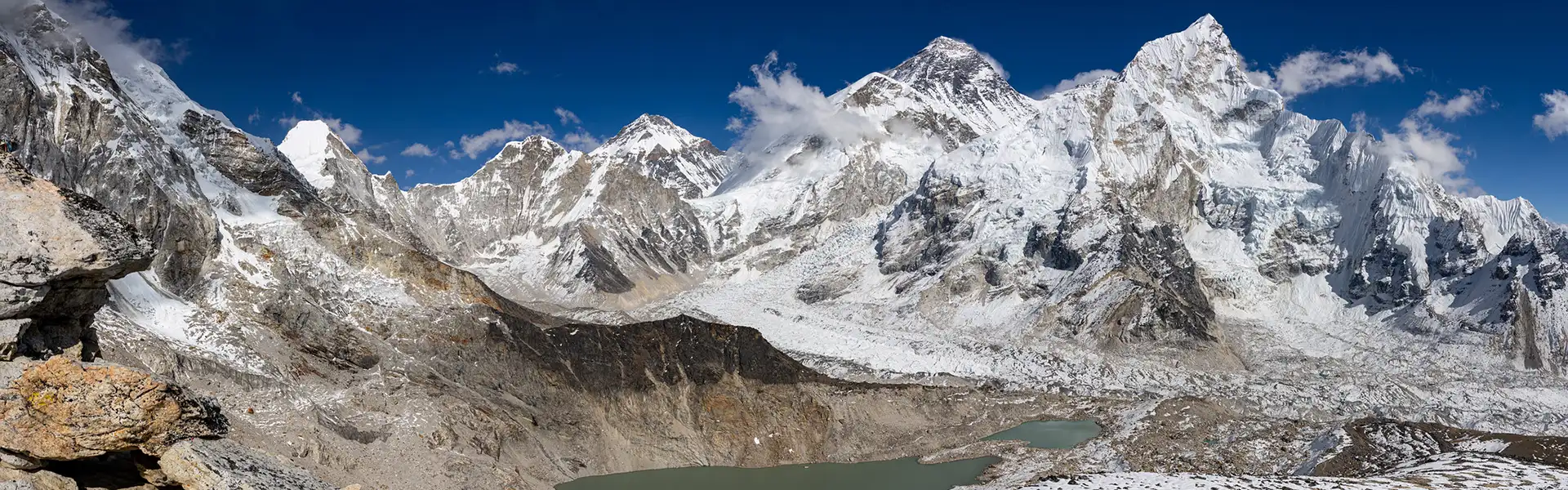

Fitness training for the Everest Base Camp Trek should focus on endurance, leg strength, core stability, balance, and recovery. You do not need mountaineering skills. You need the stamina to walk for several hours on repeated days at high altitude. Most trekkers should train for 8 to 12 weeks before departure. Beginners should start earlier. The trek does not require technical climbing, but altitude, cold weather, rocky trails, and long walking days demand steady fitness.
This guide covers the fitness level you need, a complete 12-week training plan, cardio workouts, strength exercises, stair and hill training, downhill knee preparation, training without mountains, altitude preparation, mental readiness, recovery advice, and common mistakes to avoid.
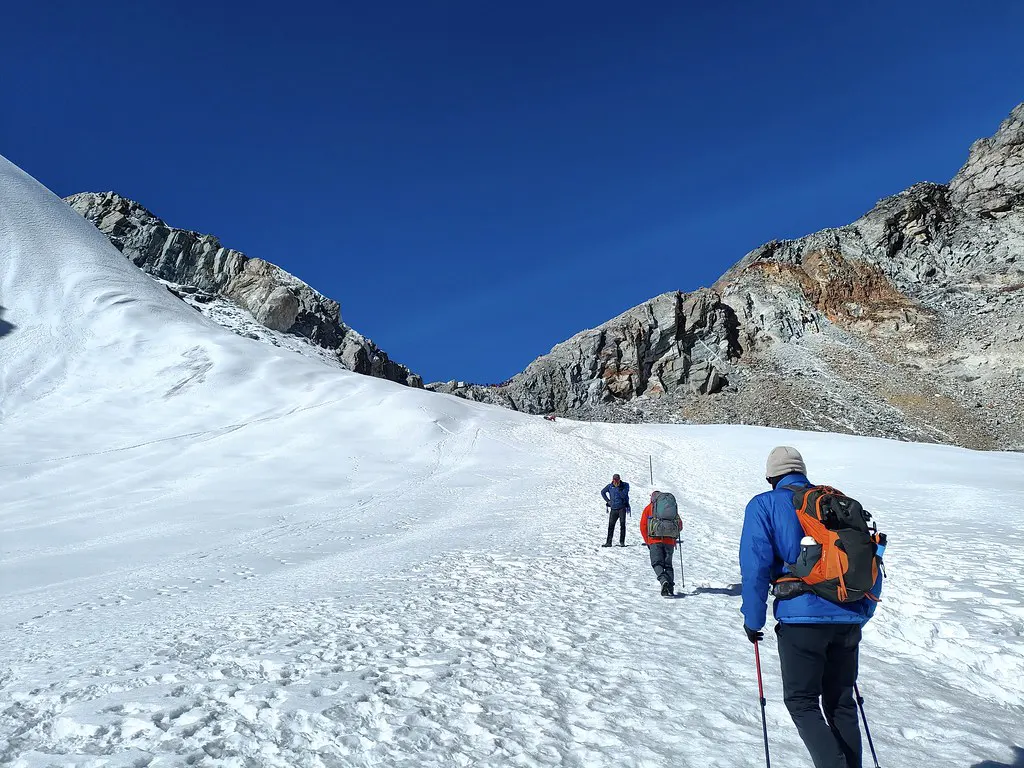
Quick Answer: Fitness Training for Everest Base Camp Trek
Start training 8 to 12 weeks before departure. Focus on brisk walking, hiking, stair climbing, leg strength, core stability, balance, and daypack practice. Train 4 to 5 days per week. Increase effort slowly. Include rest days to prevent injury.
How Fit Do You Need to Be for the Everest Base Camp Trek?
You do not need athlete-level fitness. You need steady trekking endurance, strong legs, stable knees, good balance, and the ability to walk for several hours on repeated days. Gym fitness and trekking fitness differ. A strong bench press does not help on stone steps at 4,500 meters. A good target before departure: walk five to six hours at a steady pace, complete a long hilly hike with a light daypack, climb stairs or hills for 30 to 45 minutes without sharp knee pain, and recover well enough to walk the next day again.
Quick Answer: Do you need to be an athlete for Everest Base Camp?
No. You do not need athlete-level fitness. You need good walking endurance, strong legs, stable knees, balance, and the ability to walk several hours on repeated days.
Why Fitness Training Matters for the Everest Base Camp Trek
The Trek Takes Several Days
The Everest Base Camp hike usually takes around two weeks from Lukla. Trekkers walk five to eight hours on most days. The trail includes uphill climbs, rocky descents, stone steps, and suspension bridges. One good workout does not prepare you. Repeated walking days require a strong aerobic base.
Altitude Makes Walking Harder
The body works harder at altitude. Each step above 3,500 meters takes more effort. Fitness helps you handle the physical effort, but acclimatization controls altitude safety. Good fitness reduces fatigue but does not prevent altitude sickness.
Strong Legs Protect Your Knees
The return trek includes long descents from Gorak Shep back to Lukla. Strong quads, glutes, calves, and core muscles help absorb impact. Weak legs transfer stress to the knees. Many trekkers feel more pain on the descent than on the climb.
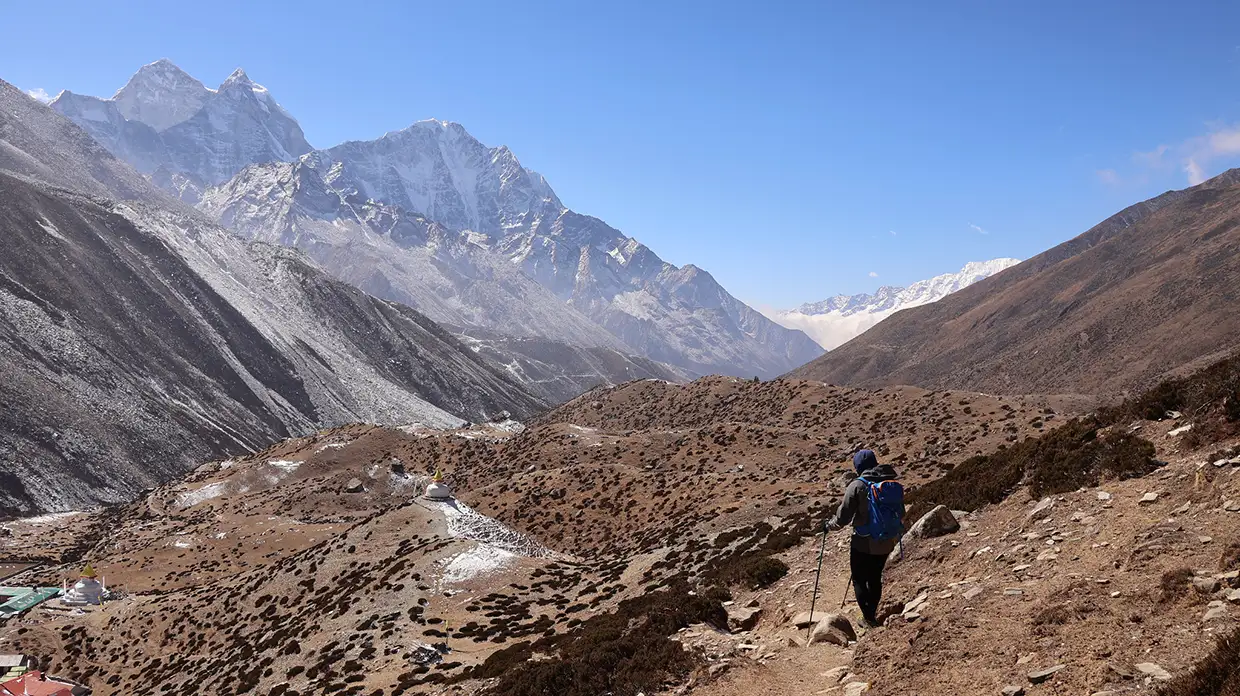
Better Fitness Improves Enjoyment
A prepared trekker enjoys villages, mountain views, and rest stops without constant physical stress. A struggling trekker misses the scenery because all their energy goes into the next step. Training turns the trek from survival into enjoyment.
Physical Demands of the Everest Base Camp Trek
| Demand | What It Means for Training |
|---|---|
| Multi-day walking | Train for repeated walking days, not one hard workout |
| Uphill climbs | Add stairs, hills, step-ups, and incline walking |
| Downhill descents | Train quads, knees, balance, and trekking pole use |
| Uneven trail | Add balance drills, ankle mobility, and real hikes |
| Daypack weight | Practice with your real daypack |
| High altitude | Follow acclimatization rules and avoid rushing |
| Cold mornings and nights | Train consistency and mental patience |
When Should You Start Training?
| Current Fitness Level | Suggested Training Time |
|---|---|
| Sedentary or low activity | 14 to 16+ weeks |
| Light exercise 1-2 times weekly | 12 weeks |
| Moderate exercise 3-4 times weekly | 8 to 12 weeks |
| Active hiker or runner | 6 to 8 weeks of trek-specific training |
| Older trekker or past injury | 12 to 16 weeks, plus medical advice |
Quick Answer: How long should you train for Everest Base Camp?
Most trekkers should train for 8 to 12 weeks. Beginners, older trekkers, and sedentary travelers should start 12 to 16 weeks before departure.
The Three Main Pillars of EBC Fitness Training
1. Cardiovascular Endurance
Cardio builds your walking stamina. The best options include brisk walking, hill walking, hiking, stair climbing, cycling, swimming, treadmill walking at an incline, and easy jogging. Choose activities you enjoy and do consistently.
2. Strength and Muscular Endurance
Strength training supports climbing, descending, and carrying a daypack. Focus on quads, glutes, hamstrings, calves, core, back, and shoulders. High reps with moderate weight build muscular endurance better than heavy lifting.
3. Balance and Mobility
Balance training helps on rocky trails, suspension bridges, stone steps, and uneven ground. Focus on ankle mobility, knee stability, hip control, core stability, and single-leg balance. Controlled downhill movement protects joints.
Cardio Training for the Everest Base Camp Trek
Cardio training builds your aerobic base. General adult health guidelines recommend at least 150 minutes of moderate-intensity physical activity per week. Everest Base Camp preparation should go well beyond that baseline through longer walks, hikes, stairs, and trekking-specific workouts.
- Hiking: The best real-world training for the trek. Use hills when possible. Start short and build to multi-hour hikes. Add your daypack after the first few weeks.
- Stair Climbing: The most useful training for city-based trekkers. Stadiums, office buildings, apartment stairs, and stair machines all work. Stair climbing builds both leg strength and cardio endurance.
- Incline Treadmill Walking: Good for flat-land trekkers. Walk at a steady pace on an incline. Focus on duration, not speed. Build from 30 minutes to 60 to 90 minutes.
- Cycling and swimming are good low-impact options. Cycling builds leg endurance without heavy knee stress. Swimming builds cardio and aids recovery. Both work well as cross-training options.
| Phase | Session Length | Weekly Frequency | Focus |
|---|---|---|---|
| Weeks 1-4 | 30-45 minutes | 3 days | Build base fitness |
| Weeks 5-8 | 45-75 minutes | 3-4 days | Add hills and stairs |
| Weeks 9-11 | 60-120 minutes | 3-4 days | Long hikes, back-to-back days |
| Week 12 | 20-40 minutes | 2-3 light days | Taper and recover |
Strength Training for the Everest Base Camp Trek
Strength training prepares your legs for climbs, protects knees during descents, supports balance, and reduces fatigue from repeated walking days. Focus on movements that match the trail, not heavy gym lifts.
| Exercise | Sets | Reps | Trekking Benefit |
|---|---|---|---|
| Squats | 3 | 10-15 | Builds overall leg strength |
| Step-ups | 3 | 10-12 each leg | Mimics uphill trekking on stone steps |
| Lunges | 3 | 8-12 each leg | Trains climbing power and balance |
| Calf raises | 3 | 15-20 | Supports uphill walking and ankle stability |
| Glute bridges | 3 | 12-15 | Builds hip strength and reduces knee load |
| Planks | 3 | 30-60 sec | Supports core stability under a daypack |
| Side planks | 3 | 20-30 sec each | Builds lateral core control |
| Slow step-downs | 3 | 8-10 each leg | Builds downhill control and knee protection |
Why Step-Ups Rank Among the Best EBC Exercises
Step-ups closely match the movement used on stone steps and uphill trail sections. The exercise trains quads, glutes, calves, balance, hip control, and pack-carrying strength in one movement.
Use a stable box, bench, or stair. Step up with control. Drive through the heel. Step down slowly. Start with body weight. Then add your daypack. The movement prepares your legs for the repeated climbing sections around Namche, Tengboche, Dingboche, and beyond. If you choose one strength exercise for the Everest Base Camp Trek, choose step-ups. No other single exercise comes closer to the actual trail movement.
Stair Training and Uphill Preparation
Stair training helps city-based trekkers who lack access to hills. The exercise builds both leg strength and cardiovascular endurance simultaneously. Start short and build slowly. Add your daypack only after your body adapts to the movement.
- Warm up for 10 minutes with easy walking
- Climb stairs for 15 to 20 minutes at a steady pace
- Walk down slowly with control
- Rest when needed, but keep moving
- Build toward 40 to 60 minutes in peak training weeks
- Stretch calves, quads, and hips after every session
Downhill Training and Knee Protection
Many trekkers train for climbing but forget the descent. Downhill walking stresses the knees more than uphill walking. The return from Gorak Shep to Lukla covers multiple long descent days. Strong quads absorb shock. Weak quads transfer stress to the knee joint.
- Practice slow step-downs from a box or stair
- Train split squats and reverse lunges for single-leg control
- Add wall sits for sustained quad endurance
- Use trekking poles during training hikes on downhill sections
- Take shorter steps on descents to reduce knee impact
- Keep knees soft, not locked straight
- Do not increase downhill training volume too fast
Training With a Daypack
Most trekkers carry water, snacks, layers, rain gear, sunscreen, a camera, and personal items in a daypack. Porters carry the main duffel bag. Training with a loaded daypack helps your shoulders, back, hips, and feet adapt to the trek before it begins.
| Training Phase | Daypack Practice |
|---|---|
| Weeks 1-4 | Light pack or no pack |
| Weeks 5-8 | Add a water bottle and extra layers |
| Weeks 9-11 | Use your real trek daypack weight |
| Week 12 | Reduce weight and rest |
Training for Everest Base Camp Without Mountains
Many trekkers live in flat cities. No mountains nearby does not stop effective training. The key exercises work anywhere.
- Use Stairs: Apartment stairs, office stairs, stadium steps, or a stair machine all work. Stair climbing builds leg strength and cardiovascular endurance.
- Use the Incline Treadmill Walking: Walk at a steady pace on an incline. Focus on duration and consistent effort, not speed. Build from 30 minutes to 60 to 90 minutes.
- Use Step-Ups at Home: A sturdy step, box, or low bench works. Step up with control and step down slowly. Add weight gradually through a loaded daypack.
- Use Back-to-Back Walks: Walk for several hours one day, then walk again the next day. Back-to-back days train your body for the repeated trekking fatigue you face on the trail. The EBC trek runs for 12 to 14 consecutive days.
The 12-Week Everest Base Camp Training Plan
This plan suits trekkers with basic fitness. Beginners should add two to four easier weeks before starting Week 1. Each week includes cardio, strength, mobility, and rest. Adjust the plan based on age, injury history, and current fitness level.
| Week | Cardio Focus | Strength Focus | Special Session |
|---|---|---|---|
| 1 | 3 x 30-min brisk walks | Bodyweight squats, lunges, planks | Light mobility work |
| 2 | 3 x 35-min walks | Add step-ups and dead bugs | Easy weekend walk |
| 3 | 3 x 40-min walks | Lunges, calf raises, side planks | 1 stair session |
| 4 | 3 x 45-min mixed cardio | Full leg and core circuit | 2-hour walk or hike |
| 5 | 3-4 x 45-min cardio | Weighted step-ups, squats | 2.5-hour hike with a light pack |
| 6 | 4 x 50-min cardio | Single-leg work and core | Hills or stairs focus |
| 7 | 4 x 55-min cardio | Step-ups, lunges, calf raises | 3.5-hour hike |
| 8 | 4 x 60-min cardio | Strong leg circuit | Back-to-back walking days |
| 9 | 3-4 x 60-min cardio | Maintenance strength | 4-5 hour hike with a daypack |
| 10 | 3-4 x 60-90-min cardio | Maintenance strength | Long hike + recovery walk |
| 11 | 3 x 60-min moderate cardio | Light strength | Final long hike, then reduce |
| 12 | 2-3 light walks | Stretching and mobility only | Rest, sleep, gear check |
Sample Weekly Training Schedule
| Day | Training Focus | Example |
|---|---|---|
| Monday | Rest or mobility | Gentle stretching, foam rolling |
| Tuesday | Cardio | 45-minute brisk walk or incline treadmill |
| Wednesday | Strength | Squats, step-ups, lunges, planks, calf raises |
| Thursday | Stairs or hills | 30-45 minutes steady stair climbing |
| Friday | Rest | Sleep and recovery |
| Saturday | Long hike | 2-6 hours, depending on training phase |
| Sunday | Recovery walk | 45-90 minutes easy pace |
Home Training vs Gym Training
You do not need a gym for Everest Base Camp preparation. Consistency matters more than equipment. Both approaches work well when focused on trek-specific movements.
| Factor | Home Training | Gym Training |
|---|---|---|
| Cost | Low or free | Membership needed |
| Best tools | Stairs, backpack, bodyweight | Treadmill, stair machine, weights |
| Best exercises | Step-ups, lunges, squats, planks | Incline walk, leg press, rows |
| Best for | Self-motivated trekkers | People who prefer structure |
| EBC value | Strong if consistent | Strong if trek-specific |
Flexibility, Mobility, and Balance Training
The trail includes uneven ground, rocks, steps, bridges, and long descents. Mobility helps your body move freely and recover faster. Stiff muscles tire faster and increase injury risk.
- Ankle circles: loosen ankle joints for rocky terrain
- Calf stretch: reduce tightness after uphill walking
- Hamstring stretch: support knee health and flexibility
- Hip flexor stretch: counteract tightness from sitting and climbing
- Single-leg balance: build stability for uneven ground
- Gentle yoga-style movements: improve overall flexibility
- Foam rolling: reduce muscle soreness after training
Mental Preparation for the Everest Base Camp Trek
Mental fitness helps with long walking days, cold mornings, simple lodges, slow pace, altitude fatigue, early starts, changing weather, and basic food choices. The trek tests patience as much as fitness.
- Take long walks in less-than-perfect weather during training
- Practice early morning hikes to match trek schedules
- Walk without rushing or checking the clock
- Learn to take breaks without quitting entirely
- Focus on one section at a time, not the whole trek
- Accept slow movement at altitude as normal
- Build comfort with simple meals and basic accommodation
Does Fitness Prevent Altitude Sickness?
No. Fitness does not prevent altitude sickness. A very fit person gets altitude sickness at the same rate as a less fit person. Altitude sickness happens when the body ascends too fast. Safe acclimatization, slow ascent, hydration, rest days, and early symptom reporting matter most. Fitness helps reduce fatigue, speeds recovery after long days, and builds mental resilience. But fitness does not replace acclimatization. Do not skip rest days in Namche Bazaar and Dingboche because you feel strong. Follow the acclimatization schedule regardless of fitness level.
Quick Answer: Does fitness prevent altitude sickness on the Everest Base Camp Trek?
No. Fitness helps reduce fatigue but does not prevent altitude sickness. Safe acclimatization, slow ascent, rest days, hydration, and early symptom reporting matter more than fitness level.
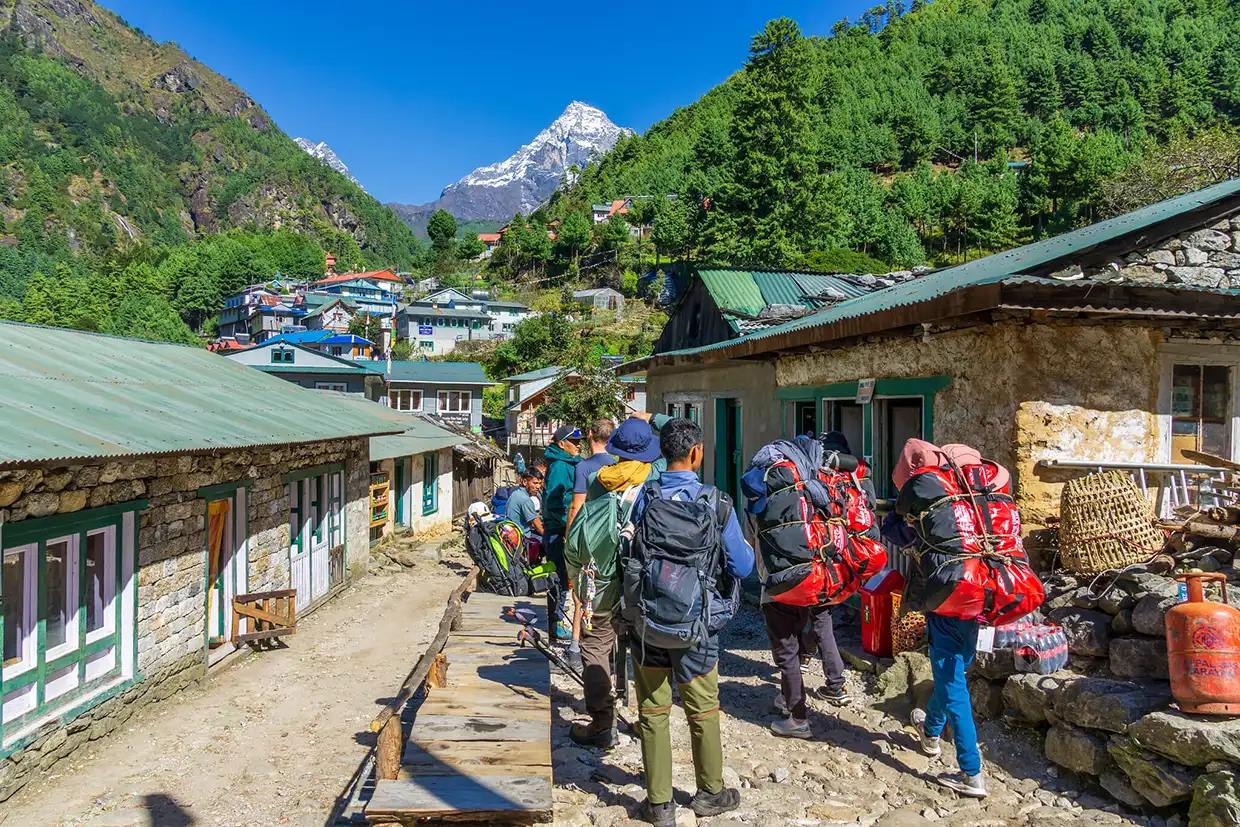
Nutrition and Recovery During Training
Eat balanced meals. Include carbohydrates before long walks for energy. Include protein after strength sessions for muscle recovery. Drink water during long hikes. Test trek snacks during training so your stomach adjusts before departure. Avoid new foods or supplements in the days leading up to departure. Do not train while under-fueled. Do not use extreme dieting before the trek. Your body needs fuel to build fitness.
Recovery Tips
- Sleep seven to nine hours per night
- Take rest days seriously — muscles grow during rest
- Stretch gently after every training session
- Reduce training volume in the final week
- Treat foot pain, blisters, or knee pain early
- Break in trekking boots at least two weeks before departure
Fitness Training by Age and Fitness Level
| Group | Start Time | Main Focus |
|---|---|---|
| Active under 30 | 6-8 weeks | Trek-specific endurance and pack training |
| Age 30-45, moderate fitness | 8-12 weeks | Cardio, stairs, leg strength |
| Age 45-55 | 10-14 weeks | Joint care, strength, steady cardio |
| Age 55+ | 12-16 weeks | Medical check, gradual cardio, balance |
| Sedentary, any age | 14-16+ weeks | Build a basic walking habit first |
| Past knee or ankle issue | 12-16 weeks | Strength, mobility, and medical advice |
Age does not automatically stop anyone from trekking to Everest Base Camp. Preparation, pacing, acclimatization, and health status matter more than the number on a birthday.
Everest Base Camp Fitness Readiness Test
A trekker has a good fitness base when they meet these benchmarks:
- Walk five to six hours at a steady pace without stopping
- Complete one long hilly hike with a daypack
- Walk the next day without extreme fatigue again
- Climb stairs for 30 to 45 minutes steadily
- Complete squats, lunges, and step-ups with good form
- Wear trekking boots for long walks without major blisters
- Recover well after a hard training day
This self-test offers a readiness guide, not a medical test. Trekkers with health concerns should consult a medical professional before training or trekking.
Common Fitness Training Mistakes Before EBC
- Starting training too late and rushing the plan
- Training only on flat ground without hills or stairs
- Running but skipping strength training
- Ignoring downhill preparation and knee protection
- Using new boots on the trek without breaking them in
- Carrying too much pack weight too soon in training
- Skipping rest days and overtraining
- Training hard in the final week instead of tapering
- Thinking luxury treks require no fitness preparation
- Believing fitness prevents altitude sickness
- Ignoring knee, ankle, or foot pain during training
Frequently Asked Questions
Q: How fit do you need to be for the Everest Base Camp Trek?
A: You require moderate to good trekking fitness rather than athlete-level conditioning. You must be able to walk 5 to 7 hours daily across both uphill and downhill terrain and recover quickly the next day. Focusing on steady endurance and recovery is more important than speed or high-intensity performance for this specific mountain journey.
Q: How long should I train?
A: Most trekkers find that training for 8 to 12 weeks is sufficient. However, beginners, older travelers, or those with sedentary lifestyles should ideally start 12 to 16 weeks before their departure date. This longer window allows for a gradual build-up of strength and stamina, reducing the risk of injury during trek preparation.
Q: What are the best exercises?
A: Focus on hiking, stair climbing, and step-ups to build endurance. Strength exercises like squats, lunges, and calf raises are excellent for leg power, while planks and side planks improve balance. Including slow step-downs in your routine is particularly helpful for developing the knee control and stability required for the long descents on the trail.
Q: Do I need to run?
A: Running is not mandatory. While it improves cardiovascular health, activities like hiking, incline walking, and stair climbing better prepare your body for the demands of trekking. Strength training also offers better targeted preparation for the specific physical strain of mountain walking. You can prioritize functional movements that mimic the actual trail conditions you will face.
Q: Can I train without mountains?
A: Yes, you can build trekking fitness in flat cities using stairs or incline treadmill walking. Step-ups, weighted walks, and cycling are also highly effective. Performing back-to-back long walks on weekends can simulate the cumulative fatigue of a multi-day trek. These methods ensure your legs and heart are ready for the Himalayas even without local mountain access.
Q: Should I train with a backpack?
A: Training with your expected daypack weight is highly recommended. Start with a light load and build up slowly to help your shoulders, back, hips, and feet adapt to the pressure. This practice also improves your overall balance on uneven surfaces. Getting used to the weight early prevents discomfort and skin irritation once the actual trek begins.
Q: Does fitness prevent altitude sickness?
A: No, being fit does not prevent altitude sickness, though it does help reduce overall physical fatigue. Successful acclimatization depends more on a slow ascent, taking rest days, staying hydrated, and reporting any symptoms to your guide early. Fitness simply ensures that the walking itself does not exhaust you, leaving your body more energy to adjust to the altitude.
Q: Can beginners do the Everest Base Camp Trek?
A: Yes, fit beginners can complete the trek by following a safe, slow itinerary and using a licensed guide. It is important to start training earlier and build your fitness levels gradually to avoid overexertion. Proper acclimatization remains the most critical factor for success. With the right preparation and support, this iconic route is achievable for most active people.
Q: How do I protect my knees?
A: Strengthen your quads, glutes, calves, and core to support your joints. Practice lunges, squats, and especially slow step-downs to prepare for downhill sections. During the trek, use trekking poles and take short, controlled steps when descending. These techniques significantly reduce the impact on your knees and help prevent long-term soreness or acute injury on the trail.
Q: What should I do in the final week?
A: Reduce your training volume significantly and focus on light walking and gentle stretching. Prioritize high-quality sleep, stay hydrated, and double-check all your gear. Avoid any hard workouts that could cause fatigue or injury. Your goal is to arrive at the start of the trek feeling fresh and energized rather than physically exhausted from over-training.
Final Advice
Fitness training for the Everest Base Camp Trek does not require extreme athletic ability. It requires steady preparation, strong legs, good cardio fitness, downhill control, balance, and smart recovery. Start 8 to 12 weeks before departure. Train consistently. Rest properly. Fitness helps trekkers enjoy the trail and reduce fatigue. Acclimatization remains the key to altitude safety. Combine good training with a safe itinerary, a licensed guide, proper gear, and the patience to let your body adjust at altitude.