


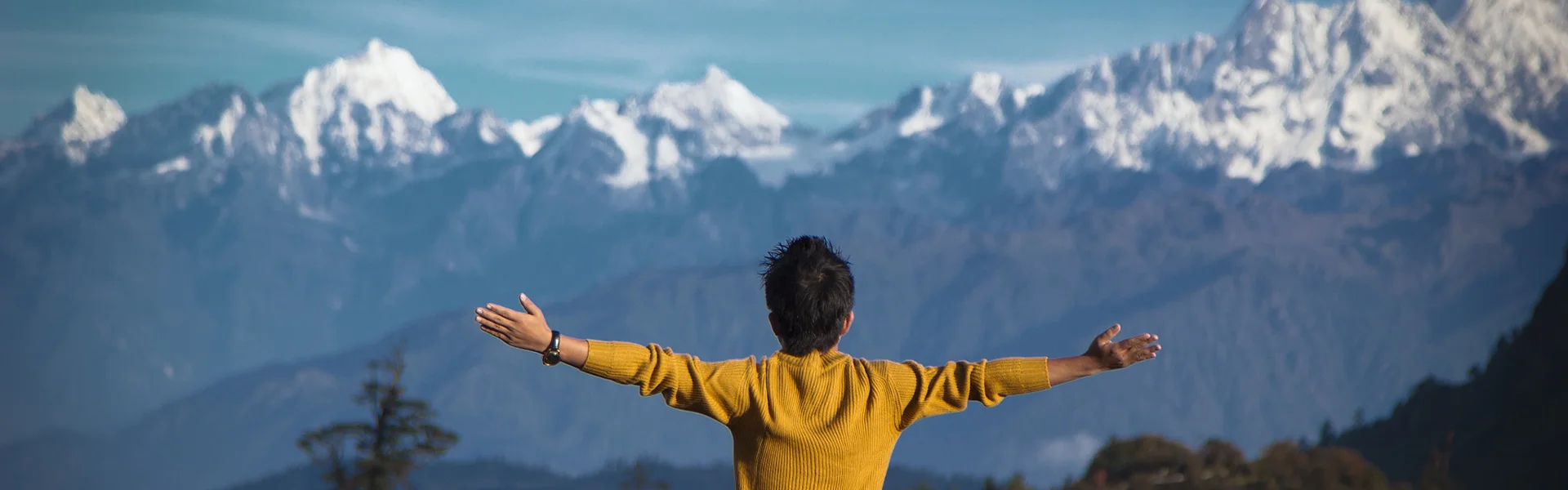

Gorak Shep is a remote village at approximately 5,164m in Nepal’s Khumbu region. It is the last village with lodges on the Everest Base Camp route and marks the final stop for trekkers before reaching the base of the world’s highest peak. Gorak Shep is a high-altitude, sand desert-like environment with glacial debris, situated in a stark landscape. It sits below the Khumbu Glacier’s terminus on a previously lakebed, flat basin.
Giant Himalayan mountains surround this high-altitude temporary settlement. Mount Pumori (7,161m) rises in the west, while Nuptse (7,861m) towers from the south. East of the valley lies the route to Everest Base Camp and the dramatic Khumbu Icefall. Gorak Shep is a barren landscape of sand, dust, and moraine, with no signs of vegetation. The wind often rises in the afternoon, making the surroundings even harsher.
The name Gorak Shep is a word in the local Sherpa language, which means “Dead Ravens”, reflecting the harsh environment. According to a local folktale, even scavengers struggle to survive here due to the extreme conditions and scarcity of food.
Goral Shep has had a key role in the early days of Everest Exploration. It served as the first base camp for The Everest during the 1953 expedition by Tenzing Norgay and Sir Edmund Hillary. The base camp later shifted to its present location after climbers set up their tents closer to Everest. Gorak Shep remains a vital stop for trekkers and climbers making their way or returning from Mount Everest.
Today, Gorak Shep has a few lodges made from basic stone or wood with low-slung tin roofs. You will see some expedition team tents when the lodges start to overflow during the peak trekking season. Trekkers typically undertake two final high-altitude challenges: a trek to Everest Base Camp and an ascent to Kala Patthar (5,545m).
Despite the remote setting, Gorak Shep offers the raw beauty of the high Himalayas. This high-altitude doorstep of Everest is one of the most extreme and unforgettable places on Earth.
The High-Altitude Challenge and Acclimatization
At 5,164m, Gorak Shep is one of the highest sleeping points without the need for supplemental oxygen. The air is extremely thin, 50% of the sea level. Even tying your boots or walking a slight incline can leave you breathless. Increased heart rate and faster breathing while resting are common at this altitude. Proper acclimatization is crucial before reaching Gorak Shep. Most EBC itineraries include a rest day in Namche Bazaar, Dingboche, Pheriche, or Lobuche. Even with proper acclimatization, altitude sickness can affect anyone. Acute Mountain Sickness (AMS) strikes hardest at this altitude.
Almost everyone experiences some degree of discomfort, such as shortness of breath, a mild headache, or fatigue, at this altitude. You should look out for mild AMS symptoms so you can treat them before they escalate. Some mild symptoms are headache, loss of appetite, dizziness, nausea, insomnia, or fatigue. You can treat these symptoms by resting or descending to a lower village. However, any severe symptoms might result in immediate evacuation. Severe symptoms include persistent headache that no hydration or medication improves, and vomiting. Staggering, gait, poor coordination, confusion, changes in behavior, irritability, or altered mental state are also serious. If any of these occur, you must not continue the trek to Everest Base Camp or Kala Patthar. Gorak Shep is far from any medical help, and the only real treatment for AMS is to descend to a lower elevation.
Staying healthy at high altitude is essential for a safe trek. Dehydration can worsen AMS symptoms, so drink at least 4 L of fluids daily. You can have water, tea, and soup to regulate your body and replenish electrolytes. While you can have beer at lower elevations, drinking alcohol or smoking at Gorak Shep is an invitation to health hazards, as it causes dehydration and oxygen loss. Avoid alcohol entirely and excessive caffeine. Gorak Shep is freezing, especially at night and early morning. Cold stress causes additional strain to the body. Rest often and take your time while trekking or doing any other activities.
Diamox is a popular medication to support acclimatization. It stimulates faster breathing and helps the body take in more oxygen. Trekkers often start taking Diamox from Namche or Dingboche. While it doesn’t treat severe AMS, it can help prevent it before any development. Consult your doctor before using Diamox.
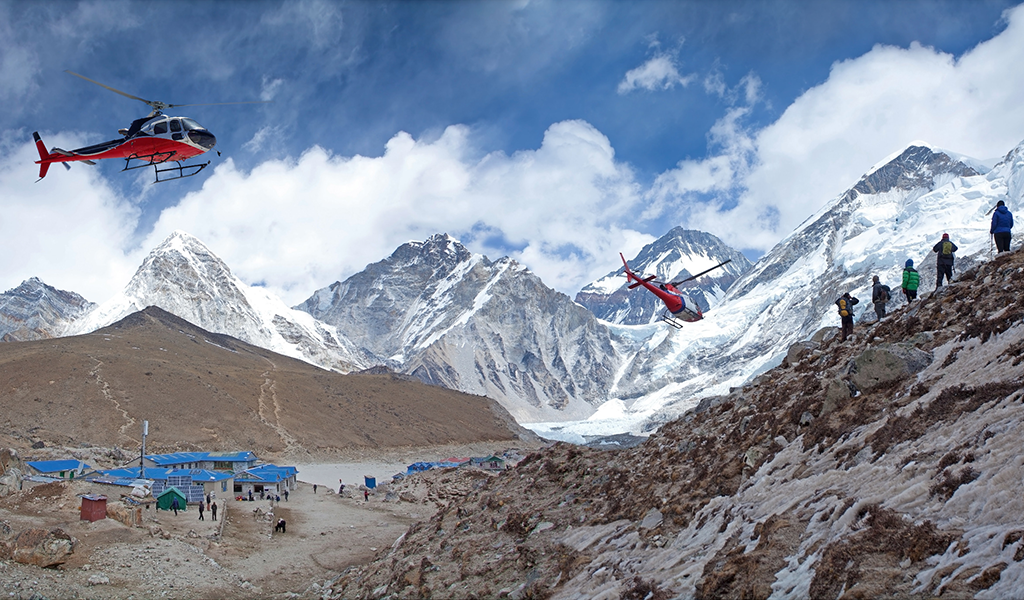
Gorak Shep doesn’t have a medical post of a resident doctor. The nearest medical clinic, the Himalayan Rescue Association (HRA), is two days away in Pheriche. In case of severe altitude sickness like HAPE or HACE, helicopter evacuation is the safest option. Choppers land frequently on Gorak Shep during trekking season due to many altitude-related illnesses in the region. Travel Insurance, including high-altitude helicopter rescue, is essential for all trekkers in the Everest region.
Most trekkers arrive in Gorak Shep around lunchtime, then trek to Everest Base Camp in the afternoon and return to sleep at Gorak Shep. It follows the climbing high and sleeping low strategy, aiding acclimatization. The next morning, trekkers trek to Kala Patthar for sunrise views of Everest, then descend to lower altitudes like Pheriche or Pangboche. This pattern allows you to visit high altitudes without sleeping at higher points, reducing the risk of severe AMS.
Gorak Shep is a beautifully dangerous place. It is one of the most physically demanding places. Most trekkers manage well with good acclimation. Mild headache or poor sleep is typical, but do not continue through the trek if you feel seriously ill. The mountains are not going anywhere, but if your health deteriorates, your chances of visiting the mountains are slim. Listen to your body and trek safely.
The Iconic Excursions from Gorak Shep
Gorak Shep is the final stop before the EBC, with two final excursions ahead: the hike to Everest Base Camp (EBC) and the ascent of Kala Patthar. Trekkers usually finish these excursions in 24 hours, with a hike to EBC in the afternoon and a hike to Kala Patthar the next morning. Each hike rewards the trekkers with extraordinary views and a sense of accomplishment. The hike to EBC brings you to the foot of the world’s highest peak, and Kala Patthar gives the best view of its summit.
Everest Base Camp (EBC):
Trekkers often begin their hike to the EBC after lunch or the next morning, depending on how they feel. The trail starts across the even surface of the former lake and gently ascends onto the glacier’s side moraines. Although just 3km from Gorak Shep, the altitude makes every step challenging. The trail passes through gravel mounds, over glacial scree, and occasionally over ice underneath dirt. While the trail is not steep, constant ups and downs in the thin air slow trekkers down.
The path to the EBC offers extraordinary views of the shimmering meltwater pools on the glacier’s surface, and small bowl-like shapes appear in the debris-covered glacier. Yak caravans and porters carry gear to the expedition tents during the spring. The trail is extremely silent, with the only sound coming from boots crunching, the glacier, and distant avalanches.
After about 1.5 to 2.5 hours of hiking, you will reach the grand base camp of Mount Everest. Piles of rocks draped in prayer flags mark the camp. If it is the peak climbing season, you will see expedition teams tenting in the camp and many Sherpas and helicopters. If you trek during the off-season, the camp is silent with only you and fellow trekkers.
You are standing right on the Khumbu Glacier with the Khumbu Icefall just ahead of you. Khumbu Icefall is a cluster of towering ice blocks and deep cracks. You can’t see the Everest summit from the base camp, as other peaks like the West Shoulder and Nuptse hide it. Being at the foot of the world’s tallest mountain is a profoundly moving experience. Many trekkers spend about half an hour here, as many start feeling fatigue or mild AMS symptoms. The return trip to Gorak Shep is much easier as it is slightly downhill with more oxygen.
Kala Patthar:
Kala Patthar at 5,545m is another hike from Gorak Shep. It is also the maximum altitude in the Everest Base Camp trek. Most trekkers hike to Kala Patthar at dawn to see the giant white peaks through the sunrise light of gold and pink.
Begin your trek around 4:30 or 5:00 AM. The temperature is freezing at around -10°C or even lower. Wear your complete layer, a headlamp, take water, and a camera when starting your hike. Most trekkers start this excursion around the same time, making the trail lively even in the dark.
The trail starts with a steep zigzag over loose dirt and gravel and transforms into rocky terrain. At the extreme altitude, even a steady pace may feel like running a marathon. Many trekkers use rest-step and pressure breathing to manage their energy. You gain around 400m of elevation from Gorak Shep to Kala Patthar. The trail shines with the stars above, creating a magical atmosphere.
You will reach the false summit marked by prayer flags after about 2 hours of hiking. It is not your ending point. The real summit lies just beyond a pile of boulders. These hikes are often done in just one day. You can enjoy the beautiful sunrise over Mount Everest’s summit. To your right is the massive face of Lhotse, Nuptse in front of you, and Khumbu Glacier below you. Behind you are the towers of Pumori, and you are standing on one of its lower ridges. Kala Patthar even offers views of Lingtren, Khumbutse, and even Ama Dablam from afar. It’s one of the most iconic views of the Himalayas. Many trekkers get emotional from the overwhelming beauty and their accomplishment. After about half an hour in this iconic site, the cold and thin air forced you to descend. The trail is easier to navigate in the daylight. You can still see Everest for much of the descent.
The two excursions of EBC and Kala Patthar form the complete Everest experience. You stand beneath the tallest mountain on Earth when visiting the EBC and get a clear perspective on the peak from Kala Patthar. Both points demand effort and are high in elevation, but also reward with grand views and lifelong memories.
Accommodation and Facilities
Your accommodation is relatively simple in Gorak Shep. This harsh environment and extreme altitude offer the bare essentials to all.
Lodges and Rooms:
Gorak Shep has five or seven lodges, depending on the season. These lodges are basic, with plywood walls, thin mattresses, and maybe a small table or a few hooks on the walls. Due to the scarcity of available rooms, two or more trekkers share one room. Lodges offer triples or dorm-style rooms when busy.
Indoor temperatures often mimic outdoor temperatures due to minimal insulation. It is common to find a thin layer of ice on your window in the morning or partially frozen water in a bottle overnight. A four-season sleeping bag is essential here for quality sleep. Many trekkers sleep in their down jackets or layers for extra warmth. Walls are thin, so don’t expect any privacy. You’ll hear footsteps, the zipping of sleeping bags, and sometimes coughing, and every other noise. You can wear earplugs to sleep for noise cancellation.
Dining Rooms:
Dining halls are the lodge’s only public space and social hub. A yak-dung stove lights in the afternoon, providing some warmth. Fuel is scarce and hard to maintain here, so the fire is limited. Trekkers gather quickly in the communal dining hall to warm up, eat meals, pass the time, and share their photos or stories. The hall is not as lively as in lower altitudes, as fatigue and mild altitude sickness kick in for most trekkers. Lodges usually serve dinner around 6:30 or 7:00 PM so trekkers can rest by 8 or 9 PM to prepare for the pre-dawn hike to Kala Patthar.
Hot Shower
Hot showers are rare. If you do get a hot shower, it’s usually a lukewarm solar shower or a bucket wash. Most trekkers opt for wet wipes to clean themselves here. No one smells like flowers here, but it also doesn’t matter, as everyone shares everyday hardships. Toilets are basic and shared. Many lodges have squat toilets, a simple hole or ceramic pan with a bucket of water or a mug for flushing. Limited water means you should flush sparingly. Some newer lodges may have a western-style toilet without reliable flushing. Toilets are more unsanitary, especially in the morning, due to cold, limited water, and altitude-related stomach issues. Carry personal toilet paper and hand sanitizer, as running water for washing hands is rare. Nighttime trips to the toilet can be challenging as you need to walk outside or down a chilly hallway. Many trekkers use pee bottles to avoid this, but be careful not to spill.
Electricity and Charging
Gorak Shep generates electricity from solar panels and sometimes from small generators. You can charge your phone for around NPR 500-1000 per device. Since electricity is scarce, power can run out quickly. Using a power bank and conserving battery life is better, so you have enough left for Kala Patthar sunrise photographs. Lighting is dim or completely absent after dark in lodges. Bring a headlamp with extra batteries for meals and to move around. You can layer up to go outside for stargazing.
WIFI/Communication
While Everest Link sometimes offers WIFI at Gorak Shep, it is unreliable and frustrating. You can only manage sending WhatsApp messages with a data card. You can get fleeting mobile conditions under perfect conditions, but expect to be mostly offline past Lobuche or Pheriche. You can still stay in touch with satellite communicators like Garmin InReach.
Water and Health:
Almost everyone drinks boiled glacier meltwater in Gorak Shep. You should never drink untreated glacier water due to the presence of sediments and possible germs. Boiled water costs about NPR 200-500 per liter here. It is expensive but critical to stay healthy. Gorak Shep has no medical facilities, but guides have first-aid training and basic medical supplies. Some trekkers bring canned oxygen for a brief relief of headaches. There is no real solution to altitude sickness except descending to a lower elevation. Gorak Shep is the highest point where most trekkers sleep, so the altitude effects are severe.
Spending a night in Gorak Shep is one of the most demanding elements of the EBC trek. Most trekkers can’t sleep properly due to the thin and cold air. You can expect restless nights and odd dreams past Lobuche. You will sleep higher than most people on Earth at the edge of the inhabited world. The cold, discomfort, and communal closeness are all part of the trip. The excitement of being at Everest’s doorstep helps keep the spirit up. After Gorak Shep, everything is easier. You will descend into a warmer place with more oxygen and comfortable lodgings. Remember, Gorak Shep is the “Dead Ravens,” where even scavengers struggle. Don’t lose hope.
Weather and Best Time to Visit
Gorak Shep has one of the harshest conditions on the Everest trails. It is cold and dry, with thin air and unpredictable weather. Regardless of the season, Gorak Shep has year-round high UV-exposure, low humidity, and afternoon wind. You must always wear sunscreen and sunglasses and drink plenty of water. Wear a windproof layer in the afternoons, as breezes often pick up through the valley and chill you quickly.
Spring (March-May)
Early spring is frigid and slowly starts warming up as the month progresses. March has -20°C mornings, which warm up by midday to just around the freezing temperature of -5°C or 2°C. Late April and May have 5°C days, a lot warmer than earlier parts of spring, but nights are still cold at around -15°C. Since March is just after winter, it can still bring some winter-style snowstorms that may block trails temporarily. April is more stable with light snow flurries and mostly clear morning skies, though clouds may form by afternoon. Spring is one of the best trekking and mountain climbing seasons, with reliable weather and clear views. However, UV radiation is extreme, so wear high SPF sunscreen and proper sunglasses. By May, afternoons start turning hazy with pre-monsoon moisture, but the conditions are still excellent until later.
Autumn (September to November)
It is Nepal’s most popular trekking season. Early September, as the late monsoon, may still bring light rain, snow, and clouds. Late September has dry and stable weather. October is ideal with crisp mornings, clear skies, and minimal precipitation. Daytime highs range from 0-3°C and nights drop to -10°C to -15°C. The temperature gets colder by November, with days near freezing and nights as low as -10°C. Mid to late November may welcome a few inches of snow. Autumn has the most predictable weather of the year, making it perfect for views and trekking. On the downside, August is busy and crowded. Lodges at Gorak Shep are often full, and some trekkers may have to sleep in common areas. Many trekkers also opt to sleep in tents when no rooms are available.
Winter (December to February)
Winter is brutal and cold even in Gorak Shep. The maximum temperature in daytime stays below -5°C, and nights can drop below -25°C. From water, the ground, to even your gears, everything freezes. December and January usually offer clear skies with great views, but the temperature can be punishing. Snowstorms are likely to block trails. Only a few experienced trekkers attempt trekking in winter. Few lodges remain open with limited supplies. On the positive side, winter rewards with peace, solitude, and raw landscapes.
Monsoon (June to August)
Monsoon is the least popular trekking season. Gorak Shep remains cold at about 0 °C during the day and around -5°C at night. However, the biggest issue is not the cold, but the visibility. Heavy rain at lower altitudes can cause landslides and delays, resulting in fog, cloud cover, drizzle, or wet snow in Gorak Shep. You might pass days on end without seeing a single mountain. Only a few trekkers attempt this season. Lodges run on low staff and services. On the positive note, meltwater fills glaciers, and waterfalls are full. You can trek in the monsoon if you have a flexible schedule.
Thus, the best time to trek through Gorak Shep is late September to early November, and late March to late April. Early December is also pleasant with clear skies, fewer crowds, and slightly colder temperatures than in November.
You should always plan buffer days before or after your Gorak Shep section. If the weather doesn’t allow, you will postpone your segment to EBC and Kala Patthar. The weather at Gorak Shep can be cloudier than at Basse Camo since it sits in a more open basin where clouds build up sooner. Trek to the Base Camp after lunch in the afternoon and Kala Patthar at dawn. Gorak Shep is harsh, demands resilience, and rewards those who can endure it.
Gorak Shep is the final stop before the Everest Base Camp and the high point of Kala Patthar. This harsh settlement challenges trekkers with its extreme altitude, cold, and minimal comfort. However, the rewards are unforgettable for those who do make it here. You get to stand at the foot of the world’s tallest mountain, watch the sun rise over Mount Everest, and get through one of the most challenging sections of the trek. Gorak Shep brings effort, humility, and endurance together, challenging the physical and mental bodies of trekkers. Reaching Gorak Shep is an achievement in itself.