

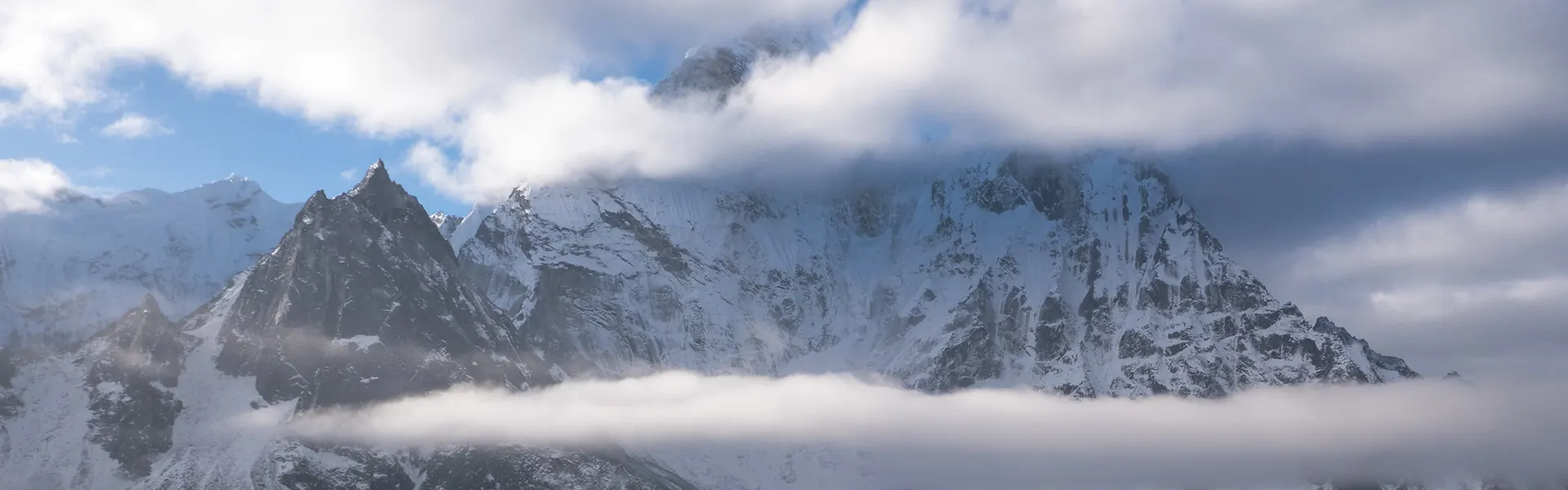

The Gokyo Lakes Trek Guide helps travelers plan a quieter trek through the Everest region, including Namche Bazaar, Dole, Machhermo, and Gokyo village. The trek reaches the turquoise Gokyo Lakes and climbs Gokyo Ri at 5,357 meters for wide views of Everest, Lhotse, Makalu, Cho Oyu, and the surrounding glacier valley. The route suits trekkers who want Himalayan views, Sherpa culture, and fewer crowds than the classic Everest Base Camp trail.
Most itineraries take 12 to 15 days from Kathmandu, including Lukla flights and acclimatization. This guide covers the full route, a day-by-day itinerary, the six Gokyo Lakes, Gokyo Ri, altitude profile, difficulty, permits, guide rules, cost, best time, packing, teahouses, safety tips, and how the Gokyo trek compares with the Everest Base Camp hike.
Quick Answer: Gokyo Lakes Trek Guide
The Gokyo Lakes Trek takes 12 to 15 days from Kathmandu. The route reaches Gokyo village, the sacred turquoise lakes, and Gokyo Ri at 5,357 meters. Trekkers fly to Lukla and walk through Namche Bazaar, Dole, and Machhermo to reach the Gokyo Valley within Sagarmatha National Park.
What Makes the Gokyo Lakes Trek Special?
Turquoise High-Altitude Lakes
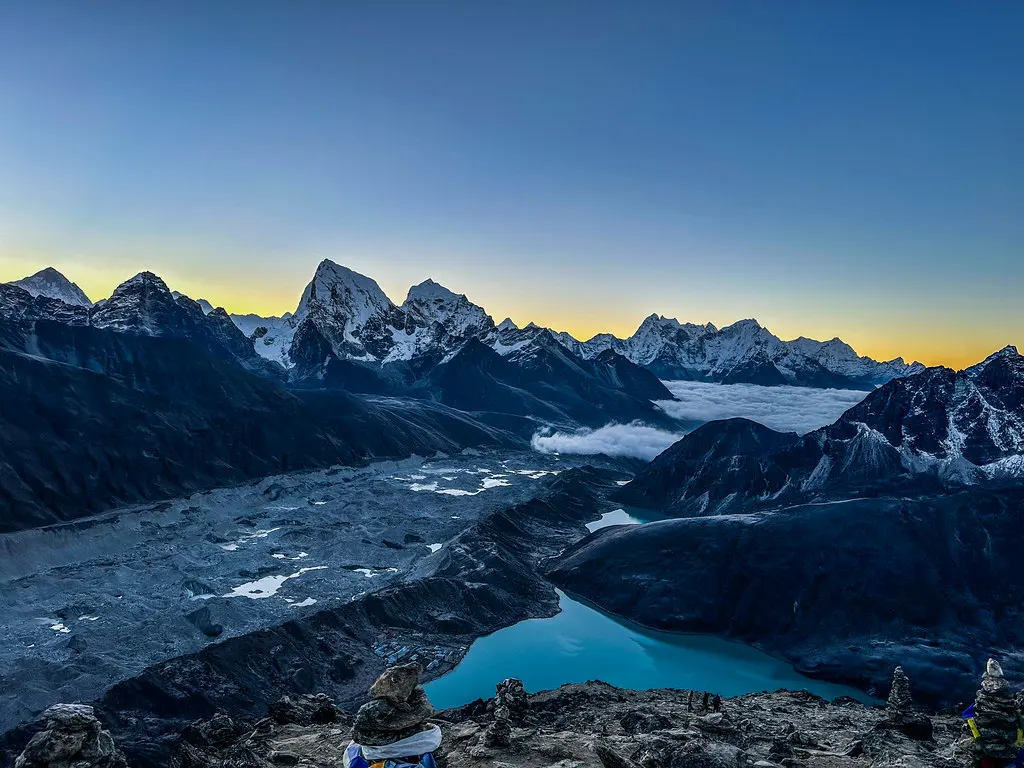
The Gokyo Lakes glow turquoise from fine glacial sediment that scatters sunlight. The lakes hold sacred value for Hindus and Buddhists. Nepal recognizes them as Ramsar wetland sites. Morning reflections on calm water create strong photography moments.
Gokyo Ri Viewpoint
Gokyo Ri sits at 5,357 meters above Gokyo village. The sunrise view shows Cho Oyu, Everest, Lhotse, Makalu, the Gokyo Lakes, and the Ngozumpa Glacier area. No other single viewpoint in the Khumbu gives this combination of lake and peak views.
Quieter Alternative to Everest Base Camp
The Lukla-to-Namche section stays busy during peak season. After Namche, the Gokyo trail splits from the main EBC route. The Gokyo side usually draws fewer trekkers. Teahouses feel calmer. The trail feels more personal.
Strong Photography Value
Lake reflections, Gokyo Ri sunrise, close-up views of Cho Oyu, Sherpa villages, moraine terrain, and glacier edges make compelling content for photographers. Frozen lake scenes during winter attract experienced cold-weather trekkers.
How Many Gokyo Lakes Exist?
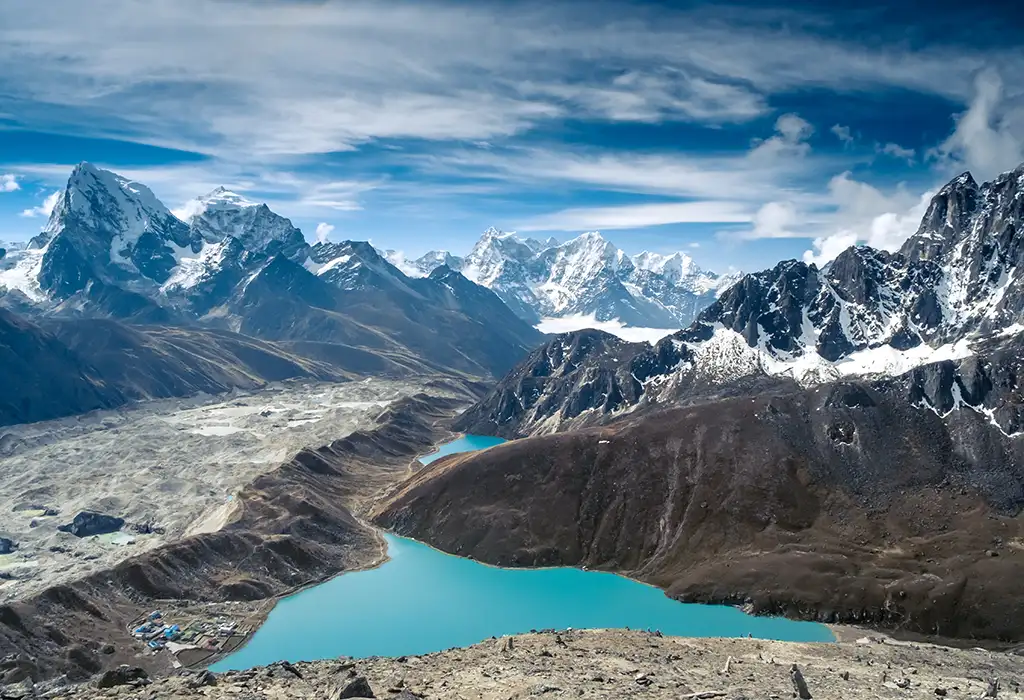
The Gokyo system has six main lakes. Most trekkers reach the first, second, and third lakes. Gokyo village sits near the third lake, Dudh Pokhari. The fourth, fifth, and sixth lakes require extra side hikes beyond Gokyo village.
| Lake | Common Name | Trekking Note |
|---|---|---|
| First | Longponga Tsho | First lake seen on the trail from Machhermo |
| Second | Taboche Tsho | Passed before reaching Gokyo village |
| Third | Dudh Pokhari / Gokyo Lake | Main lake beside Gokyo village |
| Fourth | Thonak Tsho | Requires a side hike beyond Gokyo, the largest lake |
| Fifth | Ngozumpa Tsho | Remote viewpoint area toward Cho Oyu |
| Sixth | Gyazumpa Tsho | Most remote lake, for strong trekkers with extra time |
Gokyo Ri: The Best Viewpoint on the Trek
Gokyo Ri sits at 5,357 meters. The climb usually takes two to three hours from Gokyo village. Most trekkers start before sunrise. The trail stays steep but non-technical. Trekking poles and warm layers help on the cold, exposed ridge. The summit offers views of the Gokyo Lakes, the Ngozumpa Glacier, Cho Oyu, Everest, Lhotse, and Makalu. Clear mornings deliver the strongest views. Cloud cover often builds up by late morning.
Quick Answer: Can you see Everest from Gokyo Ri?
Yes. Trekkers see Everest from Gokyo Ri, along with Cho Oyu, Lhotse, Makalu, the Gokyo Lakes, and the surrounding glacier valley. Clear mornings offer the best mountain views.
Gokyo Lakes Trek Route Overview
Standard Route
The standard route follows: Kathmandu to Lukla to Phakding to Namche Bazaar to Dole to Machhermo to Gokyo to Gokyo Ri. The return retraces the route back to Lukla. The standard itinerary keeps acclimatization days in Namche and allows a full day at Gokyo.
Gokyo Lakes with Cho La Pass and EBC
Cho La Pass links the Gokyo Valley with the Everest Base Camp trail. The route goes from Gokyo to Thagnak, across Cho La Pass, to Dzongla, Lobuche, Gorak Shep, EBC, and Kala Patthar. The extension adds three to five trekking days and demands stronger fitness.
Gokyo Lakes with Renjo La Pass
Renjo La creates a scenic loop from Gokyo toward Thame and Namche. Wide views over the Gokyo Valley and the Everest region reward trekkers on clear days. The pass demands good weather, fitness, and guide support.
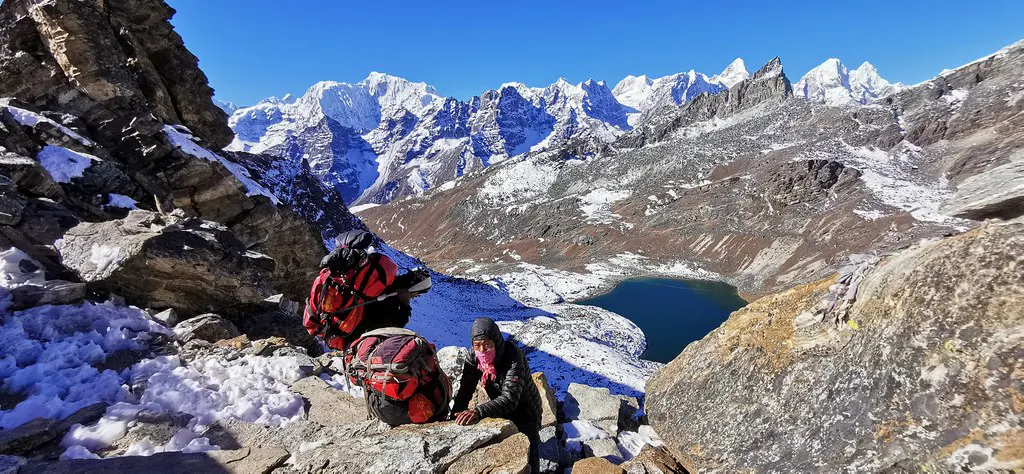
Gokyo Lakes with Helicopter Return
A helicopter shortens the return from Gokyo or Lukla back to Kathmandu. The option saves two to three days. Weather controls helicopter schedules. The service costs more but suits time-limited or luxury travelers.
Gokyo Lakes Trek Itinerary: 14 Days
| Day | Route | Altitude | Walk Time | Notes |
|---|---|---|---|---|
| 1 | Arrive Kathmandu | 1,400 m | — | Hotel, briefing, gear check |
| 2 | Fly to Lukla, trek to Phakding | 2,610 m | 3-4 hrs | Easy first trail day |
| 3 | Trek to Namche Bazaar | 3,440 m | 5-6 hrs | Main Khumbu trading town |
| 4 | Acclimatization in Namche | 3,440 m | 2-4 hrs | Hike high, sleep low |
| 5 | Trek to Dole | 4,110 m | 5-6 hrs | Leave busier EBC trail |
| 6 | Trek to Machhermo | 4,470 m | 4-5 hrs | Gradual altitude gain |
| 7 | Trek to Gokyo | 4,790 m | 4-5 hrs | First lake views appear |
| 8 | Hike Gokyo Ri, explore Gokyo | 5,357 m | 4-5 hrs | Main viewpoint day |
| 9 | Optional: fourth/fifth lake hike | ~4,900 m | 5-7 hrs | Weather and fitness dependent |
| 10 | Trek to Dole | 4,110 m | 5-6 hrs | Descend from Gokyo |
| 11 | Trek to Namche Bazaar | 3,440 m | 5-6 hrs | Return to a lower altitude |
| 12 | Trek to Lukla | 2,860 m | 6-7 hrs | Final trail day |
| 13 | Fly to Kathmandu | 1,400 m | — | Weather-dependent flight |
| 14 | Buffer day/departure | — | — | Protects against flight delays |
Important: Do not book an international departure on the same day as your Lukla return flight. Add a buffer day in Kathmandu.
Gokyo Lakes Trek Altitude Profile
| Place | Approx. Altitude |
|---|---|
| Lukla | 2,860 m |
| Phakding | 2,610 m |
| Namche Bazaar | 3,440 m |
| Dole | 4,110 m |
| Machhermo | 4,470 m |
| Gokyo village | 4,790 m |
| Gokyo Ri | 5,357 m |
Gokyo Lakes Trek Difficulty
The trek rates are moderate to challenging. No climbing skills needed. Altitude, cold nights above Dole, the steep Gokyo Ri climb, rocky trail sections, and the uncertainty of the Lukla flight make the trek demanding. Trekkers should walk five to seven hours a day, handle uphill and downhill sections, carry a daypack, and manage cold lodge conditions. Train with stairs, hills, and loaded walks for 8 to 12 weeks before departure.
Gokyo Lakes Trek Permits and Guide Rules
| Permit / Rule | Required? | Notes |
|---|---|---|
| Sagarmatha National Park Permit | Yes | NPR 3,000 for foreigners |
| Khumbu Local Permit | Yes | Local Khumbu entry fee |
| TIMS / agency trekking registration | Yes | Under the revised NTB provision |
| Licensed trekking guide | Yes | NTB lists Gokyo under guided routes |
| Restricted Area Permit | No | Not needed for the standard Gokyo route |
Gokyo Lakes Trek Cost
The final cost depends on guide service, accommodation, flights, meals, permits, and comfort level. The table below shows a general cost framework.
| Cost Factor | Budget to Standard | Comfort / Luxury |
|---|---|---|
| Guide and porter | Included in most packages | Private guide, extra support |
| Lukla flights | Standard sector flight | Flight + helicopter option |
| Accommodation | Basic to standard teahouses | Best available lodges |
| Meals | Standard trail meals | Better menu choices |
| Permits | All standard permits | All standard permits |
| Extras | Showers, charging, Wi-Fi extra | Included where possible |
Budget guided treks cost less but cover the essentials. Standard guided treks suit most travelers. Comfort or luxury options add helicopter return, better lodges, and private support.
Best Time for the Gokyo Lakes Trek
Autumn: September to November
Clear mountain views, stable weather, and strong lake reflections define autumn. October draws peak crowds on the Lukla-Namche section. Lodges and flights book early. November turns colder, but skies stay clear.
Spring: March to May
Warmer days, rhododendron forests at lower altitudes, and good morning visibility define spring. Possible snow sits higher in early March. April and May feel comfortable for most trekkers.
Winter: December to February
Quiet trails, sharp, clear skies, and frozen lake scenes attract experienced cold-weather trekkers. Very cold nights. Some teahouses close above Dole. The Gokyo Lakes sometimes freeze, creating dramatic scenery.
Monsoon: June to August
Rain, clouds, slippery trails, and flight delays make the monsoon the least ideal season for most trekkers. Views often hide behind cloud cover. Very few trekkers walk the Gokyo route during the monsoon.
Gokyo Lakes Trek vs Everest Base Camp Trek
| Factor | Gokyo Lakes Trek | Everest Base Camp Trek |
|---|---|---|
| Main highlight | Turquoise lakes, Gokyo Ri, glacier views | EBC, Khumbu Glacier, Kala Patthar |
| Crowd level | Quieter after Namche | Busier in peak seasons |
| Maximum viewpoint | Gokyo Ri, 5,357 m | Kala Patthar, ~5,545 m |
| Scenery style | Lakes, moraine, open valley | Glacier, villages, climbing route |
| Best for | Photographers, quieter-route seekers | Classic Everest route seekers |
| Add-on option | Cho La Pass to EBC, Renjo La loop | Cho La Pass to Gokyo |
Choose Gokyo for lakes, glacier scenery, and a quieter trail. Choose EBC for the classic base camp experience and Kala Patthar. Combine both through Cho La Pass for a longer, more demanding trek.
Accommodation and Food
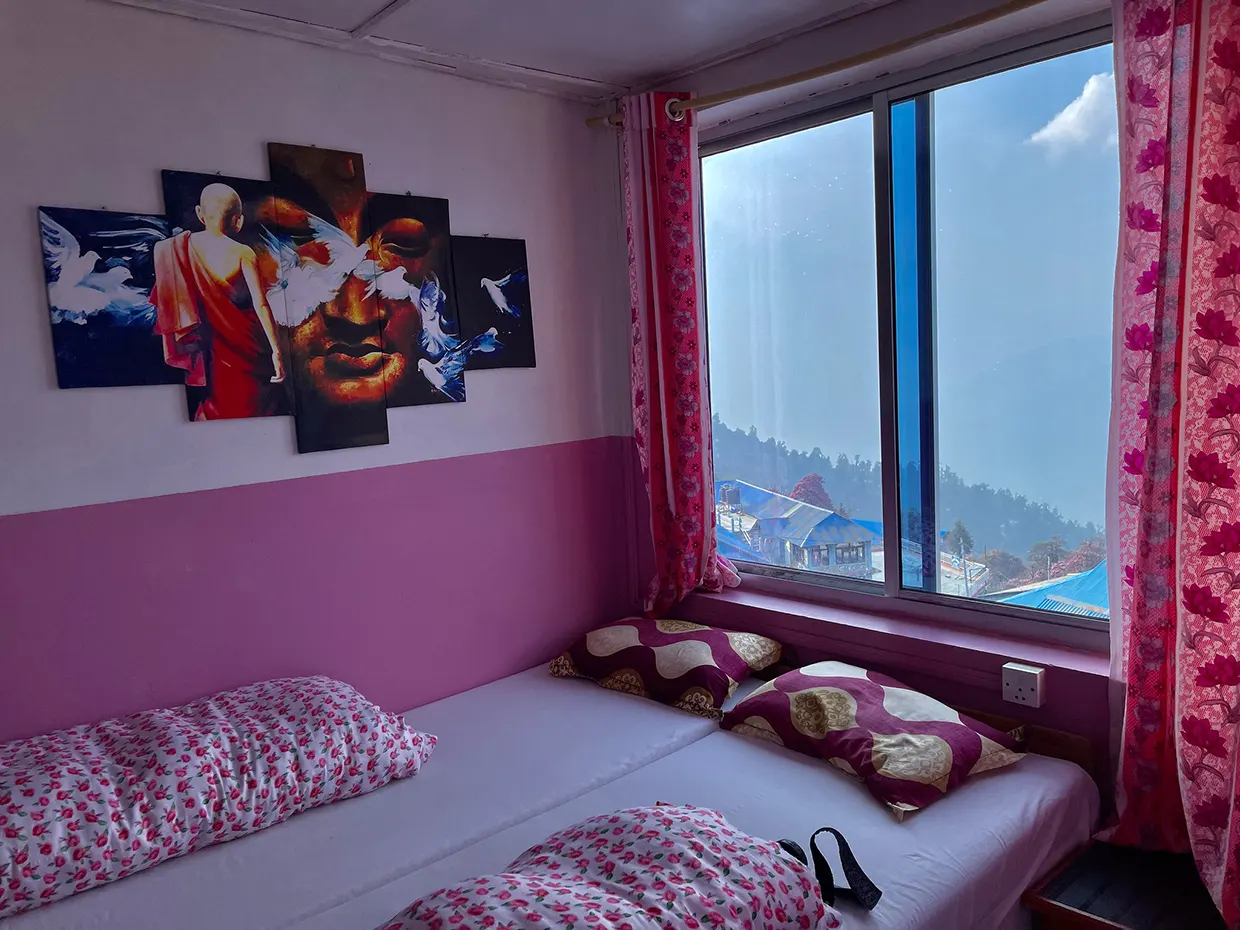
Teahouse lodges line the entire route. Better options appear in Lukla, Phakding, and Namche. Rooms become simpler above Dole. Shared bathrooms, cold bedrooms, and heated dining rooms define higher lodges. Dal bhat, noodle soup, fried rice, potatoes, porridge, eggs, and hot drinks fill every menu. Food prices rise at higher altitudes because porters and yaks carry supplies. Paid charging and Wi-Fi work in many villages.
Packing List for the Gokyo Lakes Trek
Clothing
- Moisture-wicking base layers
- Fleece or warm mid-layer
- Down jacket
- Waterproof jacket and pants
- Trekking pants
- Warm hat, sun hat, buff, or neck gaiter
- Light gloves and warm insulated gloves
Footwear and Gear
- Broken-in trekking boots
- Warm trekking socks and liner socks
- Camp shoes for teahouse evenings
- Daypack (25-35 liters)
- Duffel bag for porter carry
- Sleeping bag rated to at least -10C
- Trekking poles
- Headlamp with extra batteries
- Sunglasses with UV protection
- Water bottles and purification tablets
- Power bank
Personal Items
- Sunscreen (SPF 50+) and lip balm
- Personal medicines and altitude medication if prescribed
- First-aid kit and blister care
- Passport copy, insurance copy, permit copies
- Cash in Nepali rupees
Pack warmer than expected. Gokyo sits in an open high-altitude lake valley. Wind makes evenings and mornings feel very cold.
Safety and Altitude Tips
- Keep the Namche acclimatization day
- Walk slowly above Namche
- Drink clean water regularly
- Eat enough, even when your appetite drops
- Sleep low after Gokyo Ri
- Tell your guide about any symptoms early
- Do not push higher if symptoms worsen
- Carry travel insurance covering high-altitude trekking and helicopter evacuation
Common Mistakes to Avoid
- Skipping the Namche acclimatization day
- Booking too short an itinerary
- Underestimating the Gokyo Ri climb
- Packing too lightly for the cold at 4,800 meters
- Wearing new boots on the trek
- Not adding a buffer day for Lukla flights
- Assuming Gokyo feels easy because fewer trekkers walk the route
- Ignoring the current guide and TIMS rules
- Visiting during the monsoon and expecting clear lake views
- Skipping the fourth and fifth lakes when time and weather allow
Frequently Asked Questions
Q: How many Gokyo Lakes exist?
A: Six main lakes form the Gokyo system, though most trekkers only visit the first three. Gokyo village is conveniently located near the third lake, Dudh Pokhari. Reaching the fourth, fifth, and sixth lakes requires additional side hikes from the village. This series of glacial lakes is considered one of the most spectacular high-altitude wetland systems in the world.
Q: How many days does the Gokyo Lakes Trek take?
A: Most itineraries range from 12 to 15 days, starting from Kathmandu. This timeframe includes Lukla flights, acclimatization in Namche, and trekking to the lakes. It also allows time for climbing Gokyo Ri before returning to Lukla. A balanced schedule ensures you have enough time to adjust to the altitude while enjoying the stunning scenery of the Everest region.
Q: How difficult is the Gokyo Lakes Trek?
A: This trek is rated moderate to challenging and does not require technical climbing skills. Safety depends on maintaining a slow pace, having proper cold-weather gear, and following a solid acclimatization plan. While the terrain is steep, good physical fitness and mental preparation make it accessible. It is an excellent choice for those seeking a high-altitude experience without the extreme demands of the Three Passes.
Q: Can you see Everest from Gokyo Ri?
A: Yes, Gokyo Ri provides panoramic views of Everest along with Cho Oyu, Lhotse, and Makalu. You can also see the turquoise Gokyo Lakes and the massive Ngozumpa glacier valley from the summit. Clear mornings typically offer the best visibility for photographers and sightseers. Many trekkers consider the view from Gokyo Ri superior to that from Kala Patthar.
Q: What permits do I need?
A: You must obtain a Sagarmatha National Park permit and a Khumbu local permit. Additionally, a current TIMS card or an agency-issued trekking registration is required. Under revised Nepal Tourism Board provisions, a licensed guide is mandatory for this route. Always confirm the very latest permit requirements with your trekking agency before departure to ensure you have all the necessary legal documentation.
Q: Do I need a guide?
A: Yes, the Nepal Tourism Board includes the Gokyo Trek among routes that require a licensed trekking guide. You must also have an agency-issued TIMS card to comply with current regulations. Hiring a guide provides essential support for navigation, altitude management, and cultural insight. It is recommended that you confirm the specific current rules with a registered agency before finalizing your trek plans.
Q: Which is better, the Gokyo Lakes Trek or the Everest Base Camp?
A: Gokyo is ideal for travelers who prioritize turquoise lakes, quieter trails, and wide views from Gokyo Ri. In contrast, Everest Base Camp is best for those wanting the classic route and the Khumbu Glacier experience. Both treks offer incredible Himalayan scenery, but Gokyo is often preferred by those seeking a slightly more peaceful and visually diverse alternative to the standard base camp trail.
Q: Can I combine Gokyo with Everest Base Camp?
A: Yes, you can connect the two trails by crossing the Cho La Pass. This extension typically adds three to five days to your itinerary and requires stronger physical fitness. Good weather is also essential for a safe crossing of the pass. Combining these routes offers the ultimate Everest region experience, allowing you to witness both the famous base camp and the serene beauty of the lakes.
Q: What makes the Gokyo Lakes look turquoise?
A: The distinct turquoise color is created by fine glacial sediment, or “rock flour,” suspended in the water that scatters sunlight. This vibrant hue can vary with the season, light conditions, and the amount of meltwater. On clear days, the reflections of the surrounding peaks in the bright water are truly breathtaking. It is one of the most photographed natural features in Nepal.
Q: When is the best time for the Gokyo Lakes Trek?
A: Autumn, from September to November, and spring, from March to May, provide the best trekking conditions. Autumn is known for having the clearest skies, while spring offers warmer temperatures and blooming forests at lower elevations. Avoiding the monsoon and mid-winter seasons ensures you have the safest experience and the best possible mountain views. These windows provide the perfect balance of weather and trail accessibility.
Q: Can beginners do the Gokyo Lakes Trek?
A: Fit beginners can successfully complete this trek with a safe itinerary and guide support. Proper acclimatization and starting a fitness program 8 to 12 weeks before departure are vital for success. While the altitude is high, a steady approach makes the journey manageable. It is a great introduction to high-altitude trekking for those who are physically active and well-prepared for mountain life.
Final Advice
The Gokyo Lakes Trek offers trekkers a quieter Everest-region experience, with turquoise high-altitude lakes, views of Gokyo Ri, Sherpa culture, and glacier scenery. A well-planned itinerary, proper acclimatization, current permits, guide support, and warm gear make the route safe and rewarding. Before booking, confirm permit and guide rules with a registered agency. Add buffer days for Lukla flights. Buy high-altitude travel insurance. Train your legs, prepare for the cold, and enjoy one of Nepal’s most photogenic treks.