

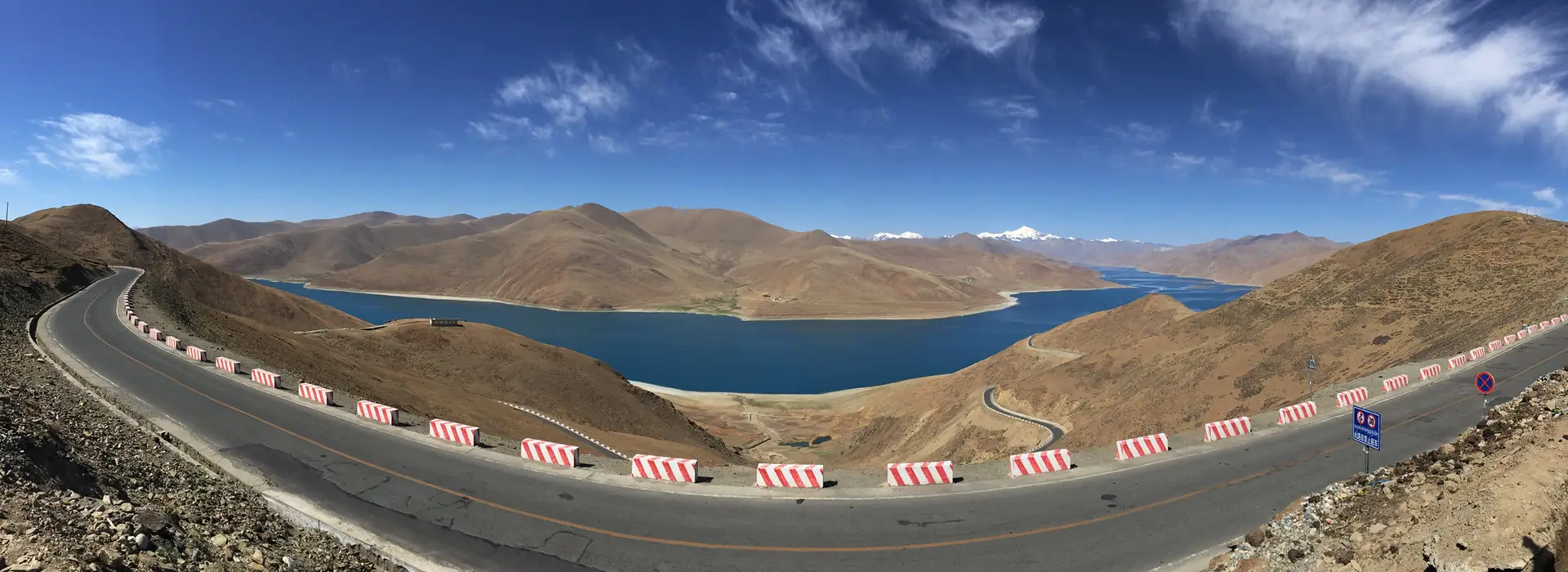

Planning how to get to Tibet depends on your time, budget, and sense of adventure. Most travelers reach Tibet through mainland China (by plane or train) or via Nepal (Kathmandu). Your choice affects timing, permits, and altitude acclimatization. This guide compares each route, entry requirements, timing, and cost factors, and provides practical planning tips.
Quick Facts:
- Fastest Route: Fly from a Chinese hub (Chengdu, Beijing, etc.) directly to Lhasa.
- Most Scenic: Train on the Qinghai–Tibet railway (best via Xining).
- Nepal Combo: Enter Tibet from Kathmandu for a Nepal+Tibet trip.
- Key Factor: Tibet Travel Permit and itinerary must be arranged before travel.
Entry Routes at a Glance
| Route Option | Entry City | Travel Mode | Time Level | Cost Level | Comfort Level | Best For | Complexity |
|---|---|---|---|---|---|---|---|
| China Flight to Lhasa | Chengdu, Beijing, Shanghai | Flight (2 legs) | Short | Medium | High | First-time travelers, families | Low |
| Qinghai–Tibet Train (via Xining) | Xining | Scenic train | Medium | Low–Medium | Medium | Photographers, adventure travelers | Medium |
| Direct Train from Beijing to Lhasa | Beijing | Long-distance train | Long | Medium | Medium | Budget travelers | Medium |
| China Flight + Tibet Drive | Lhasa (via China) | Flight + road travel | Medium | Medium–High | Medium | Active travelers | Low |
| Nepal Route (Kathmandu) | Kathmandu | Flight or jeep | Medium | Medium–High | Variable | Nepal–Tibet combined trips | High |
- Time Level: Rough estimate of travel time to Lhasa city center (excluding stops).
- Cost Level: Relative expense (includes flight or train vs border crossing).
- Comfort Level: Travel comfort (planes high, hard sleeper low).
- Complexity: How many permits and transfers to handle? Routes via Nepal tend to be more complex.
Key Entry Requirements
Before choosing a route, consider these Tibet travel rules:
- Tibet Travel Permit: Mandatory for all foreign visitors (except certain Chinese passport holders). Arrange through a licensed operator. Permits tie you to specific routes and dates.
- China Visa: If entering via the mainland, ensure your visa covers travel dates. Note: Xinjiang/Uygur areas may need special permits.
- Aliens’/Border Permits: Visiting areas beyond Lhasa (such as Everest Base Camp or Mt. Kailash) requires additional permits. Plan early, as they need separate approval.
- Guide & Transport: Solo independent travel is not allowed. You must travel with an authorized guide and an arranged vehicle.
- Itinerary Fixed: Once permits are issued, your schedule cannot easily change. Decide your route (and train/flight dates) before applying for permits.
- Documents: Prepare clear passport scans and photos. Provide your agency with travel dates, hotels, and the route in advance.
- Documents Checklist: Passport copy, 1 photo, travel dates, entry point, and tentative itinerary for permit application.
Option A: Fly via Mainland China (Most Popular)
Flying into Tibet is quickest. Major Chinese cities offer flights to Lhasa Gonggar Airport.
- Route: Fly to a Chinese hub (e.g., Beijing, Chengdu, Chongqing), then take a connecting flight to Lhasa.
- Why Choose: Fast travel, comfortable seats, minimal stomach discomfort. Frequent flights (multiple daily from Chengdu, Beijing etc.).
- Who It Suits: First-time visitors, families, older travelers, or anyone short on time.
Tips:
- Plan Connections: Allow a buffer between flights. Bad weather delays are rare, but if Lhasa is fogged in, you need alternatives.
- Acclimatize: On arrival in Lhasa (3,65 m), avoid scheduling strenuous activities. Check into the hotel and rest.
- Two-Stage Travel: Some flights stop in Xining (2,3 m). Passengers can remain seated or disembark for fresh air (but wait times are short).
- Check Airlines: Airlines like Air China and Sichuan Airlines operate Lhasa routes. Some holidays may sell out quickly.
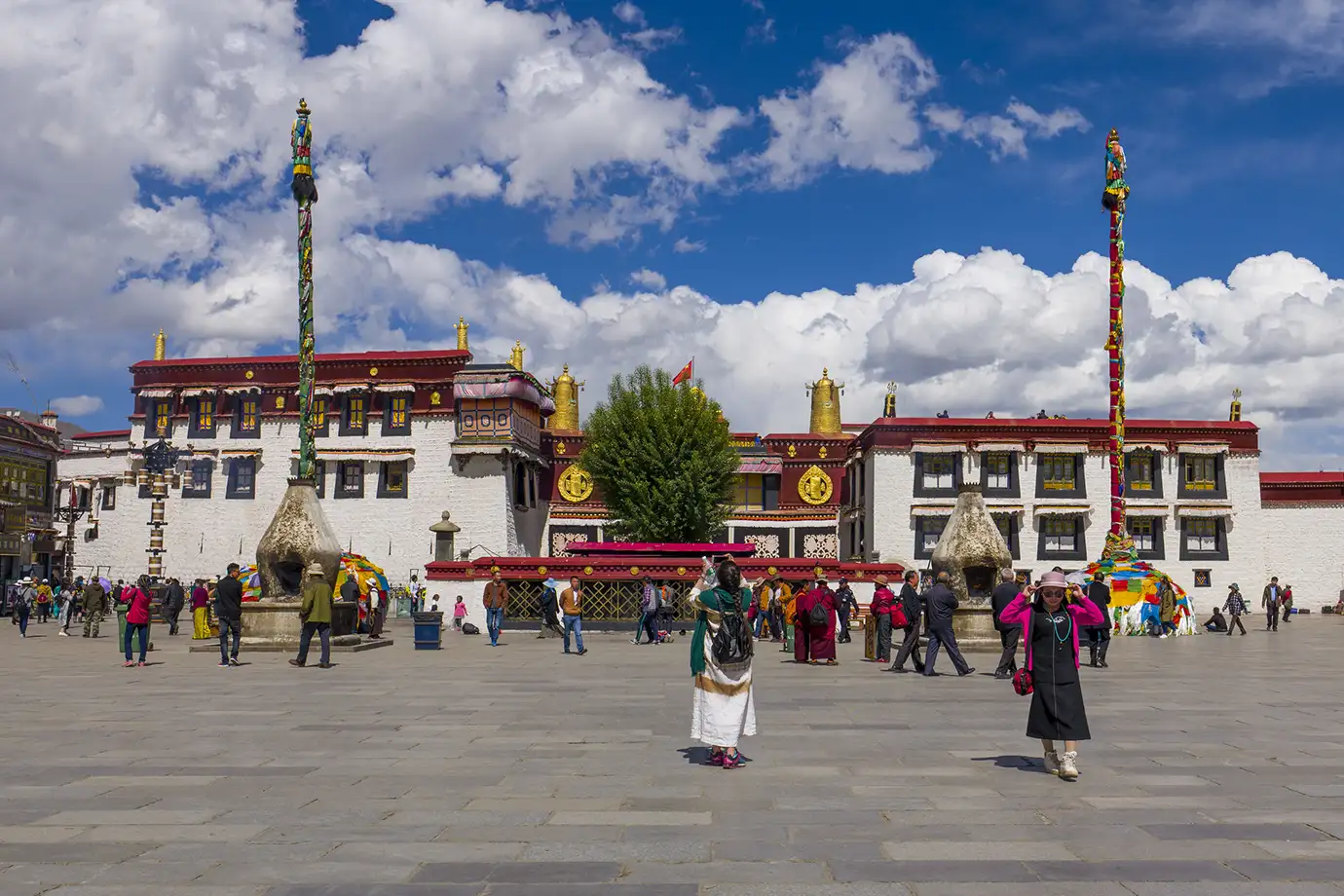
- First Day Suggestion: After arriving, take it easy: light meals and short walks. For example, a gentle stroll around Barkhor Square helps you adjust.
Flying is straightforward. It also allows reaching Lhasa in about 6–8 hours from cities like Chengdu or Beijing, instead of days by train.
Option B: Take the Qinghai–Tibet Railway (Scenic & Gradual Ascent)
The train ride itself is an attraction. It starts from Xining or connects from Beijing/Shanghai.
- Route: Board in Xining (capital of Qinghai), or connect from Beijing/Shanghai via Xining. Ride through dramatic landscapes to Lhasa.
- Why Choose: Exceptional scenery, smoother altitude climb, and a classic experience. You see plateau lakes and snow-capped mountains.
- Who It Suits: Adventurous travelers, photographers, and budget-conscious tourists. People who do not mind long transit times.
Train Classes:
- Soft Sleeper: Private 4-berth cabins with doors (quiet, comfortable). Good for couples or seniors.
- Hard Sleeper: 6-berth open cabins (cheaper but crowded). Good for solo travelers or groups on a budget.
- Seat Classes: Reclining seats available (used mainly on daytime segments or shorter routes).
Onboard Realities:
- Oxygen Supply: The train injects extra oxygen at high altitude[1]. Each sleeper berth has an oxygen outlet for extra comfort.
- Sleep: Carry earplugs and an eye mask. Noise and light travel through the cabin. Sleep may be disrupted by stops.
- Food: Dining cars offer Chinese meals. Bring snacks, water, tea, and any favorite foods (food on the train can be bland).
- Electricity: There are outlets (mostly in soft sleeper compartments). A power bank is handy.
- Toilets: Squat and Western-style toilets are available. Keep tissues and sanitizer with you.
Highlights:
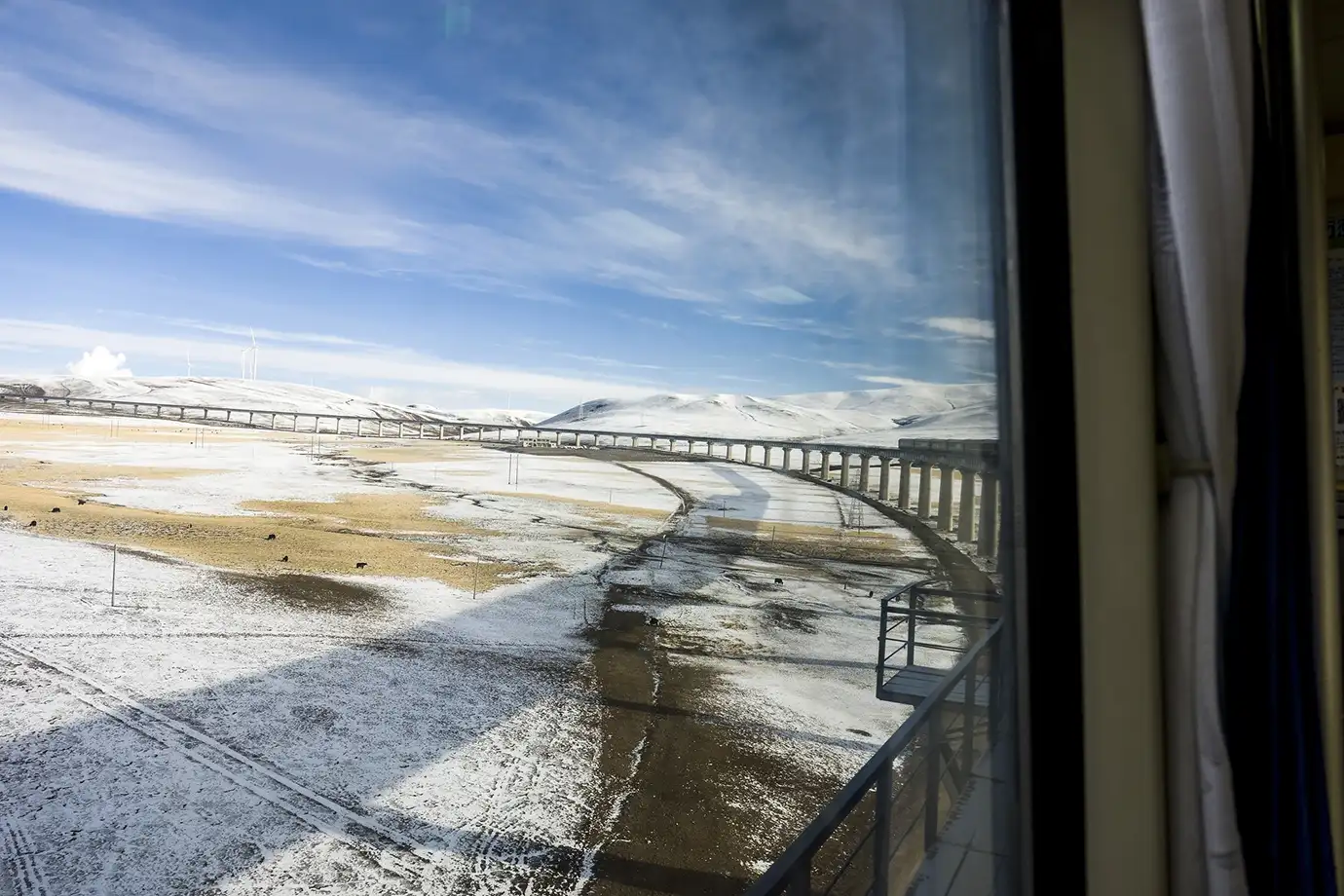
- Scenic Views: Qinghai Lake, Brahmaputra valley, and the Tanggula Pass (at 5,72 m) come into view. Snow-capped peaks and salt flats appear on clear days.
- Gradual Altitude Gain: The train reaches Lhasa with less shock to your system. Some travelers find this gentler than flying.
Tips:
- Layers: Wear layers on the train – cabin temperature can fluctuate.
- Stay Hydrated: Air is dry, and cabin pressure is low. Drink small amounts of water regularly.
- Motion: Walk to the dining car or stretch by the doors when the train is at a standstill (no trains stop long enough for extensive walks, but you can step into vestibules).
- Booking: Tickets usually open 6 days in advance. Soft sleepers sell out fast in high season (June–Oct). Book as early as possible.
While the train ride adds time, it is a memorable part of any Tibet trip. You might even spend 24–36 hours enjoying this smooth ascent through the Tibetan highlands.
Option C: Via Nepal (Kathmandu Route)
Entering Nepal combines two cultures and can be an adventurous option.
- Route: Fly into Kathmandu, Nepal, then continue to Tibet by air or land crossing. Popular crossings are via Gyirong (by road) or a connecting flight from Kathmandu to Lhasa.
- Why Choose: Ideal if you want to visit Nepal (e.g., for Everest views) or if flights from China are inconvenient.
- Who It Suits: Combination travelers, trekkers, or those already in South Asia.
Practical Notes:
- Visas: Nepal visa is available on arrival for many nationalities (check Nepal rules). You also need a Chinese visa if you drive across the border, or no visa is needed if you fly directly to Lhasa via a Chinese carrier.
- Border Crossing: By road, take a private vehicle from Kathmandu to Kodari (Nepal border) and cross into Tibet at Zhangmu or Gyirong. These roads can be rough and sometimes closed in bad weather (winter landslides).
- Flights: Several airlines (e.g., Sichuan Airlines, Air China) fly from Kathmandu to Lhasa. This is the fastest Nepal–Tibet leg (~1.5 hours).
- Permits: Tibet travel permits must be arranged just as for any route. Your tour operator in Kathmandu or Lhasa will handle it, but allow time.
Planning Tips:
- Buffer Days: Spend 1–2 days in Kathmandu to arrange permits and get fit from lower altitudes.
- Altitude: Kathmandu sits at 1,4 m. Still, going from Kathmandu to Lhasa (3,65 m) is a big jump. Again, rest the first day in Lhasa.
- Season: Monsoon (July–Aug) can make the Kathmandu-Tibet highway muddy and dangerous. Check local road conditions.
- Experience: Combining Nepal’s culture and Everest views with Tibet’s spirituality is rewarding but logistically more challenging. Ensure you have a flexible schedule and a reliable guide who knows the land border rules.
This route is more complex than flying via China, but many travelers enjoy its unique flavor. Always verify the current status (flights and road) before planning.
Overland Routes and Other Borders
Some travel sources mention other routes, but they have limitations:
- Arunachal/India Borders: Tibet borders parts of Arunachal Pradesh, India, but these are sensitive military zones. Overland crossings from India (e.g. Nathu La into Lhasa) require special permits and are rarely open to foreigners.
- Myanmar/Burma: Tibet borders Myanmar (Nyingchi region) via the Bum La pass, but this crossing is heavily controlled and is mostly closed to tourists.
- Magic Bus Style: Occasionally, “trans-Himalayan circuits” are offered, but these usually still involve flying into Lhasa or Kathmandu and then returning by land.
Advice: Unless traveling with a specialized expedition, stick to the China or Nepal gateways. Overland border crossings involve complex permits and uncertainties that can derail plans. Always check with a reliable agency if considering an unusual route.
Choosing the Best Route for You
Use this quick guide:
- If first time / limited time: Fly via a major Chinese hub to Lhasa.
- Budget-conscious/scenic: Take the train (be prepared for a long trip).
- Family or seniors: Flight is easiest. Ensure acclimatization days.
- Photographers/nature lovers: Train through Qinghai for landscape shots.
- Combining Nepal: Enter via Kathmandu, especially if you want to add a trek or Everest.
- Adventurous group: Consider train + a road trip (e.g., Lhasa to EBC by car).
Each traveler’s needs differ. If in doubt, flying to Chengdu or Beijing and then connecting to Lhasa offers the smoothest experience.
Seasonal Considerations
The weather can affect your plan:
- Spring (Apr–Jun): Clear views, warming days. Some high passes open by late April. Very comfortable travel conditions.
- Summer (Jul–Aug): Warm in Lhasa, green scenery. The Southeast monsoon can cause rain delays in road travel (especially on drives, not flights). The train runs rain or shine.
- Autumn (Sept–Oct): Great visibility and pleasant weather. Peak visitor season (especially early October). Book everything early.
- Winter (Nov–Mar): Cold and dry. Few tourists, lower prices. Some flights (and trains) may reduce frequency. Daytime highs in Lhasa can be below °C; pack heavy winter clothes if traveling then.
| Season | Route Reliability | Views & Comfort | Crowds | Best For |
|---|---|---|---|---|
| Spring | High (roads clear) | Clear skies, cool weather, windy early season | Medium | Clear mountain views and fewer insects |
| Summer | Fair (possible rain) | Green landscapes and warmer valleys | High | Summer blooms and vibrant scenery |
| Autumn | High (stable weather) | Crisp air and colorful landscapes | Very High | Festivals and excellent mountain visibility |
| Winter | Lower (possible flight changes) | Crisp air and quiet surroundings | Low | Peaceful travel and lower prices |
Plan around the Tibet holidays (Chinese New Year, Golden Week) if you want to avoid crowds and higher costs.
First 24 Hours in Tibet
Regardless of how you arrive, acclimatize slowly:
- Hotel Check-In: Go to bed early. Use earplugs if the hotel walls are thin.
- Hydrate: Drink boiled water and herbal tea frequently.
- Light Activity: Take one gentle walk outside. For example, visit a nearby temple or park. Don’t tour intensively.
- Meals: Eat easy-to-digest foods. Lhasa has many Tibetan restaurants; start with soups or steamed dumplings.
- Sleep: Aim for by 1 pm. Even if you can’t sleep much, resting quietly helps.
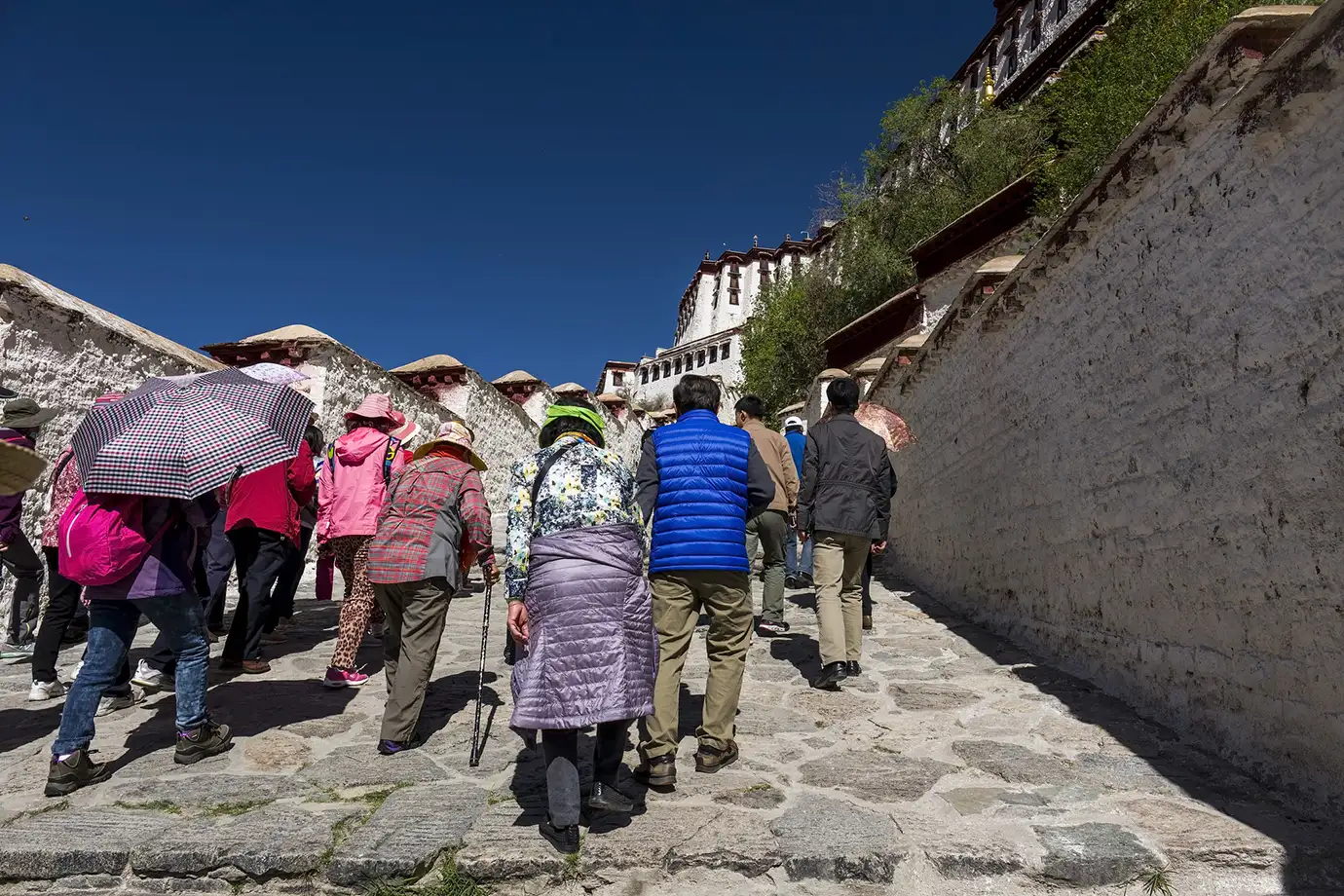
Avoid high-exertion activities (such as climbing stairs at Potala) on Day 1. Let your body adjust to the 3,6 m air first.
Sample Route Plans
Plan 1: Fast Intro (5–7 Days)
- Day 1: Fly to Lhasa (via Beijing or Chengdu). Afternoon rest. Gentle walk in Barkhor.
- Day 2: Jokhang Temple & Barkhor Circuit.
- Day 3: Potala Palace & Norbulingka. Evening free.
- Day 4: Train to Xining (overnight) or fly out; or a half-day excursion to Sera Monastery.
- Day 5: Return home.
Plan 2: Scenic & Cultural (10 Days)
- Days 1–2: Arrive in Lhasa (by flight or train), acclimatize with light sightseeing.
- Day 3: Potala Palace & Jokhang.
- Day 4: Yamdrok Lake day trip.
- Day 5: Drive to Gyantse; visit Palcho Monastery (Kumbum Stupa) and Gyantse Dzong. Overnight Gyantse.
- Day 6: Gyantse to Shigatse; visit Tashilhunpo.
- Day 7: Shigatse to Lhasa via scenic passes.
- Days 8–9: Explore more (Samye Monastery trip, or shopping in Lhasa).
- Day 10: Depart (train or flight).
Plan 3: Nepal + Tibet (12–14 Days)
- Days 1–2: Fly to Kathmandu, Nepal. Book permits and explore Kathmandu.
- Day 3: Fly from Kathmandu to Lhasa, or drive to the border and into Shigatse.
- Days 4–6: Lhasa sightseeing as in Plan 2.
- Days 7–8: Head to the Mount Everest region in Tibet (via Lhatse, overnight in Tingri, then EBC). Return to Shigatse by day 8.
- Days 9–10: Back to Lhasa via Gyantse.
- Days 11–12: Leisure or a short trip (Dayamur might consider a Nepal border crossing).
- Days 13–14: Fly back to Kathmandu or onward flight from Lhasa to home.
Adjust these outlines to your dates and permits. Always have at least one free day in case of delays.
Cost Considerations
No fixed prices here, but factors to budget for:
- Flights vs Train: Flights to Lhasa cost between $3–$8 (one-way) depending on season and origin. Train soft sleepers from Xining are cheaper ($1–$3 one-way).
- Seat/Sleeper: Soft sleepers are pricier than hard, but for comfort, they’re worth it for overnight trips.
- Tour Packages: Private tours cost more than group tours. Private tours give flexibility; group tours lower costs by sharing guides.
- Hotels: Range from $5 (basic) to $3 (luxury) per night in Lhasa. Outside Lhasa, 3-star hotels are $4–$8.
- Local Transport: Private car with driver ~$1–$15 per day, split if you have companions.
- Permits: Agency service fees might add $5–$1 for permit arrangements.
- Meals and Extras: Plan about $3–$5 per day for meals and incidentals. Tours often include breakfast.
Money-Saving Tips: Travel in April/May or September, when fewer tourists and possibly lower prices are available. Join group departures for shared costs. Book flights early. If using the train, choose a lower berth or harder class (but pack earplugs).
Packing Tips
What to bring on your way to Tibet:
- Layers: Even in summer, Tibet is cold at altitude. Pack a fleece jacket, thermal top, and a warmer coat for evenings.
- Sun Protection: High altitudes mean strong UV. Pack sunglasses, a wide-brimmed hat, and high-SPF sunscreen.
- Hydration Gear: A refillable water bottle. Many travelers carry electrolyte powders to mix with water.
- Altitude Kit: Personal medications (pain relievers, stomach meds) and a doctor-prescribed altitude drug if you have one.
- Eye Mask & Ear Plugs: For sleeping on trains or flights.
- Portable Charger: Power banks come in handy when outlets are scarce or when you spend long hours on transport.
- Travel Documents: Passport, visa, Tibet permit (keep copies as backup).
- Snacks: Energy bars, nuts, dried fruit are great for travel delays or when you get hungry.
Pack light for the trek into Tibet, as you’ll carry everything at high altitude. Laundry services exist in main towns.
Common Mistakes to Avoid
- Booking Too Early: Don’t finalize flights or trains before your Tibet permit is confirmed. Your dates must match the permit exactly.
- Underestimating Altitude: Some plan intense hikes or quick ascents immediately upon arrival. Always wait a day.
- Too Tight Itinerary: Cramming stops can backfire if roads or weather cause delays. Always include a buffer day.
- Ignoring Local Advice: If your guide warns a pass is closed, or the weather is rough, accept it. Pushing on can be dangerous.
- Poor Clothing Choices: People often pack summer clothes for Tibet. Even in summer, mountain nights are cold. Pack layers and comfortable walking shoes.
- Not Carrying Cash: Outside major cities, ATMs are rare. Always have enough local currency (yuan) for small expenses and tipping.
Avoid these pitfalls, and you’ll have a smoother start and better time in Tibet.
FAQs
Q: How do I plan a Tibet tour from scratch?
A: Start with the question “How to get to Tibet” by choosing an entry route (flight, train, or Nepal). Obtain all necessary permits well in advance. Book your transportation and hotels after permits are secured. Plan rest days for altitude. This guide’s checklists and sample plans outline all steps.
Q: Is it easier to fly or take the train to Tibet?
A: Flying is faster and more comfortable. The train offers scenery and gradual altitude gain. Choose based on your comfort needs: fly for speed; take the train for the landscape, and don’t mind the time.
Q: What is the best entry route to Tibet?
A: For most first-timers, fly via a major Chinese city (like Chengdu or Beijing) to Lhasa. For a scenic approach, take the train from Xining. If combining Tibet with a Nepal trip, fly Kathmandu–Lhasa or drive through the Gyirong border.
Q: How many days do I need to travel to Tibet?
A: From first arrival to exit, allow at least 7 days. Tibet’s main sites (Lhasa, Ganden, Yamdrok) take 4–5 days to visit. Add extra days if you include places like Everest or Kailash, and always include 1–2 acclimatization days.
Q: Do I need a Tibet permit for the flight/train?
A: Yes. All foreign travelers need a Tibet Travel Permit, even if they are flying in or taking the train. This permit is mandatory. Arrange it through a travel agency; officials will check it at airports and stations.
Q: Is Tibet expensive to travel to?
A: Costs vary. Flights and train tickets can be $2–$5 each way. Tours range widely; budget travelers can spend $15 for a week with shared accommodation, while luxury trips cost more. Peak season and private tours increase expenses. Accommodation, food, and tipping should be budgeted.
Q: What is the best season for a visit to Tibet?
A: Late spring (Apr–Jun) and early autumn (Sept–Oct) offer the best weather and clarity. Summer is warm but wet in some areas; winter is very cold, with some routes closed. Plan around national holidays to avoid crowds, if possible.