

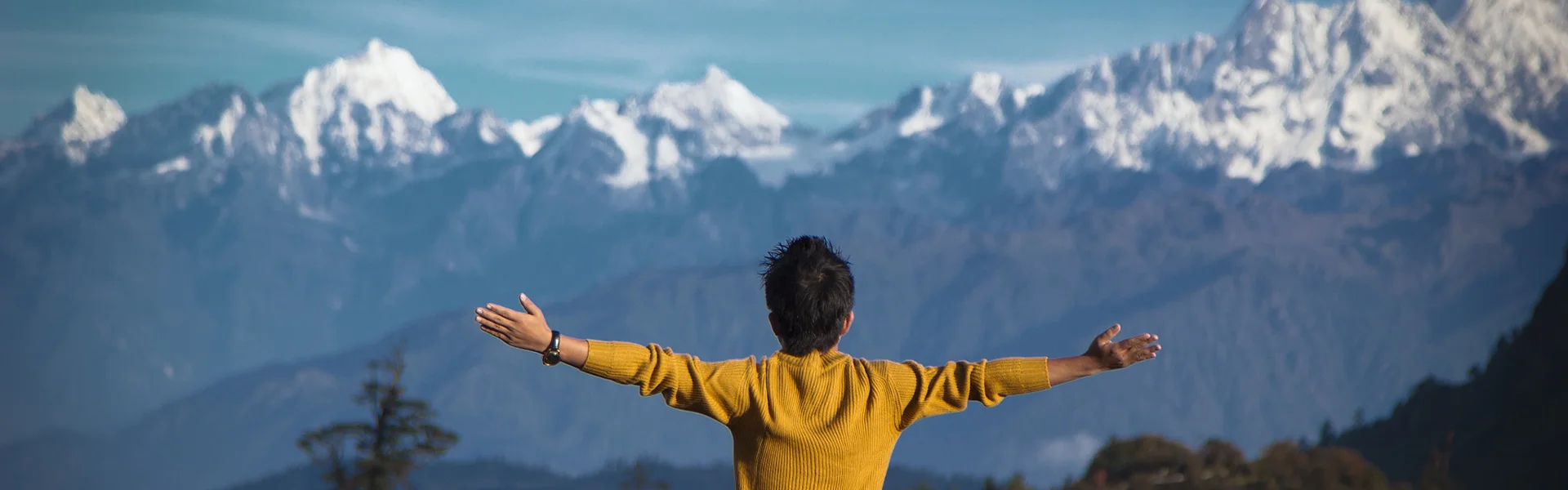

Lhasa, also known as “The City of Sunshine,” is a city rich in history, spirituality, and breathtaking scenery. The city gets over 3,000 hours of sun yearly, with brilliant blue sky earning the nickname ” the city of sunshine. Lhasa has one of the clearest and sunniest atmospheres on Earth. This city lies in the valley of the Kyichu River at an elevation of 3,650m and ranks among the highest cities on the planet. The air is crisp and thin here. You get reminded of the high altitude with the sharp sunlight against the deep blue sky.
Lhasa was the capital of independent Tibet and is now the administrative capital of the Tibet Autonomous Region of China. It is also the spiritual and cultural heart of Tibet. Pilgrims have traveled here for centuries as generations of Dalai Lamas have lived here. It’s a significant area for Tibetans around the world.
People describe Lhasa as a living museum. Modern life coincides with ancient tradition. You can see cars in the streets and warm restaurants and shops. The city connects to the world through its airport and train station. Lhasa preserves centuries-old rituals, with the Jokhang Temple at the center, as pilgrims circle the temple clockwise, spin prayer wheels, and chant prayers. “Lhasa” translates to “Place of Gods,” reflecting its essence. It’s a sacred place that has grown and thrived for more than 1,300 years.
History and Spiritual Significance
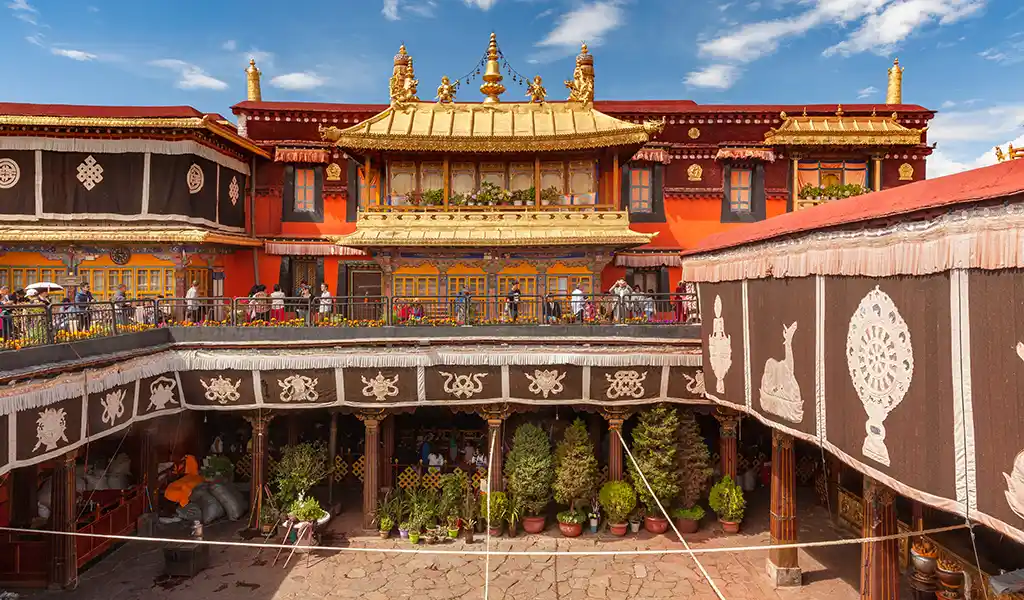
Lhasa’s history is inextricably linked to Tibetan sovereignty and spirituality. It rose to power in the 7th century when King Songtsen Gampo unified Tibet and chose Lhasa as the capital. His two wives introduced him to Buddhism. He built sacred temples, such as the Jokhang Temple, to promote the spread of Buddhism. Today, the Jokhang Temple remains Tibet’s most spiritual temple. The construction of this Jokhang Temple marked the beginning of Lhasa’s role as the spiritual heart of the region.
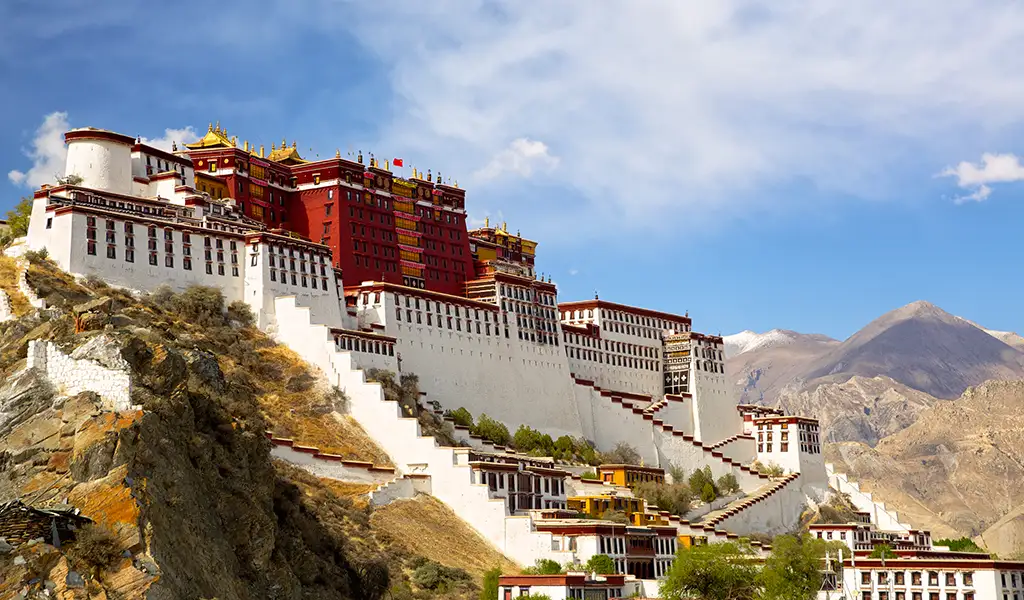
Later, the 5th Dalai Lama began the construction of the Potala Palace, which took 45 years to build, in the 17th century. It served as the winter home of the Dalai Lama and a seat of government. This palace towers over the city and is the ultimate symbol of Tibetan Buddhism and governance.
The great three monasteries, Drepung, Sera, and Ganden, further strengthened Lhasa’s spiritual influence. These institutions fixed Lhasa’s reputation as a center of learning, devotion, and religious authority. Drepung was once the largest monastery in the world and is a hub of Buddhist scholarship. Sera is famous for its lively debates. Ganden is the seat of the Gelugpa lineage.
Over the centuries, Lhasa faced political unrest and foreign pressures. British invasion, formation of an independent Tibetan government, and Chinese annexation in the 2950s all left their marks. The 1959 uprising and the exile of the 14th Dalai Lama were turning points in modern history. Many cultural sites suffered during the Cultural Revolution. Jokhang Temple and Potala Palace managed to stay unaffected and later became part of the UNESCO World Heritage sites.
Lhasa is still a city of profound spiritual significance. Its kings, Dalai Lamas, and monasteries left a legacy through the temples, palaces, and streets. The sacred sites continue drawing travelers and pilgrims alike.
Culture and Daily Life
Lhasa’s culture is a mosaic of spirituality, community, and modern life. Daily life is inseparable from tradition on Barkhor Street. Spirituality flows naturally through every step of the day here.
Pilgrims and locals circle the Jokhang Temple clockwise while spinning prayer wheels. They chant mantras like “Om Mani Padme Hum”. Many pilgrims also prostrate themselves in each step to express their devotion. The faith blends with the bustling Barkhor Street market, where vendors sell anything from prayer flags and traditional clothes to fresh produce. Monks, nomads, and city dwellers create a lively life blend here.
Tibetan Buddhism influences every corner of the city. Most houses and shops have small altars as the colorful prayer flags flutter from rooftops. People believe these prayer flags carry prayers on the wind. Lhasa is especially social in the teahouses where people gather over sweet milk tea.
Lhasa also has contrasting visuals. The old city preserves its heritage, and the newer neighborhood reflects China’s modern influence. Young Tibetans often blend these two worlds. You can see people wearing traditional attire while working in modern offices. This blend of past and present defines the present Lhasa.
Geography and Climate
Standing at 3,650m in a valley surrounded by mountains on the Tibetan Plateau, Lhasa has a distinctive geography and highland climate. This city of sunshine gets clear, bright skies year-round, with a temperate environment despite the high elevation.
Each season offers a different experience. Summer is mild with daytime temperatures of 22°C. Summer gets night showers, leaving the days sunny. Autumn is the best time to visit with crisp, dry air and crystal-clear skies. Winter is cold, but the intense sunshine makes daytime temperatures feel warm. The temperature is drastically different during the day and night. Spring is beginning to warm up, but it is dry and windy.
Practical Information
Preparation
You must prepare for Lhasa’s environment if you want to travel there. The high-altitude sun is intense all year round, so you need sunscreen, sunglasses, and a hat. You should hydrate properly and keep a lip balm handy. Dress in layers as the temperature varies and can drop sharply without any warning.
You can enjoy Lhasa’s dramatic landscapes and beautiful scenery with proper preparation. Stargazing is also lovely here under the city’s thin and clear air. This unique environment is a memorable part of experiencing Lhasa.
Getting There & Permits
Lhasa is accessible by air or train. You can fly directly from Chinese cities like Beijing, Chengdu, Xi’an, and Shanghai, or from Kathmandu, Nepal. If you’re traveling to Lhasa from Nepal, you need a group visa through a tour operator.
The Qinghai-Tibet Railway is another popular option for getting there. It’s the world’s highest railway and reaches over 5,000m at Tanggula Pass. The train departs from Xining, Beijing, Chengdu, and other cities. You can adjust to the high altitude gradually with the oxygen-enriched cabins. Many visitors take the train in and fly out.
All foreigners need a Tibet Travel Permit and a Chinese visa. The permit lists all the sites you can visit and your guide’s name. You cannot travel independently to Tibet. You’ll meet your guide at the airport or train station. Remember to always keep your passport and permit with you during your stay.
Getting Around Lhasa
Tour vehicles usually take visitors to significant sites, but walking is the best way to experience Lhasa’s old town. Taxis are cheap and widely available. You can write down your destinations in Tibetan or Chinese, as most drivers can’t speak English. Visitors can take short trips via electric three-wheeler taxi or by cycling. Remember that cycling may be tiring even for short distances at high altitudes. While the traffic has increased in recent years, navigating the city is still manageable.
Accommodation
Lhasa offers a range of accommodation, from basic guesthouses to luxury hotels. You can stay in traditional Tibetan-style hotels near the old town. These hotels provide atmospheric stays, with wood carvings, colorful decorations, and the Potala Palace rooftop views. Modern hotels offer oxygen in the rooms and on-call doctors.
Health, Food, and Water
Altitude is a major concern in Lhasa. You should take it easy on the first day. You can rest at your hotel or take a gentle stroll and avoid alcohol and heavy meals. Stay warm at night and communicate in case of unease. Pharmacies in Lhasa have both Western and Tibetan remedies. Locals take Rhodiola (Hongjingtian) tea as a remedy for acclimatization, but you can also get Western medicines. You’ll likely experience shortness of breath or difficulty breathing at night initially, which is normal at this elevation.
Drink only bottled or boiled water. Most hotels provide a thermos of bottled water to ensure safe drinking water. Most restaurants pair Tibetan cuisine with Chinese, Nepali, Indian, and Western options. Try local dishes and street food to get the local Tibetan flavor.
Money
Tibet uses Chinese Yuan (CNY or RMB). ATMs accept Visa and MasterCard, but remember that only high-end hotels accept credit cards. You must carry enough cash when visiting Tibet. Food and local transport are not expensive, and most tour packages include the fees for major sites. You need a reservation to see these major sites.
Language & Communication
Tibetan is the primary language in Lhasa. Many people, especially younger people and those in tourism, also speak Mandarin. English is common in hotels and guides. Other people rarely speak English. You should have your hotel cards written in Tibetan or Chinese to get around. You can learn a few Tibetan phrases like “Tashi Delek” for greeting and “Thuk-Je-Che” for thank you. Most hotels have WiFi, but you may want a pre-set VPN since you cannot access foreign websites due to Chinese censorship.
Etiquette, Shopping & Safety
Lhasa is generally a safe city. While violent crimes are rare, pickpockets may happen in crowded areas. Increasing traffic means more chances of road accidents. Look both ways when crossing the street. Stray dogs are mostly harmless, but don’t approach any for safety.
Popular Tibetan souvenirs are prayer flags, incense, thangka paintings, turquoise and silver jewelry, and handcrafted wool or yak-hair items. You can bargain in the markets, but keep it polite. Your guide will advise you on proper etiquette in religious places and sacred items. Photography inside some monasteries may require a small fee, and outdoor photography is usually unrestricted.
Excursions Outside Lhasa
You need additional permits, a guide, and a driver for day trips to Ganden Monastery, Yamdrok Lake, or the Everest Region. Foreigners cannot rent a car to drive independently. You must coordinate excursions with your tour operator.
Conclusion
Lhasa is ethereal and welcoming. The sunshine makes the whitewashed temples look striking against the deep blue sky. Many pilgrims spin prayer wheels along the street and show devotion to the sacred places. Religion is tied to culture and is part of everyday life. Ancient monasteries and modern shops stand side by side.
For many, visiting Lhasa is the end goal. You feel the sense of history and spirituality, even if you don’t follow Buddhism. The clean air and rising palace leave a lasting impression on all. The city’s resilience and religion are visible in its people and their devotion.
You’ll notice people blending their spiritual lives with the modern world in Lhasa. Locals pause to perform a quick kora around the Jokhang in the morning. You can share butter tea with locals and greet them with “Tashi Delek” to connect.
Many travelers leave Lhasa with a sense of calm and inspiration. The stark beauty, the pilgrim’s faith, and the monks make the trip worth it. This city of sunshine offers more than beautiful sights. One of the highest cities on Earth provides a clear perspective and a deeper understanding. It honors tradition and belief. Traveling to Lhasa is about experiencing ancient traditions that are still alive and strong today.