


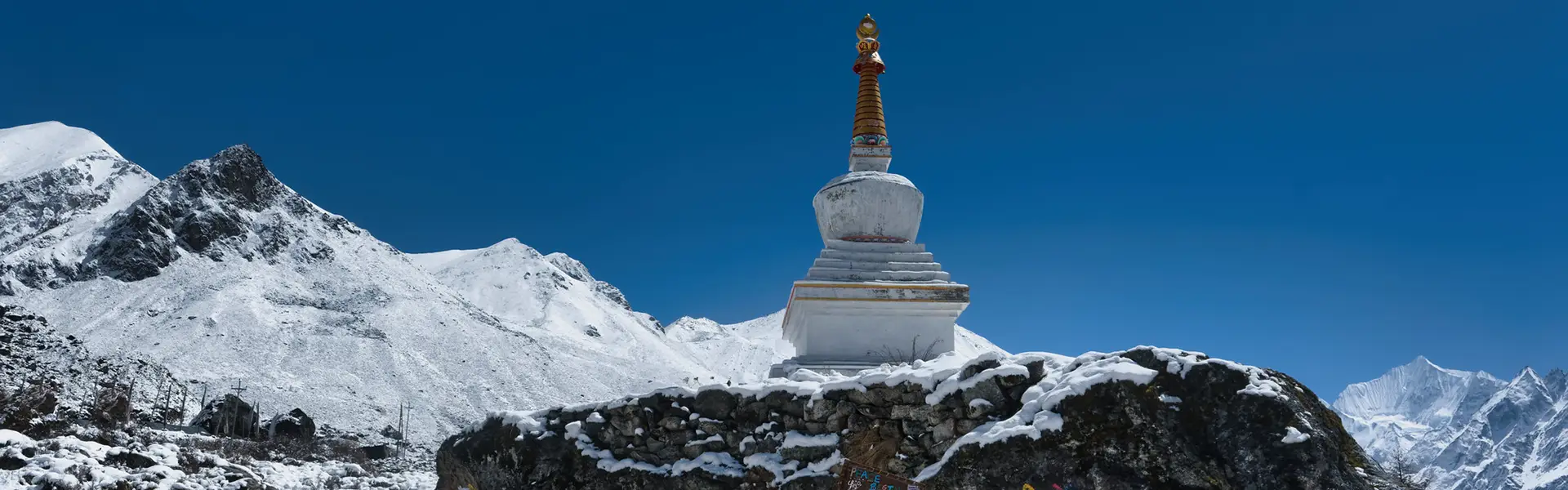

This Langtang Valley Trek Guide helps you plan one of Nepal’s best short Himalayan treks. The Langtang Valley Trek route starts with a drive from Kathmandu to Syabrubesi, then follows the Langtang Khola through forests, Tamang villages, yak pastures, and alpine terrain to Kyanjin Gompa.
The Langtang Valley Trek takes 7 to 10 days, reaches a main overnight altitude of about 3,870 meters, and offers optional hikes to Kyanjin Ri or Tserko Ri. No domestic flight is needed. The route sits north of Kathmandu and costs less than Everest-region treks. This Langtang Valley Trek Guide covers the route, itinerary, cost, permits, guide rules, difficulty, best season, Kyanjin Gompa, side hikes, Tamang culture, packing, safety, earthquake recovery, and how Langtang compares with other Nepal treks.
Quick Answer: What Is the Langtang Valley Trek?
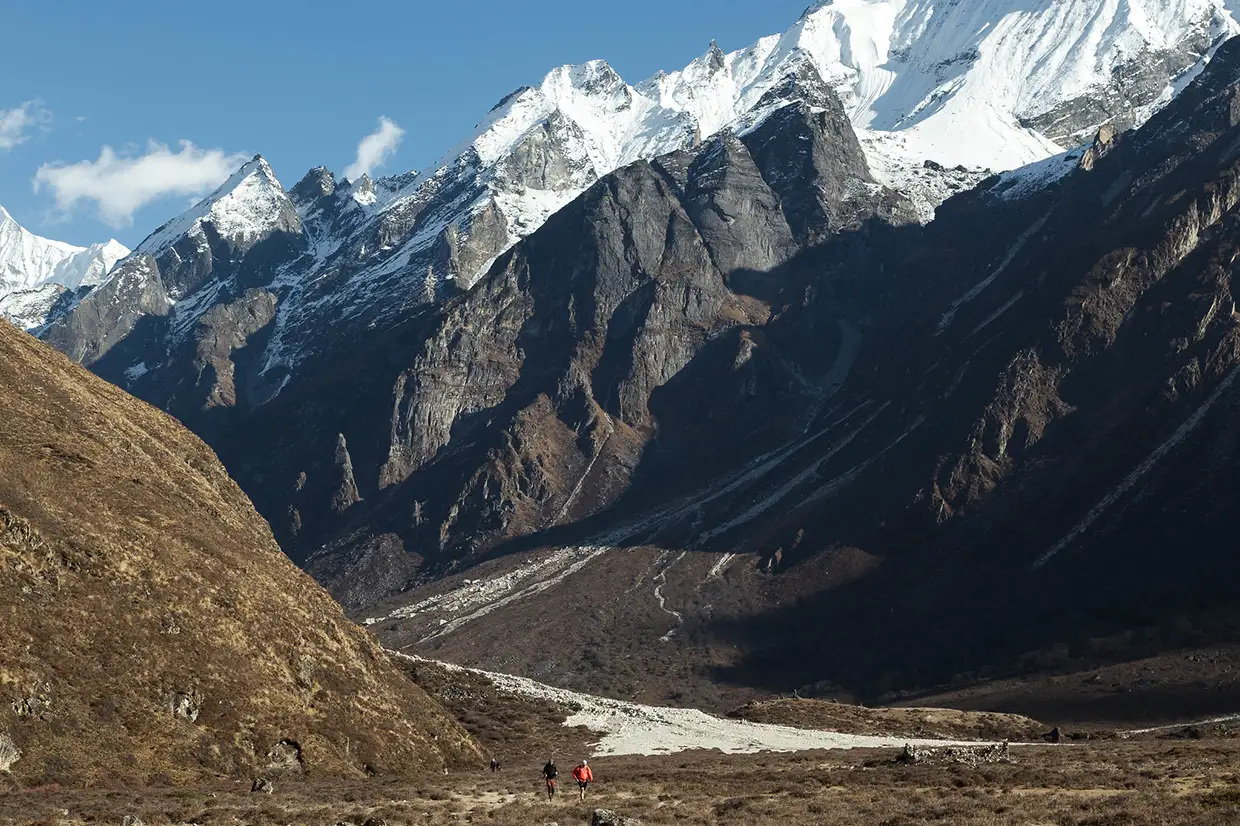
The Langtang Valley Trek takes 7 to 10 days from Kathmandu. The route follows the Langtang Khola from Syabrubesi to Kyanjin Gompa through forests, Tamang villages, yak pastures, and alpine scenery. This Langtang Valley Trek Guide confirms it suits fit beginners and offers strong mountain views without requiring any domestic flights.
| Feature | Detail |
|---|---|
| Trek Duration | 7–10 days |
| Starting Point | Syabrubesi (drive from Kathmandu) |
| Main Destination | Kyanjin Gompa (~3,870 m) |
| Optional High Points | Kyanjin Ri (~4,700 m) and Tserko Ri (~5,000 m) |
| Difficulty | Moderate |
| Best Season | March–May and October–November |
| Main Permits | Langtang National Park permit + TIMS card |
| Guide Rule | Licensed guide required under the NTB revised provision |
| Best For | Beginners, culture lovers, short-time trekkers, photographers |
| Domestic Flight | Not needed |
Why Choose the Langtang Valley Trek?
Langtang starts closer to Kathmandu than any other major Himalayan trekking region. Travelers avoid domestic flights entirely and save significant money on the Langtang Valley Trek. The route delivers forests, river trails, Tamang villages, yak pastures, and exceptional alpine views throughout. Kyanjin Gompa provides an excellent base for side hikes to Kyanjin Ri and Tserko Ri. Tamang and Tibetan Buddhist culture shape every kilometer of the Langtang Valley Trek. The trail feels noticeably quieter than the EBC and ABC routes. Trekking here directly supports local communities that rebuilt their lives after the devastating 2015 earthquake. The combination of short duration, lower cost, and outstanding Himalayan scenery makes the Langtang Valley Trek one of the best short treks available anywhere in Nepal.
Langtang Valley Trek Route Overview
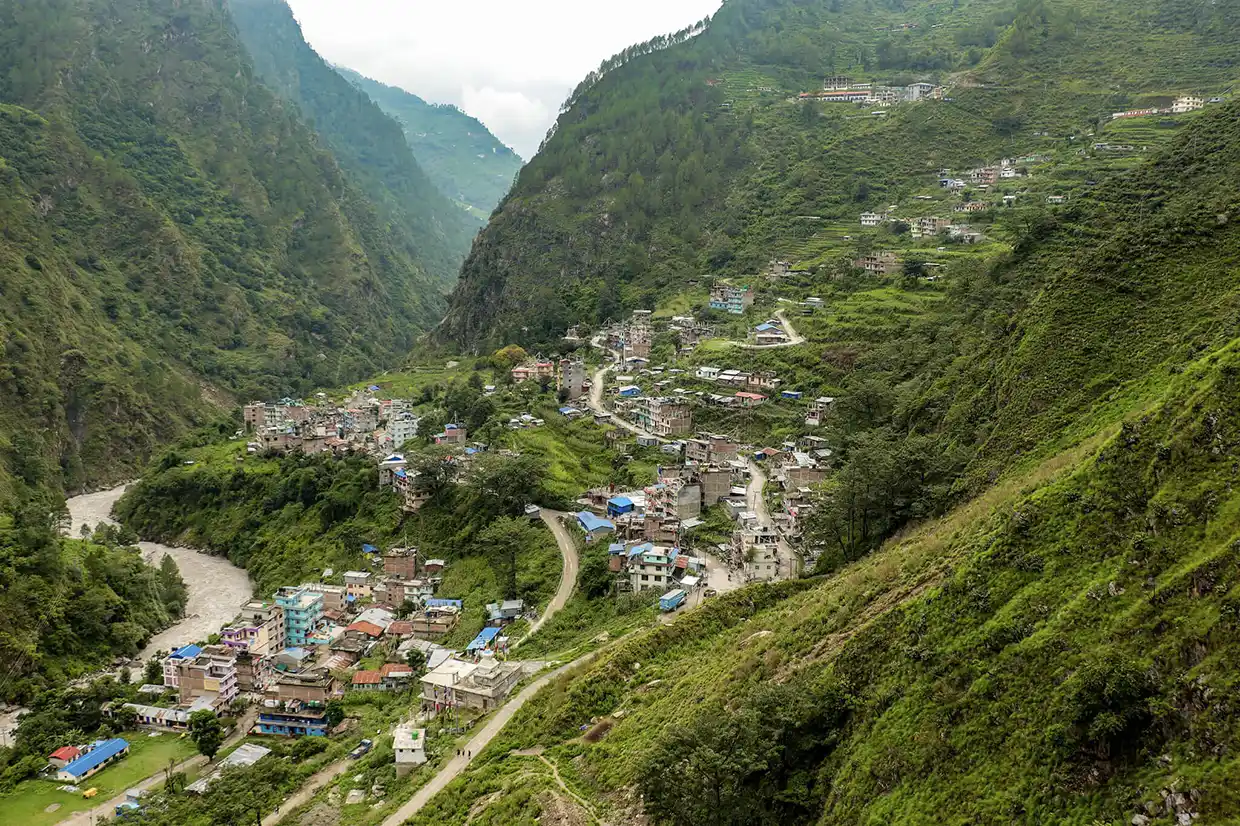
The standard Langtang Valley Trek route is: Kathmandu to Syabrubesi, then to Lama Hotel, then to Langtang Village and Mundu, and finally to Kyanjin Gompa. Optional side hikes from this Langtang Valley Trek Guide reach Kyanjin Ri or Tserko Ri. The return retraces the route back to Syabrubesi. The Kathmandu to Syabrubesi drive takes 6 to 9 hours. Road conditions vary considerably by season. Local buses, shared jeeps, and private jeeps all serve the Langtang Valley Trek route. A private jeep gives the most comfort for families and older travelers making this journey.
Langtang Valley Trek: 8-Day Itinerary
| Day | Route | Altitude | Time | Highlights |
|---|---|---|---|---|
| 1 | Drive Kathmandu to Syabrubesi | 1,550 m | 6–8 hrs | River valleys, hill villages |
| 2 | Trek to Lama Hotel | 2,470 m | 5–6 hrs | Dense forest trail, Langtang Khola, bridges |
| 3 | Trek to Langtang Village/Mundu | 3,430–3,550 m | 5–6 hrs | Open valley, Tamang cultural villages |
| 4 | Trek to Kyanjin Gompa | 3,870 m | 3–4 hrs | Monastery, cheese factory, mountain views |
| 5 | Hike Kyanjin Ri or Tserko Ri | 4,700–5,000 m | 4–8 hrs | Best panoramic viewpoint day on the trek |
| 6 | Trek to Lama Hotel | 2,470 m | 6–7 hrs | Long Langtang Valley Trek descent |
| 7 | Trek to Syabrubesi | 1,550 m | 5–6 hrs | Final walking day of the route |
| 8 | Drive to Kathmandu | 1,400 m | 6–8 hrs | Return to Kathmandu |
A 10-day Langtang Valley Trek version adds slower, more comfortable pacing: a shorter first walking day, an extra night at Kyanjin Gompa, a dedicated Tserko Ri day, and a built-in buffer day. The slower version suits first-time trekkers, families, seniors, and photographers particularly well. Spending two nights at Kyanjin Gompa significantly improves acclimatization and gives full access to both viewpoint hikes.
Kyanjin Gompa: The Main Destination on the Langtang Valley Trek
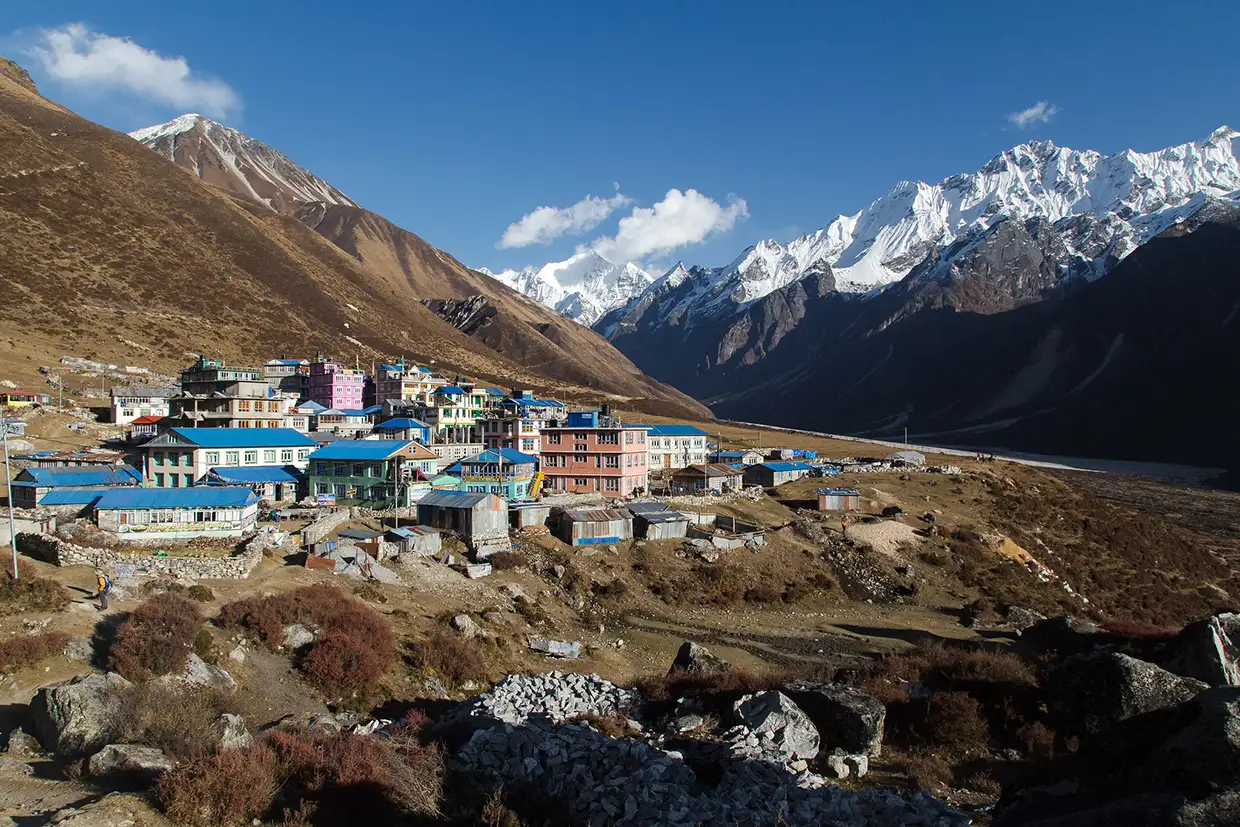
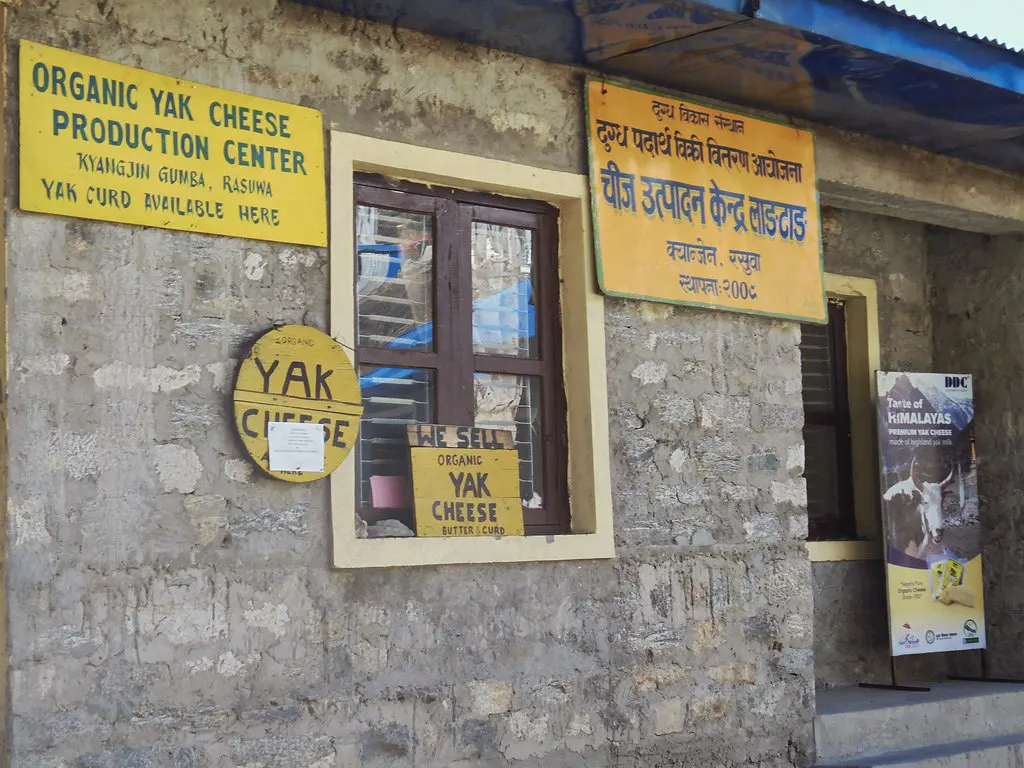
Kyanjin Gompa sits at approximately 3,870 meters and forms the centerpiece of every Langtang Valley Trek Guide. The village has an ancient monastery, comfortable teahouses, and a traditional local yak cheese factory. Langtang Lirung and the surrounding peaks rise dramatically above the valley in every direction. Morning views are consistently clearer and sharper than afternoon views throughout the Langtang Valley Trek. The village serves as the base camp for day hikes to Kyanjin Ri and Tserko Ri. Nights at Kyanjin Gompa feel genuinely cold throughout every trekking season. Carry a warm sleeping bag, down jacket, and insulated gloves for Kyanjin evenings on the Langtang Valley Trek.
Kyanjin Ri vs Tserko Ri on the Langtang Valley Trek
| Feature | Kyanjin Ri | Tserko Ri |
|---|---|---|
| Approx. altitude | ~4,700 m | ~5,000 m |
| Walking time | 3–5 hrs round trip | 6–8 hrs round trip |
| Difficulty | Moderate to challenging | Challenging |
| Best for | Most Langtang Valley Trek trekkers | Strong, well-acclimatized hikers |
| Main challenge | Steep climb and altitude gain | Longer climb, altitude, and cold |
| Recommendation | Best overall choice for most trekkers | Best for fit trekkers with extra time |
Langtang Valley Trek Altitude Profile
| Location | Altitude | Role |
|---|---|---|
| Kathmandu | 1,400 m | Start and end city |
| Syabrubesi | 1,550 m | Langtang Valley Trek trailhead |
| Lama Hotel | 2,470 m | Forest overnight stop |
| Ghodatabela | ~3,000 m | Valley opens significantly |
| Langtang Village/Mundu | 3,430–3,550 m | Upper valley settlement |
| Kyanjin Gompa | ~3,870 m | Main Langtang Valley Trek destination |
| Kyanjin Ri | ~4,700 m | Optional viewpoint hike |
| Tserko Ri | ~5,000 m | Longer optional viewpoint hike |
The Langtang Valley Trek spends most nights below 4,000 meters on the standard route. Mild altitude symptoms still occur near Kyanjin Gompa for some trekkers. Kyanjin Ri and Tserko Ri add real altitude strain to the day. Walk slowly above Langtang Village on the Langtang Valley Trek. Avoid alcohol at altitude. Descend immediately if symptoms worsen at any point.
Langtang Valley Trek Difficulty
The Langtang Valley Trek rates moderate — around 5 out of 10 on the difficulty scale. Most walking days on the Langtang Valley Trek take five to six hours at a steady pace. The route includes dense forest trails, stone steps, rocky mountain paths, and open alpine valley terrain. The consistent climb from Syabrubesi to Kyanjin Gompa gains serious elevation over just a few days. The descent from Kyanjin Gompa back to Lama Hotel feels demanding on the knees after multiple walking days. The Kathmandu to Syabrubesi drive feels long and rough throughout, especially in wet weather. Rain makes the lower Langtang Valley Trek trails slippery. Winter snow makes the Kyanjin Ri and Tserko Ri side hikes considerably harder. Fit beginners complete the Langtang Valley Trek with 6 to 8 weeks of consistent basic preparation.
Langtang Valley Trek Permits and Guide Rules
| Permit / Rule | Required? | Notes |
|---|---|---|
| Langtang National Park Permit | Yes | NPR 3,000 for foreigners, NPR 1,500 for SAARC nationals |
| TIMS Card | Yes | NPR 2,000 for non-SAARC under the NTB revised provision |
| Licensed Guide | Yes | NTB lists the Langtang Valley Trek under guide-required routes |
| Restricted Area Permit | No | Not needed for the standard Langtang Valley Trek route |
Permit rules for the Langtang Valley Trek are subject to change periodically. Confirm the latest permit fees and guide requirements with a registered trekking agency before finalizing your booking. Permit checks occur around Dhunche and Syabrubesi on the Langtang Valley Trek.
Langtang Valley Trek Cost Overview
The Langtang Valley Trek costs less than Everest-region treks because it requires no domestic flights. The main cost items on the Langtang Valley Trek include a licensed guide, porter fees, transport by local bus or private jeep, teahouse accommodation throughout, meals, Langtang National Park permit, TIMS card, and Kathmandu hotel stays.
| Trek Style | Best For | Main Cost Factors |
| Budget guided Langtang Valley Trek | Cost-conscious trekkers | Shared transport, basic teahouses, guide, permits |
| Standard guided Langtang Valley Trek | Most travelers | Private guide, porter, shared or private jeep, better meals |
| Premium Langtang Valley Trek | Families and private groups | Private jeep, better hotels, private guide, flexible schedule |
Langtang Valley Trek Best Season and Weather
| Season | Months | Views | Trail Condition | Rating |
|---|---|---|---|---|
| Autumn | Sep–Nov | Excellent | Usually dry and stable | Best season |
| Spring | Mar–May | Good | Mostly good, some rain | Strong second choice |
| Winter | Dec–Feb | Good on clear days | Cold, possible snow above | Prepared trekkers only |
| Monsoon | Jun–Aug | Poor to mixed | Wet, slippery, leeches | Not ideal |
The 2015 Earthquake and the Langtang Valley Trek Recovery
The 2015 earthquake caused severe and devastating damage throughout Langtang Valley. A massive avalanche and powerful air blast destroyed large parts of Langtang Village. Many residents, experienced guides, porters, and trekkers lost their lives in the disaster. The community has since completely rebuilt lodges, restored trails, and reestablished local services for the Langtang Valley Trek. Trekking income now directly supports local families and small businesses throughout the valley. Travelers on the Langtang Valley Trek should treat all memorial areas with genuine respect. Avoid casual photography at memorial sites. Always ask before photographing local people. Supporting locally owned teahouses and businesses through your Langtang Valley Trek directly honors the community’s remarkable recovery effort.
Tamang Culture and Local Experience on the Langtang Valley Trek
Tamang communities shape every aspect of the Langtang Valley Trek region. Tibetan Buddhist influence appears clearly in the monasteries, ancient mani walls, chortens, and colorful prayer flags throughout the route. Always walk clockwise around mani walls and chortens encountered on the Langtang Valley Trek. Kyanjin Gompa holds deep religious and cultural significance for the local community. Locally owned teahouses give trekkers direct and meaningful contact with daily valley life. Simple greetings in Nepali and respectful behavior significantly improve the overall Langtang Valley Trek experience for everyone involved. Yak culture and traditional cheese-making define the character of the Upper Langtang Valley Trek. Seasonal herding and subsistence farming continue alongside the growing trekking industry throughout the valley.
Langtang Valley Trek Teahouses and Food
Teahouses operate at every main stop on the Langtang Valley Trek: Syabrubesi, Lama Hotel, Langtang Village, Mundu, and Kyanjin Gompa. Rooms along the Langtang Valley Trek stay basic but comfortable throughout the route. Teahouse bedrooms remain unheated at every elevation. The communal dining room offers the warmest, most social space on cold mountain evenings. Hot showers and device charging cost extra at most stops on the Langtang Valley Trek. Common meals include dal bhat, thukpa, fried noodles, fried rice, Tibetan bread, pancakes, porridge, eggs, potatoes, garlic soup, and, where available, locally produced yak cheese. Food quality stays reasonable and consistent across all the main overnight stops on the Langtang Valley Trek.
Langtang Valley Trek Packing List
Clothing and Layers
- Moisture-wicking base layers, fleece mid-layer, down jacket essential for Kyanjin Gompa nights, waterproof hardshell
- Durable trekking pants, thermal layer for Kyanjin evenings, warm fleece hat, wide-brim sun hat
- Insulated gloves, neck buff, quality wool or synthetic trekking socks
Footwear and Gear
- Well broken-in waterproof trekking boots, lightweight camp shoes
- 25 to 30L daypack, adjustable trekking poles, headlamp with spare batteries, UV-protection sunglasses
- Insulated water bottles, purification tablets, a high-capacity power bank, and dry bags
- Sleeping bag rated for cold temperatures or a quality thermal liner
Essentials
- High-SPF sunscreen, SPF lip balm, personal prescription medicines, blister prevention kit, compact first-aid kit
- Passport, Langtang National Park permit, TIMS card, travel insurance copy
- Sufficient cash in Nepali rupees — no reliable ATMs exist beyond Kathmandu on the Langtang Valley Trek
Langtang Valley Trek vs Other Nepal Treks
| Trek | Days | Max Altitude | Difficulty | Best For |
|---|---|---|---|---|
| Poon Hill | 4–5 | 3,210 m | Easy–Moderate | First trek and sunrise panorama |
| Langtang Valley Trek | 7–10 | 3,870 m | Moderate | Short Himalayan trek near Kathmandu |
| Mardi Himal | 5–7 | ~4,500 m | Moderate | Ridge views and Machhapuchhre |
| ABC Trek | 7–12 | 4,130 m | Moderate | Annapurna Sanctuary experience |
| EBC Trek | 12–14 | 5,364 m | Challenging | Everest region classic |
| Manaslu Circuit | 14–18 | 5,106 m | Challenging | Remote culture and high pass |
Langtang Valley Trek Optional Extensions
| Extension | Extra Days | Difficulty | Best For |
| Gosainkunda | 3–5 days | Moderate–Challenging | Sacred lakes and high-altitude scenery |
| Tamang Heritage Trail | 4–6 days | Moderate | Deeper culture and village life |
| Helambu | 4–6 days | Moderate | Extended trek near Kathmandu |
Langtang Valley Trek Safety and Responsible Travel
- Always trek with a licensed guide on the Langtang Valley Trek
- Walk slowly above Langtang Village, where the altitude increases significantly
- Drink consistently and eat even when altitude reduces your appetite
- Check weather conditions carefully before Kyanjin Ri or Tserko Ri hikes
- Descend immediately if altitude symptoms worsen above Kyanjin Gompa
- Carry travel insurance covering trekking at high altitude throughout the Langtang Valley Trek
- Build buffer time into your itinerary for road delays on the Syabrubesi drive
- Use refillable water bottles and avoid single-use plastic throughout the route
- Stay in locally owned teahouses to support valley communities directly
- Respect all monasteries, chortens, mani walls, and earthquake memorial sites
- Ask permission before photographing local people and families
Common Mistakes to Avoid on the Langtang Valley Trek
- Underestimating the length and roughness of the Kathmandu to Syabrubesi drive
- Rushing to Kyanjin Gompa too quickly without allowing proper altitude adjustment
- Skipping the valuable extra night at Kyanjin Gompa
- Attempting Tserko Ri without sufficient fitness or proper acclimatization time
- Packing too lightly for genuinely cold Kyanjin Gompa nights
- Forgetting trekking poles for the long, knee-straining descent
- Starting the Langtang Valley Trek in new, untested boots
- Ignoring even mild altitude symptoms above Langtang Village
- Expecting luxury lodges throughout the entire Langtang Valley Trek route
- Not carrying enough Nepali rupees from Kathmandu
- Treating earthquake memorial areas as casual photography locations
Frequently Asked Questions About the Langtang Valley Trek
Q: How many days does the Langtang Valley Trek take?
A: Most Langtang Valley Trek itineraries take 7 to 10 days, including the drive from Kathmandu to Syabrubesi and back. A slower Langtang Valley Trek plan with two nights at Kyanjin Gompa significantly improves your acclimatization and allows full access to both side viewpoints. This duration provides a steady, comfortable pace while your body adjusts safely to the increasing altitude throughout the route.
Q: How difficult is the Langtang Valley Trek?
A: The Langtang Valley Trek is rated moderate, with most walking days requiring five to six hours at a comfortable pace. The route includes steady uphill climbs, forest trails, rocky sections, and high-altitude side hikes from Kyanjin Gompa. Fit beginners can complete the Langtang Valley Trek with consistent preparation. Maintaining a steady pace and staying properly hydrated throughout helps manage the physical demands effectively.
Q: Does the Langtang Valley Trek suit beginners?
A: Yes, fit beginners can complete the Langtang Valley Trek with consistent training over 6 to 8 weeks before departure. Focus on regular hill walking, stair climbing, and progressively longer day hikes. Building solid cardiovascular endurance and leg strength ensures you enjoy the Langtang Valley Trek without excessive fatigue. The well-defined trail and gradual elevation gain make it one of Nepal’s best introductory Himalayan trekking experiences.
Q: What permits do I need for the Langtang Valley Trek?
A: The Langtang Valley Trek requires a Langtang National Park permit costing NPR 3,000 for foreign trekkers and a TIMS card. The Nepal Tourism Board requires a licensed guide and an agency-issued TIMS card for this route. These permits are essential for legal entry into the park and support ongoing conservation efforts throughout the Langtang Valley Trek area.
Q: Do I need a guide for the Langtang Valley Trek?
A: Yes, a licensed guide is required for the Langtang Valley Trek under revised Nepal Tourism Board TIMS provisions. The NTB specifically lists the Langtang Valley Trek as a route requiring a licensed guide and an agency-issued TIMS card. A professional guide enhances safety, provides essential navigation support, and delivers rich cultural insights that transform the Langtang Valley Trek experience throughout the entire journey.
Q: When is the best time for the Langtang Valley Trek?
A: October and November give the clearest views and most stable trail conditions on the Langtang Valley Trek. March to May bring warmer temperatures and colorful rhododendron blooms along the lower route. Winter is cold but quiet with sharp mountain views on clear days. The monsoon brings heavy rain and poor visibility — this Langtang Valley Trek Guide recommends avoiding June through August for most trekkers.
Q: Does the Langtang Valley Trek feel safe after the 2015 earthquake?
A: Yes, the Langtang Valley Trek trail and all teahouses have been fully rebuilt, and trekkers visit every season in strong numbers. While the earthquake remains a deeply sensitive memory for the local community, the infrastructure is completely functional. Treat all memorial areas with appropriate respect during your Langtang Valley Trek. Your visit directly supports the community’s ongoing economic recovery and local growth throughout the valley.
Q: Which is better for the Langtang Valley Trek — Kyanjin Ri or Tserko Ri?
A: Kyanjin Ri suits most Langtang Valley Trek trekkers with a round-trip of 3 to 5 hours at approximately 4,700 meters. Tserko Ri suits strong, well-acclimatized hikers and takes 6 to 8 hours to reach approximately 5,000 meters. Choose based on your fitness level and how you feel after arriving at Kyanjin Gompa. Both viewpoints deliver spectacular Himalayan panoramas that rank among the highlights of the entire Langtang Valley Trek.
Q: Does the Langtang Valley Trek need a domestic flight?
A: No — this Langtang Valley Trek Guide confirms the route starts with a straightforward road drive from Kathmandu to Syabrubesi. The drive takes 6 to 9 hours, depending on road conditions and the season. The absence of a domestic flight makes the Langtang Valley Trek more accessible and less dependent on unpredictable mountain weather, which frequently delays flights to Lukla and Pokhara.
Q: Does the Langtang Valley Trek cost less than the EBC?
A: Yes, the Langtang Valley Trek avoids all Lukla flight costs and completes in fewer total days. Transport costs, park permits, and trail expenses remain notably lower than on comparable Everest-region treks. The Langtang Valley Trek delivers outstanding mountain scenery, rich Tamang cultural immersion, and a genuine Himalayan experience without the premium price tag associated with more famous Nepal trekking routes.
Q: Do I need a sleeping bag for the Langtang Valley Trek?
A: Yes, a properly rated sleeping bag or quality thermal liner is strongly recommended for the Langtang Valley Trek, especially for nights at Kyanjin Gompa. Teahouses provide blankets along the route, but nights feel genuinely cold in every trekking season above 3,500 meters. Your own sleeping bag ensures consistent warmth, better personal hygiene, and significantly better overnight rest throughout the Langtang Valley Trek.
Q: Can I see Everest from the Langtang Valley Trek?
A: No, Everest does not appear from the standard Langtang Valley Trek route. The main mountain views on the Langtang Valley Trek include Langtang Lirung, Dorje Lakpa, Yala Peak, and Ganesh Himal. These peaks provide a stunning, immersive alpine backdrop that fully surrounds trekkers at Kyanjin Gompa, creating a genuinely spectacular and deeply memorable Himalayan environment throughout the entire Langtang Valley Trek.
Final Advice From This Langtang Valley Trek Guide
The Langtang Valley Trek offers one of Nepal’s best short Himalayan experiences for trekkers of all backgrounds. Exceptional mountain scenery, authentic Tamang cultural immersion, comfortable teahouse accommodation, and manageable altitude all combine without requiring any domestic flights. The Langtang Valley Trek still demands real preparation: the road to Syabrubesi runs long and rough, the consistent climb to Kyanjin Gompa gains serious elevation, and the Kyanjin Ri and Tserko Ri side hikes require strong, well-prepared legs.
Choose the right season for your Langtang Valley Trek. Train specifically for steady uphill walking and long descents. Spend adequate time at Kyanjin Gompa before attempting the viewpoint hikes. Confirm the latest permit requirements and licensed guide regulations with a registered agency. Let the Langtang Valley unfold at its own natural pace — this Langtang Valley Trek Guide recommends enjoying every village, forest, and mountain moment the route delivers.