

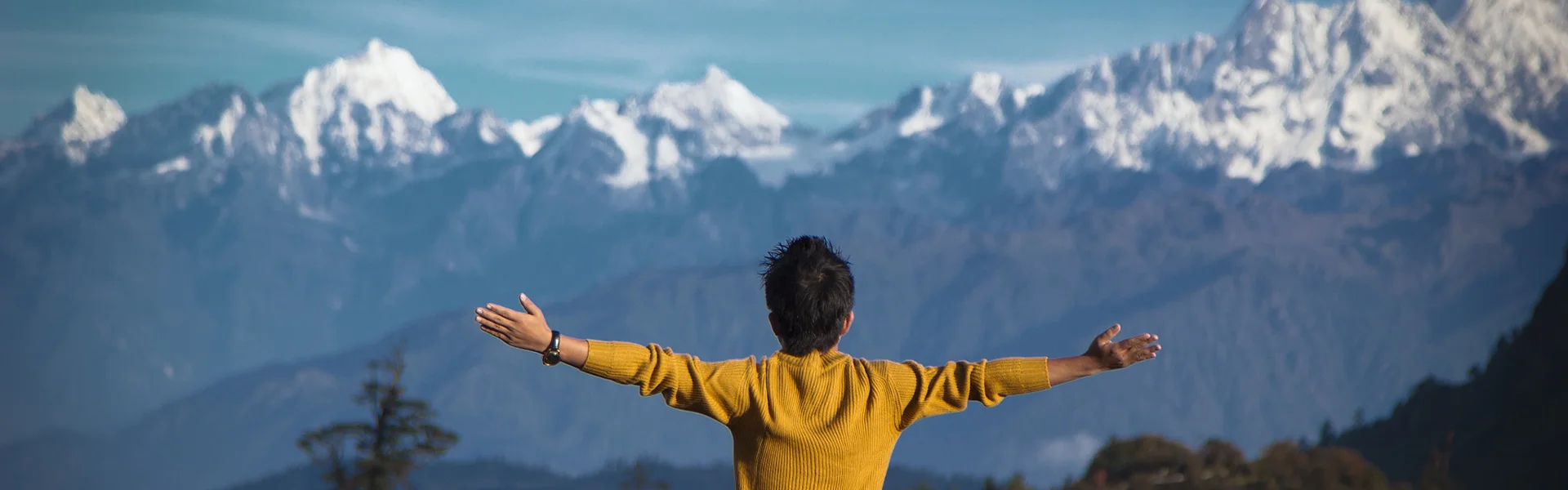

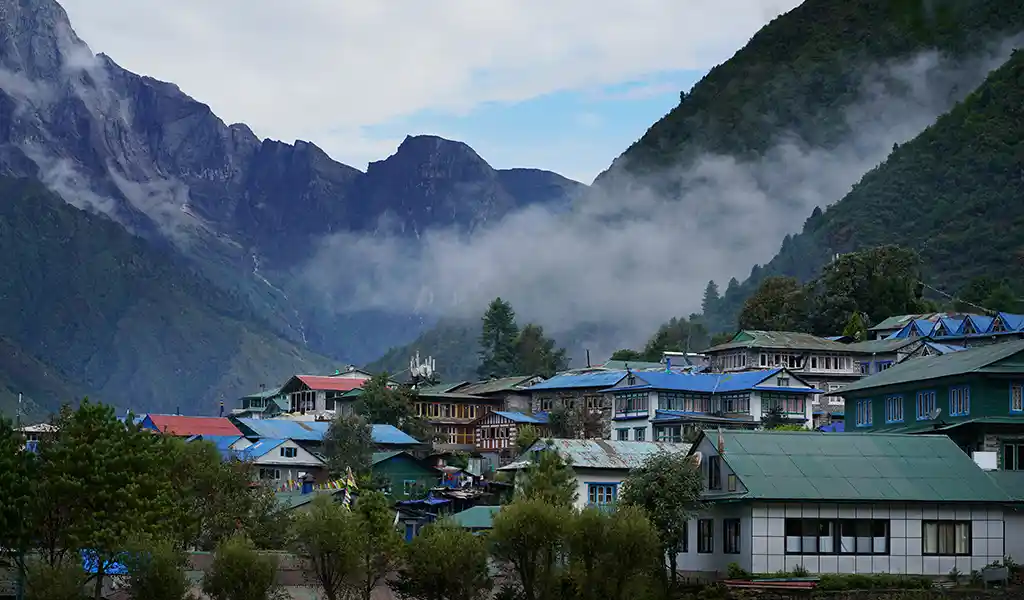
Lukla is a small village at the foot of the Himalayas. It is known as the gateway to Everest. It lies approximately 2,860 m above sea level in the Pasang Lhamu region of Solukhumbu. Almost all trekkers must pass through Lukla to reach the Everest Base Camp trek. Its airport, Lukla Airport or Tenzing-Hillary Airport, is widely regarded as one of the most dangerous airports in the world. Despite the name, Lukla Airport remains the main gateway to Everest. Almost all supplies, gear, and visitors come through the airport. When the weather is clear, flights occur nearly daily. Lukla is where travelers take the first steps towards Everest.
Flights to Lukla
Ramechhap (Manthali) Airport
Before 2023, the Lukla flight used to depart from Kathmandu’s airport. Later, in the same year, flights started departing from Ramechhap. The airport change has resulted in less air traffic and delays in Kathmandu. Now, all of Lukla’s departures occur from Ramechhap or Manthali Airport. It is an ideal departure point due to its low altitude. This hot, small village lies on the plains of Ramechhap at around 474m above sea level. Sometimes, helicopters are chartered directly from Kathmandu to Lukla at a high rate, at around $500-$600 as of 2024, for one way.
Getting to Manthali Airport
Since Ramechhap is also a mountainous terrain, it is hard to reach the airport. You have to catch a bus from Kathmandu to Manthali. The roads have beautiful views but are bumpy. It takes at least 4- 5 hours to reach the airport from Kathmandu. This rough estimation depends on the road conditions and traffic.
To catch a flight from Ramechhap, you must travel there from Kathmandu by road. The drive is scenic but long. Most tour groups and drivers leave Kathmandu around 3:00–4:00 AM to reach Ramechhap by early morning. Some local buses or jeeps also run before dawn. If you must avoid an overnight stay at Ramechhap, tourist buses leave Kathmandu at about 2:00 AM daily during peak season. Because the winding mountain road can be narrow and bumpy, allow extra time. Plan to arrive at least an hour before your flight’s departure to clear check-in and security.
Airlines and Tickets
Tara Air, Summit Air, and Sita Air are the leading airlines operating the short Lukla route. Turboprop planes like Twin Otters and Dornier 228s can handle short and high-altitude runways, making them the most common airplanes for the route. These flights operate with schedules that change each season. The morning schedule starts around 6:00-7:00 AM and ends by 12:00-1:00 PM. The service then stops for the day.
Many trekkers reserve flights to Lukla through their travel agency. The flight spots fill up quickly, so it is wise to book in advance. You can also book it yourself via the airline’s site. Each airline has its cancellation policy. Confirm your booking a couple of days prior so your flight goes smoothly.
Baggage Allowance
Airlines don’t allow more than 15 kg of baggage per person. The planes are small and can’t handle much weight. You are allowed 10kg of checked baggage and 5kg of carry-on luggage free of charge. Ensure the 15kg weight limit holds your trekking gear as well. Even a few kg heavier bags will cost you an extra fee of around $1 per kg. Some airlines strictly check baggage limits, and porters may weigh your bags. Additional luggage can be paid for or shipped separately.
Ticketing Advice
Morning flights don’t get cancelled often. Mountain weather changes by midday, so book your flight for early morning when the sky is clear. Upon your request, some operators reserve a “priority” seat on early flights. Since the flights get filled fast, book after confirming the trekking date. You can book a round trip in advance, which is cheaper and more flexible.
Lukla is a small village at the foot of the Himalayas. It is known as the gateway to Everest. It…
 8 Days
 Easy
Easy
Lukla Airport Experience
Weather Risks and Flight Delays
The Lukla airport is famous as one of the most dangerous airstrips in the world. Its runway is only about 527m long and slopes uphill. Pilots and airlines take extra precautions while taking off as the runway drops steeply into the valley.
Flights are usually scheduled in the morning as the weather is calmer. Shifting southwest winds can create risky crosswinds or tailwinds by late morning. Fogs and clouds move quickly in Lukla, which causes visibility to drop and winds to pick up. It ultimately results in postponed or cancelled flights.
Tickets are typically only valid for a day, so you must try again the next day if the flights get cancelled. Many trekking agencies recommend adding 1 or 2 buffer days to the trip for flight delays.
Airport Facilities
Lukla airport has basic facilities. The small terminal includes a check-in desk, benches, and basic restrooms. Passengers can walk directly onto the tarmac, and there are no departure gates. Police or army personnel act as the security of the airport. A few stalls sell tea, coffee, and water at high prices. The place operates from 6:00 AM till around 3:00 PM with flights running only during daylight. Flights get shut down after midday due to winds and low visibility.
Passengers can wait in a small terminal or under a shade if the flights get delayed or canceled. A loudspeaker makes the flight announcements, but schedules can change quickly.
Overview of Lukla Town
Accommodation and Food
Lukla village offers many lodges and teahouses. Many trekkers head out of Lukla on the afternoon after landing, but there are options for overnight stays. The rooms are basic with one or two beds in a wooden room. Choosing a place with heating for cold nights is better. The prices range from $5-$10 per bed in peak season. Book through an agency or arrive early if you want a specific lodge.
Meal options include a Nepali and Western cuisine mix like dal bhat, noodles, momo, pasta, soup, and eggs. Fresh vegetables are rare, and prices are higher than in Kathmandu. A typical meal costs about $5-$8 or even more. Most trekkers choose dal bhat as a filling meal.
You can bring snacks like chocolate, nuts, or protein bars. Lodges sell soda and beer in the afternoon. Electricity is solar-powered, so charging ports are limited. WIFI is slow and unreliable.
Everest Region Permits
You need two mandatory permits to trek in the Everest Region.
- Sagarmatha National Park
- Khumbu Pasang Rural Municipality Permit.
The Sagarmatha National Park permit costs around $24 or NPR 3,000 for foreign nationals. Khumbu Rural Municipality Permit costs about $16 or NPR 2,000. You need a passport to get these permits. You can get these permits in Kathmandu at the Nepal Tourism Board or in Lukla. Both licenses are issued before the trek begins.
Arrange permits through a trekking agency or get them in Kathmandu to avoid delays. Have your passport photos and cash ready for the permit purchase. Children under 10 of any nationality are exempt from fees.
Everest Base Camp Trek with Helicopter Return
Lukla is a small village at the foot of the Himalayas. It is known as the gateway to Everest. It…
9 Days
Moderate
Gear Rentals and Shops
If you forgot something, you can find basic gear in Lukla’s mall shops and rental outlets. Standard rentals include sleeping bags, down jackets, insulated pants, trekking poles, and crampons. They cost around $1-$2 per day per item.
Use rentals only as backups since the quality is not guaranteed. Some souvenir shops in Lukla sell maps, postcards, T-shirts, and simple outdoor items.
Cards are not usually accepted, so carry cash for the trek. You should also buy your necessities from the city before the trek.
Acclimatizing in Lukla
Lukla sits at 2,860m above sea level. Going to Lukla from Kathmandu (1,400m) means transitioning significantly in altitude. You may get breathless or suffer a mild headache. Hydrate well, move slowly, and avoid alcohol so you won’t fall victim to severe altitude sickness.
Some trekkers stay overnight in Lukla, while others head towards Phakding. If you start the trek the same day, stroll and rest often. If you are not starting the trek on the same day, acclimate well. Chewing ginger, using hiking poles, and pacing yourself can help. Listen to your body, rest, and stay hydrated.
Challenges and Considerations
Weather Delays and Seasonality
Lukla has extremely unpredictable weather. Morning fog and afternoon winds are common even in clear seasons. Flights get delayed until the weather is ideal. Sometimes flights resume in a few hours, but occasionally the entire airport can close for the day. If the flight is canceled, you will stay one or more nights in Ramechhap or Kathmandu. A flexible schedule is essential.
Seasonal Note: The best trekking seasons are spring and autumn. Mornings are mostly clear and stable, but delays can still happen. Winter has cold and foggy mountains with low visibility. Monsoons have the highest flight cancellation rate as heavy rain and clouds cover the sky. Many agencies completely avoid scheduling flights during the monsoon. Trekkers opt for alternatives like a helicopter to Namche Bazaar or a lower-altitude trek. Check local weather forecasts before the trek.
Altitude and Health
The altitude increases gradually as the trek progresses. It makes altitude sickness common. Check for the early symptoms of altitude sickness, like headache, nausea, or fatigue. Take rest days, avoid overexertion, drink plenty of water, and eat regular meals to adjust your body. Inform your guide if your symptoms become severe. Starting the trek from Lukla allows gradual acclimatization, but prevention is the key since medical services are limited.
Cost Considerations
Travel and daily costs around Lukla are relatively high. A one-way flight from Kathmandu or Ramechhap to Lukla typically costs $150–$200 per person. Helicopter rescue prices can be $500–$600 or more. Prices increase with altitude. Carry enough Nepali rupees, as there are no ATMs in Lukla. Be sure to budget extra for unexpected costs like delays, additional nights, or porter tips.
The permit fees are not costly and directly help the local economy. You directly support the Sherpa economy through lodging, guiding, and porter services. Lukla and the first few days of the trek may be among the most expensive.
Sustainable Tourism
The environment of the Everest region, including Lukla, is fragile, and irresponsible trekking impacts the area. You should minimize your waste while trekking. Don’t litter or leave behind plastics.
Carry your waste in a bag to throw in waste collections. You can burn some waste locally, so check your options. Use a reusable water bottle and purify your water instead of buying bottled water.
Respect the local culture and help the local economy. Stay in lodges and buy snacks and meals from local shops to help the village economy. You can donate your extra gear or clothes to a local school instead of throwing them away. Follow the mark trails and travel with care.
Frequently Asked Questions
Is it safe to fly to Lukla?
Yes, flying to Lukla is mostly safe. The Everest region’s air travel has improved significantly. Flights only operate if the weather is ideal, making it even safer. Every year, almost 10,000 flights operate during the peak season. The crash rate is around 0.01% or even lower than the number of successful flights. Mountains surround the airport with a short runway, so airlines are cautious and only land when conditions are right. Choose a reputable airline, book the earliest flight, and follow the crew’s advice for safety.
What if my Lukla flight gets canceled?
The airline will usually rebook you to the next available flight if yours gets cancelled. It can be the same or the next day. It is good to stay flexible and add buffer days for these delayed flights. You may fly via helicopter if you must get to Kathmandu on the same day. It is expensive but allows you to reach your destination faster.
Can I trek to Lukla instead of flying?
There are no roads leading to Lukla. You can take traditional roads from Jiri or Phaplu, but they will take extra days and require more planning. However, they don’t lead directly to Lukla. Almost all trekkers choose to fly to Lukla because of the time and effort needed otherwise.
What gear do I need for Lukla and beyond?
Pack light but enough for the cold. You need sturdy trekking boots, a warm down jacket, a fleece, and a rain shell. And a 4-season sleeping bag. Bring gloves, a warm hat, thermal layers, a water purification method, and a small medical kit. You can rent or buy gear in Lukla or Kathmandu, but bringing your own for safety and hygiene is better. Keep your total gear within 15kg and pack only what you need.
Where do I get permits?
You can get the permits in Kathmandu or directly in Lukla. Your trekking agency will handle your licenses if you travel with them. You can get them yourself from the Nepal Tourism Board office in Kathmandu or at the permit counter in Lukla. Bring enough cash and passport photos for the permits. Getting permits in Kathmandu is faster, as the Lukla office gets crowded sometimes.
Are there alternatives, like a helicopter, to Lukla?
Yes, helicopters are available. You can fly to Lukla or Namche Bazaar in most weather, except when there is heavy fog or wind. A helicopter from Kathmandu takes about an hour and is faster than driving to Ramechhap, then taking a plane. However, it is expensive and mainly used for emergencies or last-minute changes.
Should I hire a guide or porter?
Hiring a porter or guide is highly recommended. Guides offer local knowledge and ensure your safety. They help with pace and acclimatization as well. Porters carry most of your baggage and make the trek much more comfortable.
Conclusion: Lukla’s Key Role and Final Advice
Lukla is a gateway to Everest. It is the starting point of your Everest region trek. This small village offers stunning views with extreme challenges of remote travel. You should book flights early, keep your gear within the weight limit, and be flexible with your schedule to handle the delays. Acclimatize and listen to your body so you can avoid altitude sickness.
Lukla is your meeting point for you and your guides/porters. If flights get delayed, this is also the place where you will rest for extra days while waiting for the flight to resume. It is helpful to know what to expect from Lukla. The altitude, weather, facilities, and culture make your trek better. Pack smart, plan, and enjoy the adventure. Safe travels and happy trekking.