


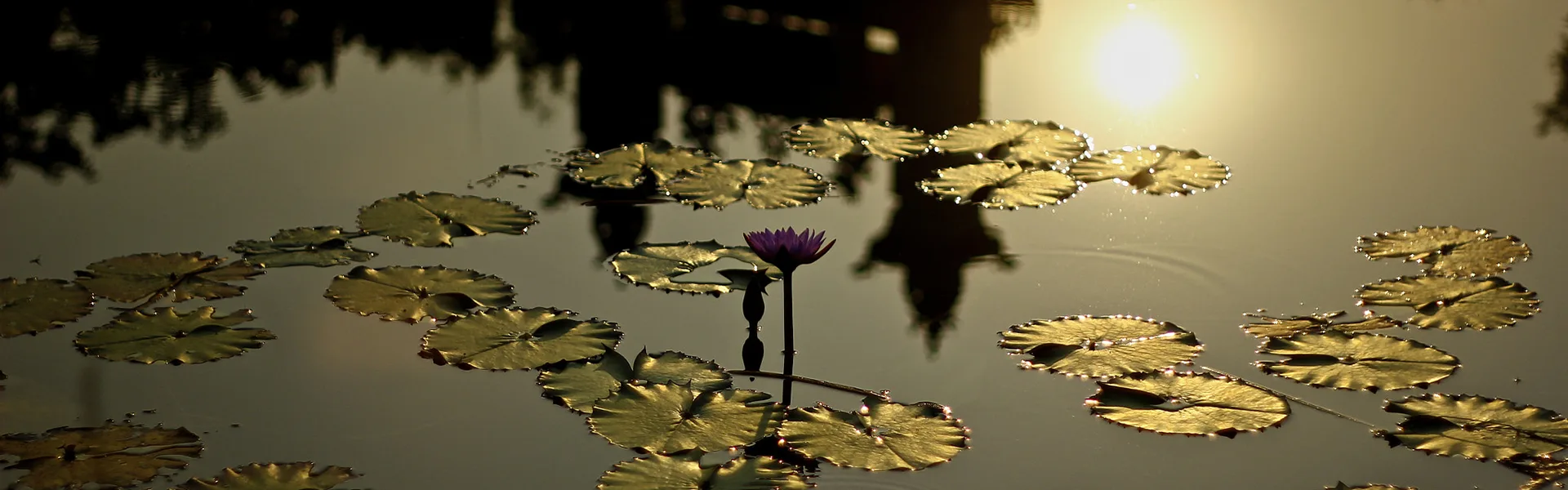

Use this Lumbini travel guide to plan a visit to one of the most sacred destinations in the world. Lumbini holds the birthplace of Siddhartha Gautama — the person who became the Buddha — and draws pilgrims, historians, and curious travelers from across the globe. The site offers far more than a single shrine.
The Sacred Garden, the monastic zone with temples from more than two dozen countries, archaeological ruins, and nearby Buddhist heritage sites all combine to make Lumbini a destination worth real time and genuine preparation. Read through this guide before you travel. It covers what to see, where to go, how long to stay, how to get around, and what to keep in mind on your visit.
Spiritual Snapshot: What Should You Know Before Visiting Lumbini?
- Lumbini marks the exact birthplace of Siddhartha Gautama, the historical Buddha
- Maya Devi Temple and the Sacred Garden form the spiritual core of the site
- The Monastic Zone holds temples and monasteries built by Buddhist communities from around the world
- Most travelers need 1 to 2 days to experience Lumbini properly
- Tilaurakot and other nearby Buddhist heritage sites add strong historical depth
- Early morning and late afternoon offer the most comfortable visiting conditions
- Modest clothing and respectful behavior apply throughout the entire sacred area
Why Lumbini Is Worth Visiting?
Lumbini stands among the four most important Buddhist pilgrimage sites in the world. For Buddhist travelers, a visit here carries deep personal meaning. For non-Buddhist travelers, the site delivers extraordinary cultural depth and a rare atmosphere of shared global reverence. The destination rewards both quick visits and slow explorations. A single afternoon covers the sacred core. Two full days open up the monastery zone, the museum, and nearby heritage extensions.
Lumbini suits solo travelers, families, couples, history lovers, and anyone interested in world heritage. Few places in Nepal combine this level of archaeological significance, international architectural variety, and genuine stillness. Lumbini delivers all three without requiring any trekking or physical difficulty.
Where Is Lumbini and Why Is It Important?
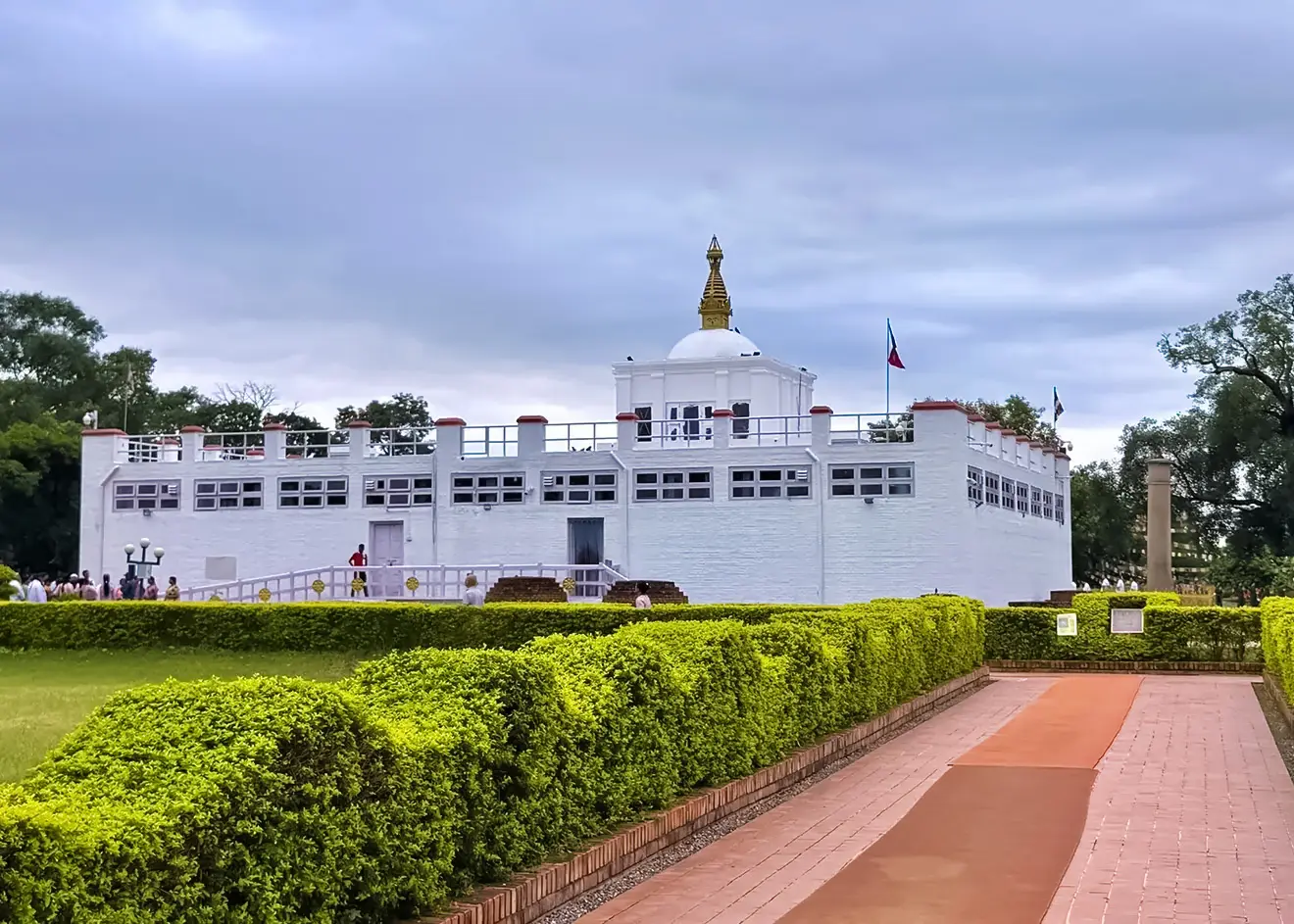
Lumbini sits in Nepal’s southern plains, in Rupandehi District, close to the border with India. The nearest city is Bhairahawa, about 22 km away. Gautam Buddha International Airport serves the area with flights from Kathmandu. UNESCO recognized Lumbini as a World Heritage Site in 1997. The site holds the Marker Stone — the archaeological proof of the exact location where Queen Maya Devi gave birth to Siddhartha Gautama.
The Ashoka Pillar, erected by the Indian Emperor Ashoka in 249 BCE, confirms the site’s historical authenticity. Beyond religion and archaeology, Lumbini holds significance for peace tourism and world heritage travel. Visitors from Buddhist-majority nations across Asia treat a trip to Lumbini as a once-in-a-lifetime experience. Secular travelers find the architecture of the monastic zone among the most visually diverse of any UNESCO site in Asia.
Quick Facts About Lumbini
| Detail | Information |
|---|---|
| Location | Rupandehi District, Lumbini Province, southern Nepal |
| UNESCO Status | World Heritage Site since 1997 |
| Main Attraction | Maya Devi Temple — birthplace of Siddhartha Gautama |
| Best Months | October to March |
| Suggested Stay | 1 to 2 days (2 to 3 for the full Buddhist circuit) |
| Nearest Airport | Gautam Buddha International Airport, Bhairahawa |
| Best Way to Explore | Bicycle or electric rickshaw within the site |
| Ideal Visiting Hours | Sunrise to mid-morning, or late afternoon |
| Entry Fee | Small site entry fee — verify current rate before visiting |
Best Places to Visit in Lumbini
1. Maya Devi Temple
Maya Devi Temple marks the spiritual heart of Lumbini. Inside the temple, the Marker Stone pinpoints the exact spot where Queen Maya Devi gave birth. Ancient archaeological remains surround the stone. Visitors remove shoes before entering and observe silence inside. Photography rules apply inside the temple — check current guidelines on arrival.
Best for: All visitors. Time needed: 45 to 60 minutes. Tip: Go at opening time to find the site calm and uncrowded.
2. Sacred Garden
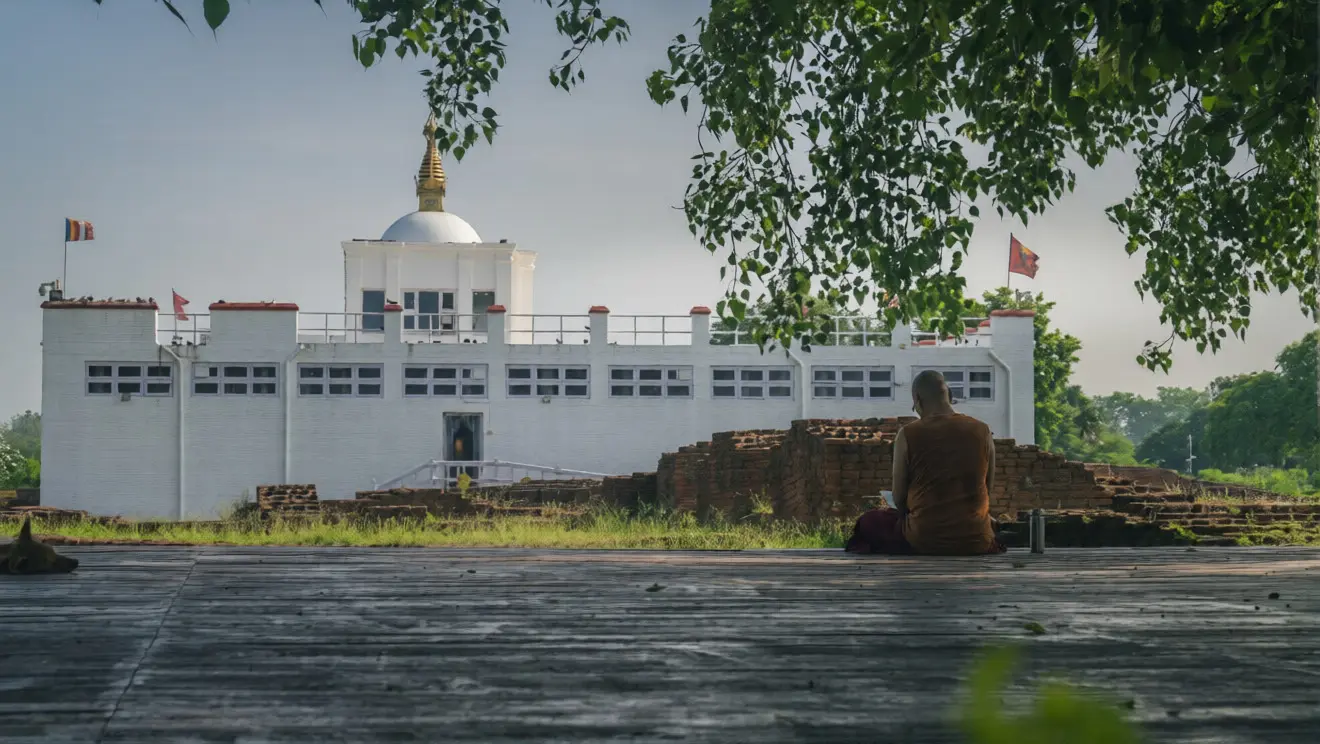
The Sacred Garden surrounds the Maya Devi Temple and encompasses the site’s original sacred core. Ancient tree stumps, pond reflections, and open lawns create a deeply peaceful atmosphere.
Walk slowly through the garden rather than rushing toward the next stop.
Best for: All visitors, especially those seeking reflection. Time needed: 30 to 60 minutes. Tip: Early morning light makes the garden especially beautiful for photographs.
3. Puskarini Pond
Puskarini Pond sits inside the Sacred Garden. Queen Maya Devi bathed here before giving birth. The pond holds deep symbolic value and creates a still, reflective setting within the core zone.
Best for: Pilgrims and couples. Time needed: 15 to 20 minutes. Tip: View the pond from the eastern pathway for the best morning light.
4. Ashoka Pillar
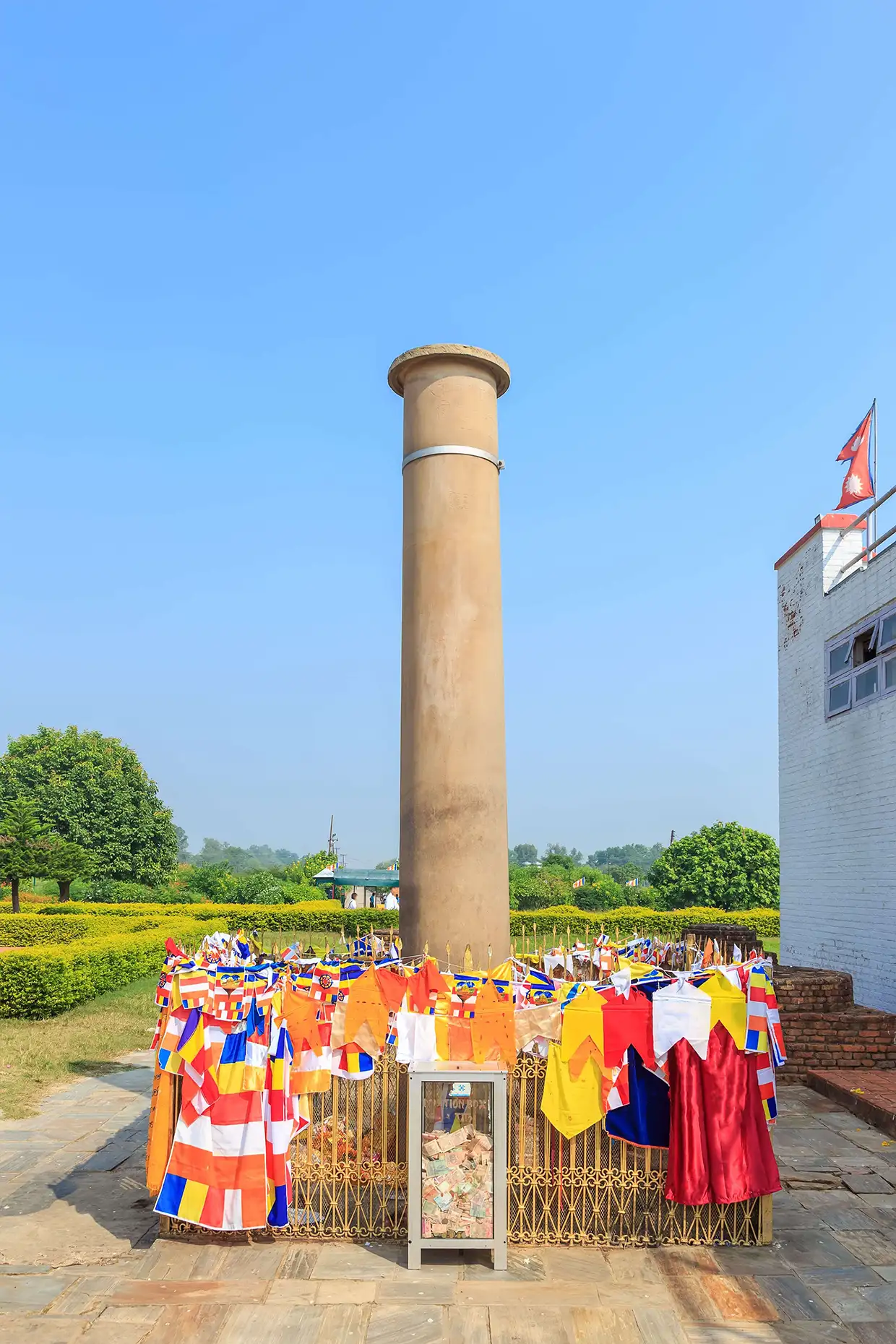
Emperor Ashoka erected the Ashoka Pillar in 249 BCE after his visit to Lumbini. The pillar bears an inscription confirming the site as the birthplace of the Buddha. It stands as one of the most important archaeological markers in South Asian history.
Best for: History travelers and all pilgrims. Time needed: 15 to 20 minutes. Tip: Read the inscription information nearby before looking at the pillar — the context strengthens the experience.
5. Monastic Zone
The Monastic Zone stretches across a large planned area north of the Sacred Garden. It holds more than two dozen active monasteries built by Buddhist communities from Thailand, Myanmar, China, Germany, Korea, Sri Lanka, Japan, and many other countries. The East Monastic Zone follows Theravada traditions. The West Monastic Zone holds Mahayana and Vajrayana temples. Both zones deserve real time.
Best for: All visitors. Time needed: 2 to 4 hours. Tip: Rent a bicycle or an electric rickshaw at the site entrance — the zone covers a lot of ground on foot.
6. Eternal Peace Flame
The Eternal Peace Flame burns at the center of the site near the main canal. The flame symbolizes the global aspiration for peace and burns continuously. It adds a short but meaningful stop to any walking or rickshaw route.
Best for: All visitors. Time needed: 10 to 15 minutes. Tip: Combine with the World Peace Pagoda on the same route for an efficient circuit.
7. World Peace Pagoda
The World Peace Pagoda stands on the northern edge of the Lumbini zone. The white stupa rises against the open sky, providing the site with a wide, peaceful visual anchor. The open ground around it creates space for quiet sitting.
Best for: Spiritual and scenic travelers. Time needed: 30 to 45 minutes. Best time: Late afternoon or sunset. Tip: Sit at the base for 10 minutes without any agenda — the pagoda rewards a slow approach.
8. Lumbini Museum
Lumbini Museum, located within the heritage zone, highlights the region’s cultural and historical significance through exhibits, maps, and archaeological findings. Visiting the museum before the Sacred Garden gives strong context.
Best for: Culture and history travelers. Time needed: 45 to 60 minutes. Tip: On rainy or very hot afternoons, the museum makes an excellent indoor stop.
9. Lumbini Crane Sanctuary
The Lumbini Crane Sanctuary lies on the edge of the heritage zone and protects a wetland habitat for sarus cranes and other birds. The sanctuary adds a quieter natural dimension to the site.
Best for: Nature travelers and birdwatchers. Time needed: 30 to 60 minutes. Best time: Early morning or late afternoon. Tip: Carry binoculars if birdwatching matters to you.
Best Monasteries to Visit in Lumbini
East Monastic Zone: Theravada Traditions
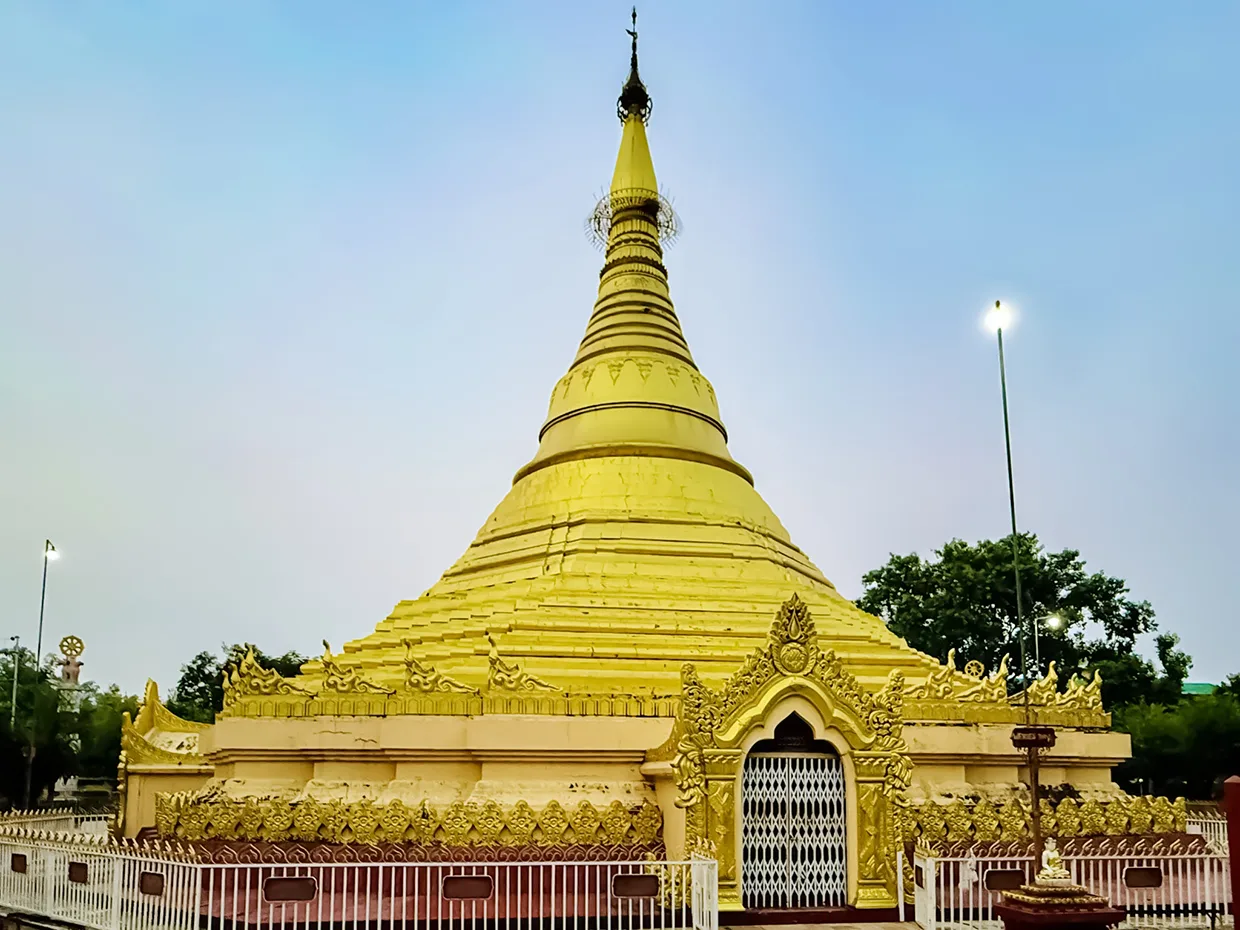
The East Monastic Zone holds monasteries from Thailand, Myanmar, and Sri Lanka. The Royal Thai Monastery dominates the zone with its golden roof, intricate carvings, and serene grounds. The Myanmar Golden Temple adds warmth and color. The Sri Lankan Monastery offers a calmer atmosphere with shaded gardens that suit quiet reflection. The East Zone feels visually distinct from the West — warmer in tone, richer in ornamental detail. Best for: Photographers, pilgrims, and first-time visitors.
West Monastic Zone: Mahayana and Vajrayana Traditions
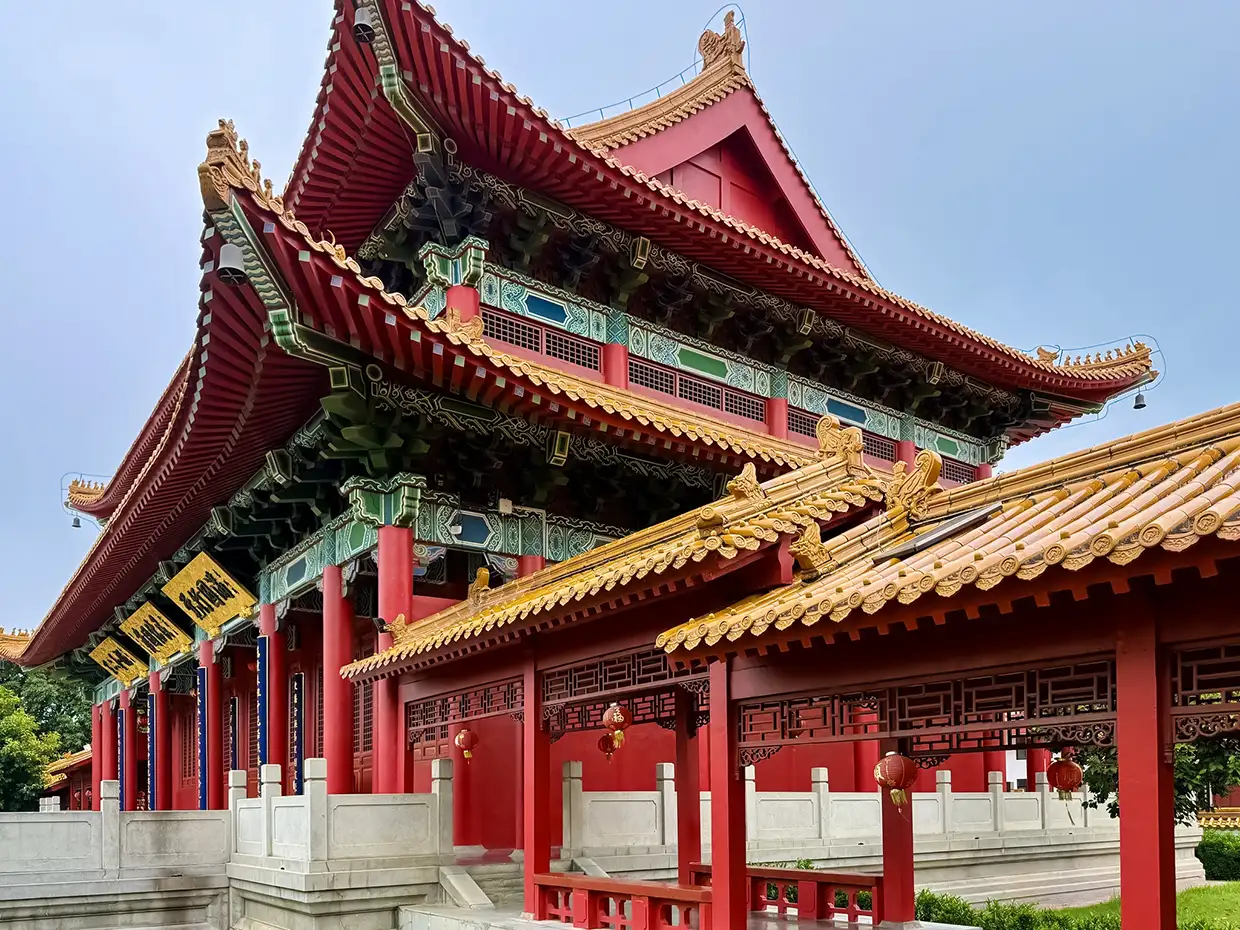
The West Monastic Zone holds monasteries from China, Germany, Korea, Japan, and France. The Chinese Monastery stands out for its bold red-and-gold design. The German Dhamma Center takes a minimal, modern approach. The Korean Monastery combines clean lines with traditional pagoda elements. Walking through the West Zone feels like visiting a condensed map of global Buddhist architecture. No two monasteries look alike. Best for: Architecture enthusiasts, culture travelers, and photographers seeking variety.
Which Monasteries Are Best for First-Time Visitors?
- Best for architecture: Royal Thai Monastery — East Zone
- Best for quiet meditation: Korean Monastery or Sri Lankan Monastery
- Best for photography: Royal Thai Monastery for detail, Chinese Monastery for bold color
- Best for short visits: Myanmar Golden Temple — compact, visually striking, easy to reach
- Best overall for first-time combination: Royal Thai, Myanmar Golden, and Chinese in one circuit
Use the table below to quickly compare both zones.
| Feature | East Monastic Zone | West Monastic Zone |
|---|---|---|
| Tradition Focus | Theravada Buddhism | Mahayana and Vajrayana Buddhism |
| Atmosphere | Warm, golden tones, ornate detail | Bold, varied architectural styles |
| Photography Value | High — Royal Thai and Myanmar temples stand out | High — Chinese and Korean design offer a strong contrast |
| Best for Short Visits | Royal Thai Monastery and Myanmar Golden Temple | Chinese Monastery and German Dhamma Center |
| Best for Meditation | Sri Lankan Monastery — calm and shaded grounds | Korean Monastery — quiet interior and garden |
Things to Do in Lumbini
- Walk through the Sacred Garden slowly — give each area time to breathe
- Sit in quiet reflection near the Maya Devi Temple after the main crowd leaves
- Explore the monasteries from different countries in both the east and west zones
- Rent a bicycle or electric rickshaw — the zone covers too much ground for comfortable walking alone
- Visit at sunrise or at least early morning for calm conditions and good light
- Observe meditation sessions in open monastery courtyards where welcomed
- Take a heritage side trip to Tilaurakot — the most rewarding nearby extension
- Spend time in the museum for the historical context that enriches all other site visits
- Walk the canal path between the zones — a calm connector route between stops
- Visit the Lumbini Crane Sanctuary for a peaceful natural break from monuments
Best Places Near Lumbini to Visit
Tilaurakot: The Most Important Nearby Heritage Excursion
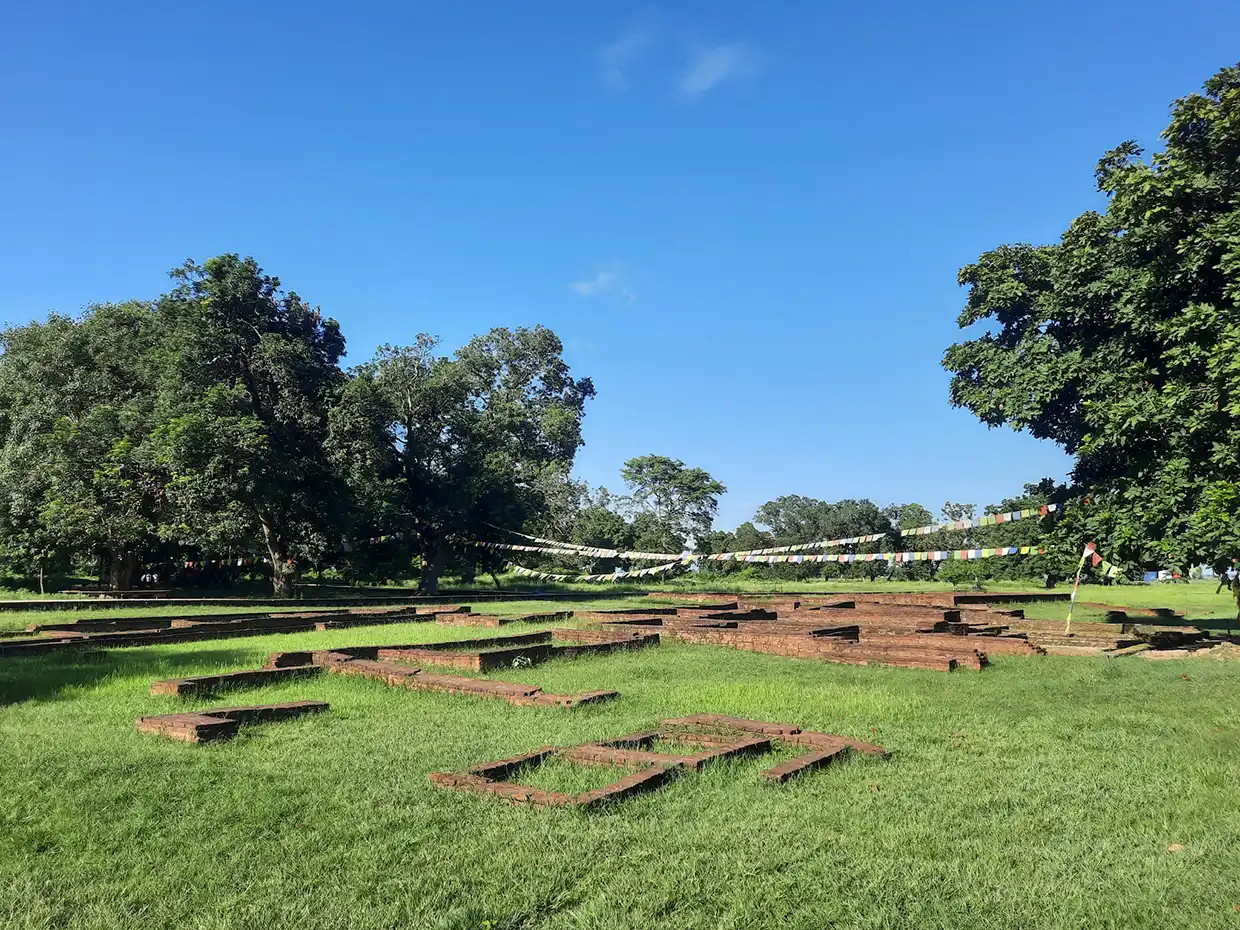
Tilaurakot, about 27 km west of Lumbini, houses the ruins of ancient Kapilavastu, the palace city where Prince Siddhartha grew up before embarking on his spiritual search. The site includes ancient city walls, gateways, and excavated ruins. Tilaurakot deserves at least half a day. The atmosphere remains quiet, with few crowds, making it well-suited for a reflective experience. Best for: Buddhist pilgrims and history travelers. Combine with a Lumbini 2-day itinerary rather than rushing it into a half-day Lumbini visit.
Kudan
Kudan sits near Tilaurakot and holds ruins linked to the Buddha’s return to Kapilavastu after his enlightenment. A stupa and archaeological excavations mark the site. Time needed: 30 to 45 minutes. Combine with Tilaurakot on the same day.
Gotihawa
Gotihawa holds a broken Ashoka Pillar and ruins connected to Kanakamuni Buddha, a predecessor of Siddhartha Gautama. The site adds depth to any Buddhist pilgrimage circuit. Time needed: 20 to 30 minutes.
Niglihawa
Niglihawa also holds another broken Ashoka Pillar associated with the Kashyapa Buddha. The site lies between Gotihawa and Tilaurakot. Time needed: 20 minutes. Combine with Gotihawa efficiently.
Devdaha
Devdaha marks the hometown of Queen Maya Devi, Siddhartha’s mother. The site holds religious significance for Buddhist pilgrims who trace the story of the Buddha’s family. Time needed: 30 to 45 minutes. Best for: Dedicated pilgrims completing the heritage circuit.
Ramagrama
Ramagrama holds one of the original eight stupas built over the Buddha’s relics after his death. Unlike most other reliquary stupas, Ramagrama remains unexcavated. The site carries rare authenticity. Time needed: 30 to 45 minutes. Best for: Buddhist pilgrims with two or more days in the region.
Lumbini Travel Guide by Travel Style
For First-Time Visitors
- Maya Devi Temple and the Marker Stone — start here
- Sacred Garden and Puskarini Pond
- Ashoka Pillar
- Royal Thai and Myanmar Golden Temple in the East Zone
- World Peace Pagoda in the afternoon
Prioritize: Maya Devi Temple. Skip if short on time: Museum and outer nearby sites.
For Buddhist Pilgrims
- Full sacred core — temple, garden, pond, pillar
- Complete monastery zone — both east and west
- Tilaurakot and Kudan day excursion
- Ramagrama and Gotihawa, if time permits
Pilgrims often spend 2 to 3 days completing the full circuit without rushing.
For Culture and History Travelers
- Maya Devi Temple and Ashoka Pillar with full context reading
- Lumbini Museum before or after the sacred core
- Tilaurakot excavations and Kapilavastu ruins
- Gotihawa and Niglihawa Ashoka Pillars
Two days let culture travelers see the site deeply without skipping archaeological details.
For Photographers
- Royal Thai Monastery at its opening time for its golden architecture
- Sacred Garden at sunrise for pond reflections
- Chinese Monastery for bold color contrast
- World Peace Pagoda in late afternoon light
- Crane Sanctuary for bird and wetland shots
Carry a wide lens for the monastery zone and a longer one for the crane sanctuary.
For Short-Stay Travelers
- Maya Devi Temple and Sacred Garden
- Ashoka Pillar
- Three to five monasteries from both zones by rickshaw
- Peace Flame on the way out
A focused half day covers these five stops. Start early and skip the museum until a second visit.
How Many Days Do You Need in Lumbini?
Lumbini in Half a Day
Half a day covers the sacred core well. Visit Maya Devi Temple, walk the Sacred Garden, view the Ashoka Pillar, and stop at one or two nearby monasteries. Leave by noon before the heat intensifies.
Lumbini in 1 Day
A full day gives time for the complete sacred core, a thorough monastery zone visit by bicycle or rickshaw, the Eternal Peace Flame, and either the museum or the World Peace Pagoda. Start at sunrise. Rest during peak afternoon heat. Return to the sacred garden in late afternoon for a quieter second visit.
Lumbini in 2 Days
Two days allow a full exploration of the monastery zone on day one and a Tilaurakot heritage excursion on day two. Include the Lumbini Museum and the Crane Sanctuary in the afternoon of day one. Two days suits most travelers who want a meaningful rather than rushed experience.
Lumbini in 3 Days
Three days open the full Buddhist heritage circuit. Add Gotihawa, Niglihawa, Kudan, Ramagrama, and Devdaha as dedicated stops. Buddhist pilgrims often prefer this pace to let each site settle properly.
How to Explore Lumbini Efficiently
Start at the Sacred Garden and Maya Devi Temple. The sacred core deserves the freshest part of your visit. Move to the monastery zone after the temple visit, ideally by bicycle or electric rickshaw. Avoid midday walking between June and September. The southern plains heat reaches uncomfortable levels between 11 AM and 3 PM. Plan any outdoor movement before 10 AM or after 4 PM during hot months.
Suggested Route Clusters
- Core sacred zone: Maya Devi Temple, Sacred Garden, Puskarini Pond, Ashoka Pillar
- Monastery route: East Zone by rickshaw, then West Zone
- Quiet extension: Eternal Peace Flame, Lumbini Museum, Crane Sanctuary
- Heritage extension: Tilaurakot, Kudan, Gotihawa on a separate day by private vehicle
A bicycle works well for the monastery zone on flat terrain. Electric rickshaws suit families, older visitors, or anyone who wants to cover the zone faster.
How to Reach Lumbini
By Air
Gautam Buddha International Airport in Bhairahawa handles flights from Kathmandu. The airport sits about 22 km from the Lumbini sacred area. The flight takes roughly 30 to 40 minutes and connects the two cities several times daily during peak travel periods. Flying suits time-conscious travelers and those combining Lumbini with Pokhara or Kathmandu on a tighter Nepal itinerary.
By Road from Kathmandu
The overland journey from Kathmandu to Lumbini takes 6 to 8 hours by private car or tourist bus, depending on road conditions and stops. The Prithvi and Siddhartha highways carry this route. Private car suits families and travelers who want comfort and flexible stops along the way. Tourist buses run from Kathmandu and cost significantly less.
By Road from Pokhara
The drive from Pokhara to Lumbini takes 4 to 5 hours by private vehicle or tourist bus via the Siddhartha Highway. Many Nepal tours naturally combine Pokhara and Lumbini, as the route connects to Kathmandu without backtracking.
From the Indian Border
Travelers crossing from India often enter through Sonauli, the main border crossing near Bhairahawa. Lumbini sits about 26 km from this crossing. Local transport connects the border town to Lumbini easily.
Where to Stay in Lumbini
Best Area to Stay
Staying near the main gate of the sacred area or along Lumbini Bazaar gives the best access for early morning visits. Most visitors who base themselves close to the entrance reach Maya Devi Temple before the heat builds. Some travelers choose accommodation inside the monastic zone itself. Several monasteries offer guesthouses or pilgrim rooms for those following a formal pilgrimage program. Ask the individual monastery in advance.
Budget, Mid-Range, and Peaceful Stay Options
Budget stays cluster around Lumbini Bazaar and along the main road toward the site entrance. Simple guesthouses and pilgrim resthouses serve travelers on a tight budget.
Mid-range hotels offer cleaner rooms, air conditioning, and breakfast. Several well-maintained options sit within 2 to 5 km of the sacred area. Peaceful resort-style stays feature gardens, pools, and quieter surroundings for travelers seeking comfort after a full day of sightseeing.
Can You Stay Inside the Sacred Area?
Some monasteries within the sacred zone offer simple accommodation to pilgrims and guests. Availability and rules vary by monastery. Contact the specific monastery before your visit to confirm terms, availability, and expected conduct standards.
Best Time to Visit Lumbini
- Autumn — October to November: Comfortable temperatures, clear skies, manageable crowds
- Winter — December to February: Cool and dry, ideal walking weather, peaceful site atmosphere
- Spring — March to May: Meaningful pilgrimage timing, rising temperatures, Buddha Jayanti celebrations
- Hot season — June: Very hot, best to limit midday outdoor movement
- Monsoon — July to September: Humid and rainy, with some flooding risk in the plains area
Autumn and winter offer the most comfortable conditions for walking the large open site. Early morning visits reward travelers in every season — the light, the quiet, and the cooler air all improve from a pre-dawn arrival.
Travel Health, Safety, and Etiquette in Lumbini
Heat Management
Lumbini sits in the Terai plains. Summer temperatures reach 35 to 40°C. Plan outdoor visits before 10 AM and after 4 PM. Carry water and rest in shaded areas or monastery interiors during the hottest hours.
Dress Code
Dress modestly throughout the entire sacred area. Cover shoulders and knees. Loose, light clothing suits both the climate and the religious context.
Shoe Removal
Remove shoes before entering Maya Devi Temple and most monastery interiors. Wear socks or footwear that slips on and off easily. Many paths remain paved, so sockless walking stays comfortable.
Photography Etiquette
Photography rules differ between sites. Check signage before photographing inside temples or monastery interiors. Always ask before photographing monks, nuns, or worshippers.
Silence and Respectful Behavior
Keep voice levels low inside the sacred core. Avoid phone calls inside temple buildings. Sit quietly if others are meditating nearby. The site attracts genuine pilgrims — their experience deserves respect.
Water Safety
Drink bottled or properly filtered water throughout your visit. Avoid untreated water at small local stalls. Most hotels provide filtered drinking water.
Unofficial Donations
Decline pressure from unofficial guides or individuals who ask for donations outside established collection points. Donate only through official temple and monastery channels.
Pilgrim’s Checklist for Lumbini
- Modest clothing — covered shoulders and knees throughout
- Easy slip-on footwear or socks for frequent shoe removal
- Water bottle — refill wherever clean water stations allow
- Hat, umbrella, or sun protection for open outdoor sections
- Small cash for entry, bicycle hire, and rickshaw fare
- Respectful and quiet behavior in sacred zones
- Enough time — avoid rushing through the monastic zone
- Verified current entry fees and opening hours before arrival
- Camera with extra battery or power bank for the long monastery circuit
- Light snacks if you plan to explore for a full day
Lumbini Travel Guide at a Glance
| Place | Category | Best For | Time Needed | Quick Note |
|---|---|---|---|---|
| Maya Devi Temple | Sacred site | All visitors | 45–60 min | Heart of the pilgrimage |
| Sacred Garden | Heritage zone | All visitors | 30–60 min | Walk and reflect |
| Ashoka Pillar | Historical | History travelers | 15–20 min | Proof of the birthplace |
| Puskarini Pond | Sacred water | Pilgrims, couples | 15–20 min | Ritual bathing site |
| Monastic Zone | Monastery area | All travelers | 2–4 hours | Dozens of world monasteries |
| Eternal Peace Flame | Symbolic site | All visitors | 10–15 min | Easy inclusion on any route |
| World Peace Pagoda | Pagoda | Spiritual, scenic | 30–45 min | Peaceful open setting |
| Lumbini Museum | Museum | History travelers | 45–60 min | Cultural context for the site |
| Tilaurakot | Heritage site | Pilgrims, history | Half day | Best nearby extension |
Best Lumbini Sites by Traveler Type
| Traveler Type | Best Places | Why They Fit |
|---|---|---|
| First-time visitors | Maya Devi Temple, Sacred Garden, Ashoka Pillar, Peace Pagoda, key monasteries | Covers the core experience efficiently |
| Buddhist pilgrims | Sacred core, full monastery zone, Tilaurakot, Ramagrama | Deepens the pilgrimage circuit |
| Culture and history | Maya Devi Temple, Ashoka Pillar, Museum, Tilaurakot, Gotihawa | Strong historical and archaeological value |
| Photographers | Monastery zone, Royal Thai, Sacred core at dawn, Peace Pagoda | Architecture and soft light at key hours |
| Short-stay travelers | Maya Devi, Sacred Garden, 3–5 monasteries, Peace Flame | Maximum value in minimum time |
| Families | Sacred Garden walk, museum, monastery zone cycling | Open space, easy terrain, educational |
Lumbini Sightseeing by Trip Length
| Trip Length | Best Places | Ideal Pace | Best Add-On |
|---|---|---|---|
| Half Day | Maya Devi Temple, Sacred Garden, Ashoka Pillar, one monastery stop | Fast-paced, focused | Peace Flame |
| 1 Day | Full sacred core, selected monasteries, Peace Flame, museum, or pagoda | Balanced day | Museum visit |
| 2 Days | All above + full monastery zone + Tilaurakot | Relaxed and thorough | Crane Sanctuary |
| 3 Days | Full circuit — Kudan, Gotihawa, Ramagrama, Niglihawa, Devdaha | Deep pilgrimage pace | Devdaha or Ramagrama |
Suggested Lumbini Itineraries
Lumbini in Half a Day
Morning: Arrive at the site entrance by 7 AM. Walk to Maya Devi Temple and Sacred Garden. Visit Puskarini Pond and view the Ashoka Pillar. Take an electric rickshaw to the Royal Thai and Myanmar Golden Temple. Stop at the Eternal Peace Flame on the return. Leave by noon.
Lumbini in 1 Day
Early morning: Sacred Garden and Maya Devi Temple. Mid-morning: Monastery zone by bicycle — East then West. Afternoon rest during peak heat. Late afternoon: World Peace Pagoda and Lumbini Museum. Evening: Return to the hotel near the main gate.
Lumbini in 2 Days with Tilaurakot
- Day 1: Full Lumbini site — sacred core, monastery zone, museum, Peace Flame.
- Day 2: Private vehicle to Tilaurakot in the morning. Visit Kudan and Gotihawa on the return. Afternoon: Crane Sanctuary or a slower monastery revisit.
Pilgrimage-Focused Plan — 3 Days
- Day 1: Sacred core at dawn; thoroughly explore the monastery zone.
- Day 2: Tilaurakot, Kudan, Niglihawa, Gotihawa.
- Day 3: Ramagrama and Devdaha. Return to Lumbini for a final morning at Maya Devi Temple before departure.
Peaceful Cultural Visit
- Day 1: Sacred Garden slowly, 2-3 monasteries, and a museum.
- Day 2: East Zone monasteries in the morning. West Zone after rest. Crane Sanctuary in the late afternoon. No rushing.
Frequently Asked Questions
Q: What is Lumbini famous for?
A: Lumbini marks the birthplace of Siddhartha Gautama, the historical Buddha. It holds Maya Devi Temple, the Marker Stone, the Ashoka Pillar, and one of the most architecturally diverse monastic zones in the world. UNESCO declared it a World Heritage Site in 1997.
Q: Is Lumbini worth visiting if I am not Buddhist?
A: Yes. Lumbini offers extraordinary cultural and architectural value for travelers interested in world heritage, peaceful travel, global religious traditions, or South Asian history. The monastic zone alone — with temples from Thailand, Germany, China, Korea, and Sri Lanka — offers a complete reward to secular visitors.
Q: How many days do you need in Lumbini?
A: One day covers the sacred core and selected monasteries. Two days add the full monastery zone and a Tilaurakot excursion. Three days suit pilgrims completing the full Buddhist heritage circuit around the region.
Q: What are the best places to visit in Lumbini?
A: The Maya Devi Temple, Sacred Garden, Ashoka Pillar, Puskarini Pond, and the full Monastic Zone rank as the top places. Among nearby sites, Tilaurakot delivers the strongest historical extension.
Q: Can I visit Lumbini in one day?
A: Yes. A full day, starting at sunrise, covers the sacred core and a thorough visit to the monastery zone by bicycle or rickshaw. Skip the museum on a 1-day visit and focus on the open-air sites.
Q: Which monasteries should I visit in Lumbini?
A: The Royal Thai Monastery and the Myanmar Golden Temple stand out in the East Zone. The Chinese Monastery and Korean Monastery offer a strong contrast in the West Zone. Visit at least three or four from both sides for a meaningful comparison.
Q: What places near Lumbini are worth visiting?
A: Tilaurakot deserves the most attention as the strongest nearby extension. Kudan, Gotihawa, Niglihawa, Devdaha, and Ramagrama all add genuine pilgrimage and archaeological depth for travelers with more than one day.
Q: How do you get around Lumbini?
A: Bicycles and electric rickshaws work best within the heritage zone. The monastic area covers significant ground — walking the full circuit takes far longer than most visitors expect. Hire a bicycle or rickshaw at the site entrance.
Q: What is the best time to visit Lumbini?
A: October through February offers the most comfortable conditions. Autumn gives dry, clear weather. Winter stays cool and peaceful. Spring suits the timing of the pilgrimage, especially around Buddha Jayanti. Avoid peak summer heat for outdoor-heavy itineraries.
Q: Can I stay inside the Lumbini sacred area?
A: Some monasteries inside the zone accept pilgrims and guests. Availability varies by monastery. Contact the specific monastery directly before travel to confirm availability, discuss expectations, and the booking process.
Q: What should I wear in Lumbini?
A: Wear modest clothing that covers shoulders and knees. Light, loose fabrics suit the climate. Bring slip-on footwear, as shoes must be removed at the temple and in most monastery interiors.
Q: Is Lumbini suitable for solo travelers and families?
A: Yes. Solo travelers find Lumbini safe, well-organized, and easy to navigate independently. Families appreciate the flat terrain, open gardens, and educational value. Electric rickshaws make the site accessible to people of all ages and fitness levels.
Final Thoughts
Lumbini offers more than most travelers expect from a single sacred site. The Maya Devi Temple, the Sacred Garden, the Ashoka Pillar, and the monastery zone each carry their own weight. Together they form one of Asia’s most complete heritage destinations. Use this Lumbini travel guide to plan a visit that matches your interests and available time. A focused half day covers the essentials. One full day is required to properly open the site.
Two days gives Lumbini the space it deserves — including time at Tilaurakot and a slower walk through the monastery zone. Whether you visit as a pilgrim, a history traveler, a photographer, or simply a curious explorer, Lumbini rewards every type of thoughtful visitor with something lasting and worth the journey.