


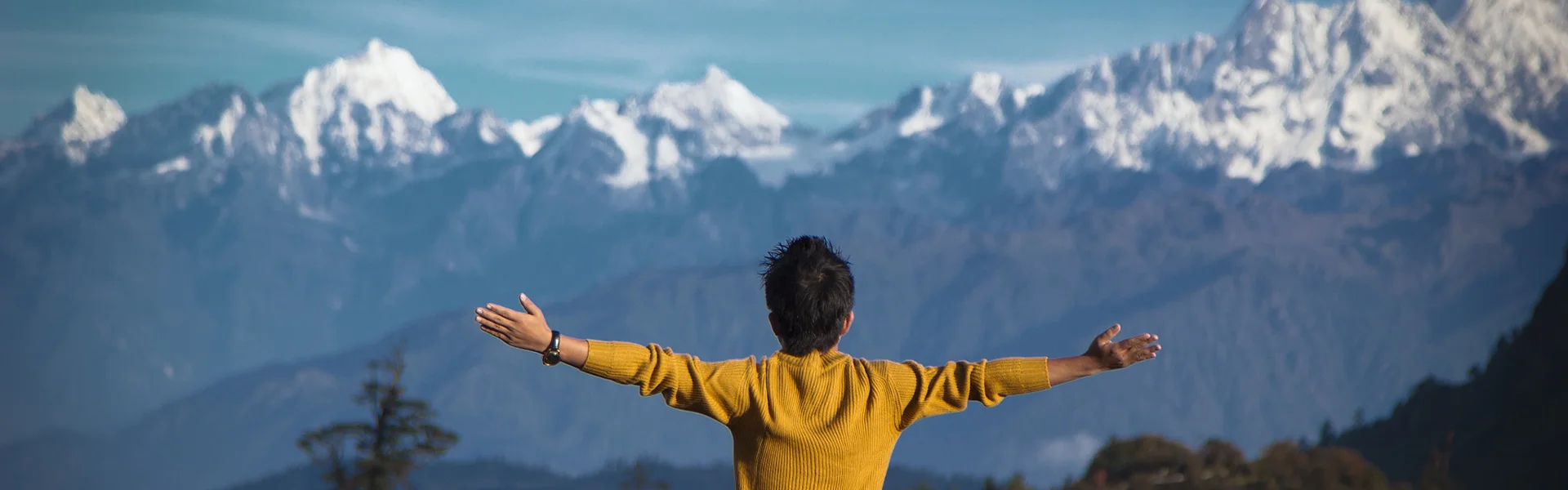

Manang is a hidden gem in the high Himalayas of Nepal. Its geology and history shape its character. Located at around 3,540m, it lies in the Marsyangdi River Valley in the rain shadow of the Annapurna range. This northern location results in an arid, almost desert-like climate. You can notice the change in landscape in Manang compared to other lush areas of Nepal. The valley has sparse vegetation, ochre cliffs, and towering peaks. You can see Annapurna II (7,937m) and Annapurna III (7,555m) in the south. Gangapurna (7,454m) and Tilicho Peak (7,134m) rise to the west, creating a beautiful amphitheater of mountains.
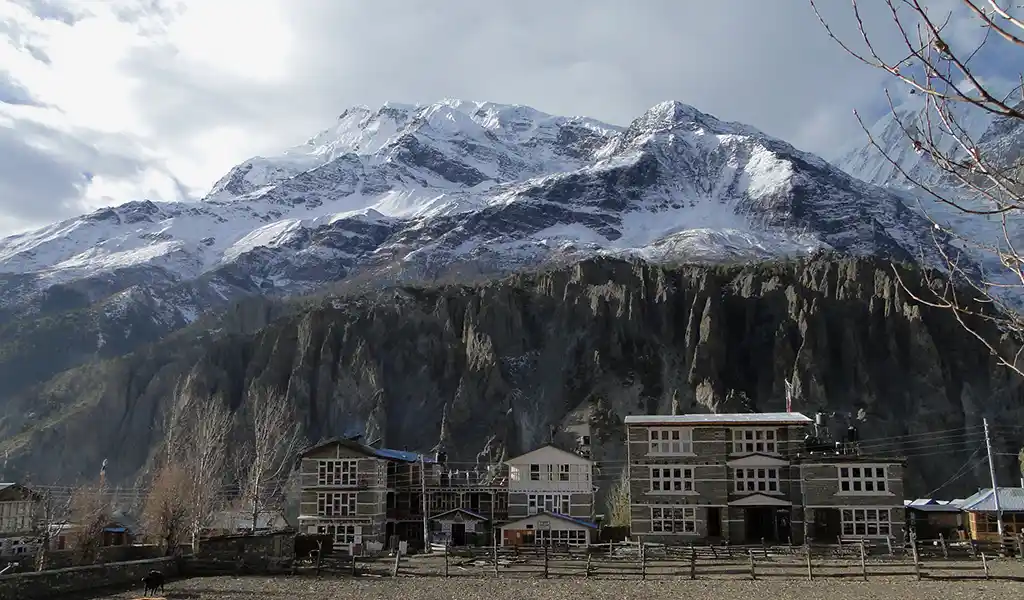
Historically, Manang was an essential stop on Trans-Himalayan trade routes. Traders from Manang would carry goods like grains, rice, and garments to Tibet and exchange them for salt, wool, and livestock. Nepali kings even granted them special privileges, which allowed them to travel and trade in Southeast Asia. You can still get a sense of the village’s ancient feel today. The larger flat-roofed houses give the town a medieval feel. Manang exists alongside modern infrastructure, such as satellite dishes and internet cafes.
Manang has a strong influence on Tibetan Buddhism. Trekkers can spin prayer wheels along trails or pass long Mani walls. The people speak a Tibetan-related dialect, and their dress, facial features, and diet all reflect life at high altitude. Most people here have barley, buckwheat, and potatoes, and occasionally yak meat.
Most visitors feel warmly welcomed by the Manangi people. Despite the harsh and remote environment, locals are warm and welcoming. Many traveled abroad or to cities like Kathmandu for work and returned home to maintain traditions like the Yartung festival and archery contests. You’ll see many stone and mud houses with flat roofs, which serve as drying racks or sunny decks.
Manang is a unique blend of remoteness and tradition. It’s a perfect example of how communities can thrive in a harsh environment while maintaining a distinct culture. It offers visitors a rich and memorable Himalayan experience.
A Crucial Stop for Trekkers
Manang is a key milestone and an essential acclimatization stop for trekkers on the Annapurna Circuit. At 3,540m, you’ve gained significant altitude. Climbing higher without a break can lead to altitude sickness, so most itineraries include a rest day in Manang. You’ll likely stay two nights in Manang to acclimatize. This pause will help your body adjust to the altitude before reaching the Thorong La Pass at 5,416m.
Many trekkers also use Manang as a base for short day hikes to aid acclimatization. A popular option is Gangapurna Lake. This turquoise glacial lake is about an hour from the village and gains a few hundred meters in elevation. The Climbing High and Sleeping Low principle will help your body acclimate better. The lake offers a bird’s-eye view of Manang’s patchwork of fields and flat-roofed houses. Another option is Bhojo Gompa or the ridge above it. It’s a 2-3-hour round-trip with panoramic views of the village. If you feel well-acclimatized and want a challenge, you can hike to Ice Lake or Kicho Tal at around 4,600m. It’s a 5-6-hour round trip with the lakes reflecting the Annapurnas.
Manang provides relatively luxurious trekking facilities. It’s the largest village along the trekking route and offers a range of teahouses with attached bathrooms and hot showers. Many trekkers enjoy a warm shower, laundry, and a recharge in Manang. You can also find a few bakeries here and try fresh pastries, apple pies, cinnamon rolls, and espresso. Some bakeries play trekking or mountain films in the afternoon.
Manang has excellent medical support. The Himalayan Rescue Association (HRA) clinic operates during peak seasons with volunteer doctors experienced in altitude and wilderness medicine. They also host daily talks on altitude sickness and safe trekking. They provide medical consultations, oxygen, basic medication, and even advice on evacuation.
You can also buy or rent any missing trekking gear in Manang. Communication is possible through internet cafes and some cellular coverage. The village also has a post office for postcards. Although Manang has an ATM, it may not always work, so carry cash. Some larger shops may accept credit cards with a surcharge, but cash is better.
Manang teaches you about your body at high altitude. Even walking up small hills can leave you breathless. Go slow and let your body adjust. When you leave Manang, you’ll feel more confident handling to high-altitude terrain.
Manang is more than just a geographic midpoint of the Annapurna Circuit. Trekkers recharge, regroup, and prepare for the challenges ahead here. The village is a blend of rugged high-altitude trekking with basic comforts. Many people decide whether to continue or turn back here. Most trekkers leave Manang well prepared to continue their trek, having had a proper rest and made good preparation.
Attractions and Activities around Manang
Day Hikes for Acclimatization and View
Gangapurna Lake and Viewpoint: Gangapurna is an emerald-turquoise lake below the massive Gangapurna Glacier. Locals call it “The Ice Lake,” but remember it’s not the higher Ice Lake. The lake is about 30-45 minutes from Manang. You’ll walk through gazing yaks and sometimes horses on your way up. The lake’s beautiful color comes from glacial silt, and you can see the dramatic Gangapurna Icefall from its shore. If you continue through the route, you’ll reach a ridge, which gives you a panoramic view of the entire Manang valley. From here, you can see the village, its potato and buckwheat fields, and the Marsyangdi River.
Ice Lake (Kicho Tal): It is a more challenging hike. Start early from Manang and cross the river to climb steeply up barren slopes. You’ll gain over a thousand meters to reach this lake at around 4,600m. There are two lakes here. From here, you can get the sweeping views of the Annapurna range, Gangapurna, Tilicho Peak, and even the Chulu peaks. The trip is about 8 hours long and suitable for well-acclimatized trekkers.
Braga (Braka) Village and Monastery: Braga village is about 30 minutes before Manang. Braga Monastery is over 500 years old and sits on a ridge, blending into the rock face. You can take a short, steep trail to the monastery and see its assembly halls with ancient statues, thangkas, and a library of old scriptures. The monastery is not open, but hiking up is a great choice to see excellent views. The village also has narrow alleys and tightly packed stone houses, giving it a traditional Himalayan vibe.
Milarepa’s Cave: Milarepa has associations with the famous Tibetan Buddhist saint and poet. It’s a little further from Manang. According to a legend, Milarepa meditated here and left his footprint in the rock. You must hike towards Pisang and into the side valleys to reach this cave. It’s suitable for experienced trekkers or those who need extra time. You can also find a separate Milarepa’s Cave near Khangsar on the Tilicho Lake route.
Cultural and Local Attractions
Manang Cultural Museum: There’s a small cultural museum in the center of Manang. It gives visitors a glimpse into local life and history. You can pay a small fee to explore the displays of traditional clothing and jewelry. The museum also features farming and herding tools, kitchen utensils, and taxidermy of local wildlife, such as snow leopards and blue sheep. Local people curate the museum themselves and explain how they use the object. It’s a meaningful and straightforward way to learn about the place.
Chortens and Mani Walls: You’ll notice many chortens and long Mani walls as you explore Manang and its outskirts. You can see one on the western end of the village against the mountains. These are spiritual landmarks. You should pass them on the left and move clockwise to respect them. You can also spin prayer wheels or simply enjoy the peace.
Local cuisine and apple products: Manang and the surrounding villages are famous for their apples. Try fresh apple pie, hot apple cider, or seasonal apples. Seabuckthorn tea, or Tseri, is bright orange juice packed with vitamin C. You can have that, butter tea, or a gloss of chhyang (barley or rice beer).
Wildlife and Nature Observation: The alpine terrain around Manang is rich in wildlife. You can see blue sheep on the rocky slopes and marmots in the burrows in the fields. While rare in sightings, snow leopards also roam here. You can look over the valley for Himalayan griffon vultures, lammergeiers, and golden eagles. An acclimatization day is a perfect opportunity to use your binoculars to watch this wildlife.
Tashi Lakhang Monastery (Old Monastery): Tashi Lakhang Monastery, also known as the “100 Lamas Monastery,” lies in Manang. It’s of great importance to the locals. You can see butter lamps beside centuries-old scriptures, carvings, and paintings.
Interaction with Locals: One of the most memorable parts of Manang is its people. You can greet people with “Namaste” and chat with them. You’ll see people carrying firewood, spinning prayer wheels, and playing games through the alleys. You can also glimpse life on a farm through the fields and courtyards.
Stargazing: With minimal light pollution, it is especially memorable for city dwellers. You can see the Milky Way across the sky and the dark silhouettes of the peaks of the Annapurnas.
Conclusion
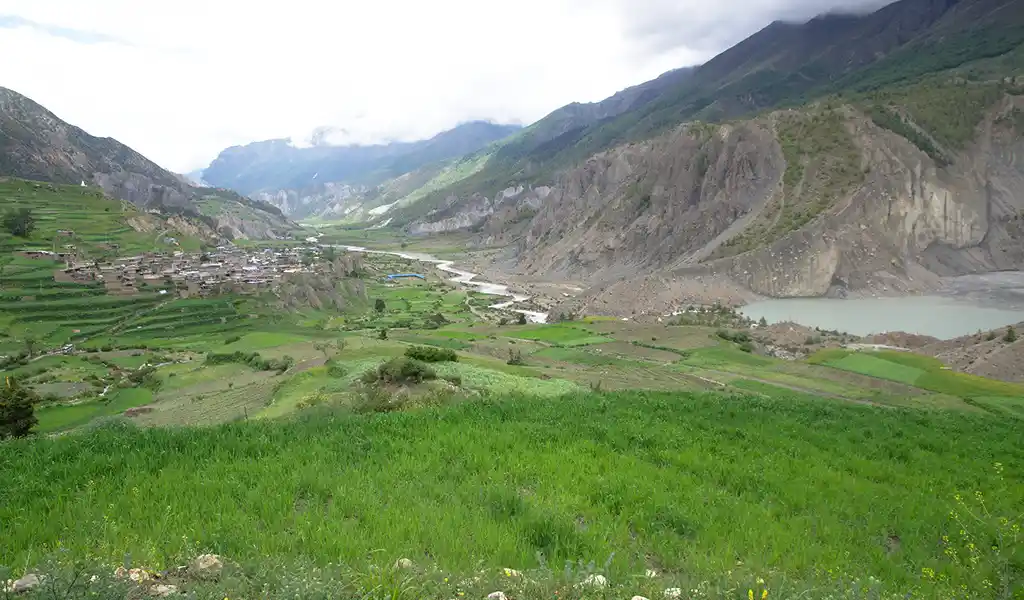
Manang is more than just a simple stop along the trekking trail. It rewards its visitors with its culture and the landscape. Your acclimatization day in Manang may be among the most memorable moments of the Annapurna Circuit. Many trekkers say their time in Manang was among the highlights of their trek. It offers rest and a glimpse into life in the high Himalayas. Manang leaves you refreshed and grounded with its calm pace and natural beauty. You’ll leave Manang with a sense of strength.