


The Manaslu Trek moves through warm river valleys, dense forests, Tibetan-influenced villages, and cold high-altitude terrain above 5,000 meters. A reliable Manaslu Trek packing guide saves you from two common mistakes: packing too little for the cold and packing too much for your porter. Lower sections along the Budhi Gandaki Valley feel warm during the day. Higher camps near Samdo, Dharamsala, and Larkya La Pass drop well below freezing at night.
Teahouses grow simpler at altitude. Hot showers, charging points, and heated rooms become rare or unavailable. Smart packing means layered clothing, tested boots, a warm sleeping system, weather protection, and organized daypack essentials. Every item should earn its place. Leave luxury at home. Pack for safety, comfort, and the reality of remote Himalayan teahouses.
Quick Answer: What to Pack for Manaslu Trek
For the Manaslu Trek, pack layered clothing, waterproof trekking boots, a warm sleeping bag, a down jacket, a waterproof shell, gloves, sun protection, a headlamp, trekking poles, water purification, a power bank, a first aid kit, personal medicines, passport copies, travel insurance, and cash. Carry daily essentials in a 20–30L daypack. Place extra clothing and sleeping gear in a soft duffel bag for the porter.
Manaslu Trek Packing Guide at a Glance
| Category | Essential Items |
|---|---|
| Clothing | Base layers, fleece, down jacket, waterproof shell, trekking pants, hat, gloves, buff |
| Footwear | Broken-in trekking boots, wool/synthetic socks (3–4 pairs), camp shoes |
| Sleeping Gear | Warm sleeping bag (−10°C to −20°C), sleeping bag liner |
| Daypack | Water, snacks, rain jacket, warm layer, headlamp, sunscreen, first aid basics |
| Health | First aid kit, personal medicine, water purification, blister care |
| Documents | Passport, permit copies, travel insurance, emergency contacts, cash (NPR) |
| Electronics | Power bank (20,000 mAh+), headlamp, phone, camera, charging cables |
| Bags | Soft duffel bag (50–70L), daypack (20–30L), dry bags or plastic liners |
Duffel Bag vs Daypack
Split your gear into two bags. The porter carries the duffel bag. You carry the daypack. Keep everything you need during the day in your daypack. Place extra clothing, sleeping gear, and toiletries in the duffel. Use a soft-sided duffel bag, not a hard suitcase. Hard cases do not fit in Porter baskets and break on rough trails.
Must-Have vs Optional Gear
| Must-Have | Optional (Condition-Dependent) |
|---|---|
| Down jacket | Microspikes (guide advises based on snow) |
| Waterproof shell jacket | Gaiters (useful in rain or snow) |
| Warm sleeping bag | Sleeping bag liner (adds warmth and hygiene) |
| Trekking boots (broken in) | Trekking poles (highly recommended but not mandatory) |
| Headlamp + spare batteries | Inflatable pillow |
| First aid kit | DSLR camera (phone works too) |
| Water purification | Thermos or insulated bottle |
| Power bank | Extra base layer set |
| Sun protection (glasses, cream, hat) | Reading material or cards |
What Your Trekking Company Provides
Ask your operator what gear the package includes. Many guided Manaslu treks provide:
- Duffel bag for porter use
- Down jacket (rental or included)
- Sleeping bag (rental or included)
- First aid kit carried by the guide
- Trekking poles (rental)
- Emergency oxygen carried by the guide team
Confirm the list with your agency before packing. Avoid carrying duplicate items.
The Manaslu Trek moves through warm river valleys, dense forests, Tibetan-influenced villages, and cold high-altitude terrain above 5,000 meters. A…
 12 Days
 Moderate
Why Packing for the Manaslu Trek Needs Special Planning
Warm Valleys to Cold High Pass
The Manaslu Circuit trek crosses climate zones that feel like different countries. Near Machha Khola and Jagat, daytime temperatures reach 20–25°C in autumn. Near Dharamsala and Larkya La Pass, nighttime temperatures can drop to −10°C or lower. One set of clothes does not work for the entire trek. Layered clothing lets you add or remove warmth as the altitude changes each day.
Remote Teahouse Conditions
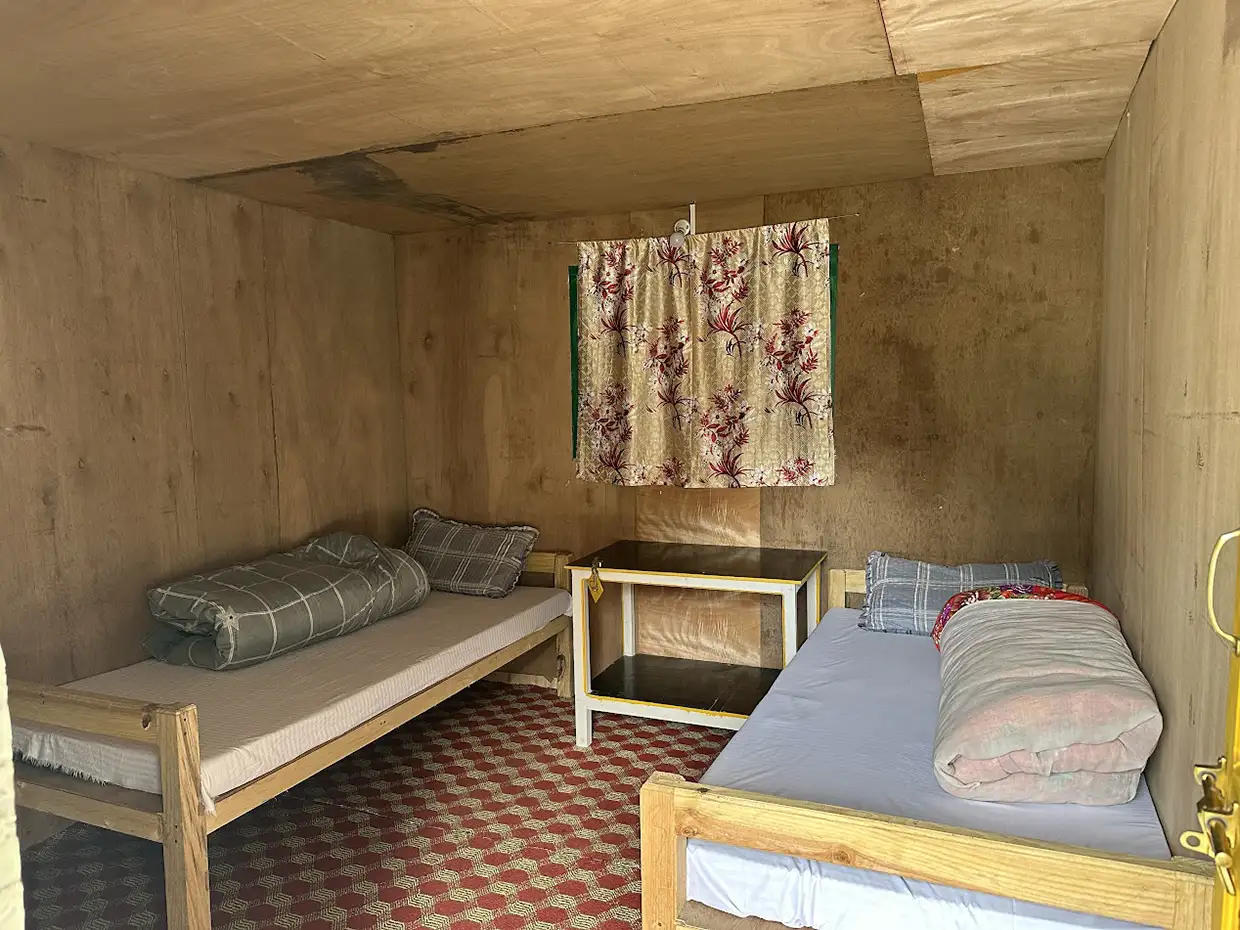
Teahouses above Samagaun offer basic rooms, shared bathrooms, and simple meals. Hot showers cost extra where available. Some high-altitude lodges have no shower at all. Heating comes from a single stove in the dining room. Bring a warm sleeping bag, thermal layers, and a quick-dry towel. Do not rely on lodge blankets alone in the cold zone between Samdo and Bimthang.
Larkya La Pass Weather
Larkya La Pass stands above 5,100 meters. Wind chill pushes temperatures far below freezing. Snow, ice, and fog affect the pass year-round. The crossing starts before sunrise in cold darkness. Pack warm gloves, a down jacket, a windproof shell, a headlamp, and a buff for the pass day. These items belong in your daypack, not buried in the duffel.
Limited Shops and Charging on the Trail
The Manaslu Circuit has fewer shops than the Annapurna or Everest regions. You will not find gear stores above Jagat. Phone charging costs NPR 200–500 per device at remote lodges, where available. Bring a power bank (20,000 mAh or larger). Carry enough personal supplies for the full trek. Do not plan to buy essentials on the trail.
Complete Manaslu Trek Packing Checklist
Clothing
- 2–3 moisture-wicking base layer tops (synthetic or merino wool)
- 2 base layer bottoms (thermal leggings)
- 2 trekking shirts (long sleeve, quick dry)
- 1 fleece jacket or warm mid-layer
- 1 down jacket (rated for cold evenings and pass day)
- 1 waterproof shell jacket (windproof, breathable)
- 1 pair of waterproof pants or rain pants
- 2 trekking pants (lightweight, quick dry)
- 3–4 pairs of underwear (moisture-wicking)
- 1 warm hat or beanie
- 1 sun hat or cap
- 1 buff or neck gaiter
- 2 pairs gloves (1 liner + 1 warm insulated pair)
Footwear
- 1 pair waterproof trekking boots (broken in before the trek)
- 3–4 pairs of wool or synthetic trekking socks
- 1 pair lightweight camp shoes or sandals
- Blister plasters and medical tape
Bags and Storage
- 1 soft duffel bag (50–70L) for porter
- 1 daypack (20–30L) for daily carry
- 2–3 dry bags or heavy-duty plastic liners
- 1 rain cover for a daypack
Sleeping Gear
- 1 warm sleeping bag (see seasonal rating below)
- 1 sleeping bag liner (silk or fleece)
- 1 compression sack or dry bag for sleeping bag
- 1 small inflatable pillow (optional)
Trekking Accessories
- Trekking poles (adjustable, lightweight)
- Sunglasses (UV400 protection, glacier-rated if possible)
- Headlamp + spare batteries
- Water bottles (1–2 durable bottles, total 1.5–2L capacity)
- Water purification tablets or a filter
- Quick-dry towel
- Stuff sacks for organizing gear
First Aid and Health Items
- Blister plasters and medical tape
- Antiseptic wipes
- Bandages and gauze
- Pain relief (approved by your doctor)
- Stomach medicine
- Oral rehydration salts
- Personal prescription medicines
- Altitude medicine (consult your doctor before taking)
- Sunscreen SPF 50+
- Lip balm with SPF
Toiletries and Hygiene
- Wet wipes (biodegradable preferred)
- Toilet paper (lodges may not supply)
- Hand sanitizer
- Toothbrush and small toothpaste
- Biodegradable soap (small bar)
- Zip-lock bags for waste
Electronics and Charging
- Power bank (20,000 mAh minimum)
- Charging cables (phone, camera, headlamp)
- Universal adapter (if needed)
- Phone with offline maps downloaded
- Camera (optional; phone works well)
- Spare memory card
Documents and Money
- Passport (original + 2 photocopies)
- Nepal visa copy
- Travel insurance policy (printed)
- Trekking permit copies
- 2–4 passport-size photos
- Emergency contact list (printed)
- Cash in Nepali rupees (NPR 30,000–50,000 recommended for trail expenses)
Snacks and Hydration
- Energy bars or trail mix
- Electrolyte powder or tablets
- Chocolate or dried fruit
- Instant coffee or tea bags (optional comfort items)
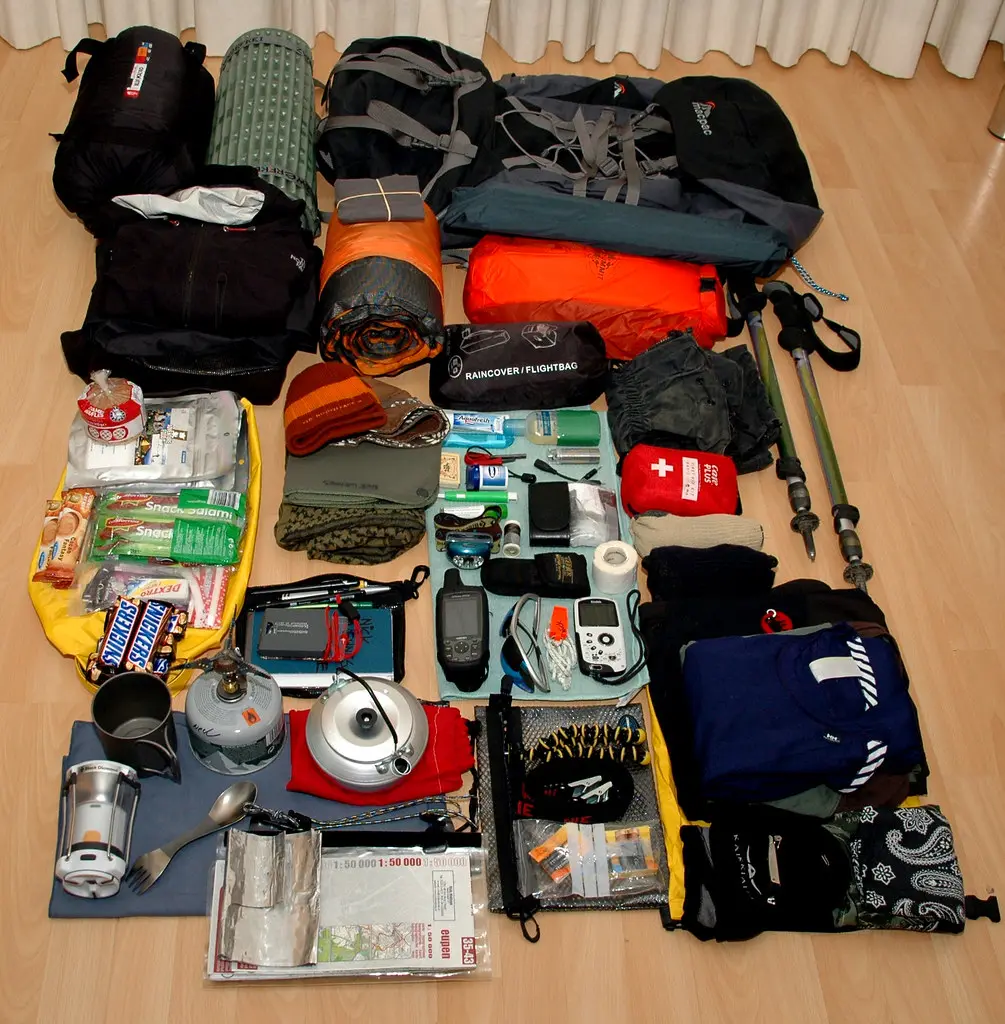
Clothing for the Manaslu Trek: Layering System
The layering system keeps you comfortable across all altitude zones. Each layer serves a clear purpose.
Base Layers
Base layers sit against the skin. They pull sweat away and keep you dry. Choose synthetic or merino wool fabrics. Avoid cotton. Cotton traps moisture, dries slowly, and feels cold when wet. Pack 2–3 base layer tops and 2 bottoms. Wear one set during the day and keep one dry set for sleeping.
Trekking Shirts
Lightweight, quick-dry trekking shirts work best for walking days. Long sleeves protect against the sun and insects in the lower valleys. Roll-up sleeves give flexibility when temperatures rise.
Fleece and Mid Layers
A fleece jacket or insulated mid-layer adds warmth between the base layer and outer shell. Wear the fleece on cold mornings, during evening rest times, and on higher-altitude walking days. Choose a lightweight fleece that packs small.
Down Jacket
A down jacket provides the warmth needed for cold evenings at teahouses, early morning pass crossings, and rest stops above 3,500 meters. Choose a jacket rated for temperatures well below freezing. A hood adds extra head and neck warmth. Down jackets pack small and weigh little. They deliver the best warmth-to-weight ratio of any insulation layer. Rent one in Kathmandu if you prefer not to buy.
Waterproof Jacket and Pants
A waterproof, windproof shell jacket blocks rain, snow, and wind. Wear it over your fleece and down jacket during storms or on the Larkya La crossing. Waterproof pants protect legs during rain or wet snow on the pass. Look for breathable fabrics that help you stay cool during hard climbs. A jacket without breathability traps sweat, leaving you cold inside.
Trekking Pants and Thermal Leggings
Pack two pairs of lightweight trekking pants for walking days. Quick-dry fabric works best. Avoid jeans or heavy cotton pants. Thermal leggings serve as base layers under trekking pants on cold mornings and at high camps.
Hat, Buff, Gloves, and Neck Protection
A warm beanie protects ears and head during cold mornings and at altitude. A sun hat shields the face in the lower valleys. A buff wraps around the neck, face, or head for wind protection. Pack two pairs of gloves: thin liner gloves for mild cold, and thick insulated gloves for the pass day and freezing mornings. Cold hands reduce dexterity and comfort fast.
Footwear for the Manaslu Trek
Trekking Boots
Trekking boots rank as the single most important piece of gear on the Manaslu Circuit. Choose waterproof boots with sturdy ankle support and a grippy sole. Break them in completely before the trek. New boots cause blisters, pain, and ruined trek days. Mid-cut or high-cut boots protect ankles on rocky, uneven terrain. The trail includes river crossings, loose stone paths, and steep descents. Good boots handle all of it.
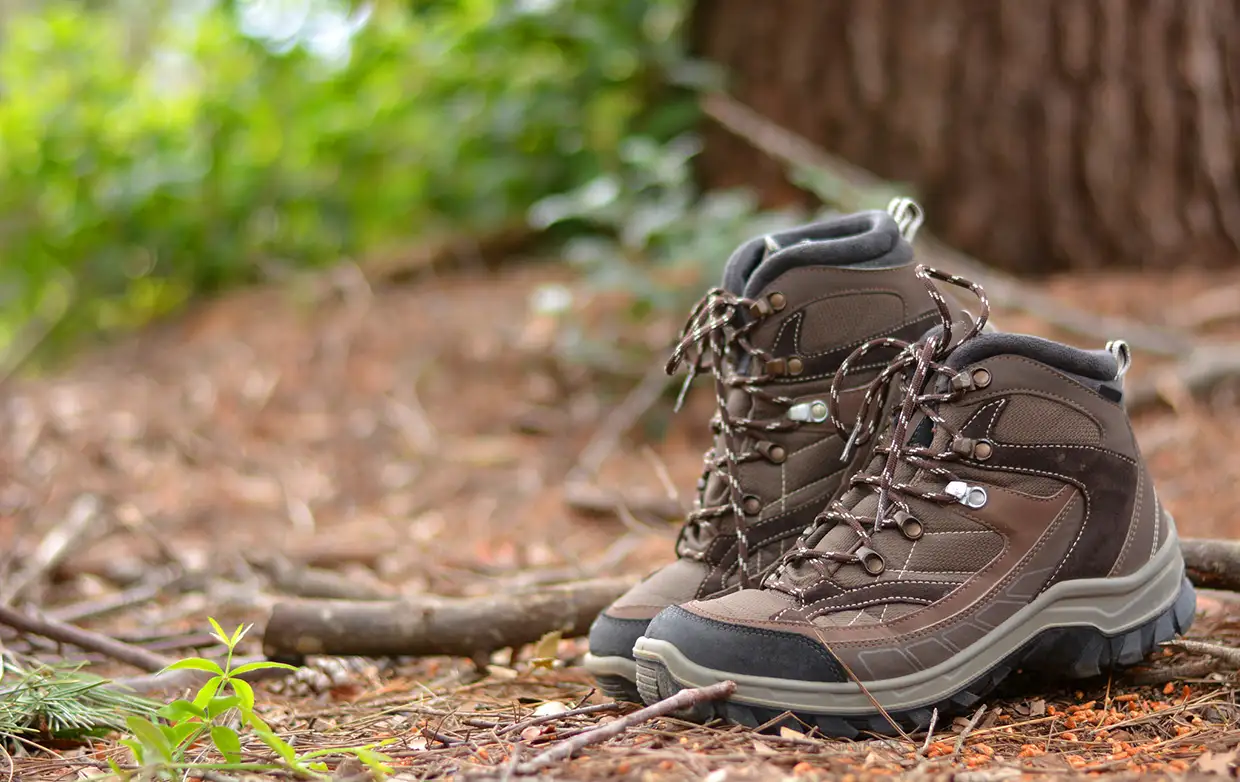
Trekking Socks
Pack 3–4 pairs of wool or synthetic trekking socks. Wool keeps feet warm even when damp. Synthetic blends dry faster than cotton. Avoid thin cotton socks. They bunch, blister, and provide no cushion or warmth. Wash socks when possible and rotate pairs daily. Dry feet stay healthy feet.
Camp Shoes
After a long walking day, tired feet need a break from trekking boots. Pack lightweight sandals or slip-on shoes for use at the teahouse. Choose something easy to put on and take off. Camp shoes also protect feet during evening trips to outdoor bathrooms.
Gaiters
Gaiters cover the gap between boots and pants. They block snow, mud, and small stones from entering the boot. Gaiters prove most useful during early spring, late autumn, or winter treks when snow covers the pass approach. Gaiters are optional for standard autumn treks. Ask your guide about current trail conditions before deciding.
Blister Prevention Kit
Pack blister plasters (such as Compeed or similar hydrocolloid pads), medical tape, and moleskin. Apply protection at the first sign of a hot spot. Waiting until a full blister forms makes treatment more difficult and walking more painful.
Sleeping Gear for the Manaslu Trek
Sleeping Bag Rating by Season
| Season | Recommended Comfort Rating | Key Reason |
|---|---|---|
| Spring (Mar–May) | −10°C to −15°C | Cold nights at high camps; warming days lower |
| Autumn (Sep–Nov) | −10°C to −15°C | Clear but cold above Samagaun; freezing at Dharamsala |
| Winter (Dec–Feb) | −20°C or colder | Extreme cold at all high camps; snow risk |
Choose a sleeping bag based on its comfort rating, not its extreme or limit rating. The comfort rating reflects the temperature at which an average person sleeps comfortably.
Sleeping Bag Liner
A silk or fleece liner adds 5–10 degrees of warmth inside the sleeping bag. It also keeps the sleeping bag cleaner. On warmer lower-altitude nights, you may sleep in the liner alone and skip the bag.
Extra Warmth for Dharamsala and Larkya La Region
The night at Dharamsala (around 4,460 m) feels the coldest on the entire trek. Wear thermal base layers, a fleece, warm socks, and a hat inside the sleeping bag. Place a buff over your face to warm the air you breathe. Keep water bottles inside the bag to prevent freezing.
What to Pack in Your Daypack
Your daypack carries everything you need between leaving the lodge in the morning and arriving at the next one. Pack smart. Keep the weight under 5–7 kg.
Water and Snacks
- 5–2 liters of safe drinking water
- Water purification tablets or a filter straw
- Energy bars, trail mix, chocolate, or dried fruit
Rain Gear and Warm Layer
- Waterproof shell jacket (top of daypack for quick access)
- Down jacket or fleece (for cold stops and pass approaches)
- Warm hat and gloves
Sun Protection
- Sunglasses (UV400, side-shield style preferred at altitude)
- Sunscreen SPF 50+ (reapply every 2–3 hours)
- Lip balm with SPF
- Sun hat or cap
First Aid Basics
- Blister plasters
- Pain relief tablets
- Oral rehydration sachets
- Personal medicine
- Hand sanitizer
- Toilet paper (small pack)
Camera, Phone, and Power Bank
- Phone (with offline maps)
- Power bank (keep warm in cold weather)
- Camera (optional)
- Charging cable
Documents and Cash
- Passport photocopy
- Travel insurance printout
- Emergency contact list
- Cash in NPR for meals, drinks, and charging
What to Pack in Your Duffel Bag
The duffel bag goes on the porter or pack animal. You access it at the lodge each evening. Pack items you do not need during the walking day.
- Extra base layers and sleeping clothes
- Sleeping bag (in a dry bag or compression sack)
- Extra trekking pants
- Toiletries in a zip-lock bag
- Quick-dry towel
- Spare batteries, chargers, and cables
- Camp shoes
- Extra socks and underwear
Line the duffel with a heavy-duty plastic bag or dry bag. Rain, river spray, and wet porter baskets soak unprotected gear. Keep one complete dry outfit sealed in a separate bag as backup.
Gear for Larkya La Pass
Pass day demands the warmest, most protective gear in your pack. Keep every Larkya La item in your daypack the night before.
Warm Layers for Early Morning
- Thermal base layer top and bottom
- Fleece mid-layer
- Down jacket
- Windproof and waterproof shell jacket
- Warm hat covering ears
- Buff or balaclava for face protection
- Insulated gloves (not thin liners alone)
Headlamp and Spare Batteries
The pass crossing starts in darkness, usually between 3:00 AM and 5:00 AM. A reliable headlamp with fresh batteries lights the trail. Cold drains battery power fast. Carry spare batteries in an inside pocket close to your body.
Trekking Poles
Trekking poles help with balance on the steep climb to the pass and the long, rocky descent to Bimthang. They reduce knee strain over 8–10 hours of walking. Adjustable poles fit different terrain angles.
Microspikes — When Conditions Require
Snow or ice sometimes covers the approach to Larkya La, especially in early spring, late autumn, or after unseasonal storms. Microspikes (lightweight traction devices) grip icy surfaces. Your guide decides if conditions require them. Not every trekker needs microspikes on every crossing. Ask your operator about current conditions before packing.
High-Energy Snacks and Water
- Energy bars, chocolate, nuts, or dried fruit
- 5–2 liters of water (prevent freezing by keeping bottles inside the jacket)
- Thermos with hot water or tea (optional but comforting)
First Aid and Health Kit
Personal Medicines
Bring all prescription medicines from home. Carry enough for the full trek plus 3–5 extra days. Remote lodges do not stock pharmacy items. Pack medicines in your daypack with clear labels.
Blister Care
Blisters ruin walking days. Pack hydrocolloid blister plasters, medical tape, and moleskin. Apply at the first sign of a hot spot. Do not wait. Prevention works much better than treatment on the trail.
Stomach and Hydration Support
Stomach trouble affects many trekkers in Nepal. Pack oral rehydration salts, stomach medicine, and electrolyte powder. Drink only purified water. Avoid tap water and ice at lodges.
Altitude-Related Supplies
Consult your doctor about altitude medicine before the trek. Some trekkers carry acetazolamide (Diamox), but the dosage and timing need medical guidance. Do not self-prescribe. Your guide carries a pulse oximeter and may carry emergency oxygen. Check with your operator about altitude safety gear included in the trek.
Hygiene Items for Remote Lodges
- Wet wipes (for days without showers)
- Hand sanitizer (use before every meal)
- Toilet paper (many lodges do not supply)
- Small biodegradable soap bar
- Zip-lock bags for personal waste (pack out used tissues and wipes)
Electronics and Power Management
Power Bank
A power bank (20,000 mAh or larger) keeps your phone and headlamp charged for the entire trek. Charging at remote lodges costs NPR 200–500 per device and runs slowly. Some high-altitude lodges have no charging at all.
Keeping Batteries Warm
Cold temperatures drain battery power fast. Keep your phone and power bank in an inside pocket close to your body heat. At night, place them inside the sleeping bag. A dead phone at 4,000 meters creates a safety problem.
Offline Maps and Emergency Contacts
Download offline maps before leaving Kathmandu. Phone signals drop off in many sections of Manaslu. Save your guide’s phone number, the agency emergency line, the insurance emergency line, and the embassy contact on paper and on your phone.
Documents, Permits, and Money
Passport and Visa Copy
Carry your original passport plus 2 photocopies. Store one copy in the daypack and one in the duffel. Permit checkpoints along the Manaslu route verify identity. A waterproof sleeve protects the document from rain and sweat.
Trekking Permits
The Manaslu Circuit needs a Restricted Area Permit (RAP), Manaslu Conservation Area Permit (MCAP), and Annapurna Conservation Area Permit (ACAP) if exiting through Dharapani. Your registered agency handles the permit process. Carry printed copies of every permit. Checkpoints require them.
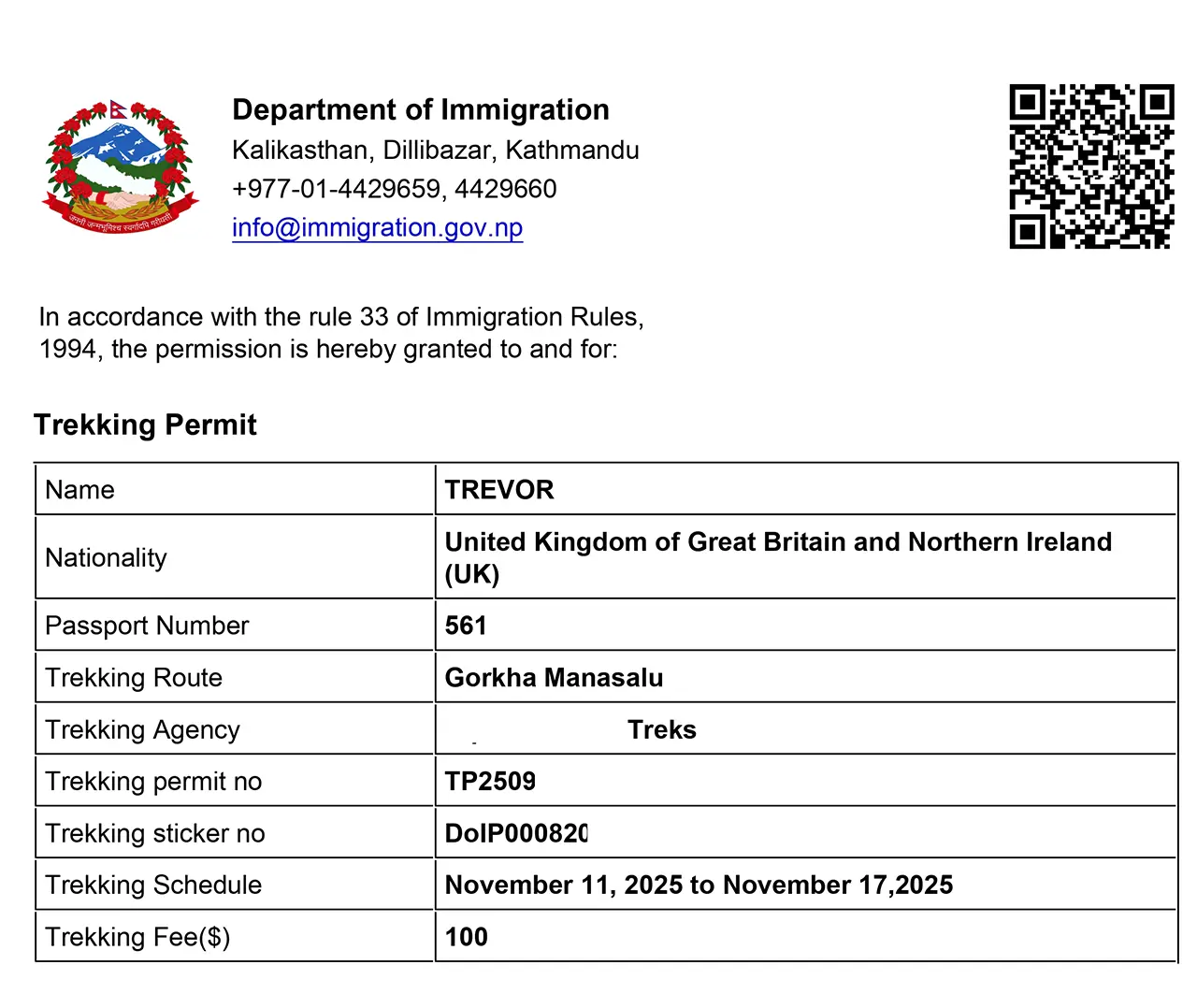
Travel Insurance
Every Manaslu trekker needs travel insurance that covers high-altitude trekking and helicopter evacuation up to 6,000 meters. Print the policy. Carry the emergency assistance phone number. A digital copy alone fails when phones die.
Cash for Trail Expenses
ATMs do not exist on the Manaslu trail. Card payment does not work at remote lodges. Carry enough Nepali rupees for meals, drinks, snacks, lodge extras, charging fees, and tips. NPR 30,000–50,000 covers most trail expenses for a guided trek, including meals and lodging. Keep cash in a waterproof pouch. Distribute money between your daypack and duffel to reduce the risk of loss.
Seasonal Packing Guide for Manaslu Trek
| Item | Spring (Mar–May) | Autumn (Sep–Nov) | Winter (Dec–Feb) |
|---|---|---|---|
| Sleeping Bag | −10°C to −15°C | −10°C to −15°C | −20°C or colder |
| Down Jacket | Medium weight | Medium weight | Heavy / expedition weight |
| Base Layers | 2–3 sets | 2–3 sets | 3–4 sets (thicker) |
| Gloves | Liner + warm pair | Liner + warm pair | Liner + heavy insulated pair |
| Rain Gear | Important (spring showers) | Light (mostly dry) | Less needed (snow instead) |
| Gaiters | Optional | Optional | Recommended for snow |
| Microspikes | Possible (check conditions) | Rare need | Likely needed |
| Sun Protection | Strong (higher sun + snow glare) | Strong | Strong (snow reflection) |
Monsoon season (June to August): Pack strong rain protection, waterproof bags, quick-dry clothing, extra socks, and leech socks. The Manaslu Circuit is not suitable for standard monsoon travel. Landslides, leeches, and poor visibility create serious problems.
Buy or Rent Trekking Gear in Kathmandu
Gear Worth Renting in Kathmandu
- Down jacket (rental: roughly NPR 100–200 per day)
- Sleeping bag (rental: roughly NPR 100–200 per day)
- Trekking poles
- Duffel bag
- Gaiters
Thamel district in Kathmandu has dozens of trekking shops that rent and sell gear. Rental prices vary by season and quality. Inspect all rental items before accepting.
Gear Better to Bring from Home
- Trekking boots (must fit perfectly and arrive broken in)
- Prescription medicines
- Base layers and trekking socks
- Personal daypack
- Camera and power bank
- Travel insurance documents
- Sunglasses (quality UV protection matters)
Gear to Check Before Renting
- Sleeping bag: Check zippers, insulation loft, and cleanliness
- Down jacket: Check for cold spots, broken zippers, and missing feathers
- Trekking poles: Test locking mechanisms and tip condition
- Duffel bag: Check zippers and strap strength
What Not to Pack for the Manaslu Trek
- Jeans or heavy cotton clothing (slow drying, heavy, cold when wet)
- Hard suitcase (does not fit porter baskets)
- Too many outfits (2–3 sets rotate fine with occasional washing)
- Expensive jewelry or valuables
- Full-size shampoo or toiletry bottles
- Large towel (use a quick-dry travel towel instead)
- Heavy books (download reading material to your phone)
- New, untested trekking boots
- Too many electronics or gadgets
- Laptop (unnecessary weight and theft risk)
Porter Weight Limit and Packing Strategy
Recommended Duffel Weight
Most operators set the porter weight limit at 15 kg per trekker for the duffel bag. Some agencies allow up to 20 kg. Confirm the exact limit with your operator before packing. Extra weight means hiring an additional porter at extra cost.
How to Pack Light
- Wear your heaviest boots and jacket during travel days
- Pack clothes that serve double duty (base layers for sleeping and walking)
- Leave “just in case” items at the hotel in Kathmandu
- Choose travel-size toiletries
- Share group items (first aid, water purification, snacks) with trekking partners
- Weigh your duffel before departure
Extra Porter Option for Comfort
Trekkers who want to carry less or have medical needs book an extra porter through their agency. The cost stays modest compared to the comfort gain. Discuss this option during trip planning.
Final Manaslu Trek Packing Checklist
Review the list below before zipping your bags shut.
| Category | Packed? | Key Items |
|---|---|---|
| Clothing | ☐ | Base layers, fleece, down jacket, waterproof shell, hat, gloves, buff |
| Footwear | ☐ | Broken-in boots, 3–4 pairs of trekking socks, camp shoes |
| Sleeping | ☐ | Warm sleeping bag, liner, dry bag |
| Daypack | ☐ | Water, snacks, rain jacket, warm layer, headlamp, sunscreen |
| Health | ☐ | First aid, personal medicine, water purification, blister care |
| Electronics | ☐ | Power bank, headlamp, phone, cables, and offline maps |
| Documents | ☐ | Passport, permits, insurance (printed), emergency contacts |
| Money | ☐ | Cash in NPR (30,000–50,000), waterproof pouch |
| Larkya La Gear | ☐ | All warm layers, headlamp, poles, and snacks in a daypack |
| Bags | ☐ | Soft duffel (under weight limit), daypack, dry bags |
FAQs
Q: What should I pack for the Manaslu Trek?
A: You should pack layered clothing, waterproof boots, a cold-rated sleeping bag, a down jacket, and a waterproof shell. Do not forget your headlamp, trekking poles, power bank, first aid kit, sun protection, water purification system, and essential personal medicines. Finally, ensure you carry Nepali rupees, passport copies, and travel insurance, and split your total gear between a daypack and a porter duffel.
Q: What sleeping bag rating do I need for the Manaslu Trek?
A: For standard spring and autumn treks, select a sleeping bag featuring a comfort rating between minus 10°C and minus 15°C. If you plan a winter trek, you will need a bag rated to-20°C or colder. Always check the comfort rating rather than the extreme limit, and consider adding a sleeping bag liner for extra warmth and personal hygiene.
Q: Do I need a down jacket for the Manaslu Trek?
A: Yes, a down jacket is critical for keeping you warm during freezing mornings, high camp stays, teahouse evenings, and while crossing Larkya La Pass. Temperatures routinely plunge well below freezing once you ascend above 4,000 meters. If you do not wish to purchase a down jacket for the journey, you can easily rent one from various shops in Kathmandu before departing.
Q: What shoes work best for the Manaslu Circuit Trek?
A: Waterproof trekking boots that feature sturdy ankle support and grippy soles are highly recommended. Make sure to break them in completely before your trip, as you must avoid wearing new, untested boots on the trail. Additionally, pack three to four pairs of synthetic or wool trekking socks, along with lightweight camp shoes for relaxing in the evenings.
Q: Do I rent trekking gear in Kathmandu?
A: Yes, the Thamel district in Kathmandu is filled with specialized shops where you can rent down jackets, sleeping bags, trekking poles, and duffel bags. It is vital to carefully inspect each rental item for quality before accepting it. You should bring your own trekking boots, base layers, socks, and personal gear directly from home.
Q: What should I carry in my daypack during the trek?
A: Your daypack should hold up to two liters of water, snacks, a rain jacket, a warm layer, and your headlamp. Also, keep sunscreen, sunglasses, lip balm, toilet paper, hand sanitizer, first aid basics, and a phone with a power bank accessible. Keep your original cash, passport copies, and a camera inside, while keeping the total daypack weight below 5-7 kg.
Q: Do I need microspikes for Larkya La Pass?
A: Microspikes are incredibly helpful for maintaining traction on patches of snow or ice near the Larkya La Pass. However, trail conditions fluctuate with the season and recent weather patterns. Your guide will ultimately decide if traction devices are required for the crossing, so ask your tour operator about current conditions before packing them.
Q: How cold does the Manaslu Trek get?
A: Daytime weather in the lower valleys remains pleasant, ranging from 15°C to 25°C. However, nighttime temperatures at high elevations, such as Dharamsala and near the Larkya La Pass, regularly drop to minus 10°C or lower. Strong wind chill pushes the actual feel even lower on the exposed pass, making warm clothing layers and a high-quality sleeping bag essential.
Q: How much weight does a porter carry on the Manaslu Trek?
A: Most trekking operators set a strict weight limit of 15 kg for each individual trekker’s duffel bag, though some agencies allow up to 20 kg. It is important to confirm the exact weight allowance with your operator before you begin packing. Exceeding this set limit requires hiring an additional porter at an extra cost to you.
Q: What should I avoid packing for the Manaslu Trek?
A: Avoid packing heavy cotton clothes, jeans, hard suitcases, unbroken-in boots, too many changes of outfits, expensive jewelry, full-size toiletries, heavy books, and unnecessary electronics. Every single gram of extra weight adds a burden to your porter and can slow your trek. Focus strictly on packing light, functional items that serve multiple purposes on the trail.
Q: Do I need water purification on the Manaslu Trek?
A: Yes, because the local tap water along the trekking trail does not meet safe drinking standards. You must carry reliable water purification tablets or a portable filter to clean your water. Buying pre-boiled water at the lodges costs extra money, whereas lightweight purification tablets weigh almost nothing and effectively protect you from painful stomach illnesses.
Q: What documents should I carry on the Manaslu Trek?
A: Always carry your original passport, a copy of your Nepal visa, two passport photocopies, passport-size photographs, and your printed travel insurance policy. You also need copies of your official trekking permit, an emergency contact list, and plenty of cash in Nepali rupees. For safety, store duplicate copies of these essential documents in both your daypack and duffel bag.
Q: What should I pack for the Manaslu Trek in autumn?
A: Pack warm clothing layers to handle chilly mornings, a windproof shell jacket, strong sun protection, a warm beanie, a buff, and heavy gloves. You will also need a high-quality sleeping bag comfort-rated down to minus 10°C or minus 15°C. While autumn brings beautifully clear skies for trekking, the nights become intensely cold once you ascend above Samagaun.
Q: What should I pack for the Manaslu Trek in spring?
A: Pack a lightweight rain jacket, versatile layered clothing, a warm jacket for high elevations, sunglasses, sunscreen, and a protective buff for wind and dust. Springtime brings warmer daytime trekking temperatures overall, but you should prepare for frequent rain showers in the lower valleys. A sleeping bag rated to minus 10°C or minus 15°C remains necessary.