

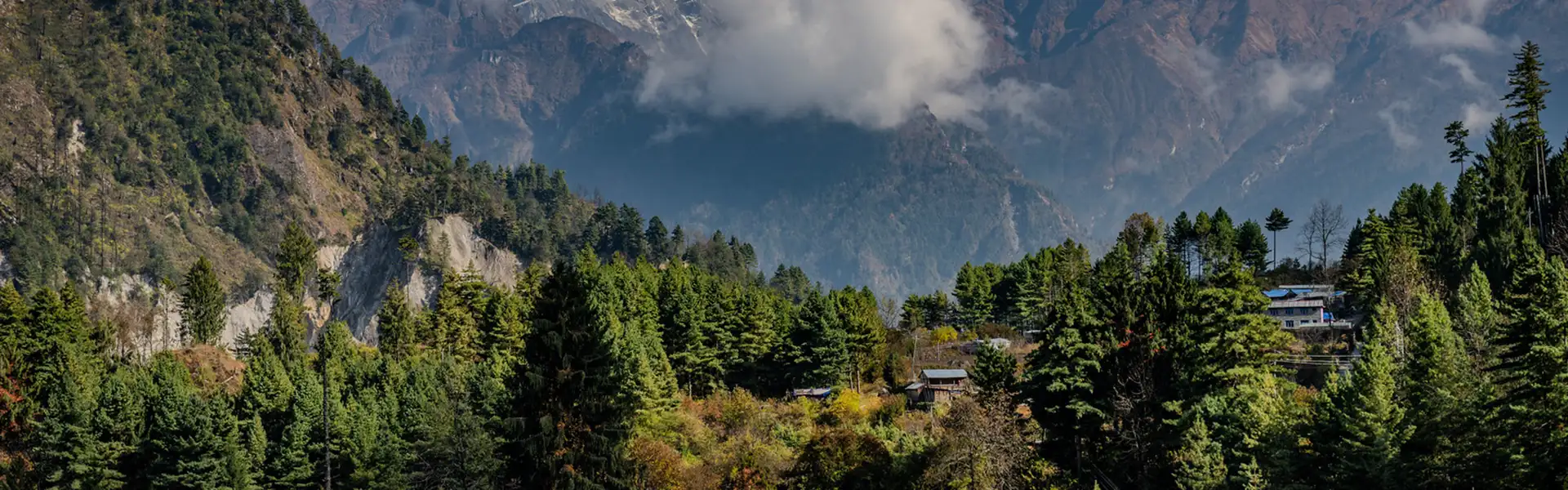

Restricted Area Permits in Nepal allow foreign trekkers to enter controlled trekking zones. Upper Mustang, Manaslu, Tsum Valley, Nar Phu, Dolpo, Humla, and parts of Kanchenjunga fall under restricted zones. These permits protect sensitive border regions, remote cultures, and fragile mountain areas. Only foreign trekkers now require restricted-area permits, following Nepal’s Department of Immigration’s March 2026 rule update.
A licensed guide and registered trekking agency remain mandatory. The old two-person minimum rule no longer applies. Many trekkers feel confused about which routes require restricted permits. Online sources show conflicting permit fees. Some travelers mix up restricted permits with TIMS, ACAP, MCAP, and national park permits.
This guide explains all restricted areas in Nepal, permit costs, solo trekking rules, guide requirements, required documents, the application process, route-specific permit requirements, common mistakes, and frequently asked questions.
Quick Answer: Restricted Area Permits in Nepal
Restricted Area Permits in Nepal are special trekking permits for controlled regions, including Upper Mustang, Manaslu, Nar Phu, Tsum Valley, Dolpo, Humla, and Kanchenjunga. Foreign trekkers must apply through a registered trekking agency and trek with a licensed guide. Solo trekkers now get restricted area permits, but independent trekking without a guide remains prohibited.
What Are Restricted Area Permits in Nepal?
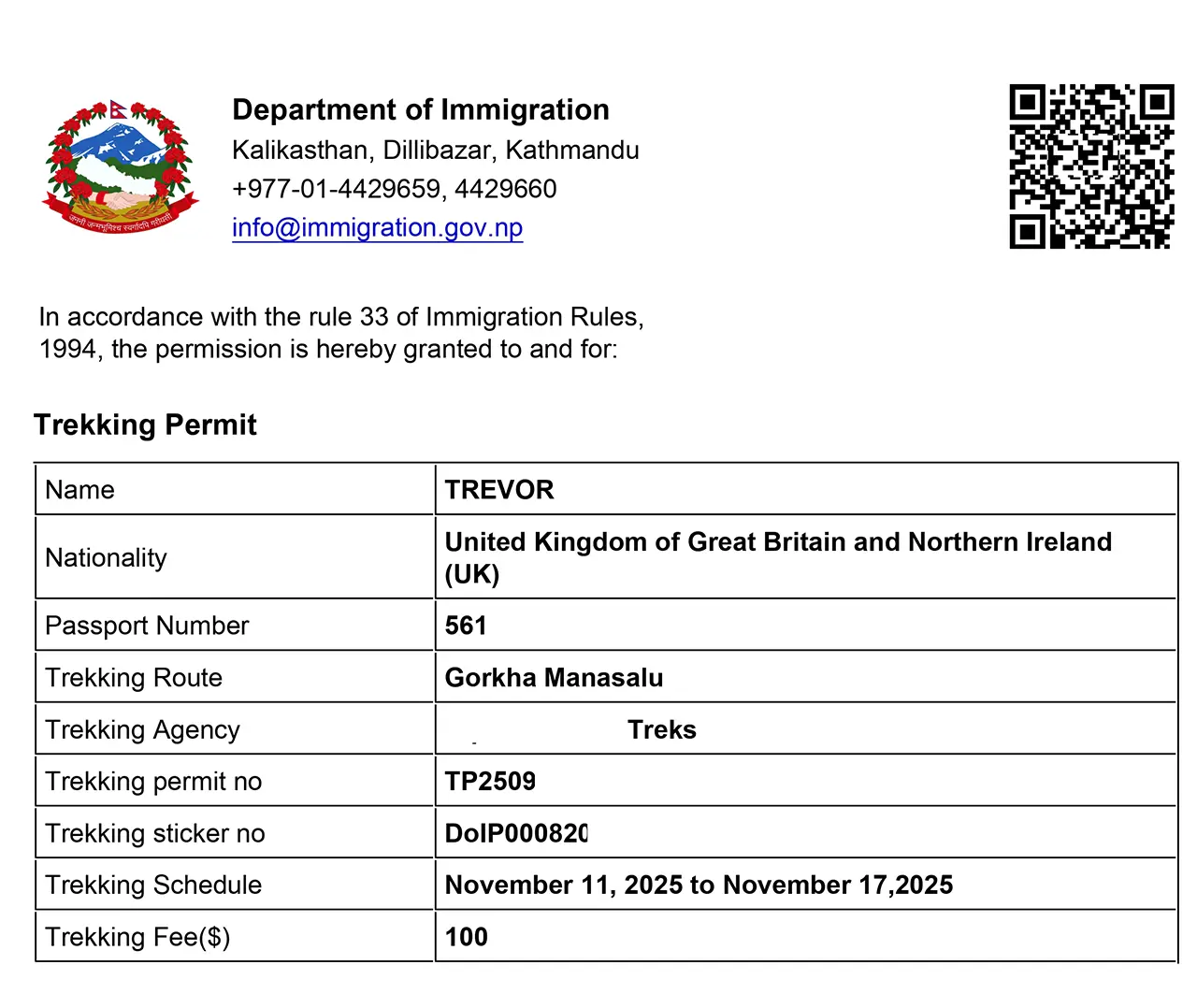
Restricted area permits are special permits for foreign trekkers entering controlled trekking regions in Nepal. The Department of Immigration issues these permits through registered trekking agencies. These permits apply to specific remote areas near international borders or culturally sensitive regions. They control access, track trekkers for safety, and protect local culture and nature. A restricted area does not mean a closed area. It means Nepal controls entry through a permit system.
Trekkers visit these regions legally by complying with the permit requirements. A restricted area permit does not replace conservation area permits or national park permits. Many routes need both a restricted permit and a conservation or park permit.
Why Nepal Does Not Use One Single Permit
Different government bodies manage different areas. The Department of Immigration handles restricted zones. National parks manage park entry. Conservation authorities manage ACAP, MCAP, and KCAP. Local governments collect local entry fees. A Manaslu trekker needs a restricted area permit, MCAP, and often ACAP. An Upper Mustang trekker needs a Restricted Area Permit and an ACAP. Each route requires a different set of documents.
Why Does Nepal Have Restricted Trekking Areas?
Border Security
Many restricted routes sit near the Tibet/China border or the India border. The permit system helps Nepal monitor movement in sensitive areas. Foreign trekkers register their route, guide, and agency details before entering these zones.
Cultural Protection
Upper Mustang, Tsum Valley, Nar Phu, Dolpo, and Humla preserve strong Tibetan Buddhist traditions. Controlled tourism helps protect monasteries, village customs, sacred sites, and local life. Permit limits prevent overcrowding in small mountain communities.
Environmental Protection
Restricted areas include fragile alpine valleys, high passes, rain-shadow zones, and wildlife habitats. Permit control helps manage visitor pressure. Permit fees fund conservation and trail maintenance in remote regions.
Trekker Safety
Many restricted routes have limited roads, fewer lodges, remote passes, and slower access for rescues. A guide and agency help manage safety, route checks, and emergencies. The permit system creates an official record of trekkers in remote areas.
Solo Trekking Update: Getting Restricted Area Permits in Nepal Alone
What Changed in March 2026?
Nepal’s Department of Immigration revised the rules governing restricted area permits on March 22, 2026. Individual foreign trekkers now require permits to enter restricted areas. The old rule required a minimum of two foreign trekkers per application. Solo travelers no longer need to find a trekking partner or join a group departure. A single trekker applies through a registered agency and treks with a licensed guide. The update covers 15 trekking zones across 13 districts near the borders with Tibet and India.
What Still Remains Mandatory
- A licensed trekking guide remains mandatory
- A registered trekking agency must arrange the trek
- The agency must process the permit application
- The trekker must follow the approved route
- The permit must stay with the trekker at all times
- One guide handles up to seven trekkers in restricted areas
What Solo Trekkers Still Cannot Do
- Apply directly as fully independent trekkers
- Enter restricted areas without a guide
- Trek without agency support
- Change the approved route freely
- Use another trekker’s permit or route document
Quick Answer: Can solo trekkers get Restricted Area Permits in Nepal?
Yes. Solo foreign trekkers now get Restricted Area Permits in Nepal. The trek must go through a registered trekking agency. A licensed guide remains mandatory. Solo trekking without a guide or agency remains prohibited.
Guide and Agency Rules for Restricted Area Trekking
Licensed Guide: Mandatory
A licensed trekking guide remains mandatory for all treks in restricted areas. The guide must hold a valid government-issued license. The guide requirement applies to solo trekkers and groups alike.
Registered Agency: Mandatory
The permit application must go through a registered trekking agency in Nepal. Trekkers cannot obtain restricted-area permits independently. The agency takes responsibility for rescue, logistics, and route compliance.
The 1:7 Guide-to-Trekker Ratio
The restricted area update introduced a guide-to-trekker ratio. One guide handles up to seven trekkers. Larger groups need multiple guides with separate permit assignments. For example, a 14-person group needs two guides.
| Requirement | Rule for Restricted Areas |
|---|---|
| Licensed guide | Mandatory |
| Registered trekking agency | Mandatory |
| Solo permit | Allowed (after March 2026 update) |
| Independent trekking | Not allowed |
| Guide-to-trekker ratio | 1 guide for up to 7 trekkers |
| Permit application | Through a registered agency only |
| Route changes | Need proper approval |
Complete List of Restricted Trekking Areas in Nepal
Upper Mustang
Upper Mustang sits in the Annapurna region near the Tibetan border. Lo Manthang, the ancient walled capital, draws culture-focused trekkers and photographers. The dry rain-shadow area features caves, monasteries, and desert-like canyons.
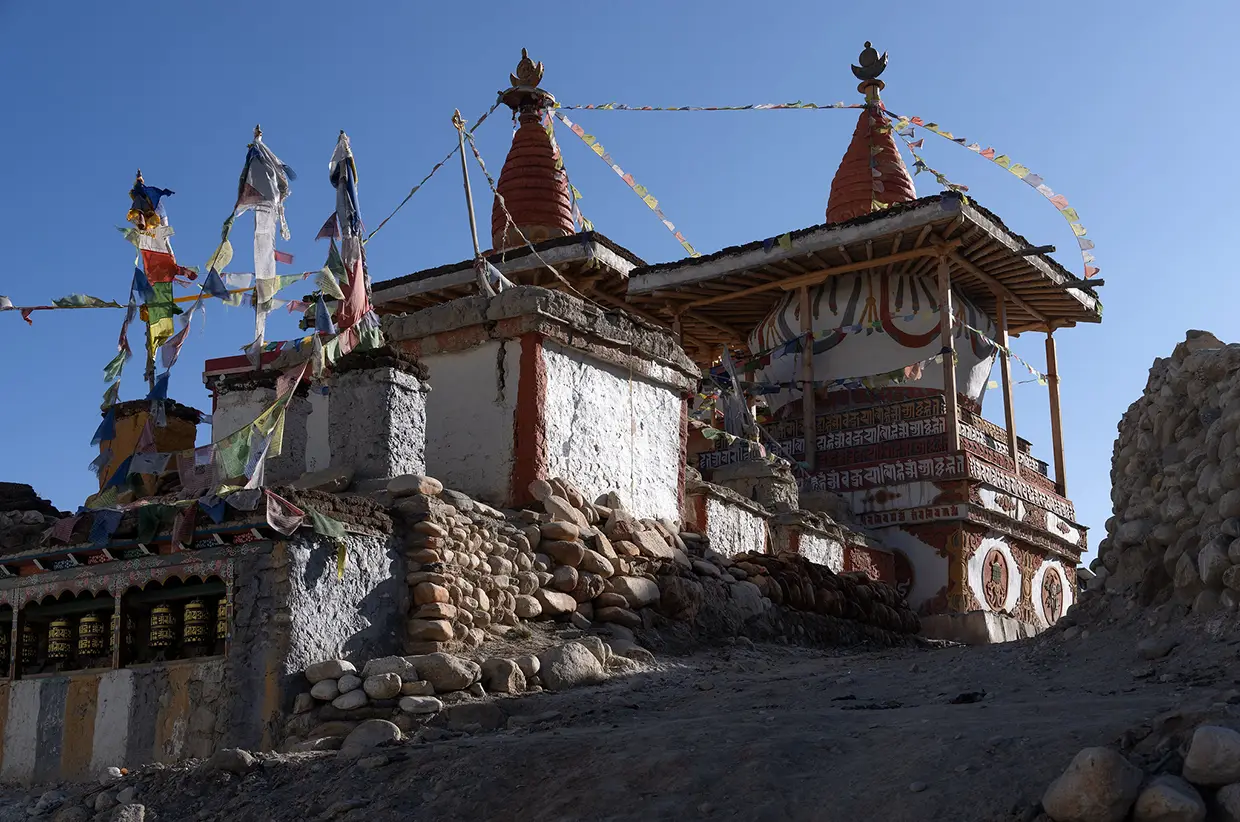
Upper Mustang requires a Restricted Area Permit and an Annapurna Conservation Area Permit (ACAP). The route follows a fixed path through Kagbeni to Lo Manthang. Jeep-supported trekking and horse-riding options exist on some sections.
Upper Dolpo
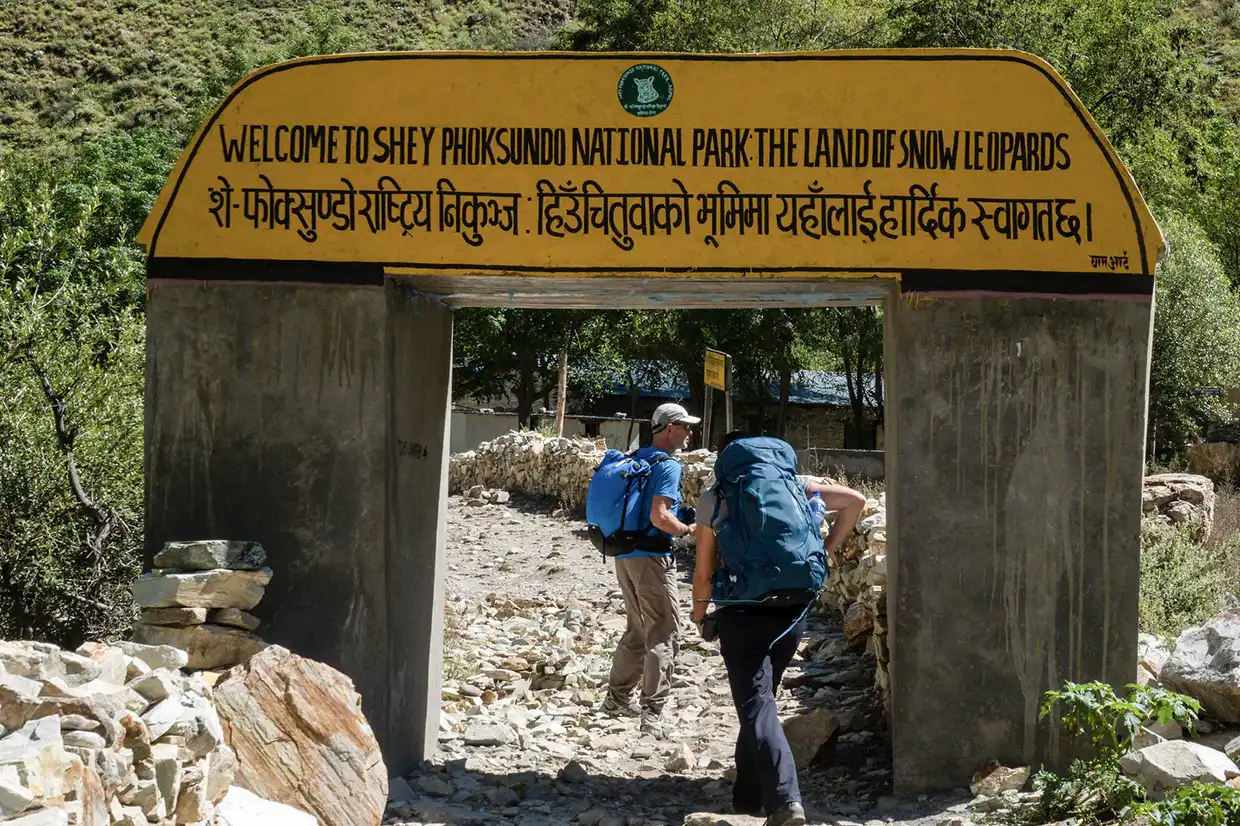
Upper Dolpo sits in northwestern Nepal near Shey Phoksundo National Park. Very few trekkers reach Upper Dolpo each year. The region requires camping, strong logistics, and a higher budget. Upper Dolpo requires a Restricted Area Permit and a Shey Phoksundo National Park Permit. Remote villages, high passes, and limited communication define the experience. Strong rescue planning and high-altitude insurance matter here.
Lower Dolpo
Lower Dolpo provides access to Shey Phoksundo Lake without the full commitment to Upper Dolpo. The permit cost stays lower than in Upper Dolpo. Remote villages and traditional culture remain strong draws. Lower Dolpo requires a Restricted Area Permit and a Shey Phoksundo National Park Permit. The route suits trekkers seeking to reach Dolpo at a lower cost and in a shorter time.
Manaslu Region
The Manaslu Circuit circles the world’s eighth-highest peak. Larkya La Pass at 5,106 meters marks the high point. The route passes through forests, ancient monasteries, and quiet villages. Manaslu requires a restricted area permit and a Manaslu Conservation Area Permit (MCAP). ACAP often applies when exiting via Dharapani or Besisahar on the Annapurna side. The Jagat Checkpoint verifies all permits.
Tsum Valley
Tsum Valley preserves a strong Tibetan Buddhist culture. Mu Gompa and Rachen Gompa attract spiritual travelers. The valley sits north of the Manaslu Circuit and often combines with a Manaslu trek. Tsum Valley requires a separate restricted area permit. MCAP also applies. Trekkers combining the Tsum Valley with Manaslu need both restricted permits.
Nar Phu Valley
Nar and Phu sit in hidden valleys off the Annapurna Circuit. Kang La Pass connects Nar Phu to the main Annapurna trail. Medieval-style stone villages and strong Tibetan culture define the area. Nar Phu requires a restricted area permit and an ACAP. The route suits trekkers seeking a shorter, more restricted-area experience within the Annapurna region.
Humla and Limi Valley
Humla sits in far-western Nepal. The Limi Valley near the Tibetan border preserves Tibetan-style villages and remote border culture. Very few trekkers visit each year. Humla requires a restricted area permit. The region needs careful flight or overland logistics through Simikot. A strong wilderness and cultural experience rewards those who reach it.
Kanchenjunga / Taplejung Restricted Sections
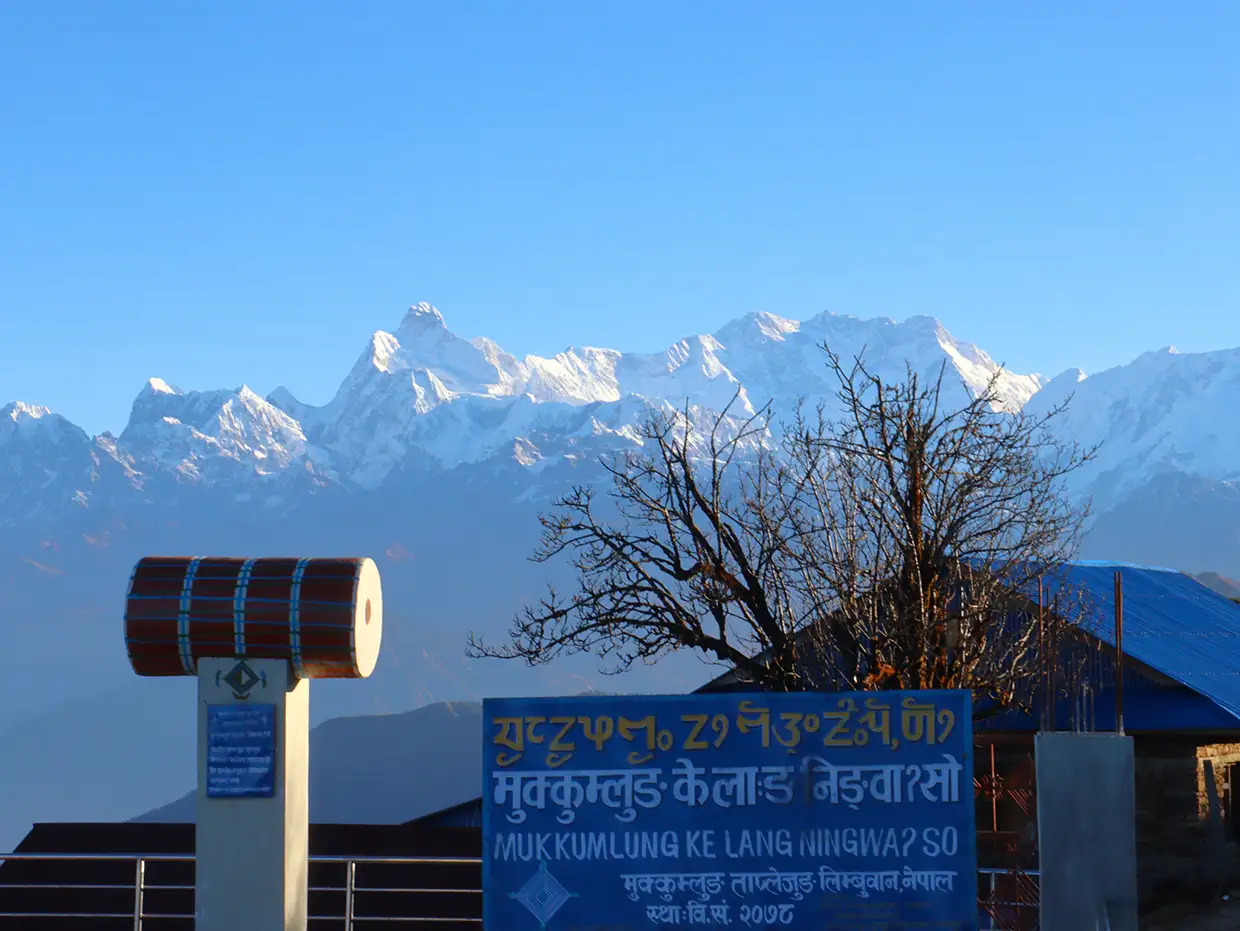
Eastern Nepal holds restricted sections near Kanchenjunga, the world’s third-highest peak. Remote valleys in Taplejung require restricted permits. Conservation area permits also apply. The route suits long, remote treks with fewer trekkers and limited lodge options. Strong fitness and rescue planning matter on Kanchenjunga routes.
Other Restricted Zones: Sankhuwasabha, Solukhumbu, Rasuwa, Bajhang, Mugu, Darchula, and Dolakha
These districts contain restricted wards that receive very few trekkers. Each area requires careful logistics and agency verification of exact ward-level rules. Permit costs vary by district and duration. Agencies should verify the specific restricted wards and fees before processing permits for these less-traveled regions.
Restricted Area Permit Cost in Nepal
Permit fees vary by region, season, and duration. Fees listed below follow current public listings. Always confirm the current fee with the Department of Immigration or your registered trekking agency before booking.
| Restricted Area | Permit Cost | Extra Notes |
|---|---|---|
| Upper Mustang | USD 50 per person per day | Often calculated as USD 500 for 10 days |
| Upper Dolpo | USD 50 per person per day | USD 500 for the first 10 days, then USD 50/extra day |
| Manaslu | USD 100/week (Sep-Nov), USD 75/week (Dec-Aug) | Extra daily fee after the first week |
| Tsum Valley | USD 40/week (Sep-Nov), USD 30/week (Dec-Aug) | USD 7/day beyond one week |
| Nar Phu / Manang | USD 100/week (Sep-Nov), USD 75/week (Dec-Aug) | USD 15/day beyond one week |
| Humla | USD 50 per week | USD 10/day beyond one week |
| Taplejung / Kanchenjunga | USD 20/week (first 4 weeks) | USD 25/week beyond 4 weeks |
| Lower Dolpo | USD 20 per week | USD 5/week beyond one week |
| Dolakha | USD 20 per week | Listed restricted wards only |
| Sankhuwasabha | USD 20/week (first 4 weeks) | USD 25/week beyond 4 weeks |
| Solukhumbu restricted | USD 20/week (first 4 weeks) | USD 25/week beyond 4 weeks |
| Rasuwa | USD 20 per week | Listed restricted wards only |
| Bajhang | USD 90 for the first week | USD 15/day beyond one week |
| Mugu | USD 100 per week | USD 15/day beyond one week |
| Darchula | USD 90 per week | USD 15/day beyond one week |
Important: Fee structures differ between official sources. Some list per-day rates. Others list per-week rates with extra charges. Always confirm the current fee before payment.
Restricted Area Permit vs Other Nepal Trekking Permits
A restricted area permit gives access to a controlled zone. It does not replace other trekking permits. Many routes require a restricted permit in addition to conservation or national park permits.
| Permit Type | Purpose | Example |
|---|---|---|
| Restricted Area Permit | Allows entry into controlled trekking regions | Upper Mustang, Manaslu, Nar Phu, Dolpo |
| Conservation Area Permit | Allows entry into conservation areas | ACAP, MCAP, KCAP |
| National Park Permit | Allows entry into national parks | Shey Phoksundo, Sagarmatha |
| TIMS / E-TIMS | Trekker registration and safety tracking | Route-dependent |
| Local Permit | Local government entry fee | Region-dependent |
Quick Answer: Do Restricted Area Permits replace ACAP or MCAP?
No. Restricted Area Permits do not replace Conservation Area Permits. Manaslu trekkers need a restricted area permit and MCAP. Upper Mustang and Nar Phu trekkers also need ACAP. Each permit covers a different requirement.
Route-Wise Permit Requirements
Upper Mustang Trek
- Restricted Area Permit (USD 50/day)
- Annapurna Conservation Area Permit (ACAP)
- Licensed trekking guide
- Registered trekking agency
- Approved itinerary following the fixed route
Manaslu Circuit Trek
- Manaslu Restricted Area Permit
- Manaslu Conservation Area Permit (MCAP)
- ACAP if exiting toward Dharapani or Besisahar
- Licensed trekking guide
- Registered trekking agency
Tsum Valley Trek
- Tsum Valley Restricted Area Permit
- Manaslu Conservation Area Permit (MCAP)
- Manaslu RAP, if combined with Manaslu Circuit
- Licensed trekking guide
- Registered trekking agency
Nar Phu Valley Trek
- Nar Phu Restricted Area Permit
- Annapurna Conservation Area Permit (ACAP)
- Licensed trekking guide
- Registered trekking agency
Upper Dolpo Trek
- Upper Dolpo Restricted Area Permit
- Shey Phoksundo National Park Permit
- Licensed trekking guide
- Registered trekking agency
- Strong rescue and high-altitude insurance plan
Lower Dolpo Trek
- Lower Dolpo Restricted Area Permit
- Shey Phoksundo National Park Permit
- Licensed trekking guide
- Registered trekking agency
Kanchenjunga Trek
- Restricted area permit for listed sections
- Kanchenjunga Conservation Area Permit (KCAP)
- Licensed trekking guide
- Registered trekking agency
How to Apply for Restricted Area Permits in Nepal
Step 1: Choose Your Restricted Trekking Route
The route determines the permit fee, duration, and any additional permit requirements. Upper Mustang costs more per day than Lower Dolpo. Manaslu has seasonal pricing.
Step 2: Contact a Registered Trekking Agency
A registered agency must process the application. Trekkers cannot treat a restricted-area permit like a standard entry ticket. The agency enters all trekker and guide details into the system.
Step 3: Prepare Required Documents
- Passport copy with at least six months’ validity
- Nepal visa copy or Application Submission ID
- Passport-size photo (two copies recommended)
- Travel insurance details covering trek altitude
- Trekking itinerary with dates and stops
- Emergency contact information
- Guide details and license number
- Agency registration details
- Permit fee payment
Step 4: Confirm Guide Assignment
The agency should assign a licensed guide before the permit is processed. The guide’s license number appears on the permit application. Confirm the guide holds valid credentials for the specific route altitude.
Step 5: Submit Application and Pay Fees
The agency submits documents and pays the permit fee. Restricted area permits the use of USD or convertible currency. Processing at the Department of Immigration office takes 2 to 4 hours during peak season.
Step 6: Carry the Permit During the Trek
Carry printed and digital copies of all permits. Checkpoints verify the restricted area permit, passport, guide credentials, and insurance certificate. Remote areas sometimes lack internet, so physical copies matter.
Nepal Restricted Area Permit Online Application
Nepal has moved toward digital permit processing for restricted areas. Agencies use the traveler’s valid Nepal visa number or Application Submission ID to support the online process. The agency still handles the permit. Trekkers do not apply independently. Foreign trekkers now start the process from their home country. The agency submits documents online through the Department of Immigration portal. Final permit collection still happens in person at the Department of Immigration office in Kathmandu.
Best Restricted Area Treks in Nepal
Best for Culture: Upper Mustang
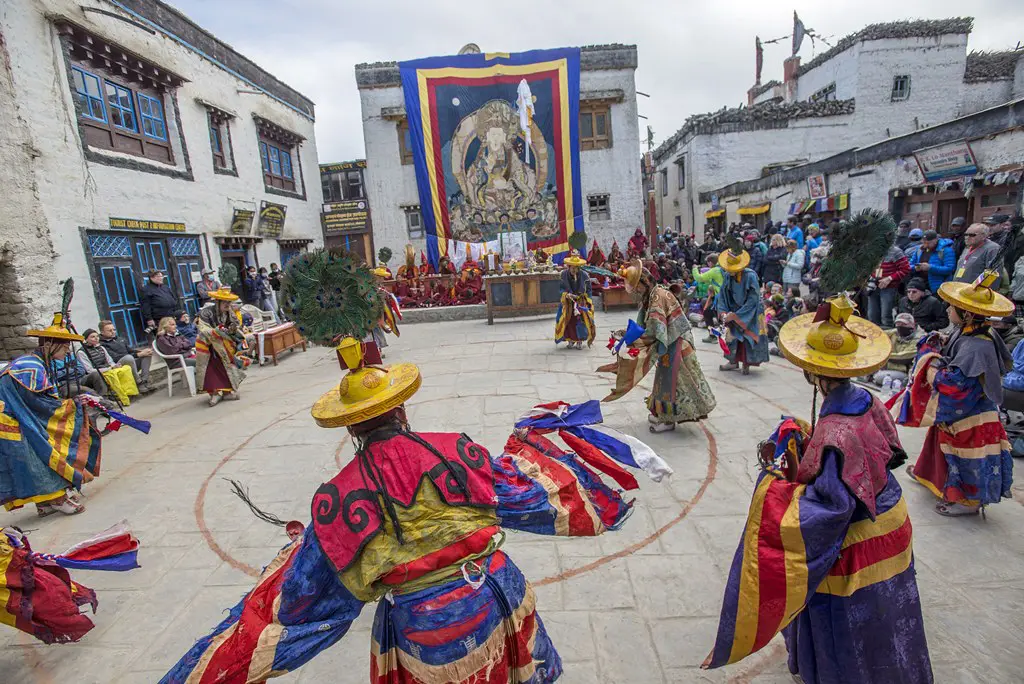
Lo Manthang, ancient caves, cliff monasteries, and the Tiji Festival draw cultural travelers. The dry trans-Himalayan area stays clear even during the monsoon season. Jeep-supported options work for trekkers who prefer less walking.
Best for Classic High-Pass Trekking: Manaslu Circuit
Mount Manaslu views, the Larkya La Pass, teahouse lodges, and a rich cultural diversity define the Manaslu Circuit. The route stays less crowded than the Everest and Annapurna routes—a good choice for trekkers wanting a classic circuit experience.
Best for Spiritual Culture: Tsum Valley
Buddhist villages, Mu Gompa, Rachen Gompa, and quiet trails make Tsum Valley stand out. The valley works well as an extension of Manaslu. Trekkers seeking peaceful, spiritual mountain culture find strong value here.
Best for Remote Adventure: Upper Dolpo
Shey Phoksundo Lake, long camping sections, high passes, and remote villages define Upper Dolpo. Higher logistics costs and fewer trekkers create a true wilderness experience. Best for experienced, self-sufficient trekkers.
Best Short Restricted Trek: Nar Phu Valley
Medieval-style stone villages, Kang La Pass, and direct access to Annapurna make Nar Phu ideal for a shorter, restricted trek. The route takes fewer days than Dolpo or Manaslu.—agood first restricted area experience.
Best Far-Western Experience: Humla Limi Valley
Remote border valleys, Tibetan-style culture, and very few trekkers define Humla. A strong wilderness feel rewards those who handle the logistics. Flight access through Simikot adds complexity but also exclusivity.
Best Time for Restricted Area Trekking in Nepal
Spring: March to May
Spring suits Manaslu, Tsum Valley, Nar Phu, Kanchenjunga, and Lower Dolpo. Rhododendron blooms in the lower elevations. Warmer days and stable weather create comfortable trekking conditions. Permit fees stay lower on seasonal routes.
Summer/Monsoon: June to August
Upper Mustang and parts of Dolpo work during the monsoon. These rain-shadow regions receive less rainfall than forested southern slopes. Trekkers seeking quieter trails and lower costs find good value during the summer months.
Autumn: September to November
Autumn works best for most restricted treks. Clear skies, stable weather, and strong mountain views define the peak season. Higher permit fees apply on Manaslu, Tsum Valley, and Nar Phu routes. Early booking matters during autumn.
Winter: December to February
Winter suits limited lower-altitude or rain-shadow routes. Cold nights, snow risk on high passes, and possible lodge closures demand careful logistics. Permit fees drop on seasonal routes. Only experienced, well-prepared trekkers should attempt winter-restricted treks.
Cheapest and Most Expensive Restricted Area Treks
Cheapest Restricted Area Treks
Lower Dolpo, Rasuwa restricted sections, Taplejung/Kanchenjunga sections, and Tsum Valley have the lowest permit fees. Lower Dolpo starts at USD 20 per week. Taplejung and Kanchenjunga sections start at USD 20 per week. Total trip cost includes more than just the permit fee. Lodge availability, flight access, guide fees, and supply logistics affect the final budget.
Most Expensive Restricted Area Treks
Upper Dolpo and Upper Mustang have the highest permit fees. Upper Mustang costs USD 50 per person per day. Upper Dolpo matches that rate and adds complex logistics, remote flights, camping crew, and longer supply lines. Long Humla/Limi Valley treks and remote camping routes also carry higher total costs. Logistics, flights, camping crew, and guide support often exceed the permit fee itself.
Solo Trekking in Restricted Areas: What It Really Means
A solo traveler now receives a restricted area permit as an individual. A private guided trek means one trekker with a licensed guide arranged through a registered agency. An independent trek means walking without a guide or agency support. Solo travelers get permits. Private guided treks happen legally. Independent trekking without a guide remains prohibited in all restricted areas. The word ‘solo’ refers to permit eligibility, not freedom from guide requirements.
| Rule | Before March 2026 | After March 2026 |
|---|---|---|
| Minimum group size | Two foreign trekkers reare quired | Solo trekkers allowed |
| Licensed guide | Mandatory | Still mandatory |
| Registered agency | Mandatory | Still mandatory |
| Pre-arrival application | Not available | Available via Submission ID |
| Guide-to-trekker ratio | No formal cap | 1 guide per 7 trekkers |
Why Permit Costs Differ by Season
Manaslu, Tsum Valley, and Nar Phu charge higher permit fees from September to November. Autumn brings the best weather, clearest skies, and strongest mountain views. Higher demand during peak season justifies the increased fee. December through August carries lower permit fees on these routes. Fewer trekkers, colder conditions, and monsoon rain on some routes reduce demand. Budget-conscious trekkers save on permits during off-peak months.
How to Verify a Trekking Agency
- Ask for the company registration documents
- Confirm the tourism license number
- Check TAAN membership, if applicable
- Request a written permit cost breakdown
- Verify the guide’s license details
- Ask about the emergency rescue plan
- Review clear cancellation terms before payment
Common Mistakes Trekkers Make
- Assuming solo trekking means guide-free trekking
- Believing one permit covers every route in Nepal
- Forgetting ACAP, MCAP, or national park permits
- Using outdated fee tables from old blog posts
- Booking with an unregistered operator
- Not confirming the guide license details before departure
- Carrying only digital permit copies
- Ignoring high-altitude insurance requirements
- Planning too few days for remote routes
- Trying to change routes without permit approval
Rules Trekkers Must Follow in Restricted Areas
- Trek only on the approved route
- Travel with the assigned licensed guide
- Carry permits throughout the trek
- Show permits at every checkpoint
- Respect local culture, monasteries, and sacred sites
- Do not fly drones without official permission
- Do not photograph military posts or sensitive areas
- Do not collect fossils, plants, wildlife items, or religious objects
- Follow local waste rules and carry out non-biodegradable trash
- Respect border-zone restrictions at all times
Penalties and Risks of Trekking Without a Permit
Trekkers should not enter restricted areas without valid permits. Checkpoints deny entry, stop the trek, cancel the route, or report violations to authorities. Trekking without a guide or outside the approved route creates insurance, rescue, and legal problems.
Quick Answer: What happens if you trek without a restricted area permit in Nepal?
Checkpoints deny entry, cancel the route, issue penalties, or report violations. Trekkers also lose rescue and insurance support when they trek outside approved permit rules.
FAQ
Q: What are Restricted Area Permits in Nepal?
A: Restricted Area Permits are special legal documents required to enter protected regions like Upper Mustang, Manaslu, and Dolpo. The government strictly controls these areas to preserve unique cultures and sensitive environments near international borders. Foreign travelers must obtain these permits before crossing into the restricted zones to ensure their visits are officially recorded and comply with regional conservation policies.
Q: Can solo trekkers get Restricted Area Permits in Nepal?
A: Yes, individual foreign travelers are now eligible to obtain these permits for restricted regions. However, you cannot simply head out on your own. Your journey must be organized through a registered trekking agency, and a licensed guide must accompany you. This regulatory change allows solo explorers more flexibility while maintaining essential safety standards and oversight in remote areas.
Q: Can I apply for a Restricted Area Permit myself?
A: No, you cannot handle the application process on your own. The government requires a registered trekking agency in Nepal to process and secure the permit on your behalf. This system ensures that all paperwork is accurate and that your trip meets the specific legal criteria for entering sensitive zones. It also ensures that a professional entity is responsible for your logistics.
Q: Is a guide mandatory for restricted area trekking in Nepal?
A: A licensed guide is strictly required for anyone trekking in restricted zones. This rule applies to both individual travelers and larger organized groups without exception. Your guide provides vital support with navigation, local communication, and emergencies in regions with limited infrastructure. Having a professional by your side is a key legal requirement for gaining access to these protected mountain areas.
Q: How much does an Upper Mustang permit cost?
A: The permit for this region costs $50 per person per day you spend in the restricted zone. Most agencies calculate a total of $500 since typical itineraries last 10 days. This is one of the more expensive permits in Nepal due to the area’s exclusive cultural status and its historical significance as a remote Himalayan kingdom.
Q: How much does a Manaslu Restricted Area Permit cost?
A: During the peak season from September to November, the permit costs $100 per person for the first week. From December to August, the price drops to seventy-five dollars per person per week. If you stay longer than seven days, additional daily fees will apply. These costs reflect the popularity and infrastructure demands of this iconic circuit trek.
Q: Do I need ACAP or MCAP with a restricted area permit?
A: Yes, you often need additional conservation permits depending on your specific route. For example, Upper Mustang and Nar Phu require the Annapurna Conservation Area Permit. The Manaslu trek requires the Manaslu Conservation Area Permit, and most hikers also need an ACAP when exiting toward Dharapani or Besisahar. It is essential to secure all necessary documents before starting your high-altitude journey.
Q: What documents do I need for a restricted area permit?
A: You need a copy of your passport, Nepal visa details, and a passport-sized photograph. You must also provide your detailed itinerary, insurance information, and an emergency contact. Finally, the application requires the specific details of your registered agency and your licensed guide. Ensuring all these papers are in order allows your agency to process the legal permit smoothly and quickly.
Q: Which restricted area trek costs the most?
A: Upper Dolpo and Upper Mustang currently have the highest permit fees in the country. Upper Dolpo is particularly costly because it involves complex logistics like flights, full camping support, and intensive remote rescue planning. The combination of high permit prices and the high cost of self-sufficient travel makes a trip to Upper Dolpo one of the most expensive Himalayan adventures.
Q: Which restricted area trek suits first-time restricted trekkers?
A: The Manaslu Circuit, Tsum Valley, and Nar Phu Valley are ideal choices for experienced hikers seeking their first journey into a restricted area. These routes offer incredible mountain views and deep cultural experiences without the extreme logistical difficulty of places like Dolpo. They offer a perfect balance of isolation and established trails, making them accessible yet adventurous options for your first controlled-region trek.