

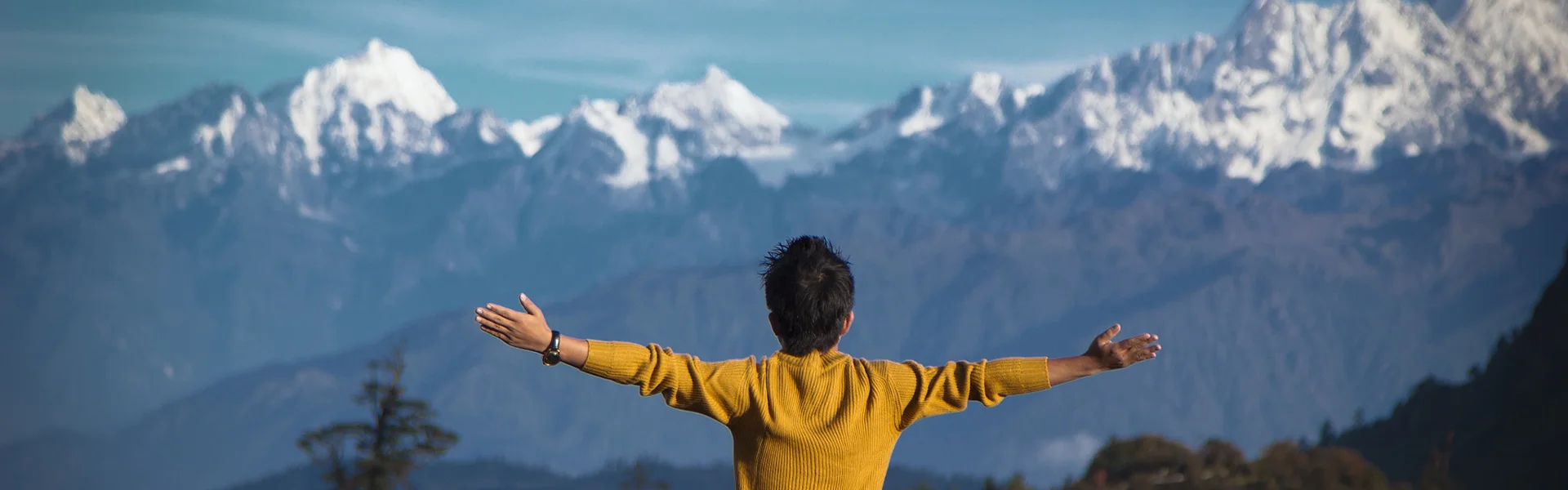

Monjo is the beginning step for the Everest Base Camp trek. This beautiful village is situated at an altitude of 2,830 m. It lies south of the Sagarmatha National Park and about 40 km east of Lukla. Trekkers start their journey to the base camp here. Monjo is the transitional village between the forest and the alpine region. Trekkers reach Monjo after a day of hiking from Lukla. You can see peaks like Thamserku and Kwangde from Monjo on a clear day.
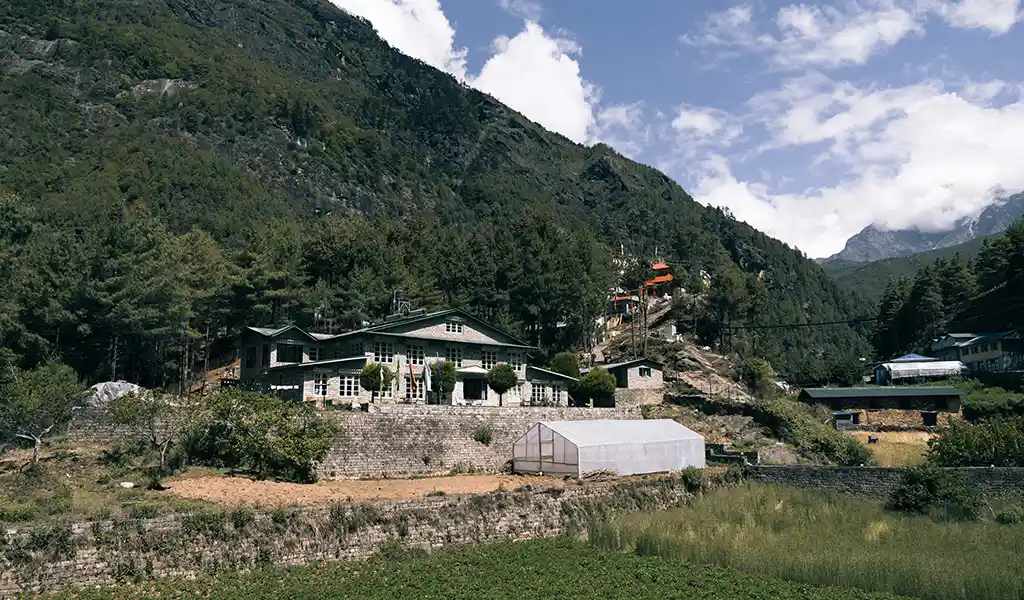
The village has lush vegetation during spring and autumn, and prayer flags are everywhere. Family sun tea houses and lodges are everywhere. Mani stones and Buddhist shrines along the path have a peaceful atmosphere. There are numerous farms and lodges in the area. The village is away from the bustling city and feels like a world-apart place. You will start ascending towards Namche after leaving Monjo. It is truly an equally beautiful and peaceful place at a lower altitude.
The Significance of Monjo on the Everest Base Camp Trek
Monjo is the checkpoint of Sagarmatha National Park, playing a significant role in the EBC trek. You will have to show your valid permit and passport to enter. You will officially enter a conserved area when you leave Monjo and walk towards Namche Bazar. After leaving Monjo, you will see a whole different kind of nature.
- Park Checkpoint: You must show your permit and passport to enter the protected area.
- Acclimatization Step: You are at 2830m altitude. It’s not high enough to feel the difference, but you will get an introduction to your coming days. Many trekkers choose to rest here after their flight from Lukla.
- Forest-to-Alpine Transition: Monjo is the starting point of the mountain terrain. It is the last stop, where you can see thick forests of tall pines and rhododendrons. The latter path still has these, but at a significantly lower level.
- Cultural Gateway: Trekkers get an introduction to the Sherpa and other local communities. From here, trekkers walk the same ancient path that once linked remote Himalayan valleys.
Exploring Monjo: What to See and Experience
Monjo is a Sherpa village. The trails have prayer flags and prayer wheels. Houses are of stone and wood. Their rooftops also have prayer flags. Short walls carved with Buddhist mantras, known as mani walls, are also prevalent. Sherpa people are mostly Buddhists, so they honor their religion this way. Himalayan Sheepdogs are everywhere in the village.
This quiet and peaceful village has monasteries hidden among houses. You often hear the monks chanting mantras. It is common for the owners/staff of the lodge to sit with you in the dining hall to talk or greet. Monjo gives you the feeling of being in the Himalayas, one with nature. The trail follows the Dudh Koshi River through the valley. Below the village, you come to suspension bridges covered in prayer flags. You cross as the river roars beneath you. The sound of rushing water always plays in the background.
Take a moment to notice the prayer flags, pine scent, and yaks moving past,
- Prayer Flags and Chortens: Prayer flags are hung all over the village for blessings and peace. They are colorful and sway with the wind. Chortens, otherwise known as a stupa, represent Buddha’s mind. They honor loved ones. This sacred prayer is for everyone’s protection.
- Mani Walls and Prayer Wheels: Mani walls are small stone walls with Buddhist mantras carved into them. They honor Buddha’s teachings. Locals believe that these prayer wheels send prayers to the world with each rotation.
- Sagarmatha Park Gate: The Sagarmatha National Park gate is right above Monjo. There is a small display of the protected wildlife and park information. You can stop here to learn about this World Heritage site.
- Dudh Koshi River and Suspension Bridges: Dudh Koshi River flows near the village. You can cross these rivers through suspension bridges.
- Scenic Views: If the day is clear, you can see Thamserku and Kwangde in the north. The view of these mountains during sunrise/sunset is extraordinary.
Practical Information for Trekkers
- Tea Houses: The lodges are family-run. Teahouses or lodges are mostly cozy and straightforward here. Wood-burning stoves are standard here. You can find private rooms with twin beds, but bathrooms are mostly shared. Hot showers are not free, and booking these rooms in advance during the peak season is better.
- Food: You can get Dal Bhat for lunch and dinner; Tibetan bread or eggs are typical for breakfast. You can also get hot drinks like butter tea, ginger tea, hot lemon with honey, etc. Before the trek starts, you must inform your guide and the lodge if you have any food restrictions.
- Permits: If you are a foreigner, you must show a Sagarmatha National Park Permit to proceed. Other permits are required later in the route. Your trekking agency will manage these permits for you, so keep them and your passport within reach for easy access.
- Water and Safety: Your water may not be the safest to consume, so bringing a reusable water bottle and water purification methods like a tablet is better. Don’t drink tap and river water. You can refill your water in lodges along the way. You may start to get attitude sickness even in Monjo, so maintain a steady and comfortable pace and hydrate yourself. Don’t push your body too hard. Use sun protection and wear sturdy hiking boots.
- Connectivity: Electricity is not free. You have to pay around $1-$2 per charge. Slow Wi-Fi may be available. Buying a local SIM card to connect and use data is better. Don’t get distracted by your electronics; enjoy nature away from the city.
- Trekking Times: You must cover 14km, walking 4 to 5 hours from Lukla to Monjo. It is a relatively easy hike with gentle ups and downs. Reaching Namche Bazaar from Monjo takes 3 to 4 hours, covering a distance of about 7km. This hike is more challenging with steep trails and a 600m elevation rise. Experts advise resting a day in Namche for acclimatization.
- Clothing: Pack layers. The base layer should be of synthetic fabric. Carry a warm jacket, hat, gloves, and socks. Pack windproof and waterproof clothes. Your trekking boots must endure the rugged trails. Also, carry sun protection and a brimmed hat.
- Money: Almost all money transactions are via cash. Ensure you have enough Nepali rupees for your entire trek and extra cash for additional expenses. Prices are high at the altitude, so budget accordingly.
Frequently Asked Questions
1. Where is Monjo located?
Monjo is en route to Everest Base Camp in Nepal’s Khumbu region. To its north is the Sagarmatha National Park. It is the first village trekkers pass to reach the Namche Bazaar.
2. How high is Monjo above sea level?
Monjo is about 2,830m above sea level. It is higher than Lukla but lower than Namche Bazaar. It has a moderate altitude, helping the visitors adjust to the rising elevation.
3. Why is Monjo essential for the Everest Base Camp trek?
Monjo is the official entry point to the Sagarmatha National Park. You need to get the permit for the park just above the village. This place has a mild altitude, so it helps the trekkers acclimatise before leaving.
4. Do I need a permit at Monjo?
While you don’t need a permit to enter the Monjo village, you do need a permit to proceed further with your trek. You need the Sagarmatha National Park permit at the park gate. Furthermore, you need a Khumbu Pasang Lhamu Rural Municipality permit. Your agency or guide will manage these for you.
5. How many days does it take to reach Monjo from Lukla?
The distance from Lukla to Monjo is 14 km. The trail is easy; depending on your walking speed, you can reach Monjo in 4 to 5 hours. You will likely hike this trail after landing in Lukla on the same day or the next.
6. How far is Monjo from Namche Bazaar?
You have to hike for 3 to 4 hours to cover 6 to 7 km from Monjo to reach Namche Bazaar. The trail is more challenging than the previous day, with large suspension bridges and steep paths.
7. Should I acclimate in Monjo?
Monjo is the starting point of the trek; its altitude is not very high. While it’s not a key acclimatization point, it is a helpful step before the bigger gain to Namche Bazaar, where most trekkers take a full rest day to acclimate properly.
8. Are there accommodations in Monjo?
Monjo had many family-run teahouses. They offer simple but cozy rooms and meals. You can get twin or bunk beds in a private room. The bathroom is almost always shared. Please book your room in advance to secure it.
9. What is the food like in Monjo?
Tibetan and Nepali food is typical here. Dal Bhat, thukpa, potato curry, and Tibetan bread are especially loved and consumed. Popular drinks are hot butter tea, ginger tea, and hot lemon with honey. The meals are simple but filling.
10. Are there shops or supplies in Monjo?
Monjo doesn’t have many shops. A few sell simple snacks like chocolate, chips, biscuits, bottled water, and basic toiletries. If you have any specific needs, buying from Kathmandu or Lukla or waiting till reaching Namche Bazar, a bustling market hub, is better.
11. Can I charge my phone or use Wi-Fi in Monjo?
Monjo, like the rest of Nepal, uses 220V of electricity. Electricity is available, but you must pay about $1-$2 to charge your electronics. It is better to connect with nature without any electronic distractions.
12. What is the weather like in Monjo?
It is pretty cold in Monjo, but the weather varies from season to season. Spring and autumn seasons have warm days from about 5°C to 15°C. Nights can be freezing. Monsoons frequently rain heavily and have chilly weather. Winter is cold with snow and freezing days.
13. Can I see Everest from Monjo?
Mountains like Thamserku, Nuptse, and Kwangde surround Monjo, making Everest not visible from the village. However, following a forest trail above Monjo to reach Jorsalle, you can glimpse the peak on a clear day.
14. What kind of wildlife might I see in Monjo?
The national park has many species of wildlife. You can spot and hear squirrels or peacocks. Danphe is a colorful bird found in the Himalayas. Larger wildlife like Himalayan tahr or barking deer tend to stay at higher elevations, so you’re unlikely to see them in the village. Keeping your distance and respecting their space is essential if you catch a glimpse.
15. Is there a hospital or clinic in Monjo?
Monjo has a small health post with limited medical facilities. You will have to reach the nearest hospitals with proper facilities. Carry a first aid kit with personally prescribed medicines to handle minor injuries.
16. Is it safe to trek to Monjo?
Trekking to Monjo is safe and beginner-friendly. Trail symbols are easy to understand, and the path is easy. The weather is unpredictable in the mountains, so it is better to check the forecast before the trek. The Monjo is a reasonably safe trek if you are hydrated, walk steadily, and are in good physical condition.
Conclusion
Monjo is a beautiful village welcoming every visitor with a warm hug. Your stay in this Sherpa village will likely be your best memory. You will learn the rich historical and cultural stories in the Monjo village. You will leave with the memories of butter tea, prayer flags, and the mountains. Monjo is where your trek to Everest Base Camp truly begins. Remember and respect the place.