


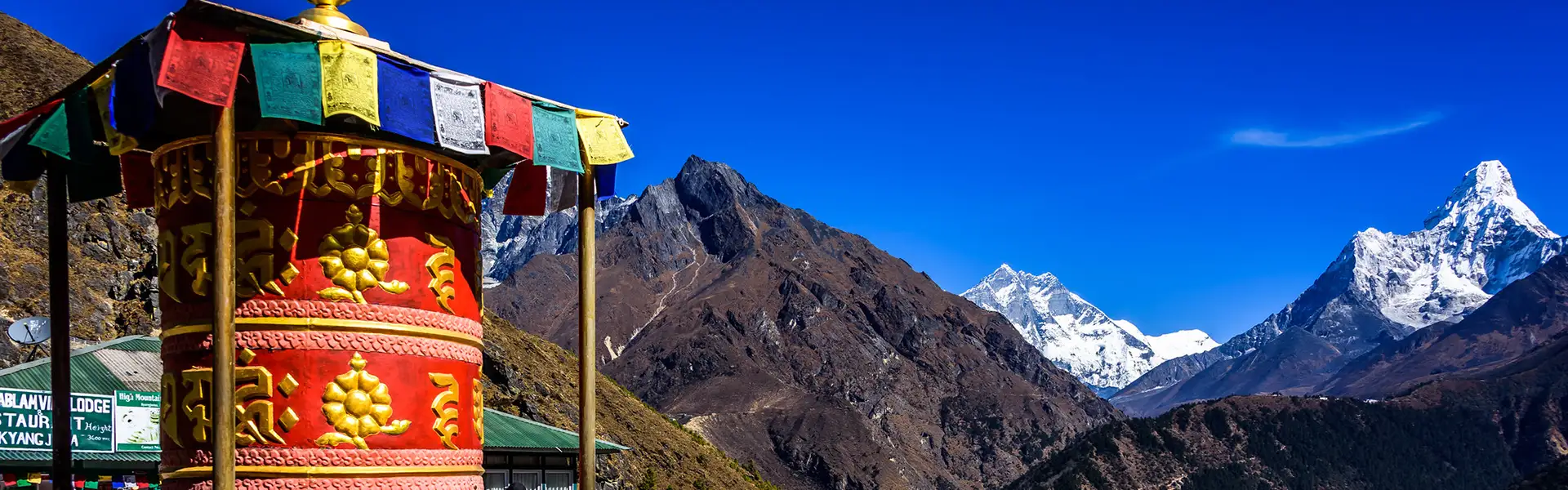

Most hikers arrive in Nepal with too much gear or the wrong gear. Both mistakes make the trail harder and less fun. Nepal trails vary widely. A short morning hike near Kathmandu needs a very different setup from a 12-day tea-house trek above 4,000 meters. Your Nepal hiking packing list must match the trail type, altitude, and season — not just the destination name.
This guide covers the full Nepal hiking packing list from documents and clothing to footwear, health, and electronics. It explains how packing changes by season, altitude, and trip length. By the end, you will pack smarter, carry less weight, and avoid the most common gear mistakes hikers make in Nepal. Nepal hikes range from easy valley walks to demanding high-altitude multi-day routes. A good Nepal trekking packing list accounts for this range. One size does not fit all trails here.
Quick Answer: What Should You Pack for Hiking in Nepal?
If you need a fast reference, here are the core items on any Nepal hiking packing list:
- Layered clothing system: base layer, warm mid-layer, waterproof outer shell.
- Broken-in hiking boots or trail shoes suited to your route.
- Waterproof jacket or rain gear.
- Warm insulated jacket (down or synthetic).
- Daypack (15 to 40 liters, depending on trip length) with rain cover.
- Two 1-liter reusable water bottles plus a water purification method.
- Basic first-aid kit including blister care and personal medication.
- Sunscreen (SPF 50 minimum), sunglasses, and a sun hat.
- Headlamp with spare batteries or a rechargeable option.
- Passport copy, permits, insurance details, emergency contacts, and cash in Nepali rupees.

Every item above earns its place. The sections below explain each category in full and show how the list changes for your specific trail.
Nepal Hiking Packing List at a Glance
Use this table to compare core needs across three trip types. It acts as your Nepal hiking checklist before you start filling your bag.
| Category | Must-Pack Item | Day Hike | Tea-House Trek | High-Altitude Trek |
|---|---|---|---|---|
| Documents | Passport copy, permits, cash | Yes | Yes | Yes + special permits |
| Clothing | Full layering system | Light layers only | Complete system | Complete + thermal layers |
| Footwear | Broken-in boots or trail shoes | Trail shoes | Hiking boots | Sturdy, ankle-support boots |
| Water | Bottle + purification | Bottle only | Bottle + tabs | Bottle + filter + electrolytes |
| Health Kit | First aid + personal meds | Basic kit | Full kit | Full kit + altitude meds |
| Electronics | Phone, headlamp, power bank | Phone only | Power bank essential | Full electronics kit |
| Sleeping Gear | Liner or sleeping bag | Not needed | Liner useful | Sleeping bag required |
| Trekking Gear | Poles, gaiters, rain cover | Optional | Poles helpful | Poles + gaiters essential |
How Packing for Nepal Changes by Trail Type
Nepal offers day hikes, short treks, classic tea-house routes, and demanding high-altitude routes. Your Nepal hike gear list must match the exact type of trail you choose. A one-list-fits-all approach leads to overpacking or dangerous under-preparation. Use the sections below to identify your trail type first.
Day Hikes Near Kathmandu or Pokhara
Day hikes last 4 to 8 hours. You return to your hotel the same evening. Popular routes include Shivapuri, Champadevi, and the Nagarkot ridge walk. Keep the pack light. A 15 to 20-liter daypack handles everything you need. Focus on water, sun protection, a light rain layer, and basic safety items.
Short 2 to 5-Day Treks
These routes use tea houses for accommodation. You carry your own gear or hire a porter for your main duffel bag. A 30 to 40-liter backpack covers most short treks. Add a full clothing system, extra socks, a first-aid kit, and toiletries to your Nepal trek packing list.
Classic Tea-House Treks
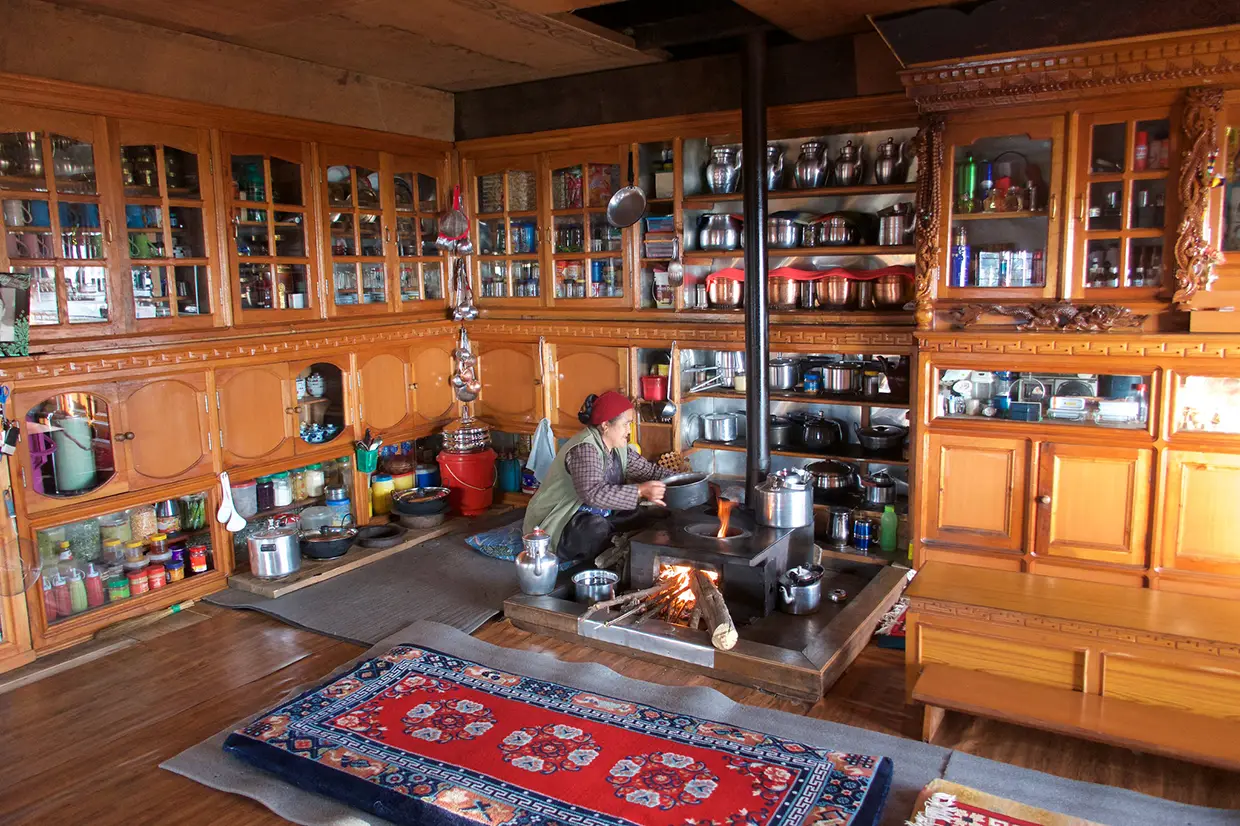
Routes like Everest Base Camp, the Annapurna Circuit, and Langtang Valley fall into this category. Tea houses provide meals and beds along the entire route. Your tea-house trek packing list for Nepal needs to cover 7 to 21 days. Include a warm jacket, a sleeping bag liner or sleeping bag, and a comprehensive health kit.
Higher-Altitude Multi-Day Treks
These routes cross passes at elevations of 4,000 to 5,500 meters. Temperatures drop well below zero at night. Acclimatization days break up the schedule. Add thermal base layers, a warmer insulated jacket, better gloves, and altitude medication if your doctor prescribes it. Your Nepal altitude hiking gear list expands significantly above 4,000 meters.
Restricted and Remote Routes
Trails like Upper Mustang, Upper Dolpo, and Kanchenjunga require special permits and a licensed guide. These are not beginner trails. Carry extra dry bags for documents and electronics. Plan for limited resupply options. A stronger first-aid kit becomes especially important when the nearest medical help is far away.
Core Nepal Hiking Packing List: Full Breakdown by Category
Here is the complete Nepal hiking essentials list grouped by category. Use this as your practical guide when filling your bag.
Documents, Money, and Trip Basics
Permits and documents belong near the top of your Nepal hiking packing list. Many major trekking routes require a TIMS card, a national park entry permit, and a licensed guide.
- Original passport and one printed copy kept separately.
- Trekking permits: TIMS card, national park entry permit, and restricted-area permits where required.
- Travel insurance with helicopter evacuation coverage.
- Emergency contacts are printed on paper, not only stored on your phone.
- Cash in Nepali rupees (ATMs are unavailable on almost all trekking trails).
- Load a local SIM card with data before you leave the city.
- Printed or downloaded offline copies of your itinerary and hotel bookings.
Backpack and Bag Setup
Choose your bag based on trip length and whether you use a porter.
- 30 to 40-liter backpack for self-carried treks
- A lightweight duffel bag is what a porter carries your main luggage
- A rain cover that fits your pack properly
- Dry bags or zip-lock bags for electronics, documents, and valuables
- Small packing cubes to organize layers and health items quickly
Keep your health kit, valuables, and key documents in your own daypack at all times, even when a porter handles the duffel.
Clothing: The Layering System for Nepal
Nepal temperatures drop by roughly 6°C for every 1,000 meters you gain in altitude. A layering system handles this range far better than one bulky jacket. Think in three layers: a base layer to manage moisture, a mid-layer for warmth, and an outer layer to block wind and rain. This system forms the backbone of your Nepal hiking clothes setup.
- 2 to 3 moisture-wicking base-layer tops (synthetic or merino wool)
- 1 long-sleeve base-layer top for cold mornings and high camps
- Fleece jacket or lightweight down mid-layer
- An insulated down or synthetic jacket for high altitude and cold nights
- Waterproof and windproof outer shell jacket
- 2 pairs of trekking pants (quick-dry fabric)
- Thermal leggings for routes above 3,500 meters
- 4 to 6 pairs of hiking socks (moisture-wicking, wool preferred)
- Liner gloves for cool mornings, plus a warmer outer glove pair
- Warm wool or fleece hat
- Buff or neck gaiter to cover the face in the wind
- Sun hat or brimmed cap for strong UV exposure on open trails
Footwear
Footwear ranks among the most critical items on your Nepal hiking packing list. Wrong boots cause blisters. New boots cause blisters faster. Poor grip causes slips on wet rock and muddy trails.
- Hiking boots broken in with at least 50 hours of use before your trip
- Trail runners are a lighter option for lower-altitude day hikes only
- Camp sandals or flip-flops for tea-house evenings
- 4 to 6 pairs of quality trekking socks
- Blister plasters, moleskin padding, and medical tape for foot care
Buy and break in your footwear at home. Rental boots in Kathmandu vary a lot in quality and fit. Your feet carry you for 6 to 8 hours daily. Do not compromise here.
Water, Snacks, and Hydration
Clean water keeps your body working at altitude. Treat hydration as a core part of what to pack for hiking in Nepal, not a small extra.
- Two 1-liter reusable water bottles
- Water purification tablets or a lightweight inline filter
- Electrolyte powder or tablets for long, sweaty days
- High-energy trail snacks: nuts, energy bars, dried fruit, dark chocolate
- A few comfort food items for long or difficult days
Tea houses sell purified water, but at a cost. Bringing your own purification saves money and reduces single-use plastic bottles on the trail.
Health and First Aid
Above 2,500 meters, treat any headache, nausea, or dizziness as possible altitude sickness until proven otherwise. A solid trail health kit prepares you for the most common trail problems.
- All personal prescription medications in original labeled bottles
- Blister plasters, moleskin, and zinc oxide tape
- Paracetamol or ibuprofen for pain, fever, and inflammation
- Altitude medication, such as Acetazolamide, if your doctor prescribes it
- Oral rehydration salts for dehydration or stomach illness
- Antiseptic cream and a few sterile wound dressings
- Hand sanitizer (small bottle, refill at tea houses when possible)
- Sunscreen: SPF 50 minimum, reapply every 2 hours on high-altitude trails
- Lip balm with SPF protection
- Insect repellent for lower-altitude and monsoon-season routes
- Small digital thermometer
Toiletries and Personal Care
Pack small. Tea houses have limited space and no laundry facilities on most routes. Focus on what you actually need on the trail.
- Toothbrush and travel-size toothpaste
- Toilet paper or tissues in a waterproof bag
- Biodegradable soap or body wash
- Quick-dry travel towel (microfiber, small size)
- Menstrual products, if relevant
- Nail clippers
- Moisturizer (skin dries quickly at altitude and in cold mountain air)
Electronics and Useful Extras
Keep your electronics list short. Extra weight costs energy on every uphill step. Only pack electronics you will actually use every day.
- Smartphone with offline maps downloaded before leaving the city
- Charging cable and a universal travel adapter
- Power bank (10,000 mAh minimum for multi-day treks)
- Headlamp with spare batteries or rechargeable cells
- Camera, if you prefer higher quality over a phone — otherwise, a phone works fine
Power cuts and limited sockets are common in mountain tea houses. A reliable power bank solves most charging problems without depending on tea-house electricity.
Nepal Hiking Packing List by Season
Nepal has five seasons. Your Nepal packing list by season changes more than most hikers expect. The same trail feels completely different in spring versus monsoon or winter.
Spring Packing List — March to May
Spring brings warm days, blooming rhododendrons on forested trails, and mostly stable weather. Expect afternoon clouds and brief rain above 3,000 meters.
- Full layering system with lighter insulation compared to winter
- Strong sun protection (UV intensity rises sharply with altitude in spring)
- Light rain backup jacket for afternoon showers
- Sunglasses with UV protection rated for mountain conditions
- Allergy medication if you react to high pollen in the rhododendron forest zones
Spring is a good time for most Nepal trails. It matches the best all-around hiking packing for Nepal in spring, as conditions remain manageable for most fitness levels.
Autumn Packing List — September to November
Autumn offers the most stable hiking conditions and is considered the best time to hike in Nepal. Days feel warm, mornings and evenings cool down fast, and skies stay clear after the monsoon ends.
- Full standard layering system: base, mid-layer, and waterproof shell
- Warm hat and light gloves for early mornings above 3,000 meters
- Dust protection (a buff helps on dry lower-altitude trails in autumn)
- Sunscreen and quality sunglasses
Packing for hiking in Nepal in autumn stays straightforward. This season suits first-time hikers and experienced trekkers equally well.
Winter Packing List — December to February
Winter brings cold nights, possible snow above 3,500 meters, and very clear mountain views. Lower-altitude trails near Kathmandu and Pokhara stay comfortable during the day.
- Heavy insulated down jacket for evenings and nights above 3,000 meters
- Thermal base layers, top and bottom
- Warm insulating gloves and a wool or fleece hat
- Thicker trekking socks
- Sleeping bag rated to at least -10°C for high-altitude routes
- Hand warmers as backup for very cold nights
- Waterproof and insulated outer boots for crossing snowy passes
The Nepal winter hiking packing list needs more insulation than any other season. Cold nights above 4,000 meters test both your gear and your preparation.
Monsoon Packing List — June to August
Monsoon brings heavy rain to most of Nepal from June through August. Rain-shadow areas like Upper Mustang stay much drier and offer excellent summer hiking.
- Fully waterproof jacket and waterproof trousers
- Quick-dry base layers and trekking pants
- Full rain cover for your backpack
- Extra pairs of socks (wet socks cause blisters in hours)
- Anti-leech socks or leech-repellent spray for lower forested trail sections
- Dry bags for all electronics and important documents
- Gaiters for muddy trail sections
A Nepal monsoon hiking packing list emphasizes waterproofing. Wet gear adds weight, creates blisters, and lowers your body temperature at altitude.
How Packing Changes by Altitude in Nepal
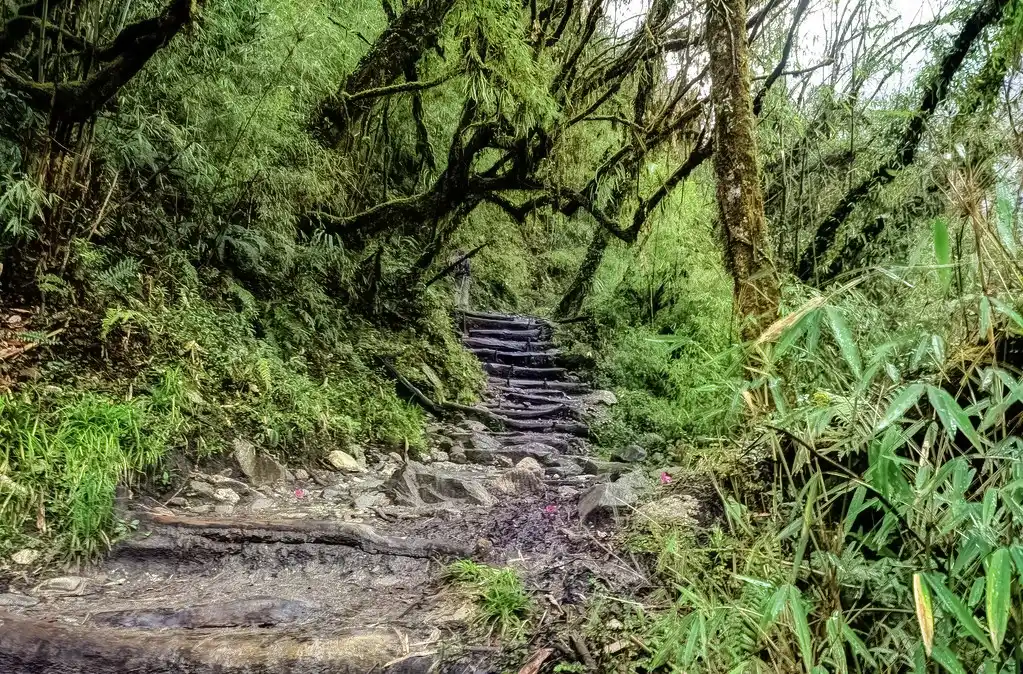
Altitude directly affects what you wear and how you manage your health on the trail. Your Nepal altitude-hiking gear must match the elevation of your route.
Lower-Altitude Hikes — Below 2,000 Meters
Kathmandu Valley hikes, lower Pokhara trails, and forest day routes fall into this group. Light clothing, trail shoes, and a compact daypack cover everything. Sun protection and a basic first-aid kit still matter at lower altitudes. Dehydration and sun exposure cause problems at any elevation.
Mid-Altitude Treks — 2,000 to 3,500 Meters
The temperature drops noticeably at night. A full layering system, a warm hat, and solid hiking boots become important. Acclimatization becomes important above 2,500 meters. Add electrolytes and a more complete first-aid kit to your Nepal trek packing list for mid-altitude routes. Altitude effects start at lower elevations than many hikers expect.
High-Altitude Tea-House Treks — Above 3,500 Meters
Cold nights, strong UV radiation, and steady wind make Nepal altitude hiking gear essential above 3,500 meters. Add thermal layers, warmer gloves, a reliable sleeping setup, and altitude medication to your packing list. Drink water regularly above 2,500 meters even when you do not feel thirsty. Dehydration accelerates altitude-related fatigue and raises your risk of altitude sickness.
Day Hike Packing List for Nepal
A day hike near Kathmandu or Pokhara needs a stripped-back setup. Popular day-hike routes include Shivapuri National Park, the Champadevi trail, and the Nagarkot ridge walk. These trails suit all fitness levels. They also work well as warm-up hikes before a longer trek. Your day hike packing list for Nepal keeps things simple and lightweight.
- Small 15 to 20-liter daypack
- 1 to 2 liters of water
- Light trail snacks or a packed lunch
- Light rain jacket
- Basic first-aid kit: bandages, pain relief, blister plasters
- Sunscreen and quality sunglasses
- Sun hat or cap
- Smartphone with an offline map downloaded
- Cash for trail entry fees and drinks
- Headlamp, in case the hike may run past sunset
Day hike packing stays lean. Leave the heavy gear at the hotel and move faster.
Tea-House Trek Packing List for Nepal
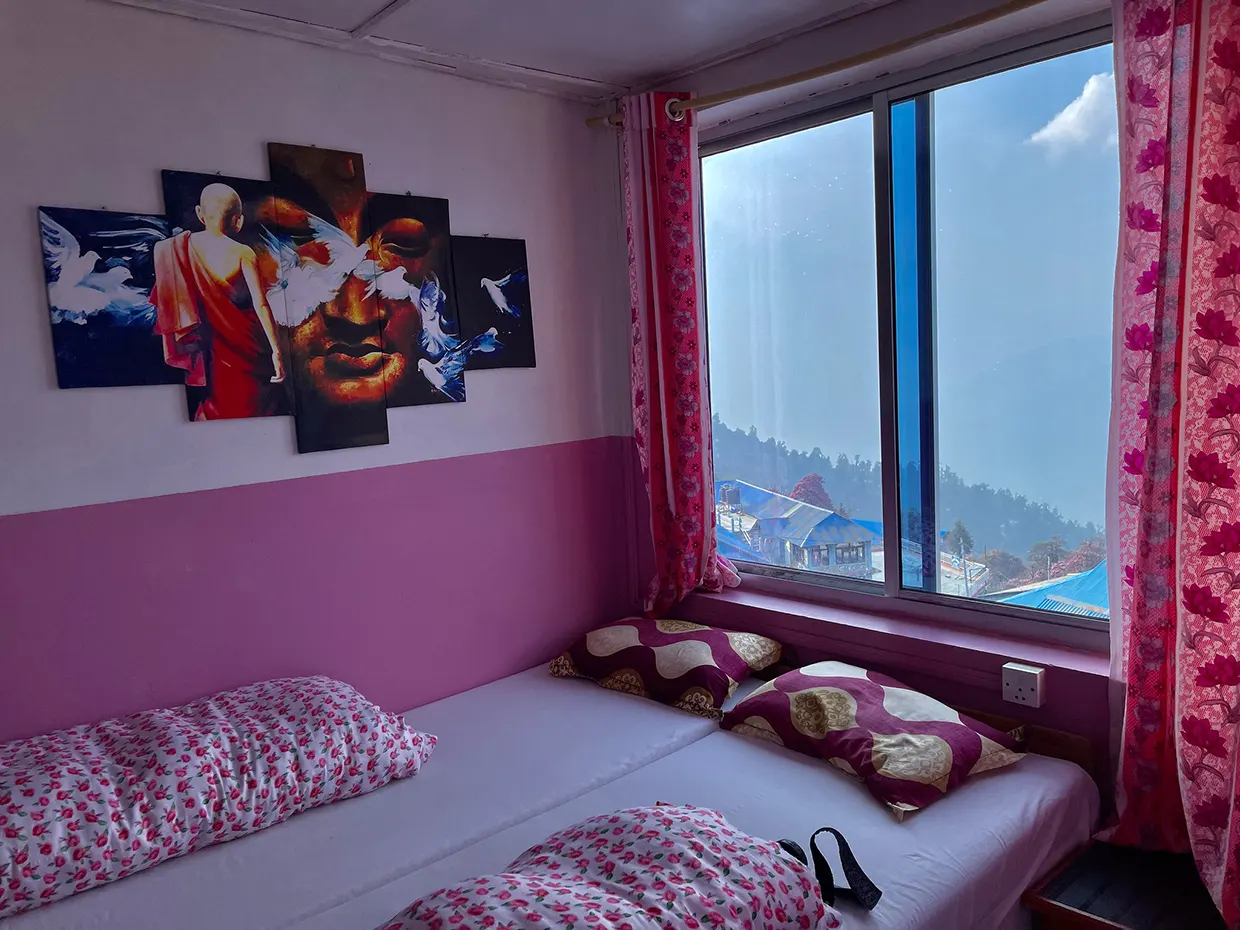
Tea houses provide meals, a bed, and basic shelter along most major trekking routes in Nepal. Your tea-house trek packing list for Nepal adjusts because you do not need cooking gear or a tent. Here is what tea houses usually provide: meals, a pillow, and a blanket. Here is what they do not reliably provide: thick, warm blankets at high altitude, charging sockets in every room, hot-water showers above 3,500 meters, and toilet paper.
Pack your own warm layers for cold evenings. Bring a sleeping bag liner or a full sleeping bag for higher elevations. A power bank solves the charging problem. Your own toiletries keep you comfortable at any tea house. A lighter pack works well on tea-house routes. You do not carry camping gear, cooking supplies, or food beyond trail snacks. The savings in weight come from what you leave behind.
Remote and Restricted Trek Add-Ons
- Restricted-area routes such as Upper Mustang, Upper Dolpo, and Kanchenjunga require a minimum group size of 2 trekkers and a licensed guide. Permits cost more and need extra processing time.
- All standard permits plus the required restricted-area permit obtained before departure
- Extra dry bags to protect documents and electronics on longer remote sections
- More backup cash since services and ATMs do not exist on remote trails
- A copy of all permits is kept in a separate bag from the originals
- A stronger and more complete first-aid kit since medical support sits far away
- Emergency satellite communicator if your route takes you far from mobile coverage
Remote routes reward careful preparation. A short trek Nepal packing list does not cover restricted-area routes. Start planning your gear and permits at least four to six weeks before departure.
What Not to Pack for Hiking in Nepal
Over-packing is one of the most common and easily avoided mistakes in Nepal. Every extra kilogram drains energy on every uphill section.
- More than 3 to 4 clothing sets (tea houses do not offer reliable laundry on most routes)
- Heavy denim jeans — they dry slowly, weigh a lot when wet, and restrict movement.
- Full-size toiletry bottles — buy travel sizes or transfer to a small container.s
- Unnecessary electronics: a tablet, spare laptop, or multiple camera bodies add weight without trail value
- A second pair of hiking boots — one well-fitted pair covers every Nepal trail
- Thick travel pillows — tea houses provide pillows on all standard routes
- Any item you have never tested or used before
- Dress clothes or city shoes — they have no use on the trail
Apply one test to each item: does this earn its weight on the trail every single day? If not, leave it behind. A lighter Nepal hiking packing list almost always makes for a better trip.
How Much Weight Should You Carry?
No single number fits every hiker. Weight depends on fitness, route difficulty, duration, and whether you use a porter.
- Day hike: 4 to 6 kg feels comfortable for most adults
- Self-carried tea-house trek: 8 to 12 kg keeps the load manageable
- Porter-supported trek: carry 5 to 7 kg in your daypack, hand the duffel to the porter
A lighter pack reduces joint strain, speeds up pace, and leaves more energy for the final stretch each day. Cut weight by choosing compact gear, reducing clothing quantity, and swapping full-size toiletries for travel sizes. Porters on Nepal trails are professional and experienced. Hiring a porter does not reduce the value of your hike. It also provides income for local families in mountain communities.
Should You Buy or Rent Gear in Nepal?
Kathmandu and Pokhara both offer gear rental and purchase options. Thamel in Kathmandu has dozens of trekking shops. Quality varies, but good options exist at reasonable prices.
Best Items to Bring From Home
- Hiking boots (fit and break-in matter too much to risk with rentals)
- Personal prescription medications
- Base layers and technical clothing you trust and have tested
- Headlamp from a reliable brand with tested batteries
- Water purification system matched to your route
Best Items to Rent in Kathmandu or Pokhara
- Sleeping bag (quality rental bags are available at reasonable daily rates)
- Trekking poles
- A down jacket, if you do not already own one
- Duffel bag for porter use on longer treks
Best Items to Buy Locally If Needed
- Trekking socks (good quality, locally available)
- Buff or neck gaiter
- Trail snacks and energy bars
- Waterproof pack covers
- Sunscreen and insect repellent
How to Judge Rental Quality
Check every zip, seam, and closure before accepting rental gear. Ask to see the temperature rating on sleeping bags. Avoid any item with visible wear or damage. Renting reduces the weight of your checked luggage on your flights. Buying locally makes sense if local prices are lower than what you pay at home for the same quality.
Nepal Hiking Packing List for Beginners
First-time hikers in Nepal often make one of two mistakes: they pack too much, or they skip items they will genuinely need. A Nepal hiking packing list for beginners focuses on simple, tested gear.
- Common beginner over-packing: too many clothing changes, full-size toiletries, a heavy sleeping bag for a warm-season trek, and borrowed gear that was never tested before departure.
- Common beginner under-packing: no rain layer, no blister care kit, no water purification, only one or two pairs of socks, and no cash backup for the trail.
The best gear for a first trip does not need to be expensive. A basic layering system, broken-in trail shoes or boots, a 30-liter pack, and a solid health kit cover almost all Nepal trails for beginners. Simple and tested always beats technical and untried.
Sample Packing Lists by Trip Length
These samples give you a clear starting point. Adjust each list based on your specific season, altitude, and route.
1-Day Hike
- 15 to 20-liter daypack
- 1 to 2 liters of water
- Trail snacks
- Light rain jacket
- Basic first aid: blister plasters, pain relief
- Sunscreen and sun hat
- Phone with an offline map
- Cash
2 to 4-Day Trek
- 30-liter backpack
- Full layering system: base, fleece, waterproof shell
- Hiking boots
- Full first-aid kit
- Power bank
- 2 to 3 days of clothing
- Travel-size toiletries
- Trekking permits and documents
5 to 7-Day Trek
- 35 to 40-liter pack
- Full clothing system plus thermal base layers for routes above 3,000 meters
- Sleeping bag liner
- Full first-aid kit plus altitude medication if prescribed
- Power bank (10,000 mAh)
- Extra socks and base layers
- Water filter or extra purification tablets
- Trekking poles
8+ Day Trek
- 40-liter pack or duffel plus daypack with porter support
- Sleeping bag for high-altitude nights
- Complete warm clothing system, including thermal layers
- Comprehensive first-aid kit
- Extra cash for emergencies and tips
- All permits, insurance documents, and copies
- Offline maps downloaded and tested before departure
- Emergency contact card printed and kept in a zip pocket
Common Packing Mistakes for Hiking in Nepal
Learning from common mistakes costs nothing. Making them costs blisters, discomfort, and sometimes safety problems on the trail.
- Using brand-new, untested boots — the single most common cause of blisters on Nepal trails
- Packing too many clothes — one extra set works for most tea-house routes with hand-washing at night
- Skipping the waterproof layer — weather changes fast above 3,000 meters in Nepal.
- Bringing only two pairs of socks — socks wear out fast and take days to dry at altitude
- Ignoring sun protection — UV levels at 4,000 meters burn skin much faster than at sea level.
- Skipping a first-aid kit — the nearest pharmacy may be two full days of hiking away
- Forgetting water purification — safe drinking water is not guaranteed anywhere on the trail.
- Packing city clothes instead of trail gear — cotton holds moisture, denim restricts movement, and city shoes slip on wet rock.
- Waiting to buy unfamiliar gear in Kathmandu — some items fit differently from what you find at home.
Frequently Asked Questions
Q: What should I pack for hiking in Nepal?
A: Essential gear includes layered clothing—specifically a base layer, warm mid-layer, and waterproof shell—along with broken-in hiking boots. You should also carry a daypack with a rain cover, two water bottles with purification tools, a first-aid kit, and a headlamp. Always keep your documents and cash handy, adjusting your specific items based on the season and chosen trail.
Q: Do I need a sleeping bag for Nepal tea-house treks?
A: Tea houses usually provide blankets, though their quality often drops at altitudes above 4,000 meters. Bringing a sleeping bag liner improves hygiene and adds extra warmth. For high-altitude treks or winter routes, carrying a full sleeping bag rated to -10°C is highly recommended to keep you comfortable on cold nights.
Q: Are hiking boots necessary in Nepal?
A: Boots are necessary for steep, rocky, or high-altitude terrain. While trail runners are suitable for low-altitude day hikes, any footwear you choose must be thoroughly broken in before your trip. Wearing new boots for the first time on the trail is a mistake, as they almost always lead to blisters during long hiking days.
Q: What is the most important item on a Nepal hiking packing list?
A: Proper footwear and a reliable layering system are the most critical items for your safety and comfort. Following these, water purification methods and a basic health kit are vital for staying healthy when medical facilities are far away. These core items form the foundation of a successful and safe Himalayan trekking experience.
Q: How much weight should I carry on a Nepal trek?
A: Aim for 4 to 6 kg for simple day hikes. If you are carrying your own gear on multi-day treks, aim for 8-12 kg. For longer, high-altitude routes, it is common to hire a porter; in this case, you only need to carry a 5–7 kg daypack yourself.
Q: Can I rent trekking gear in Nepal?
A: Yes, gear like sleeping bags, trekking poles, and down jackets is easily rented in Kathmandu’s Thamel district or in Pokhara. However, you should always bring your own hiking boots, base layers, and personal health items from home. This ensures that your most personal and fit-dependent gear is comfortable and reliable for your body.
Q: What should I not pack for Nepal hiking?
A: Avoid heavy jeans, full-size toiletries, and multiple extra pairs of shoes. You should also leave behind untested electronics or any gear you have never used before. Every item in your pack should earn its weight; if you don’t use it daily, it likely shouldn’t be in your bag.
Q: How does the packing list change in winter or monsoon?
A: Winter requires heavier thermal insulation and a warmer sleeping bag. During the monsoon, prioritize waterproof outer layers, quick-dry fabrics, and a full rain cover for your pack. Additionally, anti-leech protection is recommended for lower trails that pass through forested areas during the rainy season.
Final Thoughts: Pack Smart, Hike Better
A well-planned Nepal hiking packing list does one thing well: it gives you exactly what the trail requires and nothing more. Pack by season. Pack by altitude. Pack by trail type. A 1-day valley walk near Kathmandu needs a completely different setup from a 14-day route to Everest Base Camp. The best packing list for a Nepal trek stays lean, covers your safety essentials, and does not weigh you down on every uphill section.
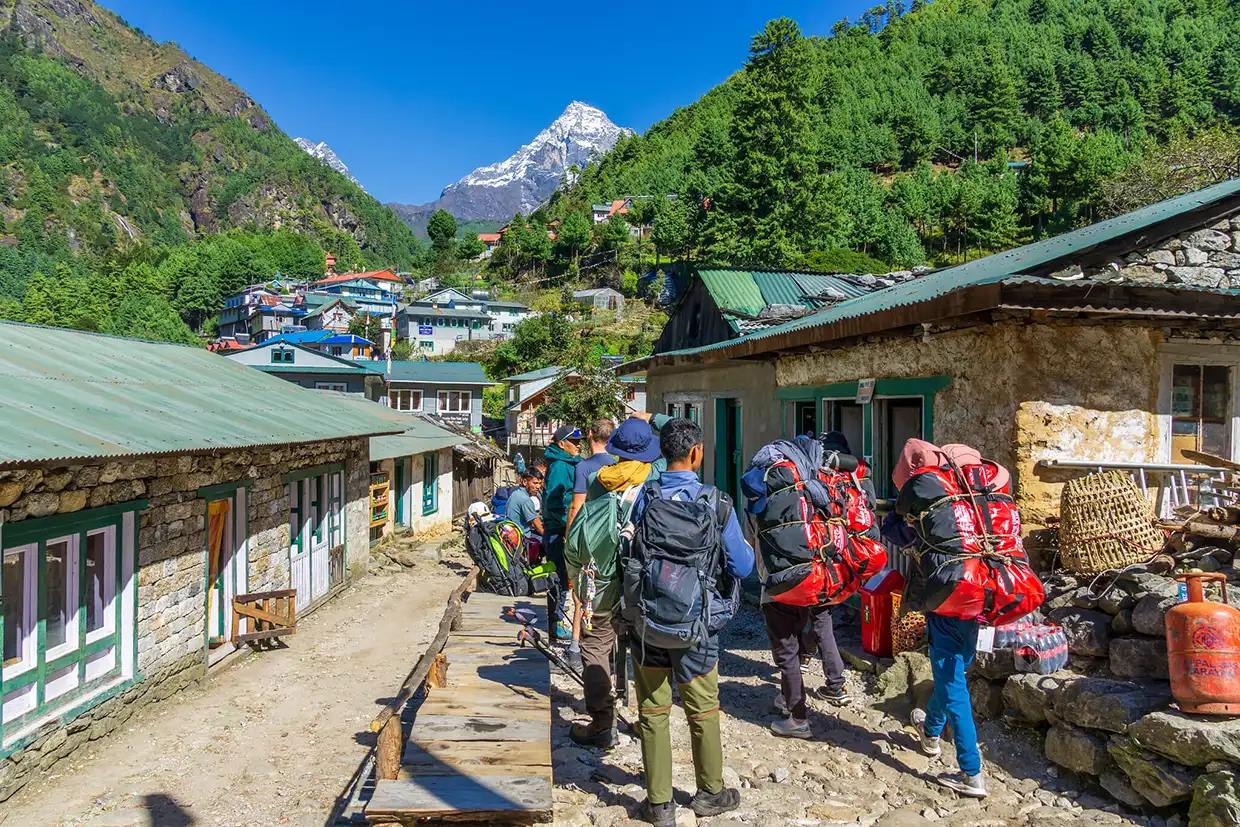
Test your gear before you leave home. Break in your boots. Download offline maps. Check your permits. Then pack smart and enjoy the trail. Use this Nepal hiking packing list as your starting point. Adjust it for your specific route, season, and fitness level. A lighter, smarter bag makes every day on a Nepal trail more comfortable and more memorable.