



The Tibet Military Permit functions as a special approval document for visitors. The government strictly requires the paper for entry into specific sensitive travel zones. The authorities enforce these rules tightly across the entire region. Standard tourist documents fail to grant access to these restricted locations. Travelers secure the additional paperwork to ensure legal passage along the route. Route selection dictates the exact need for the official document completely.
The region features extensive border areas and remote mountain paths. Officials protect these military zones through strict document control measures. Visitors plan specific routes carefully to follow all local laws. Proper preparation prevents severe travel delays or immediate deportation from the area. The document acts as the primary key for deep regional exploration. Unprepared tourists face immediate rejection at the armed boundary gates.
Our guide explains the exact requirements for the Tibet military permit for everyone. Readers learn exactly who needs the specific approval before booking. The text clearly covers the timeline and application steps. Route-based planning tips help users prepare perfectly for the vacation. Nepal Hiking Company handles the paperwork entirely for the guest. Experts guide visitors through the complex bureaucratic requirements smoothly.
Quick Facts Box
- Not every traveler needs the special approval paper for entry.
- The rule applies mainly to specific restricted or border-adjacent routes.
- A licensed operator prepares all the documents for the group.
- Route changes cause significant trouble after official processing begins.
- The permit guarantees legal entry into highly sensitive military areas.
Tibet Military Permit vs Other Tibet Permits (Must-Have Comparison)
Many readers confuse the various travel documents easily during planning. Local laws enforce strict paperwork rules for every foreign visitor. The specific route dictates the exact required documents for the trip. Clear information helps travelers plan their vacations properly and safely. Comparing the Alien’s Travel Permit and the military permit for Tibet is tremendously helpful.
The Tibet Travel Permit acts as the basic entry requirement. All international visitors secure the basic paperwork beforehand without exception. The document grants legal entry into the main city area. Visitors stay completely outside the region without the basic paperwork. The standard document serves as the foundation for all subsequent approvals. Authorities rigorously check documents at airports and train stations.
The Alien’s Travel Permit applies to regular regional travel routes. Visitors need the document for places outside the capital city. Tour guides can easily secure the paper at local police stations. The document covers famous spots like the Everest Base Camp. The process happens quickly during the actual travel days locally. Officers typically issue the paper within a few hours.
The Tibet Military Permit covers only highly sensitive boundary zones. The military office in the capital issues the official approval. The paper enables access to remote borders and military installations. Travel planners officially apply for the document weeks in advance. The comparison between the Tibet Travel Permit and the Tibet Military Permit reveals differences. One covers standard tourist regions across the central plateau. The other unlocks highly restricted and sensitive frontier paths.
| Permit Name | What It Allows | When Needed | Who Arranges It | Where Checks Happen |
|---|---|---|---|---|
| Tibet Travel Permit | Basic entry to the region | All international trips | Travel operator | Airports and train stations |
| Alien’s Travel Permit | Travel outside the main city | Trips to standard regions | Tour guide locally | Regional police checkpoints |
| Tibet Military Permit | Access to sensitive zones | Trips near remote borders | Travel operator | Military road checkpoints |
| Tibet Border Permit | Entry to frontier limits | Trips touching the border | Travel operator | Frontier guard stations |
The Nuances of the Alien’s Travel Permit vs Military Permit
The Alien’s Travel Permit and the military permit for Tibet differ greatly. Travelers confuse the two documents frequently during the planning phase. The Alien permit allows entry to standard closed tourist regions. Shigatse and Everest Base Camp require the Alien permit specifically. The local police station issues the Alien permit locally. The guide applies for it upon arrival in the town. The process takes merely an hour to complete locally.
The military permit functions quite differently in practical daily application. The military office in Lhasa controls the approval entirely beforehand. The process takes weeks, not a single short hour. The military paper covers extreme regions, such as Ngari. Checkpoints in the military paper often feature armed soldiers. The police checkpoints for the Alien permit feel much lighter.
Travelers visiting Mount Kailash need both specific documents for passage. The route passes through Shigatse first, triggering the Alien permit. The route then enters Ngari, triggering the strict military requirement. The travel operator secures the military paperwork before the trip. The guide secures the Alien paper during the driving days. The dual requirement ensures complete security tracking for the authorities.
The cost structure differs between the two separate travel documents. The Alien permit costs around fifty Chinese Yuan officially. The military permit carries a slightly higher processing fee internally. The agency absorbs these fees into the total package cost. The guest avoids handling local currency at the police station. The guide pays the fees directly with company funds.
Losing the document causes massive problems for the touring group. The guide keeps the papers inside a secure protective folder. The police fine travelers found without the proper official stamps. The military deport foreigners found in sensitive zones illegally. The strict rules protect the military installations from foreign surveillance. Total compliance ensures a safe, highly memorable vacation.
Who Needs the Tibet Military Permit?
The Tibet military permit requirements apply to specific visitor groups. The rule targets travelers heading to remote frontier regions. Authorities monitor these sensitive areas daily with extreme care. Route choice decides the need for the special document completely. Foreign passport holders face the strictest document checks locally. Taiwanese citizens also fall under the same requirement.
Travelers planning routes near sensitive borders need the paper. Adventure seekers adding remote itineraries require official approval. Such trips extend far beyond classic tourist corridors and highways. Visitors who combine multiple restricted regions face greater approval complexity. Officials check the documents at every single regional boundary line. Tibet permits for foreigners depend strictly on the final itinerary.
Standard city tours bypass the complex approval completely and easily. A simple cultural tour avoids military zones entirely by design. Adventure seekers visiting Mount Kailash must adhere to strict rules. Travelers exploring the Nyingchi area need the paper too. The Tibet restricted area permit ensures legal regional access. Nepal Hiking Company handles every detail carefully for guests.
The travel team thoroughly reviews the route before confirming the booking. Staff members ensure total compliance with all local laws. Visitors rely on the agency for perfect document preparation. The agency prevents tourists from wandering into illegal zones. Backpacking alone remains strictly forbidden by the regional government. Everyone joins an official guided tour to enter the region.
Special Rules for Diplomats and Indian Pilgrims
Certain professions face different travel regulations locally. Diplomats and journalists follow a separate government approval process. Regular travel agencies immediately decline applications for diplomatic or journalistic tours. The foreign affairs office manages these special cases directly instead. Ordinary tourists easily bypass these professional restrictions. The standard tourist visa serves as the best document.
Indian passport holders visiting Kailash use specialized yatra agencies. The standard travel agency declines Indian passports for the pilgrimage. The foreign affairs office handles the Indian pilgrimage applications directly. The rules for the southern border zones change frequently. Specialized Indian agencies handle the entire Kailash yatra trip—direct coordination between governments for pilgrims.
Indian citizens visiting normal cultural areas are subject to standard rules. The restriction applies particularly to the Ngari region. The agency verifies the passport nationality early in the process. The staff ensures the guest follows the correct bureaucratic path. Mistakes in the nationality declaration cause immediate visa rejection. Nepal Hiking Company carefully reviews every passport scan.
When the Tibet Military Permit Is Usually Required (By Trip Type)
Different trip types carry entirely different document needs. Travel planners primarily focus on the overall trip type. The agency matches the route to the specific paperwork. Planners avoid listing sensitive locations at random in official applications. Highlighting military zones in normal applications results in immediate rejection. A standard city tour requires zero military document preparation. A classic cultural corridor route stays in open zones exclusively. The classic route includes famous monasteries and large accessible lakes. Travelers enjoy the scenery without any extra official paperwork. The standard approval covers all basic tourist needs.
A remote overland adventure route triggers the strict requirement. Border-adjacent scenic routes demand the special paper absolutely. Multi-region expedition itineraries face the highest level of approval complexity. Travelers experience deep nature on these specific remote routes. The extra paperwork unlocks access to pristine, untouched environments.
The Ngari region consistently requires the Tibet Military Permit. The area features Mount Kailash and Lake Manasarovar prominently. Pilgrims travel to these spots for deep spiritual reasons. The Nyingchi region requires the document for specific hidden parts. Visitors traveling to Pomi must secure approval months in advance. The Chamdo region is subject to the same strict regulations.
| Trip Type | Military Permit Likelihood | Why | Safer Alternative |
|---|---|---|---|
| Lhasa city and nearby day trips | Zero probability | Stays in open zones | None needed |
| Classic cultural corridor route | Zero probability | Uses standard roads | Standard heritage route |
| Remote overland adventure route | High probability | Crosses sensitive regions | Central cultural tour |
| Border-adjacent scenic route | Definite requirement | Approaches military lines | Inland nature routes |
| Multi-region expedition route | Definite requirement | Crosses multiple borders | Single-region focus |
The Ngari Region and Mount Kailash
The Ngari region strictly requires the Tibet Military Permit. The area sits in the far west of the plateau. The extreme altitude makes the trip difficult for many visitors. The government restricts access for safety and security reasons. The region holds deep spiritual importance for many global religions. The journey requires dedication and excellent physical health.
Mount Kailash attracts thousands of pilgrims from afar each year. The mountain symbolizes the spiritual center of the world. Visitors walk around the base of the sacred peak. The walk takes three days to complete. The military permit allows legal access to the starting point. The guide carries emergency oxygen for the trekking group.
Lake Manasarovar sits beautifully near the base of the holy mountain. The water reflects the snow on the surrounding peaks. Travelers stop at the lake for photographs and quiet prayers. The region lacks modern city facilities and luxury hotels. The natural beauty rewards the long and bumpy drive. The military checkpoints verify every vehicle entering the lake zone.
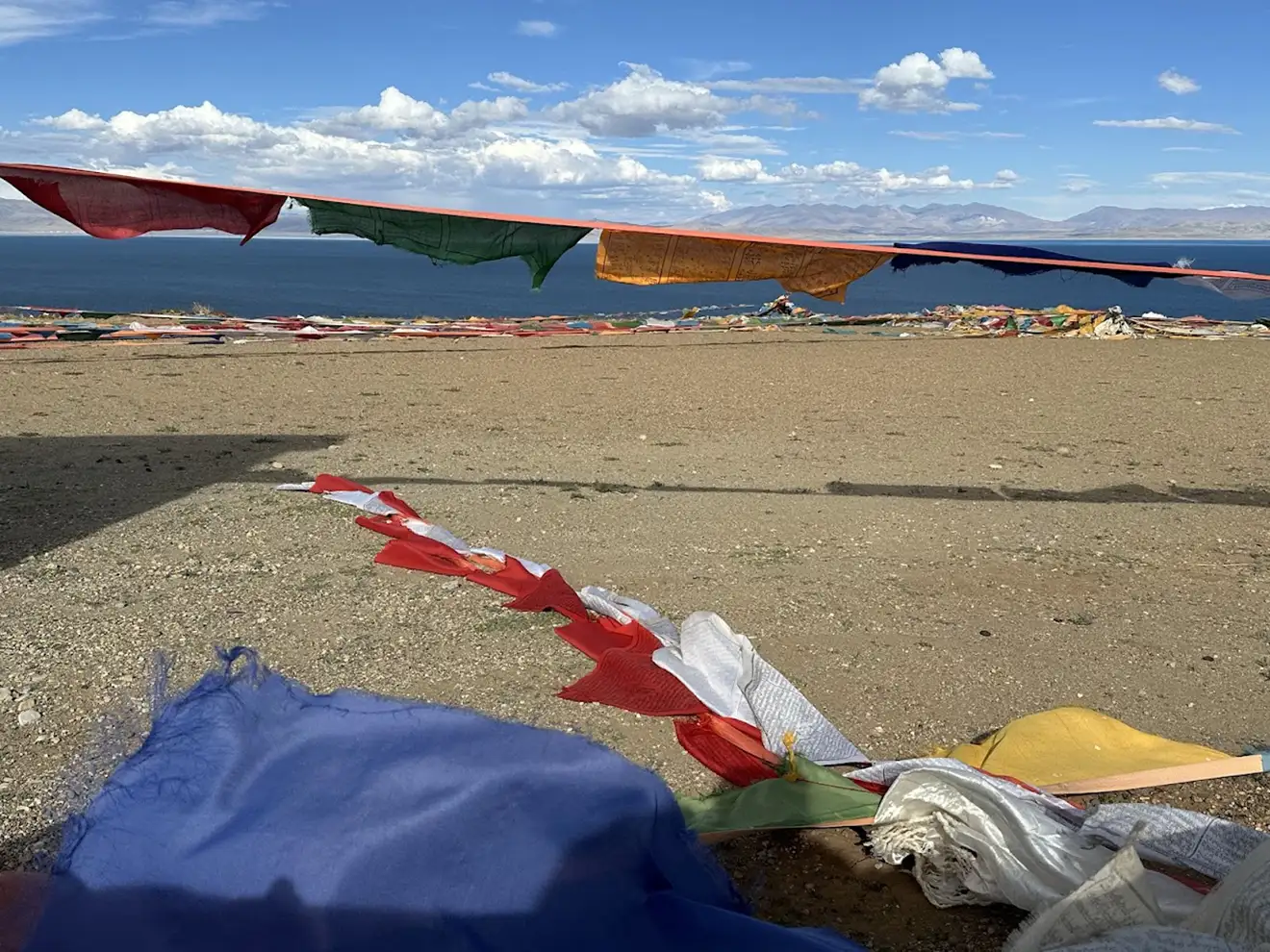
The ruins of the Guge Kingdom lie further west, near Zanda. The ancient city sits in a deep, dry valley. The military permit covers the entire Zanda County area. Travelers explore the old temples and dusty clay caves. The history spans hundreds of years of isolated civilization. The cultural antiquities department requires an additional stamp here.
The Xinjiang-Tibet Highway (G219)
The G219 highway represents a highly challenging driving route. The road links the Xinjiang province to the Tibet region. The Tibet Military Permit covers this specific border highway. The road crosses high mountain passes over 5000 meters. Travelers face extreme altitudes on the entire driving journey. The government heavily monitors traffic along the boundary.
The average altitude exceeds 4500 meters for most days. The route passes through hundreds of miles of wilderness. The military office thoroughly reviews G219 applications. Only well-prepared groups receive approval to operate in this harsh environment. Harsh weather can cause sudden road closures during winter storms. The trip usually starts in Lhasa to aid acclimatization. Starting in Lhasa helps the body adjust to the altitude. The vehicle drives toward Shigatse first on paved roads. The group visits Everest Base Camp next for scenic photos. The military zone begins after the Saga town checkpoint. The guards verify the documents at the Saga bridge.
The vehicle reaches the Mount Kailash area after Saga. The road continues north toward the provincial border with Xinjiang. The landscape becomes a high, freezing desert. The checkpoints become more frequent near the provincial boundary. The guards inspect the vehicle thoroughly for illegal items. The paper grants safe passage through the no-man’s land.
Nyingchi and the Eastern Corridors
The Nyingchi area sometimes requires a Tibet Military Permit. The region features green forests and deep river valleys. The altitude sits lower than the dry western regions. The air contains more oxygen, making breathing easier and more comfortable. The government heavily restricts parts of the eastern border. The military presence closely guards the international border.
The Pomi County requires special official approval for entry. The area borders sensitive neighboring countries to the south. Travelers see massive ancient glaciers and thick pine forests. The Rawu Lake offers beautiful reflections of the snow mountains. The military office reviews Pomi applications very carefully. The foreign affairs office provides the secondary necessary approval.
The G318 highway runs directly through Nyingchi. The road links the Sichuan province to the capital. Overland travelers often drive this scenic route. The checkpoints along the G318 rigorously verify documents. The guide meets the group at the provincial border. The guide brings the permit from the main office.
The travel agency secures the permit before the drive. The driver presents the paper at the first security gate. The police check the vehicle and the passenger’s passports. The scenery changes dramatically along the winding mountain road. The lower altitude helps travelers avoid acute symptoms of illness. The journey provides a gentle introduction to the high plateau.
How to Get the Tibet Military Permit (Step by Step)
The application follows a clear, strict official sequence. Travelers can easily secure Tibet tour permits and understand the rules governing them. Nepal Hiking Company manages the entire sequence flawlessly. The agency handles the complex paperwork for the guest. The guest avoids all bureaucratic frustration and local confusion.
- Choose the travel route and the precise travel dates.
- Confirm the exact itinerary with the licensed travel operator.
- Submit required documents clearly and very early.
- The operator applies for the required official permits internally.
- Receive confirmation and follow the approved itinerary during travel.
The process begins long before the actual travel date. Planners lock the itinerary early to avoid official issues. The operator translates the itinerary into the official format. The agency submits the file to the local military office. The military office meticulously reviews the exact travel path. The government checks the nationality of the visiting travelers. Officials carefully review passport details against global databases. The approval process takes several weeks. The agency receives the physical document after official approval. The guide holds the document firmly during the trip.
Callout Box
- Travelers never arrange the Tibet Military Permit independently.
- Licensed operators handle all the official local paperwork.
- The document forms part of a strictly compliant itinerary.
- Independent travel remains entirely forbidden by regional law.
The Role of the Tour Guide and Operator
The document process requires a highly professional travel operator. The government rejects independent travel applications completely and instantly. Choosing a reliable agency prevents expensive trip cancellations later. Nepal Hiking Company offers top-tier service for guests. The staff understands the complex bureaucratic rules perfectly.
A good operator knows the latest official rules intimately. The rules change depending on the current political climate. The agency adapts the itinerary to fit the new laws. The staff speaks directly with the personnel at the military office. Direct communication greatly speeds up the approval process. The agency resolves minor spelling errors quickly over the phone.
The agency provides licensed Tibetan tour guides for trips. The guide translates at the military checkpoints for the police. The guide knows the local customs and regional history. The driver understands the dangerous mountain roads completely. The vehicle features modern safety equipment and premium comfort. The team creates a protective bubble around the foreign guest.
Nepal Hiking Company handles luxury and adventure tours. The team customizes the route for the specific travel group. The agency manages the Tibet military permit requirements smoothly. The guest relaxes and enjoys the incredible surrounding scenery. The service covers everything from arrival at the airport to final departure.
Documents Checklist (What Travelers Should Prepare)
Travelers prepare specific items early to ensure success. The Tibet permit checklist guarantees a smooth application process. Missing details cause immediate delays for the travel group. The agency needs high-quality copies of all personal documents. Perfect documents prevent rejection by the strict military office.
- Clear passport scan (showing all details perfectly readable).
- Photo (matching the official passport image exactly).
- Confirmed travel dates (listing exact entry and exit).
- Route outline and specific daily destination list.
- Entry route details (showing precise flight or train).
- Occupation details (verifying the traveler’s professional employment status).
Common document problems often happen during the preparation phase. Blurry scans cause immediate rejection by the military office. Name mismatches across bookings halt the process entirely. Passport renewals after submission invalidate the paperwork completely. Guests check every spelling detail before sending the files.
Travelers send high-quality images directly to the operator. The details match the visa characters exactly without error. Indian passport holders follow a slightly different application rule. Pilgrims use specialized agencies for the Kailash yatra route. Nepal Hiking Company guides guests through all requirements. Staff members check every document before the official submission.
The standard tourist visa serves as the easiest option. Business visas require extra letters from Chinese employers. Student visas require official letters from local universities. The travel agency provides exact letter templates for guests. The guest obtains the stamp and sends the copy.
The Group Visa Factor for Nepal Arrivals
Travelers entering from Nepal follow different rules. The standard individual Chinese visa becomes invalid here. Travelers need the special Chinese Group Visa instead. The Kathmandu embassy issues this specific group visa exclusively. The group visa acts as the primary entry document.
The travel agency first arranges the Tibet Travel Permit. The agency sends the permit copy to the Kathmandu partner. The Kathmandu partner applies for the group visa locally. The traveler provides the original passport to the Nepal partner. The embassy takes four working days to process the visa. The process delays the trip if planned poorly.
The group visa lists all travelers on a single document. The entire group enters the border at the exact time. The group travels together for the whole trip. Splitting the group causes severe visa issues at checkpoints. All members exit the country on the same date. Once inside, the military permit rules apply normally. Groups heading to Mount Kailash from Nepal need the paper. The agency prepares the military paper in Lhasa beforehand. The Tibetan guide brings the document to the Gyirong border. The guide meets the group and presents the papers. The journey begins smoothly after the strict customs check.
Processing Time and Planning Timeline
The processing time for the Tibet permit varies by season. Planners build buffer days for unexpected bureaucratic delays. Early preparation ensures a completely stress-free travel experience. The military office works on a very specific daily schedule. The staff observes public holidays and weekend office closures. Remote routes need more planning time than classic routes. Complex itineraries significantly slow down the official approval phase. Document accuracy speeds up the official review timeline directly. The military office takes around fifteen to twenty days. Planners submit their papers 25 days before departure.
The peak season leads to wait times for approvals longer. The summer months bring many international visitors to the region. The offices process thousands of applications daily during the summer. Winter months offer faster approval times due to the quietness. Travelers’ plans are based on specific seasonal demand trends.
Timeline Box
- Decide the exact route (60 days before the trip).
- Submit scanned documents (40 days before the trip).
- Wait for permit processing (30 days before trip).
- Confirm hotel and transport bookings (20 days before trip).
- Book final flight or train tickets (15 days before the trip).
The timeline prevents rushed decisions and expensive booking errors. Travelers avoid booking flights until they receive document approval. Flight changes cost extra money and cause deep frustration. The agency confirms the approval first to protect funds. The guest books the flight only after confirmation. Nepal Hiking Company helps synchronize the complex bookings.
The physical delivery of the document adds extra days. The agency mails the paper to a hotel on the mainland. The courier takes two to three days for delivery. Guests stay one night in a mainland Chinese city. The hotel reception holds the guest’s envelope.
Validity, Checks, and On-Trip Rules
The Tibet border permit is subject to regular checks during travel. Guards verify the papers at numerous remote road stations. Checkpoints are located along all major regional highways and at borders. The military permit allows legal passage through these specific gates. The authorities enforce the boundaries with strict daily inspections.
Hotels verify documents at the front reception desk. The tour guide manages the timing during the driving day. The guide handles the physical paperwork exclusively for safety. Travelers never carry the military document themselves at checkpoints. The guide shows the paper directly to the guards.
Travel day checklist
- Carry the original passport securely at all times.
- Follow the guide closely during all checkpoint stops.
- Avoid off-route detours completely to maintain legal compliance.
- Respect the restricted zone boundaries strictly without argument.
- Stay near the vehicle during official document inspections.
The checkpoints vary in size and strictness across regions. Some stations require passengers to exit the vehicle completely. The guards match the passport face to the traveler. The process takes ten to twenty minutes per stop. The guide answers all official questions on your behalf. The permit covers the exact dates listed clearly inside. Travelers exit the region before the document expires officially. Overstaying can lead to severe legal issues for a foreign traveler. The agency ensures the timeline aligns perfectly with the flights. The guide delivers the guest to the airport properly.
Transportation and Logistics in Restricted Areas
Traveling through military zones requires specialized transportation. Foreigners are not permitted to use public buses in restricted areas. The law requires international visitors to use private tour vehicles. The travel operator provides the car and the driver. The vehicle features special tourism license plates for identification.
The high altitude demands strong four-wheel-drive vehicles. Premium vehicles safely dominate the remote mountain roads. The tough suspension handles the deep potholes easily. The spacious interior provides comfort during long driving days. Minivans serve well on the newly paved regional highways. The agency chooses the vehicle based on the route conditions.
The driver plays a critical role in the trip. The driver navigates the dangerous cliffs and icy passes. The driver knows the location of every military checkpoint. The driver stops the car exactly at the stop line. The guide and driver work together to ensure safety. Fuel costs increase dramatically in the far western regions. The remote gas stations charge higher diesel prices. The agency includes fuel costs in the package. The vehicle carries extra fuel cans for the no-man’s land. Breaking down in a military zone causes logistical nightmares. The driver inspects the engine every morning before departure.
Cultural Sensitivity and Photography Rules
The restricted areas require strict cultural and political sensitivity. The region is home to numerous active military bases and outposts. Soldiers guard the borders with intense dedication. Travelers respect the rules to avoid sudden trouble. The guide provides daily briefings on acceptable behavior. Photography rules remain extremely strict near military zones. Travelers keep cameras inside bags at checkpoints. Taking pictures of soldiers results in immediate confiscation of the camera. Photographing bridges and tunnels causes similar severe legal issues. The police delete photos directly from the memory card.
The guide indicates exactly when it is safe to photograph. Travelers ask the guide before pointing the camera anywhere. Monasteries also enforce strict bans on interior photography. Monks charge small fees for photos in certain temples. The guest respects the religious sanctity of the ancient buildings. Interactions with locals require politeness and respect. The nomadic people live simple lives in the harsh environment. Visitors avoid disruptive behavior in the small villages. The guide helps translate conversations with the local herders. The cultural exchange provides beautiful memories for the traveler.
Itinerary Changes: What’s Easy vs Hard
Route changes present significant challenges during the actual trip. Authorities approve a specific, detailed path for the group. The document lists the exact daily locations in order. Travelers stick to the approved plan without any deviation. This strict adherence keeps the group out of trouble. Easy changes involve minor daily timing shifts at the local level. Hotel upgrades happen smoothly within the same approved city. Food stops change without any official issue or delay. The guide adjusts the daily walking pace freely. Travelers spend more time at specific monuments easily.
Hard changes involve adding restricted regions late in the planning process. Changing remote routes requires complete re-approval from the military. Dropping a sensitive region causes less trouble than adding one. The military office rejects spontaneous route additions outright. Authorities deny entry to regions not listed in the document.
The best strategy is to finalize the route as early as possible. Planners lock the details before the processing begins. Changes during the trip remain impossible for military zones. The guide refuses requests to visit unapproved sensitive areas. The police stop vehicles immediately on unapproved remote roads.
Dealing with Emergency Weather Detours
Weather sometimes forces unexpected route changes in the mountains. Snow blocks the high mountain passes occasionally during winter. The guide reports the weather issue to the local office. The local police approve emergency detours to ensure safety. The safety of the group always comes first.
Nepal Hiking Company handles these emergencies with the utmost professionalism. The operations team contacts the authorities from the office. The agency quickly and legally finds alternative routes. The guest avoids the stress of managing the situation. The driver carefully navigates the new safe path. Floods sometimes wash out roads near the Nepal border. The government closes the affected regions temporarily for repairs. The agency immediately updates the guest about the closures. The planner modifies the itinerary before the trip begins. Flexibility regarding natural disasters keeps the vacation enjoyable.
Cost Factors (Avoid Fixed Fees)
The paperwork involves specific regional costs and processing fees. Agencies include the cost in the comprehensive tour package. Fixed fees rarely exist independently for the paper alone. The total price reflects the entire guided service experience. Budgeting requires understanding the variables behind the final price.
Route distance deeply affects the total package price. Remote areas require more fuel and extensive driving time. The number of documents significantly affects the agency’s workload. Private travel costs significantly more than group travel options. Extra logistics increase the final trip bill for adventurers. Support crews for remote trips add daily monetary expenses. Trekking near Mount Kailash requires yaks and local porters. The high altitude requires additional oxygen supplies for safety. Peak season demand increases overall hotel prices across regions. Summer tours invariably cost more than winter tours.
Cost-control tips
- Choose a classic route on your very first trip.
- Add remote regions only if there are enough buffer days available.
- Join small groups to share the high transport costs easily.
- Travel during the shoulder season to find better hotel rates.
- Finalize the route early to avoid rush processing fees.
Nepal Hiking Company offers transparent pricing. The quote clearly and honestly includes all document fees. Hidden charges never surprise the guest during the trip. The agency explains the cost breakdown openly to clients. The traveler knows exactly what the package covers fully. The permit cost varies slightly among travel agencies. The official government fee remains low or is completely free. The agency charges for the labor and processing time. The staff visits multiple government offices to secure approvals. The physical delivery of the paper adds courier costs.
Common Mistakes to Avoid
Travelers make frequent errors during the early preparation phase. The Tibet military permit requirements require strict attention at all times. Small mistakes cause major trip delays or total cancellations. Avoiding these errors ensures a smooth, enjoyable vacation.
- Planning restricted routes without enough lead time ruins trips. The military office needs at least 20 days to process. Last-minute bookings consistently fail the official approval process. Travelers start planning two full months. Rushing the paperwork leads to inevitable rejection and disappointment.
- Booking non-refundable flights before permit alignment wastes money rapidly. The agency first confirms document approval for safety. Flight changes carry heavy financial penalties from the airlines. The guest waits for the operator’s green light. Patience protects the travel budget from unnecessary airline fees.
- Trying to change regions mid-trip fails every time. The permit lists the exact approved route in detail. The police stop vehicles on unapproved roads without hesitation. The traveler accepts the finalized itinerary before arriving locally. Flexibility applies only to timing, never to restricted geography.
- Carrying no document copies on drive days causes delays. The guide holds the original paper for the group. The traveler keeps a digital copy on the phone. The extra copy is very helpful during hotel check-in. It provides backup information if the guide steps away.
- Overpacking the itinerary without buffer days creates immense stress. The mountain roads face weather delays often during winter. A tight schedule causes missed flights and ruined connections. The planner intentionally adds rest days to the schedule. Extra time allows for slow driving on dangerous highways.
Preparing for Military Zones: Health and Gear
The restricted areas feature harsh natural environments that are inhospitable to humans. The high altitude causes sickness for many unprepared visitors. Preparation ensures a safe and comfortable trip for everyone. Travelers pack specific gear for the remote border zones. Proper packing prevents suffering in the freezing desert night.
Altitude sickness requires serious attention from the tour guide. The military zones are consistently above 4500 meters. Travelers spend two days in Lhasa first to acclimatize. The rest helps the body adjust to the thin air. The guide monitors the group for signs of dangerous illness. The group descends to lower areas if symptoms worsen.
The agency provides medical oxygen inside the touring vehicle. Travelers bring personal medicine for headaches and stomach issues. Drinking plain water helps the body adapt quickly and safely. Slow movements prevent sudden exhaustion on the steep trails. The guide changes the walking pace if someone feels ill. The military permit allows emergency transport to local clinics.
Warm clothing remains essential year-round in the remote zones. The temperature drops at night in the military zones. Travelers pack heavy jackets and thermal wear for protection. Good hiking boots help on the uneven, rocky ground. Sun protection prevents burns from the intense mountain rays. The sun shines brightly despite the freezing ambient air.
The remote areas lack modern pharmacies and large hospitals. Travelers bring a personal first-aid kit for the trip. The kit includes stomach medicine and sterile adhesive bandages. The guide carries emergency medical supplies and daily supplies. Nepal Hiking Company briefs the group on safety. The company prioritizes client health over aggressive sightseeing schedules.
FAQs
Q: What is the Tibet Military Permit, and who needs it?
A: The Tibet Military Permit is a special approval required for sensitive border areas. Travelers visiting remote or restricted regions, such as Mount Kailash, must have it. The military office issues the permit after a thorough review of the application.
Q: Do I need a Tibet Military Permit for a standard Lhasa tour?
A: No, standard city tours in Lhasa do not require a military permit. The basic entry permit is enough to visit the main city attractions. Travelers who stay only in Lhasa can skip the extra paperwork entirely.
Q: Can I apply for the Tibet Military Permit by myself?
A: No, independent applications are always rejected by the authorities. A licensed operator must handle the entire process on behalf of travelers. Local law strictly forbids foreign visitors from applying on their own in this sensitive region.
Q: How long does the Tibet Military Permit processing take?
A: Official approval usually takes 15 to 20 days. Travel operators typically submit applications about 25 days in advance to allow enough time. During peak season, processing can take a bit longer due to higher demand at the government office.
Q: What documents do I need for the Tibet Military Permit?
A: You need a clear passport photo for each traveler and a valid visa copy. The travel operator also provides a detailed itinerary. Together, these complete the basic requirements for the permit application.
Q: What happens if my itinerary changes after the permit process starts?
A: Route changes usually require a new military approval. Removing a destination may be allowed, but adding one is generally not permitted. Travelers should finalize their itinerary before the permit process begins.
Q: Is the Tibet Military Permit the same as the Alien’s Travel Permit?
A: No, the two permits serve different purposes for travelers. The Alien’s Travel Permit covers standard restricted areas, such as Everest Base Camp. The Tibet Military Permit is required for more sensitive border regions, such as Mount Kailash.
Q: Do children need the Tibet Military Permit?
A: Yes, every foreign traveler, including children, needs the permit. Age does not change the rules or requirements. Travel agencies handle the application for children using their passports.
Q: What happens at the military checkpoints?
A: The permit itself is usually free from the government. However, travel agencies charge a service fee, which is typically included in the overall tour package price.
Q: Does the permit cost extra money?
A: The government generally issues the paper for free. The travel agency charges for the service labor time. The tour package price includes all document fees upfront.
Q: Can Indian citizens easily obtain the Tibet Military Permit?
A: Indian citizens follow a different set of government regulations for travel to Tibet. The application process is handled directly through official foreign affairs channels rather than standard travel agencies. In most cases, specialized agencies organize and manage the entire Kailash Yatra, including permits and logistics, so pilgrims do not need to arrange the Tibet Military Permit independently.
Q: Does Nepal Hiking Company handle the paperwork?
A: Yes, Nepal Hiking Company handles all necessary travel documents for guests. The team handles permits and ensures everything complies with local laws and regulations. This allows travelers to relax and enjoy their trip without worrying about paperwork or administrative details.