


Choosing a Tibet tour by train offers a unique way to reach the roof of the world. The Qinghai–Tibet Railway climbs gently through high landscapes, making altitude adjustment easier than flying. Riding the train suits first-time visitors, photographers, budget travelers, and those who love slow travel. This guide covers everything: departure cities, cabins, permits, altitude tips, and sample plans. Read on to prepare for an unforgettable train journey to Tibet.
Quick Facts:
- Travel Time: Typically 3–4 hours from major cities (no exact schedules here).
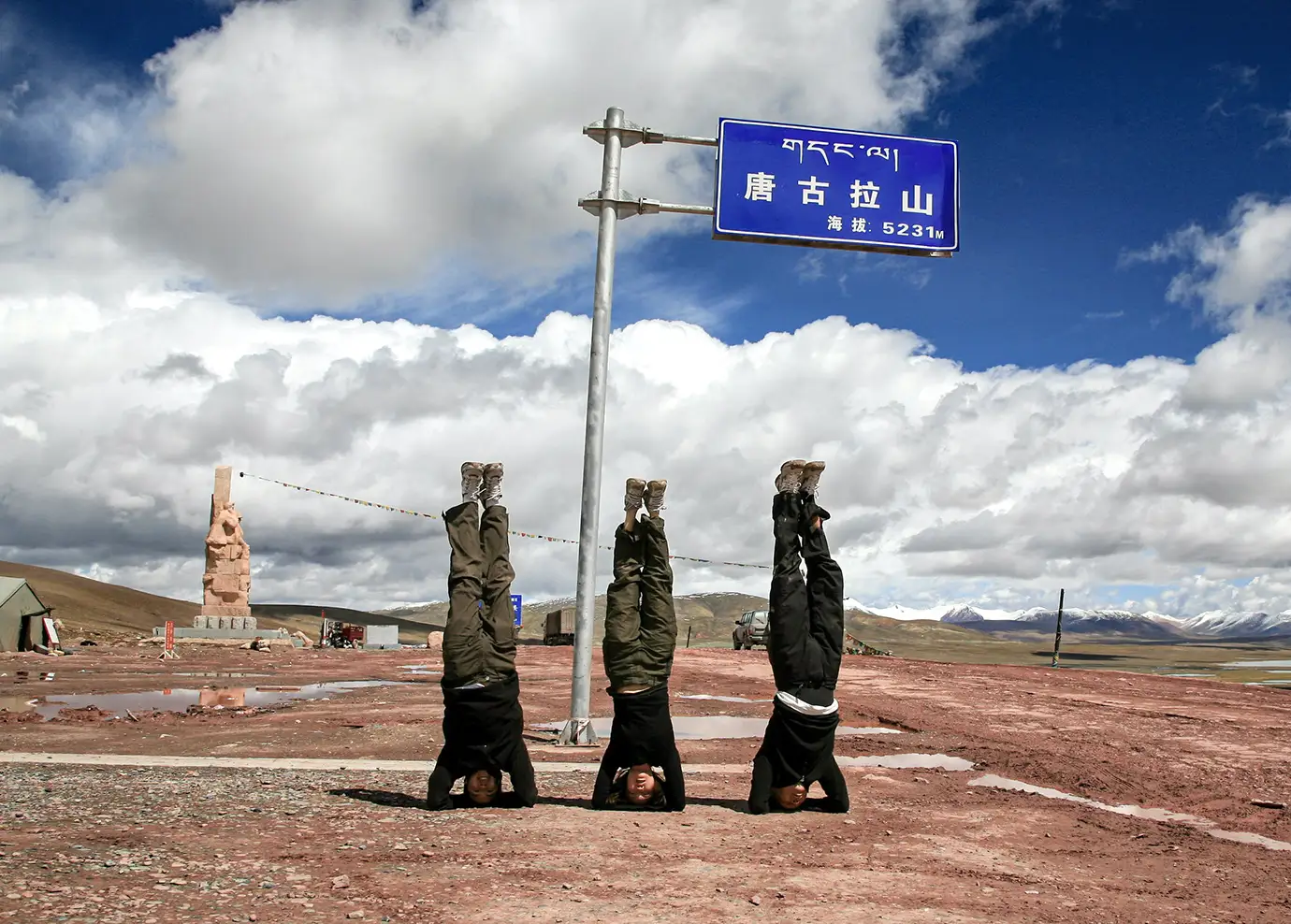
- Highest Point: Tanggula Pass (~5,072 m) along the railway.
- Best Season: Spring and autumn for clear mountain views.
- Main Challenge: High altitude and very dry air (pack moisturizer and drink water).
Tibet Tour by Train at a Glance
| Departure City | Route Style | Best For | Suggested Tibet Stay |
| Beijing | Direct train (~47h) or via Xining | Excellent scenery, adventure seekers | 7–1 days |
| Shanghai | Direct train (~48h) via Qinghai | City combo, photography | 7–1 days |
| Chengdu | Direct train (~4h) via Xining | Faster travel, comfort seekers | 7–1 days |
| Xining | One-day trip (~2h) | Time-limited travelers, budget | 5–7 days |
- Route Style: Some trains run directly from Beijing, Shanghai, or Guangzhou to Lhasa. Others require a transfer in Xining, the rail hub of Qinghai province.
- Trip Length: After the train arrives, plan at least 5–7 days in Tibet to acclimatize and explore. More time allows side trips (e.g., Gyantse or Everest Base Camp).
- Best For: Photographers love the varied scenery. Families and seniors often prefer the comfort of a soft sleeper cabin. Budget travelers might choose hard seats or sleepers.
Qinghai–Tibet Railway Route Overview
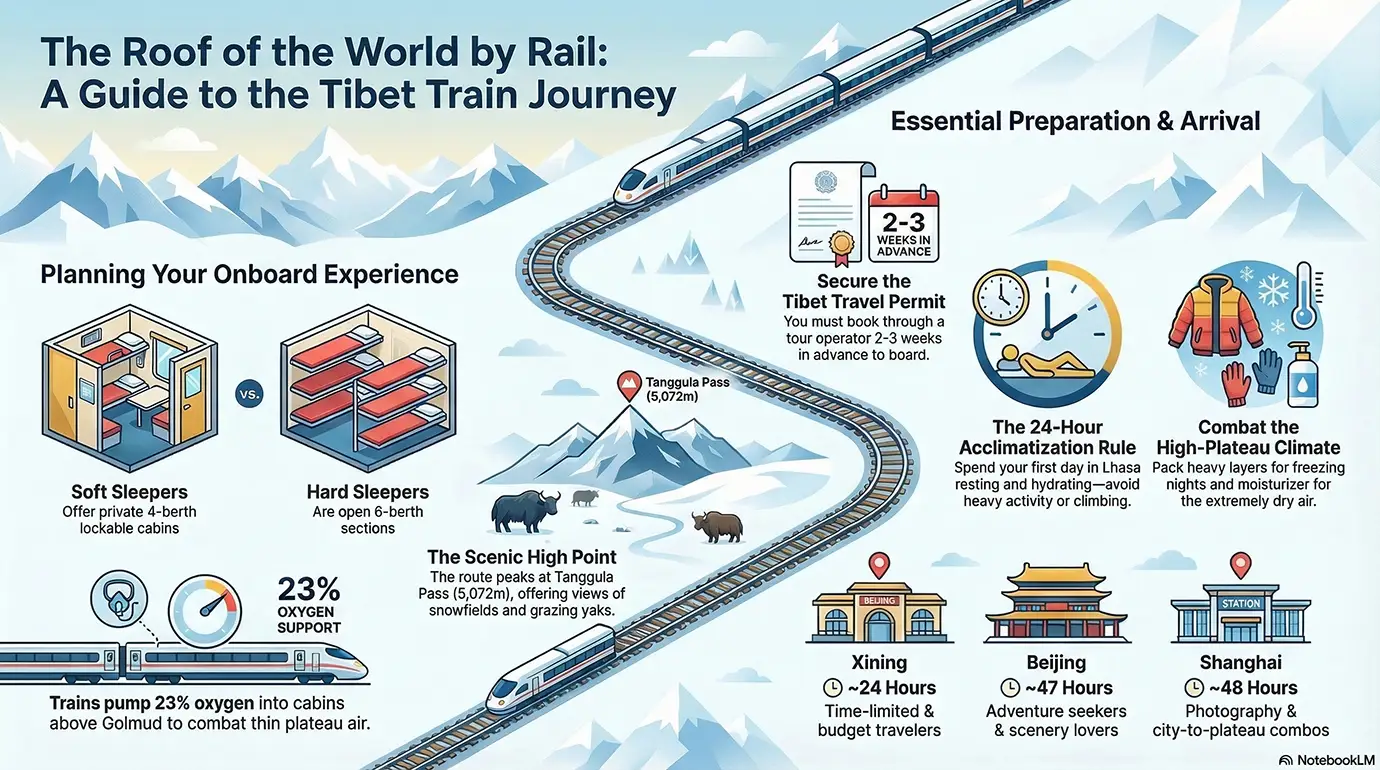
The standard Qinghai–Tibet Railway route starts in Xining (2,275 m) and ends in Lhasa (3,650 m). Many trains begin further east, but Xining is the main junction.
- Gradual Ascent: The train rises slowly, so you spend many hours at a moderate altitude. This helps your body adapt.
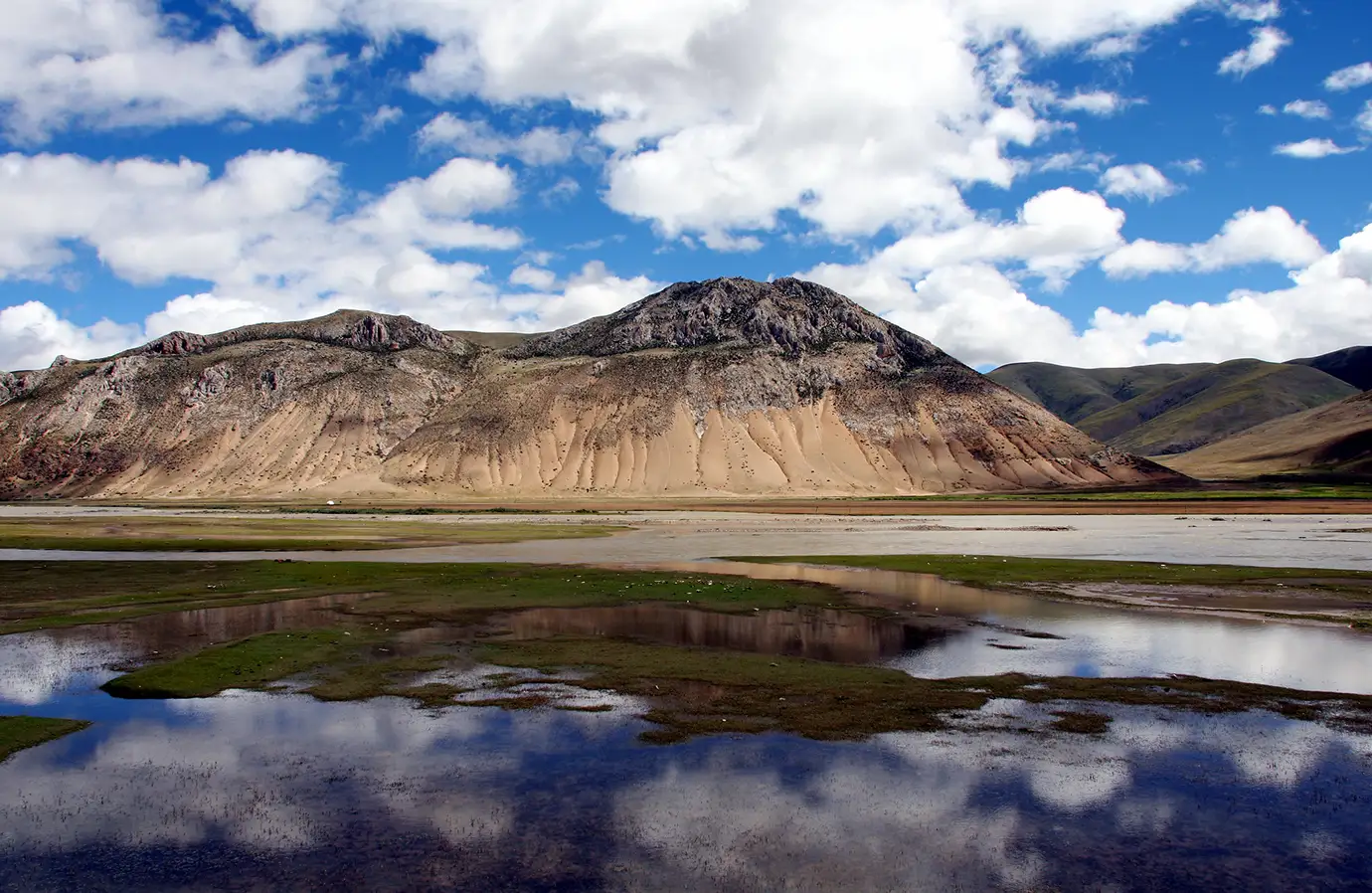
- Scenery: Watch out of the window for changing landscapes. Early on, you see green fields and mountains. Higher up, you pass crystal-clear lakes (like Qinghai Lake) and vast grasslands with yaks. Near Tanggula Pass, snowfields and rocky peaks appear.
- Key Stops: Some trains pause at spectacular spots (e.g., Yangbajain hot springs, Nyenchen Tanglha views). Be ready with your camera when announcements mention photo-worthy views.
- Altitude Changes: Oxygen levels drop with increasing elevation. At Xining, the air provides about 75% of the oxygen available at sea level. By Golmud, that drops to around 70%. Above 4,000 meters, many travelers notice shortness of breath, faster fatigue, and mild altitude symptoms. Onboard oxygen support can be very helpful during the steepest parts of the trip.
Overall, the ride is smooth and comfortable. The air pressure is controlled to simulate a lower altitude cabin environment. However, expect dry, thin air on longer trips. Remember to stay hydrated on the train.
Cabin Classes Explained
Choosing the right cabin class depends on comfort needs and budget:
- Hard Seat: Packed, stiff bench seats (non-reclining). About 1 passenger per carriage. Cheapest but no privacy and very low comfort. Best for: very budget travelers who only need a place to sit (or very short trips to Xining).
- Soft Seat: Regular plane-style seats, more legroom than hard seats. Reclining seats for 4–5 per carriage. More comfort than a hard seat, but the seats do not convert to beds. Best for: travelers who prefer to sit upright and chat or who travel only part of the way.
- Hard Sleeper: Open car with 6-tier bunks (3 bunks high on each side of the car). Bedding is provided, but the bunks feel firm. No door on the compartment, just a curtain. Space is tight and can be noisy, since 6 people share a section. Best for: solo adventurers or groups who want the cheapest sleeping option and can handle minimal privacy.
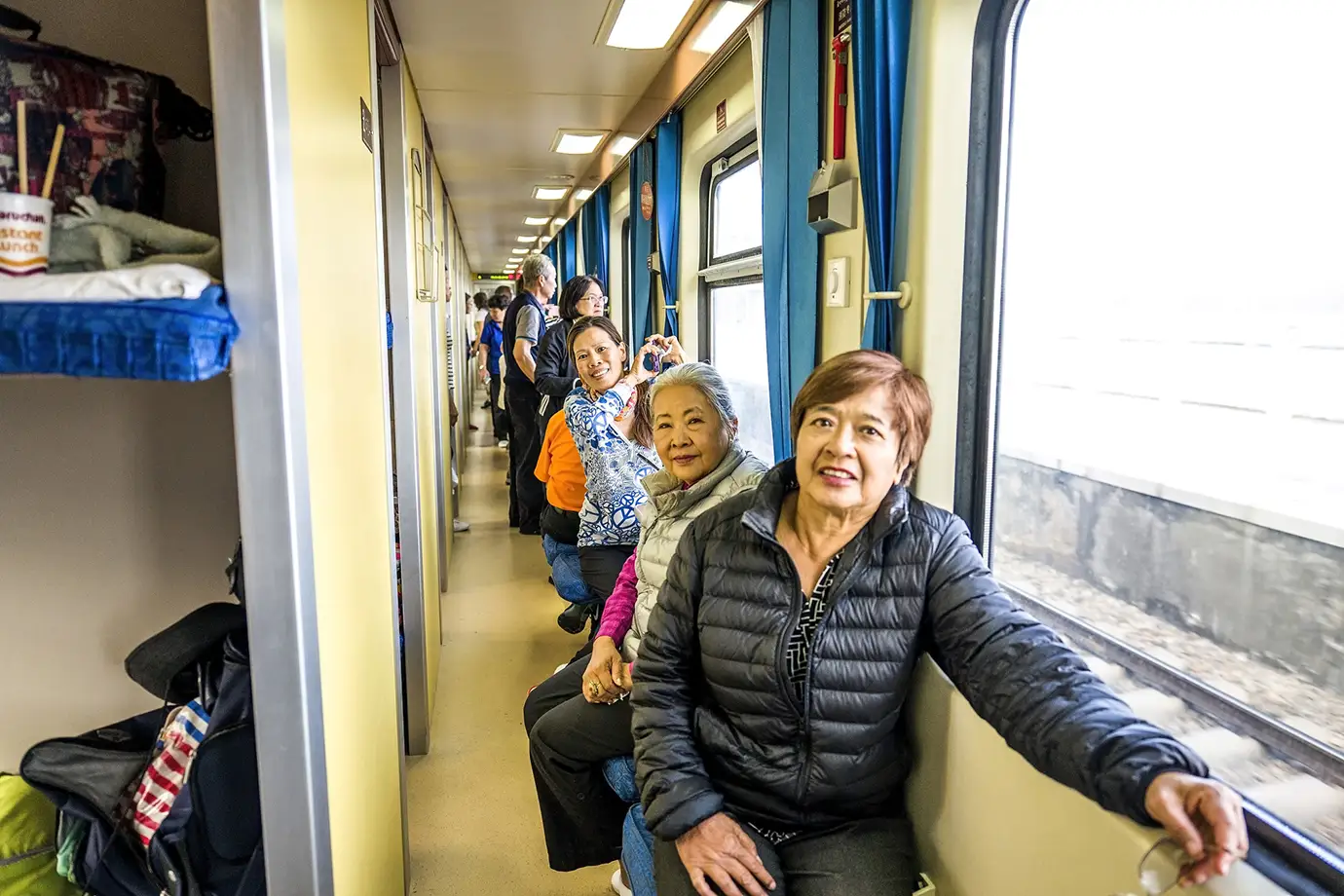
- Soft Sleeper: Closed compartment with 4 bunks (2 high by 2). Individual cabins have doors (lockable), so you get privacy and quiet. There is more space per person. Both upper and lower bunks have windows. Each sleeper has individual reading lights and typically a TV. Best for: families, couples, seniors, and anyone who values space and privacy.
| Cabin Class | Comfort Level | Privacy | Good for | Drawbacks |
| Hard Seat | Low | None | Single short trips, strict budgets | No sleep, crowded |
| Soft Seat | Medium | Open seating | Short trips (Xining), talkers | No beds, limited recline |
| Hard Sleeper | Medium-Low | Low (open) | Budget sleeper, meeting locals | Loud, cramped, shared |
| Soft Sleeper | High | High (private) | Families, seniors, and anyone wanting comfort | More expensive |
If you value sleep and comfort, always try to book a soft sleeper. However, in peak season, it may sell out. Note: seats/sleepers might be sold in a mix (one person in a hard sleeper car, others in soft, etc.). Book together if possible.
Onboard Comfort and Amenities
When boarding the Tibet train, expect the following:
- Oxygen Supply: Tibet trains have built-in oxygen systems. Once you reach high altitude (around Golmud), oxygen diffusers start pumping fresh air into the cabin. Additionally, each sleeper berth and some seats have an oxygen port and a disposable tube. Use it if you feel any shortness of breath. There is no need to bring your own oxygen (in fact, it’s illegal).
- Air Pressure: The train’s air system automatically adjusts pressure to make you feel like you are at a lower altitude than outside. The cabin also filters UV rays from sunlight.
- Temperature: It can be cold at night, even in summer. Carriages usually have heating, but bring a fleece or extra layer just in case.
- Dry Air: The plateau is extremely dry. Moisturize skin and lips often. Carry a lip balm and hand lotion.
- Toilets: There are two types: squat style and Western style (sit-down) in each carriage. Bring your own toilet paper (some is provided, but it’s better to have extra). Bathrooms have sinks but no soap in winter, so a small bottle of hand sanitizer or soap is handy. No showers on the train.
- Electricity: Outlets exist near bunks (especially in soft sleepers) and seats. Bring a universal adapter and a power bank. They are useful because outlets can be in use when the train is full.
- Food: Dining cars offer Chinese dishes (no Western food). Prices are reasonable (about 1 RMB for a simple breakfast). A trolley sells boxed meals (noodles, rice, etc.). You should pack snacks (nuts, energy bars, fruit) and a large water bottle. A thermos is handy to get free boiled water from dispensers between cars.
- Luggage: Each passenger gets 2 kg. Large bags should go under the seats. Overhead racks hold smaller bags. Keep valuables with you or locked.
- Cleanliness: Trains are generally clean, especially compared to decades past. Staff will collect trash, but keep personal items tidy. Bring wet wipes to clean your hands and face.
For first-timers: plan to sleep on the train. Wear loose pajamas or sweats. Use earplugs and an eye mask to improve your sleep. The rumble of the tracks can lull some passengers to sleep; others prefer music or reading.
Permits and Travel Rules
Even by train, Tibet requires planning:
- Tibet Travel Permit: You must obtain this in advance through a tour operator. China’s border authorities will check this before boarding (most agencies handle it automatically when booking a train).
- Guide Requirement: Independent travel in Tibet is not allowed. Once you arrive by train, you need a licensed guide and a vehicle, or a tour group, to proceed. Your guide often holds your permit and escorts you through any checkpoints.
- Fixed Itinerary: Permits tie you to a fixed route. Decide on your Tibet itinerary (which cities or sites to visit after the train ride) before the permit is issued, as changes are difficult to make afterward.
- Documents Needed: You’ll provide the operator with a scanned copy of your passport, a passport-style photo, your travel dates and train information, and planned activities.
- Visa: Tibet uses your Chinese visa for border check, but the Tibet Permit is extra. If you travel via Nepal/India to Tibet, additional permits are needed (not common by train).
- Buffer Time: Permit processing may take 2-3 weeks, so book hotels after permits if possible. Always arrive in Lhasa with your original permit; carry copies of your passport and visa too.
Without a permit, Chinese authorities will not let you board the train to Tibet. So plan train tickets after permit approval.
How to Book a Tibet Train TourFollow these steps:
- Select Departure City and Dates: Look at train schedules. Common routes are Beijing–Lhasa (Z21/Z22, ~47h), Shanghai–Lhasa (Z164/Z165), Guangzhou–Lhasa, Xi’an–Lhasa, Chengdu–Lhasa (Z264/Z265), and Lanzhou–Lhasa. Decide on convenience vs time.
- Cabin Class: Choose soft or hard sleeper if your trip is overnight. Soft sleeper is quieter and private. Hard sleeper is cheaper. Book early, especially soft sleepers, which sell out fast.
- Arrange Permits and Tour Plan: Before buying tickets, ensure your Tibet permit is being processed for your travel dates. Confirm your tour plan in Tibet (cities, length, etc.) with the travel agency.
- Reserve Train Tickets: Once the permits are in hand, your agent will purchase the tickets. Specify seat preferences (lower bunk preferred). Trains often require an ID check of the original passport, so double-check the spelling of your name.
- Plan Transfers: Note that arrival in Lhasa is often late evening or early morning. Book a hotel for your first night and arrange airport/train station pickup.
- Pack for the Trip: See packing list below. Bring snacks and layers for comfort on the train.
- Buffer Time: Schedule at least a day in Lhasa before any onward travel. The train trip is physically tiring; avoid scheduling a busy day right after arrival.
Common Booking Mistakes: Don’t buy non-refundable flights out of Lhasa until your permits and train tickets are confirmed. Don’t underestimate the time needed to secure soft sleepers. Don’t plan a rush through Lhasa – a slow first day keeps the tour enjoyable.
Altitude and Health Tips
Even on the train, altitude is a factor:
Initial Adjustment: At 4 m or more, you breathe less oxygen. Altitude can cause fatigue, headache, or breathlessness. The train’s oxygen helps, but still conserve energy.
- 24-Hour Plan: On the day of arrival in Lhasa, plan a slow start. Example: Check into a hotel, then do a gentle activity, such as walking around Norbulingka Park or visiting a nearby monastery. Keep day 1 very light.
- Hydration: Drink water regularly on the train and on the first day. The train has boiled water; drink small cups often. Dehydration worsens altitude symptoms.
- Food: Eat light on the train (avoid heavy, fried food that might cause indigestion). Once in Lhasa, have carbohydrate-rich meals (noodles, rice, Tibetan barley tsampa) for energy.
- Sleep: Use earplugs and eye shades. An early night (before 1 pm) is ideal so your body can rest.
- Oxygen Use: If you feel woozy or have a headache, use the oxygen port for a few minutes. It’s very helpful for short relief. Do not panic if you feel mild altitude effects; just notify staff if the symptoms are severe.
- Move Gently: On Day 2, you may feel tired. Limit walking and climb stairs slowly (avoid racing up to the Potala Palace steps). Listen to your body’s cues.
- Medication: Talk to a doctor beforehand. Some bring acetazolamide (Diamox) as a preventative. Over-the-counter painkillers like ibuprofen can help with headaches. Pack anti-nausea meds if you get car sick (train can sway).
- Sun and Cold: Even in summer, the sun is very strong, and nights can be below freezing. Wear sunscreen and sunglasses on the train’s daytime windows. Keep a warm hat and jacket handy for evenings.
Example “First 24 Hours in Lhasa” Plan:
- Arrive in Lhasa (likely late at night). Check into the hotel.
- Day 1: Late breakfast. Easy morning (visit Barkhor Square or a low-altitude temple). Plenty of water. Short naps allowed. Light dinner, early to bed.
Following these tips ensures you maximize the comfort of your train arrival.
Best Time to Take the Tibet Train
Season affects scenery and conditions:
- Spring (April–June): Clear skies and mild temperatures make for lovely views. The air is crisp, and fields turn green. Nights still get cold by April. Avoid March if late snow blocks high passes.
- Summer (July–August): Warm during the day (12–2°C in Lhasa), but afternoon rains begin to hit eastern areas in July. The train route is still fine. Crowds (Chinese holiday in early August) make booking harder. Benefits: lush scenery and some flowers.
- Autumn (September–October): Generally ideal – crisp air, golden grasslands, stable weather. Days are mild, nights cooler. Popular with photographers. Very busy in early October due to national holidays (avoid Oct 1–7).
- Winter (November–March): Very cold, but virtually no crowd. Snow on peaks can add beauty. Some trains have heater issues in very low stations. If traveling now, dress in layers. Only travel if you are comfortable with the cold and want the quiet.
| Season | Pros | Cons | Best For |
| Spring | Clear skies, warming weather | Cold nights in early spring | Scenic greenery, mild hiking |
| Summer | Warm days, lush views | Monsoon rain in parts, more people | Flowers, greener landscapes |
| Autumn | Stable weather, great colors | Nights get cold, busy holidays | Photography, festivals |
| Winter | Quiet, unique lighting | Very cold, some canceled trains | Solitude, low prices |
For train trips, September often offers the best balance of weather and crowd. Spring (May–June) is a close second, with fewer tourists and good conditions.
Scenery and Photo Guide
The train ride itself is a highlight. Keep these tips in mind:
Daylight Hours: Look out midday and afternoon for the best light on mountains and lakes. Early morning is softer light if you don’t mind waking early.
Key Vistas:
- Qinghai Lake: About 2-3 hours after leaving Xining. Turquoise water against mountains.
- Prayer Flags: Appear near villages en route – a great local flavor shot.
- Salt Plains & Grasslands: Around Golmud and beyond. Herds of yaks and sheep against wide plains.
- Nyenchen Tanglha Range: Snowy peaks visible for some hours near the middle of the route.
- Tanggula Pass: Highest point, with snow and a marked station (5,72 m).
- Mount Everest (from the train): You can’t see Everest on the train, but looking south from Xigazê, big snowy peaks glisten in the distance.
- Photography Tips: Keep batteries warm (cold drains them faster). Have your camera ready when announcements say you are approaching scenic sections.
- Windows: The train windows aren’t always perfectly clean. You can book a soft-sleeper lower berth for easy window shots (less reflection).
- Respect: If people around you are praying or sleeping, focus quietly on the sights. Don’t climb out of windows (they open only in emergencies).
- Motion: You can walk to the viewing car or the end of the carriage for photos. Just be careful of train movement.
Prepare a list of must-sees, but remain flexible. Every trip and weather is different; sometimes mid-ride surprises appear (a herd of wild Tibetan antelope or a rainbow).
Packing List for the Qinghai–Tibet Railway
Onboard Essentials:
- Reusable water bottle (fill from boiled water taps).
- Lip balm, moisturizer (air is dry).
- Wet wipes and hand sanitizer.
- Sleep mask and earplugs (for rest).
- Snacks (nuts, dried fruit, energy bars, chocolates).
- Electrical adapter (China’s outlets) and power bank.
- Portable camera or phone with charger.
Clothing:
- Layers: Pack a fleece or light jacket for evenings, sweaters or long-sleeve shirts for daytime. Even in summer, nights drop cold (5–1°C).
- Thermals (optional): a base layer for sleeping in a Hard Sleeper, if needed.
- Comfortable shoes: Easy to slip off (train etiquette suggests removing shoes in sleepers).
- Socks: Several pairs, because feet can get cold on long trips if not well-shod.
- Hat and gloves: Early-morning station stops, or high passes, can be very chilly.
- Sun protection: Hat, sunglasses, and sunscreen for daylight stops.
Travel Documents:
- Passport with a China visa and a Tibet permit. Keep them in a secure pouch while on the train.
- Train tickets (even digital booking printouts are useful).
Miscellaneous:
- Basic first-aid (aspirin, bandages, any personal medicine).
- Tissues or toilet paper (for station stops or toilets).
- Camera bag or protective cover (to store the camera in the berth).
- Light reading or entertainment (battery-operated fan is optional; train AC may not be strong).
Pack in a carry bag you can keep in your berth at night. Keep valuables with you at all times, as cabins are unattended at station stops.
Sample Train-Based Itineraries
Option A: 7 Days Total (Quick Intro)
- Day 1: Fly to Beijing or Xi’an (overnight in a hotel).
- Day 2: Board the Tibet train (Z or K-series) overnight to Lhasa.
- Day 3: Arrive early in Lhasa. Hotel check-in and rest. Evening gentle walk (Barkhor Square).
- Day 4: Visit Jokhang and Potala Palace. Short evening stroll.
- Day 5: Yamdrok Lake or Sera Monastery half-day. Relax.
- Day 6: Half-day Drepung Monastery. Late train or flight out from Lhasa (overnight back to Beijing/Xi’an).
- Day 7: Arrive back home.
Walking: Medium (temple tours). Drive: Low (one scenic drive). Altitude: Remain in Lhasa elevations. Best For: First-timers with limited leave, focusing on Lhasa highlights via train.
Option B: 10 Day Total (Cultural Loop)
- Days 1–2: Arrive in the departure city, then take the train to Lhasa (one overnight).
- Day 3: Lhasa acclimatization (Norbulingka, Jokhang).
- Day 4: Potala Palace and Drepung Monastery. Evening train or drive to Gyantse (Yamdrok Lake en route).
- Day 5: Gyantse (Kumbum & Dzong). Continue to Shigatse (1 hr).
- Day 6: Tashilhunpo Monastery, afternoon train or fly to Lhasa (depending on preference).
- Day 7: Namtso Lake day trip or relax in Lhasa.
- Day 8: Small excursion or market day in Lhasa.
- Day 9: Optional trip to Samye (valley monastery) or museum day.
- Day 10: Train or fly home.
Walking: Low, mostly temple and monastery visits; Drive: Moderate, around 2–4 hours on travel days; Altitude: Max about 4,790 m at Kamba La Pass.
Best For: Travelers who want a mix of train adventure and cultural sightseeing outside Lhasa.
Option C: 12–14 Days (Extended Tibet)
- Days 1–2: Train to Lhasa.
- Days 3–4: Lhasa sightseeing (Norbulingka, Jokhang, Potala, temples).
- Day 5: Travel to Gyantse, overnight.
- Day 6: Gyantse, then train to Shigatse, overnight.
- Day 7: Explore Tashilhunpo, drive to Tingri (EBC region), overnight.
- Day 8: Everest Base Camp visit, back to Shigatse.
- Day 9: Shigatse to Nagchu via BamLa (4,8m), overnight.
- Day 10: Nagchu to Baingoin, overnight (remote lake area).
- Day 11: Baingoin to Lhasa via Gansu-Manasaray road or west around Namtso.
- Day 12: Free day in Lhasa (shopping or museums).
- Day 13-14: Buffer for weather delays or extend to nearby valleys.
Walking: Moderate, with optional longer hikes. Drive: High, with several long travel days. Altitude: Includes Tanggula Pass at about 5,072 m.
Best For: Adventure travelers who want to see EBC, the high plains, and have enough time for a longer overland trip.
Adjust days according to train schedules. In all plans, taking the train is mainly for the entrance and exit; local travel is by bus or car.
Costs and Budget Tips
Major cost drivers:
- Train Ticket: A soft sleeper from Xining to Lhasa costs roughly $15–$3 (USD) one-way. A hard sleeper or seat is cheaper. Prices rise in peak season. Always compare round-trip vs single, since the same route costs the same each way.
- Package vs Self-Arrange: Booking train tickets via an agency adds a service fee (~3–5 RMB). Buying through official channels is tough for foreigners, so many use tours or agents.
- Accommodation: Lhasa hotels range $5–$15 a night. In Gyantse or Shigatse, it is slightly cheaper. Guesthouses can be $2–$4. Higher stars cost more, but sometimes are worth it for comfort at altitude.
- Local Transport: Tours usually include land travel. A private car might cost $8–$15 per day. Cheaper if you join a group.
- Permits: Agent fees for Tibet Permit may be $5–$1 as part of a tour package.
- Meals: Expect to pay $5–$1 for a nice meal in Lhasa. On the train, allow about $1–$15 per day for food and drink.
- Attractions: Temple tickets (e.g., Potala ~$15, Jokhang ~$2). Factor $5–$1 for entrance fees in 7–1 days.
Money-saving Tips:
- Travel Off-Peak: Avoid July, August, and Oct 1-7. Consider May or September.
- Cabin Choice: A hard sleeper is cheaper than a soft sleeper and is okay to sleep on if you reserve a lower berth. But be ready for noise and climb up bunks.
- Group Tours: Joining a small group spreads the cost of the car and guide. If traveling solo, a private tour is pricier.
- DIY Food: Buy snacks at markets (bread, fruits, nuts) instead of always dining in restaurants.
- Combine Bookings: Some agencies bundle train, hotel, and tour at a small discount.
Remember, the train ticket is often the top expense. Booking early and checking for discounts (some Chinese rail discount policies may apply on dates) helps stretch your budget.
FAQs
Q: What is a Tibet tour by train?
A: A Tibet tour by train involves traveling to Lhasa on the Qinghai–Tibet Railway. It combines the scenic train ride with a planned itinerary in Tibet. The train ride itself is part of the experience, not just a transfer.
Q: Is the Qinghai–Tibet Railway comfortable and safe?
A: Yes. The train is modern and pressurized to compensate for altitude changes. Soft sleeper cabins are clean and well-heated. Staff provide oxygen and boiled water. There are toilets and a dining car. Carry layers and your own supplies for maximum comfort, but rest assured that the train is perfect for high-altitude travel.
Q: Which cabin is best for a Tibet train tour?
A: Many travelers prefer the Soft Sleeper (4-berth cabin, lockable door) for privacy and quiet. Couples and families choose it. Only budget travelers use the Hard Sleeper (6-berth, open cabin). If cost is very tight, a Soft Seat is an option for daytime travel. Avoid the Hard Seat if you can’t handle an ultra-basic bench.
Q: Do I need permits for the Tibet train?
A: Yes. A Tibet Travel Permit is required for all visits to Lhasa and Tibet, regardless of transport mode. The tour operator handles the permit process when you book the train ticket or tour. Make sure your travel dates and cities match the permit details. No permit means you cannot board the train in Xining or Beijing.
Q: What is the best season for a Tibet train tour?
A: Late spring (May–June) and autumn (Sept–Oct) offer clear weather and great views. Summer (July–Aug) is warm but occasionally rainy, while winter (Nov–Mar) is cold and sees low visitor numbers. If you want fewer crowds, consider early April or late October; pack for chill either way.
Q: How do I handle altitude after the train ride?
A: Drink plenty of water and avoid overexertion on the first day in Lhasa. Let your body adjust – take gentle walks only. Use the oxygen on the train if needed. A light schedule (temples and rest) on day 1 helps you acclimate. Remember, you climbed gradually on the train, which helps, but the air in Lhasa is still thin.
Q: Can children or seniors take the Tibet train?
A: Yes, many families and older travelers do. Seniors should choose a soft sleeper for comfort. Children under a certain height can travel in a hard sleeper with a berth for two (some families bring small cots). Always consult a doctor if anyone has health concerns, and ensure everyone follows altitude precautions (hydration, rest, etc.).