


Visitors frequently ask about the exact cost of the Tibet Tour. Planning a Himalayan vacation requires careful financial preparation. The daily expense ranges from $130 to over $400 per person. Your chosen travel style dictates the final bill. Group size and the vacation season directly affect the total cost of travel in Tibet.
Mainland China permits cheap independent backpacking. The high plateau strictly forbids solo travel for foreigners. International tourists need registered guides for the entire duration. Official permits remain mandatory for all visitors. Government rules have completely changed the basic price of the Tibet tour. Travelers must hire private vehicles and official local drivers. Visitors pay for private transportation and professional staff every day.
A budget trip costs around $130 per person per day. Tourists join shared group tours to save money. Mid-range explorers spend $200 per day on upgraded experiences. These packages include comfortable hotels and small group sizes. Luxury travelers pay over $400 daily without hesitation. Premium service and private luxury SUVs justify the higher rate. Your personal choices determine the final cost of your Tibet tour package.
We outline the complete cost breakdown for the Tibet trip below. You learn exactly where your money goes. Careful planning ensures a perfect vacation. Our professional guide helps you prepare for the ultimate high-altitude adventure. Peregrine Treks and Tours provides expert advice for your upcoming vacation. The company specializes in luxury and professional travel experiences. Clients trust our team for accurate pricing details. We answer all your financial questions clearly.
You discover the exact expenses required for the trip. The following sections break down the costs comprehensively. Every traveler needs a clear budget before booking flights. You find detailed pricing for hotels and transportation below. We explain the hidden fees and permit charges thoroughly. Understanding these expenses helps you plan much better. The detailed guide covers everything from meals to oxygen cylinders. Budgeting correctly prevents financial stress during your vacation. You prepare the right amount of cash for the trip. The high-altitude environment requires specialized logistical support. Agencies manage these logistics for a set fee. We explain the value behind every single dollar spent. Your investment guarantees a safe and memorable holiday.
Average Tibet Tour Cost by Duration
Trip length directly affects the cost of the Tibet Tour. Short city breaks cost less than remote mountain drives. We organize the prices by typical vacation days below. You select the duration that fits your schedule.
4 to 5 Days Lhasa Tour Cost
A short city tour focuses entirely on the capital. Travelers spend between $450 and $631 for a four-day vacation. A five-day trip to Yamdrok Lake costs around $631. These packages include hotel rooms and entrance tickets. The itinerary covers the famous Potala Palace. The palace sits high above the city streets. Visitors climb hundreds of steps to reach the entrance. The tour package already covers this entrance fee. You explore the red and white sections of the palace. Guides explain the rich history of the ancient leaders.
Next, visitors explore the sacred Jokhang Temple. Pilgrims walk through Barkhor Street daily. Tourists walk alongside local pilgrims safely. The short duration suits travelers with limited time. Visitors can safely adjust to the high altitude in the city. The low total price makes it an affordable option. The package provides three-star accommodation. Hotels serve breakfast to guests daily. Guides lead the group through ancient monasteries.
You see Drepung Monastery on the hillside. Monks live and study in the vast complex. Later, groups visit Sera Monastery in the afternoon. Monks debate Buddhist philosophy in the open courtyards. They clap their hands loudly during the debates. The entry fees for these sites remain included in the package. Travelers avoid extra charges at the ticket gates. This quick tour serves as a perfect introduction to the region. Budget travelers prefer this short trip to save money. Luxury clients book premium hotels for these five days. A five-star hotel completely upgrades the experience.
7 Days Tibet Tour Cost
A one-week vacation allows deeper exploration outside the capital. Visitors travel from the capital to Shigatse. The Tibet tour package costs $862-$950 for 7 days. The route features stunning glaciers and high mountain passes. Travelers gradually adjust to the high altitude. The cost per day drops slightly compared to shorter trips.
You see the famous Tashilhunpo Monastery. This monastery serves as the traditional seat of the Panchen Lama. Monks maintain massive golden statues inside the halls. Local farming villages dot the scenery along the highway. Farmers grow barley in the fertile river valleys. Groups stop at the Karola Glacier for photographs. The massive ice wall sits right next to the highway.
The drive takes you past the turquoise waters of Yamdrok Lake. The lake shines brightly under the clear blue sky. The seven-day route provides a balanced cultural experience. Tourists spend less time driving and more time exploring. The package covers transportation in comfortable minivans. Guides explain the local history at every stop. You sleep in comfortable hotels in Shigatse.
The Hilton Shigatse offers luxury rooms with full oxygen supply. Standard three-star hotels provide clean beds and hot showers. The city serves as a major hub for Western exploration. Prices stay reasonable during the shoulder season. Travelers eat at local restaurants near the monastery. Tashi Restaurant serves excellent local dishes. You try yak meat and fresh vegetables. The seven-day trip offers great value for your money.
8 to 10 Days Everest Base Camp Tibet Cost
Many visitors dream of seeing the world’s highest peak. The Everest Base Camp Tibet cost ranges from $900 to $1100. The eight-day route remains the most popular option. International tourists frequently book this specific package. Groups drive through the Himalayan ranges in comfortable vehicles. The package includes an overnight stay near the mountain. Higher transportation fees increase the total price. The incredible sunrise views make the extra expense worthwhile.
Vehicles consume more fuel on the steep mountain roads. Drivers require special skills for the high-altitude terrain. The tour includes the national park entrance fee. Visitors sleep in upgraded tented camps during the summer. Camp operators set up heavy tents with thick blankets. The tents feature portable, eco-friendly toilets and small convenience stores. Some groups stay at the Rongbuk Monastery Guesthouse. The guesthouse sits only eight kilometers from the base camp.
The building features solid walls and heated floors. You find twenty-five rooms with private bathrooms and hot showers. Guests wake up to a clear view of the north face. The high altitude requires proper acclimatization beforehand. Travelers rest in Shigatse before attempting the final drive. The ten-day option includes a visit to Namtso Lake. Namtso represents another sacred lake in the region. The extra driving days add to the final bill. The long distances require more gasoline and driver hours. You pay for the ultimate high-altitude adventure.
10 to 12 Days Mount Kailash Tour Cost
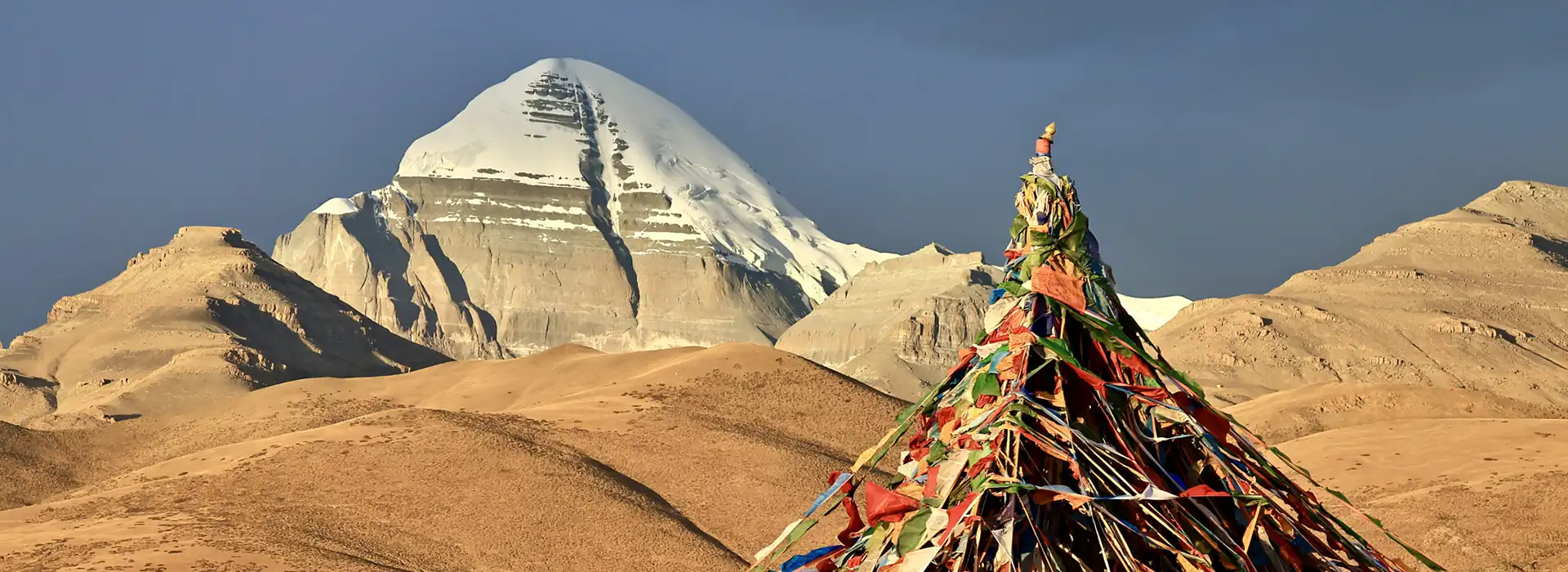
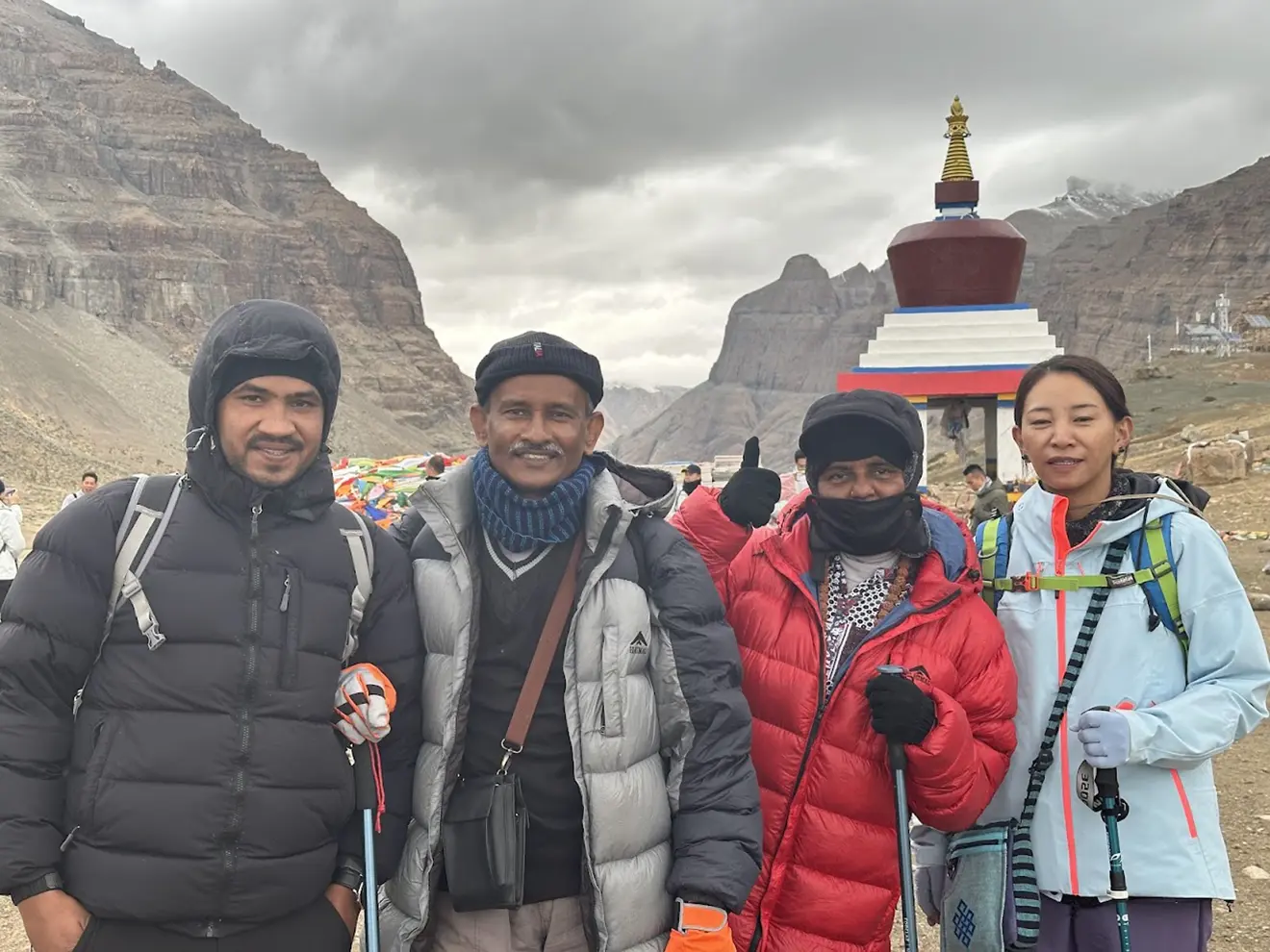
Pilgrims travel far to reach the sacred mountain. The remote western region demands a higher budget. The Mount Kailash tour costs start at $2000. A 15-day vacation costs around $ 2,176 for a standard group. Travelers hike around the mountain during a three-day religious walk. Locals call this religious walk the Kora. Remote logistics make the trip highly expensive. Agencies arrange special military permits for the restricted region. The government strictly controls access to the Ngari prefecture.
The year 2026 represents the Year of the Horse. Local astrology considers the Year of the Horse a highly auspicious time. The Fire Horse year occurs only once every sixty years. Pilgrims believe the walk brings thirteen times more merit. Demand significantly increases the cost of the Mount Kailash tour. The Saga Dawa Festival happens on May 31, 2026. Thousands of pilgrims flock to the mountain during the festival. Prices peak during this specific religious event. Early booking guarantees a spot in the shared vehicles.
The package covers basic guesthouses along the trekking route. Accommodations remain very simple in the remote west. Vehicles drive for days from Lhasa to reach the starting point. They pass through Saga and Darchen towns. The fuel costs for such a long-distance drive increase the price. You pay for a truly unique cultural experience. Porters and animals carry heavy bags during the hike. Renting these helpers costs extra money. We detail the animal rental costs later in the article.
Tibet Tour Cost Breakdown (Detailed)
Travelers need clear details about their vacation expenses. A proper cost breakdown for a Tibet trip prevents unexpected surprises. We separate the standard inclusions from the extra expenses. Creating a clear budget helps you plan effectively. You avoid running out of cash during the trip. Tour packages bundle many services together for convenience.
What Packages Include
Licensed travel agencies handle the complicated logistics. Most tour operators include the core essentials in the base price. You pay one lump sum for the primary services.
- Tibet Travel Permit processing comes standard with every package. The tourism bureau issues the paper to the agency. The package price covers the agency service fee completely.
- Professional English-speaking locals lead the group daily. The guide travels with you everywhere. They explain the history and manage the daily schedule.
- Drivers operate licensed tourist minivans or SUVs safely. The price covers the vehicle rental and fuel. The agency also pays the highway toll taxes.
- Packages provide three-star hotel rooms typically. The hotels serve a basic breakfast to guests every morning. Clean beds and hot showers come standard.
- The price covers tickets for palaces and temples. You enter the Potala Palace without paying cash at the door. Agencies book these hard-to-get tickets in advance.
- Some packages include welcome dinners for the group. Guests taste traditional food on the first night. You meet your fellow travelers in a relaxed setting.
What Packages Exclude
Tourists pay for certain items out of pocket. You need extra budget for these specific categories. Careful planning covers these additional expenses smoothly.
- Embassies charge fees for the required entry visa. Travelers apply for the visa before booking the tour. The visa fee depends entirely on your nationality.
- Transportation to the plateau costs extra. You purchase airline tickets separately from the tour package. Fares fluctuate based on the travel season.
- Railway tickets are usually purchased separately. Some agencies charge an additional fee to book trains. Train tickets sell out quickly during the summer.
- Visitors purchase personal travel protection plans independently. Insurance covers medical emergencies and trip cancellations. High altitude travel makes insurance absolutely necessary.
- Travelers buy their own lunches and dinners. The guide recommends safe and affordable local restaurants daily. You choose your own food based on your budget.
- You pay for personal shopping and souvenirs. Visitors buy local handicrafts and jewelry in the markets. We recommend bringing extra cash for these purchases.
- Tipping the guide and driver falls under your responsibility. The tour price does not include these gratuities. Staff members rely on tips for extra income.
Factors That Affect Tibet Tour Cost
Prices fluctuate heavily throughout the calendar year. Several key elements determine the final Tibet tour price. Understanding these factors helps you find the best deals. Travel season drastically alters the pricing structure. Summer brings warm weather and large crowds to the plateau. May through October represents the peak travel season. Hotels charge maximum rates during these warm months. Airlines sell tickets at full price without discounts. The Tibet Tour Cost peaks in summer. July and August see the highest demand from domestic tourists. Chinese schools close for the summer holidays. Families flock to the plateau for summer vacations.
Winter travel offers massive financial discounts. The government runs a special winter promotion from November to March. Temples offer free or half-price entrance tickets. Hotels cut their nightly rates in half to attract visitors. Airlines offer massive discounts on winter flights. You save money by traveling in the cold season. The clear winter skies provide excellent mountain views.
Group size significantly affects the final bill. Solo travel costs a fortune on the high plateau. A single person pays for the entire vehicle and guide alone. Joining a shared group divides these heavy expenses among several people. A group of ten people pays much less per person than a group of two. Travelers share the daily guide fee equally. The vehicle rental costs drop when split among many passengers. Shared group tours depart on fixed dates every month.
Hotel category upgrades increase the daily budget. Standard packages use basic three-star hotels in the city. These buildings offer clean beds and simple breakfasts. Upgrading to a four-star or five-star resort doubles the accommodation budget. Luxury hotels like the Shangri-La Hotel charge premium rates. The extra comfort increases the total cost of the Tibet trip. Premium hotels provide excellent heating and better breakfast buffets. Some luxury rooms feature private oxygen generators.
Private tours cost more than shared group tours. Private groups dictate their own schedule and pace. Families often prefer private tours for maximum flexibility. Privacy comes with a higher price tag. You pay exclusively for the guide and driver. Couples on honeymoon often choose this premium option.
Overland travel from Nepal changes the cost structure, too. Entering via the land border requires a long drive. You pay for the jeep rental from Kathmandu. Flight entry costs more for the ticket but saves travel days. You avoid paying the guide and driver for the extra driving days. Remote destinations like Kailash require higher logistical budgets. Driving thousands of kilometers consumes massive amounts of fuel. The agency charges more for the extra mileage.
Tibet Tour Cost by Travel Style
Every tourist sets a different vacation budget. We categorize the Tibet Tour Cost into three main travel styles. You choose the style that fits your bank account. Agencies customize packages to match your financial limits. The core experience remains the same across all styles. You still see the same beautiful mountains and temples.
Budget Tibet Tour Cost
Backpackers join shared group tours to save money. The daily budget hovers around $130 per person. This style offers the cheapest legal way to travel. Tourists sleep in simple three-star hotels or clean hostels. The rooms provide basic amenities and hot showers. Facilities remain clean but very simple.
Groups share standard minivans for transportation. The minivans seat up to fifteen passengers comfortably. You travel with people from all over the world. Budget travelers eat at local teahouses instead of fancy restaurants. A bowl of noodle soup costs only four dollars. The local food tastes delicious and authentic. You use public buses for city exploration in your free time. Walking around the city center costs nothing. The Budget Tibet Tour focuses on the destination rather than luxury comfort.
Mid-Range Tibet Tour Cost
Comfort-seekers prefer a balanced vacation experience. The daily expense reaches $200 to $250 per person. You get better value without spending a fortune. Travelers book four-star hotels with better heating systems. The rooms often feature reliable hot water and soft mattresses. The breakfast buffets offer more variety.
Mid-range groups stay small, usually with fewer than 8 people. The smaller size guarantees more personal attention from the guide. You ask more questions and interact closely. Visitors eat at comfortable restaurants with English menus. The restaurants serve a mix of local and Western dishes. You find pizza and pasta alongside yak meat. Travelers hire private cars for short city transfers. You avoid crowded public buses. The mid-range style offers a stress-free environment.
Luxury Tibet Tour Cost
Premium travelers demand the best service available. The daily cost exceeds $400 per person. You pay for ultimate comfort and exclusivity. Guests stay in international five-star hotels. The InterContinental Lhasa Paradise offers spacious rooms and beautiful architecture. The St. Regis offers incredible views of the Potala Palace. These properties provide artificial oxygen in the rooms. Guests sleep better and recover from altitude sickness quickly. Spa services help you relax after a long day.
Luxury tours use private SUVs for smooth rides on bumpy roads. A Toyota Prado handles the mountain passes effortlessly. The ride feels incredibly smooth and safe. Private guides cater to your daily schedule. You start the day whenever you want. The guide adjusts the itinerary to match your mood. You enjoy gourmet dining and VIP treatment throughout the vacation. High-end restaurants serve imported wines and premium yak steaks. Peregrine Treks and Tours specializes in organizing these premium experiences. Our team ensures every detail meets your high standards. We select only the best local staff.
Cost Comparison: Tibet vs Nepal Side Everest Base Camp
Many tourists compare the cost of the Everest Base Camp in Tibet with the Nepal alternative. Both sides offer unique views of the massive mountain. The experiences differ completely in price and physical effort. You must decide between a driving tour and a physical trek. Each side attracts a different type of traveler. We explain the financial differences below.
The Tibet EBC Cost and Experience
The northern side allows direct vehicle access to the camp. Tourists drive directly to the base camp over paved roads. The final altitude measures 5200 meters above sea level. The Everest Base Camp Tibet cost runs from $900 to $1100. The entire trip takes only eight days from the capital. The package includes transportation, guides, and permits.
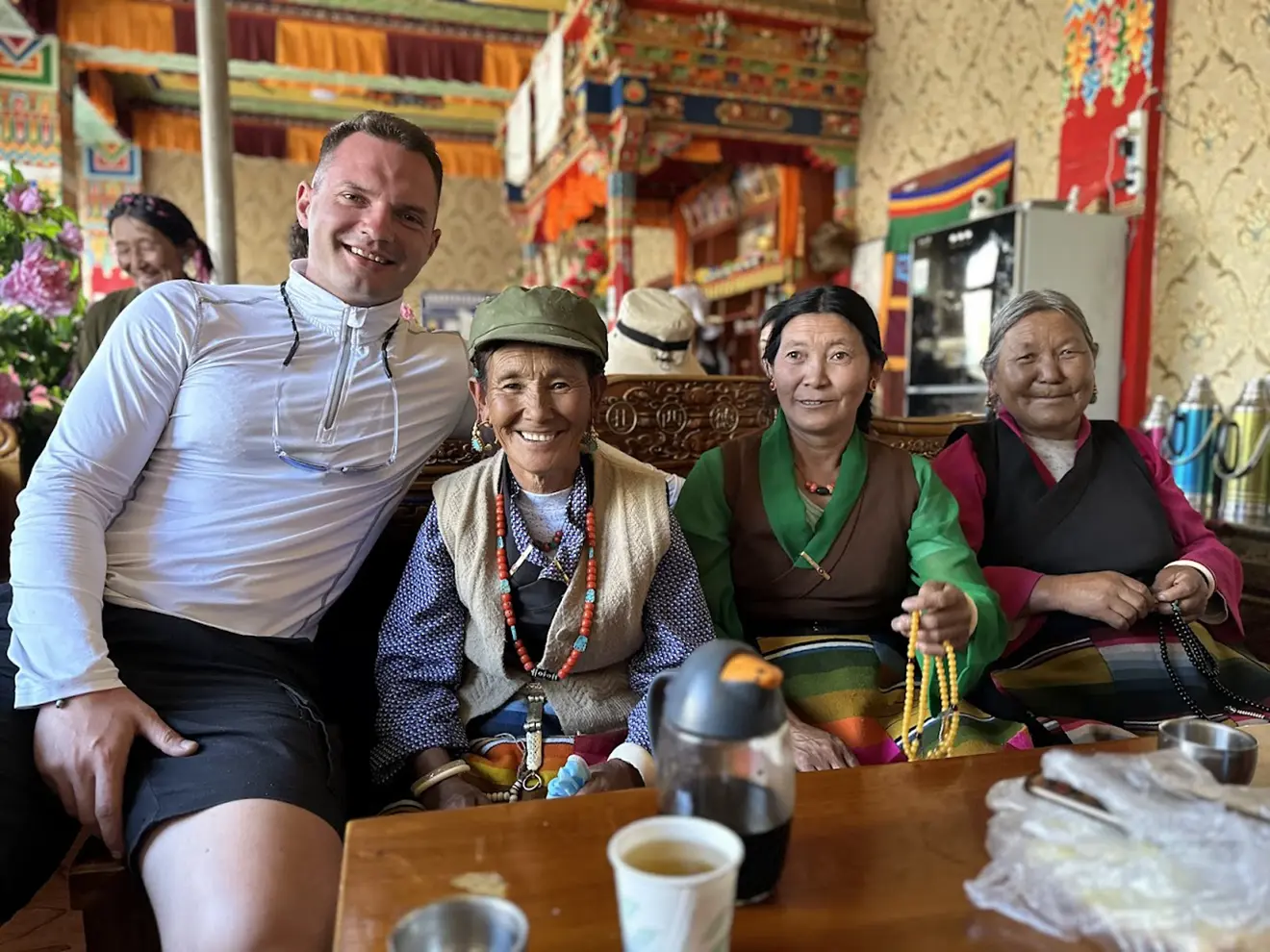
Travelers enjoy a spectacular, unobstructed view of the north face. The mountain stands tall without other peaks blocking the view. Photographers prefer this side for clear pictures. The driving route saves time and physical energy. You avoid walking for weeks with a heavy backpack. The trip appeals to older travelers or those with limited time. You sleep in heated tent camps or a local monastery guesthouse. The camps provide basic food and warm blankets. Facilities remain simple but functional.
The Nepal EBC Trekking Cost and Experience
The southern side requires serious physical effort and stamina. Hikers walk for fourteen days to reach the camp. The trail gradually climbs to an altitude of 5364 meters. A standard Nepal trek costs between $1,200 and $1,500. This price covers local flights, guides, and tea house accommodation. The trip takes much longer than the northern side.
Travelers sleep in simple wooden tea houses along the path. The rooms lack heating and hot water at higher elevations. You eat basic meals daily. Independent hiking remains possible for experienced adventurers. Skipping the guide saves money on the Nepal side. You pay only for food and permits. You experience the local Sherpa culture up close. Trekkers walk through traditional villages and cross suspension bridges. The environment feels very different from the dry northern plateau.
The Nepal side demands strong legs and healthy lungs. Trekkers carry daypacks and walk for several hours each day. Porters carry the heavy duffel bags between villages. The classic trekking route offers a deep sense of physical achievement. You push your body to the absolute limit. You choose Nepal for the exercise and Tibet for the quick views.
Tibet Travel Permit and Visa Fees
Bureaucracy adds to the cost of the Tibet tour package. Foreigners require multiple documents before boarding the plane. Travel agencies manage the paperwork for you. Understanding the permit system helps you prepare the necessary funds. You avoid delays by providing the correct documents early.
Tibet Travel Permit Details
The tourism bureau issues the main permit free of charge. The physical document itself costs absolutely nothing. Government officials do not charge a printing fee. Travel agencies charge a service fee for the complicated paperwork. The fee typically ranges from $50 to $100. Tour operators include this amount in the total Tibet Tour Cost.
You never pay cash directly to the government office. The agency submits your passport copies and itinerary for approval. The process takes about fifteen days. The guide holds the original permit during the entire trip. Officials check the document at train stations and airports. You cannot board a flight without this original paper.
Visa-Free Entry Policies
New government rules allow visa-free entry for certain nationalities. Citizens from France, Germany, Italy, and Spain enjoy this benefit. Travelers from the Netherlands and Malaysia also qualify. These tourists visit the mainland without a visa for up to thirty days. They skip the embassy completely and save visa fees. They only need the free travel permit to enter the plateau. This policy significantly reduces the total trip cost. European travelers save over $100 on embassy fees. The process becomes much faster and easier.
Alien’s Travel Permit and Military Permit
Remote areas require additional paperwork for foreign visitors. The Alien’s Travel Permit grants access to the Everest region. The local police issued this permit in Shigatse. The Military Permit allows entry to the Kailash area in the west. The military office takes several weeks to process the application. You must book Kailash tours well in advance. Guides handle these applications locally during the trip. They take your passport to the police station while you rest. The package price covers the processing fees for these extra documents.
Chinese Group Visa from Kathmandu
Travelers entering from Nepal are subject to different visa rules. Regular Chinese visas automatically become invalid at the border. Tourists apply for a special Chinese Group Visa in Kathmandu. The embassy charges varying fees based on your nationality. United States citizens pay $155 for normal processing. Urgent processing costs $185 for Americans. Canadian citizens pay $85 for normal service. Nepalese citizens pay $48 for the visa. Romanian citizens pay $85. Brazilian citizens pay $118. Other nationalities pay around $60. The travel agency collects your passport and handles the embassy visit. The process takes four working days.
Transportation Costs to Tibet
Getting to the plateau requires a separate budget entirely. Flights and trains add heavily to the total Tibet trip cost breakdown. You must select the transport method that fits your schedule and wallet. The trip itself offers incredible views of the mountains. You pay for transportation but receive a scenic experience. We outline the three main travel routes below.
Flight to Lhasa
Air travel offers the fastest route to the high mountains. Direct flights depart from major Chinese cities daily. A one-way ticket costs between $130 and $500. Flights from Chengdu take only two hours to reach the airport. Chengdu serves as the most popular gateway city. Beijing flights take four hours in the air.
Winter flights cost much less than summer tickets. Airlines offer steep discounts to fill empty seats. You save hundreds of dollars by flying in December. Kathmandu currently offers the only international flight option. The Nepal flight takes ninety minutes and offers Himalayan views. You see Mount Everest from the airplane window. Flying saves time but increases the risk of altitude sickness. You jump from sea level to high altitude in a few hours. Your body needs time to adjust to the thin air.
Qinghai-Tibet Train Cost
The famous railway provides spectacular scenery along the route. Train tickets generally cost less than flights. The gradual climb helps passengers adjust to the altitude slowly. Trains offer two main ticket classes for travelers. Hard-sleeper cabins have six beds in an open compartment. The beds lack privacy doors. Soft sleeper cabins hold four beds and provide a locking door. The beds feel softer and wider. Families prefer soft sleepers for the extra security and comfort.
The Beijing route takes forty hours to complete. Hard sleeper tickets cost $111 from Beijing. Soft sleeper tickets cost $176. The Shanghai train takes forty-five hours. Hard sleepers cost $122. Soft sleepers cost $194. The long journey requires patience. The Chengdu train takes thirty-five hours. A hard sleeper ticket costs $97. Soft sleepers cost $153. Booking train tickets requires advance planning during the summer.
Overland Nepal to Tibet
Adventurous travelers cross the land border directly. The Gyirong port connects Kathmandu and the plateau. The drive from Kathmandu to the border takes eight hours. Travelers rent a jeep for $40 to $50 per person. The overland route saves money on expensive international flights. The road winds through lush green valleys before climbing the mountains.
The border crossing process takes time and patience. You arrive at the Nepal side of the border early. The office hours run from ten in the morning to six in the evening. You walk across the Resuo Bridge to the Chinese customs building. The guards carefully check your passport and Group Visa. Your Tibetan guide waits for you outside the customs building. The tour begins immediately after passing customs. The overland trip offers a dramatic change in scenery.
Hidden Costs in a Tibet Trip
Vacationers often forget about daily pocket expenses. Small purchases gradually increase the final Tibet Tour Cost. Proper budgeting prevents financial stress during the trip. You need cash for several daily items. ATMs are available in cities but fail in remote areas. We recommend carrying small bills for everyday purchases.
Tipping Guide and Driver
Tipping remains customary in the local tourism industry. Happy customers reward good service with cash. The tour price does not include these gratuities. Experts recommend paying $8 to $15 per day to the guide. Drivers expect to earn $5 to $10 per day from the group. Groups pool their money together at the end of the trip. The staff relies on tips to support their families. You hand the cash directly to the staff in envelopes. Good service deserves proper recognition.
Extra Meals and Drinks
Most packages cover only breakfast at the hotel. Food is included in your daily cost breakdown for your Tibet trip. Budget travelers spend $4 to $22 daily on meals. Luxury dining costs up to $75 daily at premium hotels. Local teahouses serve cheap and tasty food. Tsampa remains the most traditional dish on the plateau. Cooks make it from roasted barley flour and butter. Butter tea provides energy for high altitudes. Locals mix tea leaves with yak butter and salt. Yak meat hot pot warms travelers during cold nights. The rich broth is made with local herbs and fresh vegetables. Momos look like small dumplings filled with juicy meat.
Oxygen Cylinders and Medicine
High altitudes cause breathing difficulties for some visitors. Travelers rent oxygen equipment for safety and comfort. A portable oxygen generator costs $15 per day to rent. Large medical cylinders are stored in the tour vehicles for emergencies. Buying small oxygen cans at the pharmacy costs a few dollars. Some tourists purchase altitude medicine before the trip. Diamox pills help the body adjust to the thin air. Garlic capsules and rhodiola also provide natural relief.
Extra Luggage Fees
Airlines strictly enforce luggage weight limits on domestic flights. Passengers usually get an allowance of twenty kilograms. Heavy bags incur steep extra fees at the check-in counter. Travelers pack light to avoid these charges. You bring a down jacket and sturdy hiking boots. Layered clothing works best for the changing weather. You pack four pairs of woolen socks for warmth. You bring strong sunscreen and UV-protected sunglasses. The high altitude sun burns your skin quickly. Trains offer more generous luggage allowances for heavy packers. You avoid airline fees entirely by taking the train.
Photography Charges
Monasteries charge a photography fee in the main halls. Monks ask for a few dollars per room if you use a camera. You pay this fee directly to the monk. Taking pictures of locals requires permission first. Some locals ask for small tips after having their photos taken. You carry small bills to pay for these photography fees. The Potala Palace forbids indoor photography completely. Guards patrol the rooms to enforce this strict rule.
Avoiding Fines and Cultural Mistakes
Travelers must respect local customs to avoid trouble. You always walk clockwise around religious shrines. Walking counterclockwise offends the local pilgrims. You never touch a Tibetan person on the head. You never step on the threshold of a temple. Breaking these rules causes social embarrassment. Monasteries enforce strict dress codes for all visitors. You wear long pants and long sleeves inside the temples. Shorts and skirts remain strictly forbidden. You respect the local diet and traditions. Locals do not eat dog, horse, or donkey meat. You avoid ordering fish in certain traditional areas. Understanding these taboos enriches your cultural experience.
How to Reduce Tibet Tour Cost
Smart planning significantly reduces the final bill. Travelers follow specific strategies for cheaper vacations. We share the best money-saving tips below. You keep more money in your bank account with these methods. A tight budget still allows for an incredible Himalayan adventure.
- Join small group tours instead of private tours. Shared transport significantly reduces daily vehicle fees. You divide the guide’s daily wage among ten people.
- Travel in the shoulder season or winter. Hotels cut prices by half from November to March. The weather feels cold, but the skies remain clear and sunny.
- Take advantage of the government winter promotion. The tourism bureau waives entrance fees for major attractions. You enter the Potala Palace for free during winter.
- Choose standard three-star hotels. Basic rooms offer clean, comfortable accommodations at a much lower price. You spend most of your time outdoors anyway.
- Book the overland route from Nepal. The jeep ride costs less than an international flight. You save hundreds of dollars on airfare.
- Avoid peak festival dates and national holidays. Chinese tourists fill the hotels, and prices spike rapidly in October. The first week of October represents the busiest travel period.
- Take the train instead of flying. Trains offer cheap beds and save one night of hotel fees. You sleep on the train while traveling toward the mountains.
- Eat at local teahouses. Street food costs much less than food at tourist restaurants. A simple bowl of noodles fills your stomach for pennies.
- Skip the luxury SUVs. Standard tourist minivans work perfectly fine on modern paved roads. The government improves the highway system every year.
- Plan a shorter itinerary. Fewer days mean lower overall daily fees and less food expense. A five-day trip costs half as much as a ten-day trip.
- Buy snacks at local supermarkets in the city. Remote mountain shops charge high prices for basic chocolate and water. You stock up on supplies before leaving the capital.
Is the Tibet Tour Worth the Cost?
Travelers spend significant money on the trip. Many wonder about the true value of the vacation. The unique cultural experience justifies the high price of the Tibet tour. You receive memories that last forever. The extreme scenery and rich history offer an unparalleled adventure. We explain the trip’s true value below.
Cultural Uniqueness
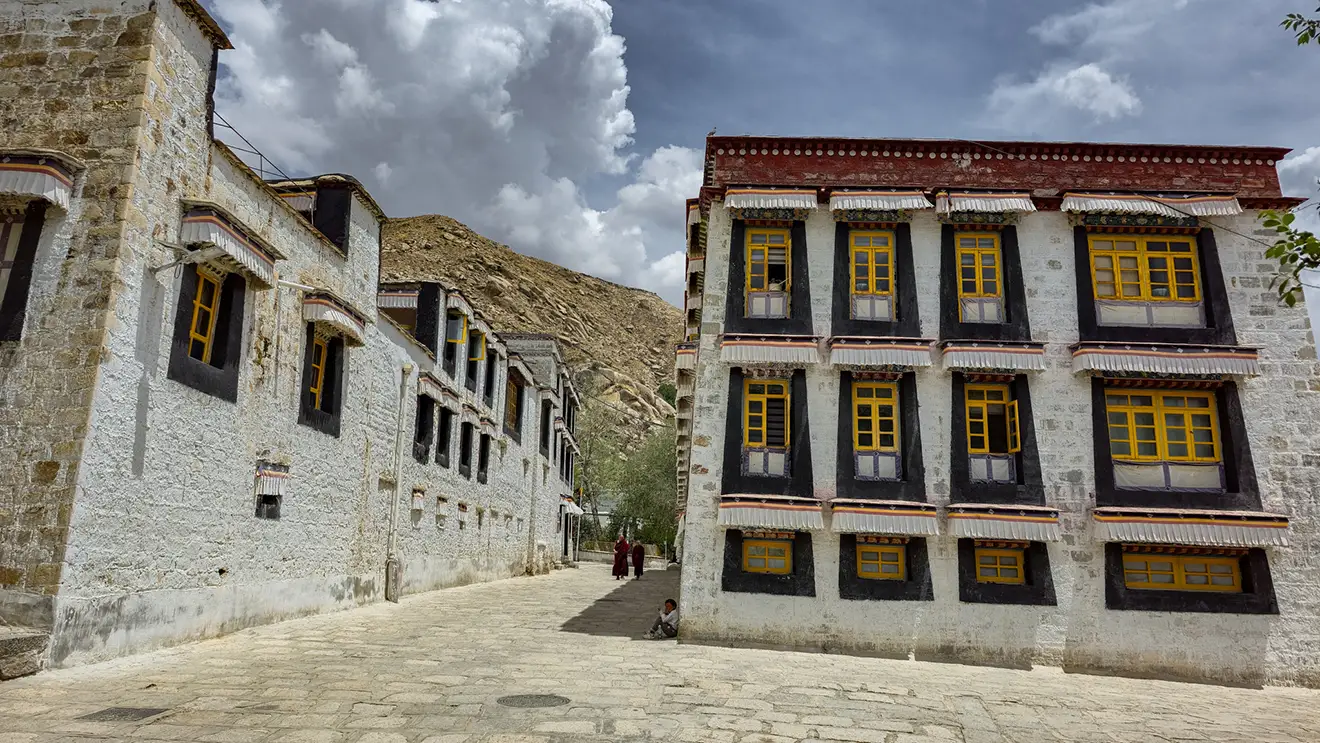
Monasteries hold centuries of ancient history. The spiritual atmosphere touches every visitor deeply. Pilgrims show deep devotion in the streets and temples. You witness religious traditions preserved over hundreds of years. The culture remains strong and visible everywhere. Monks chant ancient texts in dimly lit halls. The scent of incense fills the air constantly. The unique architecture features bright red and white walls. You feel transported to a different century entirely.
Himalayan Landscapes
The region offers unmatched mountain scenery. Visitors stand next to the highest peaks on Earth. The clear blue skies create perfect photographs daily. The deep valleys and turquoise lakes leave lasting impressions. You witness landscapes that exist nowhere else. The high altitude creates a stark, beautiful desert environment. Glaciers sit right next to the modern highways. You see massive ice formations without climbing a mountain. The natural beauty justifies the high cost of the flight tickets.
Permit-Controlled Travel
The strict permit rules keep crowds smaller than in other destinations. The region feels exclusive and somewhat untouched. You avoid the massive tourist crowds found in Europe. The high cost of travel to high Tibet ensures a safe and organized adventure. You pay for security, expert guidance, and access to restricted areas. The guide ensures you follow local customs and avoid trouble.
Once-in-a-Lifetime Value
Most people only visit the plateau once in their lives. The financial investment provides a truly rare experience. You accomplish a major travel milestone. The stories and photographs last for decades. The unique combination of culture and nature creates a powerful emotional impact. The trip represents an investment in personal growth.
Sample Price Table
We provide a quick reference guide below. These numbers help you estimate the total cost of your Tibet tour package. Prices vary by season and group size. Use this table to set your initial savings goal. The prices reflect standard shared group tours during the shoulder season. Private tours cost significantly more than these estimates.
| Tour Type | Duration | Cost Range | Best For |
| Lhasa City Tour | 5 Days | $450 – $631 | Travelers with limited time |
| EBC Tour | 8 Days | $900 – $1100 | First-time visitors and photographers |
| Kailash Tour | 15 Days | $2000 – $2500 | Pilgrims and serious adventurers |
| Overland Nepal Tour | 7 Days | $950 – $1200 | Backpackers crossing borders |
| Luxury Private Tour | 8 Days | $2500 – $4000 | Honeymooners and luxury seekers |
FAQs
We answer the most common questions below. These details help you finalize your budget for your Tibet tour. You learn the final facts before booking your trip.
Q: How much does a Tibet tour cost per day?
A: Budget travelers spend about $130 per day in shared groups. Mid-range visitors pay $200 daily for private guides and better hotels. Luxury tours cost over $400 daily for premium service. Your choices dictate the final daily rate.
Q: Why is the Tibet tour expensive?
A: The government requires private guides and official vehicles for all foreigners. High altitudes increase transportation fuel costs. Remote mountain areas lack cheap supply chains for food and hotel goods. The mandatory services drive up the base price.
Q: What is the cheapest way to visit Tibet?
A: Travelers join shared group tours during the winter months. They take the slow train instead of flying. They sleep in budget hostels and eat at local noodle shops. Sharing costs with other tourists remains the best strategy.
Q: Is Tibet cheaper than Nepal?
A: Nepal offers much cheaper travel options. Independent backpackers hike freely in Nepal without guides. The Tibetan side forces organized tours and mandatory daily guide fees. You spend more money on the northern side of the mountains.
Q: Can I travel to Tibet on a budget?
A: Budget travel is made possible through shared group packages. Tourists split the vehicle and guide fees with other foreigners. Eating local food and taking public buses in the city keeps expenses low. Careful daily spending makes the trip affordable.
Q: Does Tibet cost extra?
A: The official tourism bureau issues the permit free of charge. Travel agencies charge a service fee for the complicated paperwork. The tour package includes this hidden fee in the final price. You do not pay cash for the paper itself.
Q: How much does a Mount Kailash tour cost?
A: A standard group trip costs around $2000. Renting horses and porters adds $570 to the bill. Private tours cost much more due to the remote location. The fuel for the long drive increases the total price.
Q: Is Tibet safe for solo travelers?
A: Solo foreigners face strict bans on independent travel. Single tourists join group tours for safety and legal compliance. Professional guides ensure total security throughout the trip. Violent crime remains virtually nonexistent in the region.
Q: When is the best time to book a tour?
A: Travelers book tours at least thirty days in advance. Early booking allows enough time for permit processing. You secure better train tickets by planning early. Last-minute bookings risk permit delays and higher flight prices.
Q: What happens if I get altitude sickness?
A: Guides carry emergency oxygen in the vehicles. Hotels offer medical assistance and oxygen generators. You rest and drink plenty of water to recover. Severe cases require an immediate descent to lower altitudes.