

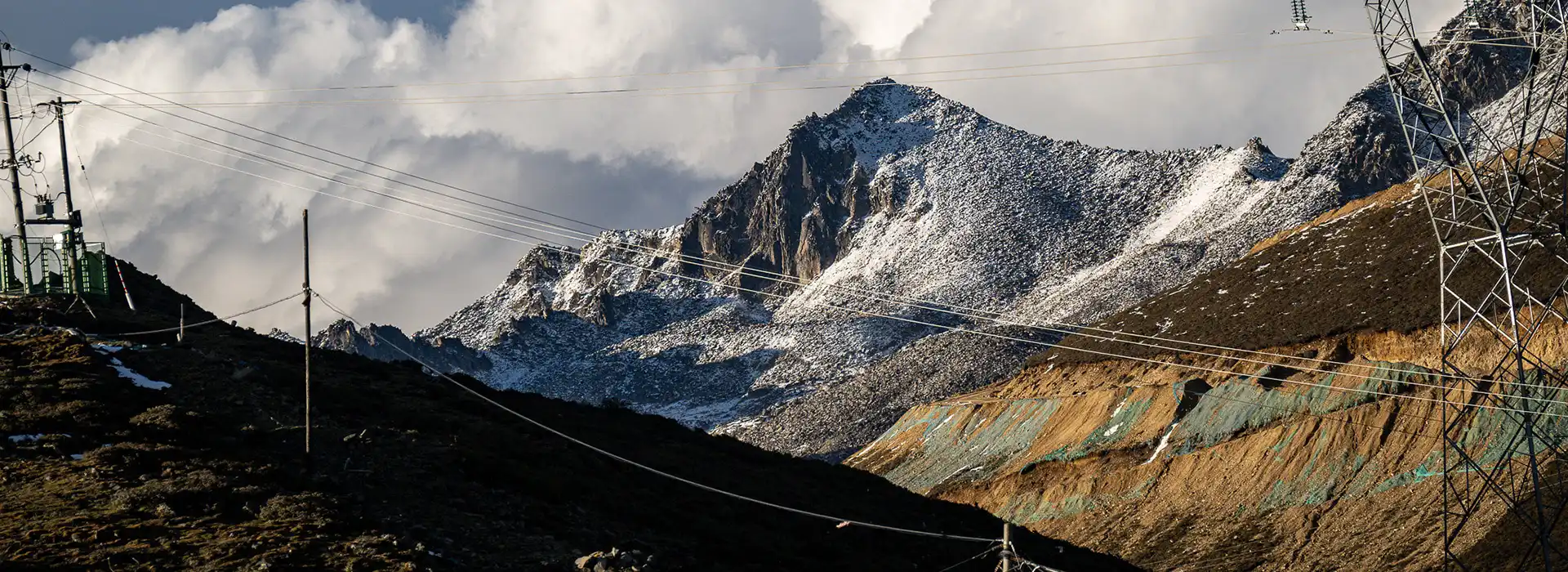

A Tibet Tour from India offers an incredible vacation experience for global travelers. Indian tourists visit the region to explore ancient monasteries and witness stunning Himalayan landscapes. The high-altitude plateau is home to pristine lakes, massive glaciers, and unique cultural traditions. Visitors experience a world completely different from the “Roof of the World.”
Planning a Tibet Tour from India requires careful attention to specific travel rules. The local government strictly regulates all foreign tourism across the entire region. Travelers cannot explore the area independently under any circumstances. Indian citizens must book their vacation through a licensed travel agency. The agency handles all mandatory permits, transportation, and guide services. High altitude presents another major planning reality for every visitor. Tourists must pace themselves carefully to prevent altitude sickness.
Readers can find comprehensive details in the ultimate guide below. The content covers the best entry routes, document requirements, and seasonal weather patterns. Travelers find detailed sample itineraries to help them choose the perfect route. The guide focuses on practical advice for a seamless Tibet Tour from India.
Quick Facts:
- Best seasons: Spring and autumn offer the most stable weather.
- Typical trip length: Visitors usually spend six to ten days exploring the region.
- Main entry routes: Flights via mainland China or Nepal are best for Indian travelers.
- Key challenge: Travelers must manage strict permit rules and altitude pacing.
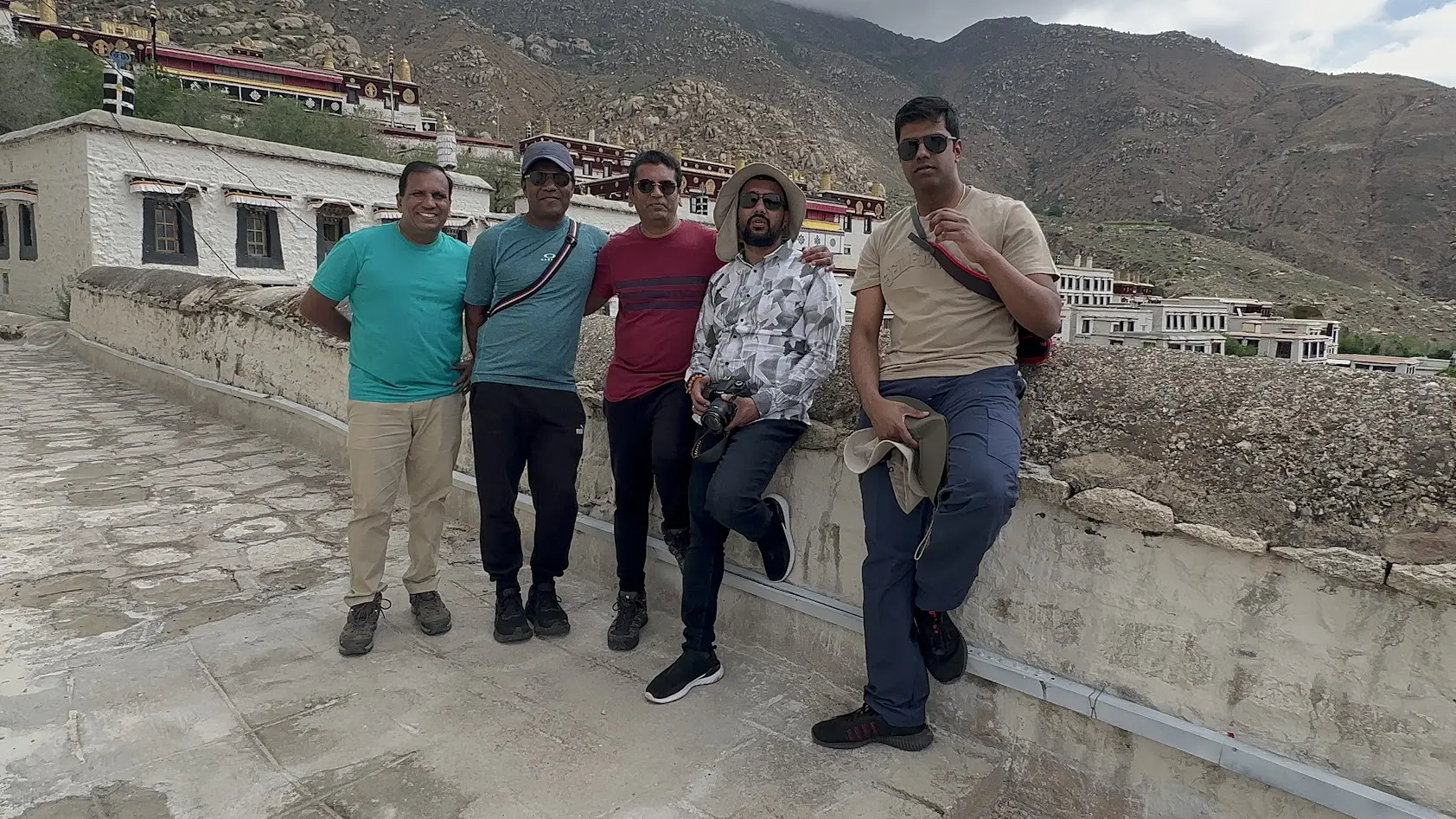
Best Entry Routes for a Tibet Tour from India
Indian travelers select from several distinct entry routes. Each route offers different advantages in terms of travel time and permit complexity. Tour operators help clients choose the best option for their specific vacation goals.
Option A: Fly via Mainland China and Enter Lhasa
Many Indian tourists choose the mainland China route for their Tibet Tour from India. Travelers fly into major Chinese gateway cities like Beijing, Shanghai, or Chengdu. Chengdu serves as the most popular transit hub due to its proximity. Visitors can take a quick domestic flight from Chengdu directly to Lhasa Gonggar Airport.
The mainland route suits travelers who want the fastest entry to Lhasa. Visitors enjoy easier access to frequent domestic flights once inside China. Train connections also provide an excellent alternative to flying. The Qinghai-Tibet railway offers a spectacular train ride from Xining to Lhasa. Passengers use the high-altitude train journey to help their bodies adjust gradually.
Option B: Enter via Nepal (Kathmandu)
The Nepal entry route remains highly popular for a Tibet Tour from India. Many travelers combine a Nepal vacation with their high-altitude adventure. Kathmandu sits geographically close to the Tibetan border. Tourists fly directly from Kathmandu to Lhasa over the Himalayas. Passengers often request window seats to view Mount Everest from the airplane.
Permit and visa processing differ significantly by entry route. Travelers entering from Nepal cannot use a standard Chinese Visa. The Chinese Embassy in Kathmandu issues a specific China Group Visa instead. Tour operators in Kathmandu manage the entire visa application process for their clients. The process takes a few business days to complete locally.
Option C: Overland Border Route Options (Route-Dependent)
Some adventurous travelers seek overland crossings for their Tibet Tour from India. The Gyirong port currently serves as the main land border for international tourists. The overland route requires a long drive from Kathmandu through mountainous terrain. Tourists enjoy dramatic scenery as the elevation increases rapidly. Travelers must understand that border rules and openings change frequently. Mountain landslides during the summer monsoon sometimes block the border roads. Tour companies encourage confirming the current border status before planning an overland trip. The overland crossing demands extra travel days and physical stamina.
Entry Route Comparison Table:
| Route | Time Needed | Best For | Complexity Level | Comfort Level |
| Via Mainland China | 1-2 Transit Days | Fast Lhasa Entry | Low | High |
| Via Nepal (Flight) | 1 Transit Day | Nepal Combinations | Medium | High |
| Via Nepal (Overland) | 3-4 Driving Days | Scenic Mountain Views | High | Medium |
Tibet Tour from India: Visa and Permit Requirements
Visa rules often confuse people planning a Tibet Tour from India. Travelers often say “Tibet visa” in casual conversations. A standard visa does not exist for the region. Travel actually involves Chinese entry permission plus specific regional permits. Indian citizens must ensure they have the correct paperwork before booking any flights.
The Tibet Travel Permit serves as the mandatory entry document for all foreigners. The Tibet Tourism Bureau issues the document exclusively through registered travel agencies. Individual tourists cannot apply for the permit themselves. Tour guides hold the original document and present it at all checkpoints. Transportation companies check the permit before allowing passengers to board trains or flights.
Travelers need extra permits for areas outside the capital city. Route-based documents allow access to restricted zones across the plateau. The Alien’s Travel Permit grants visitors entry to the Everest Base Camp region. The local Public Security Bureau issues the Alien’s Travel Permit in Shigatse. The tour guide processes the application while clients wait comfortably.
The Restricted Area Military Permit provides access to highly sensitive regions. Indian pilgrims need a military permit to visit Mount Kailash and Lake Mansarovar. The government requires extensive processing time for military documents. A licensed operator arranges permits to ensure full legal compliance. Professional agencies guarantee smooth processing for a stress-free Tibet Tour from India.
Documents Checklist:
- Original Passport (valid for at least six months beyond the travel dates)
- Recent passport-sized photographs (standard white background)
- Confirmed travel dates and flight tickets
- Occupation details (if requested by the embassy)
- Confirmed itinerary booked through a registered local agency
Step-by-Step Planning Process (India-Focused)
Planning a Tibet Tour from India requires highly organized preparation. Indian travelers start the process several months in advance to avoid disappointment. The strict tourism regulations demand exact coordination between clients and agencies.
- Choose travel dates and route (China entry or Nepal entry): Travelers select their preferred entry point based on flight availability. The route choice dictates the specific visa application process required.
- Finalize itinerary and hotel level: Clients work with travel experts to design the perfect daily schedule. Luxury travelers select premium hotels in major cities for maximum comfort.
- Submit required documents: Travelers email clear digital scans of their passports to the travel agency. The agency reviews the documents to ensure perfect accuracy.
- Operator processes permits: The travel company submits all paperwork to the local tourism bureau. The government issues the Tibet Travel Permit after careful review.
- Confirm transport and guide services: The agency assigns a licensed, English-speaking Tibetan guide. The company books comfortable tourist vehicles for the long road trips.
- Book flights after confirmations: Travelers secure their international and domestic flights. The agency mails the original permit to the transit city in mainland China.
- Pack for altitude and weather: Travelers should pack warm layers and essential health supplies. The extreme altitude requires specific gear for a safe vacation.
Timeline:
- Peak season planning (May to October): Travelers start planning at least 60 days prior. High demand limits the availability of hotel rooms and train tickets. The permit process requires extra buffer time during local festivals.
- Shoulder season planning (April and November): Travelers begin preparations 40 days in advance. Agencies process permits faster during the quieter months. Airlines offer better seat availability and lower flight prices.
Best Time to Visit Tibet from India
The high plateau features a unique, extreme climate year-round. The weather significantly impacts road conditions and mountain visibility. Indian travelers plan a Tibet tour around distinct seasonal weather patterns. The destination experiences four entirely different seasons.
Spring (April to May):
Spring offers clear mornings and very cold nights across the region. The thick ice on the high-altitude lakes begins to melt. Travelers enjoy excellent visibility of the surrounding Himalayan peaks. Spring brings blooming flowers to the lower river valleys. The season attracts fewer crowds than the busy summer months.
Summer (June to August):
Summer brings warmer temperatures and higher oxygen levels to the plateau. The season coincides with the annual Asian monsoon cycle. Some regions experience occasional rain, mostly during the night. The terrain turns vibrant green, creating beautiful landscapes for photography. Travelers breathe much easier during the oxygen-rich summer months.
Autumn (September to October):
Autumn provides the clearest skies for a Tibet Tour from India. The season attracts the most international tourists. The autumn weather stays cool, crisp, and very dry. Travelers get perfect, unobstructed views of Mount Everest. The golden hues of the vegetation create a stunning natural landscape.
Winter (November to March):
Winter brings extreme cold and occasional heavy snow to the mountain passes. The government sometimes closes certain high-altitude roads for safety. Fewer tourists visit the region during the freezing winter months. The season works perfectly for city-based cultural trips in Lhasa. Hotels and travel agencies offer excellent lower prices during the winter.
Best months by travel goal:
- Best for clear views: September and October provide completely cloudless skies for photography.
- Best for comfort: July and August offer warmer temperatures and higher oxygen levels.
- Best for budget: November and December feature excellent off-season financial discounts.
Sample Itineraries for Indian Travelers
Travel agencies design routes tailored to different comfort levels. A Tibet Tour from India offers multiple itinerary choices for every interest. The high altitude dictates the daily pace of every single trip. Indian travelers select itineraries based on their available time and physical fitness.
6 Days: Lhasa Cultural Highlights (Easy Pace)
Ideal for first-time visitors and senior travelers.
- Drive-time level: Minimal driving inside the city limits.
- Walking level: Easy walks around flat streets and monasteries.
- Altitude note: Stays around 3,650 meters for the entire trip.
- Best season: Available year-round due to the stable city climate.
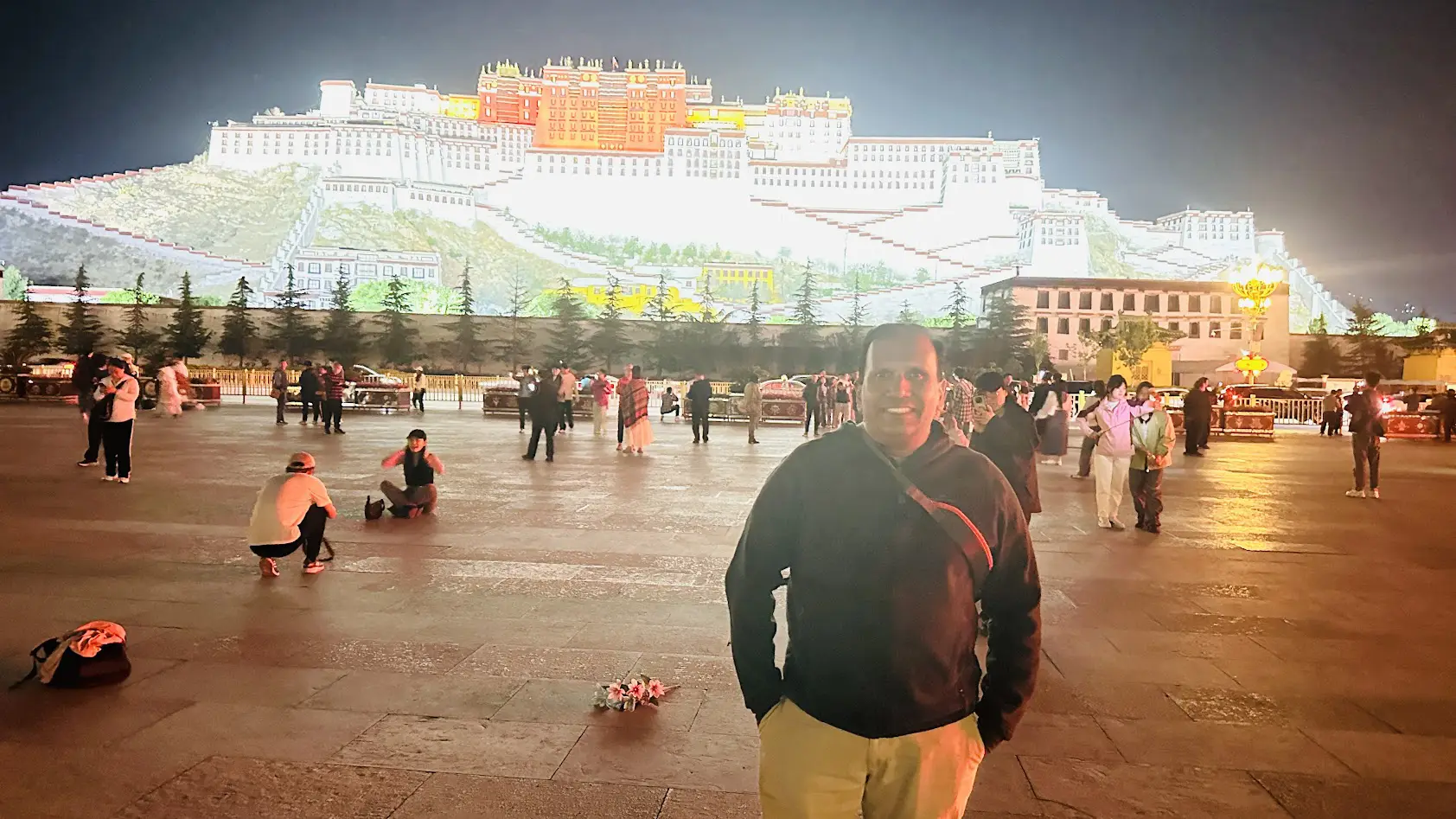
Travelers spend six days exploring the fascinating capital city. The itinerary includes the famous Potala Palace and the sacred Jokhang Temple. The Potala Palace rises 13 stories above Marpo Ri. Visitors walk up 432 steps to reach the Red and White Palaces. The massive structure contains exactly 1000 rooms and countless ancient artifacts. The Jokhang Temple houses the highly revered 12-year-old Jowo Shakyamuni statue. Visitors witness the lively monk debates at Sera Monastery in the afternoons. The trip features a short, scenic drive to the beautiful Yamdrok Lake.
8–9 Days: Lhasa + Gyantse + Shigatse (Most Popular)
- Classic cultural corridor crossing the central regions.
- Drive-time level: Moderate driving on excellent paved highways.
- Walking level: Moderate walks up steep monastery stairs.
- Altitude note: Crosses mountain passes over 4,500 meters.
- Best season: April to November provides the best road conditions.
The route connects the three most important cultural cities perfectly. Travelers view the massive Karola Glacier directly from the highway. The trip includes a visit to the Pelkor Chode Monastery in Gyantse. Visitors explore the incredible Gyantse Kumbum, a multi-story stupa with 100,000 Buddha images. The journey continues to the massive Tashilhunpo Monastery in Shigatse. The monastery features a 26.2-meter-high gilded statue of the Future Buddha. The itinerary offers a highly comprehensive look at local religion and culture.
10–12 Days: Add Everest Region Areas (Plan Carefully)
- Needs acclimatization and buffer days for absolute safety.
- Drive-time level: Long driving days on winding mountain roads.
- Walking level: Moderate walking at extreme altitudes.
- Altitude note: Reaches 5,200 meters at the base camp.
- Best season: Spring and autumn offer clear mountain views.
Travelers first follow the classic cultural route to Shigatse. The drive stops at Sakya Monastery to view the 84,000 ancient scrolls. The fortress-like monastery features unique red, white, and grey walls. The journey continues toward the massive Himalayan mountain range. Visitors sleep in basic tent guesthouses near the famous base camp. The itinerary requires excellent physical health and mental preparation. Travelers wake up early to watch the breathtaking sunrise over Mount Everest.
15 Days: Kailash Mansarovar Pilgrimage (Spiritual Focus)
- Requires intense physical stamina and devotion.
- Drive-time level: Very long driving days across the remote western plateau.
- Walking level: Strenuous trekking for three days around the mountain.
- Altitude note: Crosses the extreme Dolma La pass at 5,630 meters.
- The best season is May to September, when conditions are safer for trekking.
Indian pilgrims specifically seek the holy Mount Kailash for deep spiritual fulfillment. The journey involves a massive overland drive from Lhasa or Kathmandu. Pilgrims visit the sacred Lake Mansarovar for holy dips and prayer rituals. The three-day circumambulation around the mountain completely tests human endurance. The route passes Yama Dwar, Dirapuk, and Gauri Kund. The trip represents the ultimate religious achievement for many devoted travelers.
Itinerary Options Table:
| Itinerary Type | Duration | Highlight Locations | Altitude Peak | Physical Demand |
| Cultural Highlights | 6 Days | Potala Palace, Yamdrok Lake | 4,790 meters | Low |
| Classic Route | 8 Days | Lhasa, Gyantse, Shigatse | 5,000 meters | Medium |
| Everest Adventure | 10-12 Days | Shigatse, Everest Base Camp | 5,200 meters | High |
| Kailash Pilgrimage | 15 Days | Mansarovar, Mount Kailash | 5,630 meters | Extreme |
Budget and Cost Factors
Travelers plan their budgets carefully for a Tibet Tour from India. The remote location naturally drives up the cost of travel services. The strict government regulations prevent budget backpacking styles entirely. Professional agencies provide highly transparent pricing for all their tour packages.
Entry route choice:
Flight costs change depending on the chosen entry city. Flights from Chengdu cost less than flights from Beijing or Shanghai. Kathmandu flights are expensive due to limited airline competition. Overland routes from Nepal save money on airfare but add extra travel days.
Private vs group tour:
Private tours cost significantly more per person. Travelers pay exclusively for the private guide, vehicle, and dedicated driver. Small-group tours split transportation and guide costs evenly among participants. Group tours offer fixed departure dates and set itineraries for better affordability.
Hotel level:
Lhasa offers luxury five-star hotels from famous international brands. Shigatse provides comfortable four-star accommodation options with excellent facilities. In remote areas, only basic guesthouses with shared bathrooms are available. The chosen hotel standard significantly impacts the overall tour price. Peregrine Treks and Tours focuses on luxury and premium hotel selections for ultimate comfort.
Route length and permits:
Longer trips naturally increase the daily costs for guides and vehicles. Remote destinations require additional permits and administrative processing fees. Trips to Mount Kailash demand specialized support staff, yaks, and equipment.
Season demand:
Summer months bring peak prices for hotels and domestic flights. The tourism bureau sometimes increases entry ticket prices during the summer. Winter travel reduces costs significantly across the entire region.
Budget tips:
- Join group departures to share major expenses with other international travelers.
- Travel during the shoulder season for excellent discounted hotel rates.
- Keep the route simple for a first trip to avoid extra transit costs.
Altitude and Health Tips
Altitude sickness presents the biggest challenge during a Tibet Tour from India. The high elevation affects every traveler, regardless of physical fitness level. The human body takes time to adjust to lower oxygen levels. Indian travelers prioritize health precautions throughout the entire trip.
Lhasa sits at a high altitude of 3,650 meters above sea level. Travelers feel the thin air immediately upon arrival at the airport. Tour guides advise clients to rest completely on the very first day. The first days must stay light to prevent severe headaches and fatigue. Hotels provide oxygen machines in the guest rooms for emergency relief.
Hydration and sun protection are vital for high-altitude health. The dry plateau air causes rapid dehydration without the traveler noticing. Travelers drink at least three liters of clean water daily. The high altitude significantly increases the intensity of ultraviolet rays. Visitors apply strong sunscreen and wear polarized sunglasses outdoors. Lip balm prevents painful cracking in the harsh, dry wind.
Travelers maintain a slow pace on passes and scenic viewpoints. Running or sudden movements trigger immediate dizziness and severe fatigue. Visitors walk slowly as they climb the steep stairs of the Potala Palace. Deep breathing helps the body absorb more oxygen efficiently.
Many travelers add an extra day of acclimatization in Lhasa. The extra day helps the body adjust properly before driving at higher altitudes. Travelers avoid taking showers on the first two nights. Showers increase the risk of catching a simple cold. A simple cold escalates quickly into serious lung problems at high altitudes.
Families traveling with elderly parents follow specific pacing strategies. Senior travelers often choose to enter the region via Nyingchi instead of Lhasa. Nyingchi sits at a much lower altitude of 2,900 meters. The lower elevation helps older bodies adapt gently before ascending to Lhasa. Elderly travelers complete thorough medical check-ups before booking the trip.
Keep health tips practical and non-medical. Doctors often prescribe Acetazolamide to help prevent acute mountain sickness. Travelers consult their personal physicians regarding any specific medications before leaving India. Guides carry emergency oxygen cylinders in the vehicles during long drives.
Transport and Driving Day Reality
A Tibet Tour from India involves significant time inside vehicles. The vast plateau requires long driving distances between major cultural sites. The government builds excellent paved roads along the classic tourist routes. The driving reality demands patience and understanding from every single traveler.
Long drives are normal on classic routes across the plateau. The journey from Lhasa to Everest Base Camp takes multiple days. Vehicles are subject to strict speed limits enforced by regular police checkpoints. The slow pace ensures maximum safety on the winding mountain passes.
Private tours allow extra breaks along the long journey. Travelers ask the driver to stop for photographs at scenic viewpoints. Group tours follow a stricter schedule to ensure on-time arrival at destinations. Luxury tour packages provide spacious SUVs or comfortable minivans. Ample legroom makes the long drives much more pleasant for tall passengers.
Rest stops and toilet access vary greatly outside the major cities. Modern gas stations offer clean facilities along the main highways. In remote areas, only basic pit toilets are available behind small concrete walls. Travelers bring their own toilet paper and hand sanitizer wherever they go.
Tips for motion sickness on mountain roads help sensitive travelers. The vehicles navigate endless hairpin turns as they cross high passes. Travelers prone to sickness take motion medication before the drive begins. Sitting in the front row of the vehicle significantly reduces nausea. Looking straight ahead at the horizon stabilizes the inner ear perfectly.
Accommodation, Food, and Comfort
A Tibet Tour from India offers varying levels of comfort based on the location. Tourism infrastructure continues to improve across the region each year. Travelers adjust their expectations based on their specific travel route.
Hotel standards in major cities differ greatly from those in smaller towns. Lhasa features luxury properties with excellent modern amenities. Premium hotels provide oxygen-enriched rooms and plush bedding. Shigatse offers modern four-star hotels with excellent central heating systems. Small towns and base camps only offer basic guesthouses with limited facilities.
Heating and hot water notes deserve special attention during the planning phase. Premium hotels provide reliable central heating and 24-hour hot water. Budget hotels often use electric blankets rather than full-room heaters. Remote guesthouses occasionally lack running water entirely during the freezing winter. Travelers confirm the hotel facilities with their operator before booking.
Food options and vegetarian choices cater surprisingly well to Indian travelers. Major cities feature numerous restaurants serving a wide range of cuisines. Local restaurants offer simple vegetarian options such as potato curry and vegetable fried rice. Tibetan tea houses serve vegetable momos and hand-rolled noodle soups. Traditional Tibetan cuisine relies heavily on highland barley, potatoes, and yak meat. Vegetarians easily find meals made with tofu, cabbage, mushrooms, and flat beans.
Indian tourists often carry familiar snacks from home. Dry snacks, roasted nuts, and packaged sweets travel well on airplanes. Airline security rules allow sealed, dry vegetarian food items in cabin baggage. Travelers easily bring dry masalas and dry mango pickles. Liquid pickles or oil-heavy chutneys are subject to strict restrictions and require checked baggage. Travelers avoid bringing fresh fruits or raw seeds across the border.
Water safety basics require strict adherence from every visitor. Travelers never drink tap water anywhere in the region. Hotels provide complimentary bottled water or boiled water daily. Visitors use bottled water even for brushing their teeth. Hydration remains crucial, so travelers carry reusable thermoses for hot water.
Packing List
Proper packing ensures a highly comfortable Tibet Tour from India. The extreme environment demands specific clothing and gear. The weather changes rapidly from warm sunshine to freezing winds. Layering provides the best strategy for the unpredictable plateau climate.
Make it simple and specific for maximum efficiency:
- Warm layers: Fleece sweaters and thermal underwear trap body heat.
- Windproof jacket: A heavy-duty outer shell protects against sudden chills.
- Sunscreen: High SPF protection helps prevent severe sunburn at altitude.
- Sunglasses: Polarized lenses protect the eyes from intense glare.
- Lip balm: Heavy-duty balm prevents painful cracking in dry, windy conditions.
- Comfortable walking shoes: Sturdy boots support the feet on uneven monastery stairs.
- Reusable bottle and snacks: A thermos keeps drinking water warm throughout the day.
- Power bank: Portable chargers revive phones when the cold drains batteries quickly.
- Copies of documents: Paper copies speed up processing at police checkpoints.
Add notes for seasonal packing to help travelers prepare accurately. Summer travel necessitates a lightweight waterproof shell for evening rain. Winter travel demands heavy down jackets, insulated gloves, and warm beanies. Spring and autumn require flexible layers for the massive daily temperature swings.
Culture, Etiquette, and Temple Rules
A Tibet Tour from India introduces travelers to profound religious traditions. The local people are deeply devoted to Tibetan Buddhism. Respectful behavior ensures a positive experience for both visitors and locals. Tour guides explain the cultural norms before entering any sacred spaces.
The dress code demands absolute modesty at all religious sites. Monasteries deny entry to visitors wearing shorts or short skirts. Travelers cover their arms and shoulders entirely inside the temples. Visitors remove their hats and sunglasses before crossing the wooden thresholds.
Photo rules strictly govern behavior inside the ancient monasteries. Most temples completely prohibit photography in the main prayer halls. Some monasteries allow indoor photos if the visitor pays a specific fee. Travelers always ask permission before taking pictures of local pilgrims or monks. Taking photos of military installations or police checkpoints remains strictly illegal.
Clockwise walking around sacred sites applies to everyone. Visitors walk clockwise around temples, stupas, and prayer wheels. The practice honors the Buddhist tradition of circumambulation. Pilgrims gain spiritual merit by following this specific directional rule.
Respectful behavior in monasteries involves quiet observation and reverence. Travelers speak in hushed tones to avoid disturbing the praying monks. Visitors never touch the Buddhist statues, thangkas, or religious texts. Pointing at statues with a single finger is considered highly offensive. Travelers use an open palm facing upward to indicate a specific object. Visitors never step directly on the wooden thresholds of temple doors.
Safety and Practical Travel Tips
A Tibet Tour from India offers a very safe travel environment. The region boasts incredibly low crime rates against international tourists. The strict government regulations ensure constant professional supervision and security. Practical preparation helps travelers avoid minor daily inconveniences.
Common-sense safety guidance applies everywhere on the plateau. Travelers keep their passports and permits secure in hidden travel wallets. Visitors lock their hotel doors and use the in-room safes for valuables. The high altitude poses the biggest threat to personal safety. Travelers monitor their physical condition closely and communicate any symptoms immediately.
Cash needs outside major cities require careful financial planning. Lhasa and Shigatse widely accept mobile payments. Shops use applications like WeChat Pay and Alipay for daily transactions. International tourists link their foreign credit cards to these apps before arrival. Remote areas and small vendors still rely entirely on physical cash. Travelers exchange Indian Rupees or US dollars
Dollars for Chinese Yuan at the Bank of China in Lhasa. Bringing small-denomination bills is helpful for buying souvenirs or tipping.
Connectivity limits frustrate modern travelers in remote areas. Major hotels offer free Wi-Fi in lobbies and guest rooms. The local internet network blocks many international websites and social media applications. Travelers install reliable Virtual Private Networks before leaving India to maintain access. Mobile phone signals drop frequently during drives through the high mountain passes.
Guides help with smooth travel at every single step. The local Tibetan guide translates interactions with the local people. The guide handles all the complex permit checks with the police. The driver maintains the vehicle and navigates the dangerous mountain roads safely. The professional team ensures the travelers simply relax and enjoy the beautiful scenery.
FAQs
Q: How do I plan a Tibet Tour from India?
A: Travelers plan the tour by contacting a licensed travel agency. The agency designs the exact itinerary and processes the mandatory travel permits. Visitors secure their Chinese Visa and book their international flights accordingly.
Q: What permits do I need for a Tibet Tour from India?
A: All foreign visitors need a Tibet Travel Permit to enter the region. Travel outside Lhasa requires an Alien’s Travel Permit. Trips to Mount Kailash demand a Restricted Area Military Permit. A licensed travel agency handles all these official documents.
Q: What is the best time for a Tibet Tour from India?
A: Spring (April to May) and autumn (September to October) offer the very best weather. These specific seasons provide clear skies and excellent views of the Himalayan peaks. Summer works well for warmer temperatures and higher oxygen levels.
Q: How many days do I need for a Tibet Tour from India?
A: A basic cultural tour of Lhasa takes about six days. The classic overland route to Shigatse requires eight days. An adventure to Everest Base Camp demands at least ten days for proper altitude acclimatization.
Q: Can I enter Tibet via Nepal from India?
A: Travelers can easily enter the region via Nepal. The specific route requires a China Group Visa issued in Kathmandu. The local travel agency manages the entire visa application process. Travelers fly from Kathmandu or drive across the Gyirong land border.
Q: Is Tibet safe for Indian tourists?
A: The region offers an extremely safe environment for all international tourists. Crime rates remain exceptionally low across the plateau. The highly organized nature of the tours ensures constant professional supervision. The main safety focus is on properly managing high altitude.
Q: Can I visit the Everest areas on a Tibet tour from India?
A: Indian travelers visit the Everest region by securing an Alien’s Travel Permit. The trip involves a multi-day drive from Lhasa through high mountain passes. Travelers sleep at the base camp to witness the spectacular sunrise over the mountain.