


UK citizens require a Chinese visa for initial entry to mainland China. A Tibet Travel Permit remains completely mandatory for all foreign passport holders. The government forbids independent travel across the region entirely. Tourists book an organized package through a registered travel agency. The agency provides a licensed guide and a dedicated tour vehicle.
The ideal trip duration is 7 to 12 days. Visitors enter the plateau via mainland China or Nepal. A successful Tibet Tour from the UK starts with proper document organization. Direct answers quickly improve your basic understanding. You prepare your paperwork early to avoid unexpected delays.
The high altitude requires careful health preparation before departure. Travelers plan their budget to cover flights and daily expenses. Our team organizes the complex logistics for you. A Tibet Tour from the UK offers incredible cultural experiences. You see massive mountains and ancient monasteries daily. Proper planning ensures a smooth and relaxing holiday. We guide you through every step of the booking process. The region welcomes foreign tourists warmly throughout the entire year. A well-planned Tibet Tour delivers unforgettable lifetime memories.
Why Choose a Tibet Tour
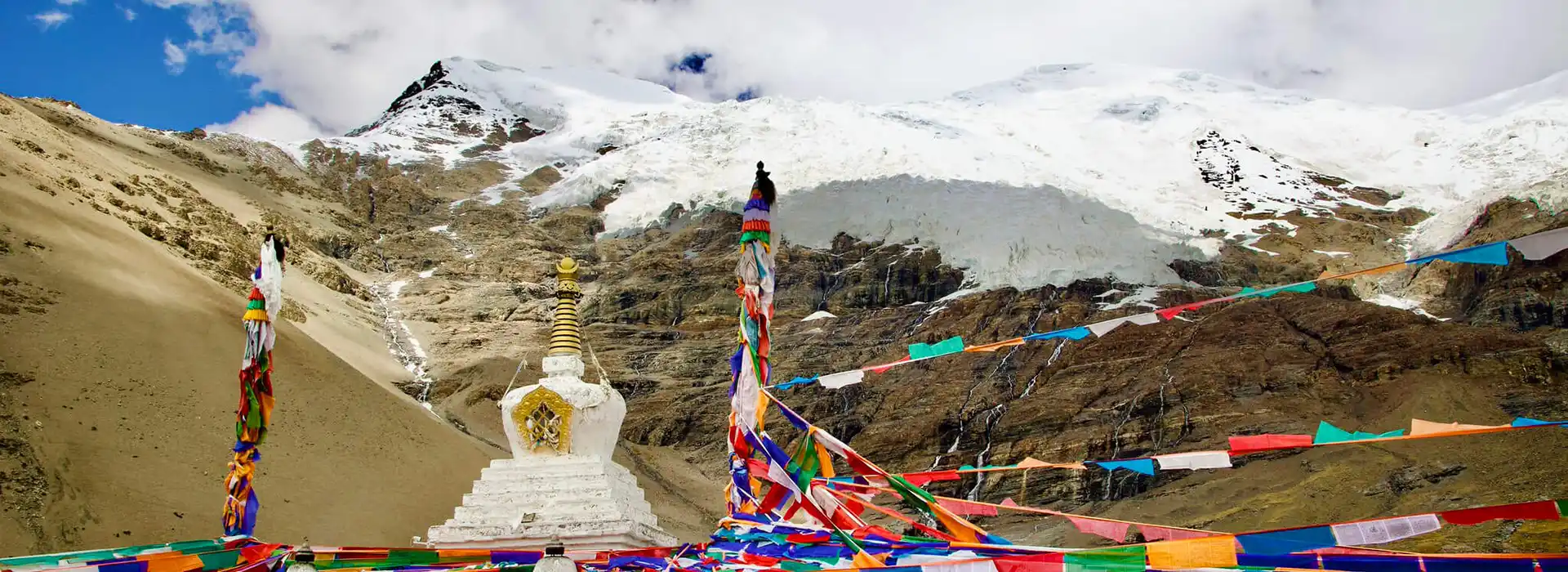
A Tibet Tour from the UK appeals to adventurous global travelers. The Himalayan mountains present spectacular snow-capped views. The region features towering peaks and deep green valleys. The unique natural beauty attracts nature lovers globally.
The Potala Palace stands as a massive architectural wonder. Ancient monasteries preserve centuries of rich Buddhist traditions. Local markets display colorful textiles and unique handcrafted items. Tourists witness the stunning North Face of Mount Everest. The view from the base camp looks completely unobstructed.
The Mount Kailash pilgrimage draws thousands of spiritual seekers. High-altitude locations provide incredible opportunities for photography. A Tibet Tour from the UK connects travelers with ancient cultural practices. The high-altitude environment constantly challenges the body. The peaceful atmosphere rewards the spirit immensely.
Buddhist pilgrims walk clockwise around sacred sites holding prayer wheels. Nomads herd yaks across the vast grassy plains. The unique combination of nature and culture attracts British adventurers. Travelers escape their busy modern routines completely. The quiet environment promotes deep reflection and relaxation.
A Tibet Tour from the UK delivers unforgettable holiday memories. Local guides share fascinating historical stories with their groups. Visitors taste exotic foods and drink traditional hot teas. The plateau features crystal clear lakes and massive blue glaciers. Every single day brings exciting new sights and sounds. The remote location perfectly preserves the authentic local lifestyle. You experience a completely different way of life here. A Tibet Tour offers unparalleled adventure opportunities. We create personalized itineraries to match your specific interests. Your holiday becomes a deeply personal exploration of the region.
Visa Requirements for UK Citizens
Securing the correct visa remains absolutely critical. A Tibet Tour from the UK requires precise documentation. The Chinese government regularly updates travel policies. We explain the exact process clearly to our clients. A Tibet visa for UK citizens requires careful attention to detail.
Chinese Tourist Visa (L Visa)
Travelers entering from mainland China follow specific steps. UK citizens enjoy a new 30-day visa-free policy. The policy lasts until the end of December 2026. Tourists use the exemption for holidays and family visits. Visitors hold a passport valid for at least six months. Authorities ask for return flight tickets at the border. Border guards request hotel booking confirmations upon arrival. Travelers staying longer than 30 days apply for a standard visa. Applicants submit forms online through the official website. The Chinese Visa Application Service Center processes the paperwork.
Visa centers operate in London, Manchester, and Edinburgh. The process normally takes four to ten working days. The visa fee costs around 85 GBP plus service charges. A Tibet Tour from the UK requires precise timing for visa applications. We closely monitor processing times to prevent delays.
Chinese Group Visa from Nepal (Alternative Route)
Many tourists start their trip by flying into Kathmandu. Entering the region from Nepal changes the rules entirely. Travelers obtain a Chinese Group Visa in Nepal. The standard Chinese visa becomes invalid at the border. The 30-day visa-free policy does not apply automatically here. Local travel agencies handle the entire application in Kathmandu. Embassies completely reject personal applications from individual tourists. The process takes exactly three working days to complete. Visitors arrive in Nepal early to allow enough processing time.
The Group Visa acts as a single-entry travel document. The validity lasts strictly for the duration of your trip. A Tibet Tour from the UK via Nepal requires excellent coordination. Our Kathmandu staff will securely deliver the document to you. The Chinese visa and Tibet permit remain completely separate requirements.
Travelers entering Tibet may need either a Chinese Tourist Visa or a Chinese Group Visa, depending on their entry route. This table compares the main differences between these two visa types, including entry point, application location, processing time, format, and validity.
| Feature | Chinese Tourist Visa (L Visa) | Chinese Group Visa |
|---|---|---|
| Entry Point | Mainland China | Kathmandu, Nepal |
| Application Location | UK Visa Centers | Chinese Embassy in Nepal |
| Processing Time | 4 to 10 working days | 3 working days |
| Format | Stamp in the passport | Separate paper document |
| Validity | Standard tourist duration | Matches tour dates exactly |
Tibet Travel Permit for UK Travelers
The Tibet Travel Permit acts as the main entry document. A Tibet Tour from the UK stalls completely without a permit. The Tibet Tourism Bureau issues the official stamped paper. The permit lists the exact itinerary and approved destinations. Travel groups follow the listed route without any deviation.
Permit Application Process
The government forbids independent applications entirely. Licensed Tibet travel agencies submit the paperwork for clients. Tourists send clear passport scans directly to the agency. Visa-free travelers can securely send only their passport scan. The agency needs the documents at least 20 days in advance. The Tourism Bureau takes eight to fifteen days to process everything. A Tibet permit for British passport holders arrives safely. The agency mails the original permit to your hotel in China. Tourists must show their permits before boarding flights to Lhasa. The train station guards carefully inspect the original document.
Additional Required Permits
A standard Tibet Tour from the UK that visits only Lhasa requires only one permit. Trips outside the capital require extra official paperwork. The Aliens’ Travel Permit allows visits to Everest Base Camp. The Military Permit grants access to sensitive border areas. Travelers heading to Mount Kailash need the Military Permit. The travel agency handles all these extra requirements behind the scenes. Checkpoints along the road regularly inspect the papers. The guide quickly presents the documents to the police officers. Tourists simply enjoy their holiday without worrying about bureaucracy. We organize the complex paperwork efficiently.
Best Entry Routes from the UK to Tibet
Travelers choose between two main international gateways. A Tibet Tour from the UK starts via mainland China or Nepal. Both routes offer distinct advantages and spectacular scenic views. We recommend reviewing flight times and layovers carefully before booking. Your route choice determines the initial phase of your acclimatization.
Route 1: UK to Mainland China to Lhasa
Airlines operate numerous flights from London Heathrow daily. Passengers fly direct to Beijing, Shanghai, or Chengdu. Flight times average ten to twelve hours across the globe. A Tibet Tour from the UK begins with a long international flight. From these Chinese cities, tourists take a domestic flight to Lhasa. A flight from Chengdu to Lhasa takes only two hours. The short flight makes Chengdu a popular gateway city.
Alternatively, travelers ride the famous high-altitude train to Lhasa. The train ride from Beijing takes 40 hours. The train slowly crosses the majestic Qinghai-Tibet Plateau. The Qinghai-Tibet railway is a global engineering marvel. The tracks reach extreme altitudes across the permafrost. The train passes the beautiful Qinghai Lake during the journey. Passengers see the vast Kekexili Nature Reserve from the window. The reserve protects endangered Tibetan antelopes perfectly.
The train climbs the Tanggula Pass at 5,072 meters. The Tanggula station represents the highest railway station on earth. The train option helps the body gradually adjust to the high altitude. The carriages provide oxygen outlets for passenger comfort and safety. Passengers connect nasal tubes to the wall outlets for fresh oxygen.
The dining car serves traditional Chinese meals and hot tea. Passengers sleep in soft sleeper beds during the long overnight journey. The soft sleeper cabins contain four comfortable beds with sliding doors. The hard-sleeper cabins have six beds in an open compartment. Wild yaks run across the plains outside the train windows. A Tibet trip from the UK via mainland China offers great sightseeing.
Route 2: UK to Kathmandu to Tibet
Kathmandu serves as the only international gateway to the region. Travelers fly from London to Kathmandu with one brief stopover. The total flight time is around 15 to 18 hours. A Tibet Tour from the UK via Nepal requires a transit visa. From Kathmandu, visitors choose between a quick flight or a scenic drive. The flight to Lhasa takes ninety minutes across the mountains. Passengers look out the window to see Mount Everest clearly.
The overland drive crosses the Gyirong border. The driving route passes through stunning Himalayan valleys and deep gorges. The drive takes several days to complete safely. A Tibet Tour from the UK via Nepal combines two fascinating cultures perfectly. Total travel time ranges from 18 to 30 hours with connections. We arrange private transfers to ensure smooth travel logistics. The border crossing requires changing vehicles at the bridge. Our Nepali team coordinates seamlessly with our Tibetan team.
Cost of Tibet Tour from the UK
Budgeting accurately ensures a completely successful holiday. A Tibet Tour from the UK requires careful financial planning and organization. Expenses fall into several distinct categories. Careful planning helps travelers save money and avoid sudden surprises. We break down the costs to help you prepare properly.
International Flights
Flights consume a large portion of the total budget. Tickets from London to China average 600-800 GBP. Prices peak during the busy summer holidays and local festivals. Finding deals requires booking months in advance. Flight search engines help travelers locate the cheapest available options.
Tickets from London to Kathmandu generally cost about the same. Connecting flights take longer but cost significantly less money. Direct flights save time but cost much more. Seasonal price differences significantly affect the total budget. A Tibet tour package from the UK requires flexible flight dates for savings. Budget travelers choose the winter months for cheaper airfare.
Tibet Tour Package Cost
Foreigners must buy a complete official tour package. The package includes the guide, driver, vehicle, and all permits. Joining a group tour significantly reduces the daily cost. A small-group tour costs around 100-150 GBP per day. Solo travelers save money by joining these shared group tours.
An 8-day Everest Base Camp tour costs approximately 800 GBP. A private Tibet Tour from the UK averages 200 GBP daily. Luxury packages feature five-star hotels and premium imported vehicles. Budget packages use three-star hotels and comfortable local minivans. We offer packages to suit every financial requirement.
A Mount Kailash tour lasts fifteen days. The Kailash tour cost ranges from 1400 to 1800 GBP. Travel agencies normally include hotel breakfasts in the package price. We provide clear pricing with absolutely no hidden fees. A Tibet tour package from the UK includes your domestic train tickets.
Additional Expenses
Travelers pay for lunches and dinners separately. Food on the plateau costs slightly more than in normal Chinese cities. Transporting ingredients to high altitudes drives up local market prices. A typical local meal costs 3 to 6 GBP. Upscale dining in luxury hotels runs 15 to 30 GBP per meal.
Visa fees add another 85 GBP to the total travel budget. Comprehensive travel insurance remains mandatory for all foreign visitors. High-altitude trekking insurance costs around 50-100 GBP. Tipping the local guide and driver represents standard industry practice. Tourists usually tip 5 to 10 GBP per person per day.
Souvenirs like traditional paintings or prayer wheels require extra cash. A Tibet Tour from the UK requires a realistic, detailed budget plan. You exchange money at the Bank of China in Lhasa. Many small shops accept digital payments through mobile applications. Budgeting extra funds for unexpected delays provides peace of mind.
Tibet travel costs from the UK can vary based on flight prices, tour style, trip length, and daily spending. This table shows estimated cost ranges in GBP for key travel expenses, including flights, tours, meals, and daily tips.
| Expense Category | Estimated Cost Range (GBP) | Description |
|---|---|---|
| International Flights | 600 to 800 | Return tickets from London |
| 8-Day Group Tour | 700 to 900 | Includes guide, vehicle, and hotels |
| 15-Day Kailash Tour | 1400 to 1800 | Includes trekking logistics and main tour services |
| Daily Meals | 10 to 20 | Lunches and dinners combined |
| Guide/Driver Tips | 10 to 15 per day | Expected daily gratuity total |
Recommended Tibet Itineraries from the UK
Choosing the right route guarantees a highly memorable holiday. Different itineraries cater to different personal interests and timeframes. Local agencies offer fully customized schedules for private groups. A Tibet Tour from the UK provides numerous options for deep exploration. We highlight the most popular travel routes below.
5 Days Lhasa Cultural Tour
A short Tibet Tour from the UK focuses entirely on the capital city. The trip starts with arrival at Lhasa Gonggar Airport. The guide greets the tourists, holding a personalized welcome sign. The guide presents white silk scarves called Khata to the guests. The vehicle safely transfers the group to the downtown hotel.
The first day involves deep rest in the hotel room. Resting helps the body adjust to the extreme high altitude. The second day features the incredible Potala Palace. The White Palace serves as the main administrative center. The Red Palace houses the spiritual chambers and golden stupas. Visitors climb hundreds of stone steps to reach the main entrance.
The palace architecture looks massive against the blue sky. The thick stone walls range from 2 to 5 meters thick. The structure withstands frequent earthquakes perfectly. The interior features beautiful ancient murals and golden Buddha statues. In the afternoon, the tour visits the famous Jokhang Temple. Pilgrims prostrate on the stone floor outside the heavy wooden doors. Barkhor Street completely surrounds the holy temple. Tourists walk clockwise around the street with the local worshippers. The street features small shops selling traditional Tibetan crafts.
The third day explores the great Gelugpa university monasteries. Drepung Monastery sits on a steep hillside and features narrow white alleys. Drepung translates to Rice Heap in the local Tibetan language. The white buildings look like a pile of rice from a distance. The monastery once housed over ten thousand devoted monks.
Historically, the Ganden Phodrang building served as the Dalai Lama’s residence. The massive Coqen Hall accommodates thousands of chanting monks. The kitchen houses huge pots used to feed the monastic community. Sera Monastery hosts the famous monk debates every single afternoon. Sera means Wild Rose Garden in the native language.
Monks clap loudly as they discuss deep Buddhist philosophy. The debating courtyard fills with energetic sounds and vibrant red robes. The monks use exaggerated physical gestures to emphasize logical points. Slapping the hands together signifies the asking of a profound question. The fourth day allows free time for relaxed local shopping. The fifth day concludes the tour with a smooth airport transfer.
7-8 Days Lhasa and Everest Base Camp
The Everest route represents the most popular itinerary globally. The trip begins with three days of cultural sightseeing in Lhasa. The fourth day involves a long scenic drive to Shigatse city. The vehicle crosses the high Kamba La Pass carefully. Passengers look down at the turquoise waters of Yamdrok Lake. The lake shines brightly under the intense midday sun. The fresh water flows directly from melting mountain glaciers. The drive continues past the massive Karola Glacier. Huge blocks of blue ice hang dangerously near the highway. The glacier tongue flows down almost to the parking area.
The group arrives in Shigatse and visits Tashilhunpo Monastery. The monastery houses a massive golden statue of the Maitreya Buddha. The fifth day brings the travelers directly to Everest Base Camp. The road climbs through the rugged Himalayan mountain range. The Gyawu La Pass offers stunning panoramic views of the mountains. The tour reaches the famous Rongbuk Monastery near the base camp. Rongbuk is the highest official monastery on Earth. The North Face of Mount Everest dominates the entire southern skyline. The Tibetan side offers views unlike those in Nepal. The South Face in Nepal requires weeks of strenuous trekking.
The North Face in Tibet allows direct vehicle access. Tourists can comfortably drive to the base camp. The view from the Tibet side looks completely unobstructed and clear. You see the entire mountain peak from base to summit perfectly. The sunset turns the massive mountain face bright golden yellow. Tourists sleep in comfortable tent guesthouses near the base camp. The tent hosts serve hot noodles and butter tea to warm the guests. The yak dung stoves burn constantly to provide necessary heat. The sixth day starts with watching the morning sunrise. The golden light hits the peak of Everest perfectly.
The moment creates incredible photography opportunities for everyone. The group drives back to Shigatse in the late afternoon. The seventh day returns the group to Lhasa along the river. A 7-day Tibet Tour provides an unforgettable mountain experience.
10-12 Days Tibet Highlights Tour
A longer Tibet Tour from the UK allows visits to remote northern lakes. The itinerary follows the Everest route but adds unique destinations. After returning to Lhasa from Everest, the tour heads north. The vehicle crosses the vast, grassy plains of the north. Nomads live in black yak hair tents along the dirt road.
The destination sits at 4,700 meters above sea level. Namtso Lake translates to Heavenly Lake in the local Tibetan language. Snow-capped mountains surround the massive body of saltwater. The water reflects the deep blue sky perfectly all day. Visitors walk along the shore and watch wild birds fly above. The tour spends a night in a basic guesthouse near the lake. The remote location provides incredible stargazing opportunities at night. The Milky Way shines brightly in the clear, unpolluted sky. The next day, the group returns to Lhasa safely. A twelve-day Tibet Tour from the UK provides a comprehensive view.
12-15 Days Mount Kailash Tour
Adventurers choose the Kailash route for the ultimate travel experience. Mount Kailash stands in the remote western region of Ngari. The mountain holds equal sacred meaning for Buddhists and Hindus. The tour follows the Everest itinerary first. From Everest, the long drive continues west through Saga town.
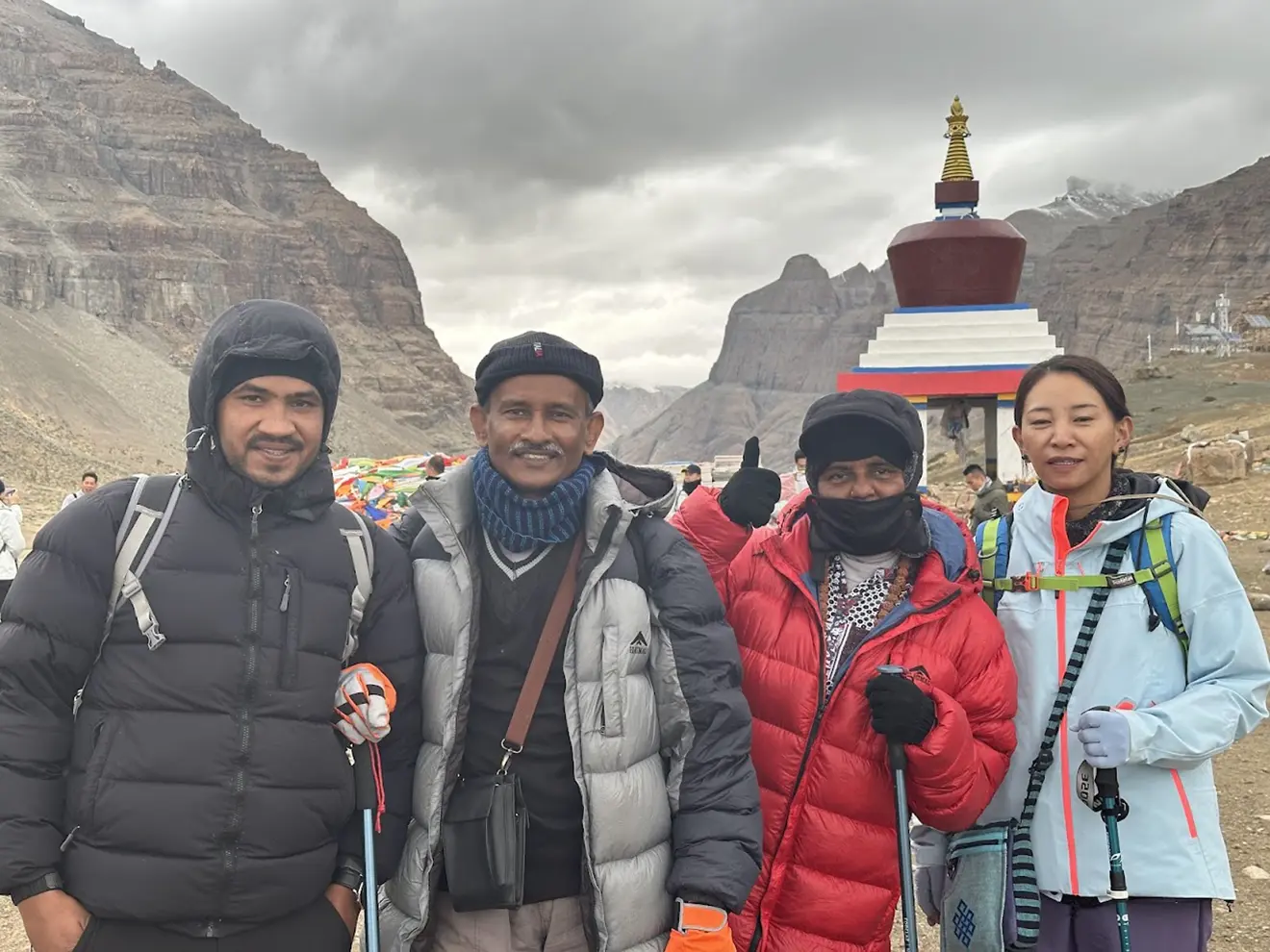
The terrain becomes wild and mostly empty of human settlement. Wild donkeys and Tibetan antelopes run fast across the open plains. The group eventually reaches the holy Lake Manasarovar. Pilgrims bathe in the freezing cold waters to wash away sins. The actual trek begins in the small village of Darchen. The three-day hike circles the base of the sacred mountain completely. The path covers exactly 52 kilometers over rough, rocky terrain. The first day involves a gentle walk to Dirapuk Monastery. The North Face of Kailash looks stunning from this specific angle. The second day brings extreme physical challenges for hikers.
Hikers climb slowly to the high Dolma La Pass. The pass sits at 5,630 meters above sea level. Colorful prayer flags cover the rocks at the very top. The steep descent passes the green Gauri Kund lake. The third day marks the end of the long trek back to Darchen. A Mount Kailash Tibet Tour from the UK tests physical limits to the limit.
Tibet tour options vary by duration, route, and travel focus. This table compares popular Tibet tours, their trip length, and key highlights to help travelers choose the best itinerary for culture, Everest views, or Mount Kailash pilgrimage.
| Tour Name | Duration | Key Highlights |
|---|---|---|
| Lhasa Cultural Tour | 5 Days | Potala Palace, Jokhang Temple, Sera Monastery |
| Everest Base Camp Tour | 8 Days | Yamdrok Lake, Shigatse, Rongbuk Monastery, Everest Base Camp |
| Tibet Highlights Tour | 12 Days | Everest Base Camp route plus Namtso Lake |
| Mount Kailash Tour | 15 Days | Everest Base Camp, Lake Manasarovar, and the 3-day Kailash Kora |
Best Time to Visit Tibet from the UK
Timing dictates the overall success of a long holiday. The plateau experiences extreme weather year-round. Knowing the seasons helps travelers pack their bags correctly. A Tibet Tour from the UK requires understanding the local climate variations. Target the best time to visit Tibet from the UK based on your preferences.
Peak Season Travel
- May to October serves as the busy peak travel season. The weather remains relatively warm and pleasant during the day. Daytime temperatures hover around 20 degrees Celsius. The summer months bring occasional heavy rain showers to the region. The rain mostly falls at night, leaving the days perfectly clear.
- July and August attract the largest crowds of foreign tourists. Booking train tickets early is essential during the summer. The skies remain clear in May and September. These shoulder months offer the best clear views of Mount Everest. A Tibet Tour from the UK during peak season guarantees open roads.
Our guides ensure you see the best sights comfortably. The warm weather allows light hiking without heavy winter gear. The oxygen levels rise slightly during the warm summer months. Trees and grass grow green in the lower altitude valleys. A summer Tibet Tour from the UK offers a vibrant landscape.
Winter Travel Options
November to March constitutes the extremely cold winter season. The temperatures drop significantly across the entire region. Nighttime temperatures fall well below freezing. Winter brings far fewer tourists to the high plateau. Hotels and airlines lower their prices drastically to attract visitors.
A winter Tibet Tour from the UK saves a lot of money. The skies remain incredibly blue and perfectly clear daily. The lack of clouds makes winter an excellent time for photography. Local pilgrims flock to Lhasa during the cold winter months. The city feels more authentic and deeply spiritual during winter.
The paved road to Everest Base Camp usually stays open. The Mount Kailash region closes completely due to heavy snow. Winter travelers pack heavy thermal clothing to stay warm. A winter trip to Tibet from the UK offers a quiet and peaceful holiday.
Festival Travel Options
Attending a local festival greatly enhances a Tibet Tour from the UK. The Saga Dawa Festival occurs in late May or early June. The exact date changes yearly according to the Tibetan lunar calendar. The festival honors the birth and enlightenment of Lord Buddha. Thousands of devoted pilgrims gather at the foot of Mount Kailash.
Monks raise a massive new prayer flagpole at Tarboche. The flagpole ceremony creates a deeply spiritual atmosphere. The Shoton Festival takes place in August every year. Monks display giant Buddha paintings on the steep hillsides. Tibetan opera troupes perform traditional stories in the city parks.
Families gather in the parks to eat yogurt and celebrate. Booking a Tibet Tour from the UK during a festival requires early action. We secure the necessary festival permits well in advance. The local festivals showcase the vibrant culture perfectly.
Altitude and Health Advice for UK Travelers
Preparation for health determines the outcome of a high-altitude holiday. The extreme elevation affects everyone differently. Proper acclimatization prevents serious medical issues from developing. A safe Tibet Tour from the UK prioritizes health above all else. Many UK travelers search for health concerns before booking a trip.
Understanding the Altitude
Lhasa sits at 3,650 meters above sea level. The air contains about thirty percent less oxygen than at sea level. Everest Base Camp reaches 5,200 meters in elevation. The Dolma La Pass hits an extreme 5,630 meters during the Kailash trek. The human body needs time to adjust to the thin air.
Rushing the ascent leads to severe medical problems immediately. A well-planned Tibet Tour from the UK builds in mandatory rest days. We design all our itineraries with health and safety in mind. The guide checks your physical condition multiple times every day.
Acclimatization Strategy
Travelers must rest completely on the first day in Lhasa. Walking slowly helps the heart adjust to the harsh environment. Drinking plenty of warm water prevents dangerous dehydration. Local doctors recommend avoiding alcohol entirely during the first week. Eating light vegetarian meals significantly aids the slow digestion process.
Taking a shower on the first night sometimes triggers sickness. Tourists wait until the second day to bathe safely. The hot water causes blood vessels to expand rapidly. Many visitors take altitude medication before arriving at the airport. Consulting a physician before a Tibet Tour from the UK remains highly advisable.
Symptoms of Altitude Sickness
Mild symptoms include headaches, dizziness, and a noticeable loss of appetite. Most travelers experience these minor issues initially upon arrival. Rest usually cures mild symptoms within 2 days. Severe symptoms demand immediate emergency medical attention. Shortness of breath while resting indicates serious physical danger.
Confusion and loss of coordination require an emergency evacuation. Tour guides always carry portable oxygen bottles in the vehicles. The guide administers oxygen if a tourist feels dizzy. Descending to a lower altitude is the only cure. A healthy Tibet Tour from the UK requires honest communication with your guide.
Importance of Travel Insurance
UK citizens must buy comprehensive travel insurance before flying abroad. Standard policies rarely cover extremely high altitudes above 3,000 meters. Travelers select specific policies that cover trekking up to 6,000 meters. Companies offer specific high-altitude adventure plans for remote regions.
The policy must specifically include coverage for emergency helicopter evacuation. Medical treatment in remote areas costs a huge amount of money. The insurance covers unexpected trip delays and lost luggage, too. A responsible Tibet Tour from the UK requires solid financial protection. You carry a printed copy of your insurance policy daily.
Altitude plays a major role in Tibet travel planning, especially for acclimatization and route choice. This table compares the elevation of key locations in Tibet in both meters and feet to help travelers understand altitude levels before the trip.
| Location | Altitude (Meters) | Altitude (Feet) |
|---|---|---|
| Lhasa | 3,650 | 11,975 |
| Yamdrok Lake | 4,441 | 14,570 |
| Everest Base Camp | 5,200 | 17,060 |
| Mount Kailash (Darchen) | 4,575 | 15,010 |
| Dolma La Pass | 5,630 | 18,471 |
Accommodation Standards in Tibet
Setting realistic expectations improves the overall holiday experience. Lodging options vary widely by geographic location. Cities offer modern comforts while remote areas provide basic shelter. A Tibet Tour from the UK includes a variety of hotel types throughout the trip. We select the best available properties for our clients.
City Hotels
Lhasa and Shigatse feature excellent, comfortable tourist hotels. Three-star hotels serve as the standard baseline for most packages. The hotels provide clean rooms, private bathrooms, and reliable hot water. The front desk staff speaks basic English to assist foreign guests. The restaurants serve both local and Western breakfast options daily.
Luxury seekers find beautiful four-star and five-star options in Lhasa. Premium international brands operate beautiful resorts in the capital city. Some luxury hotels provide special oxygen-enriched rooms for better sleep. The top-tier hotels offer excellent room service and fine dining. The central heating systems keep the rooms warm during the cold winter.
A luxury Tibet Tour from the UK guarantees maximum comfort in the cities. We partner with the best hotels in the region to ensure quality. City hotels offer free Wi-Fi in the lobby and rooms. You can easily charge your electronic devices using standard electrical outlets.
Remote Guesthouses
The building standards drop significantly outside the main cities. Everest Base Camp features traditional nomadic tent guesthouses. Local Tibetan families manage these large yak-hair tents during the tourist season. Yak dung stoves burn constantly to provide necessary heat inside the tent. Guests sleep on simple beds lined with thick, warm blankets.
The toilets sit outside in small, separate, cold concrete huts. Running water does not exist at the high base camp entirely. Guests use thermoses of hot water for basic face washing. The Mount Kailash trek involves staying in basic monastery guesthouses. The rooms have simple beds with no heating.
The harsh natural environment makes luxury construction impossible in these areas. Electricity is generated by solar panels and turns off late at night. A remote Tibet Tour from the UK requires a highly adventurous spirit. Bringing a warm sleeping bag helps during the cold mountain nights. We provide clear packing lists to prepare you for the guesthouses.
Currency, Payments, and Practical Tips
Managing money properly ensures a stress-free and smooth holiday. The financial system relies heavily on modern digital payment technology. A Tibet Tour from the UK requires understanding the local payment methods. Useful and practical tips help you travel smoothly across the plateau. We provide detailed advice on handling money and food.
Understanding the Currency
The Chinese yuan is the official national currency. Locals also call the currency Renminbi (RMB) interchangeably. UK travelers exchange some British Pounds into Yuan before leaving home. ATMs are available in downtown Lhasa and Shigatse. Bank of China machines accept foreign debit cards easily.
Withdrawing cash works well in the major cities during business hours. Remote areas lack ATMs entirely. Tourists must carry enough cash in hand when leaving Lhasa for the mountains. Small bills help when buying souvenirs or snacks from street vendors. A well-planned Tibet Tour from the UK includes a solid physical cash strategy.
Mobile Payment Limitations for Foreigners
China operates almost entirely on a cashless digital payment system. Locals pay for everything using their mobile smartphones. UK travelers easily set up these payment apps before arriving. Tourists download the international version of WeChat or Alipay. Users register an account with their UK mobile phone number.
The app requires identity verification with a clear passport photo. Users link their Visa or Mastercard directly to the mobile app. The system allows scanning QR codes at shops and local restaurants. The digital wallet eliminates the need for carrying large amounts of cash. A modern Tibet Tour utilizes these convenient digital tools. Setting up the apps requires an internet connection or mobile data.
Tibetan Food Guide
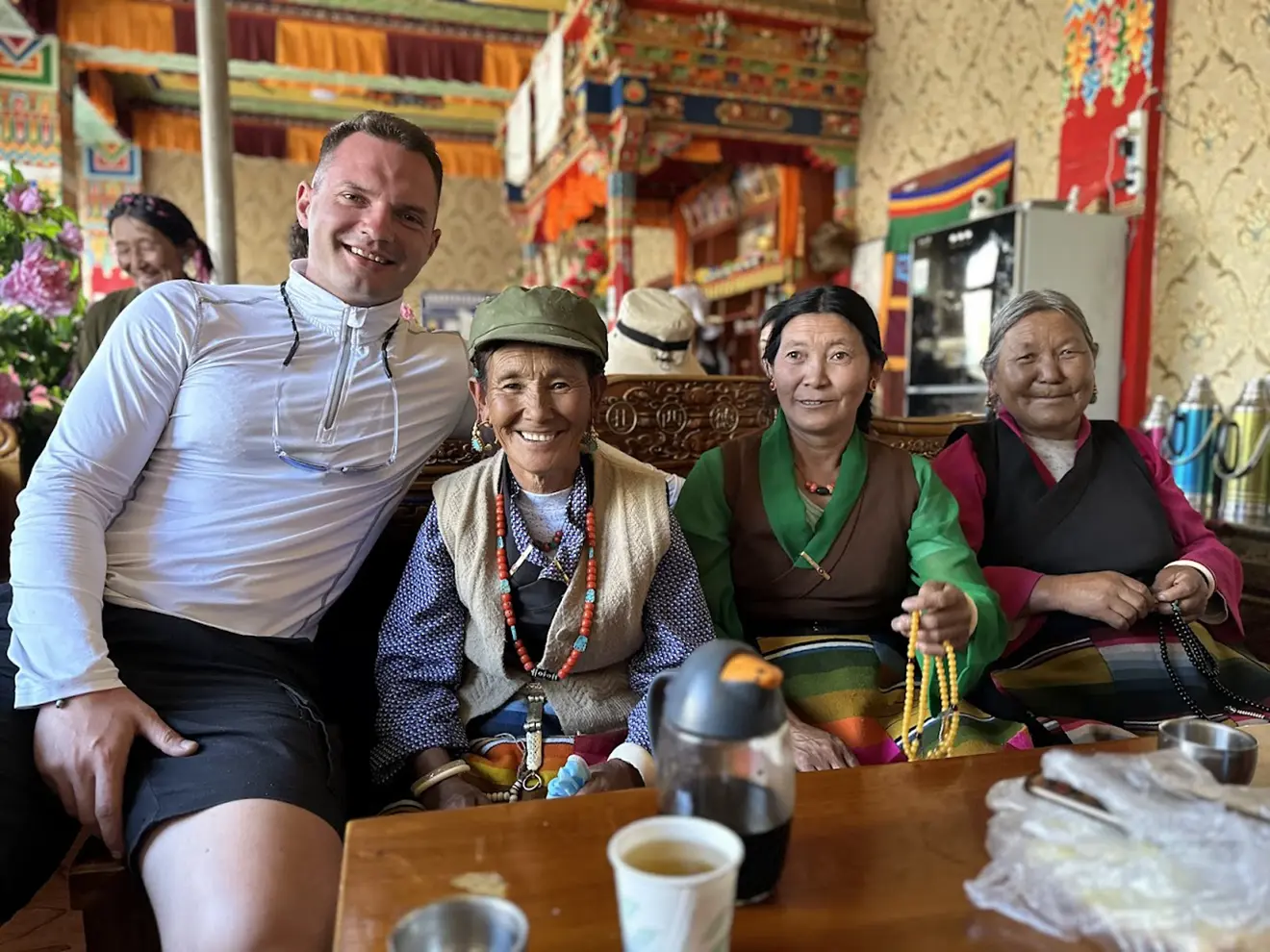
Eating local dishes enhances the Tibet Tour from the UK immensely. The cuisine perfectly reflects the harsh environment of the plateau. Tsampa is the traditional daily staple for locals. Cooks roast highland barley and grind it into fine flour. Locals mix the flour with butter tea to form a thick dough.
Momos represent the most popular hot meal for tourists. These steamed dumplings are filled with spiced yak meat or fresh vegetables. Cooks steam or fry the momos and serve them with spicy chili sauce. Thukpa provides great comfort on extremely cold mountain days. The thick noodle soup is made with vegetables and rich, hot meat broth.
Yak meat features prominently in many traditional restaurant dishes. The meat tastes rich and stays very lean due to the altitude. Sweet tea houses serve as busy social hubs in the cities. The Guangming Sweet Tea House in Lhasa attracts hundreds of locals daily. Customers sit on wooden benches and drink cups of sweet milk tea. A culinary Tibet Tour from the UK delights the taste buds.
Tibetan food reflects the region’s high-altitude climate, local traditions, and daily travel needs. This table highlights popular Tibetan food items, their description, and the best time to enjoy them during a trip in Tibet.
| Food Item | Description | Best Eaten At |
|---|---|---|
| Tsampa | Roasted barley flour mixed with Tibetan tea | Breakfast |
| Momos | Steamed or fried meat or vegetable dumplings | Lunch or dinner |
| Thukpa | Hearty noodle soup, often served with yak meat or vegetables | Dinner |
| Yak Meat | Dried or cooked lean meat rich in protein | Any time |
| Butter Tea | Salty tea blended with yak butter | Breakfast or snack time |
Tipping Guide and Driver
Tipping forms an expected part of the local tourism industry. Guides and drivers rely on tips for their daily livelihood. A standard group tips the guide around 5-8 GBP per day. The driver receives 4-6 GBP per person per day. Excellent service warrants much higher tip amounts from satisfied groups.
Travelers hand the tips directly to the staff on the final day. Putting the cash in a red envelope shows great cultural respect. A polite Tibet Tour from the UK respects local labor customs. You hand the envelope with both hands to show appreciation. The guides work tirelessly to ensure your safety and comfort. A Tibet tour package from the UK does not include these personal tips.
Essential Packing List
Packing correctly ensures a comfortable holiday in the mountains. A Tibet Tour from the UK requires a range of clothing layers. The temperature changes drastically between morning and night. Travelers pack a heavy down jacket for the freezing evenings. Thermal underwear provides essential warmth during the winter months.
Waterproof hiking boots support the ankles on rough, rocky trails. Thick wool socks keep the feet warm and completely dry. A wide-brimmed sun hat protects the face from intense ultraviolet rays. High SPF sunscreen helps prevent severe sunburn at high altitudes. Lip balm prevents the lips from cracking in dry air.
A quick-drying travel towel helps during stays in remote guesthouses. Reusable water bottles help travelers stay hydrated throughout the day. A small daypack holds your camera, water, and daily snacks safely. Trekking poles provide extra balance during the Mount Kailash hike. A bright headlamp helps when walking to the outdoor toilets at night. You pack spare camera batteries because the cold drains power quickly.
Safety and Travel Restrictions
Staying safe requires following the rules closely during your trip. The region maintains strict security protocols at all times. A Tibet Tour involves understanding the local legal regulations. Keep factual information in mind while planning your holiday. We prioritize your personal safety above all other considerations.
Very Low Crime Rates
The region boasts extremely low overall crime rates. Violent crime against foreigners almost never happens anywhere. Petty theft occurs rarely in the crowded local tourist markets. Tourists feel very safe walking in Lhasa at night. The heavy police presence deters criminal activity effectively across the cities.
Hotels maintain excellent security camera systems in the hallways. Travelers leave their valuables in room safes without any worry. A Tibet Tour from the UK provides great peace of mind regarding personal safety. The local people practice Buddhism and treat visitors with great respect. You experience a highly secure travel environment.
Political Sensitivity
The Chinese government tightly regulates the border region. Political sensitivity remains extremely high throughout the area. UK tourists must avoid discussing sensitive politics with locals. Engaging in protests leads to immediate deportation and visa cancellation. Taking photos of military installations violates the strict national law.
The guide warns tourists when photography becomes prohibited. Respecting these clear boundaries ensures a smooth and safe trip. A successful Tibet Tour from the UK requires absolute political neutrality. Do not bring books or materials related to sensitive political topics. Customs officials scan all luggage at the airports and train stations.
March Seasonal Closures
The authorities close the region to foreigners every March. The mandatory closure lasts for the entire month without exception. Travel agencies stop issuing permits entirely during this specific time. UK travelers must plan their trips outside of March. Border disputes sometimes cause temporary closures of certain mountain areas.
The travel agency constantly monitors the security situation. The agency adjusts the itinerary if a road closes unexpectedly. Flexibility remains essential during a Tibet Tour from the UK. We reroute your trip to safe areas if sudden closures occur.
Cultural Etiquette
Respecting local customs prevents offensive behavior and awkward situations. Tourists never touch a Tibetan person’s head. The head represents the most sacred part of the human body. Visitors dress modestly when entering holy monasteries and temples. Wearing shorts or sleeveless shirts is disrespectful to the resident monks.
Pilgrims walk clockwise around temples and sacred mountains. UK tourists must follow the exact same clockwise direction. Pointing with a single finger insults the holy religious statues. Visitors use an open hand facing upwards to indicate an object. Asking permission before photographing locals shows good basic manners. A respectful Tibet Tour from the UK builds positive relationships.
Common Mistakes UK Travelers Should Avoid
Avoiding simple errors guarantees a flawless and relaxing holiday. Many travelers make the exact same easily preventable mistakes. It require careful attention to detail. The strong engagement section highlights the best advice for a successful trip. We want you to avoid these common pitfalls.
Booking Flights Before Permit Approval
Tourists often rush to buy non-refundable international flight tickets. The permit process occasionally experiences unexpected bureaucratic delays. Rejection happens if the submitted paperwork contains spelling errors. Booking flexible flights solves the problem completely and reduces stress.
Travelers secure the tour package first before buying flights. The agency advises the correct time to buy flights safely. A smart Tibet Tour from the UK follows the correct order of operations. We guide you through the booking process step by step. Waiting for permit confirmation protects your financial investment.
Applying for the Wrong Visa Category
UK citizens need the standard Tourist L Visa to enter the mainland. Applying for a journalist visa triggers an automatic denial of the permit immediately. Working visas require extra complicated verification letters from employers. Stating the intention to visit Tibet on the Chinese visa application causes complications.
Travel agencies advise clients to list only mainland cities on the initial visa form. Once the Chinese visa arrives, the agency handles the Tibet permit separately. A hassle-free Tibet Tour from the UK relies on expert visa guidance. We review your visa application form to prevent simple mistakes. A Tibet visa for UK citizens requires careful form-filling.
Underestimating Altitude
Many fit individuals assume the altitude creates no problems. Physical strength does not prevent altitude sickness from developing. Marathon runners suffer just as much as average tourists. Ignoring the acclimatization rules leads to ruined holidays. Hiding symptoms from the guide puts lives in serious danger.
Drinking too much butter tea on the first day upsets the stomach. Pushing yourself to walk fast on day one causes severe headaches. A healthy Tibet Tour from the UK demands respect for the extreme environment. You must listen to your body and rest frequently.
Leaving Planning Too Late
The bureaucracy moves very slowly regarding official travel permits. Organizing a Tibet Tour from the UK takes significant time and effort. Last-minute bookings fail because the permit requires at least 20 days’ notice. Finding available train tickets in summer takes weeks of advance booking.
Hotels in Lhasa fill up quickly during the peak tourist season. Securing a spot on a group tour requires an early financial commitment. Planning three to six months ahead represents the ideal timeline. A well-organized Tibet trip from the UK avoids unnecessary stress. Early planning secures the best hotel rooms and guides.
FAQs
Travelers ask many questions before booking a holiday. Clear answers help them prepare properly for the adventure. A Tibet Tour from the UK generates common inquiries regarding visas and costs. We provide structured FAQs to assist your holiday planning.
Q: Can UK citizens travel to Tibet?
A: Yes, UK citizens travel to the region legally and safely. The government welcomes foreign tourists year-round, except during March. You need proper travel documents and a pre-booked tour package. Our agency handles all the legal requirements for you. You enjoy a fully guided experience throughout your stay.
Q: Do British passport holders need a Tibet permit?
A: Absolutely. Every foreign passport holder needs a permit. The visa-free policy does not replace the strict permit requirement. A licensed travel agency applies for the document on your behalf. The law forbids independent travel without a permit. The guide carries the permit during the entire trip.
Q: How much does a Tibet tour cost from the UK?
A: Group tours offer the cheapest daily rates. An eight-day group package averages 700-900 GBP. Private tours run much higher depending on the hotel class. Travelers also budget for international flights, daily meals, and tips. A complete two-week trip easily totals 2500 to 3500 GBP. A Tibet tour package from the UK offers great overall value.
Q: How long does visa processing take?
A: The standard Chinese visa takes four to ten days in the UK. The Tibet Travel Permit requires eight to fifteen days in Lhasa. The Chinese Group Visa in Nepal takes exactly three working days. Travelers start the paperwork at least one month before departure. We provide a detailed timeline for your document preparation.
Q: Is Tibet safe for UK tourists?
A: The region remains extremely safe for tourists. Violent crime rarely happens against foreigners. The police maintain strict order everywhere in the cities. The main dangers come from the high altitude and extreme weather. Following the guide’s instructions ensures complete personal safety.
Q: Can I combine Tibet and Nepal?
A: Many packages combine both destinations beautifully. The overland drive from Lhasa to Kathmandu crosses the spectacular Himalayan border. The trip takes about seven to eight days. Travelers experience two distinct cultures in a single exciting holiday. We organize border-crossing transfers smoothly.
Q: What is the cheapest way to visit Tibet?
A: Joining a small group tour splits the cost of the vehicle and guide. Traveling during the winter months secures massive discounts on hotels and flights. Taking the train instead of flying saves money. Eating at local noodle shops reduces daily food expenses.
Q: Can I visit Everest Base Camp in Tibet?
A: Agencies run frequent group tours to the North Face of Everest. The well-paved road allows vehicles to drive directly to the camp. Visitors sleep in tent guesthouses and view the mountain at sunrise. The trip requires an extra Alien Travel Permit. The view from the Tibet side looks completely unobstructed.