

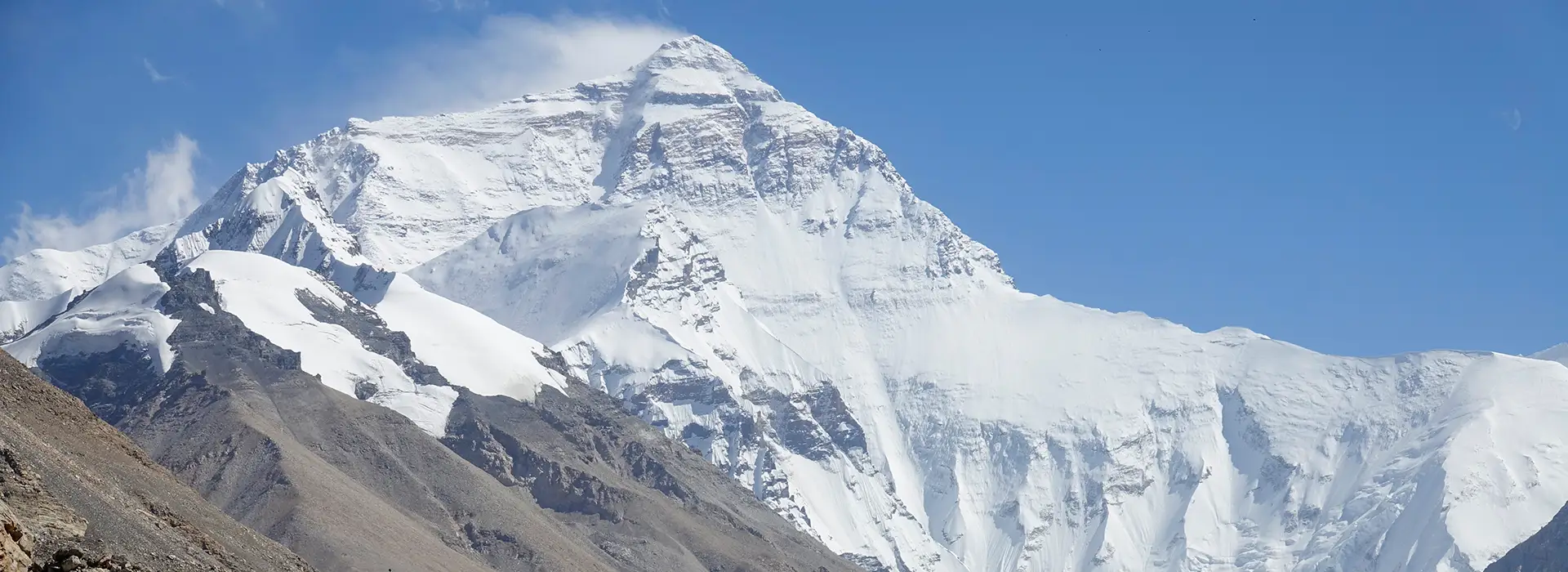

A Tibet tour from Singapore offers a unique adventure through high mountains, ancient monasteries, and rich Tibetan culture. Singaporeans often seek Tibet’s cooler climate and spiritual landmarks. Planning such a trip involves special steps: obtaining permits, acclimatizing to high altitude, and booking long-haul flights. This guide walks you through costs, entry routes, timing, and itineraries so you can go from “living in Singapore” to “arriving in Lhasa” smoothly.
Quick Facts:
- Best Seasons: April-May and September-October (clear skies, mild weather).
- Typical Tour Length: 7–10 days (add days if you want Everest or Kailash).
- Entry Routes: Fly via China (e.g., Beijing/Chengdu), or fly to Kathmandu then on to Lhasa.
- Cost Drivers: Flights and tour style (private vs group) are the biggest factors.
Entry Routes from Singapore to Tibet
Singapore travelers have two main routes to Tibet:
Option A: Via Mainland China – Fly from Singapore to a major Chinese city (e.g., Beijing, Shanghai, Chengdu, Chongqing) and then onward to Tibet by plane or train. This option often offers the smoothest schedules, especially with flights on Air China, Xiamen Airlines, or other airlines. For example, you can fly Singapore–Chongqing–Lhasa on West Air or Singapore–Chengdu and then take a second flight. China’s visa rules have been relaxed: Singaporeans can now enter China visa-free for short stays, but a Tibet permit is still required.
- Flights from Singapore to Beijing/Shanghai take about 6 hours. From there, daily flights to Lhasa take another 4–5 hours.
- Train Option: You can also travel by train within China. A scenic route is Singapore–Chengdu by air (5 hours), then Chengdu–Lhasa by train (36–40 hours). The Qinghai-Tibet Railway provides oxygen in cabins, easing the ascent to high altitude.
This route is best if you want reliable flight options and want to join popular tours. It requires two flight bookings or a combination of flights and trains.
Option B: Via Nepal (Kathmandu) – Fly Singapore–Kathmandu, then Kathmandu–Lhasa. Singapore Airlines flies direct to Kathmandu (about 5.5 hours). From Kathmandu, China’s Air China or Sichuan Airlines offer daily flights to Lhasa (1.5 hours). This route is popular for combining a Nepal stay (e.g., Everest views) with a visit to Tibet.
- Overland Option: Adventurous travelers may fly to Kathmandu and then drive to the Nepal-Tibet border (Gyirong) by hired jeep, continuing into Tibet. This requires a Nepal visa and crossing at Gyirong. It’s less common for Singapore tourists who prefer flights, but it offers stunning mountain views.
- Travel through Nepal involves three visas (Nepal visa on arrival, China visa or visa-free entry, and Tibet permit). It suits those who want the fastest aerial route or an Everest base camp side trip.
| Route | Approx. Travel Time | Comfort Level | Complexity | Best For |
| Singapore → China → Lhasa | ~10–16 hours total (with flight+connection) | High (fast flights) | Moderate (multiple flights/trains) | Smooth logistics, China tours |
| Singapore → Kathmandu → Lhasa | ~7–8 hours (flights) + border | Moderate (one stop) | Higher (Nepal visa, permits) | Nepal+Tibet combo, scenic views |
Permits and Entry Rules
Traveling from Singapore to Tibet requires special documentation:
- China Entry: Singapore passport holders enter mainland China visa-free for up to 30 days (tourism). Book your China flights first. Keep in mind flight arrival and Tibet permit times.
- Tibet Travel Permit: All foreign tourists must have a Tibet Travel Permit. You cannot obtain it on arrival. Apply through a licensed tour operator at least 2–3 weeks in advance. You will need to provide the operator with a copy of your passport, a photo, your travel dates, and your itinerary. They will arrange the permit on your behalf. Without this permit, you cannot enter Tibet or board flights to Lhasa.
- Additional Permits: If you plan to go beyond central Tibet (e.g., Everest Base Camp, Kailash, Nyingchi), you need an Alien’s Permit or border-pass. These are arranged through your guide after you arrive in Tibet (usually in Lhasa or Shigatse).
- Guided Travel: Independent travel is not allowed. Every foreign visitor must join an organized tour with an approved guide and driver. Your guide will handle all checkpoints and paperwork. Even as a private traveler, the guide is mandatory.
- Documents Checklist: Prepare scanned copies of your passport (bio page) and Chinese visa (if needed), and plan your confirmed itinerary (cities, hotels, dates). Ensure your tour operator has all the needed info. Carry a printed copy of your permit when traveling inside Tibet.
Cost Breakdown for a Tibet Tour from Singapore
Here are the main costs to expect. Actual prices vary by date and booking method, but the following factors drive the budget:
- International Flights: This is usually the largest expense. Flights vary by season and how far in advance you book. Peak times (summer, Chinese holidays) cost more. A round-trip Singapore–Kathmandu–Lhasa route might cost around $800–$1200 USD, whereas Singapore–China–Lhasa might cost $600–$1000 USD. Booking earlier and flying mid-week can cut costs.
- Tibet Tour Packages: Once in Tibet, most choose guided tours. Package prices depend on tour type and duration. Typical group tours for 7–10 days range roughly $1000–$1500 per person (based on advertised tours). Private tours cost more per person (because you’re not sharing guides/drivers). Factors influencing price: length of tour, destinations (adding Everest or Kailash ups the price), hotel quality (3-star vs 5-star), and group size (larger groups are usually cheaper per person).
- Accommodation: Hotel costs are included in tour packages. For DIY planning, Lhasa hotels range from $50 to $150 per night (3–4 star); Shigatse or Gyantse might be a bit cheaper. Luxury hotels will push the cost higher.
- Local Transport: Package tours include vehicles and fuel. If organizing independently, budget $100–$150 per day for a car with a driver (split among passengers).
- Meals: Breakfast is usually included. Budget about $10–$15 per meal at restaurants in Tibet. Some remote stops have only simple cafeterias. A daily meal budget of $30–$40 per person is safe.
- Permits and Visa Fees: The Tibet permit service fee (paid to the agency) adds to the cost (perhaps $50–$100). Singapore nationals do not need to pay for a China visa, but if you require a visa in advance, you must include that fee.
- Miscellaneous: Entrance fees (Potala Palace ~$15, others often $5–$10), tips (drivers/guides often expect $5–$10 per day if satisfied), personal shopping, bottled drinks, and snacks. These can add a few hundred dollars to the trip.
| Cost Item | Factors Affecting It | Tips to Save |
| International Flight | Season, booking time, stopovers | Book early, use flexible dates |
| Tour Package | Group size, days, route, hotels | Choose a group tour, off-peak timing |
| Accommodations | Hotel star level, location | Stay mid-range, avoid peak dates |
| Local Transport | Vehicle type, fuel costs | Travel with a group, share costs |
| Food & Extras | Restaurant choice, shopping | Eat local, limit souvenirs |
| Permits/Visa Fees | Agency fees, visa requirements | Bundle services, combine visas |
In sum, a basic 7-day group tour from Singapore might run around $1500–$2000 per person all-in (flights + tour), while a high-end private 10-day tour could be $3000+. Always compare package inclusions carefully.
Saving Money on a Tibet Tour
To get the best value:
- Travel Off-Peak: Visit in April-May or September-October. Fewer tourists and sometimes lower prices. Shoulder months (April and September) often feature deals.
- Join a Group: A seat in a larger group tour spreads costs. Group tours often start at set dates with guaranteed departures.
- Limit High-Cost Options: Skip adding Everest or Kailash if on a budget, as these add many days and fees.
- Simplify Route: Focus on the Lhasa-Gyantse-Shigatse loop for culture. Every extra city (like Nyingchi or Everest) adds cost.
- Book Flights Early: Tickets six months out are usually cheaper. Use fare alerts. Consider nearby countries for cheaper flights (e.g., fly Singapore-Kuala Lumpur-Tibet).
- Choose Standard Hotels: 3-star Tibetan hotels are clean and comfortable. Paying for a 5-star international chain can substantially raise the bill.
- Local Eating: Eat at Tibetan/Nepalese diners where meals cost a few dollars rather than Western-style restaurants.
- Negotiate Tips: Tipping is courteous but not mandatory. Round up tips to your comfort level.
Best Time to Visit Tibet from Singapore
Tibet’s seasons matter for comfort:
- Spring (April–May): Days become mild and pleasant, around 15–20°C in Lhasa, while nights remain cool. Strong winds may appear at times. Valleys bloom with flowers, and local festivals take place. Mountain passes usually stay clear, and skies are often bright and blue. This season offers excellent visibility and comfortable travel conditions.
- Summer (June–August): Temperatures in Lhasa range from 20–25°C, sometimes reaching 30°C. Short afternoon showers are common, especially in July. The landscape becomes lush and green after rainfall. Travel can be delayed by rain or landslides. This is also the busiest tourist season, so popular sites can be crowded.
- Autumn (September–October): Days feel cool and fresh, around 10–15°C, while nights become cold. The weather stays dry and stable, with very clear skies. Mountain views are often spectacular during this season. Many travelers choose this time to visit Tibet, especially around the mid-September holiday period, so early booking helps secure better arrangements.
- Winter (November–March): Temperatures drop, with daytime temperatures 0–10°C and nighttime temperatures well below 0 °C. Fewer visitors travel during winter, so prices are usually lower and major sites are quieter. Snow-covered peaks look dramatic, especially around Mount Everest. However, heavy snow can occasionally make some high roads or passes more difficult to access.
Best Months by Goal:
- For views: Late Sep–Oct and Mar–Apr (clean air).
- For comfort: May–Jun and Sep (mild temperatures).
- For budget: Dec–Feb (off-season deals), but pack warm gear.
Singapore travelers should note that Tibet is much colder year-round, so pack accordingly, even if it’s spring/summer in Singapore.
Sample Itineraries for Singapore Travelers
Here are example plans to match different time frames:
6-Day Lhasa Highlights (Easy Pace)
- Day 1: Arrive in Lhasa, rest and gentle acclimatization (visit Norbulingka Park).
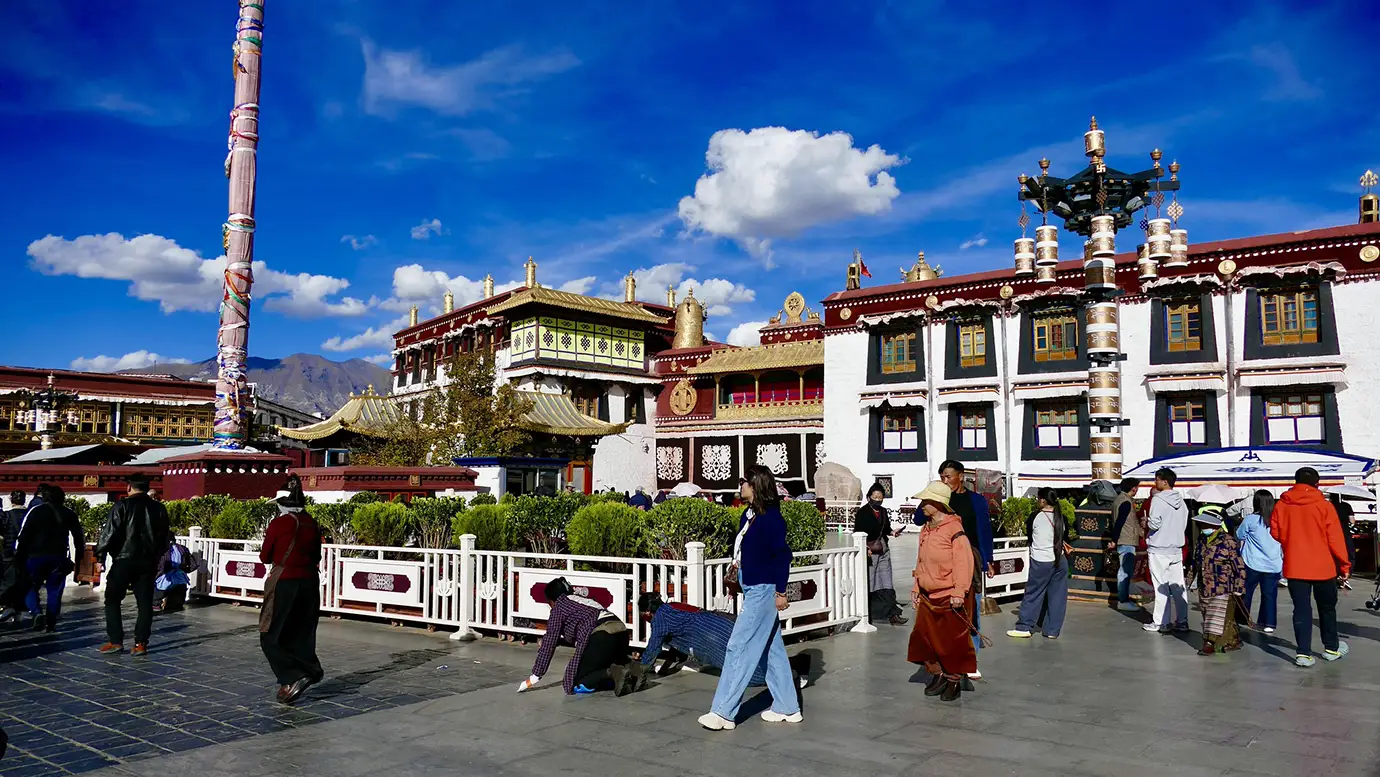
- Day 2: Explore Lhasa’s main sites – Potala Palace (internal tour), Jokhang Temple, Barkhor Street (easy walking).
- Day 3: Day trip to Drepung Monastery and Sera Monastery debates.
- Day 4: Visit Yamdrok Lake and Karola Glacier, overnight in Gyantse.
- Day 5: Morning at Gyantse’s Palcho Monastery, drive to Shigatse, see Tashilhunpo.
- Day 6: Return to Lhasa via the new airport (or continue on).
- Drive Time: Moderate (4–6 hrs on Days 4–5). Walking: Low (city sightseeing). Altitude: Peaks around 5,000 m on Day 4. Best Season: Spring/Autumn.
This suits first-time visitors short on leave.
8–9 Day Classic Tibet Loop
- Day 1–3: As above, Lhasa acclimatization and sites.
- Day 4: Lhasa to Gyantse via Yamdrok.
- Day 5: Gyantse exploring (Kumbum, Dzong), then to Shigatse.
- Day 6: Shigatse (Tashilhunpo) and local villages or fort.
- Day 7: Overland to Everest Base Camp (stay in Tingri or Gerze).
- Day 8: Everest Base Camp sunrise and back to Shigatse.
- Day 9: Shigatse to Lhasa return.
- Drive Time: High on Days 4,7. Walking: Medium. Best For: More adventurous, want a glimpse of Everest.
Requires good fitness due to long drives. Add a buffer day if possible.
10–12 Day Everest/Kailash Extended
- Includes all above plus further travel: continue south to Kathmandu or west to Kailash. Useful if connecting from Nepal or India. Not covered here, as the focus is on Tibet’s arrival.
These itineraries assume travel by private car or comfortable tour bus. Always build in rest time, especially after arrival (Day 1).
Altitude and Health Planning
Traveling from sea-level Singapore to Tibet’s high plateau demands care:
- Adjust Slowly: Fly into Lhasa first and rest a day. Don’t climb to high altitudes (e.g., Everest Base Camp ~5,200 m) on the same day.
- Hydration: Drink extra fluids (at least 3 liters a day). Carry a water bottle. Avoid coffee and alcohol in the first days.
- Pace Yourself: Start with light activities. For example, on Day 1, visit only one site or stay at the hotel. Listen to your body’s signals.
- Medications: Many travel doctors recommend acetazolamide (Diamox) to prevent altitude sickness. If using it, start a day before ascent. Always test tolerance before the trip.
- Sun Protection: UV rays intensify with altitude. Wear sunglasses and sunscreen daily. Skin and lips can burn quickly, even in winter.
- Emergency Plan: Choose travel insurance that covers altitude illness and evacuation. Singapore travelers should keep their embassy info handy. Severe symptoms (such as severe headache or confusion) warrant immediate descent.
Safety Plan Checklist:
- Two nights in Lhasa at least before any higher travel.
- Avoid strenuous exercise (no gym or long hikes) for the first 48 hours.
- Eat more carbs (e.g., rice, bread) and warm soups.
- Carry oxygen canisters or masks for emergencies.
- Stay with your guide and report any warning symptoms right away.
Accommodation and Comfort
Hotel stays in Tibet can be quite comfortable, but expect some differences from Singapore:
- Lhasa: Numerous choices from guesthouses to international hotels. Many have heating and hot water. Rooms may be smaller. Ask for a room away from busy streets and on a lower floor (less risk during cold nights). Request an extra blanket as nights can get cold.
- Gyantse/Shigatse: Fewer high-end options. Hotels are simpler, often three-star. Basic amenities include a private bathroom and a heater. In winter, confirm that heating is on (some hotels turn it off briefly).
- Utilities: Power outages are rare in major cities but can occur. Hot water is usually available 24/7 in tourist hotels, but not guaranteed in remote guesthouses.
- Wi-Fi: Many hotels offer Wi-Fi, but speeds are slow, and access to blocked websites (Google, social media) is common unless you use a VPN. Download offline maps and the needed info in advance.
- Adaptability: Bring earplugs in case of thin walls, and a sleep mask if your room is very bright early in the morning. Hotels may provide basic toiletries, but pack personal items (toothpaste, lotion) since brands in Tibet are limited.
- Comfort tip: Book hotels through tour packages, as the guides choose reliable places (often in partnership with Chinese brands).
Food, Water, and Dietary Tips
Eating well helps you cope:
- Water: Only drink bottled or boiled water. In Lhasa, hotel water is boiled. Don’t use tap water for brushing your teeth or for making ice cubes. Always carry a reusable bottle to refill from safe sources.
- Food in Lhasa: Plenty of Chinese and international options exist. Try Tibetan dishes (thukpa noodles, momos) in clean restaurants.
- Food outside cities: Simplest eateries serve noodle soups, rice, and dumplings. Veggie-friendly spots are limited, so plan snacks if you are vegetarian/vegan. Fruits like apples and bananas are sold everywhere, but wash or peel them before eating.
- First Days Menu: Eat lightly at first. Soups, bread, and rice keep you from getting sick. After acclimating, you can enjoy yogurt, yak butter tea, etc.
- Hygiene: Carry tissues/wet wipes. Always wash your hands before eating.
- Stomach Issues: Keep antidiarrheal and probiotics on hand. If travel causes minor stomach upset, treat it like traveler’s diarrhea: lots of fluids and rest. Seek a clinic if problems persist for more than a day.
Transportation Inside Tibet
Understanding local transport helps plan:
- Private Vehicle with Driver: The most comfortable way. Your guide’s agency typically provides a van or bus. Cars have oxygen outlets. Daily distance varies, but prepare for 4–6 hours of driving on road days. Keep snacks and water handy.
- Group Bus: Many tours run with small buses. It’s cost-effective but can be cramped on long drives.
- Train: If you choose to arrive by train from China (e.g., Chengdu-Lhasa or Xining-Lhasa), all seats have oxygen. The train journey is very slow (30–40 hours) but scenic. Not a loop option from Singapore unless combining with China travel.
- Toilets on the Road: Spaced out. Town stops have flush toilets. On long highways, stops are simple squat toilets. Always carry toilet paper and hand sanitizer. Avoid drinking lots right before a drive.
- Local Transport: Taxis are cheap in Lhasa (Yuan ~$2 per ride inside the city). Buses are reliable, but the routes can be confusing due to language barriers. You will mainly use the guide’s transport or tours.
Packing List
Essential items for comfort and safety:
- Warm Clothes: Layers are key. Pack a fleece jacket, a warm sweater, and an insulated jacket. Thermal underwear for winter.
- Windproof Jacket: A good windbreaker or shell to block chills on open plateaus.
- Sun Protection: Wide-brimmed hat or cap, sunglasses, high-SPF sunscreen, and lip balm (the sun is strong even on cloudy days).
- Footwear: Sturdy, comfortable walking shoes with grip. One pair of lighter shoes or sandals for city use.
- Travel Adapter & Power Bank: China uses type A/C/I sockets (220V). Electronics and cameras will use batteries fast in cold – bring power banks.
- Daypack: A small backpack for daily essentials (water, snacks, camera).
- Copies of Documents: Extra passport copies, e-visa, permit copies, and emergency contacts. Store them separately from originals.
- Snacks: Energy bars, nuts, fruits – useful for long drives or mountain stops.
- Toiletries/Med Kit: Personal medicines, first-aid, hand sanitizer, tissues, and any prescription drugs.
- Face Mask & Medicine: A mask helps with dust and pollution. Basic meds: painkillers, altitude meds (if prescribed), stomach remedies.
- Hiking Gear (Optional): If you plan to trek, bring hiking poles, gaiters, and a water purifier if you will camp.
- Pack light overall; laundry services are available in larger hotels. Keep essentials in carry-on in case luggage is delayed.
Practical Info for Singapore Visitors
Some final notes:
- Currency: The Chinese yuan (CNY) is used. ATMs are available in Lhasa (most visa cards work). Outside Lhasa, carry enough cash for the day (no ATMs in remote towns). Singapore dollars and credit cards are not accepted in Tibet.
- Language: English is rarely spoken outside major tourist areas. Guides will speak English. Learn a few Chinese phrases (nihao, xie xie, bye) for convenience.
- Mobile and Internet: Tibetan SIM cards require a Chinese ID to buy, so use data roaming or international roaming. Wi-Fi is spotty. Consider a portable VPN if you need Google or social media (they are blocked in China).
- Time Zone: Tibet follows Beijing time. Singapore is UTC+8, the same as China, so there’s no time zone jet lag – just adjust to altitude.
- Etiquette: Dress modestly at temples (cover knees and shoulders). Remove hats indoors. Always ask before photographing people. A small gift of snacks for a family visit is polite.
- Emergency Contacts: Register your travel with the Singapore embassy in Beijing (or through electronic channels). Keep the number handy.
- Jet Lag/Adjustment: Although Singapore and Tibet are on the same time zone, the long flights and dry air can be tiring. Get plenty of sleep on the plane and stay hydrated.
FAQs
Q: How do I plan a Tibet Tour from Singapore?
A: Pick an entry route (via China or via Nepal) and decide on tour length. Book flights first. Arrange your Tibet Travel Permit through an agency by sending your passport details. Choose a tour package or agent, considering cost and destinations. Plan 2 days in Lhasa to acclimate, then follow your tour schedule. Use this guide’s checklists to cover all bases (permits, packing, insurance).
Q: What is the average cost of a Tibet Tour from Singapore?
A: A basic 7–10-day tour costs roughly $ 1,500–$ 2,500 USD per person, including flights and a group tour. Luxury or longer tours (including Everest/Kailash) can cost over $3000. Cost depends on the season, hotel standards, and whether travel is private or group.
Q: What is the best entry route from Singapore to Tibet?
A: The “best” route depends on your priorities. Going via China (Singapore–Chongqing/Beijing/Chengdu–Lhasa) usually offers more flight options and direct connectivity. The Nepal route (Singapore–Kathmandu–Lhasa) often has fewer flights, but it may be simpler if you want to start with Nepal. Both require arranging permits; via China means using Chinese transit, via Nepal involves a Nepali travel visa (on arrival) plus a Tibet permit.
Q: How many days do I need for a Tibet Tour from Singapore?
A: At least 7 days are recommended to see Lhasa and Gyantse/Shigatse (the classic circuit). Add 1–2 days if including the Everest Base Camp area. Very busy trips might squeeze it into 6 days, but that is rushed. Longer trips (10 days) allow one night in Lhasa, one in Gyantse, one in Shigatse, and one in Everest, without much hurry.
Q: Do Tibet tours from Singapore include permits?
A: Yes. Any legit tour operator will include arranging the Tibet Travel Permit in the package. You don’t need to handle it separately. They will ask for passport info when booking. However, you must ensure your schedule aligns with the permit’s validity (usually noted on the permit).
Q: What is the best time to travel to Tibet from Singapore?
A: Plan your trip for spring or autumn. April-May and late September-October offer clear skies and comfortable days. Summer (June-Aug) has green landscapes but more rain, and winter (Nov-Mar) is cold and can close some routes. Singapore’s hot, humid climate means Tibet’s dry, cool weather will feel very different; pack layers accordingly.
Q: Is Tibet safe for first-time visitors from Singapore?
A: Yes, Tibet is quite safe, especially compared to large cities elsewhere. Just plan for altitude and climate. Travel with your guide; do not wander alone outside towns; and keep general travel safety in mind (secure belongings, avoid solo remote hikes). Follow local laws and norms. Most health concerns can be managed with preparation (such as hydration and rest). Overall, crime is low, and hospitals exist in Lhasa.