


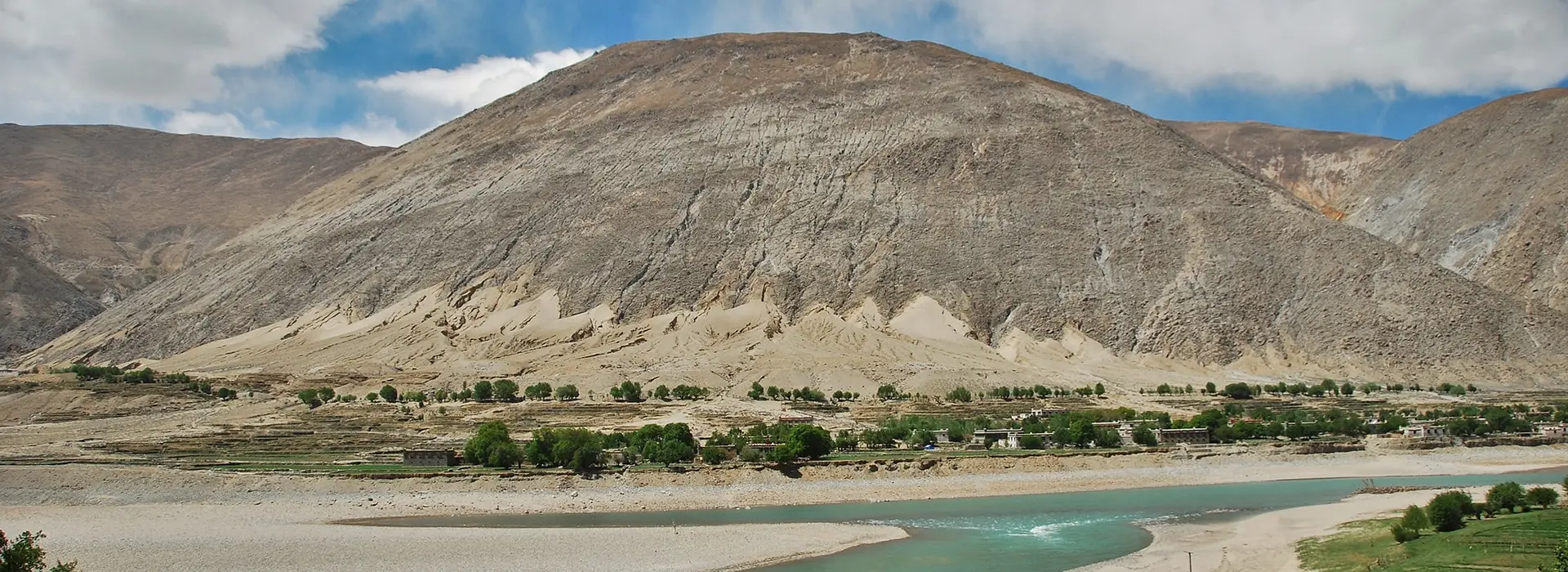

Tibet travel restrictions refer to the rules and permits needed to visit the Tibet region. Travelers must plan for special permits, fixed routes, checkpoints, and seasonal closures. These rules apply to most foreign visitors, families, seniors, photographers, and trekkers. They affect how and when you travel. Understanding them helps you avoid problems. With careful planning, you can follow the rules and still enjoy a safe, memorable trip to Tibet.
Quick Facts:
- Restrictions change by season and route.
- Your permit ties you to a set itinerary.
- Border areas and remote valleys often need extra approval.
- Allow flexible schedules to handle checkpoints and weather delays.
Why Tibet Travel Restrictions Exist
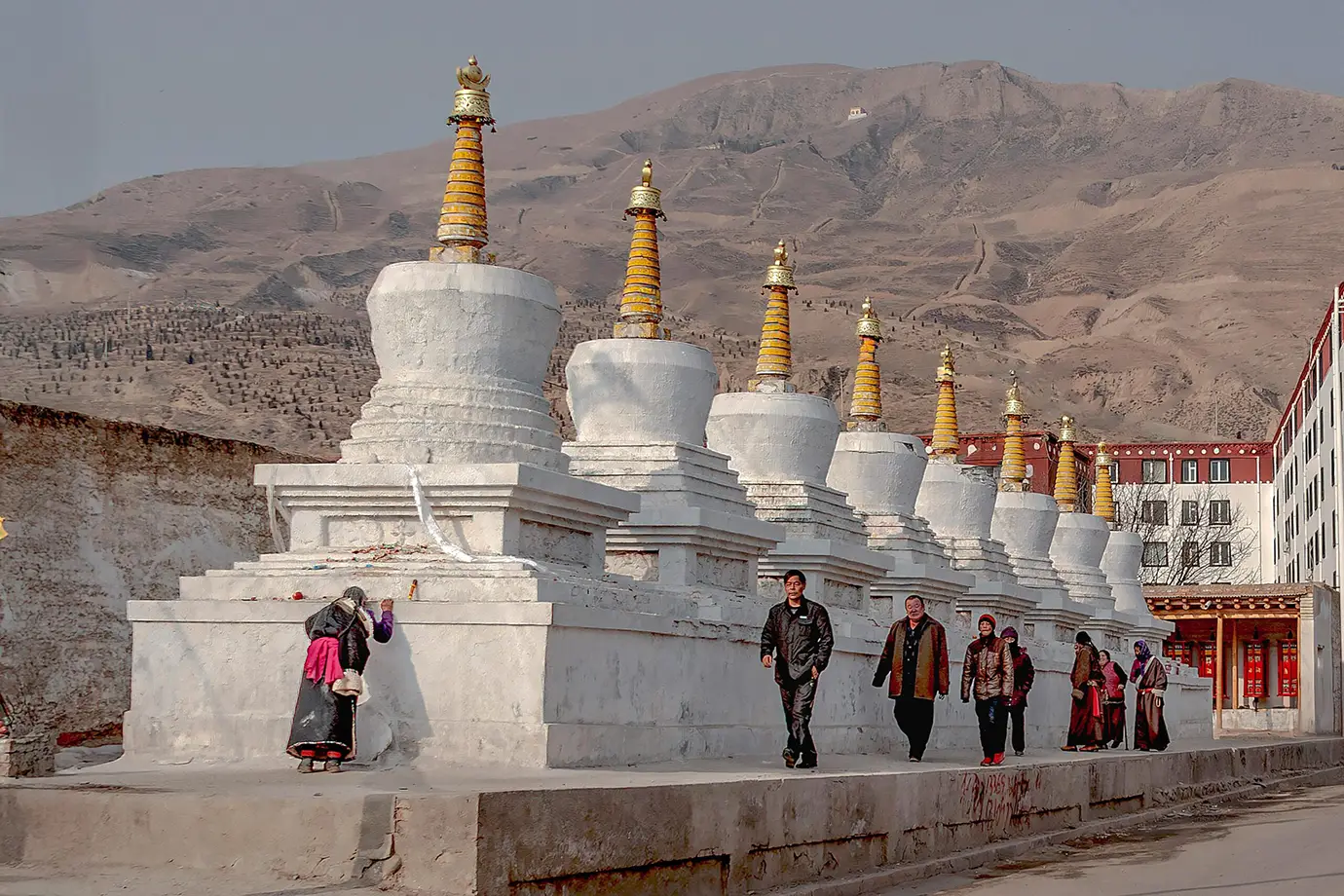
Travel restrictions in Tibet aim to manage safety, culture, and the environment. Officials use permits and routes to protect Tibetan heritage and natural landscapes. Checkpoints and guides help keep visitors safe at high altitudes. Crowd control is also a concern at festivals and at high-altitude locations like Everest. In short, restrictions help ensure visitor well-being and preserve local culture and nature. They are not meant to scare travelers away but to keep journeys smooth and secure.
- Permits and Itineraries: Visitors need a Tibet Travel Permit to enter. This permit lists your exact route and dates. It ensures visitors stick to approved areas and times.
- Restricted Areas: Some regions (such as sacred canyons and border zones) have additional restrictions. You may need special passes for these. Unlisted areas, such as certain burial sites or military zones, are off-limits.
- Safety Measures: High passes and remote roads can be dangerous in bad weather. Officials may close roads or trails if there is a risk. Guides monitor health and road conditions constantly.
- Cultural Protection: Tibet’s monasteries have dress and behavior rules. For example, you must walk around temples clockwise and not touch statues. These rules respect local beliefs.
Understanding that these rules protect both visitors and Tibet itself helps travelers accept and prepare for them.
Common Types of Travel Restrictions
Tibet’s travel rules cover permits, guides, regions, and seasonal checks:
- Permit Requirements: All foreigners need a Tibet Travel Permit. You must apply through a licensed tour operator, not on your own. Permits tie you to a fixed itinerary and list the places you can visit. Any change after permits are issued requires re-application.
- Guide and Transport Rules: Independent travel is not allowed. A local licensed guide must accompany you at all times, even in Lhasa. Private car hire or joining a group tour is required. Hitchhiking or using public buses is forbidden for foreign tourists.
- Restricted Regions: Some areas require additional permits, such as Mount Kailash or the Everest Base Camp region. Border counties and military areas often restrict entry entirely. Checkpoints on roads and at hotels may inspect permits and passports.
- Seasonal Closures: High mountain passes and remote roads close in winter due to snow. Monsoon rains can flood roads in summer. For example, the Thorong La on the Annapurna circuit (Nepal side) and various passes into Tibet shut in winter. Always verify if your chosen route is open in your travel month.
- Behavior Rules: In monasteries, you must dress modestly and keep your voice low. Photography is banned inside prayer halls. Carrying drones or unauthorized filming gear is not allowed. Respect crowd flow at religious sites and ceremonies.
| Restriction Type | Applies to | Effect on Travelers | How to Comply |
|---|---|---|---|
| Permits & Itinerary | All foreign visitors | Must follow approved route and travel dates | Book through a licensed agency and submit a complete travel plan |
| Guide Requirement | International tourists | Solo travel is not allowed. Travelers must use a licensed guide | Choose an agency that provides a licensed guide and stay with the group |
| Restricted Zones | Border areas and sacred sites | Some areas need extra approvals or remain closed to visitors | Check restricted-area rules and apply for extra permits in advance |
| Seasonal and Weather Closures | High passes and remote roads | Road closures may delay or change travel plans | Travel during the open season and keep a backup route ready |
| Cultural Etiquette | Monasteries and temples | Visitors must follow local dress and behavior rules | Wear modest clothes, walk clockwise, ask before photos, and stay respectful |
Who Gets Affected Most
Foreign tourists face the strictest rules. Other groups include:
- Independents: Foreign individuals can’t travel alone in Tibet. They must book tours or private guides through agencies.
- Different Routes: Entry from China or Nepal uses different paperwork. E.g., entering via Nepal still needs Tibet permits and a Chinese visa if crossing by road.
- Journalists/Officials: Special passport holders (media, diplomats) need additional government clearance beyond standard tourist permits.
- Hong Kong/Macau Citizens: Chinese SAR passport holders often need fewer permits but still face restrictions on sensitive areas.
- Groups vs Individuals: A group of 2–6 usually travels together; solo travelers typically join small group tours arranged by operators.
Anyone who disregards these rules risks fines or being turned back at checkpoints.
Careful Planning Checklist
Follow these steps to avoid trouble:
- Plan Your Route: Choose destinations and the entry point early. Your permit depends on it. Adjust your plan for seasons (avoid snowed-out passes).
- Book Through Agencies: Do not attempt to apply for a permit on your own. Use an accredited Tibet tour agency for step-by-step planning of your Tibet tour. Provide exact travel dates, flight/train info, and hotel bookings for your permit.
- Keep Copies of Documents: Carry your passport, Chinese visa, Tibet permit, and any extra permits at all times. Keep digital copies too.
- Pack Smart: Bring sunscreen, lip balm, warm layers, and snacks. Long drives and high altitude are tough; be ready for sun and cold.
- Respect Guides: Listen to your guide’s instructions, especially at checkpoints. They know the local rules best.
- Allow Buffer Days: Build extra days into your schedule for delays (weather, road repairs, permit processing). Don’t jam too many long drives into one day.
- Check Weather: High passes close unexpectedly. A slight weather change can turn a fast road trip into a multi-day trek. Ask your guide about conditions daily.
- Follow Monastery Rules: When visiting temples, cover knees and shoulders. Remove hats in halls. Walk clockwise around shrines. Do not touch artifacts. Ask before snapping photos of monks or ceremonies.
Note: Always keep copies of your Tibet Travel Permit with you, not just the original held by your guide. Permit pages list the exact places you can visit.
Planning by Travel Style
- First-Timers: Stick to well-trodden routes (Lhasa, Gyantse, Shigatse). These offer reliable service and simpler permit requirements. Avoid adding remote areas on your first day.
- Families & Seniors: Go at a relaxed pace. Limit daily drives to 3–4 hours. Include rest days in Lhasa and medium altitude stops. Ensure all health issues are addressed before travel.
- Trekking Adventurers: Check whether trails are open during your planned season (e.g., the Everest Base Camp trek must be skipped during winter). Hire an experienced guide and plan for extra time on remote trails.
- Photographers: Plan early-morning or late-evening temple visits to avoid crowds and harsh light. Use filters for bright scenes. Respect shrine rules to avoid stress.
In every case, a private tour can offer flexibility (but at a higher cost). Group tours lock you into set plans but share guide costs.
What to Do If Plans Change
Even the best plans may hit snags. Here’s how to handle changes:
- Weather Delays: If a road or pass closes, the tour will reroute. You might swap days or skip a blocked region. Be patient; it’s for safety.
- Permit Issues: If authorities question your route, provide any requested paperwork. You might need to skip a site if it’s not on your permit.
- Ask About Flexibility: Before booking, check with your agency on change policies. Confirm if you can rebook hotels or tours if needed.
- Add Buffer Days: Include 1–2 extra days in your itinerary. Use them for rest or to catch up on attractions you missed.
- Stay Informed: Your guide should update you daily. If you hear rumors of protests or unrest, trust official info and follow the guide’s advice. Usually, issues are minor and resolved quickly.
Remember: Tours include these buffers for a reason. Trying to rush can break the permit rules, which might end your trip.
Safe Itinerary Ideas
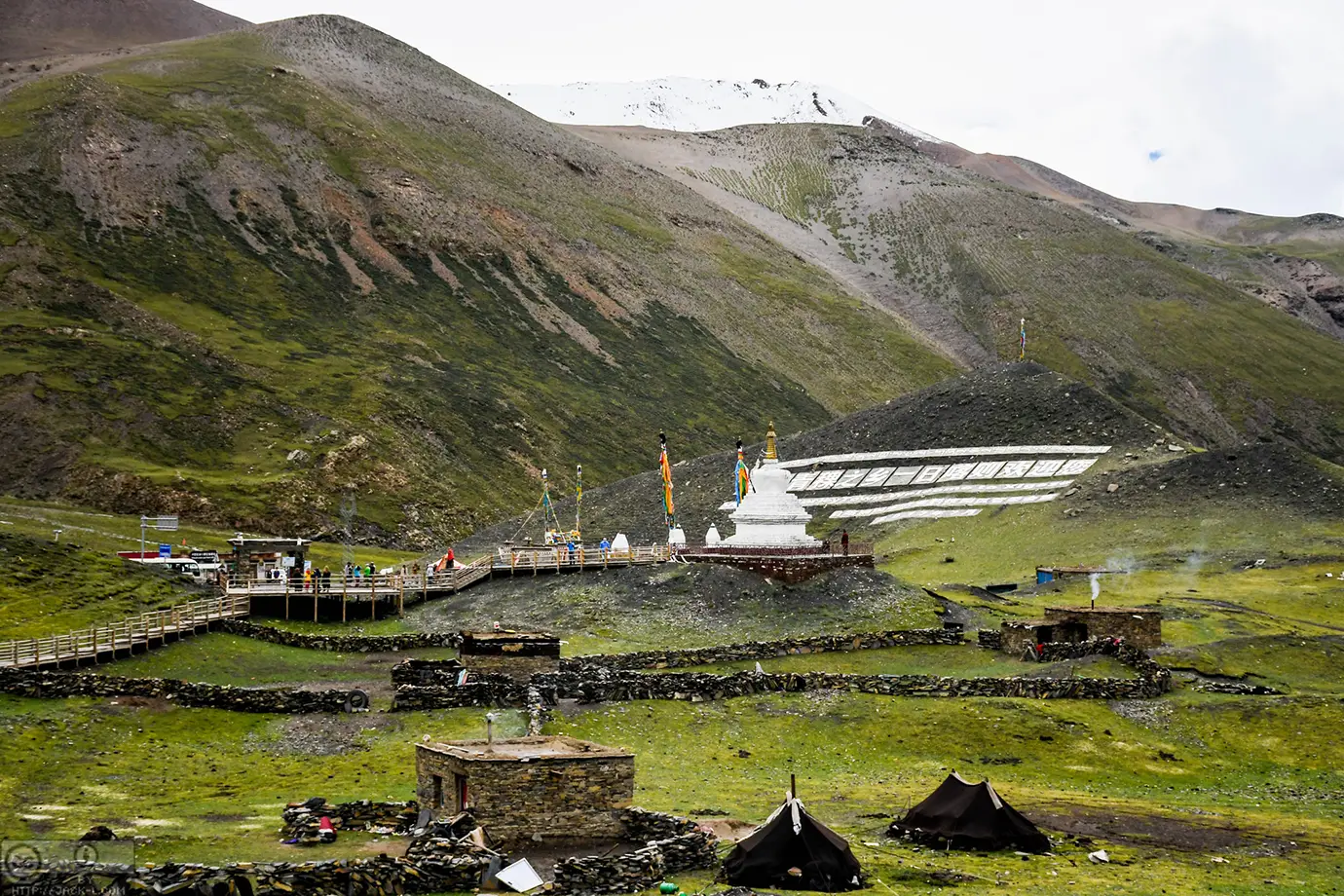
Here are some low-risk plans:
Option 1 (7 days): Lhasa-focused.
- Day 1: Rest in Lhasa.
- Days 2–3 cover Jokhang, Potala, and Sera.
- Day 4 to Yamdrok Lake.
- Day 5 to Drepung.
- Day 6: free or short trip.
- Day 7 depart. (Drive Level: Low; Altitude: Moderate)
Option 2 (10 days): Classic valley loop.
- Days 1–3 in Lhasa.
- Day 4 drive Lhasa–Gyantse via Kamba La.
- Day 5 Gyantse to Shigatse.
- Day 6 Shigatse to Lhasa via Gampala Pass.
- Days 7–8 relaxation/trade in Lhasa.
- Day 9: Optional day trip to Samye Monastery.
- Day 10 depart. (Drive: Medium; Altitude: includes passes above 4,000 m)
Option 3 (12–14 days): Extended tour
- Build on Option 2 and add EBC or Kailash only if the season and permits allow. E.g., Day 6 drive from Shigatse to Tingri, Day 7 visit Everest Base Camp, Day 8 return to Lhasa. This option requires stronger high-altitude readiness and more flexibility. (Drive: High; Altitude: 5,2m)*
Each plan has moderate drives and limits extremes. Adjust days for rest if needed. Always confirm your permit covers the route (especially if adding places like Everest or Kailash).
Common Mistakes to Avoid
- Overpacked Days: Cramming temples, drives, and hikes into one day can cause fatigue and break altitude rules.
- High Pass Too Soon: Don’t rush to 5 m right after flying in. Acclimate first.
- Skimping on Layers: Even on summer nights, it’s cold in Tibet. Pack warm clothes, or you’ll feel miserable.
- Solo Shortcuts: Trying to shortcut rules (like sneaking off early or splitting from the group) can get you into trouble. Stay with your guide.
- Ignoring Local Advice: If road crews warn a route is closed ahead, trust them. Backtracking safely is better than mindlessly pushing through.
Avoid these pitfalls by pacing yourself and sticking to the plan.
FAQs
Q: What are the Tibet Travel Restrictions for foreigners?
A: Foreign visitors must travel with a registered guide and have a Tibet Travel Permit for their exact route. Independent travel is not allowed. Even in cities like Lhasa, guides often accompany group tours at least part of each day.
Q: Why do Tibet travel rules change by route and season?
A: Authorities adjust restrictions based on weather, safety, and site protection. High mountain roads may close in winter, so permits for those routes won’t be approved. During festivals, crowd limits tighten. The rules ensure visitor safety and cultural respect.
Q: Do I need to hire a guide and vehicle in Tibet?
A: Yes. All foreign tourists must have a licensed guide by their side and an arranged vehicle at all times. You cannot take local buses or taxis freely. Your tour operator will arrange the guide and car.
Q: Which areas are off-limits to foreign tourists?
A: Certain regions, like the Yarlung Tsangpo Grand Canyon and border zones, remain closed to outsiders. Also, locations of sky burials and some military zones are restricted. Your permit will list any open areas, and your guide will not take you beyond those.
Q: How far ahead should I plan around restrictions?
A: Begin arrangements at least 4–6 weeks in advance. Permit processing can take 1–15 days once you submit documents. Secure your travel bookings only after permits are confirmed. Always build in extra days in case of permit delays or route changes.
Q: What if authorities change restrictions while I’m there?
A: Stay flexible. Tour operators usually have contingency plans. If a road closes, your itinerary might be swapped for a lower-altitude alternative. Keep an open line with your guide to adapt plans. Typically, restrictions change only with warnings (like weather alerts), not at random.
Follow these tips to navigate Tibet’s regulations safely. With good planning and respect for the rules, your trip can be rewarding and hassle-free.