


To plan a Tibet tour, a traveler requires careful preparation and clear steps. You need to arrange special permits, consider high altitude, and allow time for long travel days. This guide breaks down how to plan a Tibet tour step by step. By the end, you will have chosen your route, set your timeline, packed properly, and built a ready-to-use itinerary. This plan suits first-time visitors, families, seniors, or solo travelers. Follow these steps to ensure a smooth and rewarding Tibet tour experience.
Quick Facts:
- A typical Tibet tour takes 6–12 days, depending on how much you want to see.
- The biggest challenges are high altitude and tight schedules.
- Permits are linked to your itinerary dates and places.
- Most tours start with Lhasa and the classic cultural corridor for the first visit.
Step 1: Define Your Travel Goal and Style
First, decide why you want to go and how you want to travel. Tibet offers many attractions, so pick the ones that excite you most:
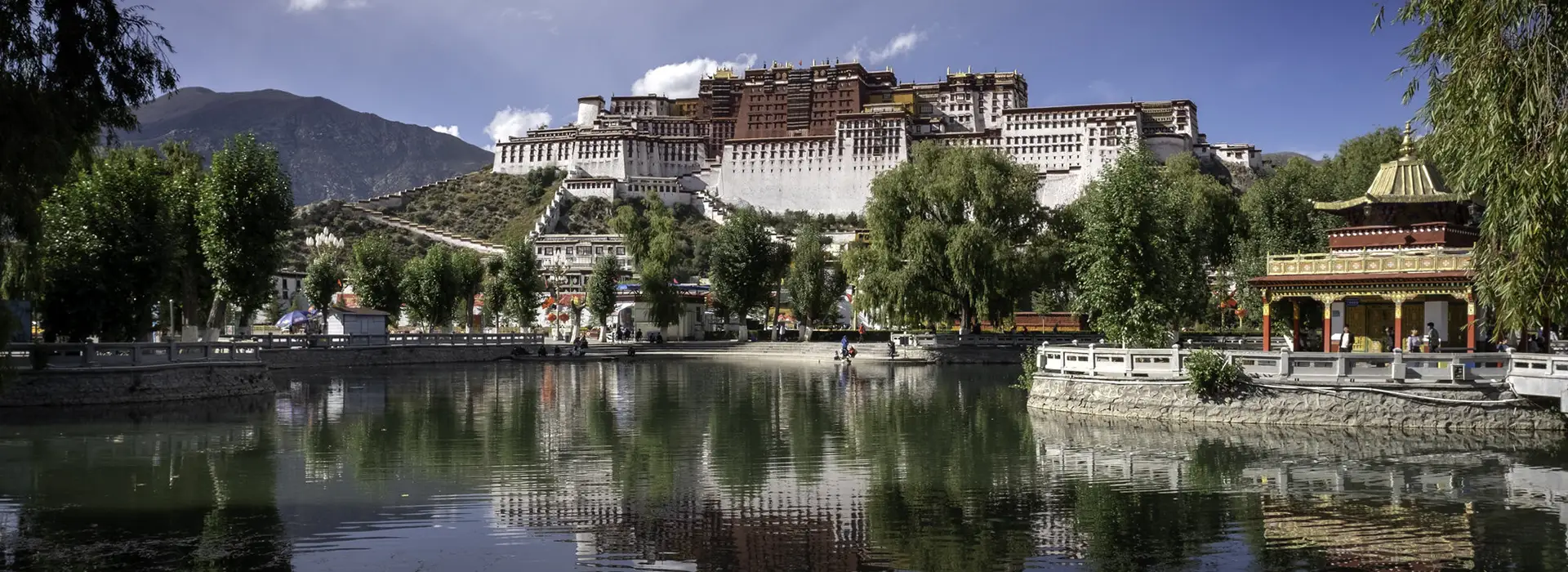
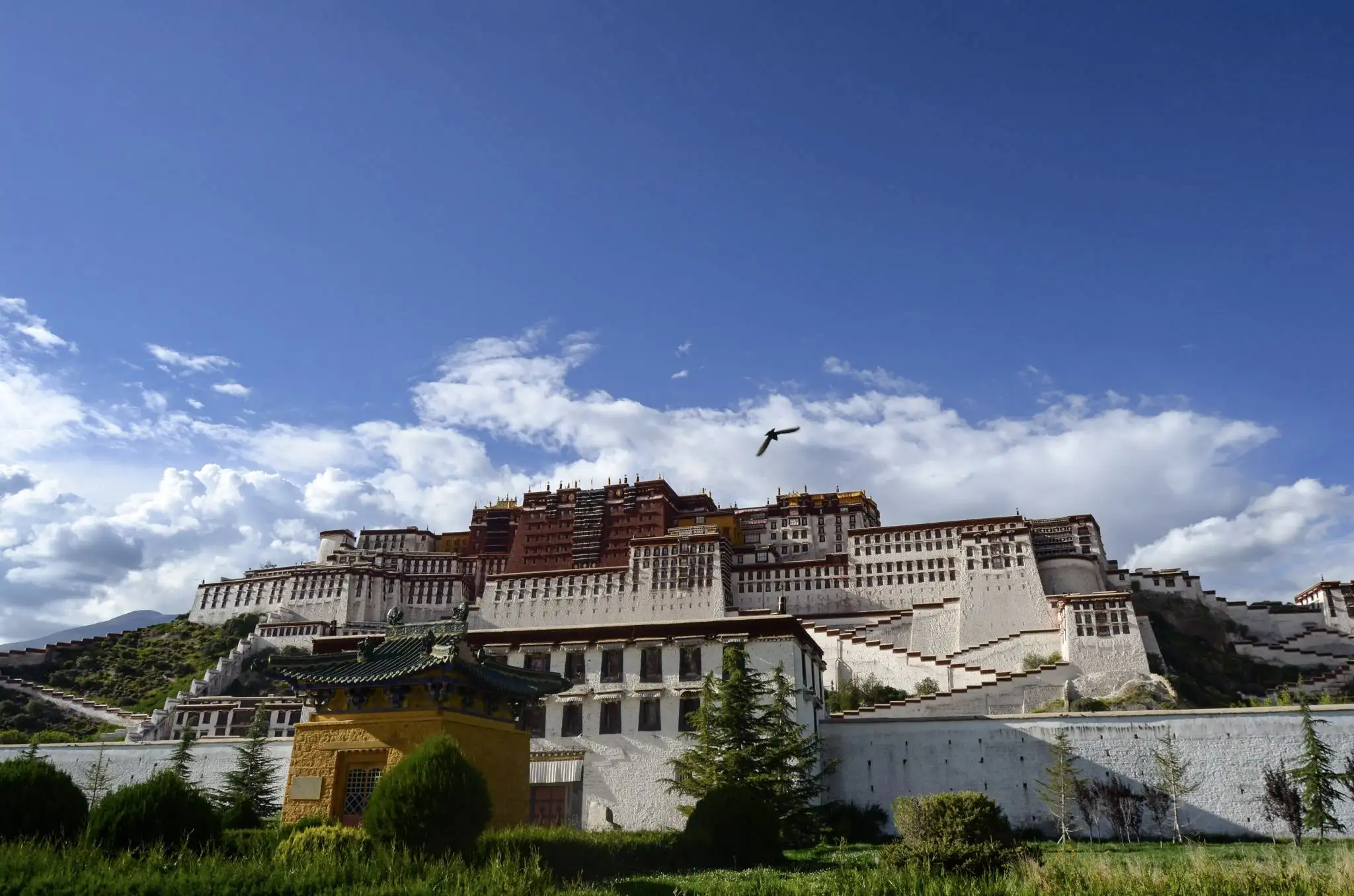
- Culture and Monasteries: If you love history and spirituality, include sights in Lhasa (Potala Palace, Jokhang Temple) and old monasteries (Drepung, Sera). You might also visit Samye or Tashilhunpo monastery.
- Scenic Landscapes: If you enjoy nature and photography, plan to visit high lakes (Yamdrok Tso, Namtso) and grand valleys (Yarlung Tsangpo Canyon).
- Everest View: To glimpse Mount Everest, head towards Shigatse and Tingri in the south. Note that this adds high altitude and extra days.
- Adventure and Trekking: For a more active trip, consider short treks around sacred sites (such as the Ganden to Samye kora or small circuits near Everest). Remember, treks in Tibet depend on the season and require permits.
Next, pick your travel style:
- Private Tour: You travel with your own guide and vehicle. This offers flexibility. You can stop for photos, rest breaks, and customize daily start times. It costs more, but it suits travelers who want independence.
- Group Tour: You join a small group. This is often more budget-friendly. Group tours run on fixed dates with set itineraries. They are great if you want company and lower costs.
- Mixed Options: Some travelers take a semi-independent approach, such as a private tour, but occasionally join a small group or arrange free evenings on their own in Lhasa. Always plan within allowed areas.
Choose one main keyword and related terms early in your planning. For example, search for “Tibet tour package,” “Tibet private tour,” or “Tibet itinerary planning.” This helps you find the right travel agencies and deals.
Step 2: Pick the Best Time to Visit
Tibet’s climate varies greatly with the seasons. Decide the right time based on your priorities:
- Spring (April–June): Days grow warmer, flowers bloom, and skies are clear. Nights remain cold until late May. This is a good time for lower crowds and moderate weather.
- Summer (July–August): Warmest period. The eastern parts of Tibet receive summer rainfall and occasional landslides. Lhasa and western areas stay mostly dry. This season has the most tourists, especially in August.
- Autumn (September–October): Considered the best overall weather. Skies are clear, days are warm, nights are cool. Mid-Autumn (October 1–7) is a holiday in China, so avoid or book very early.
- Winter (November–March): Very cold, especially at night. Many tourists avoid it. If you travel now, expect quiet towns and stark landscapes. Main roads are open, except for rare snow closures. This season offers the lowest prices.
| Season | Best for | Key Tips |
| Spring | Fewer crowds, flowering | Pack warm layers for nights. |
| Summer | Warm, lush scenery | Be ready for afternoon rain in the east. |
| Autumn | Clear skies, festivals | Book early for National Day crowds. |
| Winter | Quiet, low prices | Prepare for extreme cold in the mountains. |
Choose months when you can handle the weather and crowds. If you want mountain views, autumn has the clearest air. If budget is your concern, travel in spring or late autumn. Many tours start at the seasonal opening (April) and finish before the deep winter.
Step 3: Decide Your Entry Route
You need to enter Tibet through official gateways. The two main ways are via mainland China or via Nepal.
Mainland China Route: Most travelers fly or take the train to Lhasa from Chinese cities. Popular gateways include Chengdu, Chongqing, Xining, Lanzhou, Beijing, or Shanghai. For example, there are daily flights and trains between Chengdu and Lhasa. Beijing offers direct overnight trains (48 hours).
- Flight vs Train: Flying is faster (1–2 hours), but flying gives no time to adjust to altitude. The train from Xining (at 2,300m) to Lhasa (3,650m) takes about 21 hours and can help with acclimatization.
- Distance & Time: Example – Beijing–Lhasa is about 4000 km, 12 hours by flight, 48 hours by train; Chengdu–Lhasa is 2000 km, 3 hours by flight, 36 hours by train (with a change in Xining).
- Pros: Smooth border control, lots of flights, no extra visas beyond the Chinese visa.
- Cons: Travel on a fixed schedule, altitude still rises quickly if flying directly to Lhasa.
Nepal (Kathmandu) Route: Fly to Kathmandu, then to Lhasa, or travel overland via the border. The Nepal route is popular with adventurers and those combining Himalayan trips.
- Kathmandu–Lhasa Flight: A direct flight (usually on a Chinese airline) takes ~1.5 hours, gaining altitude from 1,400m to 3,650m in one go.
- Overland: Kathmandu to Tibet road trip (via Kodari or more directly via Nepal-China border in Gyirong) can be done by private vehicle. The road is scenic but can be slow due to checkpoints.
- Visa Considerations: You will need a Nepal visa (easy on arrival) plus a Chinese visa if crossing the land border. The Tibet permit is arranged the same way through a tour agency, either before or after reaching Kathmandu.
- Pros: Combines Nepal travel (Everest views) with Tibet. Overland crossing is an adventure in itself.
- Cons: Requires dealing with the entry rules of two countries. Border roads can close in winter or after rain.
Train (Qinghai–Tibet Railway): If you start in China, the Qinghai–Tibet Railway runs from Xining to Lhasa (or you can start farther back and pass through Xining).
- Why Scenic: At over 5,000 m, it’s one of the highest railways in the world. You see vast lakes (Qinghai), grasslands, and vistas of the Tibetan Plateau.
- Time and Comfort: The train takes about 21–25 hours from Xining. You sit or sleep in a bunk. Soft sleeper is more comfortable (4-berth cabin), hard sleeper is cheaper (6-berth open cabin).
- Pros: Gradual altitude gain, less jet lag, views from the train.
- Cons: Very long journey, confined space (though seats are fine for those who don’t need much legroom).
| Entry Route | Pros | Cons | Best For |
| China (Flight) | Many flights | Quick altitude gain, less scenery | Time-limited travelers |
| China (Train) | Scenic, gentle acclimatizing | Very long travel time | Adventurous, photographers |
| Nepal (Flight) | Combines Nepal trip | Quick altitude gain, visa check | Those adding the Everest/Nepal trip |
| Nepal (Overland) | Scenic road journey | Slow, border formalities | Travelers seeking adventure |
Choose the route that fits your schedule and interests. If altitude is a concern, consider combining a flight to Xining and then a train. If you have plenty of time and love trains, the railway is a memorable choice.
Step 4: Decide Trip Length and Draft Itinerary
How many days can you spend? A basic Tibet tour takes about 7–10 days. Use this guide:
- 5–6 days: Best for a quick overview. Focus on Lhasa city and one nearby site (Yamdrok Lake or Sera Monastery).
- 7–8 days: Ideal first trip. Spend 3 days in Lhasa (Potala, Jokhang, Norbulingka), then 2 days traveling to Gyantse and Shigatse, returning on day 8.
- 9–10 days: Classic route. Lhasa (3 days), Gyantse (1 day), Shigatse (1 day), then back to Lhasa or on to Everest Base Camp (1-day drive in, 1-day return).
- 11–12+ days: Extended adventure. You could add Everest Base Camp, travel north toward Amdo, or head to sacred sites like Lake Manasarovar, depending on the season. This requires extra permits and high-altitude readiness.
Build a first draft: Write down day-by-day notes. For each day, include approximate distances or travel times. For example:
- Day 1: Arrive in Lhasa (3,650m) in the afternoon, rest at the hotel.
- Day 2: Lhasa sightseeing – Potala Palace (altitude 3,700m) and Jokhang Temple.
- Day 3: Lhasa – Drepung Monastery in the morning; visit Norbulingka in the afternoon.
- Day 4: Drive Lhasa to Gyantse (390 km, ~6 hours) via Kampa La Pass (4,794m); visit Palcho Monastery.
- Day 5: Gyantse to Shigatse (90 km, ~2 hrs); see Tashilhunpo; overnight Shigatse.
- Day 6: Shigatse to Lhasa (270 km, ~5 hrs) via Yamdrok Lake; overnight in Lhasa.
- Day 7: Shopping and leisure in Lhasa; depart in the evening or the next day.
Keep in mind: Acclimatization. Plan light activities for the first two days to adjust. Use Lhasa (3,650m) as your base before ascending to higher passes (~5,000m).
Step 5: Get Permits and Comply with Rules
This is a critical step. No permit means no entry.
- Tibet Travel Permit: Arrange this through a licensed travel agency. Once you pick your trip dates and route, submit your passport scan and itinerary. The permit typically takes 10–15 working days. It specifies your arrival and departure dates and cities. Without it, airlines and train operators will refuse boarding.
- Route Permits: If you venture outside the main cities (for example, to the Mt. Everest region, Mt. Kailash, or into border areas), you will need additional permits. Ask your agent about these when planning. These extra permits may add a couple of days to processing time.
- Visa Requirements: International visitors need a Chinese visa. If you enter from Nepal by road, you still need a Chinese entry visa (check current rules, as policies change).
- Agent Bookings: In Tibet, individual bookings (hotels, trains) are rare. Your tour operator usually handles all bookings. Confirm with them the hotel, car, and flight or train details after your permit is set.
- Permit Timeline: Aim to finalize your itinerary and apply for permits at least 4–6 weeks before departure, especially in peak season. For a small detail: you might only get your permit a week before the trip, so plan your flight bookings accordingly.
- Document Checklist: Passport copy, recent photo, tour dates, entry city, and a rough schedule. Check that your name is spelled exactly the same on all documents. After permit approval, keep a printed copy and a photo of it on your phone.
Step 6: Arrange Tour Details and Comfort
Now decide on the practical aspects of your trip:
- Choose an Agency: Pick a reputable Tibet tour operator. Look for one with good reviews and experience. They will organize your guide, transport, and accommodation.
- Hotels: Standard hotels (3-star or above) are recommended for comfort. In Lhasa, expect basic but comfortable rooms. Outside Lhasa, hotels may be simpler. If you want more luxury, upgrade in Lhasa where possible.
- Transport: Determine what vehicle suits your group. A 4WD van is common. If traveling alone or in a couple, you’ll likely have a private car anyway. Confirm air-conditioning/heating if needed.
- Guide Language: Make sure the guide speaks your language well. This affects how much you learn on temple tours.
- Pacing: Communicate your desired pace. If you prefer leisure, plan fewer sites per day. If energetic, cover more ground. Seniors and children may need gentler schedules.
- Meals: Check if your package includes meals. Many Tibetan tour packages offer all breakfasts and some dinners. Plan extra for lunches or special dietary needs.
- Optional Activities: Decide if you want extras like camel rides in the lake area or local cultural shows in Lhasa. These can be arranged once on tour or added beforehand.
Comfort Table: Think about trade-offs:
| Comfort Option | What It Changes | Best For |
| Upgraded Hotels | Better rooms and amenities in cities | Luxury travelers, seniors |
| Standard Hotels | Basic comfort outside Lhasa | Budget-minded solo or small groups |
| Private Transfers | Personalized pickup/drop-off times | Flexibility, avoiding crowds |
| Group Transfers | Share a ride with others | Lower cost, meeting people |
Your agency should finalize these details after you express your preferences. Good communication here means a smoother trip.
Step 7: Plan for Altitude and Acclimatization
Altitude is a big factor. Plan to help your body adjust:
- Climb Gradually: Tibet’s capital, Lhasa, is at 3,650m. Many visitors fly or train there from near sea level. For the first 1–2 days, limit exertion. Avoid trekking or heavy sightseeing.
- Hydrate and Rest: Drink plenty of water (at least 2–3 liters daily). Eat light meals. Get good sleep. Avoid alcohol, which can worsen altitude symptoms.
First 48 Hours in Lhasa: A recommended schedule:
- Day 1: After arrival, just rest or take a slow stroll around your hotel. Use this time to handle paperwork (confirming hotel, itinerary, etc.). Sleep early.
- Day 2: Try a gentle activity, such as a short walk in Norbulingka Park. Keep it short (1–2 hours). This slowly raises your heart rate and lets you feel the altitude.
- Day 3: If you feel well, resume your normal plans (visit the Potala and monasteries). If not, stay longer in Lhasa or take very easy tours (shopping, local crafts).
- Carry Altitude Meds: Some doctors recommend taking acetazolamide (Diamox) before the trip. Bring it if advised. Over-the-counter pain relievers can help with headaches.
- Watch for Symptoms: Typical signs are headache, dizziness, nausea, or shortness of breath. If symptoms are mild, rest and hydrate. If severe, inform your guide immediately – sometimes going down to a lower altitude is the only cure.
- Pack Smart: Include a small first-aid kit, water purification pills (in case bottled water runs out), and snacks to keep energy up.
Always remember, Acclimatization is not an “add-on.” It’s essential. Pushing too hard, too soon, can ruin the trip. Many agencies now schedule “light days” at the start for this reason.
Step 8: Budget Planning
Think about what will cost money, without pinning specific prices:
- Flights or Trains: Your international flight to China or Nepal is separate. Then, flights or trains to Lhasa vary by season and city. For example, flights spike during holidays. Trains have set ticket prices, but plan your class (a soft sleeper costs more than a hard sleeper).
- Tour Package: Private tours are pricier than group tours. A 10-day small group might cost less per person than a private tour. Prices fluctuate by season (summer peak vs winter low).
- Hotels: Mid-range hotels in Lhasa might cost \$50–\$100 per night, standard hotels outside Lhasa maybe \$30–\$60. Add more for upgraded rooms.
- Permits and Fees: Permit fees are part of your tour cost. Entry to popular sites (Potala, Jokhang, monastery fees) could add \$50–\$100 total.
- Meals and Tips: If not all means included, budget around \$10–\$20 per day for food. Tipping is customary (guide, driver) – consider \$5–\$10 per day per person.
- Miscellaneous: Bottled drinks, snacks for drives, souvenirs, and optional activities will add up.
Money-saving Tips:
- Travel Shoulder Season: May–June or Sept–Oct often has lower tour prices than peak summer.
- Share a Group: Check if a group departure is available for your dates; you could join and save.
- Keep It Simple: The more places you cover, the more transport and hotel nights you pay for. A focused itinerary saves money.
- Book Early: Once your permits are ready (about 2 weeks beforehand), book flights early to catch lower fares.
Create a rough budget spreadsheet for flights, tours, hotels, visas, insurance, and daily expenses. This helps you avoid surprises.
Step 9: Booking Sequence
The order in which you book things is critical for a Tibet tour:
- Confirm Route and Dates: Nail down your arrival city and travel dates. If you enter via Chengdu or Kathmandu on a given day, make sure it aligns with your permit timeline.
- Submit Documents Early: Once you have dates, send your passport scan and photo to the agency to start the Tibet Travel Permit process. Do not book your international flights or non-refundable hotels until this is confirmed.
- Reserve Tour Package: Your agent will confirm the tour package, including hotels and private transport. Pay the deposit if needed.
- Book Permits and Train/Flight: After permits are nearly ready, finalize domestic flight or train tickets. If flying in, plan Lhasa arrival at least one full day before major activities.
- Confirm Everything: Double-check dates on permits, flights, and hotels. Mismatches (such as arriving in China a day before your permit starts) can cause problems.
- Final Preparations: After all bookings are made, review your complete itinerary and pack accordingly. Keep copies of all bookings and permits with you.
Common Mistakes to Avoid: Bookings done too early (before permit approval) risk cancellations. Tight connections (e.g., arriving in Kathmandu and flying out to Lhasa in the same afternoon) leave no room for permit delays. Always leave at least one buffer day between critical steps.
Related Article:
Who Should Avoid Traveling to Tibet? Health, Altitude, and Safety Guide
Step 10: Packing List (Step-by-Step)
Prepare for Tibet’s high-altitude environment and remote areas:
- Layered Clothing: Tibet’s weather changes quickly. Pack thermal underwear, a fleece or sweater, and a warm jacket. Waterproof outerwear is good for unexpected rain.
- Windproof Jacket: Must-have for cold winds on high passes and chilly nights. A lightweight down jacket for evenings and a hat/gloves are very useful.
- Sun Protection: The sun is strong at altitude. Bring sunglasses, a wide-brimmed hat, and sunscreen (SPF 50+). Don’t forget lip balm.
- Comfort Items: A sturdy daypack for site visits, a water bottle, and a travel pillow for long drives. Neck pillows help you rest on trains or buses.
- Electronics: Power bank, camera with extra batteries, and any adapters. China uses two or three-pin plugs, so bring a universal adapter.
- Health Kit: Prescriptions (altitude sickness med if prescribed), pain relievers, band-aids, diarrhea medication, and rehydration salts. Wet wipes and hand sanitizer are also handy.
- Documents Folder: Keep your passport, visa, Tibet permit, and travel insurance in a secure pouch. Carry it on your person, not in checked luggage.
- Snacks: High-energy snacks like nuts, dried fruit, or chocolate. It’s wise to have a few travel snacks in case you get hungry on the road.
Packing Tip: Test your layers before the trip. If you’d be cold at home at room temperature with just a T-shirt, pack an extra warm shirt or jacket.
Step 11: On-the-Road Tips and Etiquette
Once you’re traveling, remember these practical tips:
- Temple Etiquette: Always remove your hat and shoes in prayer halls. Walk around stupas and monasteries clockwise. Keep your voice low and don’t use flash photography. Offer a small donation (or butter lamp) if you feel moved.
- Respect Local Customs: Tibetans greet with a nod or a slight bow. Avoid public displays of affection. Learning a few greetings in Tibetan or Mandarin is appreciated.
- Checkpoints: Police may stop your vehicle. Keep your documents ready. They often simply verify your permit and visas. Stay patient – it’s normal.
- Cash and ATMs: Only in Lhasa and major towns are ATMs available that accept international cards (and they may not work reliably). Carry enough Chinese yuan for remote areas. Carry small bills for convenience stores or donations.
- Connectivity: China restricts many global apps. Expect poor internet access. Consider downloading maps offline and apps like WeChat for communication.
- Water Safety: Always drink bottled or boiled water. Never drink unboiled tap water.
- Photography: Tibet’s landscapes are stunning. However, respect no-photo areas (many government buildings, inside monasteries during rituals). Always ask before photographing individuals or monks.
- Health: If you feel unwell (headache, nausea), rest immediately. Communicate this to your guide; they can provide oxygen or a doctor. Avoid hiking or strenuous activity until symptoms pass.
Being polite and cautious on the road will make travel smoother. Your guide is there to help with any questions or emergencies.
Step 12: Sample Itineraries to Plan a Tibet Tour
To help finalize your plan, consider these examples:
Option 1 (6 days – Easy Culture Tour):
- Day 1: Arrive in Lhasa (stay, rest).
- Day 2: Potala Palace and Jokhang Temple (light sightseeing).
- Day 3: Drepung and Sera Monasteries (attend a debate session).
- Day 4: Day trip to Yamdrok Lake (easy road).
- Day 5: Norbulingka and local markets.
- Day 6: Depart.
(Walking: Low; Driving: Low; Altitude: stays under 4,000m.)
Option 2 (8 days – Classic Lhasa + Heritage):
- Day 1-2: Lhasa acclimatization and city tour (Potala, Jokhang, Sera).
- Day 3: Lhasa to Gyantse, via Kampa La pass (4,794m); visit Palcho Monastery.
- Day 4: Gyantse to Shigatse; Tashilhunpo Monastery.
- Day 5: Shigatse to Lhasa via Yamdrok Lake.
- Day 6: Lhasa free (shopping or optional light excursions).
- Day 7: Day trip to Drepung or Samye Monastery.
- Day 8: Depart Lhasa.
(Walking: Medium; Driving: Medium; Altitude: up to ~5,000m at Kamba La.)
Option 3 (10+ days – Extended Pilgrimage):
- Day 1-2: Lhasa orientation.
- Day 3: Lhasa to Gyantse.
- Day 4: Gyantse to Shigatse.
- Day 5: Shigatse to Everest region (Tingri), camping or simple lodge.
- Day 6: Everest Base Camp (5,200m) sunrise, return to Shigatse or Tingri.
- Day 7: Shigatse to Lhasa (long drive via Gampa Pass).
- Day 8: Rest day in Lhasa.
- Day 9: Free day or Namtso Lake trip (if the season allows).
- Day 10: Depart.
(Walking: Medium-High; Driving: High; Altitude: up to 5,200m; Not for first-timers without prior high-altitude experience.)
Adjust these itineraries based on your interests and health. For example, instead of Everest, a 10-day trip could swing north to Namtso. Always align with what permits allow.
Common Mistakes to Avoid
Planning a Tibet tour has pitfalls. Here’s how to steer clear:
- Skipping Acclimatization: Don’t schedule heavy activities on Days 1–2. Many visitors hurt themselves by rushing into long treks or hikes immediately.
- Packed Schedules: Trying to see too much each day leads to fatigue. Tibet’s roads are winding, and unexpected stops (like road checks) can slow you down. Plan one major stop per travel day.
- Late Permit Applications: Permits take time. Avoid last-minute planning or waiting for flight sales. Permits must come first.
- Assuming Hotel Extras: In Lhasa or big towns, everything runs 24/7, but outside cities, some services (like Wi-Fi or hot water) may be limited. Expect simpler facilities.
- Ignoring Weather: Check forecasts. If rain or snow is predicted on a high pass, confirm with your guide if the road is safe. Don’t push through without consultation.
- Overestimating Independence: Even if you travel solo on a private tour, respect your guide’s advice. They know conditions better than you do.
Avoiding these mistakes means less stress and a better experience. Always leave a day or two free for the unexpected.
FAQs
Q: How early should I start planning my Tibet tour?
A: Begin at least 2–3 months before travel. Apply for permits 4–6 weeks in advance. Booking flights and tours early ensures availability, especially in peak season.
Q: What permits do I need for Tibet?
A: You need a Tibet Travel Permit, obtained through a tour operator. If visiting Everest Base Camp, Kailash, or border zones, you also need special permits. Your agent should arrange these once you choose a route.
Q: What is the best time to visit Tibet?
A: Late spring (May-June) and early autumn (Sep-Oct) offer the best weather and clear views. Winter is cold but quiet, while summer is warm but can be rainier in some areas.
Q: Is 7 days enough in Tibet?
A: Seven days is enough for Lhasa and a nearby excursion (like Yamdrok Lake or Gyantse-Shigatse). For a fuller experience, including Everest, consider 9–10 days. Always allow time for rest.
Q: Should I take a private tour or a group tour?
A: If you value flexibility and comfort, choose a private tour (which is more costly). A small-group tour saves money while still handling all logistics. It depends on your budget and travel style.
Q: What should I pack for Tibet?
A: Pack warm layers (even in summer), sunglasses, sunscreen, lip balm, and sturdy shoes. A power bank, toiletries, and copies of your documents are essential. Check our packing list above for details.
Follow each step in this guide carefully, and your Tibet tour will be smooth, enjoyable, and unforgettable. Safe travels to the “roof of the world”!