

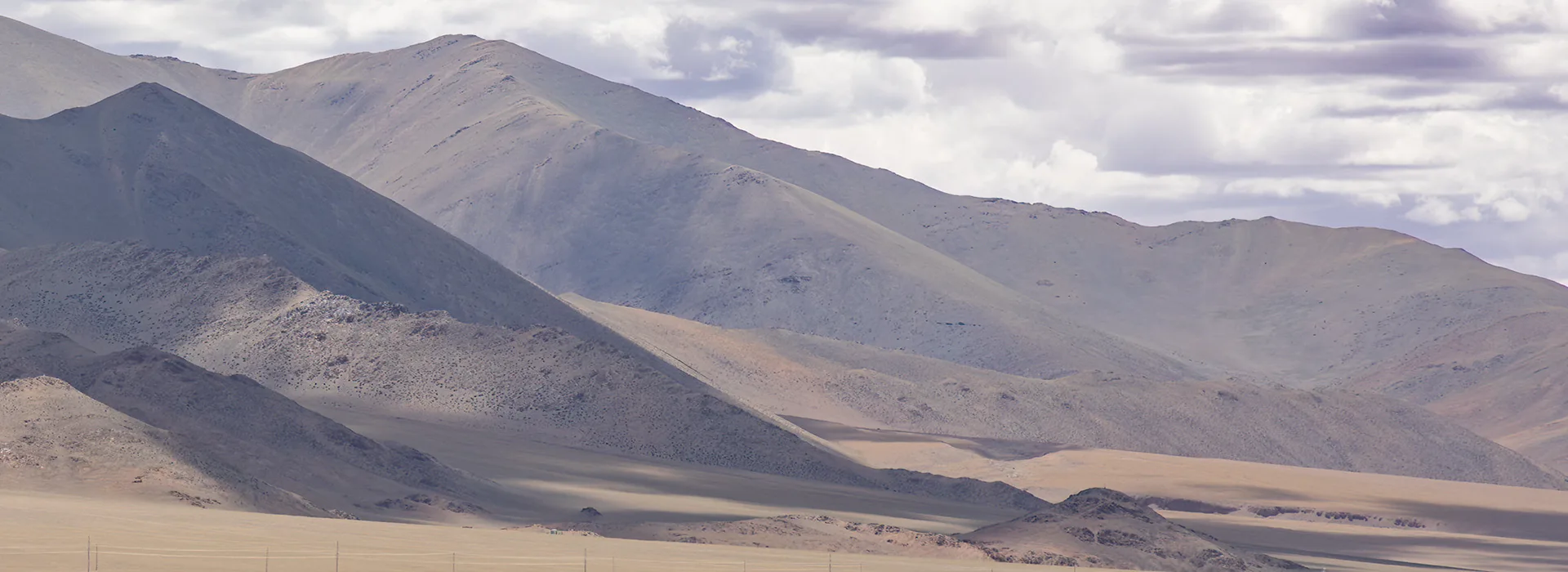

Tibet Weather patterns define every aspect of a trip to the roof of the world. High altitude creates a climate unlike any other on Earth. Most regions sit above 4,000 meters. This height means the air stays thin and dry. Sunlight feels intense because fewer air molecules block the rays. Temperatures change fast when the sun goes down. A single day often feels like four seasons.
Planning a trip requires a deep understanding of these shifts. Choosing the right month helps travelers avoid road closures or heavy rain. It also provides clear views of famous peaks, such as Mount Everest. This guide explains Tibet Weather in detail to help with preparation.
Core Features of the Plateau Climate
Tibet Weather remains dry for most of the year. The massive Himalayan range acts as a wall. It blocks humid air from the Indian Ocean. This creates a rain shadow over the plateau. Eastern parts like Nyingchi receive more moisture. Western areas like Ngari stay like a high-altitude desert.
Low air pressure prevents the atmosphere from holding heat. When the sun shines, the ground warms up quickly. Once the sun sets, heat escapes back into space immediately. Night temperatures often drop below freezing even in summer. Strong winds frequently sweep across the open plains. These winds make the air feel much colder than the actual temperature.
Oxygen levels also change with the seasons. Summer air contains more oxygen because plants grow and release it. Winter air feels thinner and drier. Understanding these factors helps travelers manage altitude sickness. Proper hydration and slow movement remain essential year-round.
Tibet’s high plateau climate shapes every travel experience. This table explains key environmental features such as altitude, UV radiation, dry air, wind, and sunlight, along with their direct impact on travelers in Tibet.
| Feature | Description | Impact on Travelers |
|---|---|---|
| Altitude | Average elevation above 4,500 m | Low oxygen levels and thinner air |
| Radiation | High UV exposure | Fast sunburn and eye strain |
| Humidity | Low humidity with very dry air | Dry skin, cracked lips, and dry nose |
| Wind | Strong gusts, especially in open areas | Higher wind chill and colder conditions |
| Sunlight | More than 3,000 sunshine hours a year in Lhasa | Warm days but cold shade and quick temperature shifts |
Regional Variations in Tibet Weather
The plateau exists as a vast space. The weather varies by region, depending on elevation and location.
Lhasa and Central Tibet
Lhasa sits in a river valley at an elevation of 3,650 meters. It enjoys a milder climate than the surrounding plains. The mountains protect it from strong winds. It receives plenty of sunshine year-round. Summer rain falls mostly at night. Winter days feel warm in the sun.
Shigatse and the Friendship Highway
Shigatse stays slightly higher and cooler than Lhasa. The terrain looks more open. Winds feel stronger here. It serves as the gateway to Everest. The weather follows the central pattern but with more extreme shifts.
Nyingchi and Eastern Tibet
Nyingchi feels like the Swiss Alps of Tibet. It sits at 3,000 meters. The climate remains humid and temperate. It has lush forests and rushing rivers. It sees the most rain and the least extreme cold. This region helps travelers who worry about altitude sickness.
Ngari and Western Tibet
Ngari remains high and desolate. Most areas sit above 4,500 meters. Tibetan weather is harsh and unpredictable here. Summer stays short, and winter lasts long. Even in August, nights can freeze. It serves as the home of Mount Kailash.
Nagqu and Northern Tibet
Nagqu has the coldest climate. It consists of vast high-altitude grasslands. No trees grow here. Snow falls even in summer. The wind never stops. This region shows the power of nomadic culture.
January: The Peak of Winter Chill
January brings the coldest temperatures to the plateau. Most regions experience deep freezes at night. Lhasa remains surprisingly sunny during the day. Sunlight provides natural warmth, making sightseeing more comfortable. Crowds stay small during this month.
Winter temperatures in Tibet vary widely by region and altitude. This table compares average high and low temperatures in Lhasa, Shigatse, Nyingchi, Everest Base Camp, and Ngari to help travelers prepare for cold-weather travel in Tibet.
| Region | Average High (°C) | Average Low (°C) |
|---|---|---|
| Lhasa | 7 | -10 |
| Shigatse | 7 | -12 |
| Nyingchi | 8 | -5 |
| Everest Base Camp | 4 | -17 |
| Ngari | -1 | -16 |
Lhasa offers a peaceful atmosphere in January. Pilgrims from all over the region arrive in the city. They visit the Jokhang Temple and the Potala Palace. The “Sunshine City” lives up to its name with bright blue skies. Travelers enjoy lower prices for hotels and tours.
Remote areas like Ngari and Nagqu face harsh conditions. Heavy snow often blocks high mountain passes. Travel to Lake Namtso remains difficult because the water freezes solid. Mount Everest stays visible due to clear winter skies. However, the wind at Everest Base Camp feels brutal. Thick down jackets and thermal layers remain mandatory for anyone visiting in January.
The winter air feels extremely dry. Travelers often experience nasal dryness. Some people put vaseline in their nostrils to stay comfortable. Wearing a mask helps trap moisture from breath. Cold air makes batteries die fast. Keep your phone and camera inside your jacket.
February: Cold Winds and Festivals
February continues the winter chill. Strong winds often pick up during this month. These cold gusts are known as “chilha” in Lhasa. The weather remains dry with very little snow in the valleys. High mountains still hold thick ice.
Tibet’s late winter and early spring temperatures vary by region and elevation. This table compares average high and low temperatures in Lhasa, Shigatse, Nyingchi, Everest Base Camp, and Ngari to help travelers prepare for seasonal conditions in Tibet.
| Region | Average High (°C) | Average Low (°C) |
|---|---|---|
| Lhasa | 9 | -7 |
| Shigatse | 9 | -9 |
| Nyingchi | 10 | -3 |
| Everest Base Camp | 4 | -15 |
| Ngari | -2 | -16 |
The Tibetan New Year, or Losar, often falls in February. This festival brings vibrant cultural displays to the cities. Locals wear traditional clothes and perform ancient dances. Monasteries hold special ceremonies to welcome the new year.
Travelers must check the permit status for February. Authorities sometimes pause permit processing during this period. Those who visit find a deeply spiritual environment. Clear air provides excellent visibility for photography. The sun feels strong, but the shade stays freezing. Wearing a hat and gloves prevents heat loss in the wind.
Winter trekking remains possible near Lhasa. Ganden Monastery offers beautiful views in the snow. High altitude treks stay closed. Most mountain passes see heavy snowfall. Roads to western Tibet remain risky.
March: The Arrival of Spring
March marks the transition to warmer weather. Ice begins to melt in lower valleys. Nyingchi becomes the star attraction this month. Thousands of peach trees start to bloom. Pink flowers contrast against snow-capped peaks.
Spring temperatures in Tibet vary by region, altitude, and landscape. This table compares average high and low temperatures in Lhasa, Shigatse, Nyingchi, Everest Base Camp, and Ngari to help travelers plan clothing, route choice, and overall travel comfort.
| Region | Average High (°C) | Average Low (°C) |
|---|---|---|
| Lhasa | 12 | -3 |
| Shigatse | 12 | -5 |
| Nyingchi | 13 | 0 |
| Everest Base Camp | 7 | -12 |
| Ngari | 2 | -13 |
Tibet Weather in March stays unpredictable. Snow showers might occur even as flowers bloom. The Nyingchi Peach Blossom Festival starts in late March. It celebrates the end of winter. This region sits at a lower altitude, making it easier to breathe.
Most of the plateau remains brown and dry in March. Grasslands have not turned green yet. High passes still have snow. Lake Namtso might begin to thaw, creating beautiful ice patterns. Travelers should pack for both winter and spring conditions. Layers allow for quick adjustments as the sun moves. Strong winds continue across the plains. Sandstorms can happen in early spring. Protect your skin with a heavy moisturizer. Use a buff or scarf to block the dust.
April: Clear Skies and Thawing Lakes
April is one of the best months to visit. Temperatures rise to comfortable levels during the day. The dry season continues, ensuring high visibility. This month offers some of the clearest views of Mount Everest.
Late spring temperatures in Tibet vary by region and altitude. This table compares average high and low temperatures in Lhasa, Shigatse, Nyingchi, Everest Base Camp, and Ngari to help travelers plan clothing, comfort, and route choices.
| Region | Average High (°C) | Average Low (°C) |
|---|---|---|
| Lhasa | 16 | 1 |
| Shigatse | 16 | 1 |
| Nyingchi | 17 | 3 |
| Everest Base Camp | 10 | -5 |
| Ngari | 8 | -7 |
Lake Namtso fully thaws in April. The water appears deep blue under the spring sun. Tourism is increasing as more routes become accessible. Roads to western Tibet open up for travelers.
Wind remains a factor on the high plains. Dust storms can occur in dry areas. Travelers need sunglasses and face masks for protection. April offers a balance of good weather and moderate prices. It stays less crowded than the summer months.
The trekking season begins in the lower-elevation areas around Lhasa. Mount Everest stays clear during the day. This month is a favorite for photographers. The light feels just right for capturing the high peaks. Warm clothes remain necessary for the evenings.
May: The Best Time for Trekking
May brings pleasant weather across the entire plateau. Flowers bloom in the meadows. Grasslands start to show hints of green. Oxygen levels increase as vegetation awakens. This month is a favorite for outdoor enthusiasts.
Early summer temperatures in Tibet vary by region, elevation, and landscape. This table compares average high and low temperatures in Lhasa, Shigatse, Nyingchi, Everest Base Camp, and Ngari to help travelers prepare for weather conditions across Tibet.
| Region | Average High (°C) | Average Low (°C) |
|---|---|---|
| Lhasa | 20 | 5 |
| Shigatse | 20 | 5 |
| Nyingchi | 19 | 6 |
| Everest Base Camp | 13 | -5 |
| Ngari | 13 | -2 |
Tibet Weather in May stays mostly dry. This makes it ideal for the Mount Kailash kora. Pilgrims and tourists begin the trek around the holy mountain. The Saga Dawa Festival is often held in May. It honors the life of Buddha. Thousands of people gather at Mount Kailash for ceremonies.
Mount Everest remains clear before the summer clouds arrive. Mountaineers use the May window to climb the peak. Visibility stays excellent for landscape photography. Days feel warm, while nights remain cool. A light jacket works well for daytime sightseeing. Warm gear is still needed for overnight stays at high altitudes. Shannan becomes vibrant with green forests in May. The Yarlung Tsangpo River looks beautiful. It is one of the best months for camping.
June: Warm Days and Lush Scenery
June enters the early summer phase. Temperatures are highest in the valleys. The landscape turns vibrant green. Rain remains scarce during the first half of the month.
Mid-summer temperatures in Tibet vary by region, altitude, and monsoon influence. This table compares average high and low temperatures in Lhasa, Shigatse, Nyingchi, Everest Base Camp, and Ngari to help travelers plan clothing, comfort, and route choices.
| Region | Average High (°C) | Average Low (°C) |
|---|---|---|
| Lhasa | 23 | 9 |
| Shigatse | 24 | 10 |
| Nyingchi | 21 | 10 |
| Everest Base Camp | 15 | 1 |
| Ngari | 19 | 5 |
Summer brings more oxygen to the air. This helps many travelers feel better. June is a great time for the Lhasa-Kathmandu overland trip. The Friendship Highway offers stunning views of lakes and glaciers.
Short rain showers might start in late June. These usually fall at night or in the evening. The rain keeps the dust down and freshens the air. June is popular, so booking in advance is wise. Daytime is perfect for T-shirts in Lhasa. Always carry a sweater for the sudden evening temperature drop. The Linka Festival happens in June. People gather in tents for picnics. They eat, drink, and dance. The whole city feels joyful.
July: The Heart of the Monsoon
July is the warmest month on the plateau. It also brings the most rainfall. However, the rain shadow effect keeps it manageable. Rain often falls in short bursts during the night. The days stay mostly sunny or partly cloudy.
Peak summer temperatures in Tibet vary by region, elevation, and local weather patterns. This table compares average high and low temperatures in Lhasa, Shigatse, Nyingchi, Everest Base Camp, and Ngari to help travelers prepare for summer travel conditions in Tibet.
| Region | Average High (°C) | Average Low (°C) |
|---|---|---|
| Lhasa | 24 | 10 |
| Shigatse | 23 | 11 |
| Nyingchi | 22 | 12 |
| Everest Base Camp | 16 | 8 |
| Ngari | 22 | 10 |
The landscape looks its best in July. Wildflowers cover the alpine meadows. Rapeseed flowers bloom in golden fields near Shigatse. Namtso Lake glows in a brilliant turquoise. Tibet Weather in July can affect mountain views. Clouds often hide the summit of Mount Everest. Travelers might wait for days without seeing the peak. Landslides can occur on roads in the east due to rain.
Despite the moisture, the oxygen content makes it comfortable for seniors. Festivals like the Shoton Festival begin, featuring yogurt banquets and opera. The air feels humid compared to other months. This helps prevent skin dryness. UV radiation stays very high. Wear a hat and use sunscreen even on cloudy days.
August: Festivals and Green Grasslands
August mirrors July with warm temperatures and occasional rain. It marks the peak of the travel season. Domestic tourists arrive in large numbers. The air feels moist and relatively easy to breathe.
Temperatures in Tibet can change quickly from one region to another because of altitude and terrain. This table compares average high and low temperatures in Lhasa, Shigatse, Nyingchi, Everest Base Camp, and Ngari to help travelers plan clothing, comfort, and route choices.
| Region | Average High (°C) | Average Low (°C) |
|---|---|---|
| Lhasa | 21 | 9 |
| Shigatse | 22 | 10 |
| Nyingchi | 22 | 11 |
| Everest Base Camp | 16 | 6 |
| Ngari | 22 | 9 |
Nagqu hosts the Horse Racing Festival in August. Nomads gather to show their skills. It serves as a colorful event with tents, music, and competitions. The grasslands are at their lushest during this time.
Clouds still linger around the high peaks. If seeing Everest is the main goal, August is risky. Rain gear is essential for trekking. A waterproof jacket and sturdy boots handle the muddy trails. August is busy, so expect higher service prices. The vibrant culture and green hills make up for the crowds. August stays warm during the day. Nights remain cool but not freezing. Grasslands look like green velvet. Lakes appear at their most magnificent.
September: The Golden Transition
September is many people’s favorite month. The monsoon ends, and the skies clear up. Temperatures remain mild. The landscape begins to change from green to gold.
Regional temperatures in Tibet vary with altitude, terrain, and season. This table compares average high and low temperatures in Lhasa, Shigatse, Nyingchi, Everest Base Camp, and Ngari to help travelers prepare for changing weather conditions across Tibet.
| Region | Average High (°C) | Average Low (°C) |
|---|---|---|
| Lhasa | 20 | 7 |
| Shigatse | 21 | 7 |
| Nyingchi | 20 | 9 |
| Everest Base Camp | 17 | 2 |
| Ngari | 17 | 3 |
Tibet Weather in September provides stability. Clear skies return, offering great views of the Himalayas. It is a prime month for the Mount Kailash trek. The paths are dry, and the air is fresh.
Photographers love the light in September. The sun sits lower, creating deep shadows and rich colors.
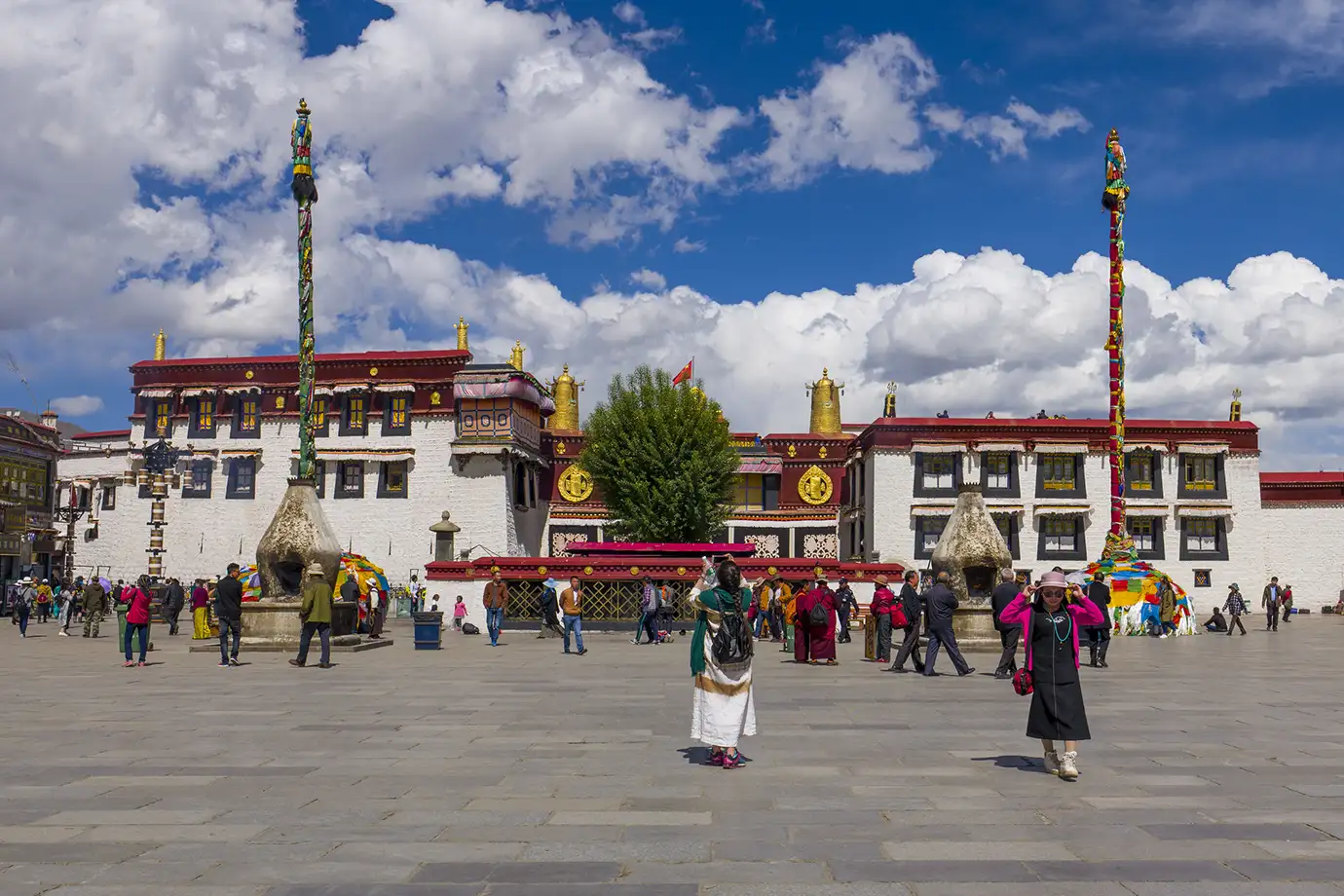
Harvest season starts in the valleys. Farmers gather barley, and the air smells of fresh grain. Crowds begin to thin out after the summer rush. This month offers a perfect mix of comfort and beauty. September nights can still bring some rain. The air stays relatively high in oxygen. It serves as one of the best months for camping.
October: Autumn Colors and Crisp Air
October brings the true autumn experience. The air turns crisp and dry. Skies stay deep blue for days on end. This is arguably the best time for high-altitude sightseeing.
Autumn temperatures in Tibet vary by region, altitude, and local climate. This table compares average high and low temperatures in Lhasa, Shigatse, Nyingchi, Everest Base Camp, and Ngari to help travelers prepare for cooler conditions across Tibet.
| Region | Average High (°C) | Average Low (°C) |
|---|---|---|
| Lhasa | 16 | 2 |
| Shigatse | 16 | 0 |
| Nyingchi | 18 | 3 |
| Everest Base Camp | 12 | -7 |
| Ngari | 10 | -6 |
Visibility reaches its peak in October. Mount Everest stands out against the clear sky almost every day. The golden grasslands and yellow poplar trees create a stunning backdrop. Night temperatures start to drop below freezing again. Travelers need to pack warmer clothes. A down jacket is necessary for evenings. Avoid the first week of October if possible.
The Chinese National Day holiday brings huge crowds to major sites. After the first week, the plateau becomes quiet and peaceful once more. Harvest festivals take place in October. The Bathing Festival and the Ongkor Festival are happening this month. Locals wash in the rivers to stay healthy.
November: First Frost and Crystal Skies
November marks the return of winter conditions. The air becomes very dry. Most of the vegetation turns brown and goes dormant. Tourists become rare, leaving the monasteries to the locals and pilgrims.
Cold-season temperatures in Tibet vary widely by region and altitude. This table compares average high and low temperatures in Lhasa, Shigatse, Nyingchi, Everest Base Camp, and Ngari to help travelers prepare for colder weather and changing travel conditions.
| Region | Average High (°C) | Average Low (°C) |
|---|---|---|
| Lhasa | 12 | -5 |
| Shigatse | 12 | -8 |
| Nyingchi | 14 | -3 |
| Everest Base Camp | 7 | -12 |
| Ngari | 4 | -13 |
Tibet Weather in November helps budget travelers. Flight and hotel prices drop significantly. The sun remains strong, making daytime walks pleasant. Mount Everest is almost guaranteed to be visible. Higher passes might see the first heavy snows. Routes to Mount Kailash or Lake Namtso can become risky.
Wind picks up in the western regions. Travelers should use a heavy-duty moisturizer and lip balm. The dry air can cause skin to crack quickly. Thermal underwear becomes a daily necessity. Visibility stays high in November. Nyingchi looks golden this month. The air feels sharp and clear.
December: Blue Ice and Winter Pilgrimages
December is cold but beautiful. It offers a unique look at the plateau. Low-altitude lakes begin to freeze. The blue ice on the lakes creates a magical scene.
Winter temperatures in Tibet can drop sharply, especially in higher regions. This table compares average high and low temperatures in Lhasa, Shigatse, Nyingchi, Everest Base Camp, and Ngari to help travelers prepare for harsh winter conditions in Tibet.
| Region | Average High (°C) | Average Low (°C) |
|---|---|---|
| Lhasa | 8 | -10 |
| Shigatse | 9 | -12 |
| Nyingchi | 11 | -7 |
| Everest Base Camp | 4 | -15 |
| Ngari | 0 | -17 |
Lhasa stays sunny and dry. The city feels authentic without the summer crowds. Pilgrims perform their circuits around the monasteries. Sunlight reflecting off the Potala Palace looks magnificent.
Western Tibet remains mostly off-limits due to extreme cold. Everest Base Camp is accessible but freezing. Visitors must stay in heated guesthouses. The “flag cloud” over Everest is a common sight in December. It looks like a white flag flying from the summit. This month serves people who enjoy solitude and winter scenery. Ice caves appear in the winter months. Blue ice wonders attract photographers. Keep your gear warm to prevent failure.
Best Seasons for Specific Activities
The best time to visit depends on what a traveler wants to do.
Watching Mount Everest
Clear skies are vital for seeing the world’s highest peak. April and May offer the best chance before the monsoon. September and October provide another excellent window. Winter months like November and December are also clear but very cold. Avoid July and August if the summit view is a priority.
Trekking and Camping
May, June, and September are the best months for trekking. The weather stays stable, and the ground is dry. Summer trekking is possible, but expect rain and mud. July and August are great for seeing alpine flowers. October is good for those who can handle cold nights.
Mount Kailash Kora
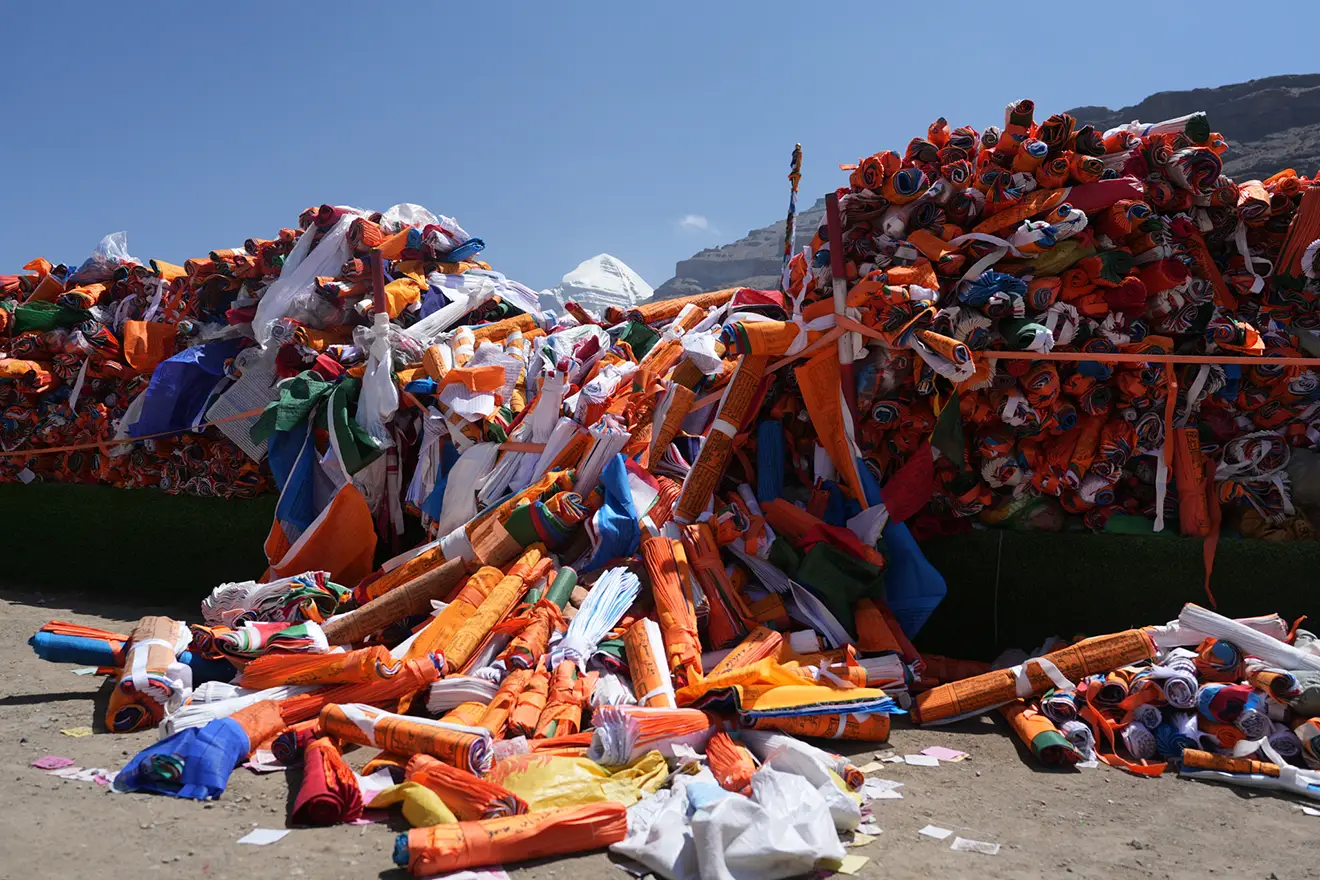
The best time for the Kailash trek is from mid-May to early October. You avoid the heavy snows of early spring and late autumn. Saga Dawa in May or June remains the most spiritual time. September is many travelers’ favorite month for its blue skies.
Train Trip to Lhasa
The best time to take the Tibet train is from July to October. You see the green grasslands and herds of animals. The windows offer views of snow-capped mountains and blue lakes. The train stays pressurized to help with the altitude.
Packing Guide for Tibet Weather
Packing correctly ensures comfort on the plateau. The key is using a layering system.
Clothing Essentials
- Thermal Base Layers: Wicking materials keep skin dry and warm.
- Fleece Jackets: These provide insulation under an outer shell.
- Down Jacket: High-quality down is essential for nights and high altitudes.
- Windproof Jacket: A waterproof and windproof layer protects against gusts.
- Hiking Pants: Choose quick-dry and breathable fabrics.
- Hat and Gloves: Insulated hats and gloves prevent heat loss.
- Sturdy Boots: Waterproof hiking boots with good tracking are necessary.
Health and Skin Care
- Sunscreen (SPF 50+): UV levels are several times stronger than at sea level.
- Lip Balm: Protect lips from cracking in the dry wind.
- Sunglasses: UV-protective lenses prevent snow blindness.
- Moisturizer: Apply frequently to prevent skin from stripping.
- Water Bottle: Drink at least 3 liters of water daily.
Electronics
- Power Bank: Cold air drains batteries rapidly.
- Flashlight: Remote guesthouses often have power cuts.
- Adapter: Carry a universal plug for different socket types.
Skincare and Hydration at High Altitude
The thin atmosphere offers less protection from UV rays. Moisture leaves the skin quickly.
Protecting Your Skin
Use a rich moisturizer or balm. Look for ingredients like shea butter or ceramides. Avoid harsh cleansers that strip natural oils. Apply sunscreen 15 minutes before going outside. Reapply every two hours if you are active.
Internal Hydration
Drink plenty of water even if you do not feel thirsty. Aim for 50-60 oz of water daily. Avoid very hot showers as they dry out the skin. Using a humidifier in your room can help at night.
Tibet’s high altitude, strong sun, and dry air can quickly affect your skin and hydration. This table highlights useful travel care products, their recommended features, and their purpose to help travelers stay protected and comfortable in Tibet.
| Product | Recommended Feature | Purpose |
|---|---|---|
| Sunscreen | SPF 30+ / Mineral | UV protection |
| Moisturizer | Hyaluronic acid / Lipids | Lock in moisture |
| Lip Balm | Contains SPF | Prevent cracking |
| Water Bottle | 1 Liter+ | Stay hydrated |
Managing Altitude Sickness
Tibet Weather can make altitude symptoms feel worse. Cold and wind put stress on the body.
Rules for Success
- Fly to Nyingchi: Start at a lower altitude to adjust.
- Rest in Lhasa: Do not bathe for the first three days.
- Drink hot water: It helps internal organs adapt.
- Avoid alcohol: It increases the risk of sickness.
- Eat light: Your body needs energy for acclimatization.
Symptoms like headache and dizziness are common. They usually go away in 48 hours. If they get worse, tell your guide immediately.
Logistics and Travel Disruptions
Weather affects more than just comfort. It can change your itinerary.
Road and Border Status
The Kyirong border is open for travelers. Roads on the Nepal side can be muddy and bumpy. Landslides often happen in July and August. The Friendship Highway remains in good condition year-round.
Flight and Train Delays
Heavy rain or fog can postpone flights. Snowstorms in Beijing or Chengdu can ground planes to Lhasa. Winter snow can sometimes block the route to Everest Base Camp. Adding a buffer day to your schedule is a smart move.
Seasonal Closures
Tibet traditionally closes for the month of March. However, in 2026, the region is expected to remain open. Permits are now being processed for international travelers. Always check the latest updates before booking your flights.
Meteorological Facts for Travelers
The Tibetan Plateau influences global weather. It acts as the “Third Pole” of the world.
The Jet Stream
The westerly jet stream splits around the plateau. Its location affects how much rain falls in central Tibet. When it moves north, more rain occurs in the west. This shift happens in July and August.
Heat Source Effect
The plateau acts as a giant heat source in summer. It draws in moist air from the oceans. This process drives the Asian monsoon system. In winter, the plateau cools, leading to sinking air over India.
Aerosols and Dust
Dust from the Taklamakan Desert can reach the plateau. Human pollution from surrounding regions also travels here. These particles can settle on snow and cause melting. Most dust events happen in spring and summer.
Final Planning Checklist
Choose your dates based on your main goal.
- For Everest: April or October.
- For Culture: August or September.
- For Budget: December or January.
- For Nature: May or June.
Tibet Weather creates a unique world every month. Respect the sun and the wind. Pack your layers and prepare for the tour of a lifetime. The roof of the world waits with clear skies and ancient traditions.