


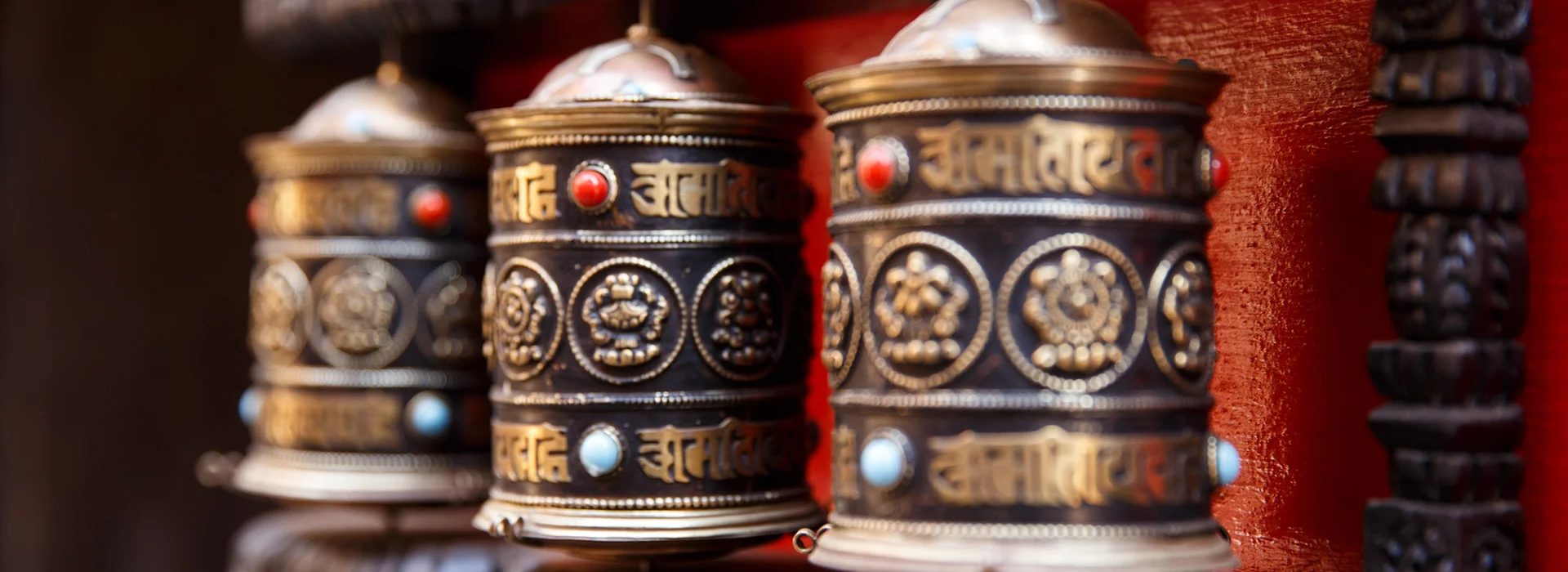

Tibetan food feels simple, warm, and filling. High altitude and cold weather shape local cooking. High-energy foods help locals survive the harsh climate. A Tibetan Food Guide helps tourists choose the right dishes for their trip. Such meals provide the warmth and comfort needed at 4,000 meters above sea level. Daily life on the plateau requires calories and protein. Most meals focus on noodles, soups, dumplings, and breads. Tea serves as a social bridge and a way to stay hydrated. Travelers often find the food less spicy than other regional styles.
| Quick Fact | Detail |
|---|---|
| Core Staples | Barley, Yak meat, Dairy, Noodles |
| Common Cooking Styles | Steaming, boiling, frying, and air-drying |
| Health Tip | Eat mild, warm foods on your first day |
| Dietary Options | Vegetarian choices exist in most towns |
A Tibetan Food Guide for tourists suggests starting slow with new flavors. Warm soups aid digestion during the first few days of a Tibet Tour. Sealed bottled water keeps travelers safe and hydrated. Small portions help the body adjust to the thinner air.
Factors That Define Tibetan Cuisine
Geography dictates what people eat in this high-altitude region. The thin air means water boils at lower temperatures, around 90 degrees Celsius. This limit changes how chefs prepare food. Steaming and boiling are the primary methods for ensuring meat and grains cook fully. Highland barley grows well in the cold soil. Locals turn this grain into flour for daily meals. Yaks provide meat, milk, and butter. These animals survive the plateau where other cattle fail.
| Unique Ingredient | Source | Purpose |
|---|---|---|
| Highland Barley | Local farms | Base for bread, noodles, and beer |
| Yak Meat | Nomadic herds | Lean protein for muscle and heat |
| Yak Butter | Dri (female yak) | High-calorie fuel for tea and dough |
| Chura (Cheese) | Yak milk | Portable protein for travel |
Traditional beliefs also influence the Tibetan Food Guide. Many locals do not eat fish because they consider them holy or respect water spirits. Most avoid small animals and stick to those with hooves. Salt and butter provide the main flavors in traditional homes.
Core Glossary for Tourists
Understanding local names helps tourists order food more easily. A Tibetan Food Guide often uses these terms.
- Tsampa: Roasted barley flour mixed with tea.
- Tingmo: Fluffy, steamed bread rolls.
- Thukpa: Hearty noodle soup with meat or vegetables.
- Momo: Savory dumplings filled with meat or greens.
- Po Cha: Salty butter tea.
- Chang: Local barley beer or wine.
These terms appear on almost every menu in Lhasa and Shigatse. Learning them makes the trip smoother for travelers.
Must-Try Tibetan Dishes
A Tibetan Food Guide for tourists features many filling options. Such dishes offer energy for long days of walking.
Momos (Tibetan Dumplings)
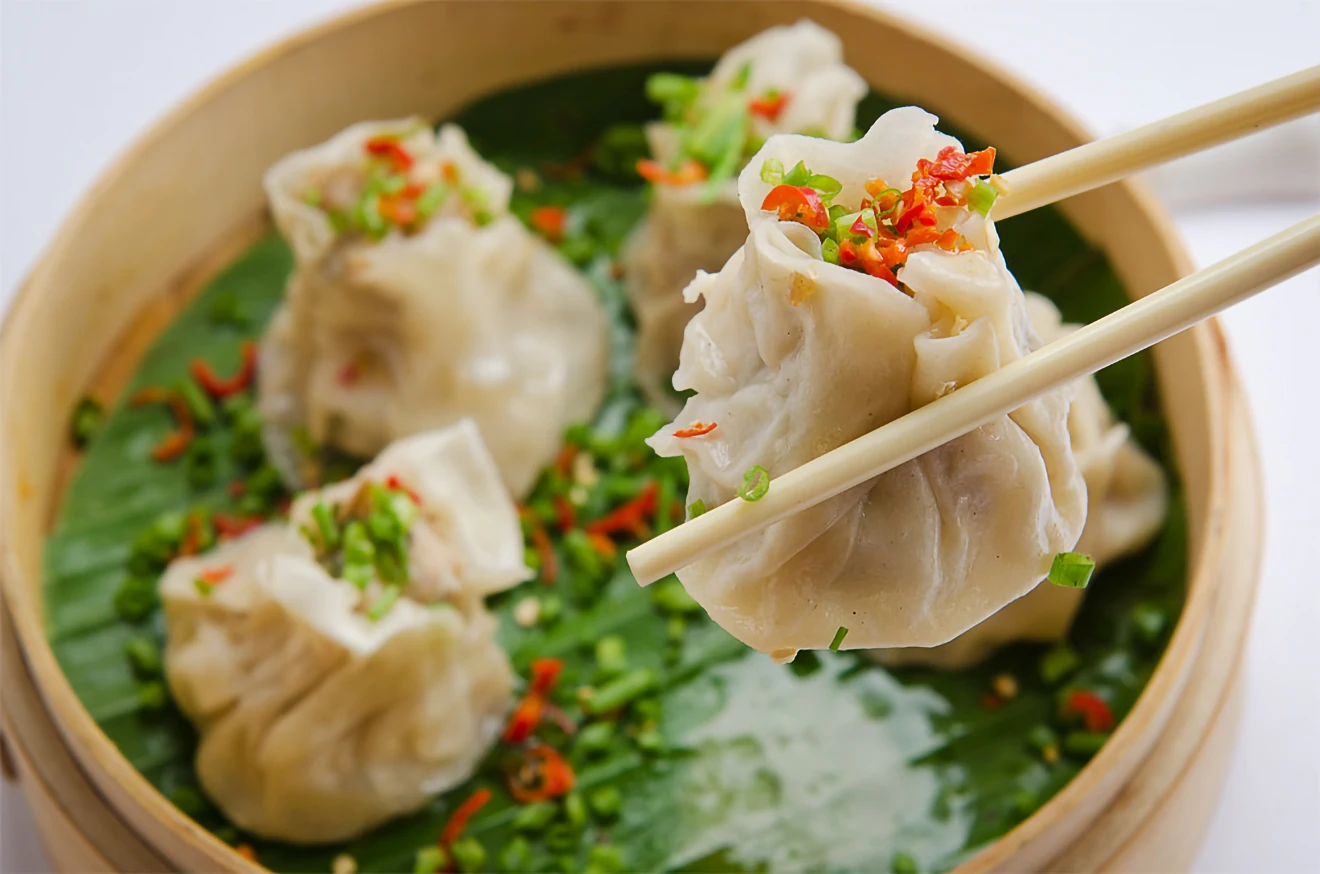
Momos remain the most popular choice for locals and visitors. Cooks steam or fry these wheat-flour dumplings. Traditional fillings include minced yak meat mixed with onion and ginger. Vegetable versions often use potato, cabbage, or mushrooms.
- Taste: Savory and juicy with a mild spice level.
- Best time: Lunch or dinner.
- Tip: Dip them in the red chili sauce for extra heat.
Thukpa (Noodle Soup)
Thukpa provides warmth on a cold afternoon. This noodle soup features hand-pulled noodles and vegetables. Slices of yak meat or chicken add protein.
- Taste: Salty, savory, and very warming.
- Best time: Dinner, especially after a long walk.
- Tip: Ask for mild broth if you prefer less pepper.
Tsampa (Roasted Barley Flour)
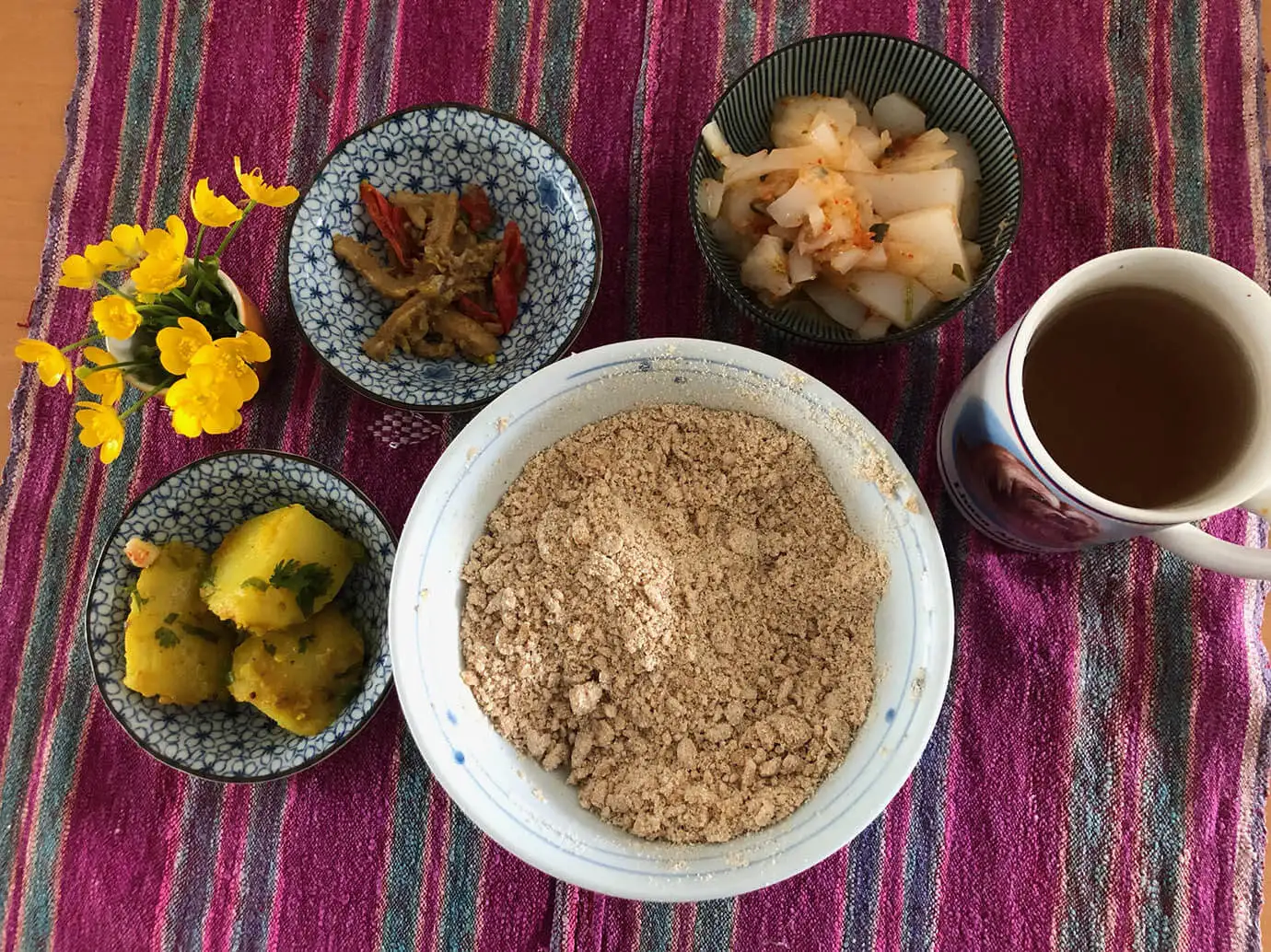
Tsampa stays at the heart of the Tibetan Food Guide. Farmers roast the barley before they grind it into flour. Locals mix it with butter tea and knead it into balls by hand. This food requires no extra cooking.
- Taste: Nutty, earthy, and slightly dry.
- Best time: Breakfast or as a travel snack.
- Tip: Try it with a little sugar for a sweet taste.
Thenthuk (Hand-Pulled Noodles)
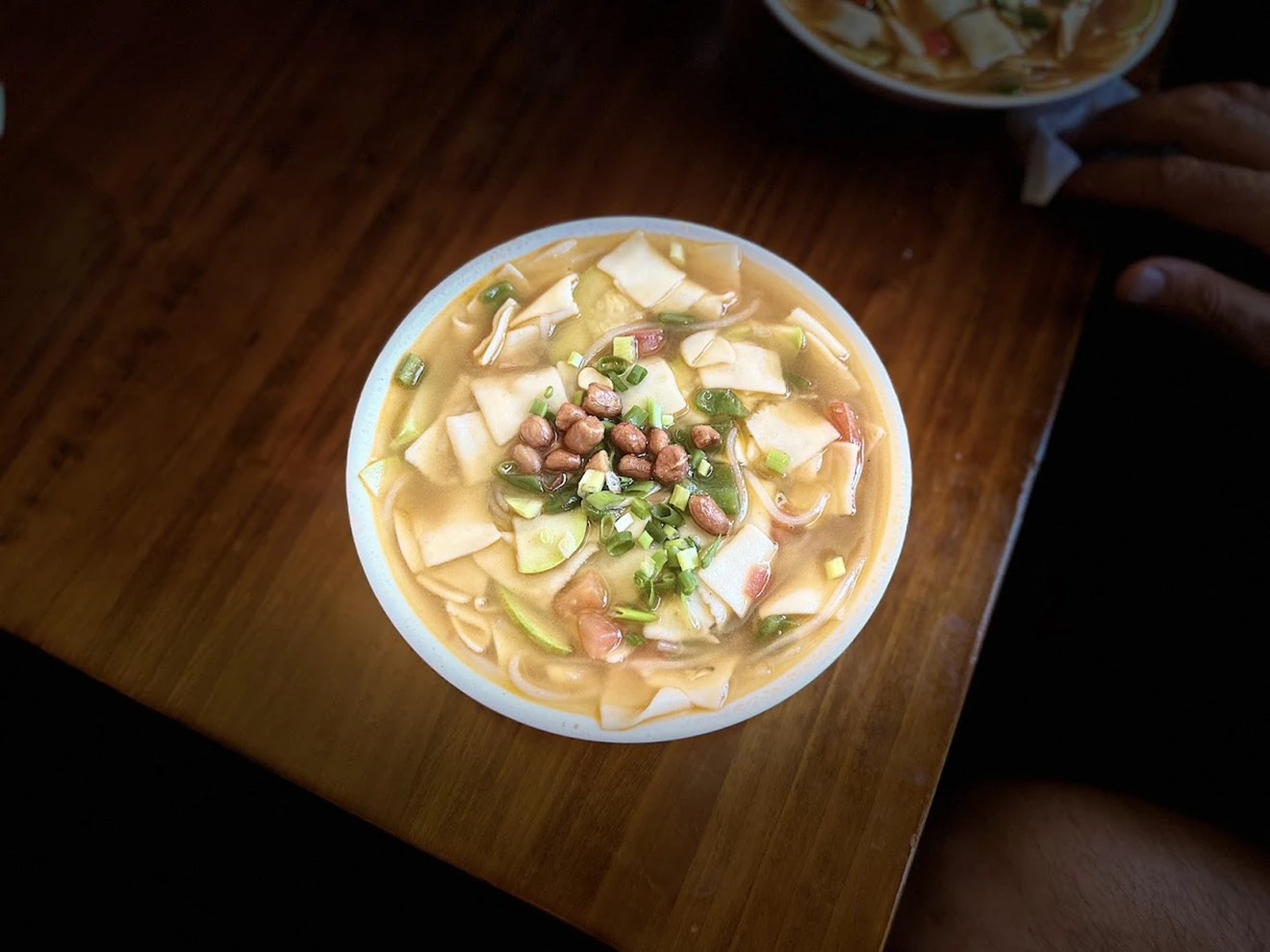
Thenthuk resembles thukpa but uses different noodles. Chefs pull the dough into small, flat squares instead of long strands. The broth feels thick and nourishing.
- Taste: Rich and chewy with garden vegetables.
- Best time: Dinner during the winter months.
- Tip: Add pickled radish for a sour crunch.
Sha Phaley (Meat Pies)
Sha Phaley translates to “meat bread”. These semi-circle pies feature a fried crust and a meat filling. People often eat them as a heavy snack or a quick lunch.
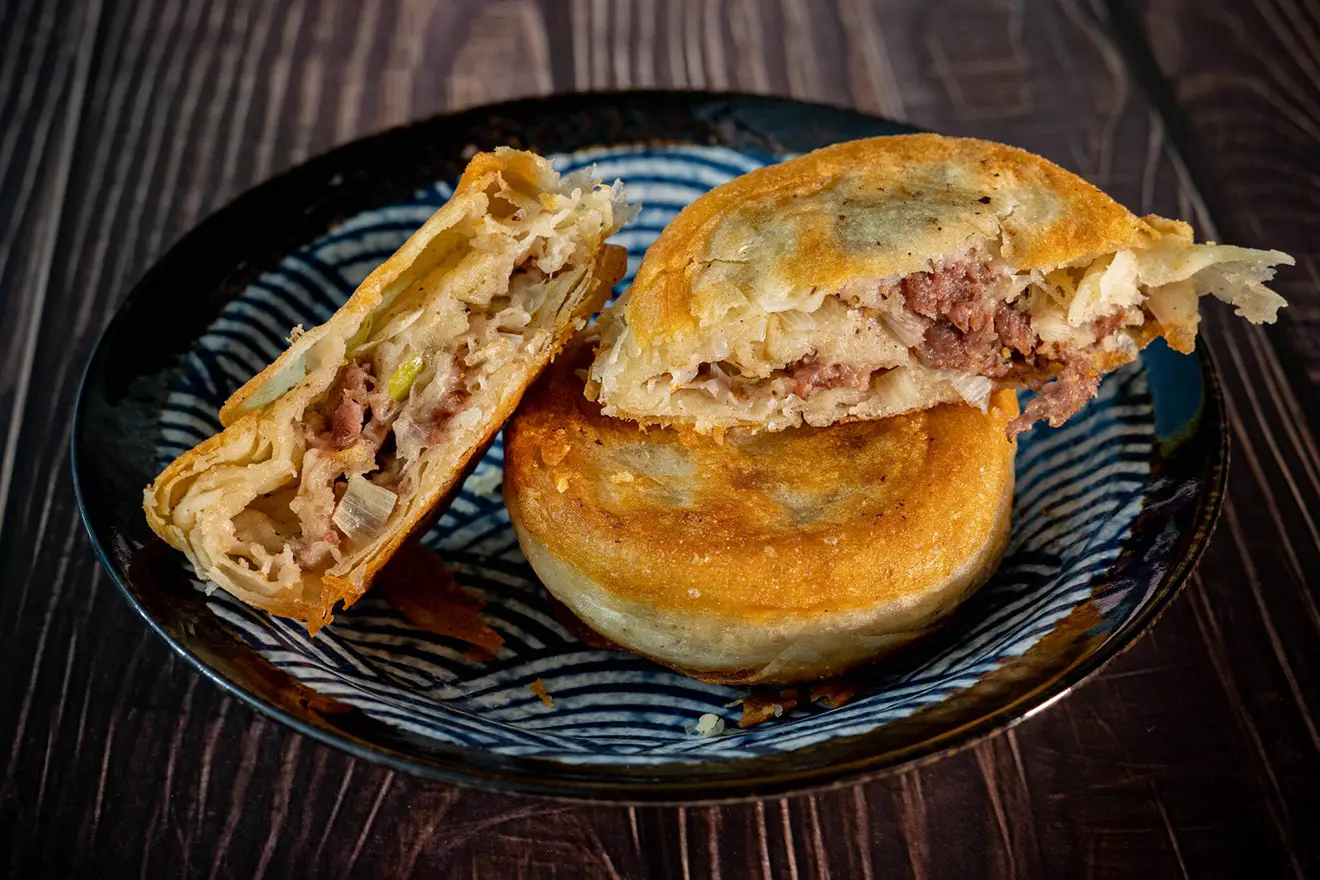
- Taste: Crispy on the outside, juicy on the inside.
- Best time: Lunch or a midday snack.
- Tip: Watch for hot juices when you take the first bite.
Tingmo (Steamed Bread)
Tingmo acts as a side dish for many meals. These soft, fluffy rolls contain no filling. They soak up the juices from stews and soups.
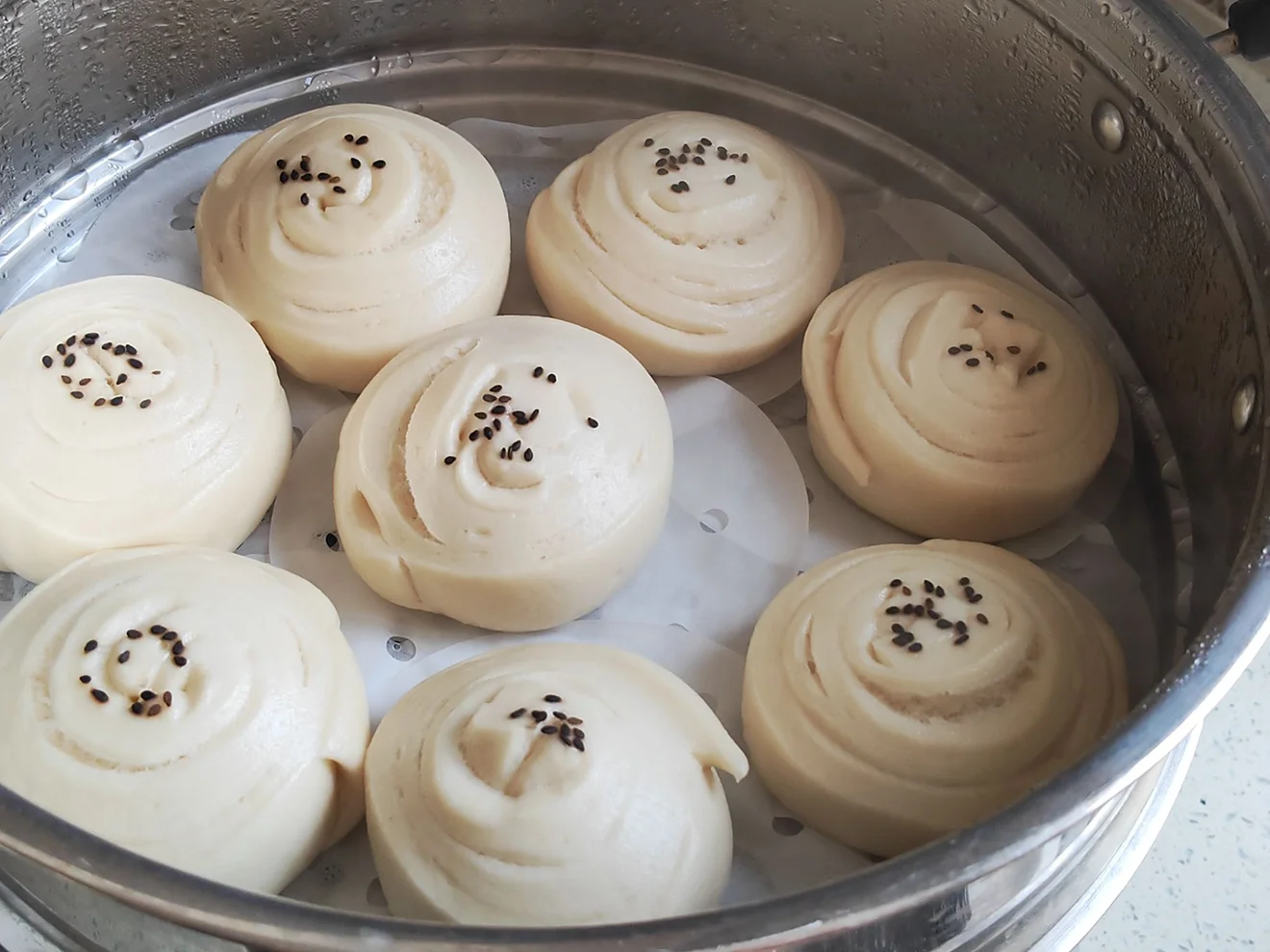
- Taste: Plain, light, and very soft.
- Best time: Breakfast with tea or dinner with stew.
- Tip: Pair them with spicy potato dishes.
Yak Meat Stew
Yak meat offers more iron than regular beef. Stews often include potatoes and simple herbs. The meat becomes very tender after long boiling.
- Taste: Sweet and rich like a hearty beef stew.
- Best time: Dinner.
- Tip: Eat this to help your blood oxygen at high altitude.
Laping (Cold Mung Bean Noodles)
Laping serves as a popular street food snack. These yellow or white noodles come in a cold, spicy sauce. They feel refreshing on a sunny afternoon in Lhasa.
- Taste: Very spicy, slippery, and cooling.
- Best time: Afternoon snack.
- Tip: Choose the “roll” version for easier eating.
Balep Korkun (Flatbread)
Balep Korkun is a round bread cooked on a skillet. It has a dense texture and works well for long trips. Some modern versions use white flour and sugar.
- Taste: Toasty and firm.
- Best time: Breakfast or lunch.
- Tip: Dip pieces of bread into butter tea.
Yak Yogurt
Local yogurt contains high butterfat levels. It tastes creamier than the yogurt found in Western stores. Many people add sugar or raisins to balance the sourness.
- Taste: Thick, mellow, and slightly tart.
- Best time: Breakfast or dessert.
- Tip: Look for yogurt during the Shoton Festival.
Dresil (Sweet Rice)
Dresil is a ceremonial dish for the New Year or weddings. It mixes rice with butter, sugar, and silverweed root (droma). Raisins and nuts add extra texture.
- Taste: Sweet, nutty, and rich.
- Best time: Special occasions or morning festivals.
- Tip: This dish represents good luck for the trip.
Gyuma (Blood Sausage)
Gyuma might look unusual to some travelers. Cooks mix yak or sheep blood with barley flour or rice. They fill the intestines with the mix and boil it.
- Taste: Intense, earthy, and salty.
- Best time: Special dinners or snacks.
- Tip: Only try this if you like strong, savory flavors.
Shogo Katsa (Spicy Potatoes)
Potatoes grow well in the local soil. Shogo Katsa features diced potatoes fried with chili and herbs. It works as a great side dish for vegetarians.
- Taste: Spicy and starchy.
- Best time: Lunch or dinner.
- Tip: Pair this with tingmo to cool the spice.
Air-Dried Yak Jerky
Nomads dry yak meat in the cold, winter wind. This process keeps the meat safe to eat for a long time. It provides a quick burst of protein during treks.
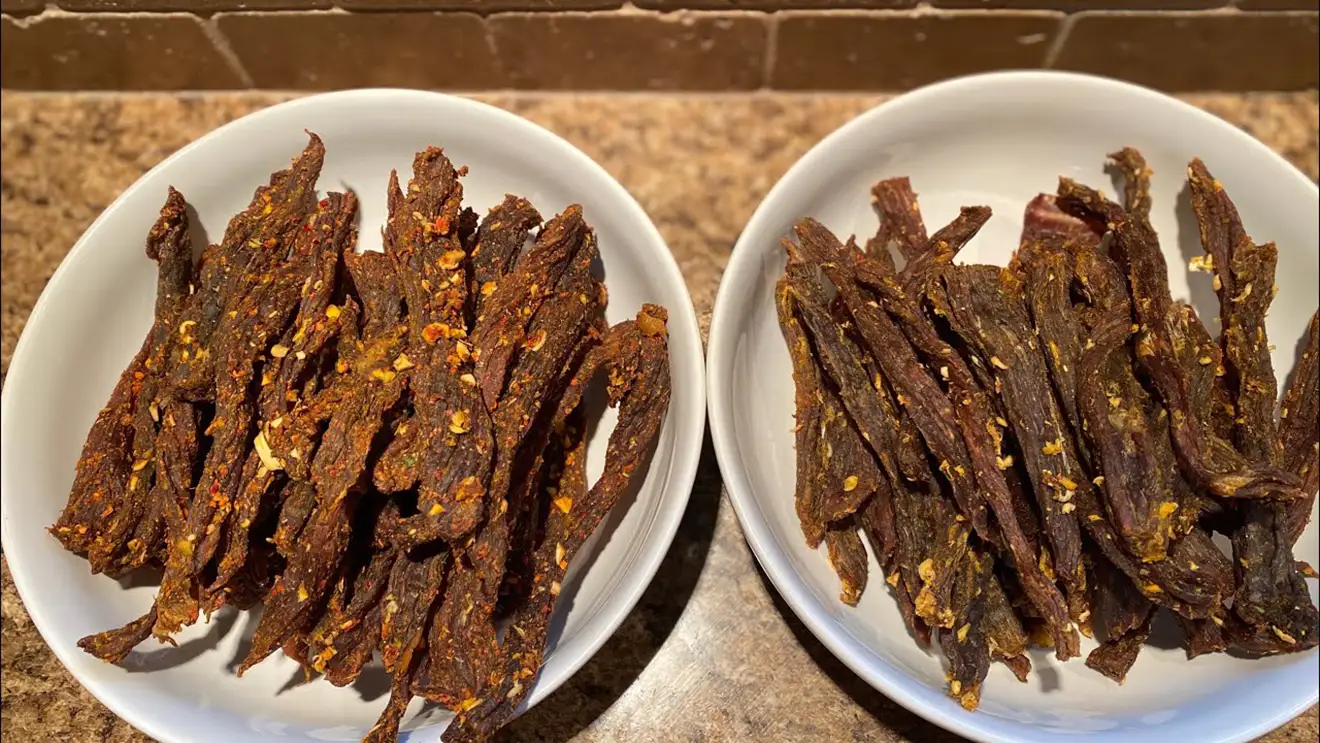
- Taste: Chewy with a deep meat flavor.
- Best time: Anytime during travel.
- Tip: Chew slowly to release the natural flavor.
Nyingchi Stone Pot Chicken
This special soup comes from the Nyingchi area. Chefs use a hand-carved stone pot to simmer chicken with rare herbs. The stone adds minerals to the broth.
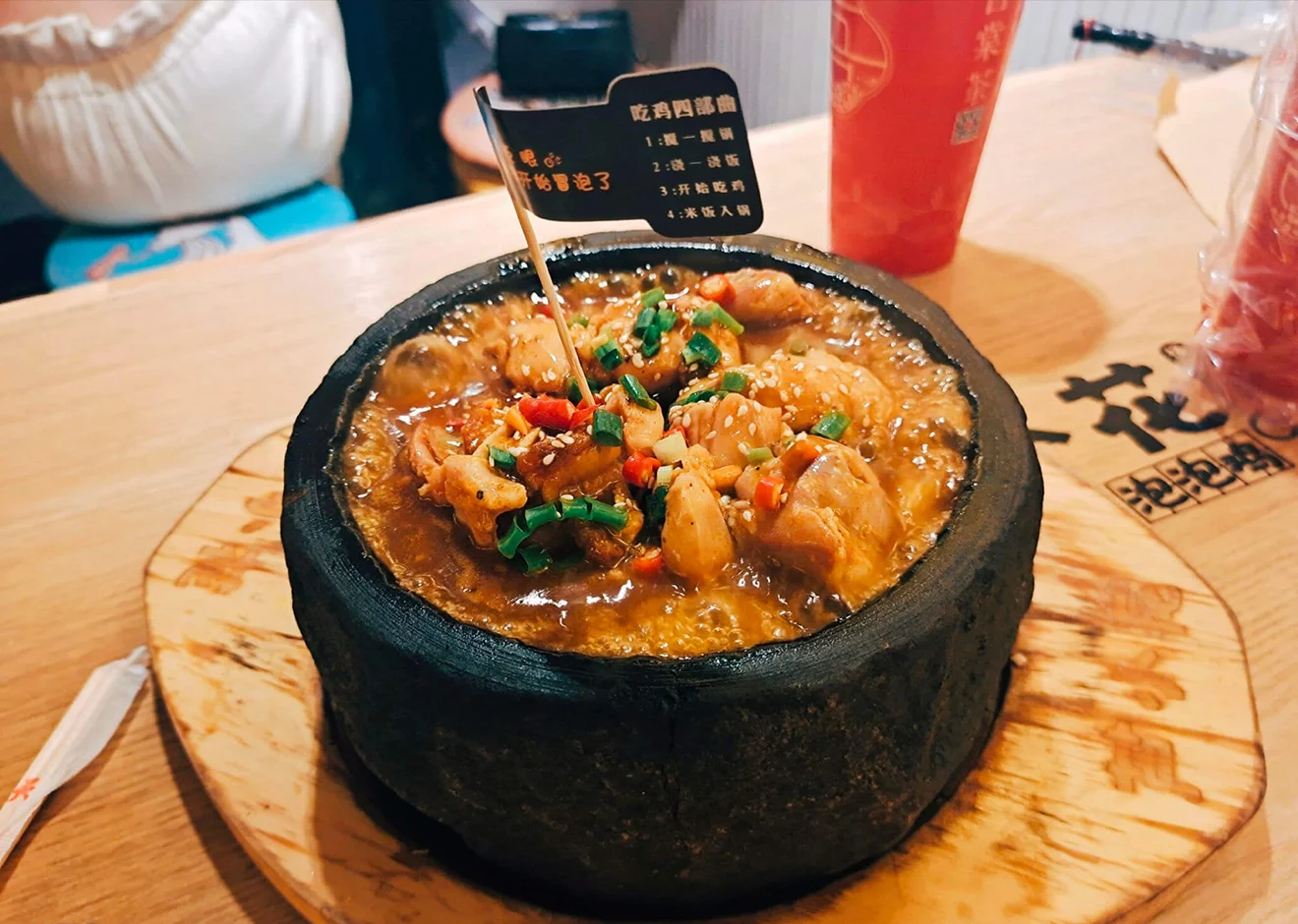
- Taste: Delicate, herbal, and very clean.
- Best time: A restorative dinner after traveling.
- Tip: Sip the broth first before you eat the chicken.
Tibetan Drinks
Hydration remains vital at high altitudes. A Tibetan Food Guide for tourists emphasizes local teas and traditional beers. These drinks help the body stay warm and energetic.
Butter Tea (Po Cha)
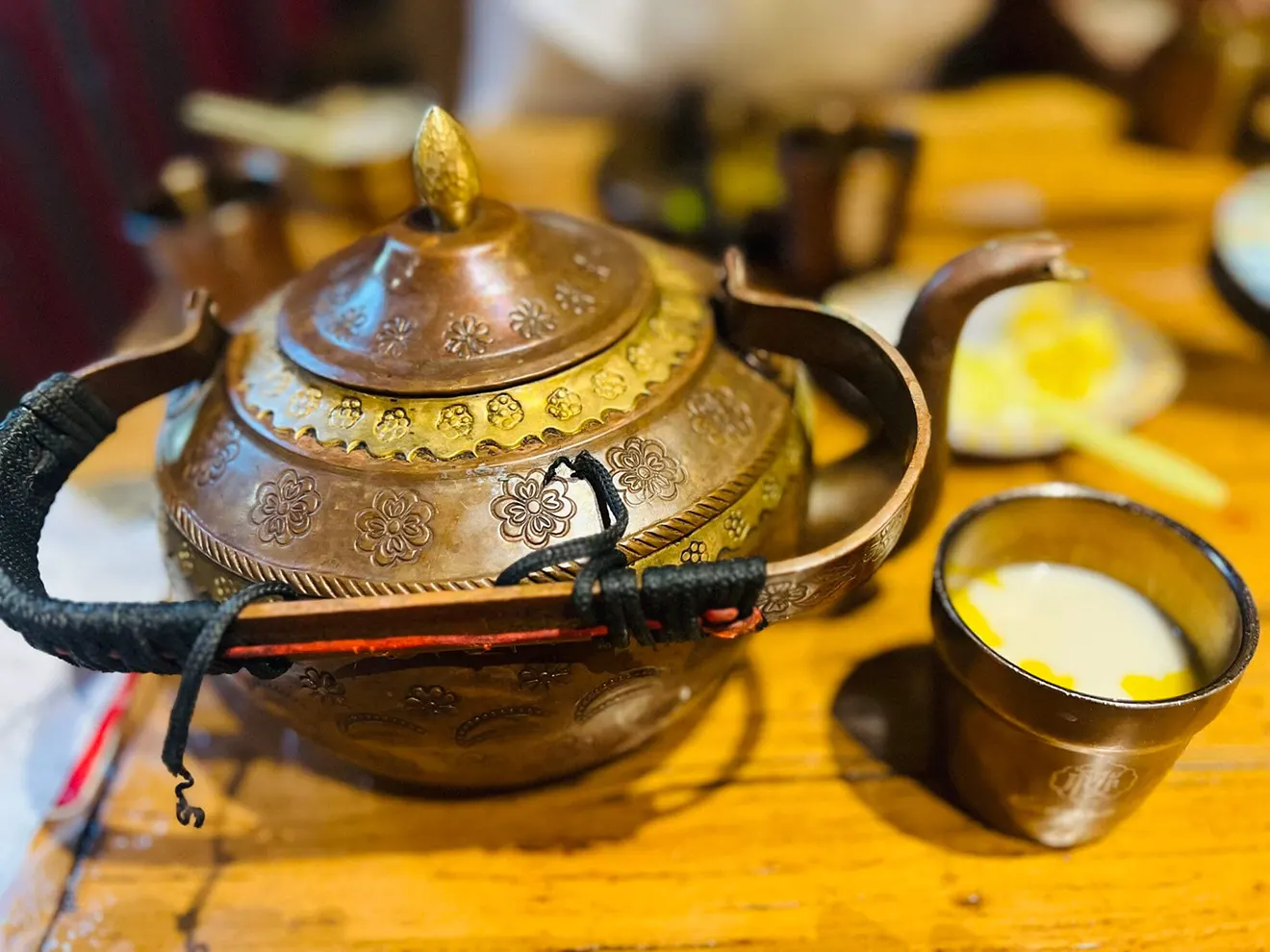
Butter tea serves as a daily necessity for locals. Tea makers churn brick tea with yak butter and salt. It provides fat and salt to help the body handle the thin air. Many travelers find the taste unexpected. It feels more like a light soup than a drink. Start with a small bowl and sip it slowly. The fat content helps prevent chapped lips in dry air.
Sweet Tea
The Tibetan Sweet tea is a favorite in Lhasa tea houses. It uses black tea, milk, and sugar. This drink arrived from India during the British era. It tastes familiar to most Western tourists. People often call it the “blood of Lhasa”. Small tea houses sell it by the pot or the cup. Sitting in a tea house with a glass of sweet tea offers a glimpse into local life.
Chang (Barley Wine)
Chang is a mildly alcoholic drink made from fermented barley. It tastes sweet and sour. Locals drink it during festivals and weddings. It acts as a gesture of hospitality when guests arrive.
| Drink | Ingredients | Function | Taste Profile |
|---|---|---|---|
| Butter Tea | Tea, Butter, Salt | Warmth, altitude help | Salty, creamy, thick |
| Sweet Tea | Tea, Milk, Sugar | Social, energy | Sweet, milky, light |
| Chang | Barley, Water | Social, festive | Tangy, slightly sweet |
| Pinju (Beer) | Barley, Hops | Refreshment | Similar to light lager |
Tibetan Food Guide by Meal Time
Planning meals helps travelers stay comfortable. A Tibetan Food Guide for tourists shows what to eat at different times of the day. This pattern ensures a steady flow of energy.
Breakfast
Mornings start early on the plateau. Most hotels offer bread, eggs, and porridge. For a local experience, head to a tea house for sweet tea and thukpa.
- Option 1: Sweet tea and flatbread (Balep).
- Option 2: Tsampa porridge with butter tea.
- Option 3: Beef noodle soup for a cold morning.
Lunch
Lunch serves as the main fuel for the day. It needs to be filling but not too heavy. Small stalls and local restaurants offer quick plates.
- Option 1: A plate of ten steamed momos with spicy sauce.
- Option 2: Fried meat pies (Sha Phaley) and a small bowl of soup.
- Option 3: Tingmo bread with a side of stir-fried vegetables.
Dinner
Evening meals focus on warmth and hydration. Most towns have an early dinner time. Light soups help the body rest better at high altitude.
- Option 1: Thenthuk (hand-pulled noodles) with yak meat.
- Option 2: Yak hotpot shared with a group.
- Option 3: Simple rice-and-vegetable bowl for easy digestion.
Dietary Needs in the Tibetan Food Guide
A Tibetan Food Guide for tourists must be practical for everyone. Different dietary needs require a few simple adjustments. Most restaurants are happy to accommodate travelers’ preferences.
Vegetarian-Friendly Options
Buddhism encourages a respect for life, but the cold climate makes meat common. However, many restaurants now offer excellent vegetarian choices. Potatoes and barley form the core of these meals.
- Vegetable Momos: Look for fillings like potato, cabbage, and tofu.
- Vegetable Thukpa: A warm soup with seasonal greens and radishes.
- Fried Rice: Ask for rice with eggs and vegetables.
- Vegetable Hotpot: A steaming pot with mushrooms, tofu, and noodles.
Spice-Sensitive Travelers
Many traditional dishes are mild. The spicy part comes from the side sauce. To stay safe, ask the waiter for “Mena Myen” (not spicy). Starting with soups helps the stomach adjust on the first day.
Dairy Sensitivity
Dairy plays a huge role in the local diet. Butter tea and yogurt appear at most meals. If travelers cannot eat dairy, they should stick to black tea or jasmine tea. Request dishes cooked in oil rather than ghee or butter.
Food Safety and Comfort Tips
A Tibetan Food Guide for tourists helps prevent stomach issues. High altitude changes how the body handles food. Following basic safety rules ensures a smooth trip.
- Start slow: Eat small, warm meals for the first 48 hours.
- Drink bottled water: Only use sealed bottles or boiled water.
- Sanitize hands: Carry hand sanitizer for roadside stops and markets.
- Avoid raw food: Stick to cooked vegetables and peeled fruits.
- Watch the oil: Greasy foods can be hard to digest at high altitude.
| Safety Item | Action | Reason |
|---|---|---|
| Water | Drink bottled or boiled water | Prevents stomach bacteria |
| Fruits | Peel them yourself | The outer skin may have germs |
| Food Temp | Eat while piping hot | Heat kills most pathogens |
| Alcohol | Avoid on Day 1-2 | Slows altitude adjustment |
Where to Find Authentic Tibetan Food
A Tibetan Food Guide highlights different places to eat. Each location offers a different experience for travelers.
Tea Houses
Tea houses are the local social centers. People sit for hours with a thermos of sweet tea. Such spots are budget-friendly and offer a very real look at daily life.
Local Restaurants
Local restaurants serve staples like momos and thukpa. These places often have shorter menus but use fresh ingredients. They are common in residential areas and near temples.
Tourist Restaurants
Major towns like Lhasa have large restaurants with English menus. They serve a mix of Tibetan, Nepalese, and Chinese dishes. These are great for travelers who want more variety.
Markets and Street Stalls
Markets offer fresh snacks and air-dried meat. Street stalls sell hot items like laping and fried momos. Always choose a busy stall with high food turnover.
| Place Type | Best For | Price Level | Tip |
|---|---|---|---|
| Tea House | Sweet tea, noodles | Low | Order a thermos to share |
| Local Restaurant | Momos, Thukpa | Medium | Look for “Bho-Zey” signs |
| Tourist Spot | Multi-cuisine menus | High | Good for groups with varied tastes |
| Market | Snacks, dried meat | Low | Check for cleanliness and heat |
Tibetan Street Food and Quick Snacks
A Tibetan Food Guide for tourists includes a shortlist of snacks. Such items are easy to find and eat during a busy tour day.
- Momos: Steamed or fried dumplings.
- Shabaley: Fried meat pies.
- Khapsey: Sweet, fried pastries shaped like knots.
- Yak Cheese: Hard cubes for chewing.
- Roasted Peas: A crunchy, salty snack.
Always pick stalls that look clean and serve food hot. Avoid anything that has been sitting out for a long time. Use hand sanitizer before eating with your fingers.
How to Order: A Tourist Script
Ordering in a new language can be fun. This Tibetan Food Guide provides a simple script to help. Use these phrases to communicate with restaurant staff.
- “Tashi Delek” (Hello/Good luck).
- “Nga-la gaw” (I want…).
- “Sha Mye momo” (Vegetable momos).
- “Mena Myen” (Not spicy).
- “Ja nang” (Please give me tea).
- “Thuk-je-che” (Thank you).
When you ask for the bill, say “Rek-pa nang”. Locals usually pay at the counter or when they order in smaller shops. Use both hands when you receive or give money to show respect.
Tibetan Food Guide by Region
The food changes slightly as you move across the plateau. A Tibetan cuisine guide should reflect these local variations.
Lhasa and Major Towns
Lhasa offers the widest variety of foods. You find everything from traditional tea houses to modern cafes. This is the best place to try sweet tea and a range of momos.
Shigatse
Shigatse is famous for its pea-based snacks, such as “pengbi”. This area also has excellent tsampa mills where you can see the flour being made. The food feels simple and very traditional.
Nyingchi (Linzhi)
Nyingchi has a warmer climate and more trees. This allows for special dishes like roasted Tibetan pig and Stone Pot Chicken. The flavors here are often more herbal and fresh.
Remote Areas
Choice is limited in remote regions like Everest Base Camp or Mount Kailash. Menus focus on basic noodles, rice, and tea. Travelers should carry their own snacks like nuts and dried fruit.
Sample Tibetan Food Day Plans
These templates help travelers organize their eating habits. A Tibetan Food Guide for tourists suggests balance and timing.
First Day in Lhasa (Altitude Friendly)
- Breakfast: Warm rice porridge (congee) and black tea.
- Lunch: Simple vegetable noodle soup (Thukpa).
- Dinner: Steamed momos and warm water.
- Tip: Eat an early dinner and avoid heavy meat or oil.
Classic Sightseeing Day
- Breakfast: Sweet tea and a piece of round bread (Balep) at a tea house.
- Lunch: Yak meat momos and a side of bone soup.
- Afternoon: A small bowl of yogurt with sugar.
- Dinner: Hearty yak meat stew with potatoes and tingmo.
Budget Traveler Day
- Breakfast: Tsampa mixed with butter tea in a local shop.
- Lunch: Fried meat pies (Sha Phaley) from a street stall.
- Dinner: A bowl of basic thukpa noodles with local greens.
Common Mistakes Tourists Make
A Tibetan Food Guide for tourists helps you avoid these typical errors. Such mistakes can impact your health and comfort on the trip.
- Eating heavy meals too soon: The body needs time to adjust to the altitude.
- Ignoring spice levels: Spicy food can irritate a sensitive stomach during long drives.
- Forgetting warm layers: Tea houses can be drafty, so dress warmly even for indoor meals.
- Not carrying basics: Always have tissues, wipes, and sanitizer in your bag.
- Drinking too much caffeine: Coffee can lead to dehydration at high altitudes.
Social Etiquette and Dining Taboos
A Tibetan Food Guide should include dining etiquette. Respecting local customs makes the trip more enjoyable for everyone.
- The 3-Refill Rule: When offered tea or wine, take a small sip first. The host will refill your bowl. Do this three times before you drink the whole bowl.
- Use both hands: Always receive and give items like bowls or money with both hands.
- Eat quietly: Chewing loudly or talking with a full mouth is considered rude.
- Right hand only: If you eat with your hands, use only your right hand for food.
- Respect the elders: Let the oldest person or guest of honor start eating first.
Final Tips for Your Tibet Tour
Tasting local food is a highlight of any trip. A Tibetan Food Guide for tourists ensures you stay healthy while you enjoy these flavors. Focus on warm, cooked meals and stay hydrated. Remember that the food reflects the resilience of the people. Each dish carries a history of survival on the world’s highest plateau. Approach new flavors with an open mind and a slow pace.
| Activity | Recommendation |
|---|---|
| First meal | Vegetable Thukpa or simple bread |
| Social experience | Visit a sweet tea house in Lhasa |
| Cultural must | Try kneading tsampa into a ball |
| Health priority | Drink plenty of bottled water |
This Tibetan Food Guide prepares you for a rewarding culinary trip. Such meals will keep you warm as you explore the region’s stunning mountains and temples. Enjoy your Tibet tour and savor every bite.
FAQs
Q: What are the best dishes in a Tibetan Food Guide for tourists?
A: Momos, Thukpa, and Yak Meat are the most famous items. Tsampa and Butter Tea are the most culturally significant.
Q: Is Tibetan food spicy?
A: Most dishes are mild, but they come with a side of hot chili sauce. You can control the heat by how much sauce you use.
Q: What should I eat on my first day in Tibet?
A: Choose light, warm foods like vegetable soup or porridge. Avoid alcohol and greasy meat.
Q: Is it easy to find vegetarian food in Tibet?
A: Yes, towns like Lhasa and Shigatse have many options. Look for potato, vegetable, and tofu dishes.
Q: What is tsampa, and how do you eat it?
A: Tsampa is roasted barley flour. You mix it with butter tea and knead it into a dough ball by hand.
Q: What is the difference between butter tea and sweet tea?
A: Butter tea is salty and savory, while sweet tea is creamy and sugary. Butter tea is traditional; sweet tea arrived later from India.
Q: Is street food safe in Tibet?
A: It is safe if you pick busy stalls where the food is cooked to order and served piping hot.