




Tibetan markets offer unique spiritual items and handmade crafts for every visitor. Local shops sell products that reflect centuries of culture and faith. Travelers find meaningful Tibetan souvenirs in busy market streets and quiet monastery stalls. Choosing the right items requires knowledge about local materials and production methods. Experts suggest focusing on handmade goods that support local artisans and preserve ancient traditions.
What Makes Shopping in Tibet Special
Tibet provides a shopping experience unlike any other region in the world. High-altitude artisans create products from natural resources such as yak wool, highland minerals, and local wood. Spiritual values influence every craft, from painting a scroll to forging a metal bowl. Buyers find that many items serve as tools for meditation or symbols of protection.
The best buys depend on individual interests such as home decor, religious practice, or practical gifts. Cultural seekers look for Thangka paintings and statues. Decor lovers prefer hand-woven carpets and wooden bowls. Travelers seeking practical items choose yak wool clothing and local herbal teas. Understanding what to buy in Tibet helps tourists find items with lasting value and deep meaning.
Guides help shoppers avoid common mistakes and navigate the bustling markets of Lhasa and Shigatse. Professional advice ensures that visitors buy authentic Tibetan handicrafts rather than mass-produced replicas. Shopping here connects travelers with the local community and supports the survival of traditional skills.
| Category | Quick Picks for Travelers | Price Level |
|---|---|---|
| Best Small Gifts | Prayer flags, small malas, incense packs | Budget |
| Best Spiritual Items | Handheld prayer wheels, singing bowls | Mid-Range |
| Best Wearable Items | Yak wool scarves, turquoise rings | Mid to Premium |
| Best Home Decor | Hand-woven carpets, Thangka scrolls | Premium |
| Best Local Snacks | Yak jerky, milk tablets, saffron | Budget to Mid |
Quick Checklist Before You Shop
- Smart shopping starts with preparation and clear goals. Experts recommend setting a budget before entering the Old Town markets. Carrying small amounts of cash helps when buying from street vendors or small stalls. Comparing prices in at least two or three different shops ensures a fair deal.
- Ask sellers about the materials used in the products. Quality jewelry uses real silver and natural stones like turquoise or coral. Textiles should use 100% wool or yak hair rather than synthetic blends. Checking the size and weight of an item is essential if the traveler plans to fly home with the goods.
- Keep receipts for all significant purchases to help with customs or potential returns. Avoid making large purchases on the first day of the trip. Altitude fatigue often affects decision-making and leads to impulse buys. Taking time to rest and observe the market helps buyers understand the true value of Tibetan souvenirs.
Tibetan Handicrafts and Home Decor
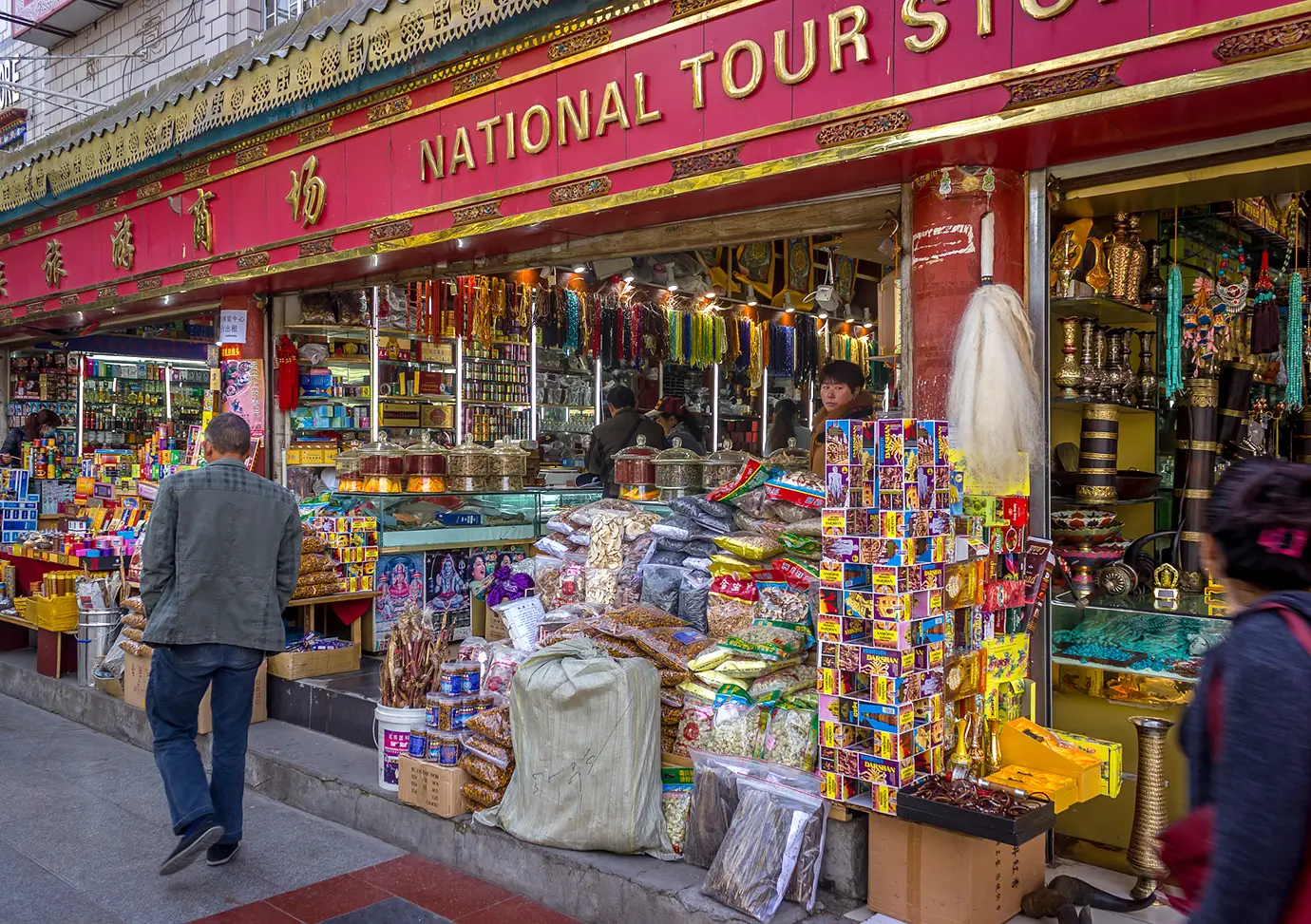
Handmade crafts are the primary draw for those wondering what to buy in Tibet. These items bring the Plateau’s colors and textures into the home.
Hand-Woven Textiles and Wool Items
Artisans use wool from highland sheep known as “changpel” to create warm textiles. This wool features long fibers that provide excellent insulation and durability. Hand-woven woolen cloth called “Pulu” comes in many colors and is used for clothing and boots. Yak wool products stand out for their softness and strength. Scarves, hats, and gloves made from yak hair offer superior warmth compared to standard sheep wool. Natural yak wool typically appears in shades of brown, black, and grey. Buyers look for tight weaves and soft textures to identify high-quality pieces.
Traditional Wooden Crafts
Wooden bowls represent an essential part of daily life in the mountains. Artisans carve these bowls from solid pieces of birch, walnut, or rare burl wood. Quality bowls often feature silver linings and lids decorated with lucky patterns. The grain of the wood determines the bowl’s beauty and value. Many Tibetans carry a single wooden bowl throughout their lives for hygiene and personal comfort. Travelers find these bowls in markets and specialized villages like Mahma.
Hand-Knotted Tibetan Carpets
Tibetan carpets belong to the three most famous rug traditions in the world. Weavers use a unique knotting technique to produce a thick, resilient pile. Traditional designs include dragons, phoenixes, clouds, and lotus flowers. Gyantse is the historical center of carpet production. Rugs from this area use natural dyes made from plants and minerals. These colors do not fade and become more beautiful over time. Authentic hand-knotted rugs exhibit clear, uneven structures on the back.
| Textile Type | Primary Material | Key Feature | Quality Sign |
|---|---|---|---|
| Yak Wool Scarf | Soft yak under-hair | Lighter than wool | Natural shades |
| Pulu Cloth | Highland sheep wool | Very durable | Consistent color |
| Gyantse Carpet | Hand-spun wool | Unique knot style | Natural dyes |
| Wooden Bowl | Burl or birch wood | Natural insulation | Intricate grain |
| Striped Apron | Woven wool | Vibrant colors | Hand-stitched |
Tibetan Buddhist Items
Religious objects play a central role in the region’s spiritual life. Travelers should buy these items with respect and handle them with care.
Tibetan Prayer Flags and Prayer Wheels
Prayer flags bring good luck and positive energy to any space. These colorful cloth squares feature mantras and auspicious symbols. Wind carries the prayers from the flags to the surrounding world. They come in sets of five colors: blue, white, red, green, and yellow. Prayer wheels, or “mani wheels,” contain thousands of printed prayers. Spinning the wheel clockwise counts as a spiritual practice. Artisans craft handheld wheels from copper, silver, or wood. Look for wheels that spin smoothly and feature detailed engravings of the Eight Auspicious Symbols.
Malas and Prayer Beads
Malas assist practitioners in counting mantras during meditation. A traditional mala contains 108 beads. Makers use materials like Bodhi seeds, sandalwood, yak bone, and natural stones. High-quality malas often include spacers made of turquoise or red coral. Buyers choose malas based on the material and the intended use. Simple seed malas serve as practical tools, while stone malas act as beautiful spiritual jewelry. Many people buy malas at famous monasteries to ensure they receive a blessing.
Ritual Objects and Incense
Ceremonial items like butter lamp holders and small statues are popular choices for What to Buy in Tibet. Statues often depict deities such as Green Tara or the Medicine Buddha. Artisans forge these from bronze or brass using traditional casting methods. Tibetan incense uses natural herbs and spices without synthetic oils. It creates a spiritual atmosphere and helps with meditation. Sticks contain no inner bamboo core and burn with an earthy, herbal scent. Nyemo County produces some of the most famous incense in the region.
Tibetan Thangka Painting
A Thangka is a sacred scroll painting used for meditation and teaching. These artworks follow strict iconographic rules and require months of work.
Choosing a Quality Thangka
Authentic paintings use natural mineral pigments and real gold leaf. These materials ensure that the colors remain bright for hundreds of years. Hand-painted Thangkas show tiny brushstrokes and layered colors under a magnifying glass. Printed versions look flat and lack the texture of real art. Check the deities’ facial expressions for precision and peace. Proportions must match the guidelines found in Buddhist texts. High-quality Thangkas feature borders hand-stitched in silk brocade.
Common Styles and Themes
There are different schools of Thangka painting, including Menri and Karma Gadri. Each style uses unique colors and landscape backgrounds. Popular themes include:
- Medicine Buddha: Depicted in blue, representing healing and wisdom.
- Green Tara: Shown with one leg extended, symbolizing readiness to help.
- Mandalas: Geometric patterns representing the universe and the mind.
- The Wheel of Life: Illustrating the cycle of existence.
Size and Transport
Thangkas come in various sizes, from small travel pieces to large wall hangings. Most buyers prefer medium-sized scrolls that fit into protective tubes. These tubes prevent the paint from cracking during the flight home. Prices vary widely depending on the artist’s skill and the use of gold.
| Feature | Hand-Painted Thangka | Printed Thangka |
|---|---|---|
| Materials | Mineral pigments, Gold leaf | Chemical dyes, Ink |
| Texture | Visible brushstrokes, Depth | Flat, Uniform surface |
| Longevity | Lasts for centuries | Fades quickly in light |
| Detail | High precision, Unique | Mass-produced, Generic |
| Price | 300 – 10,000+ Yuan | 50 – 100 Yuan |
Tibetan Jewelry and Turquoise
Jewelry serves as a spiritual amulet and a symbol of status on the Plateau. Traditional designs combine silver with colorful natural stones.
Popular Stones: Turquoise and Coral
Turquoise represents the sky and brings good luck and health. It appears in rings, bracelets, and necklaces. Red coral symbolizes vitality and courage. Buyers look for stones with natural color variations rather than perfect uniformity. Amber and agate also feature prominently in Tibetan jewelry. Older, darker amber holds higher value than pale yellow pieces. Tibetans use these stones to decorate gau boxes, which are portable silver shrines.
The Mystery of Dzi Beads
Dzi beads are among the most expensive and mysterious Tibetan souvenirs. Tibetans believe these etched agate beads fall from the heavens. Ancient beads with natural patterns cost thousands or even millions of dollars. Most beads in the markets are modern replicas made from agate. They still serve as popular charms for protection and wealth. The “eye” patterns on the bead determine its meaning and prestige. A nine-eyed bead represents the highest level of power.
Spotting Better Quality
Authentic jewelry uses high-purity silver as a base. Real stones feel cool to the touch and are heavy. Red flags include stones that feel light, like plastic or silver, or that leave marks on the skin. Beware of very low prices for “high-end” claims. Genuine turquoise and coral are valuable and never come at budget prices. Ask for a certificate when buying expensive items from a boutique.
Singing Bowls and Sound Items
Singing bowls produce harmonic tones used for healing and deep relaxation. They represent a key part of sound therapy on the Plateau.
Testing the Sound
A high-quality singing bowl produces a clear, resonant tone that lasts a long time. Strike the bowl gently with a mallet and listen for multiple overtones. Avoid bowls that sound tinny or lose their vibration quickly. The thickness and shape of the bowl influence the pitch. Larger bowls produce deeper, grounding sounds. Smaller bowls create high-pitched tones ideal for personal meditation. Hand-hammered bowls exhibit subtle imperfections and produce richer harmonics than machine-made bowls.
Materials and Metals
Traditional bowls are made from an alloy of seven metals. These metals represent the celestial bodies known to ancient astrologers:
- Gold: The Sun
- Silver: The Moon
- Mercury: Mercury
- Copper: Venus
- Iron: Mars
- Tin: Jupiter
- Lead: Saturn
While modern bowls may use fewer metals, the weight and craftsmanship remain the best signs of quality. Choose a bowl that feels right in your hand and creates a soothing vibration in your body.
Care and Packing Tips
Keep singing bowls clean and dry to prevent the metal from tarnishing. Use a specialized cushion to store the bowl and protect the bottom. When traveling, wrap the bowl in soft clothing or bubble wrap. Place it in a hard-shell suitcase to prevent it from getting crushed.
| Bowl Size | Best Use | Sound Type |
|---|---|---|
| Small (4-6 in) | Travel, Personal use | High pitch |
| Medium (7-10 in) | Meditation, Healing | Balanced |
| Large (11+ in) | Sound therapy, Groups | Deep, Grounding |
Local Food Items and Tea
Local flavors offer a unique way to share the experience with friends at home.
Tibetan Tea and Brick Tea
Tea plays a vital role in daily life on the Plateau. Brick tea is a dark, fermented tea used to make traditional butter tea. It comes in solid blocks that are easy to pack and carry.
Tibetan tea has a smoky and earthy flavor. It aids digestion and provides energy in high-altitude environments. Look for reputable brands from the Pemagul region or high-quality Pu-erh bricks.
Local Snacks and Specialties
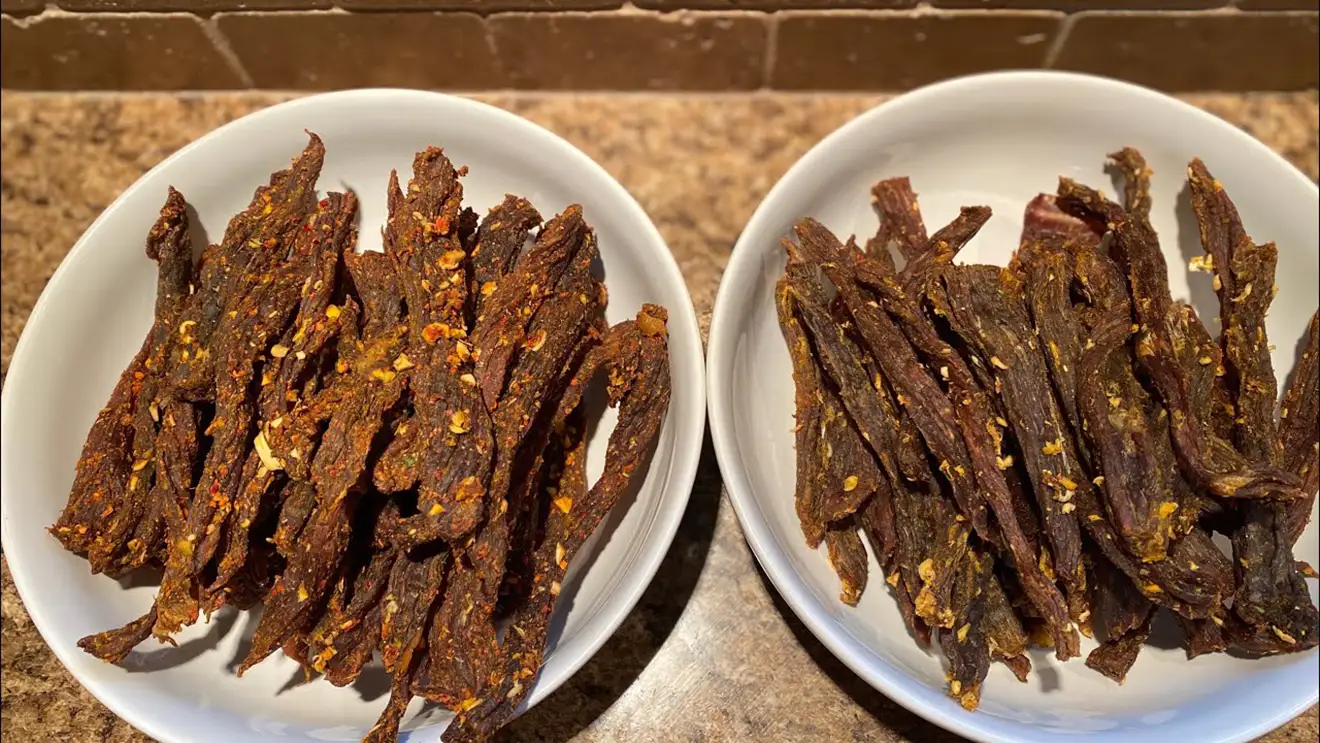
Yak jerky, or “Sha Kampo,” is a protein-packed snack that travels well. It is air-dried in the cold mountain wind, which gives it a tough, chewy texture. Vacuum-packed bags from Barkhor Street shops are the best choice for travelers. Chhurpi is a hard yak cheese that herders chew like candy. It takes a long time to soften in the mouth, releasing a mild and milky flavor. Other popular snacks include yak milk tablets and sweet barley cakes.
Practical Advice for Food
Check the production dates on all packaged goods. Ensure the packaging is fully sealed to maintain freshness during the flight. Be aware of weight limits for checked baggage when buying large quantities of tea or jerky.
Best Places to Shop in Tibet
Lhasa serves as the primary hub for all Tibetan souvenirs, but other regions offer specialized goods.
Old Town Shopping Streets
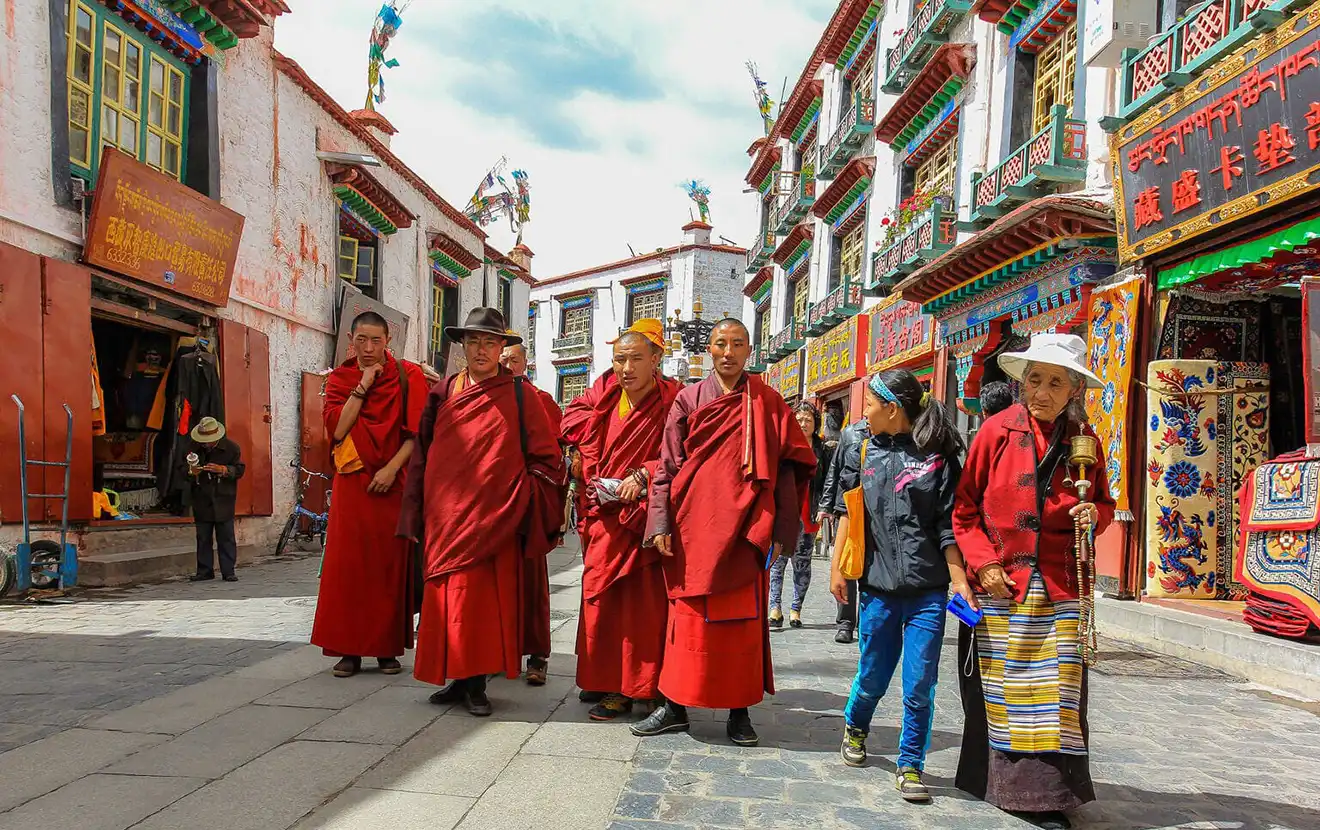
Barkhor Street circles the Jokhang Temple and is the region’s most famous market. It features hundreds of stalls selling religious items, jewelry, and handicrafts. The atmosphere is busy and spiritual, filled with pilgrims and shoppers. Side alleys away from the main circle offer better prices and a more local feel. These narrow streets lead to shops selling everyday goods and traditional clothes. Tromsikhang Market is an outdoor area where traders sell large beads and high-value jewelry.
Local Markets and Specialty Shops
Barkhor Supermarket houses hundreds of sellers under one roof. It is a prime location for rugs, jewelry, and incense. Bargaining is essential here, and sellers often use calculators to communicate prices. Dropenling is the only store dedicated to authentic, locally made handicrafts from Tibetan artisans. It sells high-quality rugs, toys, and leather items at fixed prices. Buying here ensures that the money goes directly to the craftsmen who made the items.
Monastery-Area Stalls
Shops inside monasteries offer unique items, such as protection amulets and books. Drepung Monastery is known for amulets blessed by monks. The Potala Palace store sells books with rare photos of the interior rooms. These shops often offer a quiet, respectful shopping experience.
| Area Type | Best For | Price Level | Bargaining |
|---|---|---|---|
| Barkhor Street | Souvenirs, Jewelry | Mid | High |
| Side Alleys | Traditional crafts | Low to Mid | High |
| Dropenling | Authentic artisan goods | Premium | Fixed |
| Monastery Shops | Blessed items, Books | Mid | No |
| Supermarkets | Snacks, Teas | Low | No |
Shopping in Lhasa: What to Buy and Where
Most travelers focus their efforts on Lhasa because it offers the widest variety of goods.
Top Items in Lhasa
Visitors in Lhasa prioritize Thangkas, prayer wheels, and turquoise jewelry. Barkhor Street remains the soul of Lhasa market shopping. Here, shoppers find everything from small magnets to expensive gold ornaments.
Planning Your Time
Spend one hour for a quick visit to the Barkhor stalls for small gifts like prayer flags and malas. Dedicate half a day if you want to visit Thangka academies and specialized rug stores. Morning hours provide a calm atmosphere for browsing while pilgrims perform their circles. Late afternoon offers a vibrant and busy environment with the most vendors.
Lhasa Market Shopping Tips
Lhasa market shopping tips emphasize patience and observation. Walk through the market twice before making any large purchases. This helps you understand the average price and quality of the items. Always be respectful of the sacred spaces and pilgrims while you shop.
How to Spot Authentic Tibetan Crafts
Knowing how to spot authentic Tibetan crafts builds trust and ensures you get real value.
Practical Tips for Authenticity
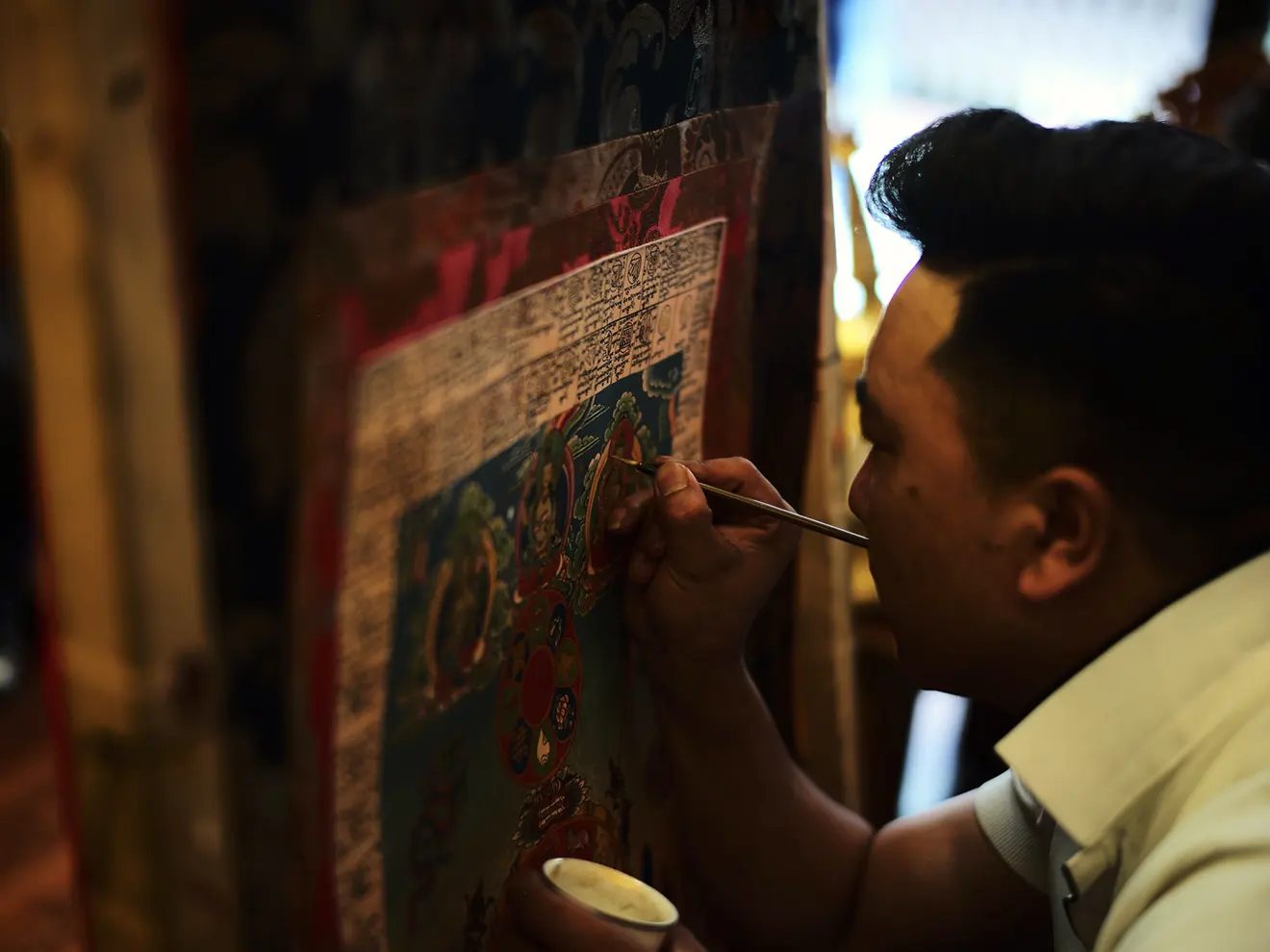
Ask detailed questions about the materials and the item’s origin. Real wool feels slightly oily and has a natural sheep scent. Silver should feel heavy and stay cool in the hand. Stones like turquoise should have unique patterns and color depth. Check the craftsmanship on stitching and edges. Hand-painted Thangkas show tiny layers of paint that printed versions lack. Authentic rugs are hand-spun from wool and use natural dyes that produce subtle color changes.
Red Flags for Shoppers
Avoid “too perfect” items that look mass-produced. No details about materials is a major sign of low quality. Very low prices for items claimed to be high-end usually indicate they are replicas.
Watch for poor finishing and glue marks on statues and jewelry. Overly shiny “antique” looks often come from chemical washes rather than real age. Trust your intuition and seek a second opinion if a deal feels wrong.
Bargaining Tips
Bargaining is a normal and respectful part of market life in Tibet.
When to Bargain
Bargaining is expected at street stalls, open markets, and small family shops. It is not common in galleries, boutique stores, or fixed-price department stores. In monastery shops, the prices are usually set and act as donations to the temple.
A Simple Approach
Maintain a polite and calm attitude throughout the process. Start by offering about 50% to 60% of the initial price and work toward a fair middle point. Be fair and do not argue over very small amounts of money. Using a bundle buying strategy can help you get a better price. Buy two or three items together from the same shop to receive a discount. Most sellers value a friendly customer and will offer a “first customer” or “last customer” deal.
Packing and Shipping Tips
Protecting your Tibetan souvenirs ensures they arrive home without damage.
Fragile and Heavy Items
Wrap fragile items, such as singing bowls or ceramics, in multiple layers of soft clothing. Use a hard-shell case to prevent pressure on delicate jewelry or statues. Roll Thangka paintings into sturdy tubes to avoid creases. Heavy items like carpets or large statues can be expensive to carry on a plane. The post office on Middle Beijing Road in Lhasa is a reliable place for international shipping. Ask sellers for sturdy packaging or double-boxing for high-value items.
Weight and Regulations
Be mindful of airline weight limits for checked bags. Keep liquids and gels in your checked luggage to comply with flight rules. Ensure all food items are vacuum-sealed to prevent odors and leaks.
What NOT to Buy
Safety and legal rules are essential for a smooth trip back home.
Customs and Legal Concerns
Avoid items that could cause customs issues or legal trouble. It is illegal to export genuine antiques from the region. Most items sold as “old” are modern replicas treated with tea or smoke. Avoid products made from protected wildlife, such as the skins or bones of endangered species. If a seller cannot explain what an item is made of, it is best to skip it.
Restricted Transport
Tibetan knives are iconic but strictly forbidden on planes. You must ship them home through the post office rather than carrying them in your luggage. Avoid buying very heavy or sharp items at the beginning of your tour, as they are difficult to carry from one city to another.
Sample Shopping Lists
These ready-made lists help different types of travelers focus their shopping.
Budget Souvenir List
- Prayer Flags: Colorful and lightweight for home decor.
- Small Malas: Simple beads for meditation or as bracelets.
- Postcards: Featuring beautiful monastery views.
- Tibetan Incense: A small pack of traditional sticks.
- Yak Milk Tablets: A tasty and cheap snack.
Cultural Gift List
- Small Thangka Art: A hand-painted piece for spiritual focus.
- Singing Bowl: A medium-sized bowl for sound relaxation.
- Silver jewelry: A ring or pendant with turquoise.
- Incense Holder: A brass or ceramic holder for traditional sticks.
- Yak Wool Scarf: A soft and warm gift for the family.
Practical Traveler List
- Warm Wool Hat: Ideal for the mountain cold.
- Local Brick Tea: To make your own tea at home.
- Yak Jerky: A high-protein snack for trekking.
- Wooden Bowl: For a durable and insulated drinking cup.
- First Aid Salve: Made with local medicinal herbs.
Common Shopping Mistakes to Avoid
Knowing what to avoid makes your tour much more enjoyable.
- Buying heavy items early: Carrying large statues or rugs between cities is hard work.
- Poor lighting: Always check the quality of Thangkas and jewelry under natural sunlight.
- Overpaying early: Prices often drop as you move away from the main tourist squares.
- Baggage limits: Forgetting your airline’s weight limit can lead to high fees.
- Material confusion: Buying items without knowing whether they are made of real wool or synthetic materials can lead to disappointment.
FAQs
Q: What to buy in Tibet as souvenirs?
A: Popular souvenirs include prayer flags, malas, and traditional incense. Travelers also love yak wool products for their warmth and durability. Hand-painted thangkas are especially valued for their cultural and artistic significance.
Q: What are the best souvenirs from Tibet?
A: Singing bowls, turquoise jewelry, and hand-knotted carpets are among the most valued items and the best for souvenirs. These items reflect Tibetan craftsmanship and cultural heritage. They also create meaningful, lasting keepsakes for travelers.
Q: What to Buy in Lhasa Old Town, Tibet?
A: Focus on spiritual items from Barkhor Street, including prayer wheels, incense, and malas. You can also find high-quality, authentic crafts at the Dropenling store. These places offer some of the most traditional and meaningful souvenirs in Lhasa.
Q: Are Tibetan jewelry and turquoise real?
A: High-quality natural stones are available in specialized boutiques. However, many street stalls sell plastic or glass replicas. It is best to buy from trusted shops to ensure authenticity.
Q: Is bargaining common in Tibetan markets?
A: Yes, bargaining is common in open markets and street stalls. However, it is not practiced in fixed-price shops or monasteries. Prices in formal stores are usually set and non-negotiable.
Q: What should I avoid buying in Tibet?
A: Avoid wildlife products and genuine antiques, as they may be illegal to export. You should also skip items that cannot be transported on a plane. Always check regulations before purchasing sensitive goods.
Q: What gifts from Tibet are easy to pack?
A: Prayer flags, incense packs, and scarves are lightweight and easy to carry. They do not break easily and fit well in luggage. These items make simple and practical souvenirs for travel.
Q: How do I know if a Thangka is real?
A: A real Thangka shows fine, visible brushstrokes and detailed handwork. It uses natural mineral pigments and sometimes gold leaf instead of printed ink. Authentic pieces often come from trusted artisans or reputable shops.