
Unbeatable Holiday Offers – Save Up to 20% on Your Next Adventure!

Dolpo Trekking Guide: 6 Easy Facts on Upper and Lower Dolpo
Last verified: 23 November 2026. Restricted permit fees for Dolpo are set by the Department of Immigration and can change. Confirm current fees, flight schedules and route conditions with your registered trekking agency.
Status on this site: Offered. See the Shey Phoksundo Lake trek and our Dolpo route guide.
Use this Dolpo trekking guide to plan a trek in one of Nepal’s most remote regions. We explain the difference between Lower and Upper Dolpo, Shey Phoksundo National Park and its turquoise lake, permits and fees, flights via Nepalgunj to Juphal, seasons, sample itineraries, camping versus lodges, Bon and Buddhist culture, and how to prepare for long days far from roads.
What is Dolpo, and why is it special?
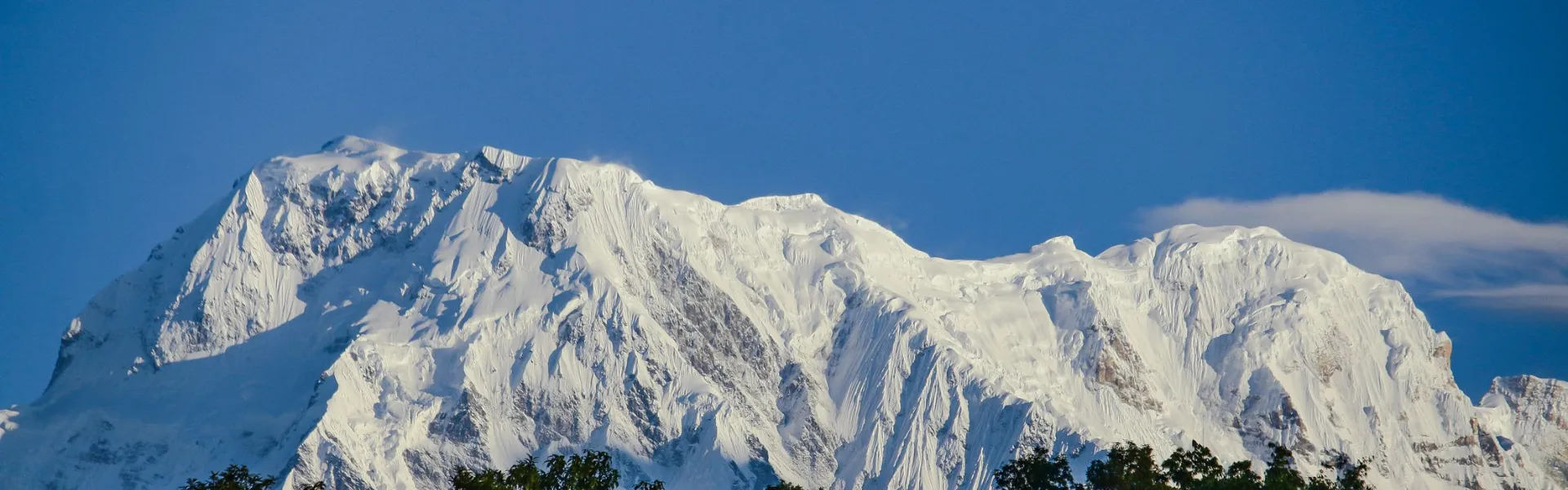
Short answer: Dolpo is a remote highland region in Nepal’s Karnali Province, north of the Dhaulagiri range and bordering Tibet. It is known for Phoksundo Lake, Shey Phoksundo National Park, ancient Bon and Buddhist monasteries and high passes above 5,000 meters. Upper Dolpo remains one of the least-visited trekking areas in the Himalaya.
Shey Phoksundo National Park, established in 1984, is Nepal’s largest national park and protects habitat for snow leopards, blue sheep and Himalayan wolves. Dolpo’s people, the Dolpo-pa, live in stone villages at some of the highest permanent settlements in the world, herding yaks and trading salt and grain along routes to Tibet. Peter Matthiessen’s book The Snow Leopard and the film Himalaya brought the region international attention.
| Trek | Days from Juphal | Highest point | Lodging | Permits |
|---|---|---|---|---|
| Phoksundo Lake | 6 to 9 | Phoksundo Lake about 3,611 m | Lodges and homestays | Park permit, TIMS |
| Lower Dolpo circuit | 14 to 18 | Numa La about 5,190 m | Camping and some lodges | Lower Dolpo restricted permit, park permit, TIMS |
| Upper Dolpo | 20 to 28 | Kang La about 5,350 m | Camping | Upper Dolpo restricted permit, park permit, TIMS |
How is Lower Dolpo different from Upper Dolpo?
Short answer: Lower Dolpo includes Phoksundo Lake, the Tarap valley and passes such as Numa La and Baga La, with some lodges and a restricted fee of USD 20 per week. Upper Dolpo lies north of Phoksundo, beyond the Kang La, and includes Shey Gompa, Saldang and remote valleys near Tibet. It needs a restricted permit at USD 50 per day, a camping crew and about four weeks.
The trek from Juphal to Ringmo village and Phoksundo Lake is the most popular Dolpo route. It needs only the national park permit and TIMS through an agency, and simple lodges and homestays exist. Upper Dolpo trekkers usually cross the Kang La from Phoksundo to Shey Gompa, then continue through Saldang and over further passes, a classic expedition-style journey.
How do you get to Dolpo?
Short answer: Fly from Kathmandu to Nepalgunj in the western lowlands, stay overnight, then fly on a small plane to Juphal airstrip at about 2,475 meters in the morning. From Juphal, the trek starts toward Dunai, the district headquarters. Weather often delays Juphal flights, so plan one or two buffer days at each end.
Nepalgunj is hot for much of the year, so book a hotel with air conditioning. Baggage limits on the Juphal flight are tight, often around 10 to 15 kilograms per person, so camping gear and food are usually sent separately by the agency. Roads now reach parts of Dolpo from the south, but flying remains the standard approach for trekkers. Our transport guide explains remote flights.
Which permits do you need for Dolpo?
Short answer: All Dolpo treks need a Shey Phoksundo National Park permit (NPR 3,000) and a TIMS card through a registered agency. Upper Dolpo also needs a restricted area permit, listed by the Nepal Tourism Board at USD 50 per person per day. Lower Dolpo routes such as Tarap need a Lower Dolpo permit of USD 20 per week.
| Permit | Fee | Needed for |
|---|---|---|
| Shey Phoksundo National Park | NPR 3,000 | All Dolpo treks |
| TIMS card | NPR 2,000 | All Dolpo treks |
| Upper Dolpo restricted permit | USD 50 per person per day | North of Phoksundo, including Shey Gompa |
| Lower Dolpo restricted permit | USD 20 per week | Tarap valley and Lower Dolpo circuit |
Restricted permits are issued only through a registered agency with a licensed guide. Since 22 March 2026, individual permits are allowed under these conditions, with up to seven trekkers per guide. Our permits guide explains the process.
When is the best time to trek in Dolpo?
Short answer: May to October is the main season. Dolpo lies in the rain shadow, so summer brings less rain than central Nepal, and passes are clearer of snow. September and October give the most stable weather. Winter is very cold, high passes are snowbound and many residents move to lower areas.
| Season | Conditions | Notes |
|---|---|---|
| April to May | Cold mornings, snow on high passes early | Phoksundo good, Upper Dolpo from late May |
| June to August | Mostly dry in the rain shadow, some rain on the approach | Good for Upper Dolpo, flights can be delayed |
| September to October | Clear and stable | Best overall |
| November to March | Very cold, snow | Not recommended for high routes |
What is the Phoksundo Lake trek like?
Short answer: From Juphal, the trail follows the Thuli Bheri and Suligad rivers through Dunai, Chhepka and Rechi to Ringmo village and Phoksundo Lake at about 3,611 meters. The walk takes three to four days each way, through forests and gorges, ending at a turquoise lake framed by cliffs. A side trip to the 300-meter Phoksundo waterfall is a highlight.
| Day | Route | Approximate overnight altitude |
|---|---|---|
| 1 | Fly Nepalgunj to Juphal, walk to Dunai | About 2,100 m |
| 2 | Dunai to Chhepka | About 2,670 m |
| 3 | Chhepka to Rechi or Amchi Hospital area | About 3,000 m |
| 4 | Rechi to Ringmo and Phoksundo Lake | About 3,611 m |
| 5 | Explore the lake and Thashung Gompa | About 3,611 m |
| 6 to 8 | Return to Juphal | About 2,475 m |
Phoksundo is often described as Nepal’s deepest lake. Ringmo village, built of stone and wood, and the lakeside Bon monastery of Thashung show the region’s culture. See the Shey Phoksundo Lake trek.
What is the Upper Dolpo trek like?
Short answer: Upper Dolpo treks continue north from Phoksundo along the lake’s western cliffs, then cross the Kang La at about 5,350 meters to Shey Gompa and the Crystal Mountain. Routes continue through Saldang and Namgung toward the Tarap valley or Jomsom, crossing several high passes. Treks usually last three to four weeks with a full camping crew.
The landscape is high desert with wide valleys, barley fields and villages built around monasteries. Shey Gompa is an important pilgrimage site, and pilgrims circle the Crystal Mountain during festival years. Days are long, campsites are cold and resupply points are few. Upper Dolpo suits experienced trekkers who are comfortable camping at altitude for weeks.
What is the Lower Dolpo circuit?
Short answer: The Lower Dolpo circuit links Dunai, Tarakot and the Tarap valley with Phoksundo Lake by crossing the Numa La at about 5,190 meters and the Baga La at about 5,169 meters. It takes about two to three weeks from Juphal, visits Dho Tarap’s Buddhist and Bon villages and needs a Lower Dolpo restricted permit and camping in places.
Dho Tarap sits in a wide valley at about 4,000 meters, with monasteries, chortens and barley fields. The two passes give wide views of Dhaulagiri and the Dolpo ranges before descending to Phoksundo. The circuit is a strong alternative to Upper Dolpo for trekkers with less time and budget.
Do you need to camp in Dolpo?
Short answer: The Phoksundo Lake trek has lodges and homestays, so camping is not required. The Lower Dolpo circuit has some lodges but often needs tents. Upper Dolpo needs a full camping crew with tents, a cook, kitchen staff and pack animals or porters for food and fuel. Camping treks cost more but make remote routes possible.
A camping crew typically sets up a dining tent, sleeping tents and a toilet tent each night, and cooks fresh meals. Good agencies carry fuel instead of using local firewood and pack out waste. Ask how the crew is equipped and insured, especially for high passes. Our guides and porters page explains crew standards.
What culture will you find in Dolpo?
Short answer: Dolpo is home to the Dolpo-pa, who follow Tibetan Buddhism and Bon, the pre-Buddhist religion of Tibet. Monasteries such as Shey Gompa, Thashung Gompa at Phoksundo and those in Saldang and Tarap remain active. Traditional amchi doctors practice Tibetan medicine, and yak caravans still carry goods across high passes.
Bon practitioners walk around sacred sites counterclockwise, the reverse of Buddhist practice, so follow local custom at each site and ask your guide. Ask before photographing people and inside monasteries. Our culture and etiquette guide explains respectful behavior.
What wildlife can you see in Shey Phoksundo National Park?
Short answer: The park protects snow leopards, blue sheep, Himalayan tahr, Himalayan wolves, musk deer and goral, along with lammergeiers, Himalayan griffons and Tibetan snowcocks. Blue sheep are commonly seen on slopes in Upper Dolpo. Snow leopards are present but rarely sighted.
The park’s mix of forest in the south and high desert in the north supports varied plant life, including medicinal herbs collected by local people. Stay on trails, keep noise low and never feed or chase animals.
Which Dolpo route suits you?
Short answer: Choose the Phoksundo Lake trek if you have one to two weeks and want lodges. Choose the Lower Dolpo circuit if you have two to three weeks and want high passes and the Tarap valley with a moderate permit cost. Choose Upper Dolpo if you have four weeks, camping experience and the budget for an expedition-style trek.
| If you want… | Choose |
|---|---|
| A short trip to a famous lake with lodges | Phoksundo Lake, 8 to 10 days from Nepalgunj |
| High passes and Bon and Buddhist villages without Upper Dolpo costs | Lower Dolpo circuit via Tarap |
| Remote wilderness, Shey Gompa and the Crystal Mountain | Upper Dolpo, 3 to 4 weeks with camping |
| A link to Mustang | Upper Dolpo exiting toward Jomsom, with an experienced crew |
How does Dolpo compare with Upper Mustang?
Short answer: Both lie in the rain shadow and preserve Tibetan cultures, but Mustang has lodges throughout, road access and a shorter trek, while Dolpo is wilder, more remote and needs camping beyond Phoksundo. Mustang suits a two-week cultural trek. Dolpo suits trekkers seeking solitude and long expedition-style journeys.
| Point | Dolpo | Upper Mustang |
|---|---|---|
| Access | Flights via Nepalgunj to Juphal | Flight or road to Jomsom |
| Lodging | Lodges to Phoksundo, camping beyond | Lodges throughout |
| Highest point | About 5,350 m on Upper Dolpo | About 4,200 m |
| Length | 8 to 28 days | 10 to 17 days |
| Main sights | Phoksundo Lake, Shey Gompa, Tarap | Lo Manthang, caves, monasteries |
See our Mustang trekking guide for comparison.
What should you pack for Dolpo?
Short answer: Pack for cold nights well below freezing, intense sun and dry air: a warm sleeping bag rated to about minus 15 degrees Celsius for Upper Dolpo, down jacket, layers, sun hat, sunglasses, high-factor sunscreen, lip balm, a water filter, a headlamp with spare batteries and enough cash for the whole trip.
Weight limits on the Juphal flight are strict, so pack carefully and ask your agency which camping gear it supplies. Bring a power bank and a small solar charger, as charging points are rare beyond Phoksundo. Our packing list covers the essentials.
How much does a Dolpo trek cost?
Short answer: A guided Phoksundo Lake trek of about 8 to 10 days typically costs about USD 1,200 to 2,000 per person, mainly because of flights via Nepalgunj. Upper Dolpo camping treks of three to four weeks cost far more, often USD 4,000 to 7,000 or more per person, depending on group size, permits and crew.
The Upper Dolpo restricted permit, flights and the camping crew are the largest costs. Small groups share crew costs. Our Nepal trekking cost guide explains how remote treks are priced.
How do you stay safe on a remote Dolpo trek?
Short answer: Choose an experienced agency with a strong Dolpo record, plan buffer days for flights, follow a gradual ascent with rest days before high passes, carry a satellite communication plan and comprehensive insurance with helicopter evacuation to at least 6,000 meters. Help can be days away, so prevention matters most.
Mobile coverage is limited outside Dunai and a few villages. Your guide should know where to descend quickly and where helicopters can land. Our insurance and rescue guide and health and safety page explain preparation.
How many buffer days should you plan for Dolpo?
Short answer: Plan at least one buffer day at the start and one or two at the end for flights between Nepalgunj and Juphal, which are often delayed by weather. On Upper Dolpo, add one more spare day for snow or illness on high passes. Unused days can be spent in Kathmandu or Bardia National Park near Nepalgunj.
Without buffer days, a single canceled flight can force a rushed itinerary or a missed international flight. Ask your agency how it handles delays, including whether a charter or helicopter is possible and who pays.
Frequently Asked Questions
Do I need a restricted permit for Phoksundo Lake?
The trek from Juphal to Phoksundo Lake usually needs only the Shey Phoksundo National Park permit and TIMS through an agency. Routes into the Tarap valley or Upper Dolpo need restricted permits.
How long is the Upper Dolpo trek?
Most Upper Dolpo treks take 20 to 28 days from Juphal, plus travel days from Kathmandu.
Can I trek Dolpo in the monsoon?
Yes. Dolpo lies in the rain shadow and is drier than central Nepal in summer, though flights to Juphal can be delayed by weather.
Are there lodges in Dolpo?
The Phoksundo route has lodges and homestays. Upper Dolpo needs camping for most of the trek.
How deep is Phoksundo Lake?
Phoksundo is often described as Nepal’s deepest lake, with depths of around 145 meters reported. It sits at about 3,611 meters.
Quick Answers
Is there phone signal in Dolpo?
Coverage exists around Dunai and some villages but is patchy or absent on most of the routes, especially in Upper Dolpo. Agree a communication plan with your agency before you go.
Can I swim in Phoksundo Lake?
Swimming is discouraged out of respect for local beliefs and because the water is very cold and deep. Enjoy the lake from the shore and the lakeside trail instead.
About the author: Pradip Karki
Pradip Karki is the Chairman of Peregrine Treks and Tours in Kathmandu and a veteran Himalayan travel specialist with over 20 years of industry leadership. A former TIMS Department Head at the Trekking Agencies’ Association of Nepal (TAAN) with an MBA in Accounting and Finance, Pradip personally scouts routes across Nepal, Tibet and Bhutan to design safe, high-altitude treks and luxury cultural tours.
Reviewed and updated by Pradip Karki on 23 November 2026.
Official Sources Checked
- Department of National Parks and Wildlife Conservation: Shey Phoksundo National Park
- Department of Immigration: restricted area permits
- Nepal Tourism Board: TIMS and licensed guide rules
Do not hesitage to give us a call. We are an expert team and we are happy to talk to you.
info@hikinginnepal.com- Local Experience
- Financial Protection
- Effortless Travel
- Intimate Group Size
- Bespoken Itinerary