
Included Meals
- Breakfast: 9
- Lunch: 7
- Dinner: 7

Unbeatable Holiday Offers – Save Up to 20% on Your Next Adventure!
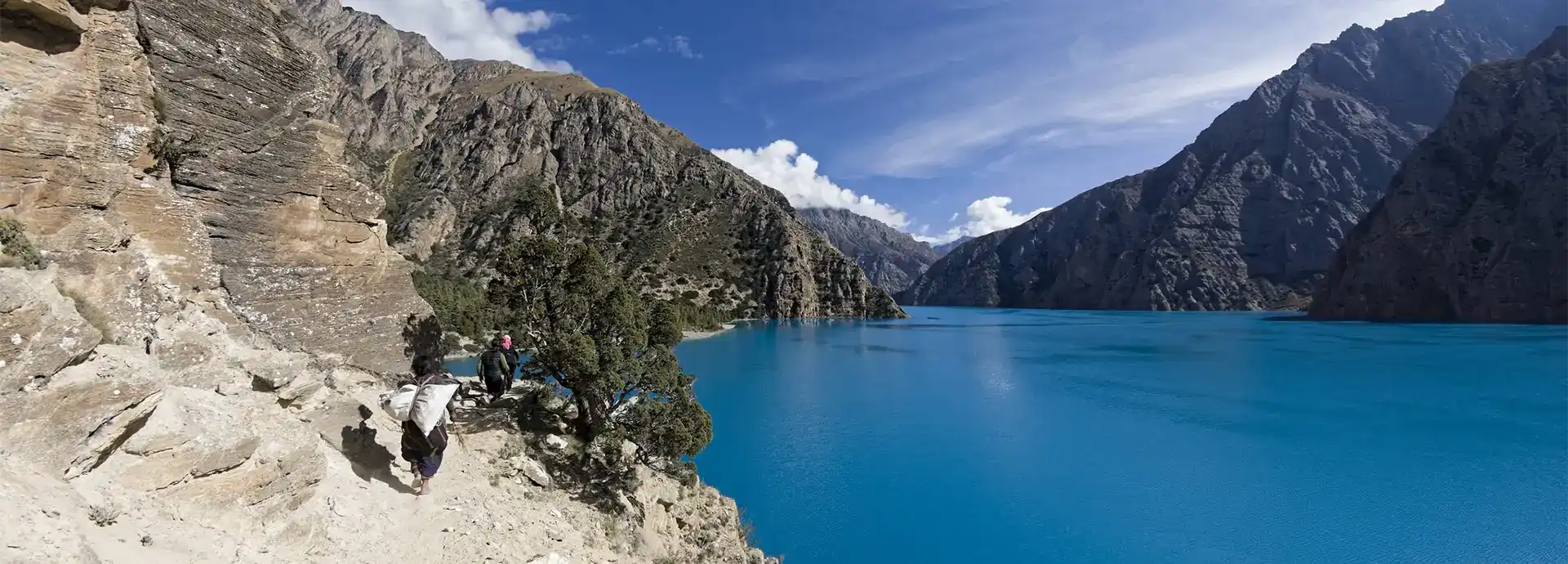
The Shey Phoksundo Lake Trek takes you to western Nepal’s most striking natural feature — a turquoise lake set against vertical cliff walls in the heart of Dolpo. At 3,611 meters, Phoksundo Lake is Nepal’s deepest lake and one of its most isolated. The route follows river valleys and pine forests through Shey Phoksundo National Park, passes through Ringmo Village, and arrives at a lake that most Nepal travelers never see—no high pass. No glacier. Just a quiet, remote walk to one of the Himalayas’ most unusual landscapes.
Nepal Hiking Company has been running treks in Dolpo and across Nepal since 2008. We hold registration with the Department of Tourism, the Office of the Company Registrar, the Small Cottage Industry, the Inland Revenue Department, and Nepal Rastra Bank. We are active members of TAAN (Trekking Agencies’ Association of Nepal) and NMA (Nepal Mountaineering Association). Our team in Kathmandu handles the Nepalgunj connection, the Juphal flight, all permits, and teahouse logistics so the route stays manageable even though Dolpo is genuinely remote.
The 11-day schedule isn’t rushed. It includes a night in Nepalgunj, a proper approach from Juphal, a full day of lake exploration at Phoksundo, and a clean return flight plan. If you want a short Dolpo trek focused on the lake rather than a long expedition, this is the right package.
The Shey Phoksundo Lake Trek is an 11-day Dolpo trek to Phoksundo Lake in western Nepal. The route covers Kathmandu, Nepalgunj, Juphal, Dunai, Chhepka, Jharana Hotel or Rechi, Ringmo Village, and Phoksundo Lake. It suits trekkers who want turquoise lake views, Bon Buddhist culture, remote trails, basic lodge accommodation, and no high-pass crossing. The trek is rated easy to moderate for fit trekkers.
Quick Facts
| Item | Details |
|---|---|
| Duration | 11 Days |
| Start Point | Kathmandu |
| End Point | Kathmandu |
| Trek Start | Juphal |
| Trek End | Juphal |
| Main Destination | Phoksundo Lake |
| Main Village | Ringmo Village |
| Highest Area | Ringmo / Phoksundo Lake area, around 3,611 m |
| Difficulty | Easy to Moderate |
| Accommodation | Hotel, teahouse, lodge |
| Meals | Breakfast in cities; full board during trek |
| Transport | Kathmandu–Nepalgunj–Juphal flights and return |
| Main Region | Dolpo region, western Nepal |
| National Park | Shey Phoksundo National Park |
| Permits | National park permit; route-based restricted area permit if required |
| Best Season | Spring (March–May) and Autumn (September–November) |
| Guide | Licensed trekking guide — required |
| Porter | Optional or included based on package |
Phoksundo Lake sits in the Dolpa district of western Nepal, inside Shey Phoksundo National Park — one of the largest protected areas in Asia. The lake’s water is an opaque turquoise blue caused by its mineral composition and depth. Cliffs rise directly from the northern shore. A waterfall drops into the Phoksundo River below the lake outlet. The whole scene feels less like trekking scenery and more like somewhere that shouldn’t exist.
The Shey Phoksundo Lake Trek reaches the lake in 11 days via a route that remains accessible to fit travelers without extensive high-altitude trekking experience. From Juphal, the trail follows the Bheri River and its tributaries through small Magar and Rai settlements, climbs gradually through pine and juniper forest, passes the Phoksundo waterfall, and arrives at Ringmo Village — the last settlement before the lake itself. The village follows Bon Buddhist traditions, a pre-Buddhist Tibetan spiritual practice still alive in the Dolpo highlands.
This package works well as a first Dolpo trek or as a standalone lake experience. It’s shorter and less demanding than the Lower Dolpo camping routes and far less complicated than Upper Dolpo. The Juphal flight is the main logistical variable — everything else on the trail is manageable, clean, and genuinely worth the effort.

Included Meals

Trip staff
Guide
Potter

Transport
Fllight
Public bus/jeep

Accommodation
Hotel
Teahouse
Lodge

Trip Grade
Group Size
Land at Tribhuvan International Airport. A Nepal Hiking Company representative meets you at the airport and transfers you to your hotel in Kathmandu. Use the afternoon to rest, check your gear, and sort any last-minute items from the trekking shops in Thamel.
Accommodation:
Hotel Thamel Park

Maximum Altitude 1,400m/4,593ft (Kathmandu)
Difficulty
Transportation Private Car
Catch the morning flight from Kathmandu to Nepalgunj — a busy lowland city near the Indian border in western Nepal’s Terai region. The flight takes roughly 50 minutes. Nepalgunj is warm, flat, and noticeably different in character from the mountain Nepal most trekkers know. Use the afternoon to prepare for the Juphal flight the next morning.
Accommodation:
Hotel
Meals Breakfast
Maximum Altitude 150m/492ft (Nepaljung)
Difficulty
Transportation Flight
The Nepalgunj to Juphal flight is one of the most scenic short flights in Nepal — a 40-minute run across the Chure Hills and Siwalik Range into a high mountain airstrip at 2,475 meters. From Juphal, the trail descends toward the Bheri River and follows the valley to Dunai, the district headquarters of Dolpa. The walking time to Dunai is roughly two hours.

Time & Distance 3 Hours 14 KM
Accommodation:
Local Teahouse
Meals Breakfast, Lunch, Dinner
Maximum Altitude 2,140m/7,021ft (Juphal)
Difficulty
Transportation Flight
A longer walking day through mixed terrain — farmland, forest sections, river crossings, and small settlements along the Phoksundo River. The trail gains elevation gradually. The scenery is green and valley-bound for most of the day. Chhepka sits at about 2,640 meters, where the canyon narrows before the forest climb begins.
Time & Distance 8Hour, 15KM
Accommodation:
Teahouse or lodge
Meals Breakfast, Lunch, Dinner
Maximum Altitude 2,670m/8,760ft (Chhepka)
Difficulty
The trail enters pine and juniper forest and follows the Phoksundo River upstream through an increasingly narrow gorge. Multiple small bridges cross the river in this section. The lodge options here are limited — Jharana Hotel (a small local teahouse, not a hotel in any conventional sense) and Rechi are the two main stops, and availability can vary by season. Your guide confirms the overnight point based on current conditions.
Time & Distance 7Hour, 14KM
Accommodation:
Teahouse or lodge
Meals Breakfast, Lunch, Dinner
Maximum Altitude 3,370m/11,056ft ( Jharana Hotel )
Difficulty
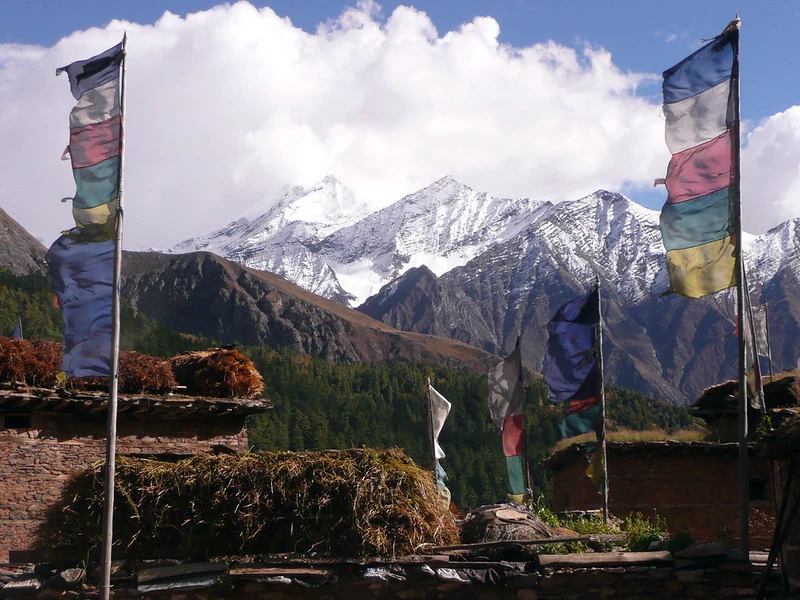
The day the whole trek builds toward. The trail climbs past the Phoksundo waterfall — 167 meters of cascading water into the river gorge below — before breaking into the open Dolpo landscape near the lake. The first view of Phoksundo appears suddenly as the trail rounds a cliff edge. Ringmo Village sits just above the lake’s south shore. Check in, rest for an hour, then walk to the lake edge before sunset.
Time & Distance 3Hour, 15KM
Accommodation:
Teahouse or lodge
Meals Breakfast, Lunch, Dinner
Maximum Altitude 3,660m/12,008ft ( Ringmo Village)
Difficulty
The full day is the reason the 11-day schedule works better than shorter versions. Spend the morning on the cliff-top viewpoint path above Ringmo for the widest lake panorama. The afternoon works well for a slower wander through the village, a visit to Ringmo Gompa if it’s accessible, and time near the lake’s south shore where the water is clearest.
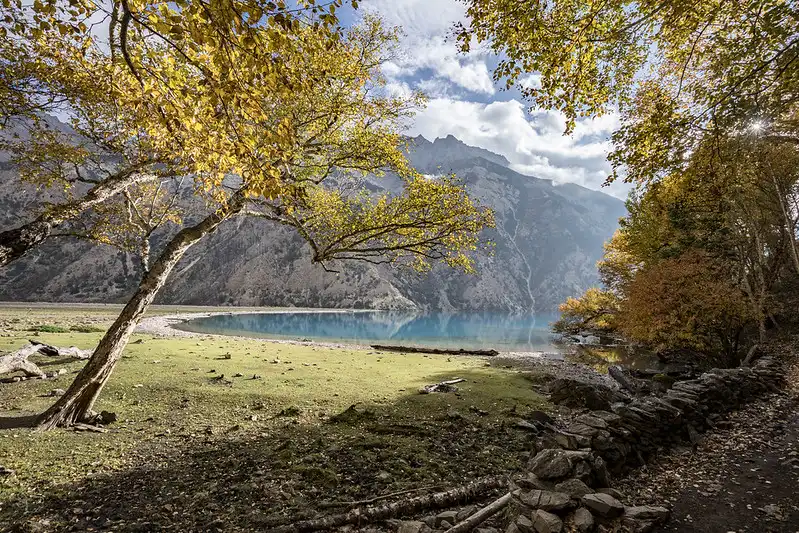
The light on the lake changes dramatically through the day. Morning is often misty. Midday is the clearest for photography. Late afternoon brings warm, low light on the cliffs. Stay flexible rather than planning the day minute by minute.
Accommodation:
Teahouse or lodge in Ringmo
Meals Breakfast, Lunch, Dinner
Maximum Altitude 3,611m/11,847ft ( Phoksundo Lake)
Difficulty
The return journey begins. The descent from Ringmo to Chhepka covers roughly 22 kilometers — a long day, but mostly downhill through the pine forest and river gorge that felt so promising on the way up. Stop at the waterfall longer this time. It’s always more interesting on the way back.
Time & Distance 7Hour, 15KM
Accommodation:
Teahouse or lodge
Meals Breakfast, Lunch, Dinner
Maximum Altitude 2,670m/8,760ft (Chhepka)
Difficulty
The final trekking day retraces the Bheri River valley from Chhepka through Dunai to Juphal. The walking is straightforward with a good trail underfoot. Reach Juphal in the early afternoon, giving enough time to rest before the morning flight.
Time & Distance 7Hour, 16KM
Accommodation:
Teahouse or lodge
Meals Breakfast, Lunch, Dinner
Maximum Altitude 2,500m/8,202ft (Juphal)
Difficulty
Early morning Juphal flight to Nepalgunj. If the schedule allows, connect directly to Kathmandu the same day. Some days require an afternoon wait in Nepalgunj, depending on flight timing and weather. Nepal Hiking Company coordinates the connection and monitors both flights. Transfer to the Kathmandu hotel on arrival.
Time & Distance 3.5Hour, 523KM
Accommodation:
Hotel Thamel Park
Meals Breakfast
Maximum Altitude 1,400m/4,593ft (Kathmandu )
Difficulty
Transportation Flight
Transfer to Tribhuvan International Airport for your international departure.
Difficulty
Most travelers in western Nepal head to Rara Lake or attempt the full Lower Dolpo circuit. The Shey Phoksundo Lake Trek sits between those options — more dramatic than Rara Lake in terms of scenery, but far shorter and more accessible than the full Dolpo routes. That gap is exactly where this 11-day package sits.
The lake itself is the draw. Nepal has many lakes, but Phoksundo is different — the color, the cliff setting, the waterfall approach, and the isolation combine into something that genuinely stands apart from the usual Himalayan trekking scenery. Ringmo Village adds a cultural layer that most lake treks lack. Bon Buddhist practices, old stone houses, prayer flags strung across the cliff face, and a monastery perched above the lake shore give the place a character that justifies the cost of the flight and the remote logistics.
The 11-day schedule includes a full day near the lake rather than a rushed photo stop and immediate return. That decision — building in Day 7 as an exploration day — makes a meaningful difference to the quality of the experience. We’ve run this route with groups that arrived expecting a two-hour lake visit and left wishing they had another day. The 11-day version avoids that.
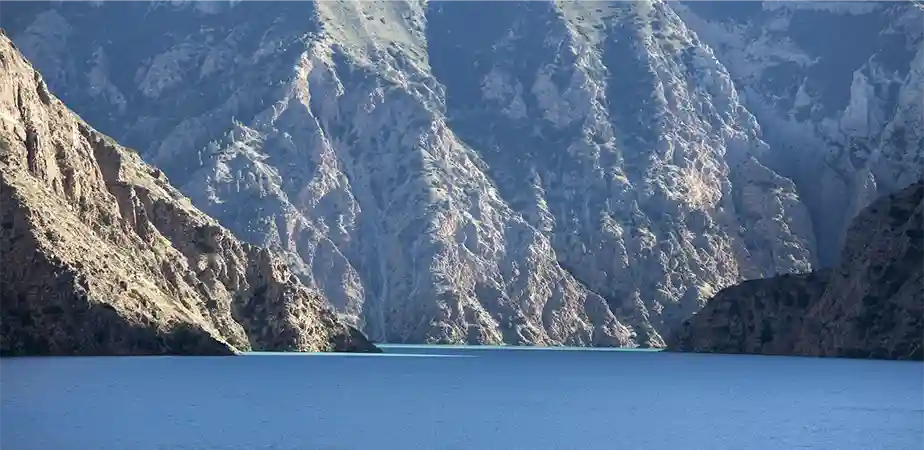
Phoksundo Lake is Nepal’s deepest lake, at about 145 meters deep, and lies at an elevation of 3,611 meters. The water stays turquoise year-round because of dissolved minerals and the angle of light on the shallow shelves near the shore. The color shifts from pale jade in morning flat light to a deep cobalt blue at midday. Photographs don’t fully reproduce it. You need to be there.
The cliffs directly north of the lake rise several hundred meters above the water surface. The Phoksundo waterfall — visible on the approach trail, roughly 20 minutes before the lake — drops 167 meters and is one of the largest in Nepal. Most trekkers pass it quickly on the way up, not realizing it’s better appreciated on the return with a longer stop.
On the full exploration day, viewpoint options vary depending on the weather and the guide’s advice. The cliff-top path above Ringmo Village gives the most comprehensive lake view. The trail to the northern shore is shorter and closer to the cliff face. Weather matters — a morning mist on the lake can be its own experience, and a clear afternoon gives photography conditions that most trekkers plan their whole trip around. We recommend splitting the exploration day between a morning viewpoint walk and an afternoon wander through Wingmo village. The light on the lake at 4 p.m. in autumn is notably different from midday.
Ringmo sits at the edge of Phoksundo Lake at an elevation of about 3,600 meters. The village has roughly 20 to 30 households — stone buildings with flat roofs, firewood stacked on every terrace, and an entirely self-sufficient way of life based on farming, yak herding, and the small trekker economy that has slowly reached Dolpo in recent decades.
The community follows Bon Buddhism — a spiritual tradition older than Tibetan Buddhism itself, originating in the Zhang Zhung culture of western Tibet and preserved in isolated valleys like this one. The local monastery, Ringmo Gompa, sits above the village and is sometimes open to visitors when the lama is present. The interior features Bon iconography — protective deities and ritual objects that differ noticeably from those found in the more familiar Tibetan Buddhist monasteries on the Everest and Annapurna routes.
Walk slowly through Ringmo. Don’t rush through for the lake shot and leave. The village is the context for the lake — without understanding where you are, the scenery is just scenery. Talk to the guide. Learn a few words. The people here live genuinely differently from most of Nepal, and that gap, navigated respectfully, is part of what makes Dolpo worth the trip.
Respectful conduct matters here. Dress modestly, ask before photographing individuals, and follow your guide’s advice near the monastery, chortens, mani walls, and village homes.
Shey Phoksundo National Park covers 3,555 square kilometers across Dolpa and Mugu districts and is Nepal’s largest national park. The terrain ranges from subtropical river valleys below 2,000 meters to high-alpine zones above 5,000 meters. Phoksundo Lake sits roughly in the middle of this range.
The park protects snow leopard, Himalayan wolf, blue sheep (bharal), Himalayan tahr, and over 200 bird species. Most trekkers don’t see large wildlife on the main trail, but blue sheep sightings on the rocky slopes above Ringmo are reasonably common in autumn. The forest sections between Dunai and the lake support red panda habitat, though sightings are rare.
The Nepal Tourism Board lists the entryyy fee f Shey-Phoksundo National Park at NRs. 3,000 for foreign nationals, NRs. 1,500 for SAARC nationals and NRs. 100 for Nepali citizens. Nepal Hiking Company handles the permit paperwork before your trek starts. Park rules prohibit single-use plastic inside the park boundary, require trekkers to stay on marked trails, and restrict camping outside designated areas. Your guide reinforces these rules during the trek.
The trail from Juphal to Phoksundo Lake covers about 55 to 60 kilometers each way and changes character significantly over that distance. The first two days follow the Bheri River through mixed forest, farms, and small settlements. The Magar and Chhhetri villages in the Dunai area feel warm, green, and lived-in — a contrast to what lies ahead.
From Chhepka, the trail starts climbing through pine and juniper forest. The forest here is dense and quiet, particularly in the early morning. Birdsong, the sound of the Phoksundo River below, and the smell of pine resin in the sun make the middle walking days of the trek genuinely pleasant in a way that high-altitude routes rarely are. If you’re hiking with a guide who knows the route well, this is where the good conversation happens.
The landscape near Ringmo and the lake in Dolpo is completely different. The green drops away. Dry stone walls, bare cliffs, sparse vegetation, and that characteristic ochre-grey rock that defines the Tibetan plateau zone replace the forest. The visual contrast between Day 5’s pine forest and Day 6’s cliff approach to the lake is one of the best things about the route. You can’t get that transition on a route that stays within a single altitude band.
Kathmandu and Nepalgunj nights are in hotels — clean, comfortable, with hot showers and reliable facilities. These city stays at the start and end of the trip set reasonable expectations before the trail begins.
On the trek, accommodation shifts to local teahouses and lodges. From Dunai to Ringmo, expect basic twin rooms with thin mattresses, thin walls, and shared toilet facilities — squat or Western depending on the lodge. Hot showers exist at some lodges in the lower sections and typically cost NRs. 200 to 400 extra. Above Chhepka, hot water is usually available from a heated bucket, not a plumbed shower.
The lodge at Jharana Hotel is one of the smallest on the route — a family-run teahouse with three or four rooms. It’s clean, warm, and exactly what the name suggests. Don’t arrive expecting a hotel lobby. Ringmo Village has a few teahouses. Availability is the variable — in peak autumn season, rooms book fast, and our team confirms arrangements in advance.
Dolpo is more remote than Langtang, Everest, and Annapurna. The trail now supports teahouse trekking, but the facilities reflect Dolpo’s distance from supply lines, not any lack of hospitality.
Trip Information
Breakfast is included in Kathmandu and Nepalgunj hotels. Full-board meals — breakfast, lunch, and dinner — cover all trekking days from Day 3 through Day 9.
Dal bhat (lentil soup with steamed rice, vegetable curry, and pickle) is the staple. Most lodges also serve noodle soup, fried rice, potato dishes, eggs, pancakes, porridge, and standard tea and black coffee. Above Chhepka, menus get shorter. At Ringmo and near the lake, expect three or four food options per meal — all of them filling, none of them sophisticated.
Lunch and dinner in Kathmandu and Nepalgunj on Days 1, 2, 10, and 11 are not included. Bottled water, soft drinks, additional hot drinks, snacks, desserts, and alcohol are excluded throughout. Use a water purification system and refillable bottle from Day 3 onward — bottled water gets expensive and wasteful on remote routes like this.
Nepal Hiking Company arranges all flights for this trek: Kathmandu to Nepalgunj, Nepalgunj to Juphal, Juphal to Nepalgunj, and Nepalgunj to Kathmandu. Airport pickup and drop-off in Kathmandu are included.
The Juphal flight is the most logistically sensitive part of the trip. Juphal airport handles small aircraft — 19-seat Twin Otters are standard — and operations depend entirely on visibility. Clouds, wind, or low ceilings can delay or cancel the flight. In our experience running this route across multiple seasons, at least one in four groups experiences a flight delay at either Juphal or the Nepalgunj connection.
Don’t book an international departure flight for the morning of Day 12. Give yourself a minimum 24-hour buffer after Day 11. The 11-day schedule already includes some buffer, but flight delays in western Nepal can cascade across multiple days if the weather is poor. An optional contingency day is available on request.
The Shey Phoksundo Lake Trek requires the Shey Phoksundo National Park entry permit — NRs. 3,000 for foreign nationals as listed by the Nepal Tourism Board. Depending on the exact route taken and current government regulations, a Lower Dolpo Restricted Area Permit may also be required. NTB lists the Lower Dolpa trekking permit at USD 20 per person per week, with an additional USD 5 per person for each week beyond one week.
Nepal Hiking Company confirms which permits apply to your specific route before booking and arranges all paperwork for confirmed clients. You need a copy of your passport and two passport-size photographs. Carry both permits on the trek — checkpoint officers verify them near Dunai and at the national park boundary.
Permit requirements in western Nepal can change without much public notice. Always book through a registered agency with active permit relationships rather than attempting independent permit management for this route.
Easy to moderate — but that description deserves context. The trek doesn’t cross a high pass. The maximum altitude is roughly 3,611 meters at Phoksundo Lake, well below the altitude thresholds at which acclimatization becomes a serious concern. Most fit travelers in reasonable health complete the route without altitude symptoms.
The difficulty comes from remoteness and daily walking distance rather than from altitude or technical terrain. Day 4 (Dunai to Chhepka) and Day 8 (return from the lake to Chhepka) are the two longest walking days — both over 15 to 22 kilometers. The ascent from Chhepka to Ringmo involves sustained climbing through the forest. These are real physical demands, not gentle strolls.
Who should attempt this trek? Fit travelers who walk regularly can manage 5 to 7 hours on variable terrain and accept basic accommodation. Previous trekking experience helps, but isn’t strictly necessary if fitness is good. This route is not suitable for guests who need reliable hot showers, menus with more than five items, or ga uarantee of flight schedules.
| Season | Months | Trail Conditions | Lake Conditions | Recommendation |
| Spring | March–May | Warming days, green forest, clear mornings | Lake fully ice-free, good color | Excellent — second-best window |
| Autumn | Sep–Nov | Dry trails, best visibility, stable flights | Peak lake clarity and color | Best overall — clearest skies |
| Winter | Dec–Feb | Cold trails, possible snow above Chhepka | Lake may partially freeze | Not recommended for most trekkers |
| Monsoon | June–Aug | Rain, leech risk in lower sections, trail mud | Lake is visible, but clouds are frequent | Not recommended — flight delays likely |
Autumn (September to November) gives the clearest views and the most reliable Juphal flight conditions. The lake color is at its deepest in late September and October. Spring (March to May) is the second-best window — the forest sections are particularly attractive when the rhododendrons bloom in March and April. Both seasons work well. October through early November is our team’s preferred window.
Porter support is available for the Shey Phoksundo Lake Trek and recommended for travelers who want to walk without a heavy load. One porter can carry up to 20 kg in total for two trekkers. Each trekker carries their own daypack with water, snacks, documents, and layers.
Porter employment in Dolpo creates direct income for local families in a district with limited economic opportunities. Nepal Hiking Company ensures our porters receive appropriate wages, insurance, and equipment. Additional porter support is available on request.
Optional Add-ons
Travel insurance for the Shey Phoksundo Lake Trek must cover: trekking in a remote national park, emergency helicopter evacuation, medical treatment in Nepal and abroad, trip cancellation, domestic flight delays (the Juphal route specifically has a higher-than-average probability of delays), road delays, lost baggage, and personal accident.
Standard travel insurance does not typically cover domestic helicopter evacuation in Nepal. Check explicitly with your insurer before departing. Nepal Hiking Company recommends carrying a printed copy of the policy, including emergency contact numbers, from Day 1. We cannot arrange insurance directly, but we can advise on what coverage terms to look for.
Clothing
Gear
Documents and Essentials
Dolpo receives fewer visitors than any of Nepal’s popular trekking corridors. That’s part of its appeal. It also means the communities and ecosystems here absorb the impact of trekkers differently — less buffered, more visible.
The Shey Phoksundo Lake Trek’s maximum altitude of around 3,611 meters stays below the threshold where acute mountain sickness becomes a common concern. Most trekkers do not experience significant altitude symptoms on this route. That said, the remote location means that any medical issue — altitude-related or otherwise — requires a helicopter evacuation rather than a quick road exit.
Your guide carries a basic first-aid kit and maintains emergency contact lines with our team in Kathmandu throughout the trek. The guide monitors the group for signs of cold exposure, fatigue, and gastrointestinal illness — the three most common issues on this route. Dehydration in the warm lower valley sections catches many trekkers off guard. Drink regularly even when you don’t feel thirsty.
The weather at the lake and near the upper forest sections can change quickly. Cold mornings and evenings near Ringmo require warm layers even in October. Your guide checks flight forecasts and trail conditions each morning before the group departs. Route flexibility is built into the itinerary — we adjust overnight stops when conditions or group fitness warrant.
| Trek | Duration | Difficulty | Highest Point | Main Style | Best For |
| Shey Phoksundo Lake Trek | 11 days | Easy to moderate | ~3,611 m — Phoksundo Lake | Short Dolpo lake trek | Lake views and culture |
| Upper Dolpo Trek | 20–28+ days | Challenging to strenuous | High passes 5,000+ m | Long restricted-area expedition | Experienced trekkers |
| Lower Dolpo Trek | 14–18 days | Moderate to challenging | Passes and remote villages | Remote cultural route | Strong, experienced trekkers |
| Rara Lake Trek | 8–12 days | Easy to moderate | ~2,990 m — Rara Lake | Lake and forest trek | Lake-focused beginners |
| Phoksundo and Rara Lake Trek | 16–22 days | Moderate to challenging | ~3,611 m | Two-lake remote route | Extended western Nepal trekkers |
The Shey Phoksundo Lake Trek and the Upper Dolpo Trek share the same general region but are completely different experiences in terms of duration, cost, difficulty, and permit complexity.
The Upper Dolpo route runs 20 to 28-plus days, crosses multiple passes above 5,000 meters, visits Shey Gompa (an ancient monastery in the inner Dolpo plateau), and requires both the Shey Phoksundo National Park permit and the Upper Dolpo Restricted Area Permit — which currently costs USD 500 per person for the first 10 days and USD 50 per additional day. The full Upper Dolpo route is a genuine expedition that requires experienced guides, high-altitude camping gear, and flexible scheduling.
The Shey Phoksundo Lake Trek visits the lake section of the same national park without entering the restricted upper areas. It’s faster, less expensive, and significantly less demanding. For travelers who want to experience Dolpo’s scenery and culture without committing to a 25-day expedition, this is the right choice. You can always return to Upper Dolpo.
Several operators offer 7- or 9-day Phoksundo Lake packages. Those schedules typically arrive at the lake on Day 5 or 6 and depart the next morning, so Phoksundo Lake is treated as a transit point rather than a destination.
The 11-day structure includes an overnight in Nepalgunj before the Juphal flight (reducing morning flight stress), a proper three-day approach from Juphal to the lake, a full exploration day at Phoksundo (Day 7), and a clean two-day return with the Juphal flight on Day 10. None of these days is padding. Remove any one of them, and the schedule becomes rushed at exactly the point where the pace matters most.
Juphal airport serves a narrow valley in the Dolpa district with a single grass airstrip. Twin Otter aircraft operate the route, typically departing Nepalgunj in the early morning when visibility is best. The flight crosses the Chure Hills at low altitude and descends into the Juphal valley — spectacular on a clear day, not an option on a cloudy one.
Weather delays of 6 to 48 hours are common, particularly in late autumn when morning fog settles in the Nepalgunj basin. Nepal Hiking Company monitors weather and airline updates and communicates changes immediately. We hold hotel arrangements in Nepalgunj for delayed nights. Trekkers who maintain a flexible attitude to the Juphal flight tend to enjoy the trip significantly more than those who treat it as a guaranteed departure. Western Nepal runs on weather, not schedules.
No — and not just because of the cold. Phoksundo Lake holds deep sacred significance for the Ringmo community and for the Bon Buddhist tradition more broadly. The lake is not a recreational water body. Swimming, washing clothes, and any activity that disturbs the water surface near the village are considered disrespectful.
The water temperature is also extremely cold year-round. At 3,611 meters, even in summer, the lake rarely warms above a few degrees Celsius. Practically and culturally, swimming is off the table. Your guide will clarify this before you reach Ringmo.
Dolpo teahouses are functional and hospitable, but they’re not Everest-region lodges. Rooms are typically simple wooden structures with two beds, a mattress of variable thickness, and a window that may not close fully in the wind. Shared toilets are common throughout. Hot showers exist at a few lodges in the lower sections only.
Food comes from whatever the teahouse family has available and can carry in. Above Chhepka, resupply depends on porter carries from Dunai. Menus narrow to four or five items. The dal bhat at Ringmo is, genuinely, one of the better trail meals in Nepal — the buckwheat variety grown locally in Dolpo adds a slightly different flavor from the standard lowland lentil version. Pay attention to it. It’s one of those details that makes Dolpo feel like its own place.
The standard Nepal Hiking Company package runs 11 days from Kathmandu arrival on Day 1 to final departure on Day 11. The trekking portion runs from Day 3 (after the Juphal flight) to Day 9 (return to Juphal). Kathmandu and Nepalgunj nights bracket the trek on both ends.
Phoksundo Lake sits in the Dolpa district in western Nepal, inside Shey Phoksundo National Park, at an elevation of 3,611 meters. It lies about 55 to 60 kilometers from Juphal airport via the trekking route and cannot be reached by road.
Easy to moderate. The trek doesn’t cross a high pass, and the maximum elevation of roughly 3,611 meters is well below altitudes that typically cause mountain sickness. The difficulty comes from remote trail conditions, long walking days of 5 to 7 hours, and basic lodge accommodation. Fit beginners with solid physical preparation complete this route.
No. The Shey Phoksundo Lake Trek follows a river valley approach and does not require crossing any significant mountain pass. This is one of the key differences from the Lower Dolpo and Upper Dolpo routes, which involve passes above 4,500 to 5,400 meters.
You need the Shey Phoksundo National Park entry permit — NRs. 3,000 for foreign nationals. A Lower Dolpo Restricted Area Permit may also apply depending on your exact route — NTB lists this at USD 20 per person per week. Nepal Hiking Company confirms the required permits before booking and arranges all paperwork.
Possibly. The national park permit is definitely required. The restricted area permit requirement depends on which route sections you use. Nepal Hiking Company confirms the exact permit stack before your trip and handles the applications. Carry both permits during the trek for checkpoint verification.
Possibly. The national park permit is definitely required. The restricted area permit requirement depends on which route sections you use. Nepal Hiking Company confirms the exact permit stack before your trip and handles the applications. Carry both permits during the trek for checkpoint verification.
Hotels in Kathmandu and Nepalgunj. Basic teahouses and local lodges throughout all trekking days. Rooms are typically twin-sharing with simple bedding and shared toilet facilities. Hot showers are available at some lower-section lodges for an additional fee.
Breakfast is included in Kathmandu and Nepalgunj hotels. Full-board meals — breakfast, lunch, and dinner — cover all trekking days from Day 3 to Day 9. Lunch and dinner in Kathmandu and Nepalgunj are not included. Bottled water, snacks, alcohol, and desserts are excluded throughout.
Autumn (September to November) is the best window for stable weather, clear views, and the strongest lake color. Spring (March to May) is the second-best option, with blooming rhododendrons in the forest sections. Both seasons work well. October is the peak month for this route.
Nepal Hiking Company monitors the Juphal flight status and communicates delays immediately. We hold hotel arrangements in Nepalgunj for delayed nights at no additional charge to the standard package for the first night. Additional nights caused by extended delays are not included. This is why we strongly recommend not booking an international flight close to Day 11.
No. Phoksundo Lake is sacred to the Ringmo community and holds religious significance in the Bon Buddhist tradition. Swimming, washing, and any activity that disturbs the water near the village are not permitted and would be considered disrespectful. The lake is also extremely cold year-round.
Yes — for fit beginners who are physically prepared and accept basic accommodations. The route doesn’t require prior trekking experience or altitude acclimatization training. You should be able to walk 5 to 7 hours on uneven forest and valley trails before attempting this trek.
Yes. Nepal Hiking Company offers an Upper Dolpo extension that adds approximately 10 to 15 days and requires additional permits, camping equipment, and a more demanding itinerary. The extension is suitable only for experienced trekkers. Contact our team for details.
Rara Lake sits in the Mugu district of northwestern Nepal at an elevation of about 2,990 meters. It’s a gentler forest-and-grassland setting. Phoksundo Lake is higher, more dramatic in its cliff setting, and surrounded by a more culturally distinctive community with Bon Buddhist traditions. The Rara trek is typically shorter and easier. Phoksundo offers more visual and cultural intensity for a similar travel commitment.