
Unbeatable Holiday Offers – Save Up to 20% on Your Next Adventure!


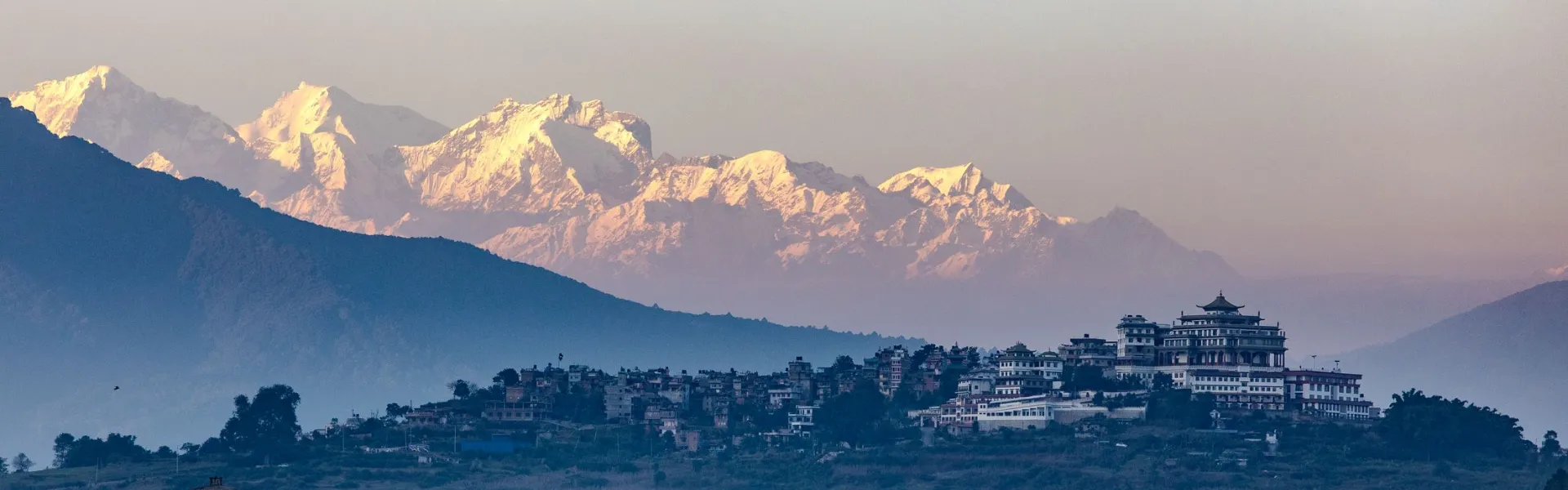
Short Hikes Near Kathmandu: 7 Easy Day Hikes and Treks
Last verified: 23 November 2026. Trail conditions change after the monsoon, and park fees are set by the Department of National Parks and Wildlife Conservation. Confirm current conditions and fees before you go.
Short hikes near Kathmandu let you stretch your legs, test your gear and see the Himalaya without a long trek. Here are seven day hikes around the Kathmandu Valley rim, with distance, time, difficulty, how to reach each trailhead and the best season, plus a two to three day rim trek and safety tips for walking in the hills.
What are the best short hikes near Kathmandu?
Short answer: The best day hikes are Shivapuri Peak, Nagarkot to Changu Narayan, Sundarijal to Chisapani, Champadevi, Phulchowki, Nagarjun (Jamacho) and Dhulikhel to Namo Buddha. Most take four to seven hours and start within one to two hours of Thamel. Clear mornings from October to March give the best Himalayan views.
| Hike | High point | Walking time | Difficulty | Start |
|---|---|---|---|---|
| Shivapuri Peak | About 2,732 m | 5 to 7 hours return | Moderate to hard | Budhanilkantha |
| Nagarkot to Changu Narayan | About 2,175 m | 3 to 4 hours, mostly downhill | Easy | Nagarkot |
| Sundarijal to Chisapani | About 2,215 m | 4 to 5 hours one way | Moderate | Sundarijal |
| Champadevi | About 2,280 m | 4 to 6 hours return | Moderate | Hattiban or Pharping |
| Phulchowki | About 2,760 m | 5 to 7 hours return | Moderate to hard | Godavari |
| Nagarjun (Jamacho) | About 2,128 m | 4 to 5 hours return | Moderate | Phulbari gate |
| Dhulikhel to Namo Buddha | About 1,750 m | 3 to 4 hours one way | Easy to moderate | Dhulikhel |
Our Nepal trekking guide explains how these hikes fit into a longer trip, and they make good warm-ups before a Langtang or Everest trek.
How do you hike Shivapuri Peak?
Short answer: Start at the park gate near Budhanilkantha Temple, about 30 to 45 minutes by taxi from Thamel, and climb steep forest trails past Nagi Gompa nunnery to the summit at about 2,732 meters. Allow five to seven hours return. You need a Shivapuri Nagarjun National Park entry ticket, NPR 1,000 for foreigners.
Shivapuri is the second-highest point on the valley rim and part of the national park that protects Kathmandu’s water supply. The trail climbs through oak and rhododendron forest, with monkeys and many bird species. On clear days, the summit area shows Langtang and Ganesh Himal to the north. The route has many junctions and has seen lost hikers in the past, so go with a guide or a local who knows it.
Why hike from Nagarkot to Changu Narayan?
Short answer: The walk from Nagarkot to Changu Narayan is one of the easiest and most rewarding valley hikes. It follows ridges and farm trails, mostly downhill, for three to four hours to Changu Narayan, a temple listed as part of the Kathmandu Valley UNESCO World Heritage Site. Start with sunrise views at Nagarkot.
Nagarkot, about 1.5 hours by road from Kathmandu, is known for sunrise over the Himalaya, from Langtang to the Everest area on clear mornings. Many visitors stay overnight to catch dawn. From Changu Narayan, it is a short drive to Bhaktapur, so you can combine the hike with an afternoon in Bhaktapur’s Durbar Square.
How do you walk from Sundarijal to Chisapani?
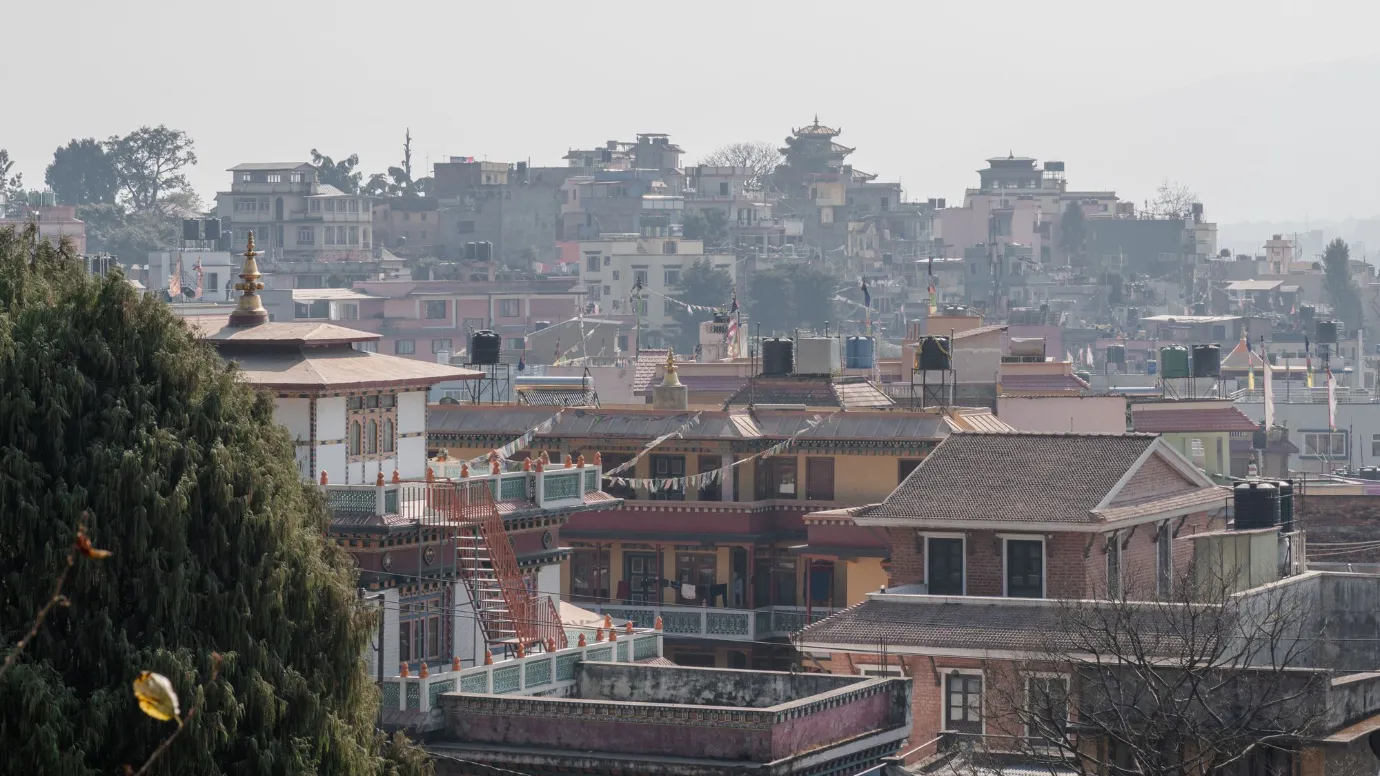
Short answer: Drive about 45 minutes to Sundarijal, enter Shivapuri Nagarjun National Park and climb stone steps past a reservoir and through forest to Mulkharka and the ridge, then descend to Chisapani at about 2,215 meters. The walk takes four to five hours. Chisapani has lodges, and most hikers stay overnight for sunrise views before continuing to Nagarkot.
Sundarijal to Chisapani is the first day of the Helambu trek and of the classic Kathmandu Valley rim trek. Tamang and Brahmin villages, terraced fields and views from Langtang to Ganesh Himal make it a good introduction to trekking. Chisapani lodges were rebuilt after the 2015 earthquake and offer simple rooms and dal bhat.
What is the Champadevi hike like?
Short answer: Champadevi is a forested hill on the southwest valley rim, reached from Hattiban near Pharping in about two to three hours of climbing. The summit at about 2,280 meters has a small shrine, prayer flags and views across the valley to the Himalaya. Allow four to six hours return, plus about an hour each way by road.
The route passes through pine and rhododendron forest with a few steep sections. Combine the hike with Pharping, home to Buddhist monasteries and caves associated with Guru Rinpoche, and the Dakshinkali temple. Spring brings rhododendron blooms, and winter mornings give the clearest views.
Why climb Phulchowki?
Short answer: Phulchowki, at about 2,760 meters, is the highest point on the Kathmandu Valley rim and one of Nepal’s best birdwatching sites close to the city. The steep trail from Godavari climbs through dense forest for three to four hours. Allow five to seven hours return. Spring rhododendrons and wildflowers give the hill its name, meaning flower-covered.
The forest supports a wide range of birds, butterflies and plants, and birders often walk the hill at dawn. The Godavari Botanical Garden near the trailhead makes a pleasant stop. A rough road also reaches the summit area, which hosts communication towers, so the top is less wild than the forest below. A guide helps on the many forest junctions.
How do you hike Nagarjun Hill to Jamacho?
Short answer: Start at the Phulbari gate of Shivapuri Nagarjun National Park, about 30 minutes from Thamel, and climb through forest to Jamacho at about 2,128 meters, where a Buddhist stupa and viewing tower overlook the valley and the Himalaya. The hike takes four to five hours return. A park entry fee applies.
The trail is steady rather than steep, with monkeys, deer and many birds in the forest. On clear days, the tower view reaches Annapurna, Manaslu, Ganesh Himal and Langtang. As with Shivapuri, go with a guide, since trails branch often and hikers have been lost in the past.
What is the Dhulikhel to Namo Buddha hike?
Short answer: From the hill town of Dhulikhel, about 1.5 hours east of Kathmandu, walk through farmland, villages and pine forest to Namo Buddha, a Buddhist pilgrimage site with a large monastery, in three to four hours. The hike is mostly gentle. Return by road, or stay at the monastery guesthouse for an overnight visit.
Namo Buddha is linked to a legend in which a prince offered his body to a starving tigress, and the Thrangu Tashi Yangtse Monastery welcomes respectful visitors. Dhulikhel itself offers wide Himalayan views at sunrise. Combine the hike with Panauti, a well-preserved Newari town nearby, for a full cultural day.
Can you hike the Kathmandu Valley rim over several days?
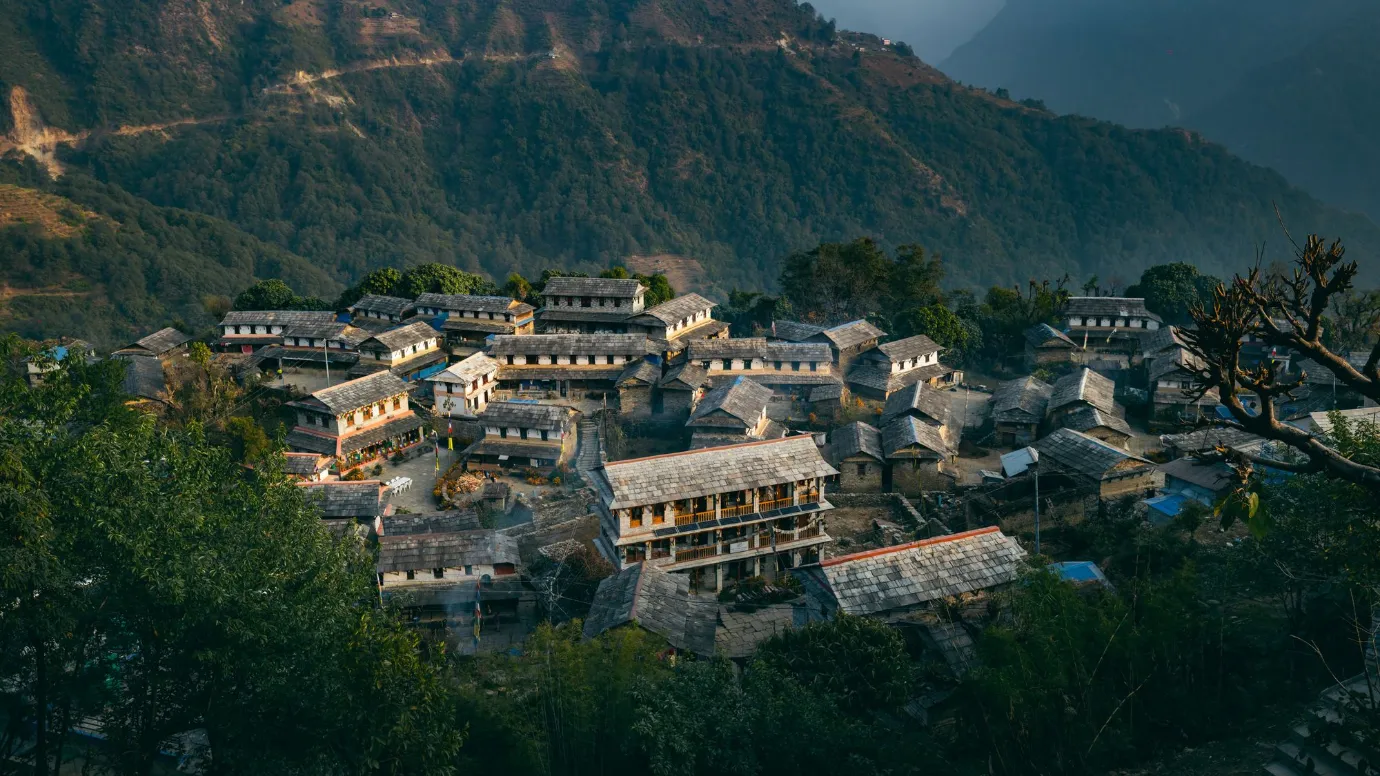
Short answer: Yes. A popular two to three day rim trek links Sundarijal, Chisapani, Nagarkot and Dhulikhel, staying in lodges along the way. It reaches about 2,200 meters, so altitude is not a concern, and it suits families, first-time trekkers and anyone with a few spare days before or after a longer trek.
| Day | Route | Walking time |
|---|---|---|
| 1 | Sundarijal to Chisapani | 4 to 5 hours |
| 2 | Chisapani to Nagarkot | 5 to 6 hours |
| 3 | Nagarkot to Changu Narayan or Dhulikhel, then drive to Kathmandu or Bhaktapur | 3 to 5 hours |
The trek uses a mix of footpaths and dirt roads, so ask your guide to choose trail sections where possible.
Which cultural sites can you combine with a valley hike?
Short answer: Pair Nagarkot and Changu Narayan with Bhaktapur, Champadevi with the Pharping monasteries, Shivapuri with Budhanilkantha’s reclining Vishnu, Nagarjun with Swayambhunath, and Namo Buddha with Panauti and Dhulikhel. Many of these sites belong to the Kathmandu Valley UNESCO World Heritage Site, so a hike becomes a full day of culture.
| Hike | Nearby cultural stop | Why visit |
|---|---|---|
| Nagarkot to Changu Narayan | Bhaktapur Durbar Square | Newari temples, pottery square, juju dhau yogurt |
| Champadevi | Pharping and Dakshinkali | Buddhist caves and monasteries, Hindu temple |
| Shivapuri | Budhanilkantha Temple | Large reclining Vishnu statue in a sacred pond |
| Nagarjun | Swayambhunath | Hilltop stupa with valley views |
| Dhulikhel to Namo Buddha | Panauti | Quiet Newari town with old temples |
| Phulchowki | Godavari and Patan | Botanical garden, Patan Durbar Square and museum |
Our Kathmandu and Pokhara tour covers the main heritage sites if you want a guided sightseeing day.
How safe is hiking near Kathmandu?
Short answer: Valley hikes are generally safe with a guide and sensible planning. The main risks are getting lost on forest trails, slips on steep or wet steps, dehydration on hot days and road traffic. Avoid hiking alone in national park forests, tell someone your plans, start early and finish before dark.
Forest trails in Shivapuri Nagarjun National Park branch often, and mobile signal can drop under the trees. Carry a charged phone with offline maps, enough water and a warm layer. In the monsoon, watch for slippery rocks and swollen streams. Wild animals such as monkeys are best left alone, and do not carry food openly near them.
How much does a guided day hike near Kathmandu cost?
Short answer: A guided day hike usually costs the guide’s day rate, often about USD 25 to 50, plus private transport of about USD 30 to 80 return depending on distance, park fees and meals. Shared costs fall in a group. Agencies often sell packages that include transport, guide, lunch and fees.
Ask what the price includes: pickup from your hotel, the park entry ticket, lunch and drop-off at the end point. One-way hikes such as Nagarkot to Changu Narayan or Dhulikhel to Namo Buddha need a car waiting at the finish, which affects cost. Overnight trips add a lodge night and meals, usually modest in price.
Which hike suits which traveler?
Short answer: Families and gentle walkers enjoy Nagarkot to Changu Narayan and Namo Buddha. Birdwatchers choose Phulchowki. Fit hikers who want a workout choose Shivapuri. Trekkers preparing for a longer trek choose Sundarijal to Chisapani. Photographers choose Nagarkot or Chisapani for sunrise.
Match the hike to your goal for the day. If you only have half a day, Nagarjun or Champadevi fit best. If you have a free night, Chisapani or Nagarkot give sunrise and sunset in one trip. Our trek by traveler type page suggests longer options too.
When is the best time for hiking around Kathmandu?
Short answer: October to early December gives the clearest views and dry trails. January and February are cool and often clear, with frosty mornings at higher points. March and April bring rhododendron blooms but more haze. June to September brings monsoon rain, slippery trails, leeches and cloud, though forests are lush and green.
Start early in any season. Mornings are usually clearest, and clouds build over the mountains by late morning. In winter, dress in layers, since ridge tops can be cold even when the valley is mild. In the monsoon, check that roads and trails are open, as landslides and flooded streams can block routes.
Do you need a guide or permit for day hikes?
Short answer: No trekking permit is needed for most valley day hikes, but Shivapuri Nagarjun National Park charges an entry fee of NPR 1,000 for foreigners at its gates, including Budhanilkantha, Sundarijal and Phulbari. A local guide is strongly recommended for forest routes, which have many unmarked junctions.
Several hikers have been lost or injured walking alone in the park forests, so going solo is not advised. A guide also arranges transport, chooses routes that avoid roads and explains the temples and villages you pass. Our page on hiring guides and porters explains how to book a licensed guide.
What should you pack for a day hike near Kathmandu?
Short answer: Pack two liters of water, snacks or lunch, a warm layer and a rain jacket, sun protection, comfortable broken-in shoes or boots, a phone with offline maps, cash for park fees and tea stops, and a small first aid kit. Use the hike to test the gear you plan to take on a longer trek.
- Daypack of 20 to 30 liters
- Water bottles and purification tablets or a filter
- Fleece or light down jacket for windy ridge tops
- Rain jacket, especially from May to September
- Sunscreen, hat and sunglasses
- Insect repellent and leech socks in the monsoon
- Passport copy and cash for park fees
How do these hikes help you prepare for a bigger trek?
Short answer: Valley hikes let you test boots, packs and layers, recover from jet lag, judge your fitness on real stone steps and ask your guide questions before a long trek. They do not acclimatize you to high altitude, but they ease you into walking at around 2,000 meters.
A good plan is one easy hike on your first or second day in Kathmandu, followed by a rest day before you travel to the trailhead. Our training plan and packing list help you prepare at home.
Which hike near Kathmandu is best for a first day after arrival?
Short answer: Nagarjun to Jamacho or a short walk at Champadevi suits a first day, because both are close to Thamel, finish by mid-afternoon and give valley views without a long drive. Avoid long, steep hikes such as Shivapuri or Phulchowki on your first day while you recover from travel and jet lag.
An easy first hike lets you test boots and pack, meet your guide and get used to Nepal’s stone steps and trails. Drink plenty of water, eat a good breakfast and keep the afternoon free to rest before your main trek.
Frequently Asked Questions
What is the easiest hike near Kathmandu?
Nagarkot to Changu Narayan is one of the easiest, mostly downhill on farm trails for three to four hours. Dhulikhel to Namo Buddha is also gentle.
Which hike near Kathmandu has the best mountain views?
Nagarkot, Chisapani, Shivapuri and Phulchowki give wide Himalayan views on clear mornings, especially from October to February.
Can I hike near Kathmandu in the monsoon?
Yes, but expect rain, leeches, cloud and slippery trails. Choose shorter, well-used routes and check road conditions before you go.
How do I get to the trailheads?
Taxis and private cars reach all trailheads in 30 minutes to 1.5 hours from Thamel. Local buses also run to Budhanilkantha, Sundarijal, Godavari and Dhulikhel but are slower.
Are these hikes suitable for children?
Nagarkot to Changu Narayan, Namo Buddha and Nagarjun suit active children. Shivapuri and Phulchowki are long and steep, so they suit older children with hiking experience.
About the author: Pradip Karki
Pradip Karki is the Chairman of Peregrine Treks and Tours in Kathmandu and a veteran Himalayan travel specialist with over 20 years of industry leadership. A former TIMS Department Head at the Trekking Agencies’ Association of Nepal (TAAN) with an MBA in Accounting and Finance, Pradip personally scouts routes across Nepal, Tibet and Bhutan to design safe, high-altitude treks and luxury cultural tours.
Reviewed and updated by Pradip Karki on 23 November 2026.
Official Sources Checked
- Department of National Parks and Wildlife Conservation: Shivapuri Nagarjun National Park fees
- Nepal Tourism Board: Kathmandu Valley destinations
- UNESCO World Heritage Centre: Kathmandu Valley including Changu Narayan
Do not hesitage to give us a call. We are an expert team and we are happy to talk to you.
info@hikinginnepal.com- Local Experience
- Financial Protection
- Effortless Travel
- Intimate Group Size
- Bespoken Itinerary