

Experience spectacular Annapurna views and authentic Gurung culture on this scenic, lower-altitude trek.

Unbeatable Holiday Offers – Save Up to 20% on Your Next Adventure!
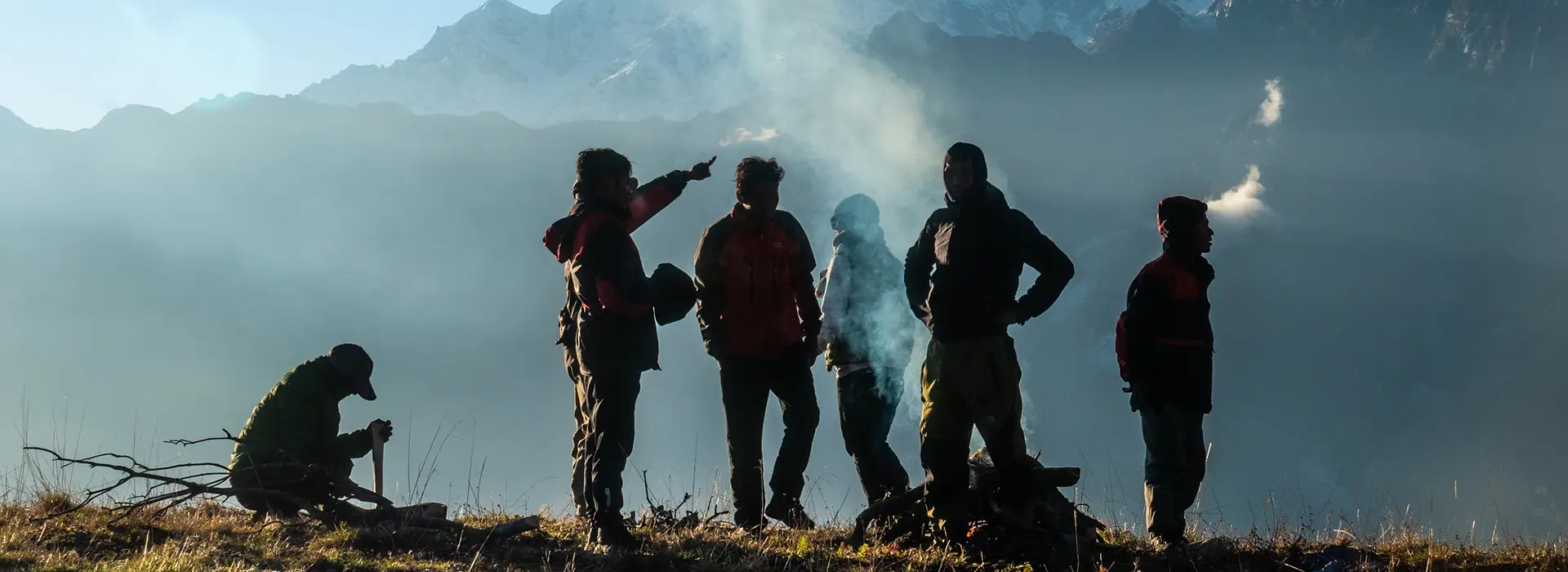

Experience spectacular Annapurna views and authentic Gurung culture on this scenic, lower-altitude trek.
The Annapurna Siklis Trek takes you through the quiet Annapurna foothills on a 9-day route centered on Siklis—one of the largest and most traditional Gurung villages in the entire Annapurna Conservation Area. The trek starts and ends in Kathmandu, travels to Pokhara by tourist bus, and follows a trail from Kalikasthan through Lamachaur to Siklis, then continues to Ghale Gaon or Forest Camp, and returns to Pokhara. The route stays below 2,200 meters throughout, making it one of the most accessible short Annapurna treks for first-time visitors and travelers with limited time.
Siklis village sits at approximately 1,980 meters on a ridge above the Mardi Khola valley in the Annapurna Conservation Area. The village is home to a significant Gurung community that maintains traditional farming practices, stone-built architecture, and cultural customs linked to the broader Gurung heritage of the Annapurna hills. On clear days, from the village ridgeline, Annapurna II at 7,937 meters, Annapurna IV at 7,525 meters, Lamjung Himal at 6,986 meters, and Machhapuchhre at 6,993 meters all rise above the lower valley, offering clear visibility.
The Siklis Trek from Pokhara stays close enough to the city that you never feel deep in the mountains—and far enough from the main Poon Hill circuit that the daily trekker traffic drops to a fraction of what busier Annapurna routes carry. Trails pass through terraced farmland, rhododendron and oak forest sections, and traditional village lanes at a pace that allows proper cultural engagement rather than the transit-focused movement of more crowded commercial routes.
The 9-day package includes airport pickup by private vehicle, two nights at Hotel Thamel Park in Kathmandu, two nights at Hotel Splendid View in Pokhara, all transport between cities and the trailhead, teahouse or homestay-style accommodation on all five trekking nights, full board meals from Day 3 through Day 7, a licensed English-speaking guide, and both required permits. The Annapurna Siklis Trek 9 Days package suits first-time trekkers, culture-focused travelers, families, and photographers who want a genuine Gurung village experience without committing to a longer, higher, or more demanding Annapurna route.
Quick Answer: What Is the Annapurna Siklis Trek?
The Annapurna Siklis Trek is a 9-day short trek through Gurung villages near Pokhara. The route runs from Kathmandu through Pokhara, Kalikasthan, Lamachaur, Siklis village, and Ghale Gaon (Forest Camp). The trek focuses on Gurung culture, quiet forest trails, terraced farmland, and mountain views of Annapurna II, Lamjung Himal, and Machhapuchhre. The package includes Hotel Thamel Park in Kathmandu, Hotel Splendid View in Pokhara, guided trekking, permits, transport, and full board trek meals.
The Annapurna Siklis Trek traverses the western foothills of the Annapurna Conservation Area, prioritizing village culture, forest walks, and lower-altitude mountain views over high passes and glacier terrain. The trail enters the conservation area at Kalikasthan, passes through the transitional farmland and forest zone of Lamachaur, reaches the cultural center of the route at Siklis village, continues through the rhododendron and oak forest section toward Ghale Gaon (Forest Camp), and descends to a road point for the return drive to Pokhara.
The Siklis village trek route differs from the Poon Hill and Annapurna Panorama circuits in one fundamental way: the main destination is a living cultural community rather than a scenic viewpoint. Siklis gives you a full exploration day on Day 5 to walk the village lanes, visit the local monastery, interact with Gurung families, observe traditional farming practices, and understand the way of life that the mountain community has maintained for generations. No other short Annapurna route puts cultural immersion at the center of the itinerary in the same way.
The Siklis Trek from Kathmandu packages the experience into a complete 9-day itinerary from arrival to departure. You spend city hotel nights at both the start and end of the trip, get all transport arranged in advance, and walk with a guide who knows the Kalikasthan to Ghale Gaon route from regular experience. Daily walking time ranges from 4 to 7 hours across the five trekking days, with the Lamachaur to Siklis approach on Day 4 representing the most sustained uphill section of the route.

Included Meals

Trip staff

Transport

Accommodation

Trip Grade
Group Size
You arrive at Tribhuvan International Airport in Kathmandu. Our representative meets you in the international arrivals hall with a name sign and transfers you by private vehicle to Hotel Thamel Park in the Thamel tourist district. Check in, freshen up after your flight, and use the afternoon to rest and explore the immediate Thamel area. Trekking gear shops, money exchange outlets, pharmacies, and restaurants at every price point all sit within easy walking distance.
Our guide visits the hotel in the evening to introduce themselves, walk through the full 9-day Annapurna Siklis Trek itinerary, and answer questions about the village accommodation, the cultural visit in Siklis, gear requirements, and the overall daily walking distances. Confirm your travel insurance covers trekking activity and emergency evacuation before the meeting ends.
Meals: Not included – Thamel offers extensive restaurant options
Accommodation:
Hotel Thamel Park, Kathmandu (twin sharing)
Difficulty
You board the tourist bus or private vehicle from Kathmandu to Pokhara in the morning. The 6 to 7 hour journey follows the Prithvi Highway through the middle hill zone, tracing the Trishuli and Marsyangdi river valleys, with views of terraced farmland and river gorges along the way. The bus stops at a roadside restaurant for a short break—lunch on this day falls outside the package.
You arrive in Pokhara in the early afternoon and transfer to Hotel Splendid View near the Phewa Lakeside promenade. The evening is free. Walk along the lake, rent a rowboat on Phewa Lake, or find a lakeside cafe with mountain views above the water on clear evenings. Use the time to organize your daypack and confirm your gear for the Day 3 trailhead drive.
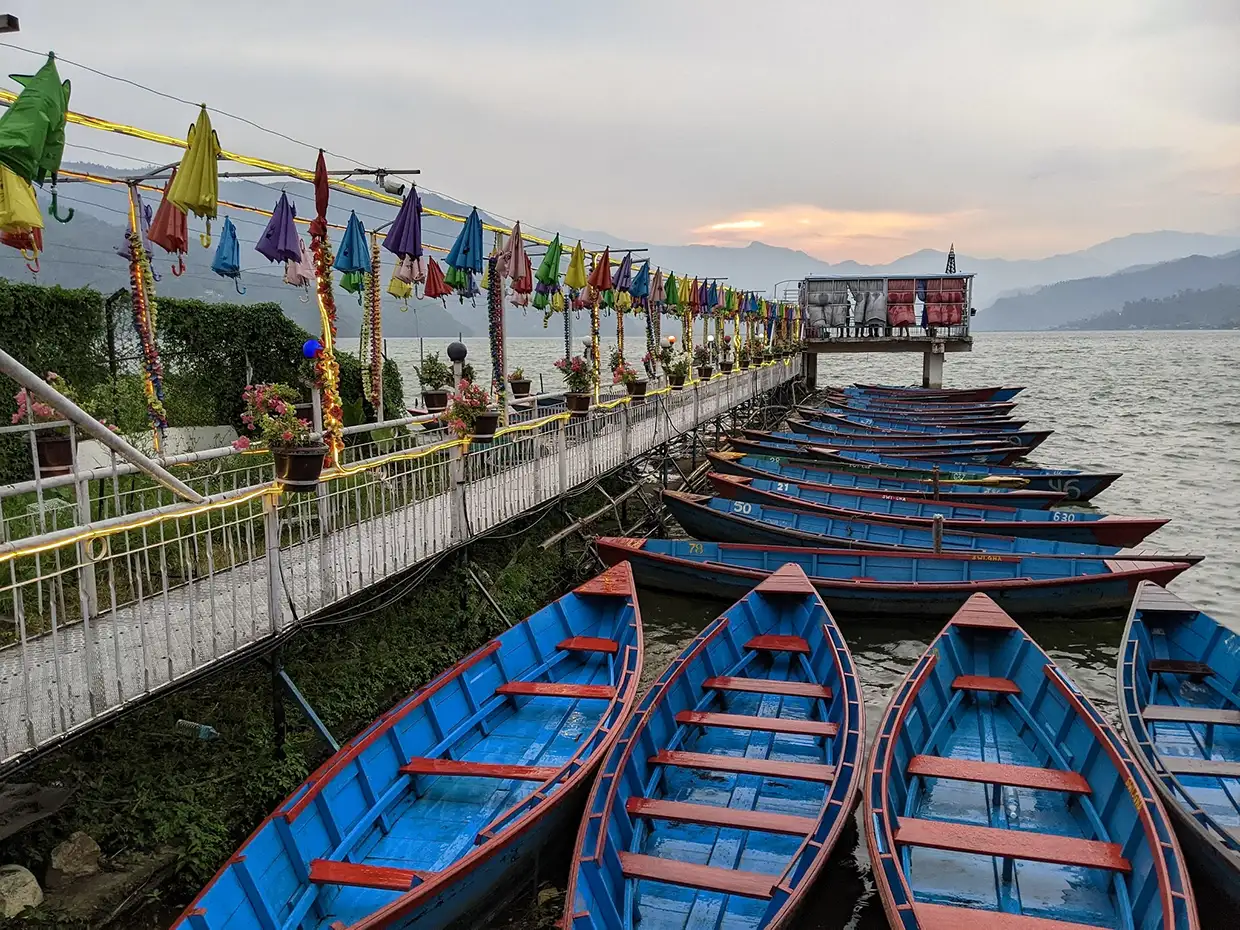 Accommodation:
Hotel Splendid View, Pokhara Lakeside (twin sharing)
Meals Breakfast
Difficulty
A local vehicle transfers you from Pokhara to Kalikasthan on the northern edge of the Pokhara Valley—approximately 30 to 45 minutes by road. The trek begins at Kalikasthan and follows the trail north through terraced farmland, small hillside villages, and lower forest sections toward Lamachaur. The Day 3 walk covers 4 to 5 hours and features consistent uphill gain as the trail rises out of the Pokhara Valley altitude zone into the lower foothills of the Annapurna Conservation Area.
First views north toward the Annapurna range begin to open up above the lower ridge sections on the approach to Lamachaur. Annapurna II’s upper snowfields appear above the valley wall on clear afternoons—the first glimpse of the peak that dominates the entire Siklis Trek mountain panorama. Arrive at the Lamachaur teahouse in the late afternoon, eat a family-cooked dinner, and rest for the approach to Siklis on Day 4.
Accommodation:
Teahouse or homestay in Lamachaur
Meals Breakfast, Lunch, Dinner
Difficulty
The Day 4 trail from Lamachaur to Siklis covers the most sustained climbing section of the Annapurna Siklis Trek itinerary. The path climbs through mixed forest and farmland over approximately 5 to 6 hours of walking, gaining elevation steadily through the middle hill zone toward the Siklis ridgeline. The forest sections on the upper approach include rhododendron and oak trees with open views appearing through the canopy as the trail rises above the main forest zone.
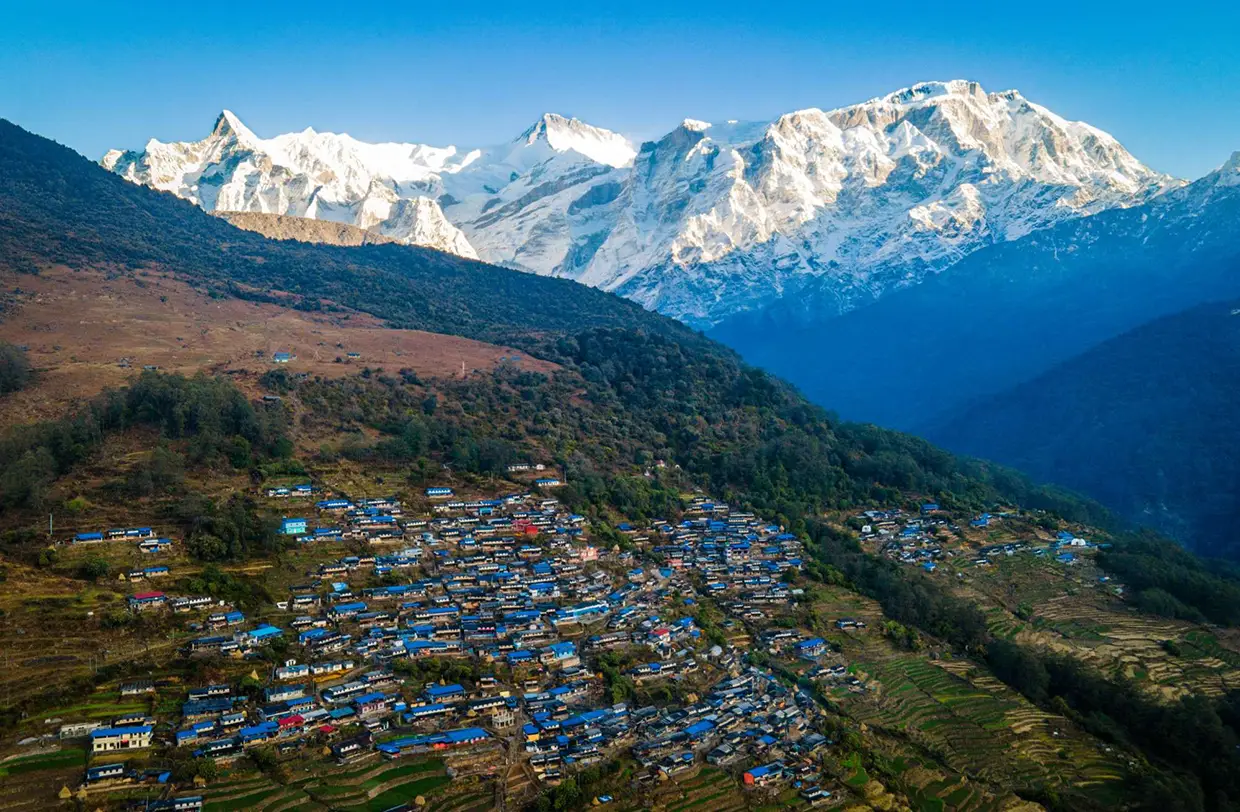
Siklis village appears on the ridge ahead as the trail emerges from the forest into the open cultivated zone below the main settlement. The approach gives you the first clear view of the Gurung village layout—stone-fronted houses on the ridge, terraced fields below, and the Annapurna II massif rising directly above the northern valley. Check into your teahouse or homestay in Siklis, eat dinner, and prepare for the full village exploration day on Day 5.
Accommodation:
Teahouse or homestay in Siklis
Meals Breakfast, Lunch, Dinner
Difficulty
Day 5 gives you a full exploration day in Siklis, with no scheduled departure. Wake early for the sunrise walk to the ridge viewpoint above the village—30 to 45 minutes on a clear path that brings you to the optimal position for the Annapurna II and Lamjung Himal sunrise light. Carry your headlamp, wear full warm layers, and bring your camera for the best morning photography conditions on the Siklis ridge.
After sunrise and breakfast, the day is full of Siklis. Walk the main village lane from one end to the other, observing the Gurung architectural style and the daily routines of households alongside the path. Visit the local monastery above the village for the wall paintings, religious objects, and valley views from the monastery courtyard. Watch farming activities in the terraced fields—plowing, planting, harvesting, or livestock management, depending on the season.
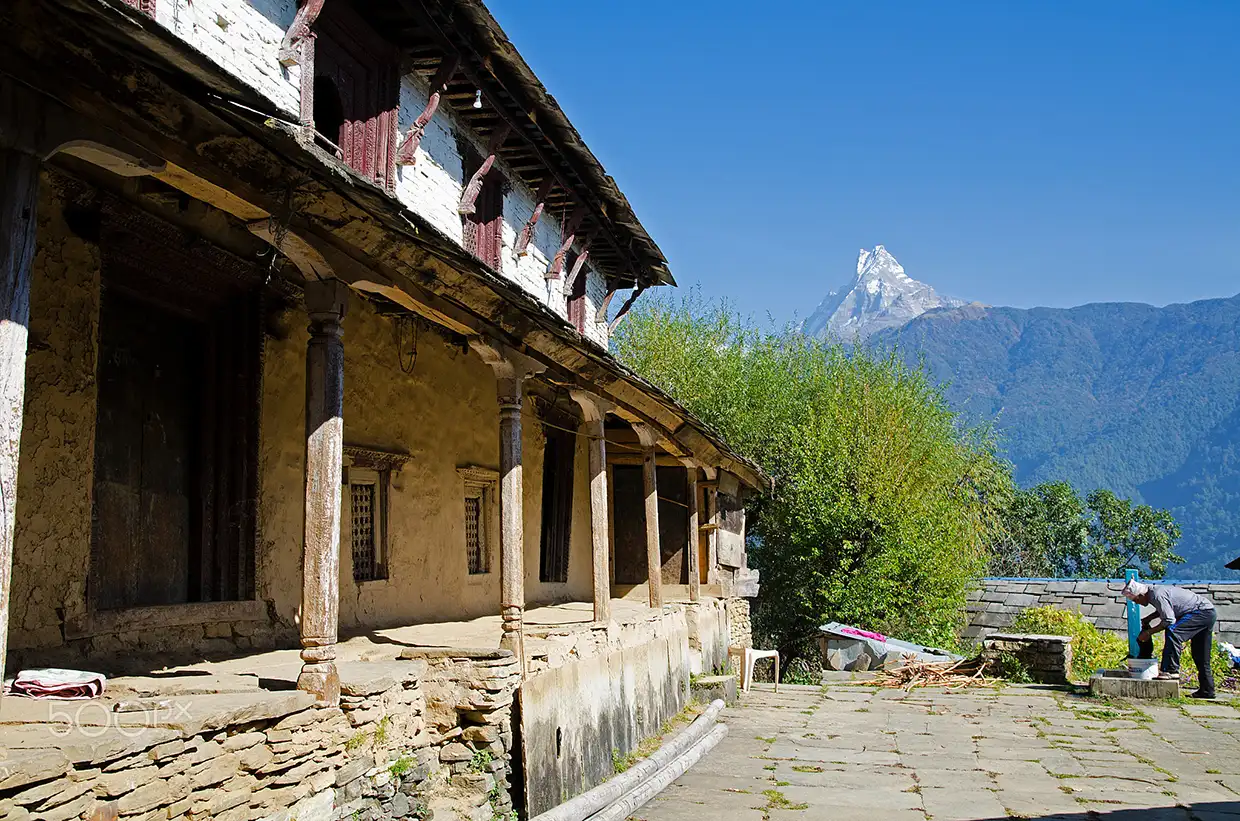
Your guide introduces you to local families who welcome visitors and explains the cultural context of what you observe—the significance of specific architectural elements, the annual festival calendar that structures Gurung community life, the role of livestock in household income, and the community’s history of engagement in trekking tourism. The Siklis exploration day represents the most culturally dense single day available on any short Annapurna route near Pokhara.
Accommodation:
Teahouse or homestay in Siklis (second night)
Meals Breakfast, Lunch, Dinner
Difficulty
The trail from Siklis to Ghale Gaon or Forest Camp moves through the rhododendron and oak forest zone that covers the ridgeline between the Mardi Khola and Seti Gandaki watersheds. The forest section provides the strongest botanical variety of the entire Annapurna Siklis Trek—rhododendron flowers cover the canopy in red, pink, and white from late February through April, while the oak and mixed forest stays green and cool through autumn and gives way to bare branch views in winter.
Daily walking time on Day 6 is approximately 4 to 5 hours on a trail that combines forest sections with occasional open ridgeline passages and approaches to Ghale Gaon through farmland. The descent gradient on the lower approach to Ghale Gaon makes trekking poles helpful for protecting the knees on the steeper sections. Arrive at the Ghale Gaon teahouse or Forest Camp lodge in the afternoon for the final trail overnight before the Day 7 descent to the road.
Accommodation:
Teahouse or homestay at Ghale Gaon or Forest Camp
Meals Breakfast, Lunch, Dinner
Difficulty
The final trekking day descends from Ghale Gaon through lower hill terrain and village paths to a road access point near the Begnas Lake area or another nearby road connection. The walk to the road takes approximately 2 to 3 hours on a clear downhill trail. A pre-arranged vehicle picks up your group at the road point and drives back to Pokhara in approximately 45 minutes to 1 hour.
You arrive in Pokhara in the early afternoon and check back into Hotel Splendid View. The evening is completely free—your first unstructured city evening since Day 2. Pokhara’s lakeside restaurants, boat hire services, massage facilities, and evening promenade all become available after five days on the trail. Many trekkers spend the evening celebrating the completion of the Annapurna Siklis Trek over a proper lakeside dinner, with the Annapurna range catching the last light above the lake.
Accommodation:
Hotel Splendid View, Pokhara Lakeside
Meals Breakfast, Lunch
Difficulty
The morning tourist bus or private vehicle returns from Pokhara to Kathmandu in 6 to 7 hours. Transfer to Hotel Thamel Park on arrival in the late afternoon. Use the evening for final souvenir shopping in Thamel, a celebration dinner, or rest before the Day 9 airport departure. Our team remains reachable via WhatsApp and phone throughout the evening for any questions about departure logistics.
Accommodation:
Hotel Thamel Park, Kathmandu
Meals Breakfast
Difficulty
Our driver transfers you from Hotel Thamel Park to Tribhuvan International Airport at the agreed pickup time. Allow at least 3 hours before international departure for check-in, immigration, and security. If your flight departs in the afternoon, store your luggage at the hotel after checkout and use the free morning to visit Boudhanath Stupa or Swayambhunath—both are within 15 minutes of Thamel by taxi.
Accommodation:
Not included – hotel checkout at standard time
Meals Breakfast
Difficulty
The Annapurna Siklis Trek package offers a short, culturally focused Annapurna experience in a format that most standard Nepal trekking packages do not. Where the Poon Hill circuit focuses entirely on reaching a single viewpoint before returning to Pokhara, and the Annapurna Panorama Trek strings together a series of commercial teahouse stops between Ghorepani and Ghandruk, the Siklis Trek builds the entire route around a specific cultural destination—Siklis village and the Gurung community that has lived there for centuries.
The lower-altitude profile keeps the route accessible without compromising the mountain view. Annapurna II and Lamjung Himal at nearly 7,000 and 8,000 meters appear directly above the Siklis ridge, even at 2,000 meters of trail altitude—the proximity of the village to the high Himalayan wall means close-range views without a high-altitude approach. Trekkers who want genuine mountain scenery without the physical demands of a pass crossing find the Siklis ridge viewpoint a satisfying and practical alternative.
The 9-day package handles every logistics detail from arrival in Kathmandu to departure. City hotels provide proper comfort at both ends of the trip. All transport runs through our pre-arranged system, so you don’t need to negotiate local buses or find drivers independently. Full-board trek meals mean you never arrive at a teahouse to find nothing available after a long walking day. The guide handles all permit checkpoints, route navigation, and teahouse booking throughout the trail section.
The Gurung village trek in Nepal suits a broader range of travelers than longer, higher Annapurna routes. Families with teenagers, older adults with reasonable fitness, solo travelers on a short Nepal visit, and couples who want a genuine mountain experience without a two-week commitment all find the 9-day Siklis Trek structure practical and rewarding.
Siklis is one of the oldest and largest Gurung settlements in the Annapurna region, situated on a ridgeline above the Mardi Khola valley at approximately 1,980 meters. The Gurung people of the Annapurna hills maintain a distinctive cultural identity that includes specific architectural styles, farming traditions, religious practices, and social structures that set them apart from the Tamang, Magar, Thakali, and Tibetan-origin communities found along other sections of the Annapurna trail.
Traditional Gurung homes in Siklis feature stone-walled construction, low doorways, flat or slightly pitched roofs, and internal courtyards shared between family units. The village layout organizes houses along narrow stone-paved lanes that run parallel to the ridgeline, with communal spaces—water sources, temple courtyards, and meeting areas—positioned at regular intervals through the settlement. The agricultural terraces surrounding Siklis cover the lower slopes below the village in a landscape pattern that has remained essentially unchanged for multiple generations.
Agriculture forms the economic backbone of Siklis village alongside livestock—particularly cattle, buffalo, and goats that graze on the common land above the village. Local households grow millet, maize, wheat, and seasonal vegetables on the terraced fields below the village. Trekking tourism provides supplementary income through teahouse operations, porter employment, and fees for cultural visits to local monasteries and community facilities.
Cultural respect in Siklis follows standard Gurung village etiquette. Dress modestly when walking through the settlement—cover shoulders and knees in village areas. Ask clearly before photographing residents, particularly elderly community members, women working in agricultural fields, and religious ceremonies or rituals. Remove footwear before entering the monastery and private homes when invited inside. Your guide provides specific cultural guidance for Siklis throughout the Day 5 village exploration.
The Siklis ridge viewpoint sits above the main village settlement at approximately 2,000 to 2,200 meters, facing north and northwest across a clear view corridor toward the high Annapurna and Manaslu ranges. On clear mornings in spring and autumn, five distinct major peaks appear above the lower valley.
Annapurna II at 7,937 meters rises directly to the north, Annapurna IV at 7,525 meters stands to its right, Lamjung Himal at 6,986 meters fills the northeastern horizon, Machhapuchhre or Fishtail Mountain at 6,993 meters appears to the east, and Manaslu at 8,163 meters—the eighth highest mountain in the world—rises in the far distance to the northeast on the clearest days.
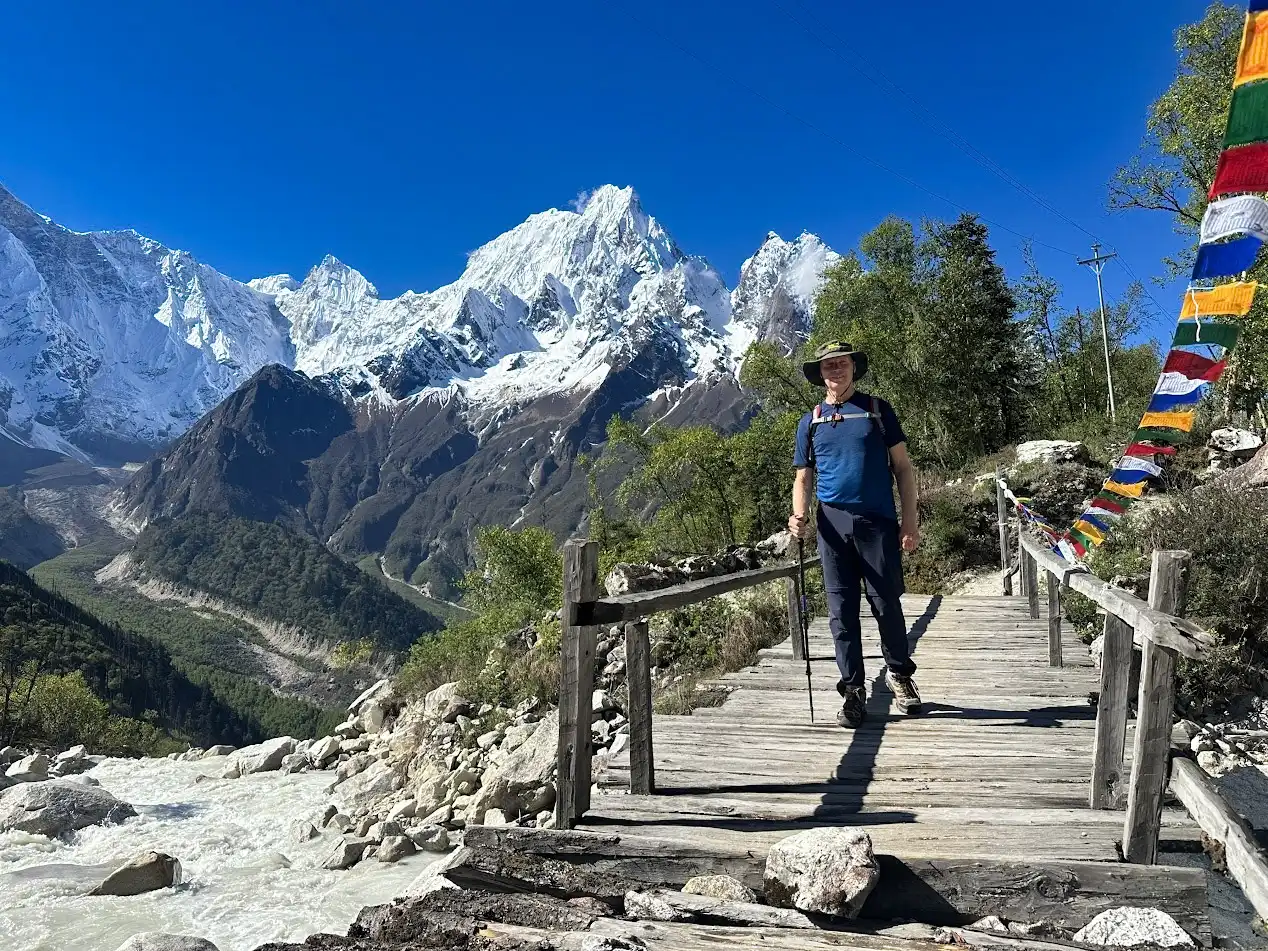
The Siklis viewpoint positions you at a lower altitude than Poon Hill’s 3,210 meters, but at a significantly closer horizontal distance to Annapurna II and Lamjung Himal than the Poon Hill viewpoint achieves. The steep face of the Annapurna II massif rises almost directly above the Mardi Khola valley that Siklis overlooks, creating a view of vertical scale rather than panoramic distance. The mountain wall looks closer and more imposing from Siklis than from Poon Hill precisely because the valley between the village and the mountain base is narrower.
Sunrise from the Siklis ridge on Day 5 morning provides the best light for mountain photography—the low eastern sun catches the Annapurna II face in direct, warming light while the valley below remains in shadow, creating the contrast and depth that make mountain photography compelling rather than flat. The best Siklis viewpoint sunrise requires a 30- to 45-minute walk from the village teahouse to the open ridge above the settlement. The sunset on Day 5 evening offers similar mountain views in amber and gold light from the village itself.
Daily cloud buildup begins in the afternoon on most days in the Annapurna foothills. The morning hours between 6 AM and 10 AM typically offer the clearest views. Spring and autumn provide the most consistent, clear-sky mornings. Winter days at Siklis often offer exceptionally clear views between cold fronts. The crowd level at the Siklis viewpoint stays far below Poon Hill throughout every season—the ridge rarely hosts more than a handful of trekking groups at the same time, even during peak October.
Kalikasthan serves as the trailhead for the Annapurna Siklis Trek and sits within easy driving distance of Pokhara on the northern edge of the Pokhara Valley. The immediate surroundings at Kalikasthan show the lower hill zone character of the Annapurna foothills—terraced fields of millet and maize descend the hillsides below the trail, small farmhouses with attached livestock shelters sit beside the path, and the first views north toward the Annapurna range appear above the lower ridgeline as the trail gains early elevation.
The Day 3 walk from Kalikasthan toward Lamachaur introduces the overall character of the Siklis route. Trails move between cultivated farmland and mixed forest sections with consistent uphill gain as you leave the Pokhara Valley altitude behind. The terrain stays green, varied, and physically engaging without the steep stone staircase pressure of the Poon Hill approach at Ulleri.
Lamachaur or Lamakhet provides the first overnight trek of the route at a local teahouse or homestay in the lower foothill zone. The settlement sits at a transitional altitude between the farmland of the lower valley and the more forested terrain above toward Siklis. The walking section from Kalikasthan to Lamachaur covers a moderate distance, with consistent elevation gain through farmland, small village clusters, and lower forest, which establishes the physical rhythm of the trek before the longer Day 4 approach to Siklis.
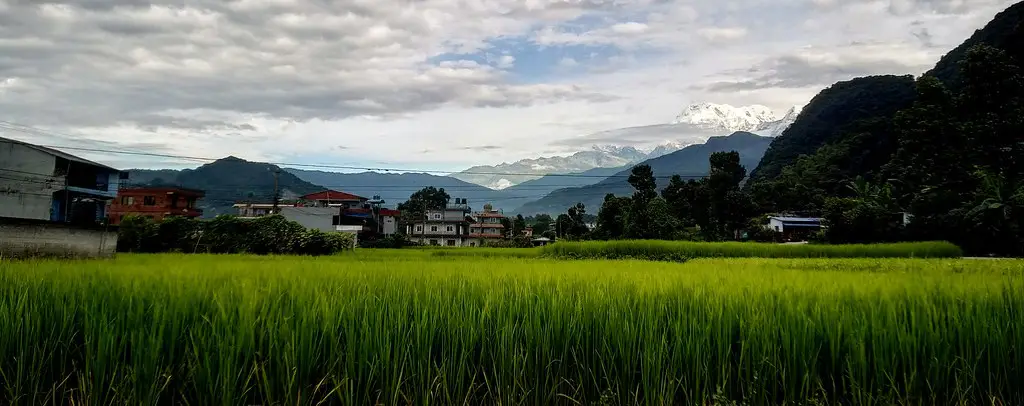
Overnight accommodation in Lamachaur is available at basic local teahouses with simple rooms and shared facilities. The family that runs the teahouse typically serves dinner in a shared dining room where other trekking groups, if any, eat alongside your group. The first community overnight sets the tone for the entire trail section—warm, unpretentious, locally managed, and completely different from the commercial teahouse atmosphere on the busier Annapurna circuits.
Siklis represents the primary reason to choose the Annapurna Siklis Trek over other short Annapurna routes. The village stays on the ridge for a full day on Day 5—not as a transit stop but as a destination that earns proper time and attention. Gurung homes line the main village lane in a continuous row of stone-fronted facades with carved wooden windows and doorways that show the traditional craft skills the community maintains. The local monastery above the main village holds Gurung Buddhist religious objects and wall paintings that give a clear picture of the spiritual life that runs alongside the village’s farming economy.
Teahouse or homestay accommodation in Siklis connects your overnight stay directly to a local family’s daily household routine. The family manages trekker guests alongside their own farming schedule—morning fieldwork begins before most trekkers wake, and the family’s home-cooked dinners use ingredients from the household garden and market rather than wholesale supply chains. Staying in Siklis for two nights gives you both the Day 4 arrival experience and the full Day 5 village exploration day.
Ghale Gaon, or the nearby Forest Camp, provides the final overnight trek after the Day 6 forest walk from Siklis. The route from Siklis to Ghale Gaon passes through the dense rhododendron and oak forest section that covers the ridgeline between the Mardi Khola and Seti Gandaki watersheds—a forest trail with cool shade, regular bird calls, and a blooming rhododendron canopy in spring that represents a distinct and rewarding final walking day before the descent to the road.
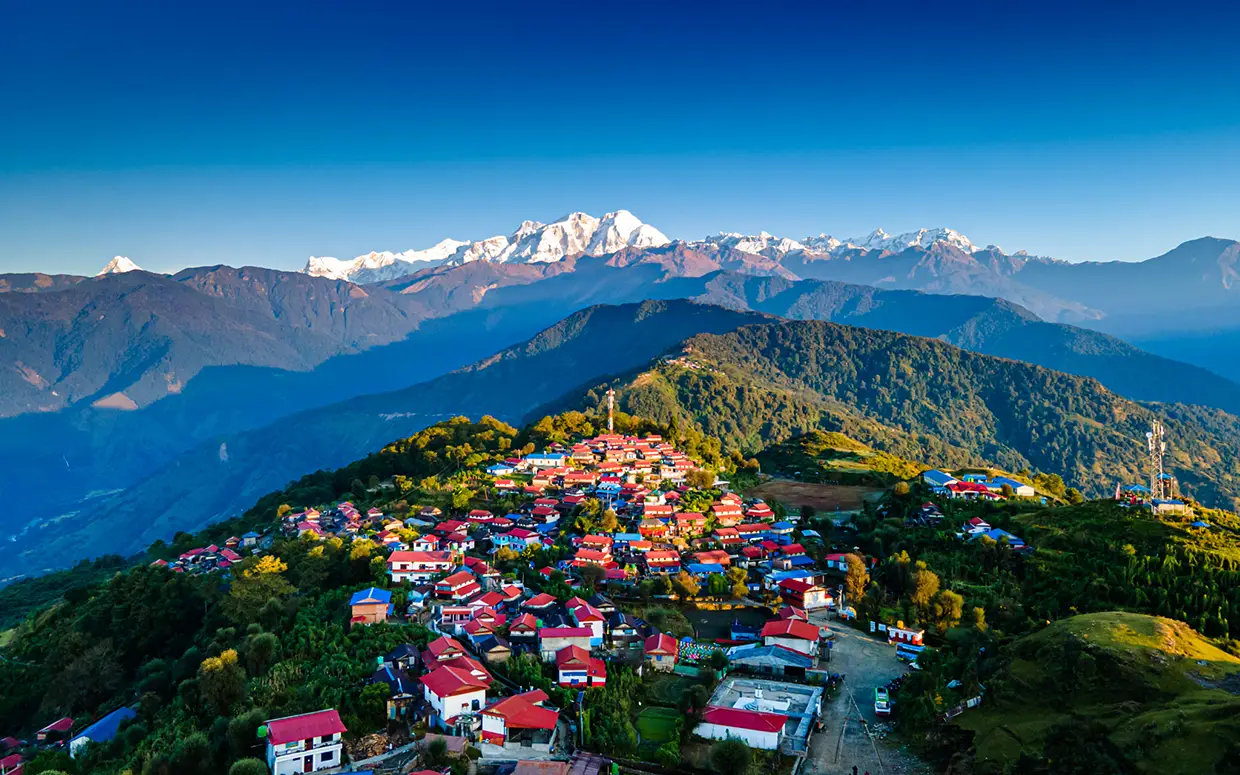
Accommodation in Ghale Gaon consists of basic local teahouse facilities, and the village offers a quiet, relatively undeveloped overnight stop that contrasts with the fuller teahouse services available in Siklis. The final trail night at Ghale Gaon gives you one more evening of village atmosphere before the Day 7 descent to the road and the drive back to Pokhara.
The Annapurna Siklis Trek 9-day package delivers a complete Gurung village experience near Pokhara with Hotel Thamel Park in Kathmandu, Hotel Splendid View in Pokhara, teahouse and homestay nights in Lamachaur, Siklis, and Ghale Gaon, a full cultural exploration day in Siklis village, mountain views of Annapurna II and Lamjung Himal, full board trail meals, a licensed guide, all permits, and all transport—in a single transparent price from Kathmandu arrival to departure.
The Siklis Trek from Kathmandu suits first-time trekkers, culture-focused travelers, families, and photographers who want a genuine Annapurna mountain and village experience without the commitment of high altitude. The trail stays accessible, the culture runs deep, and the mountain views deliver exactly what the Annapurna foothills promise.
Book now to confirm your teahouse reservations in Siklis village before the spring or autumn season fills the available community lodge nights. Contact our team for group pricing, itinerary customization, or transport upgrade options. We respond within 4 hours.
Kathmandu – Hotel Thamel Park
Hotel Thamel Park sits in the heart of the Thamel tourist district with walking access to trekking gear shops, restaurants, money exchange, pharmacies, and bus departure points. The hotel offers clean twin-sharing rooms with private bathrooms, hot water, Wi-Fi, and daily breakfast. The location and service standard provide a comfortable pre-trek and post-trek base without requiring taxi rides to reach essential services.
Pokhara – Hotel Splendid View
Hotel Splendid View is conveniently located on the lakeshore in Pokhara, offering private bathrooms, hot water, Wi-Fi, and mountain views from upper-floor rooms. Two nights at the hotel—one before the trek and one after—provide proper city-standard comfort on either side of the trail section. The lakeside location gives you easy access to Pokhara’s best evening restaurant options and the Phewa Lake boat hire services that make Pokhara evenings genuinely enjoyable.
Trekking Route – Teahouses and Homestays
On the trail, you stay in locally run teahouses or homestays in Lamachaur, Siklis (two nights), and Ghale Gaon across five consecutive nights. Teahouse and homestay rooms offer basic twin beds with pillows and blankets in clean, simple rooms. Bathrooms are shared at most trail stops. Hot showers are limited or unavailable at some locations—particularly at Ghale Gaon and Forest Camp. Carry a quick-dry towel and expect cold-water wash facilities at higher trail stops.
The teahouses and homestays on the Annapurna Siklis Trek offer genuine village-standard accommodation, not luxury. The Siklis teahouse may offer better facilities than the Lamachaur or Ghale Gaon stops, given its higher trekker volume and established hosting infrastructure. Approach all community accommodation with flexibility and curiosity.
Charging and Wi-Fi service vary across the five trial nights. Siklis village offers more reliable electricity and some Wi-Fi connectivity than the smaller overnight stops. Carry a fully charged power bank from Pokhara to maintain device power throughout the trail section.
Full board meals are included on all five active trekking days from Day 3 through Day 7. Hotel breakfast is included at Hotel Thamel Park and Hotel Splendid View on Days 2, 8, and 9. Day 7 includes breakfast and lunch before the return drive to Pokhara. Lunch and dinner in Kathmandu on Days 1 and 8, and dinner in Pokhara on Days 2 and 7, are not included in the package.
Trail food on the Annapurna Siklis Trek uses the standard local Nepali cooking that defines mountain teahouse and homestay cuisine throughout the Annapurna Conservation Area. Dal bhat—steamed rice, lentil soup, vegetable curry, pickles, and papadum—forms the main dinner option at most stops and comes with free refills at family-run teahouses. Other common options include noodle soup, egg dishes in multiple preparations, potato curry with chapati, vegetable fried rice, and porridge with honey for breakfast.
The Siklis teahouse food often uses vegetables grown in the household garden alongside purchased market ingredients. The family kitchen behind the dining room cooks meals in real time rather than from pre-prepared standardized portions—cooking takes longer than commercial teahouses but delivers food with more genuine local character. Budget extra time between ordering and receiving your meal at community-run stops throughout the trail.
Bottled water, soft drinks, alcohol, hot drinks beyond basic tea and coffee, snacks, and desserts carry additional charges at all trail locations. Carry a refillable water bottle with purification tablets to avoid both the plastic waste and the cost accumulation of buying bottled water at every teahouse stop.
The package covers five main transport segments: private vehicle airport pickup on Day 1, tourist bus or private vehicle Kathmandu to Pokhara on Day 2, local vehicle Pokhara to Kalikasthan on Day 3, local vehicle from road point back to Pokhara on Day 7, tourist bus or private vehicle Pokhara to Kathmandu on Day 8, and private vehicle airport drop-off on Day 9. Every segment connects seamlessly without requiring independent arrangement.
Optional transport upgrades improve comfort on specific legs. A private car or jeep replaces the tourist bus on either the Kathmandu–Pokhara or Pokhara–Kathmandu segment, offering greater comfort and flexibility. A domestic flight cuts the 6- to 7-hour bus journey to 25 minutes and offers aerial Himalayan views on clear days. Contact our team before confirming your booking to add transport upgrades and receive current pricing.
The Annapurna Siklis Trek enters the Annapurna Conservation Area and requires two permits. The Annapurna Conservation Area Permit costs NRs. 3,000 for foreign nationals and NRs. 1,000 for SAARC nationals, tax included, as listed on the NTNC e-permit portal. The TIMS card may also apply under the current Nepal Tourism Board registration requirements. Both permits come included in the package price.
Our team arranges both permits in Kathmandu before your Day 3 departure toward Kalikasthan. Bring two passport-size photographs and a clear copy of your passport photo page. The NTNC permit requires you to carry the document during the trek and present it to conservation area staff or permit checkers when requested. Your guide carries a permit record and handles all checkpoint interactions in Nepali on your behalf throughout the trail section.
The Annapurna Siklis Trek rates as easy to moderate—accessible to first-time trekkers with reasonable fitness, but not without effort on specific days. The highest point sits at approximately 2,000 to 2,200 meters, depending on the final route, reducing the risk of altitude sickness and eliminating the need for acclimatization days. Daily walking time ranges from 4 to 7 hours across the five trekking days, with the Day 4 approach from Lamachaur to Siklis as the most sustained uphill section of the trek.
The trail alternates between stone-paved village paths, earthen forest trails, and open farmland sections with varying gradients. The lower sections between Kalikasthan and Lamachaur on Day 3 gradually introduce the route’s uphill character. The Day 6 descent from Siklis toward Ghale Gaon includes steeper downhill forest sections where trekking poles provide clear benefit for knee protection. Uneven trail surfaces throughout the village sections require attentive footing rather than the automatic pace of a smooth city path.
Beginners who have completed two to three weeks of regular walking preparation can comfortably complete the 9-day Annapurna Siklis Trek route. Trekkers who exercise regularly in their daily lives—walking, cycling, yoga, or gym training—can handle the daily distances and elevation changes within their physical capacity without specific trekking preparation. Wear properly broken-in trekking footwear with ankle support for the village path sections and the forest trail descents.
| Season | Months | Conditions | Recommended |
| Spring | March to May | Rhododendron and oak forest blooms along the Kalikasthan to Siklis trail. Clear mornings, mild daytime weather, and strong mountain views. One of the two best windows on the route. | Yes |
| Autumn | Sep to Nov | Best mountain visibility after the monsoon ends. Stable, dry, blue-sky weather is ideal for views of Annapurna II, Lamjung Himal, and Machhapuchhre from the Siklis ridgeline. October is the peak. | Yes – Best |
| Winter | Dec to Feb | Cold mornings at altitude. Quiet trails and clear days in good weather. Require warm layers. Manageable for prepared trekkers on this lower-altitude route. | Possible |
| Monsoon | Jun to Aug | Daily rain, leeches on forest sections, muddy village paths, low visibility. Not recommended for first-time trekkers or families with young children. | No |
Spring and autumn offer the strongest combination of trail conditions, mountain visibility, and weather stability. March and April add the visual reward of rhododendron and oak forest blooms along the Kalikasthan to Siklis trail and the Siklis to Ghale Gaon forest section. October delivers the clearest mountain views of the year from the Siklis ridgeline and village viewpoint. Winter stays are feasible for prepared trekkers who pack adequate warm layers for cold nights at community teahouses.
Porter service stays optional in the base package and is available as a paid upgrade. The Annapurna Siklis Trek stays below 2,200 meters and features moderate daily distances, so many trekkers complete the route comfortably, carrying a 6 to 8-kilogram daypack without a dedicated porter. The Day 4 sustained climb to Siklis and the Day 6 forest descent to Ghale Gaon represent the two sections where pack weight most directly affects walking comfort and enjoyment.
One porter carries a maximum of 20 kilograms shared between two trekkers. You carry your own daypack with daily essentials throughout the trail. Adding a porter supports local employment along the Kalikasthan to Ghale Gaon route—the porter’s income feeds into the same village economies that the community teahouse supports. Contact our team before booking to add porter service and receive current pricing.
Add any of the following to your base package at extra cost before confirming your booking:
Travel insurance is compulsory for all trekkers on the Annapurna Siklis Trek. The route stays below 2,200 meters—significantly lower than the Annapurna Circuit, Khopra Ridge, or Annapurna Base Camp trails—so standard trekking insurance without extreme altitude restrictions generally covers the route adequately. Confirm your policy specifically covers trekking activity, emergency helicopter evacuation, and medical treatment in Nepal before purchase.
A helicopter evacuation from the Siklis trail section to Pokhara or Kathmandu costs USD 1,000 to USD 2,500, depending on location and weather. Without insurance coverage, the full cost of evacuation falls on the trekker. Purchase your policy before you fly to Nepal and carry both printed and digital copies throughout the trip. Our team requires your insurance provider’s name and policy number before the trek departs.
Pack light and cover the temperature range from warm lower-valley afternoons to cool mornings at the Siklis ridgeline. A 7 to 9 kilogram main bag covers everything you need for 5 trekking days on this route:
Gurung cultural respect forms the core of responsible travel on the Annapurna Siklis Trek. Dress modestly through all village sections—cover shoulders and knees in Lamachaur, Siklis, and Ghale Gaon at all times. Remove footwear before entering the Siklis monastery and before entering private homes when invited inside. Walk clockwise around any chortens, mani walls, or Buddhist structures you encounter on the trail through the Annapurna Conservation Area.
Ask clearly before photographing residents. Photography etiquette in Siklis village matters more than on commercial teahouse routes because the community hosts genuine daily life alongside tourist visitors rather than operating purely as a trekking service center. A resident farming their terrace or a family eating lunch in their courtyard deserves the same privacy request that you would expect from a photographer pointing a camera at you in your own home.
Carry a refillable water bottle throughout the trail and use purification tablets to eliminate single-use plastic bottle purchases. The NTNC minimum impact guidance specifically advises trekkers to reduce plastic waste and to avoid buying bottled water when refill or purification options are available. The Annapurna Conservation Area staff check permit compliance and increasingly monitor the introduction of plastic waste into the protected zone.
Support local teahouses by eating at the community-run stops rather than carrying pre-packaged food from Pokhara for every meal. Stay on marked trails through agricultural zones—cutting across terrace walls, walking through irrigated fields, and creating shortcuts through forest damage the land that Siklis and the surrounding villages depend on for their food production. Follow your guide’s exact route through all the village and farmland sections throughout the trek.
Your licensed guide manages safety throughout the 5 active trekking days. Safety responsibilities include setting a walking pace appropriate for the fitness level of all group members, monitoring weather conditions before the Day 5 Siklis ridge sunrise walk, managing teahouse reservations in advance for the Siklis village nights, and maintaining emergency communication capability through our Kathmandu office for the full duration of the trail section.
The Annapurna Siklis Trek stays well below the threshold for serious altitude sickness, with maximum elevations of 2,000 to 2,200 meters. Mild fatigue and reduced energy can occur on the Day 4 sustained climb to Siklis for trekkers who push pace beyond a comfortable level—walk slowly on the uphill sections and drink water regularly throughout the climbing days. Inform your guide immediately if you feel unwell, injured, or overly fatigued at any point on the route.
Slippery trail surfaces in wet conditions present the most common physical hazard on this route. Forest sections between Siklis and Ghale Gaon on Day 6 become muddy and slippery after rain. Trekking poles significantly reduce the risk of ankle twisting and slipping on steeper descent sections. Wear waterproof trekking footwear with good grip rather than trail runners with minimal sole traction for better performance on wet village and forest paths.
The booking process completes in under 10 minutes:
Our team responds to WhatsApp, email, and phone inquiries within 4 hours during Nepal business hours (9 AM to 6 PM, UTC+5:45), 7 days a week.
A: The full package runs 9 days from arrival in Kathmandu on Day 1 to final airport departure on Day 9. The active trekking section covers 5 days from Day 3 through Day 7. You spend 2 nights in Kathmandu and 2 nights in Pokhara, framing the 5 trail nights—one in Lamachaur, two in Siklis, and one in Ghale Gaon or Forest Camp.
A: Siklis village sits at approximately 1,980 meters in the Annapurna Conservation Area, roughly 40 kilometers north of Pokhara in Kaski District. The village overlooks the Mardi Khola valley, offering direct views of the Annapurna II massif and Lamjung Himal to the north. A local vehicle from Pokhara reaches the Kalikasthan trailhead in approximately 40 minutes, and the trek from Kalikasthan to Siklis takes two days.
A: Yes. The trek rates as easy to moderate and suits healthy first-time trekkers with basic fitness. The maximum altitude remains below 2,200 meters, reducing serious altitude risk. The main physical demands are the Day 4 sustained climb from Lamachaur to Siklis and the Day 6 descent through the forest to Ghale Gaon. Two to three weeks of regular walking preparation significantly improves comfort on both sections.
A: The highest point of the Annapurna Siklis Trek route sits at approximately 2,000 to 2,200 meters, depending on the exact trail taken, and the viewpoint visited above Siklis village. The route stays comfortably below the altitude thresholds that require serious acclimatization—no rest days for altitude adjustment appear in the 9-day itinerary.
A: From the Siklis village ridgeline and the viewpoint above the settlement, you see Annapurna II (7,937 m), Annapurna IV (7,525 m), Lamjung Himal (6,986 m), Machhapuchhre or Fishtail Mountain (6,993 m), and Manaslu (8,163 m) on clear days. The best viewing conditions occur in the morning hours between 6 AM and 10 AM before afternoon cloud buildup obscures the higher summits. Spring and autumn deliver the most consistently clear mornings.
A: Siklis stands as one of the largest and oldest traditional Gurung villages in the Annapurna region, maintaining stone-wall architecture, traditional farming practices, Gurung cultural customs, and a local monastery that represents the Buddhist religious life of the community. The Siklis Trek itinerary builds a full Day 5 exploration day into the schedule—not a transit stop but a genuine day of cultural engagement with guide-led village exploration, monastery visit, agricultural observation, and family interaction.
A: You stay at Hotel Thamel Park in Kathmandu and Hotel Splendid View in Pokhara for city nights—both clean, comfortable three-star hotels with private bathrooms, hot water, Wi-Fi, and daily breakfast. On the trail, you stay in locally run teahouses or homestays in Lamachaur, Siklis (two nights), and Ghale Gaon. Community lodge rooms feature twin beds and shared bathrooms. Hot showers are limited at higher trail stops.
A: Yes. Full board—breakfast, lunch, and dinner—comes included on all 5 active trekking days from Day 3 through Day 7. Hotel breakfast is included at both city hotels on applicable mornings. Day 7 includes breakfast and lunch before the drive to Pokhara. Lunch and dinner in Kathmandu and Pokhara are not included. Bottled water, hot drinks, soft drinks, and alcohol carry additional fees at all locations.
A: Porter service is optional in the base package and available as a paid upgrade. One porter can carry a maximum of 20 kilograms between two trekkers. We recommend adding a porter if you carry more than 8 kilograms, or if you want to reduce the physical load on the Day 4 Siklis climb and the Day 6 descent. Contact our team before booking to add porter service.
A: You need the Annapurna Conservation Area Permit (ACAP) and the TIMS card. The ACAP currently costs NRs. 3,000 for foreign nationals and NRs. 1,000 for SAARC nationals, tax included. Both permits come included in the package price. Our team arranges both documents in Kathmandu before your Day 3 departure. Bring two passport-size photographs and a copy of your passport photo page.
A: Spring (March to May) and autumn (September to November) offer the best conditions. Spring adds rhododendron and oak forest blooms along the Kalikasthan to Siklis and Siklis to Ghale Gaon trail sections. Autumn delivers the clearest mountain views of the year from the Siklis ridgeline. October stands as the peak month for combined weather stability and mountain visibility on this route.
A: Yes. A Kathmandu city tour covering Pashupatinath Temple, Boudhanath Stupa, Swayambhunath Stupa, and one Durbar Square is available as an optional add-on at extra cost. The tour takes approximately half a day and includes a vehicle and guide. Contact our team at Booking to add the city tour.
A: Yes. A Pokhara city tour, including a boat ride on Phewa Lake, World Peace Pagoda, Davis Falls, and Gupteshwor Cave, is available as an optional upgrade at an extra cost. The tour takes approximately half a day. Contact our team before confirming your booking to add this option.
A: Yes. Both the Kathmandu to Pokhara and Pokhara to Kathmandu legs are upgradeable to domestic flights at extra cost. The flight cuts the 6 to 7-hour bus journey to 25 minutes and offers aerial views of the Himalayan range on clear days. Contact our team before booking to add the flight upgrade and receive current pricing.
A: Yes. Travel insurance is compulsory for all trekkers on this route. Your policy must cover trekking up to 3,000 meters, emergency helicopter evacuation, medical treatment in Nepal, and trip cancellation. The route stays below 2,200 meters, so standard trekking insurance without extreme altitude restrictions generally provides adequate coverage. Confirm your specific policy terms and carry both printed and digital copies throughout the trip.