
Explore the ancient forbidden kingdom of Upper Mustang on an adventurous overland jeep tour.

Unbeatable Holiday Offers – Save Up to 20% on Your Next Adventure!
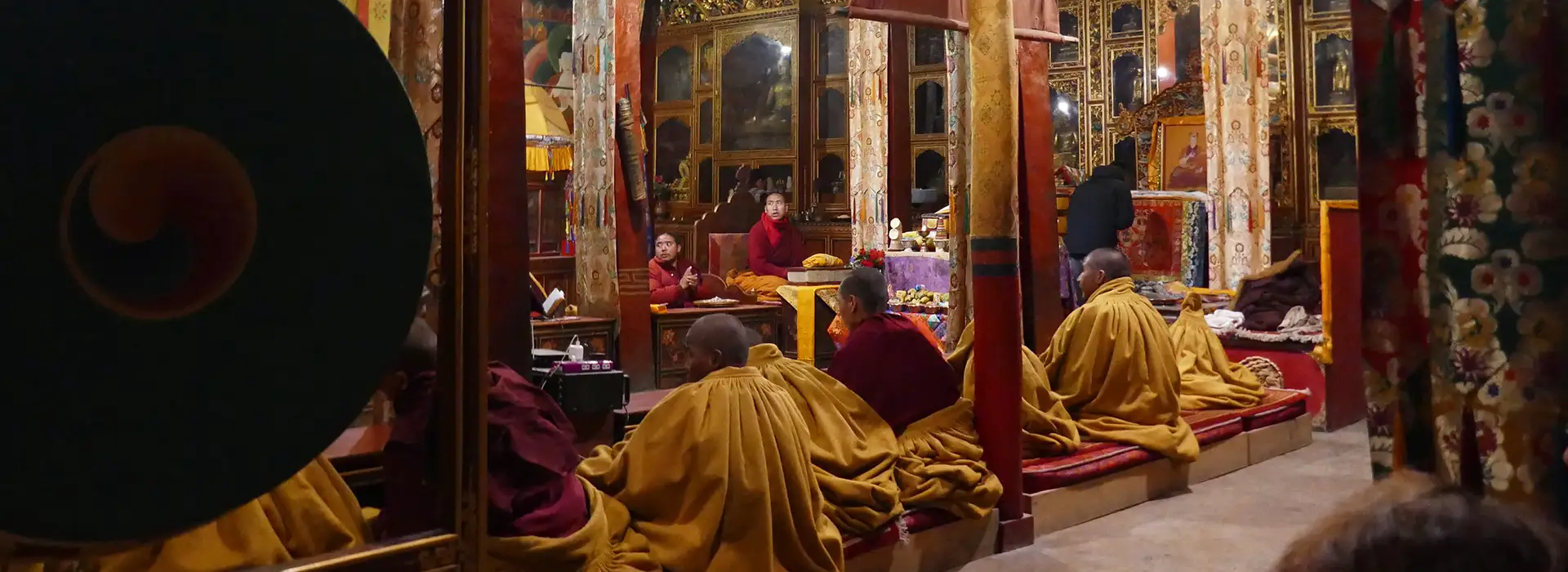

Explore the ancient forbidden kingdom of Upper Mustang on an adventurous overland jeep tour.
The Upper Mustang Jeep Tour provides an accessible, 9-day restricted-area cultural experience by 4WD vehicle from Kathmandu. This overland journey travels through the Kali Gandaki Valley to Lo Manthang, the ancient walled capital of the former Mustang Kingdom, bypassing the two weeks of demanding foot travel required by the standard trek. The comprehensive itinerary loops through Pokhara, Jomsom, Kagbeni, Tsarang, the Chhoser caves, and Muktinath Temple over seven active days of driving and exploration.
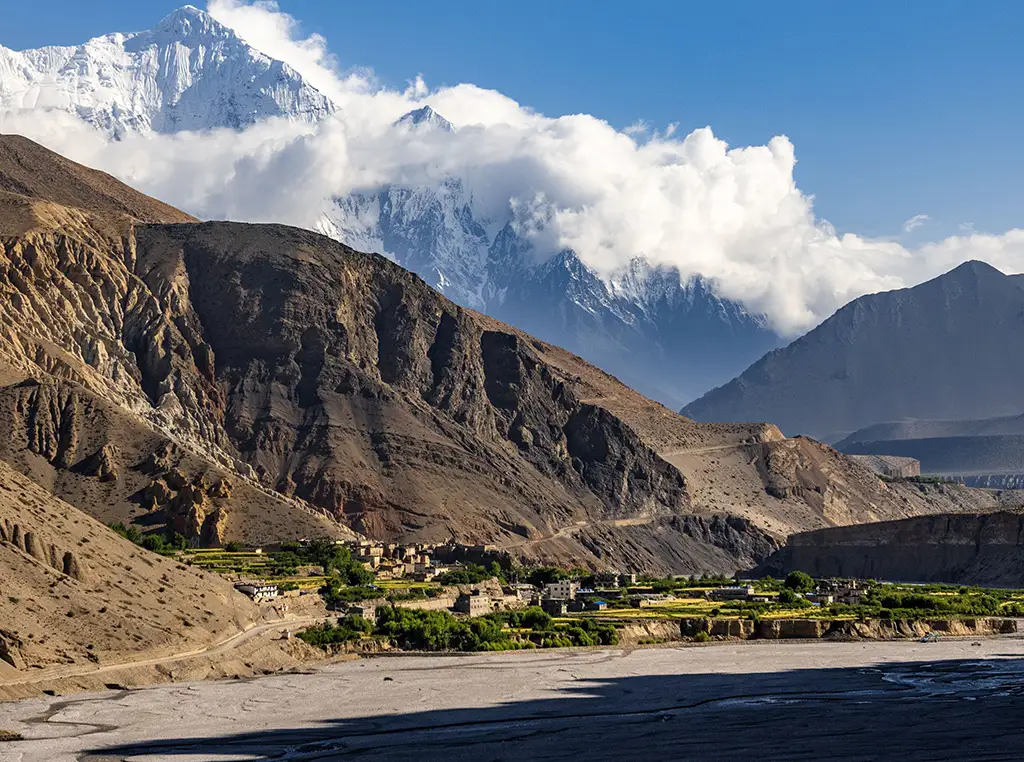
Geographically, Upper Mustang sits in the trans-Himalayan rain shadow of the Annapurna and Dhaulagiri massifs. This unique position creates a dry, desert-like plateau characterized by eroded cliffs, wind-sculpted canyons, and dramatic mountain backdrops. The deep Kali Gandaki gorge cuts through these massive mountain ranges, transitioning from green valleys into a stark, barren landscape resembling the Tibetan Plateau.
The indigenous Loba people preserve a vibrant Tibetan Buddhist culture established when the kingdom was founded five centuries ago. This heritage remains exceptionally well-preserved due to centuries of geographic isolation and Nepal’s strict permit regulations, which charge USD 50 per day to limit visitor numbers. The 9-day format ensures a proper pace, dedicating two full nights to Lo Manthang so travelers can explore the walled city’s monasteries, hidden alleys, and nearby cliff caves without being rushed.
The Upper Mustang Jeep Tour is designed for culture-focused travelers, families, seniors, photographers, and Muktinath pilgrims who want to experience the restricted kingdom without committing to weeks of trail walking. The journey reaches Lo Manthang in just five driving days from Kathmandu, compared to the standard trek’s eight to ten walking days. Guests should expect a mix of paved highways and rough, unpaved, dusty jeep tracks above Kagbeni. Daily drives last 5 to 8 hours over variable terrain, including river crossings, cliff-edge passages, and loose gravel.
Because of these conditions, a reliable 4WD vehicle and a highly skilled mountain driver are the operational foundation of the entire trip. Lodging along the route features traditional Tibetan mud-brick guesthouses situated between 3,500 and 3,800 meters. Amenities like attached bathrooms, hot water, and electricity are basic. Hot showers usually cost an extra NPR 300-500 and may be available only on a limited schedule. Due to the high altitude and dry climate, packing warm layers for cold evenings is essential.
Quick Answer: What Is the Upper Mustang Jeep Tour?
The Upper Mustang Jeep Tour is a 9-day 4WD overland tour from Kathmandu through Pokhara to Lo Manthang. The route covers Kathmandu, Pokhara, Beni, Tatopani or Marpha, Kagbeni, Tsarang, Lo Manthang, Chhoser caves, Muktinath Temple, Jomsom, and Pokhara. The tour focuses on Upper Mustang’s restricted-area culture, Loba heritage, ancient monasteries, desert landscapes, caves, and Himalayan views, without requiring daily trekking.

Included Meals

Trip staff

Transport

Accommodation

Trip Grade
Group Size
Your journey begins with a landing at Tribhuvan International Airport, where a representative warmly greets you outside the terminal. After collecting your luggage, you board a private vehicle for the short drive to your hotel in Thamel. The bustling streets immediately expose you to Kathmandu’s vibrant mix of colors, honking scooters, and fragrant spice shops. Check‑in formalities complete, you settle into your twin‑sharing room and begin adjusting to the new time zone.
Resting after your flight is essential for recovering from travel fatigue and preparing mentally for the overland adventure ahead. Your guide will visit the hotel in the evening to brief you about the tour and verify all necessary permits. Use this quiet time to organize your luggage, charge your devices, and review the nine‑day route in detail. A comfortable night’s sleep at 1,400 meters allows your body to ease into the journey without immediate physical demands.
Accommodation:
Hotel in Kathmandu (twin sharing)
Difficulty
An early departure takes you westwards along the Prithvi Highway, following the deep valley of the Trisuli River. The road snakes through terraced hillsides, small market towns, and stretches of sal forest that grow denser as you descend. After crossing the Marsyangdi River at Mugling, you turn north briefly before continuing to the Pokhara Valley. Arriving in Pokhara after six to seven hours, you feel the gentle lakeside climate replace the Kathmandu bustle.
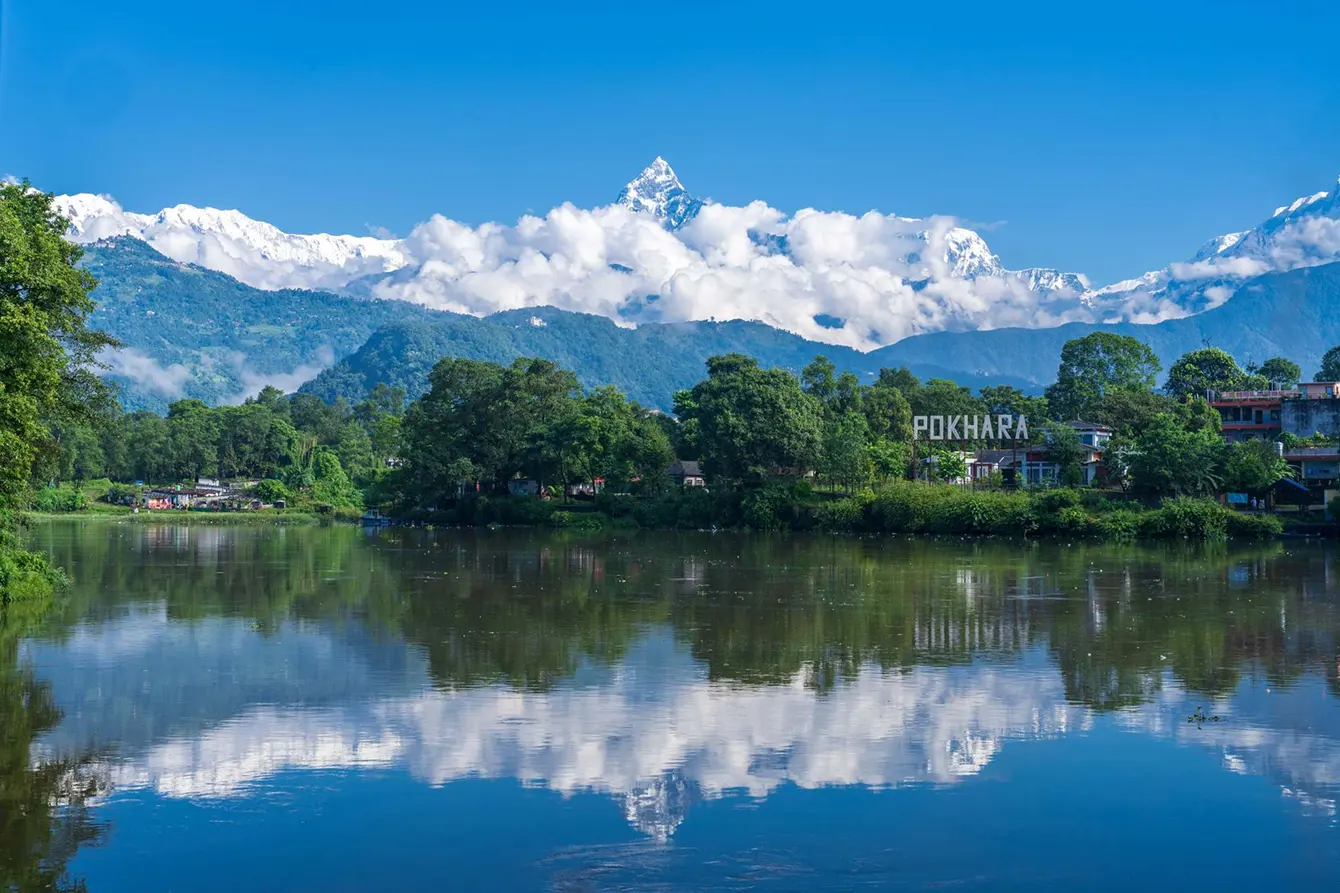
Your hotel sits close to Phewa Lake, where the afternoon is yours to explore the relaxed Lakeside promenade. Rowboats drift on the water, paragliders circle overhead, and the Annapurna massif reflects perfectly on clear days. You might stroll to a lakeside café for a cold drink while watching the evening light paint the mountains pink. This serene stopover mentally prepares you for the rugged trans‑Himalayan landscape that begins tomorrow.
 Accommodation:
Hotel in Pokhara (lakeside area)
Meals Breakfast
Difficulty
Today’s drive heads northwest from Pokhara, following the Beni road through the Kali Gandaki valley. You pass through the bustling bazaar of Beni, then enter the increasingly narrow gorge carved by the thundering river. Waterfalls cascade down vertical cliffs, and the vegetation shifts from subtropical to temperate as you climb. Your first clear views of the high country appear above the ridgelines, offering a taste of what’s to come.
Depending on road conditions, you either stop for the night in Tatopani or push on to Marpha. Tatopani’s natural hot springs provide a soothing soak after the long, bumpy drive through the lower gorge. Marpha, a whitewashed Thakali village, charms you with its narrow stone alleys and famous apple orchards. Walking around the village in the evening stretches your legs and introduces the Tibetan‑influenced architecture of the region.
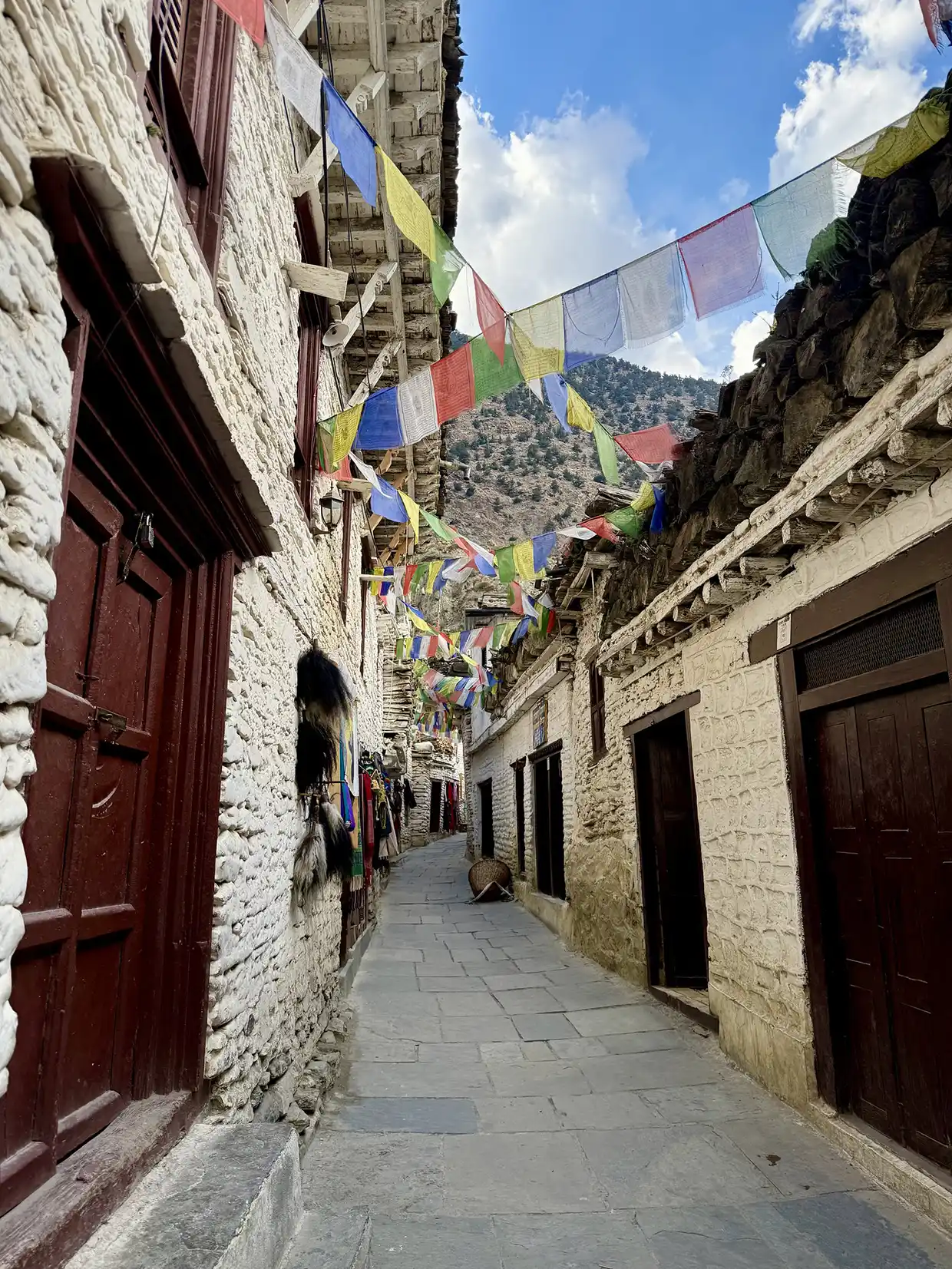 Accommodation:
Lodge in Tatopani or Marpha
Meals Breakfast, Lunch, Dinner
Difficulty
Leaving your overnight stop, you continue north along the Kali Gandaki, passing through the windy town of Jomsom. The landscape becomes increasingly arid, with the riverbed widening into a braided gravel plain flanked by towering peaks. At Ekle Bhatti, then at Kagbeni, you encounter the entry checkpoint for the restricted Upper Mustang region. Here, your permits are thoroughly checked before you cross into the ancient forbidden kingdom.
Beyond Kagbeni, the scenery transforms dramatically into an ochre- and brown-colored desert plateau, entirely unlike the lush valleys below. The road climbs through Chele and Syangboche, winding between eroded cliffs and bizarre rock formations. Depending on progress, you may reach the medieval village of Ghami, perched on a barren hillside at around 3,500 meters. The stark beauty of Mustang’s dry, windswept terrain begins to reveal itself in every direction.
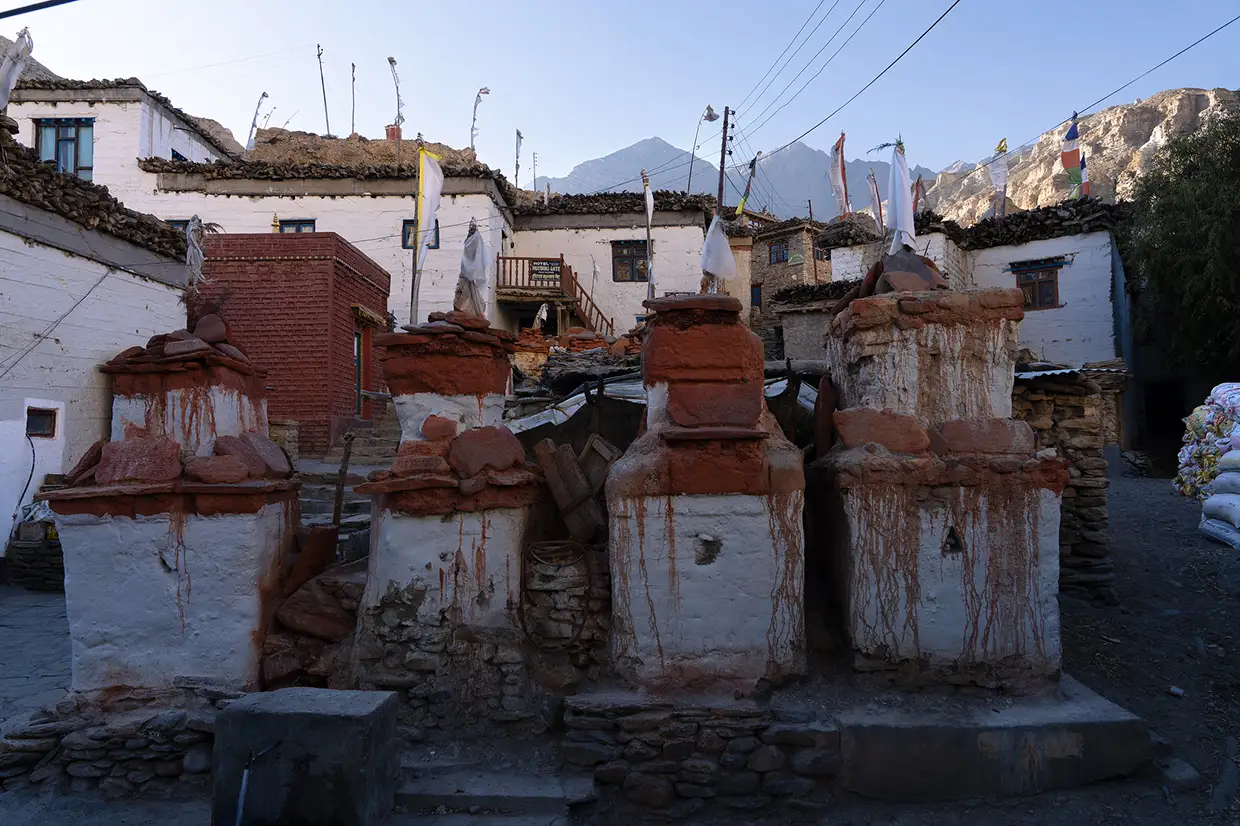 Accommodation:
Lodge or guesthouse
Meals Breakfast, Lunch, Dinner
Difficulty
The day’s drive takes you deeper into the restricted Upper Mustang landscape, past ancient cliff dwellings and cave systems. You stop briefly at the ochre‑walled village of Dhakmar, where the eroded cliffs behind the settlement glow red in the morning sun.
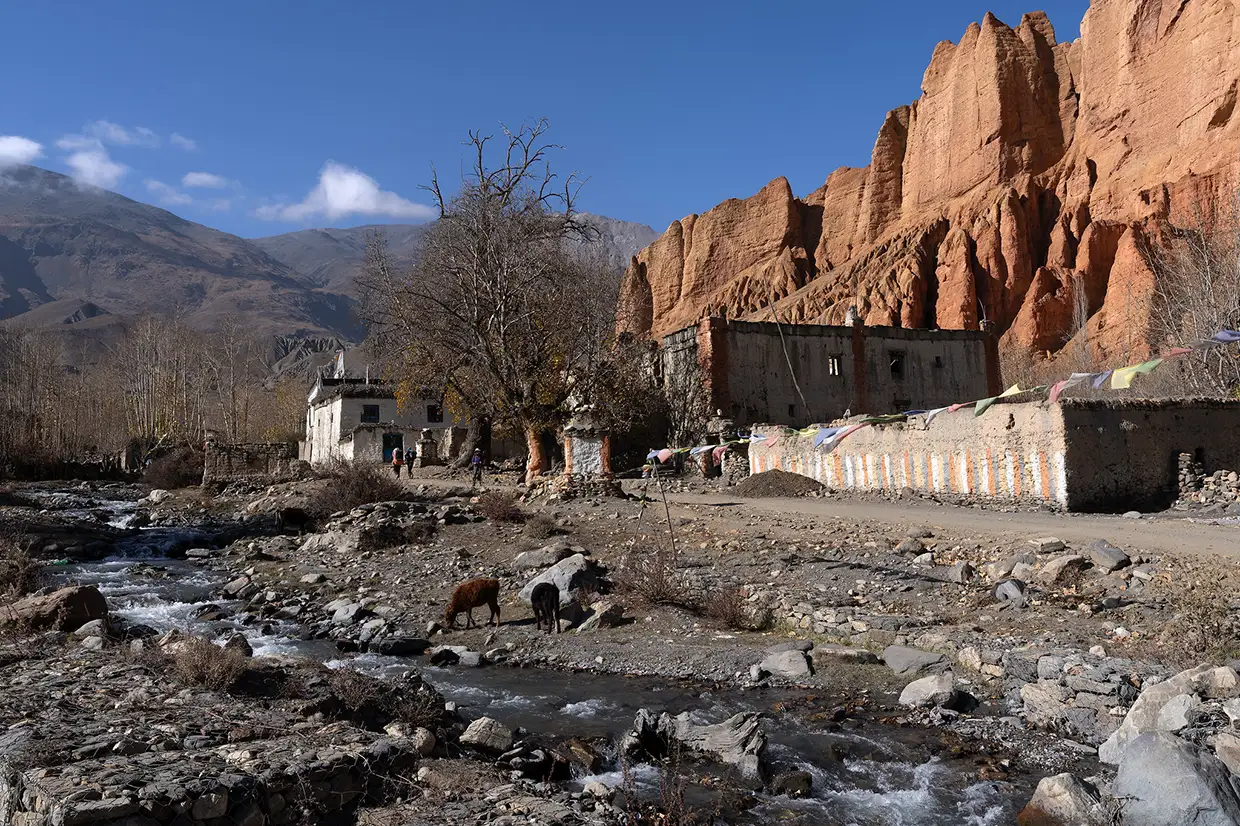
Continuing across the high desert plateau, you arrive at Tsarang, a medieval settlement with a stunning red monastery and a five-story white dzong. Exploring Tsarang’s narrow lanes and the monastery interior offers a vivid preview of Lo Manthang’s cultural treasures.
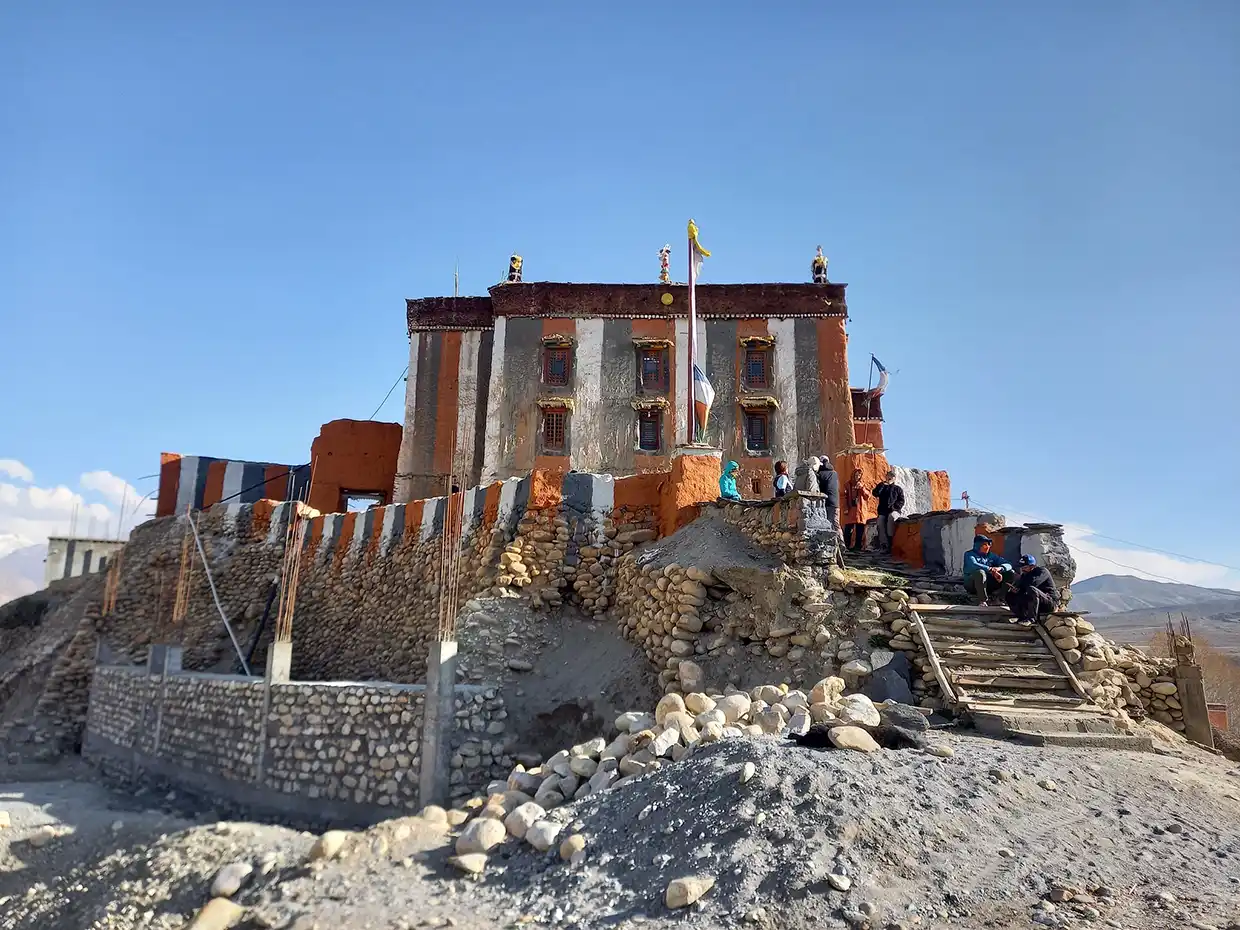
From Tsarang, the road climbs gradually over a final pass before descending into the fabled walled city of Lo Manthang. At approximately 3,840 meters, this ancient capital appears like a mirage on the high, windswept plain. The sight of its massive whitewashed walls, prayer flags, and distant snow peaks is simply unforgettable. You check into a simple lodge inside the city walls and prepare for a full day of exploration tomorrow.
Accommodation:
Lodge or guesthouse in Lo Manthang
Meals Breakfast, Lunch, Dinner
Difficulty
A full day in Lo Manthang allows you to immerse yourself in the cultural heart of Upper Mustang. The morning begins inside the city walls, where you visit three major monastery compounds in sequence.
Jampa Lhakhang houses an exquisite collection of fifteenth‑century mandalas and elaborate wall paintings that leave you breathless. Thubchen Gompa impresses with its massive assembly hall and ancient clay statues of Buddhist deities.
Next, you walk to Choede Gompa and the former royal palace, learning about Lo Manthang’s regal history from your guide. After a simple lodge lunch, you drive three to four kilometers north to the Chhoser cave complex. These astonishing hand‑carved caves, dug into vertical ochre cliffs, once served as meditation chambers, dwellings, and burial sites. Scrambling up to explore the eroded interiors gives you a thrilling sense of the region’s ancient human ingenuity.
Evening descends quietly over Lo Manthang, and you can walk the city walls for panoramic views of the surrounding desert. The thin air at this altitude demands slow movement, so you take plenty of rest and water throughout the day. Dinner in a traditional Mustangi kitchen introduces you to local buckwheat pancakes and yak butter tea. Falling asleep at 3,840 meters, you marvel at the remoteness and spiritual depth of this hidden kingdom.
Accommodation:
Lodge or guesthouse in Lo Manthang (second night)
Meals Breakfast, Lunch, Dinner
Difficulty
Leaving Lo Manthang behind, you begin the return drive southward through the restricted Upper Mustang terrain. The road retraces the route past Ghar Gompa, an ancient monastery linked to the Buddhist sage Padmasambhava, if time permits. You might also stop once more at the cliff village of Dhakmar for final photographs of its haunting red rock formations. Gradually, the landscape re‑enters the wider Kali Gandaki valley as you descend toward Jomsom.
Depending on driving progress, you overnight at Muktinath or continue down to Jomsom. Muktinath sits at 3,710 meters and is one of Nepal’s most sacred pilgrimage sites for both Hindus and Buddhists. Jomsom offers a milder altitude and the prospect of a more comfortable night’s sleep after several days above 3,500 meters. The familiar apple orchards and stone streets of the lower valley feel almost lush compared to Mustang’s high desert.
Accommodation:
Lodge or hotel in Muktinath or Jomsom
Meals Breakfast, Lunch, Dinner
Difficulty
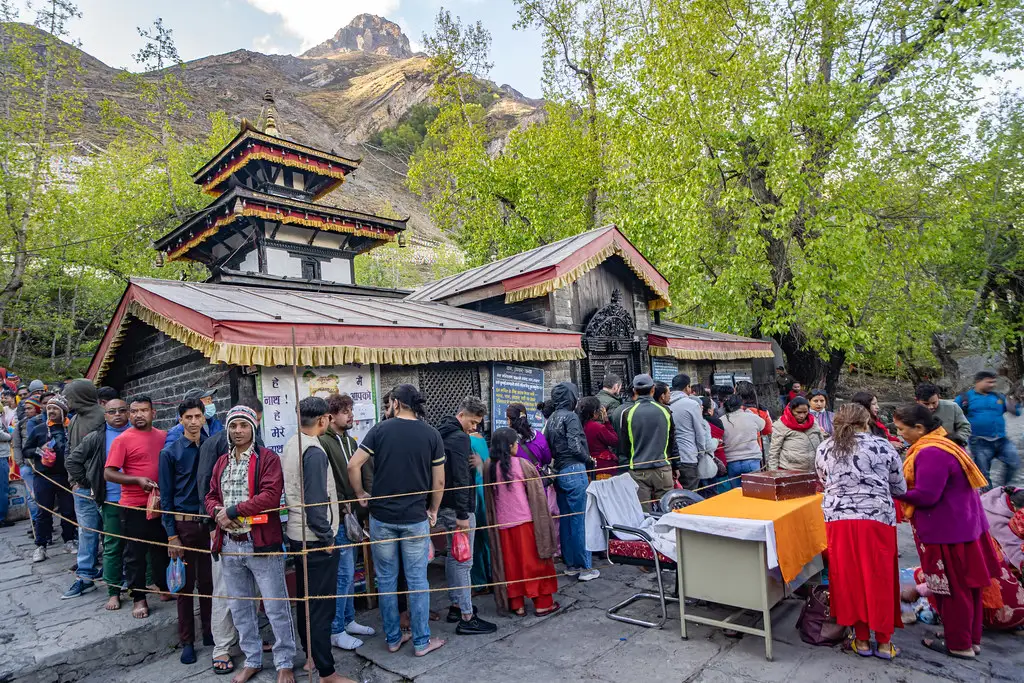
Your morning begins with a visit to the sacred Muktinath Temple, set against the backdrop of Thorong La. The temple complex features an eternal flame burning above a water source and 108 stone waterspouts shaped like cow heads. Pilgrims bathe under the freezing spouts, a ritual believed to cleanse sins and ensure salvation. This profound blend of Hindu and Buddhist devotion leaves a lasting spiritual impression before your long descent.
After the temple visit, you drive south through Marpha, Kalopani, Tatopani, and Beni towards Pokhara. The road descends dramatically, passing from barren high desert back into lush green forests and rice terraces. The journey takes seven to nine hours, but the ever‑changing landscape keeps the drive engaging throughout. Arriving in Pokhara in the evening, you check into your lakeside hotel and celebrate the completion of the overland adventure.
Accommodation:
Hotel in Pokhara
Meals Breakfast, Lunch
Difficulty
Your final day takes you back from Pokhara to Kathmandu by tourist bus, private vehicle, or a short flight. The scenic road journey retraces the Prithvi Highway through the Trisuli valley for around six to seven hours. Alternatively, a thirty‑minute flight offers a spectacular aerial farewell to the Annapurna range and the Himalayan foothills. Upon arrival in Kathmandu, you will be transferred to a hotel or directly to the airport for your onward flight.
Reflecting on the journey, you realize the Upper Mustang Jeep Tour has revealed a hidden world of ancient culture and stark beauty. The memory of Lo Manthang’s walled city, the Chhoser caves, and Muktinath’s sacred flames will stay with you forever. This final day marks the end of an extraordinary trans‑Himalayan adventure through one of Nepal’s most restricted and mystical regions.
Difficulty
The Upper Mustang Jeep Tour provides access to Lo Manthang for travelers who prefer an immersive cultural experience over a grueling walking schedule. Unlike rushed six-day alternatives, this nine-day format allows for genuine exploration at key stops, including Kagbeni, Tsarang, Chhoser Caves, Muktinath, and Marpha. The overland drive delivers spectacular scenery. Over three days, travelers trace the Kali Gandaki Valley, watching the massive walls of Dhaulagiri and Annapurna rise simultaneously on opposite sides of the track.
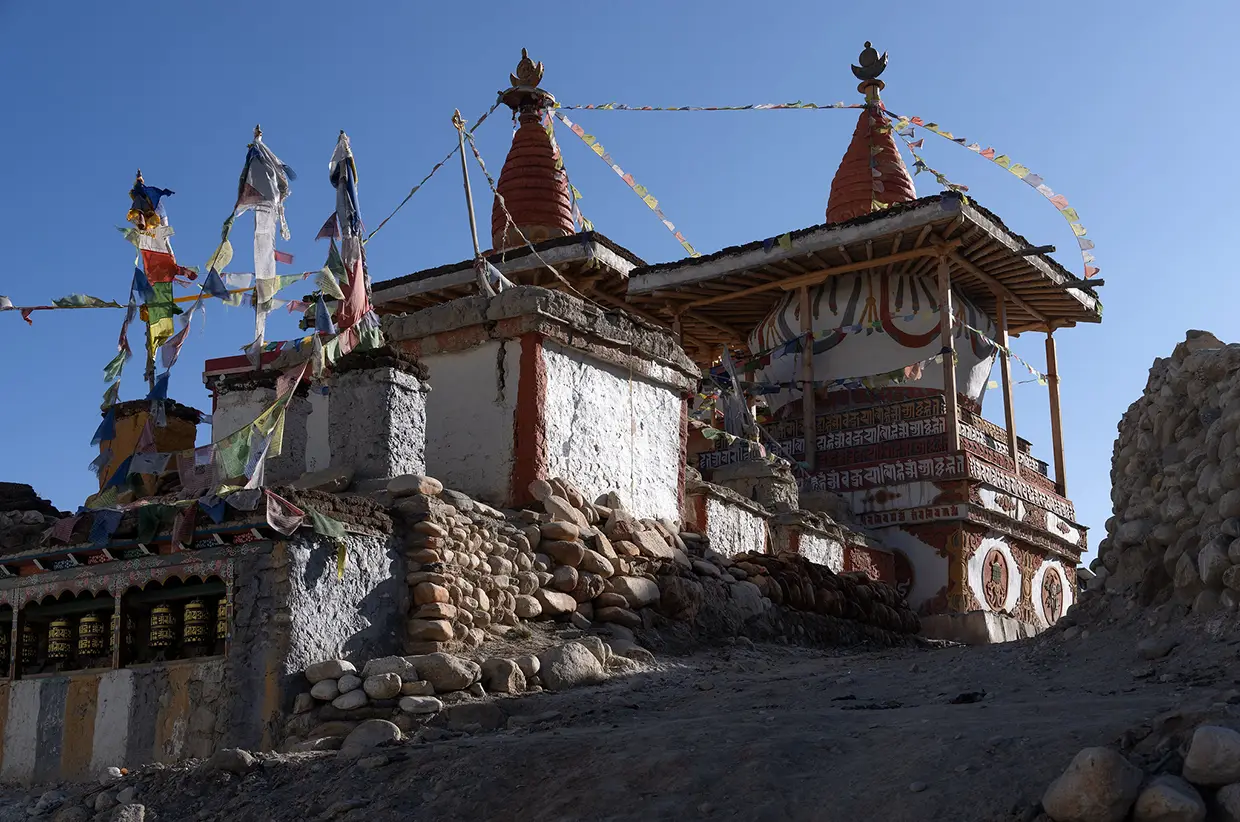
The route showcases a vibrant visual sequence of ochre cliffs, eroded cave formations, and prayer flags dancing in the crisp afternoon light on the plateau. This flexible 4WD format is ideal for families, senior travelers, photographers, and pilgrims, combining their journey with a visit to Muktinath. The vehicle provides reliable shelter, luggage security, and the ability to cover rugged terrain efficiently, ensuring maximum destination variety each day.
The tour suits:
| Tour / Trek | Duration | Difficulty | Main Style | Best For |
|---|---|---|---|---|
| Upper Mustang Jeep Tour | 9 Days | Easy–Moderate | 4WD overland cultural tour | Lo Manthang without trekking |
| Upper Mustang Trek | 12–17 Days | Moderate | Trekking route | Active trekkers |
| Upper Mustang Luxury Jeep Tour | 7–10 Days | Easy–Moderate | Premium private overland | Comfort-focused travelers |
| Muktinath Jeep Tour | 5–7 Days | Easy–Moderate | Pilgrimage and Lower Mustang | Muktinath visitors |
| Lower Mustang Tour | 5–8 Days | Easy | Jomsom, Marpha, Muktinath | Short Mustang experience |
| Tiji Festival Jeep Tour | 9–10 Days | Easy–Moderate | Festival-focused overland tour | Culture and festival travelers |
Hotel accommodation in Kathmandu on Day 1 and in Pokhara on Days 2 and 8 provides city-standard comfort with private bathrooms, hot water, Wi-Fi, and breakfast. The Pokhara lakeside hotel offers lake views and walking access to restaurants and shops for the free evening on Day 2.
Upper Mustang lodges in Kagbeni, Ghami, Tsarang, and Lo Manthang use traditional Tibetan mud-brick construction at altitudes between 3,500 and 3,840 meters. Attached bathrooms are available in most lodges in Lo Manthang. Hot showers typically require advance notice to the lodge staff to heat the water—budget for an extra NPR 300-500 per shower. Wi-Fi connectivity is intermittent in Lo Manthang and unavailable in the smaller intermediate villages. Electricity is supplied by a community micro-hydro system in most Upper Mustang villages, but may be cut off at 10 PM.
Evening temperatures in Upper Mustang—even in September and October—drop to near-freezing after sunset. Pack a warm sleeping layer for the nights at the Upper Mustang lodge rather than relying entirely on the lodge bedding. The specific dry cold of the rain-shadow plateau feels colder than the recorded temperature suggests, due to the wind and the reduced humidity at higher altitudes.
Upper Mustang lodges offer local hospitality and cultural authenticity that city hotels cannot—traditional Tibetan-style rooms, butter tea available in most establishments, and the specific Loba community atmosphere of a lodge system that serves a small, controlled number of visitors annually. The basic comfort is appropriate to the destination, not a service failure.
Lo Manthang (3,840 meters) served as the capital of the Mustang Kingdom from the 15th century until 2008. Its historic mud-brick perimeter wall spans 600 meters in circumference and stands at its original height on three sides. This fortification encloses the main residential quarter, four ancient monasteries, and the former royal palace, preserving a medieval capital layout that is now reachable by 4WD from Kagbeni.
The four primary monastery compounds—Jampa Lhakhang, Thubchen Gompa, Choede Gompa, and Chodhe Monastery—house 15th-century Tibetan Buddhist murals that are among the most significant surviving examples in the world. Painted with mineral pigments on lime plaster, these tantric deities and mandalas have remained remarkably preserved. Upper Mustang’s exceptionally dry climate, restricted access, and cultural continuity shielded them from the humidity and political disruptions that damaged similar sites elsewhere.
The Day 6 exploration provides the dedicated time this cultural hub requires. The morning covers the interior of the walled monasteries, alongside your guide, who unlocks the history behind the iconography. The afternoon features an excursion to the nearby Chhoser cave complex, a dramatic cliffside network just north of the city walls. This 9-day format protects the essential two-night stay in Lo Manthang, ensuring it remains the true highlight of the journey rather than a rushed turnaround point.
The Chhoser cave complex sits on an eroded ochre cliff 3 to 4 kilometers north of Lo Manthang’s city walls. This massive formation contains thousands of hand-carved chambers across multiple cliff levels, accessible via a short walk from the jeep track. The stark visual contrast of the dark cave openings against the brilliant orange-brown rock faces makes it one of the most photographically striking subjects along the entire Upper Mustang route.
Historically, these caves served multiple vital functions. They acted as isolated meditation chambers for monks, secure granaries for farming communities, and defensive cliffside dwellings during times of conflict. Your guide will detail these traditional uses and highlight the ongoing spiritual significance of the primary chambers during your visit.
For travelers interested in further exploration, Jhong Cave offers an excellent addition. Located above the Kagbeni valley floor near the confluence of the Kali Gandaki and Jhong Khola, its multi-chamber layout and lower altitude provide a distinct perspective on cliffside architecture. Your guide will monitor the daily schedule and road conditions to seamlessly integrate these unique historical stops.
Kagbeni (2,810 meters) lies at the strategic confluence of the Kali Gandaki and Jhong Khola rivers, serving as the gateway to Upper Mustang. The village permit checkpoint marks the official entry into the restricted zone, though the environmental shift is immediate: just past the checkpoint, lush greenery vanishes, the valley narrows, and the arid, wind-carved desert plateau begins.
Unlike Jomsom’s commercialized infrastructure nearby, Kagbeni preserves an authentic medieval character. Its labyrinth of narrow earthen alleys, some less than a meter wide, winds between high mud-brick compounds toward the northern edge of town. Here, the 15th-century Kag Chode Thupten Samphel Ling Monastery stands as the spiritual heart of the village, offering panoramic views over the canyon walls and the soaring snowy mass of Nilgiri. Pausing here provides a distinct transition point, making the ancient kingdom feel like a genuinely separate world.
Muktinath Temple (3,710 meters) stands as one of Nepal’s most revered pilgrimage sites, sacred to both Hindus and Buddhists. The compound is celebrated for its natural phenomena, featuring an eternal flame fed by natural gas emissions alongside a freshwater spring, symbolizing the sacred coexistence of fire and water. For Hindu pilgrims, it is one of the 108 Divya Desams dedicated to Lord Vishnu. For Buddhists, the site is deeply connected to Guru Rinpoche, the legendary master who brought Buddhism to Tibet.
Reached by a short drive above Jomsom on Day 8, the temple adds a profound spiritual layer to the journey. The complex features the main Vishnu temple, the Jwala Mai shrine housing the eternal flame, and 108 sacred water spouts carved in the form of cattle heads. Situated in the crisp, cold air near the base of the Thorong La Pass, the entire area carries a distinct, austere atmosphere shared by the world’s great high-altitude holy places.
Marpha (2,670 meters) is the most visually cohesive village in the lower Kali Gandaki Valley, featuring stone-flagged lanes flanked by traditional, whitewashed Thakali houses with flat roofs and ornate wooden window frames. Positioned along the historic trade route between Tibet and India, the village is famous for its thriving orchards and for exporting signature apple brandy, dried fruit, and local nut mixes across Nepal.
Further up the valley, Jomsom (2,720 meters) operates as the main logistics and transport hub for the entire region. It houses the local airport, a bustling strip of hotels, and the mandatory police checkpoint for all vehicles entering Upper Mustang. A defining climate feature here is the fierce Jomsom wind, which funnels violently northward through the deep gorge from mid-morning onward, turning afternoon drives into dusty endeavors.
The stretch between Tatopani and Jomsom offers some of the most dramatic mountain vistas accessible by vehicle in Nepal. The track provides close-range views of Dhaulagiri’s massive south face (8,167 meters), Nilgiri’s sharp summit (7,061 meters), and Tukuche Peak (6,920 meters). Slicing between these giants, the Kali Gandaki gorge drops thousands of meters below the surrounding peaks, creating a vertical landscape that stands as a defining visual highlight of the journey.
Full board covers all Mustang driving days from Day 3 through Day 7. Breakfast is included in Kathmandu and Pokhara. Day 8 includes breakfast and lunch for the return driving day. Lunch and dinner in Kathmandu and Pokhara are not included.
The Kali Gandaki valley section from Tatopani through Marpha and Jomsom offers the widest variety of food along the route—Jomsom’s developed teahouse infrastructure and Marpha’s apple orchard products both contribute to above-average food quality in the lower section. Above Kagbeni, the Upper Mustang restricted zone simplifies toward the standard highland lodge menu: dal bhat, noodle soup, potato dishes, eggs, Tibetan bread, and hot drinks. The specific Tibetan bread available in Lo Manthang lodges—thukpa noodle soup and tingmo steamed bread—reflects the direct Tibetan culinary influence that the kingdom’s Loba cultural heritage maintains
The Mustang jeep section from Pokhara to Lo Manthang and return uses a dedicated 4WD vehicle with an experienced driver assigned specifically for the Mustang road conditions. The Pokhara to Tatopani and Jomsom sections use a combination of paved roads and improved gravel tracks. Above Kagbeni, the road transitions to an unpaved jeep track—loose stone, river crossings, cliff-edge passages, and the specific rough road surface of the Upper Mustang restricted zone, where vehicle maintenance and driver skill both directly affect passenger safety.
The Kathmandu to Pokhara section uses a tourist bus, a private vehicle, or a flight, depending on the package type. The return from Pokhara to Kathmandu uses the same transport type as the outbound. A flight upgrade between Kathmandu and Pokhara saves 6 to 7 hours of highway driving and is available as an optional add-on at the current domestic flight fare between Pokhara and Kathmandu.
Road Condition Reality: Upper Mustang roads above Kagbeni include sections where the jeep track runs along cliff edges, crosses river beds, and traverses loose shale surfaces. Delays from road damage, seasonal conditions, and administrative checkpoints are normal occurrences rather than exceptional incidents. Pack motion sickness medication if you have a history of motion sickness on winding mountain roads. Avoid booking tight international connections for the day after the return from Pokhara.
Two permits are required for the Upper Mustang Jeep Tour. The Upper Mustang Restricted Area Permit costs USD 50 per person per day—one of Nepal’s most expensive per-day permit fees, reflecting the government’s controlled access policy for the ancient kingdom’s cultural environment. For a standard 9-day tour with approximately 5 days in the restricted area, the permit cost per person typically runs USD 250 to USD 300.
The Annapurna Conservation Area Permit (ACAP) covers the entire Kali Gandaki Valley from Beni northward through the Mustang region. ACAP costs NRs. 3,000 for foreign nationals and NRs. 1,000 for SAARC nationals. Both permits come included in the package price. Our team processes all documentation in Kathmandu before the tour begins. Bring two passport-size photographs and a clear copy of the passport photo page to our team or representative before departure.
Permit fees and rules are subject to revision by the Nepal government. Our team confirms the exact pricing at the time of the booking inquiry. The restricted area permit must be carried at all Upper Mustang checkpoints—your guide manages all checkpoint inspections throughout the restricted zone.
The Upper Mustang Jeep Tour rates as easy to moderate. No long trekking sections appear in the itinerary—walking around Lo Manthang, Chhoser caves, Kagbeni lanes, and Muktinath Temple involves short walks of 30 to 90 minutes rather than multi-hour mountain trail hiking.
The moderate element comes from long driving days of 5 to 8 hours on rough roads, the high-altitude effects at Lo Manthang and Muktinath between 3,700 and 3,840 meters, and the dust and wind conditions of the Upper Mustang plateau. Travelers with severe motion sickness may find the winding sections between Tatopani and Jomsom particularly difficult—pack appropriate medication. Travelers with serious concerns about altitude at 3,700 to 3,800 meters should consult a doctor before booking.
| Season | Months | Conditions | Best? |
|---|---|---|---|
| Spring | March to May | Mild temperatures, clear skies above Mustang, and good road conditions in the Kali Gandaki corridor. Excellent visibility for Nilgiri, Dhaulagiri, and the dry Mustang cliff terrain. | Yes |
| Summer / Monsoon | Jun to Aug | Upper Mustang lies in a mountain rain shadow and receives significantly less rainfall than Nepal’s southern ranges. However, the access roads from Pokhara via Beni to Tatopani can be affected by landslides and delays before reaching the dry zone. | Possible – with road caution |
| Autumn | Sep to Nov | Best overall visibility and most stable road conditions. October offers the clearest views of the mountains from Lo Manthang and the Kali Gandaki Valley. Peak season for the restricted area. | Yes – Best |
| Winter | Dec to Feb | Cold nights in Upper Mustang lodges. Snow on the higher sections above Tsarang and the Lo Manthang area. Fewer other travelers. Manageable for visitors who are comfortable with cold conditions. | Possible – with warm gear |
Spring and autumn both deliver excellent Upper Mustang cultural touring conditions. Spring (March to May) adds the specific visual quality of pre-monsoon clear mornings in the Kali Gandaki valley. Autumn (September to October) provides the year’s strongest mountain visibility and the most stable road conditions for the complete route. The Upper Mustang rain shadow makes summer months more viable than standard monsoon-season Nepal trekking, but the access road through Beni and Tatopani still faces occasional landslide risk before reaching the dry zone.
The 4WD jeep assigned to the Mustang section is a vehicle designed for the specific demands of Upper Mustang roads—higher clearance than standard SUVs, an appropriate drive system for river crossings and loose stone sections above Kagbeni, and adequate luggage capacity for the group’s bags. Keep luggage compact: Upper Mustang lodge storage is limited, and vehicle space must comfortably accommodate both luggage and passengers for the full driving days.
Your driver has specific Upper Mustang road experience—not standard Kathmandu-Pokhara highway driving, but the mountain-road decision-making that cliff-edge passages, river crossings, and road-damage assessment require. The driver and guide work as a team throughout the Mustang section: the driver manages vehicle logistics and road decisions while the guide manages cultural site visits, checkpoint documentation, and the group’s daily schedule.
Travel insurance is required and must cover medical treatment, emergency evacuation, road travel delays, trip cancellation, and lost baggage. The Upper Mustang Jeep Tour reaches approximately 3,840 meters at Lo Manthang—below the 5,000-meter threshold of most altitude-specific policies, but still at an altitude where altitude sickness, emergency evacuation, and remote-area medical response all require adequate coverage.
The road-travel component—long, rough days on mountain roads—represents a distinct risk category beyond standard travel insurance’s typical trip cancellation and baggage coverage. Confirm that your policy covers road travel emergencies in Nepal’s mountain road environment before purchase.
Pack for the temperature range from Pokhara’s warm lakeside evenings to cold Lo Manthang plateau nights and the dusty jeep drives:
Walk clockwise around all chortens and mani walls throughout the Upper Mustang restricted area—the Tibetan Buddhist clockwise circumambulation protocol applies from Kagbeni through all upper valley villages. Do not touch the ancient mural paintings in Lo Manthang’s monastery interiors—the mineral pigments are sensitive to skin oils and handling. Photography inside monastery interiors requires specific permission from the monastery caretaker or monk in charge, arranged by your guide.
Upper Mustang’s eroded cliff terrain around Chhoser caves is geologically fragile. Stay on the marked paths designated by local guides and the restricted area administration for cave exploration. Do not enter cave chambers without guide accompaniment—structural stability in ancient hand-carved chambers varies, and some chambers are restricted for conservation reasons.
Support the Loba community’s local economy by purchasing from Lo Manthang’s small shops rather than bringing commercial supply chain products from Kathmandu. The restricted visitor numbers limit the Loba community’s annual tourism revenue to a controlled level—your spending at local lodges, restaurants, and shops directly supports a community whose cultural preservation depends on sustainable tourism income within the restricted-access framework.
Your driver and guide jointly manage safety throughout the tour. The driver monitors road conditions and vehicle performance on the rough Upper Mustang sections and makes routing decisions for cliff-edge passages and river crossings. The guide monitors the group’s altitude response from the Kagbeni entry level through the Lo Manthang stay and the Muktinath visit.
At Lo Manthang, approximately 3,840 meters, and Muktinath, approximately 3,710 meters, mild altitude symptoms—headache, reduced appetite, slight fatigue—are normal and manageable with adequate hydration, rest, and a slower pace on the first day at each altitude. Symptoms that worsen after 6 to 8 hours of rest and hydration require communication with your guide before proceeding to additional altitude.
Avoid planning a tight international departure from Kathmandu on the day immediately after the Pokhara return. Road delays from landslides, vehicle issues, or the afternoon Kali Gandaki wind, which can make the return drive longer than scheduled, are normal tour conditions that require flexibility in your international departure timing.