



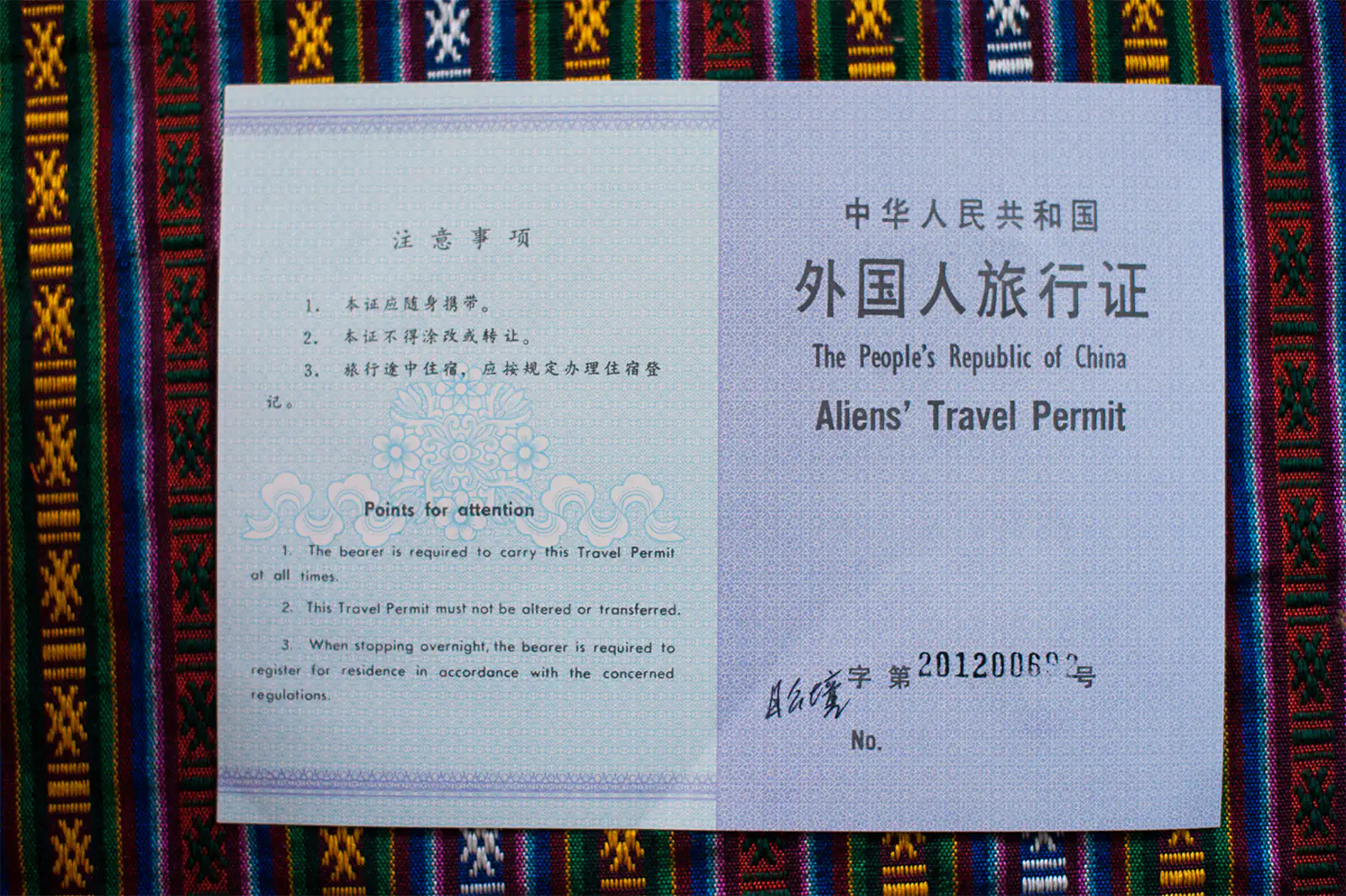
The Alien’s Travel Permit for Tibet functions as a critical travel document for international visitors. The local Public Security Bureau issues the paper to foreign passport holders. The document grants visitors permission to leave the main capital limits. Travelers require the paper to safely explore remote plateau regions. The official document lists the exact approved route. It details the specific travel dates.
The Alien’s Travel Permit for Tibet dictates exact geographic boundaries. Visitors face strict limits without the required paperwork. The following guide explains the permit rules clearly. Readers learn about the specific places requiring the paper. Readers understand who handles the complex application process. Readers discover exact methods to avoid costly border delays.
Tibet restricts foreign travel strictly. Tourists never travel alone on the high plateau. Visitors book a guided tour through a registered travel operator. The travel operator handles all official paperwork directly. Clients rely on agency expertise to secure the Alien’s Travel Permit for Tibet. The system keeps travel legal. The system ensures safety on the high plateau.
Quick Facts Box
- Travelers need the document outside the main city area.
- Licensed operators arrange the paperwork automatically.
- The paper links directly to the confirmed itinerary and dates.
- Route changes remain limited after processing begins.
- The local police issue the travel document.
- Guides process the application during the actual trip.
- The official process takes only a few hours locally.
Alien’s Travel Permit vs Other Tibet Permits
Travelers often confuse the different travel papers. Visitors need a clear understanding of the complex system. The plateau uses a multi-layered paper system. The Alien’s Travel Permit for Tibet acts as just one part. Foreigners secure the base document first. Agencies add other papers based on the specific route.
The Tibet Travel Permit represents the absolute foundation. Every foreign visitor needs an entry pass. The central tourism bureau issues the primary document. Tourists need the paper to board a flight. Tourists need the paper to board a train. Tourists need the paper to cross the international border. The base document allows stays in the main capital area. The document allows travel on major central highways. Agencies never apply for any other paper without the base permit.
The Alien’s Travel Permit for Tibet represents the second layer of security. Visitors require the paper to leave the central open area. The local Public Security Bureau issues the regional document. People often call the paper the PSB permits Tibet. Agencies apply for the regional paper after clients arrive on the plateau. The tour guide takes the client’s passports to the local police station. The police carefully check the base paper. Officers issue the new document quickly. Visitors need the regional document for the Everest region.
The other route permits from the third layer of security. The Military Permit represents the strictest document available. Visitors need the military paper for sensitive border zones. The military authorities issue the strict paper. The complex process takes weeks to complete. Tourists need a military document for the Mount Kailash region. The Foreign Affairs Permit represents another strict document. Visitors need the foreign affairs paper for specific Western areas.
Understanding the difference between the Tibet Travel Permit and the Alien Travel Permit prevents travel disasters. The base paper gets visitors inside the region safely. The second paper lets visitors explore the deeper plateau freely. The combination guarantees a smooth vacation.
Permit Comparison Table
| Permit | Purpose | Where it applies | Who arranges it | When officials check it |
| Tibet Travel Permit | Base entry pass | The entire region | Travel Operator | Flights, trains, borders |
| Alien’s Travel Permit | Regional travel | Everest, Shigatse | Tour Guide | Police checkpoints |
| Military Permit | Border travel | Kailash, Nyingchi | Travel Operator | Military checkpoints |
| Foreign Affairs Permit | Sensitive areas | Western borders | Travel Operator | Regional checkpoints |
Who Needs an Alien’s Travel Permit?
International travelers going beyond the main city sightseeing route need the document. The rule applies to almost everyone holding a foreign passport. Expatriates living in mainland China need the paper. Tourists entering from Nepal require the paper.
Travelers doing classic corridor routes depend on the document daily. The popular route to the mountain base camp crosses multiple regional borders. The vehicle leaves the central prefecture. The vehicle enters a restricted prefecture. Police officers demand the Alien’s Travel Permit for Tibet at the exact border line.
Travelers heading to remote areas rely heavily on the paper. Visitors combine the document with military papers. Visitors combine the document with border papers. Police check every document at the regional checkpoints. Tibet permits for foreigners depend strictly on the final travel plan.
Different passport holders face identical rules. Citizens of visa-free countries still need travel documents. A visa exemption allows visitors to enter mainland China without a visa. The visa exemption never gets visitors into the restricted plateau. Visa-free tourists still book a guided tour. Visa-free tourists still submit passport details. Visa-free tourists are still waiting for official approvals.
Permit needs depend on the chosen itinerary. Permit needs depend on the travel season. Clients confirm exact needs with the travel operator. Clients never assume a route stays open permanently. The government changes rules without warning.
Permit requirements remain strict for all age groups. Young children require the Alien’s Travel Permit for Tibet. Elderly travelers require the Alien’s Travel Permit for Tibet. The police require a separate name entry for each passenger. The travel agency submits a complete roster. The authorities verify every individual.
Where the Alien’s Travel Permit Is Required
Tourists plan the route carefully. Tourists repeatedly check the list of restricted areas. The Alien’s Travel Permit for Tibet applies to specific geographic zones. Agencies avoid certain areas entirely. Agencies prepare extra paperwork for other areas.
The central capital area remains completely open. Tourists explore the main palaces freely. Tourists walk the central pilgrimage circuits freely. Tourists visit the local monasteries without extra papers. The base entry document covers these basic activities perfectly.
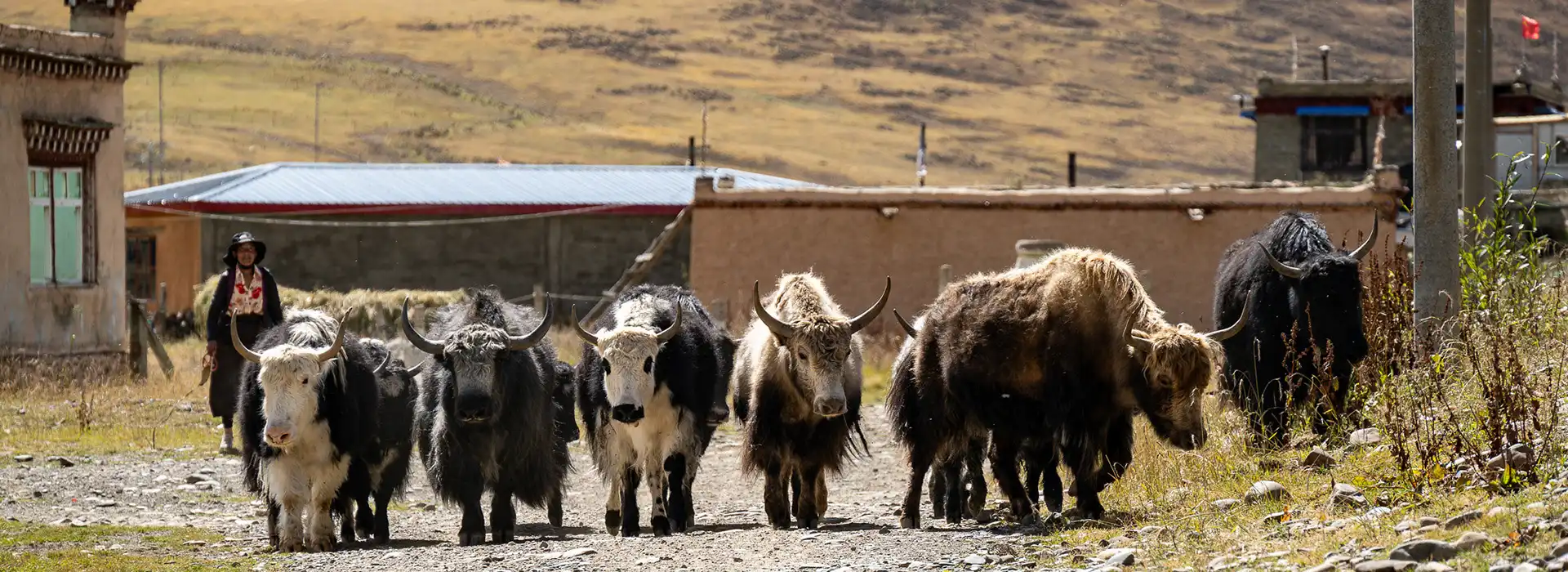
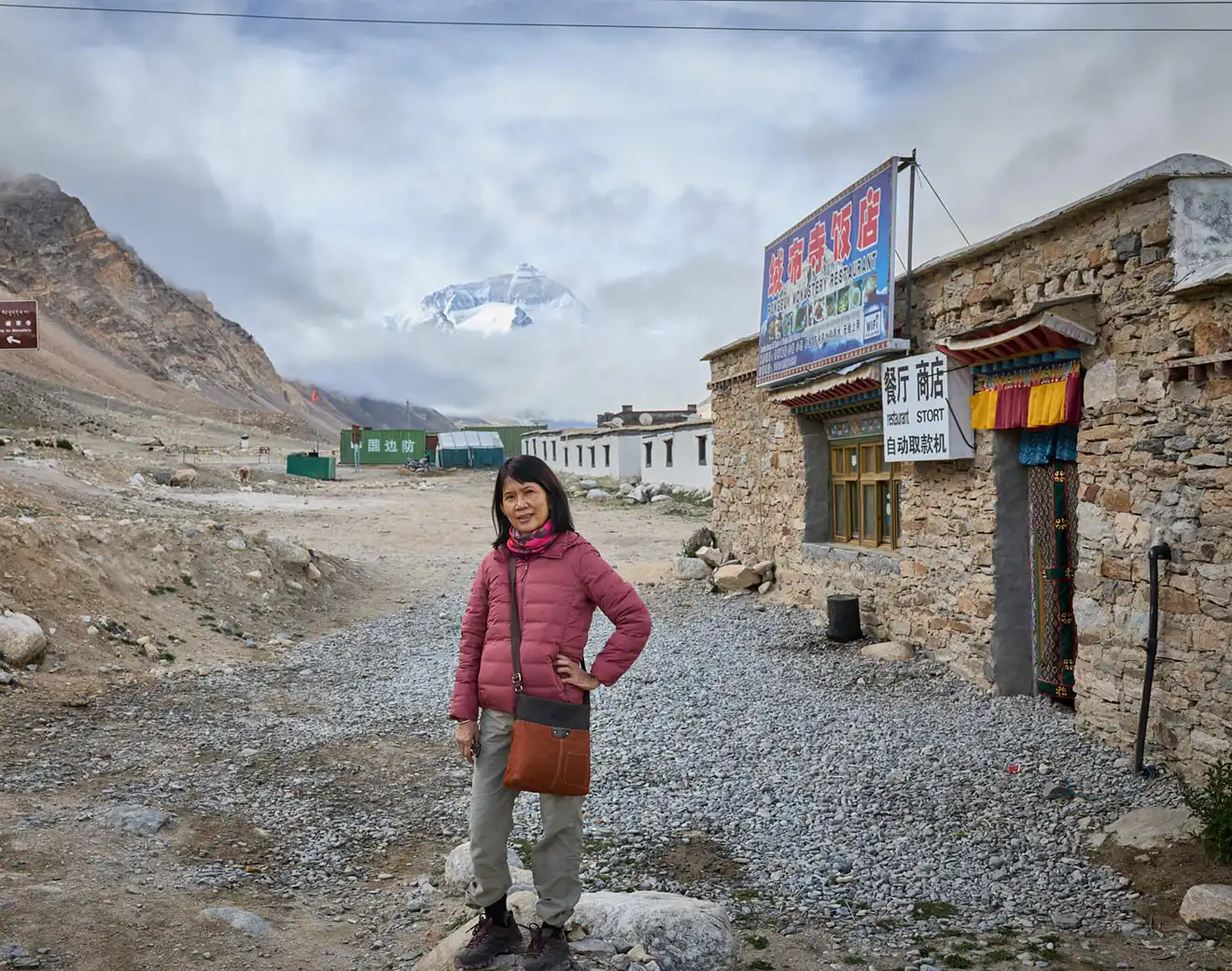
Travelers need the Alien’s Travel Permit for Tibet when driving west. The Shigatse prefecture requires the document strictly. Visitors need the paper to visit the famous Sakya Monastery. Visitors need the paper to visit the Rongbuk Monastery. Visitors need the paper to reach the famous mountain base camp. Police stop the vehicle at the prefecture border. Officers inspect the papers thoroughly.
Travelers need a Tibet Restricted Areas Permit when driving south. The Shannan prefecture demands the document. Visitors need the paper to explore the Yumbulagang Palace. Visitors need the paper to visit the Samye Monastery. Visitors need the paper to see the ancient kings’ tombs.
Travelers need the document when driving east. The Nyingchi prefecture enforces strict rules daily. Visitors need the paper to visit Basum Tso Lake. Visitors need the paper to explore the Pomi region. The eastern area sits close to sensitive international borders. The military closely monitors the eastern region.
Travelers need the document when driving far west. The Ngari prefecture requires multiple papers. Visitors need the Alien’s Travel Permit for Tibet here. Visitors also need the military papers here. Visitors need the combined documents to walk around Mount Kailash. Visitors need the combined documents to visit Lake Manasarovar.
The rules designate the entire Chamdo prefecture as a highly restricted zone. Authorities block foreign access to the Chamdo region entirely. Travel agencies refuse bookings for the easternmost region. The Alien’s Travel Permit for Tibet never covers the blocked prefecture.
Destination Likelihood Table
| Destination Type | Permit Likelihood | Why You Need It | Planning Tip |
| City-only itineraries | Rarely needed | Stays in the central zone | Enjoy the palaces |
| Classic heritage routes | Often needed | Crosses regional lines | Expect short stops |
| Higher-altitude regions | Commonly needed | Enters sensitive areas | Bring extra copies |
| Remote western borders | Always needed | Borders foreign nations | Plan weeks ahead |
How to Get the Alien’s Travel Permit
Tourists follow a strict procedure to secure the papers. Tourists avoid independent applications entirely. The government rejects individual requests instantly. Clients rely on registered travel experts. The experts understand the Tibet tour permits and rules perfectly.
- Finalize your route and dates: Clients discuss travel goals with the travel operator. Clients pick the exact towns. Clients select the exact monasteries. Clients lock in the travel dates. Clients sign the tour contract. Clients pay the required deposit.
- Submit passport scan and required details: Clients provide a clear image of the passport information page. Clients provide a clear image of the Chinese entry visa. Clients submit the digital files to the travel operator. Clients ensure all text remains perfectly readable.
- The operator arranges permits based on your itinerary: The operator arranges the Alien’s Travel Permit for Tibet. The agency uses the finalized itinerary. The staff submits client details to the central tourism bureau. The staff secures the base entry document first. The staff mails the base document to the client’s hotel in mainland China.
- Receive confirmation and follow the approved route: Clients arrive on the plateau. Clients meet the local Tibetan guide. Clients hand the original passport to the guide. Clients hand the base entry document to the guide. The guide visits the local police station. The guide takes the documents to the Public Security Bureau. The guide submits the Alien’s Travel Permit for Tibet application. Police review the approved itinerary. Police print the new travel document. The printing happens while clients enjoy a local tour.
- Keep permit copies accessible during travel days: Clients receive confirmation from the guide. The guide holds the original document securely. Clients hold paper copies. Clients follow the approved route exactly. Clients never deviate from the plan. Clients show the copies at police checkpoints. Clients show the copies at the hotel reception desks. Clients show the copies at national park entrances.
Travelers generally cannot self-apply. Operators handle the process with the approved itinerary. The system protects the traveler. The system protects the local guide. The system satisfies the regional police. The guide handles all interactions at the police station. The guide speaks the local language. The guide understands the official forms. The guide answers police questions accurately. The traveler waits comfortably in the tour vehicle. The traveler drinks tea at a nearby cafe. The entire procedure requires zero effort from the actual tourist.
Documents Checklist
Travelers prepare documents carefully. Travelers avoid simple mistakes. Simple mistakes cause massive delays. Clients review the Tibet permit checklist thoroughly. Clients gather all items before contacting the travel operator.
- Passport scan (high-quality): Clients capture the entire information page. Clients ensure that all four corners are clearly visible. Clients avoid any glare in the photo. Clients ensure the machine-readable zone remains visible. Clients save the file in a standard format.
- Photo (if requested): Certain border areas require additional photographs. Clients provide standard passport-sized photos. Clients ensure a plain white background. Clients maintain a neutral facial expression. Clients remove glasses for the photo.
- Travel dates: Clients specify the arrival day. Clients specify the departure day. Clients match the dates with flight tickets. Clients match the dates with train tickets. The dates determine the validity of the Alien’s
Travel Permit for Tibet.
- Entry route details (mainland route vs Nepal route): Clients tell the operator the starting city. Clients explain the train journey from mainland China. Clients explain the flight from Nepal. The government prints the entry city on the base document.
- Confirmed itinerary with destination list: Client’s list of every town. Clients list every monastery. Clients agree to the list with the operator. The operator prints the list on the Alien’s Travel Permit for Tibet.
- Occupation details (if requested): Clients state their current job. The government restricts certain professions. Journalists face strict bans. Diplomats face strict bans. Government officials face intense scrutiny. Clients provide honest details to avoid border rejections.
Common Document Mistakes
Blurry scans ruin applications. The police reject unreadable text. Officers demand clear images. Clients avoid phone camera glare. Clients use a proper flatbed scanner instead.
Name mismatch errors cause immediate rejection. The flight ticket name must match the passport exactly. The Tibet travel permit for international travelers must match the passport exactly. A missing middle name causes border failure.
Passport renewal after submission destroys the trip. Clients never change the passport during the application process. The old passport number remains on the permit. Police deny entry when the numbers mismatch. Clients complete the trip using the original passport.
Missing visa pages cause delays. Travelers holding specific visas provide extra documents. Work visa holders provide an employment letter. Student visa holders provide a university letter. The agency submits the additional letters along with the passport scan.
Processing Time and Best Planning Timeline
Tourists plan the trip months ahead. Tourists respect the processing time for the Tibet permit. Tourists never rush the paperwork. Rushing causes applications to fail. Clients understand the government timeline perfectly. Time varies by season and route complexity. Summer represents the peak tourist season. The government processes thousands of applications daily. The offices run slowly. Winter represents the low season. The offices process applications faster.
Complex routes demand more time. A simple city tour requires eight working days. A trip to the mountain base camp requires fifteen working days. A trip to the western border requires thirty working days. Planners add extra days for weekend closures. Planners add extra days for national holidays. Peak months require earlier planning. Travelers start the process early. Travelers contact the travel operator two months before departure. Travelers finalize the route six weeks before departure. Travelers submit the documents four weeks before departure.
Buffer days reduce stress. Planners add extra days in the entry city. Planners wait for the physical permit to be delivered. Planners add extra days on the plateau. Planners allow time for altitude acclimatization. Planners allow time for unexpected road closures.
Best Planning Timeline Box
- Choose route: Finalize exact towns and lakes 60 days early.
- Submit docs: Send perfect passport scans 50 days early.
- Confirm services: Lock the hotel and provide guide details 40 days in advance.
- Finalize tickets: Book flights 30 days early after permit approval.
Local festivals affect the processing speed. The Saga Dawa festival draws thousands of pilgrims. The Shoton festival creates massive crowds. Government offices close during the festival days. The travel agency submits applications before the festival closures. The agency warns clients about the holiday delays.
Validity, Checks, and What to Expect on the Road
Travelers prepare for heavy security. The plateau features intense monitoring. The Alien’s Travel Permit for Tibet is subject to constant inspection. Visitors understand the daily procedures. Visitors cooperate with the local authorities. Checkpoints verify documents during long drives. Police set up stations on every major highway. The driver stops the vehicle at the boom gate. The guide takes the original documents to the police station. Police officers check the passenger list. Officers match the names to the Alien’s Travel Permit for Tibet. Officers verify the vehicle registration. Officers stamp the travel log.
Officers board the vehicle occasionally. Officers walk down the aisle. Officers look at the passports. Officers compare the faces to the photos. Officers compare the visas to the permit. Passengers sit quietly. Passengers answer questions politely. Passengers never argue with the police.
Hotels check permits at check-in. The reception clerk demands the passport. The clerk demands the base entry document. The clerk demands the Alien’s Travel Permit for Tibet. Clerks scan every page. Clerks upload the scans to the central police database. Guests wait patiently in the lobby. Guests receive the room key only after the system approves the entry. Guides manage timing and procedures. Tourists rely completely on the local guide. Guides know the location of every checkpoint. Guides know the mood of the local officers. Guides handle all the talking. Guides carry the original documents in a secure folder.
Travel Day Tips
Carry a passport and copies always. Tourists need a passport multiple times a day. Keep the passport in a waterproof pouch. Carry multiple paper copies of the Alien’s Travel Permit for Tibet. Give a copy to the hotel clerk to speed up the process.
Follow the guide instructions instantly. Passengers exit the vehicle when told. Passengers stay in the vehicle when told. Passengers never wander away from the checkpoint. Avoid off-route detours completely. Passengers never ask the driver to take a different road. Police monitor the vehicle’s GPS. Police penalize the driver for unauthorized route changes. Police penalize the travel agency for unauthorized stops. Passengers stick to the itinerary printed on the Alien’s Travel Permit for Tibet.
National park rangers conduct separate checks. Rangers demand the permit at the Everest reserve gate. Rangers demand the permit at the Kailash reserve gate. Visitors pay the entrance fee after the rangers verify the paper. The park system links directly to the police system.
Itinerary Changes After the Permit Starts
Travelers often want flexibility. The plateau restricts flexibility severely. The Alien’s Travel Permit for Tibet locks the route entirely. Tourists understand the limits of spontaneous travel. Tourists set expectations correctly.
Minor timing changes remain possible. A group stays an extra hour at a monastery. A group stops for photos along the highway. A group eats lunch at a different restaurant. The guide allows minor adjustments. Minor changes happen within the approved prefecture safely. Region changes remain difficult. A traveler rarely skips a planned town. A traveler never visits an unplanned town. The Alien’s Travel Permit for Tibet lists specific counties. Police at the checkpoint look for those exact county names. Police turn the vehicle back if the name is not authorized.
Adding restricted areas requires new approvals. A tourist decides to visit the mountain base camp at the last minute. The guide refuses the request. The guide declines to alter the official document. The guide declines to bribe the checkpoint police. The tourist needs a completely new Alien’s Travel Permit for Tibet. The police station requires several hours to process a new application. The system often rejects sudden additions.
Weather forces necessary route changes frequently. Heavy snow blocks the mountain pass. A landslide destroys the highway. Police closed the road officially. The guide contacts the travel agency immediately. The agency reports the emergency to the tourism bureau. The bureau authorizes an alternate route. The guide explains the situation at the next checkpoint. Police verify the emergency authorization.
Altitude sickness causes sudden changes. A traveler ignores the headache initially. The sickness becomes severe quickly. The guide abandons the Alien’s Travel Permit for the Tibet route. The guide drives the traveler to a lower hospital immediately. The police allow medical emergencies to bypass the strict route rules. Best strategy: confirm route before processing, add buffer days. Planners research every monastery. Planners research every lake. Planners add the locations to the official list. Planners build buffer days into the schedule. Tourists handle altitude sickness better with buffer days. Tourists handle bad weather better with buffer days.
Cost Factors
Travelers budget carefully for plateau trips. The Alien’s Travel Permit for Tibet affects the total price. Planners understand the hidden expenses. Planners understand the agency fees.
- The government issues the Alien’s Travel Permit freely. The police station charges zero official fees for the paper itself. The tourism bureau prints zero commission fees on the base document. Tourists pay nothing directly to the government.
- Agencies charge service fees. The paperwork requires intense labor. The agency assigns dedicated staff to the file. Staff visit government offices daily. Staff handles complex database entries. Staff mails the physical documents across the country. The agency bundles the service fee into the total tour package. Clients see the fee as part of the overall daily rate.
- Route complexity changes the total cost. A simple trip stays cheap. A complex trip costs heavily. Complex trips require more paperwork. Complex trips require extra permits. The agency charges more for handling military documents. The agency charges more for handling border documents.
- Regions visited affect the total budget. Driving to remote areas requires more fuel. Driving to remote areas requires an experienced driver. The vehicle suffers intense wear and tear on rough dirt roads. The travel operator factors the logistics into the tour price. The Alien’s Travel Permit for Tibet merely unlocks the region. The logistics drain the wallet.
- Private vs group tour services impact the wallet. A private tour gives the client a dedicated guide. A private tour gives the client a dedicated vehicle. The client pays the entire daily rate. A group tour splits the cost. The client shares the guide with ten other people. The client shares the bus with ten other people. The agency applies for one Alien Travel Permit for the entire group. The group approach significantly reduces the burden on individuals.
- Season demand influences the final price. Summer brings thousands of tourists. Hotels double the room rates. Airlines double the ticket prices. Agencies charge premium rates for services. Winter brings cold weather and empty hotels. Agencies offer massive discounts. The permit process runs faster in the winter.
Keep Costs Predictable
Choose a simple route on your first trip. Visitors explore the central capital deeply. Visitors see the nearest major lake. Visitors skip the far western regions entirely. Visitors save money on transport. Visitors save money on permit fees. Avoid frequent region changes. Tourists stay in one prefecture longer. Tourists explore in depth rather than constantly driving. The slow approach reduces the need for multiple Alien Travel Permit applications. The slow approach keeps the daily driving costs low. The slow approach provides a better travel experience.
Real-World Examples
Planners learn best from concrete examples. The following common trips illustrate the permit rules perfectly. Planners see exactly how the Alien’s Travel Permit for Tibet fits into a real vacation.
The Lhasa-Focused Itinerary
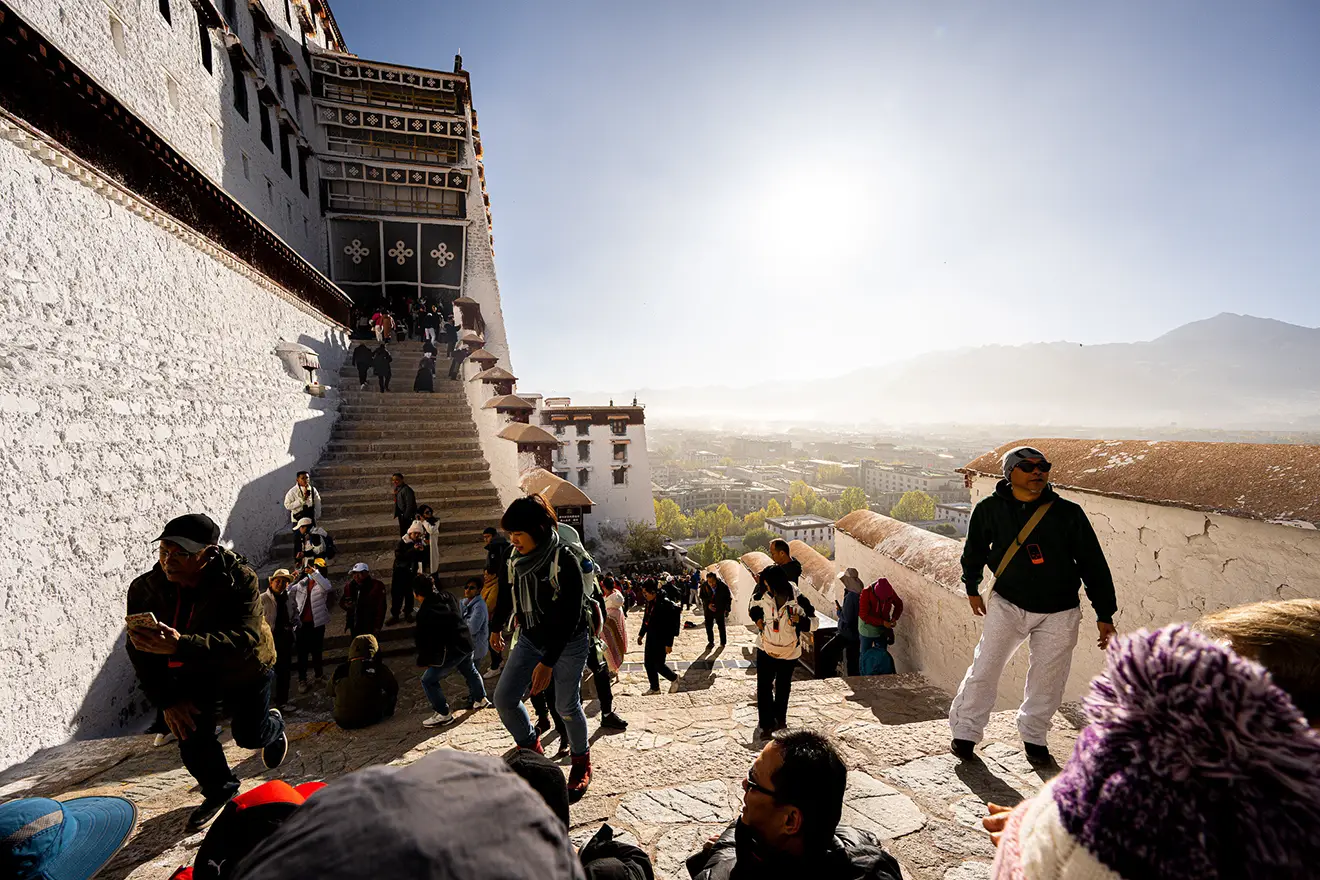
A tourist flies into the capital city. The tourist plans to stay for five days. The tourist visits the grand Potala Palace. The tourist walks the Barkhor street circuit. The tourist watches the monks debate at Sera Monastery. The tourist takes a short day trip to nearby Yamdrok Lake. The tourist needs the base Tibet Travel Permit to enter the region. The tourist completely avoids the Alien’s Travel Permit for Tibet. The tourist stays entirely within the open central zone. The travel operator handles the base document easily. The tourist faces fewer police checkpoints. The trip remains simple and relaxed.
The Classic Corridor Itinerary
A family plans an eight-day adventure. The family starts in the capital city. The family drives west toward the Himalayas. The family visits Gyantse. The family visits Shigatse, the second-largest city. The family continues south to the Mount Everest base camp. The family stares at the highest peak on earth.
The family needs the base Tibet Travel Permit to fly into the region. The family needs the Alien’s Travel Permit for Tibet to drive west. The guide takes the passports to the Shigatse police station. The guide secures the extra paper while the family tours a local monastery. The family crosses multiple police checkpoints on the highway. Police verify the Alien’s Travel Permit for Tibet at the national park entrance. The trip involves moderate paperwork.
The Remote Border Itinerary
A group plans a massive fifteen-day expedition. The group starts in the capital city. The group drives the classic corridor route. The group continues far west into the Ngari prefecture. The group reaches the sacred Mount Kailash. The group walks the high-altitude pilgrim circuit for three days. The group visits the ruins of the ancient Guge Kingdom.
The group needs the base Tibet Travel Permit to enter the plateau. The group needs the Alien’s Travel Permit for Tibet for the entire western drive. The group needs the Military Permit to enter the Ngari region. The group needs the Foreign Affairs Permit to visit the Guge Kingdom. The travel operator spends a full month preparing the file. The group passes dozens of strict military checkpoints. The guide presents a massive folder of documents at every stop. The trip requires intense planning and patience.
The Kathmandu Overland Itinerary
A backpacker starts the trip in Nepal. The backpacker plans to drive across the border. The backpacker crosses the Gyirong port. The backpacker drives east toward the capital city.
The backpacker needs the base entry document. The backpacker needs the Alien’s Travel Permit for Tibet immediately at the border. The backpacker needs the China Group Visa. The travel operator handles the group visa in Kathmandu. The guide waits at the Gyirong border with the approved permit. The border guards thoroughly check the papers. The backpacker enters the plateau legally.
Common Mistakes to Avoid
Travelers ruin vacations through simple errors. The plateau tolerates zero mistakes. The government enforces rules strictly. Planners study the common failures carefully. Planners ensure the trip runs smoothly.
- Booking flights before permit steps align destroys many trips. Travelers see a cheap airline ticket. Travelers buy the ticket instantly. Travelers contact a travel agency later. The agency reviews the timeline. The agency recognizes that the processing time for the Tibet travel permit is too long. The traveler misses the flight. The traveler loses the money. Planners always confirm the permit timeline before paying airlines.
- Last-minute region changes cause massive stress. A traveler reads a blog post about a hidden lake. The traveler demands to visit the lake tomorrow. The guide refuses. The lake sits in a restricted county. The Alien’s Travel Permit for Tibet lacks that specific county name. The traveler argues with the guide. The guide remains helpless. Planners establish the entire route weeks in advance.
- Carrying no copies of documents slows travel. The guide holds the original Alien’s Travel Permit for Tibet. A traveler walks into a hotel lobby alone. The clerk demands the permit. The traveler stares blankly. The clerk refuses to issue the room key. The traveler waits an hour for the guide to arrive. Smart travelers keep three paper copies of every document in their backpack.
- Planning tight schedules without buffer days guarantees failure. A traveler plans a strict seven-day trip. A snowstorm closes the mountain pass for twenty-four hours. The traveler misses the scheduled flight home. The traveler pays massive fees to rebook international flights. Planners always add an extra day at the end of the plateau tour. Planners use the buffer day to absorb any road delays.
- Using fake travel agencies invites disaster. A traveler finds a cheap operator on a sketchy website. The traveler pays the deposit. The operator creates a forged Alien’s Travel Permit for Tibet. The traveler arrives at the first police checkpoint. Police scan the barcode. The system flashes a red warning. Police detain the traveler. Police deport the traveler immediately. Smart travelers use only registered, reputable operators like Peregrine Treks and Tours. Smart travelers prioritize safety over low prices.
- Arguing at security checkpoints causes serious trouble. Police stop the tour bus. An officer asks a simple question. A traveler gives a sarcastic answer. A traveler complains about the delay. The officer takes offense. The officer orders the entire bus to unpack all luggage. A ten-minute stop turns into a four-hour ordeal. Passengers remain polite always. Passengers let the guide handle all communication.
- Bringing prohibited items ruins the application process. A traveler packs political books. A traveler packs religious pamphlets. Border guards search the luggage. Guards find the banned items. Guards cancel the Alien’s Travel Permit for Tibet on the spot. Guards confiscate the drone camera. Tourists leave all sensitive materials at home. Tourists respect local regulations completely.
FAQs
Q: What is the Alien’s Travel Permit for Tibet Guide used for?
A: The guide provides exact rules for plateau travel. The text explains the differences between the various official documents. The article helps tourists plan a legal and safe vacation.
Q: Do I need an Alien’s Travel Permit for areas outside the main city?
A: Tourists need the document for almost all areas outside the central capital. Tourists need it for Shigatse. Tourists need it for Everest. Tourists need it for Nyingchi. Clients check the route with the operator.
Q: Can I apply for the Alien’s Travel Permit by myself?
A: Tourists never apply by themselves. Police reject individual applications instantly. Tourists hire a registered travel operator. The operator submits the documents. The operator secures the approvals.
Q: How long does the Alien’s Travel Permit process take?
A: Local police process the document quickly. The guide submits the paperwork in Lhasa or Shigatse. The police will issue the paper in a few hours. The entire trip planning process takes much longer.
Q: What documents do I need for the Alien’s Travel Permit?
A: Clients need the original passport. Clients need the base entry document. Clients need the approved itinerary. The guide carries the items to the police station. Clients provide clear scans weeks in advance.
Q: What happens if my itinerary changes after permit processing starts?
A: Minor changes within a city remain possible. Major region changes fail completely. Adding new restricted areas requires starting the paperwork over. Planners lock the route early to avoid issues.
Q: Do group tours include the Alien’s Travel Permit?
A: Group tours include all necessary paperwork. The agency bundles the permit costs into the total package price. The guide maintains a single master document for the entire group. Clients stay with the group constantly.
Q: Does the permit dictate the daily schedule?
A: The permit dictates the geographic location. The document dictates the specific towns tourists visit. The document dictates the specific dates tourists stay in those towns. The rule allows some flexibility for meal times and rest stops.
Q: Do police checkpoints scan the permit electronically?
A: Police checkpoints use advanced scanners. Officers read the barcode on the document. Officers check the data against the central security database. Officers match the digital records with the physical passport.
Q: Do diplomats qualify for the standard permit?
A: Diplomats face completely different rules. Journalists face completely different rules. Standard travel agencies refuse the applications. These professions are applied for directly through the foreign affairs office.
Q: Do Indian citizens face different rules for Mount Kailash?
A: Indian citizens face unique rules for the holy mountain. Standard travel agencies decline the paperwork. Special pilgrimage centers handle the specific applications. The process takes significantly longer.
Q: Does the weather affect permit validity?
A: Severe weather creates exceptions. Snowstorms block roads frequently. Guides report the delay to the authorities. Authorities automatically extend the permit validity for weather emergencies.
Q: Do train conductors check the permit?
A: Train conductors check the base entry document before boarding. Conductors check the document again during the journey. Conductors rarely check the Alien’s Travel Permit for Tibet. Police check the regional document on the highways later.
Q: Do hotel clerks keep the permit overnight?
A: Hotel clerks scan the document at check-in. Clerks return the paper to the guide immediately. Clerks never keep the passport overnight. Clerks merely register the presence in the police database.
Q: Does a canceled trip refund permit fees?
A: Agencies bundle the permit fees into the service package. Clients lose the deposit after late cancellations. The government charges nothing directly. The agency keeps the labor fee. Clients read the cancellation policy carefully.
Q: Do visa-free travelers need the permit?
A: Visa-free travelers need all the exact same documents. The visa exemption only applies to mainland China. The plateau maintains strict separate entry rules. Visa-free tourists still submit the passport to an agency.
Q: Do tourists show the permit at national park entrances?
A: Park rangers demand the document at major natural sites. Rangers check the paper at the Everest reserve gate. Rangers check the paper at the Kailash reserve gate. Visitors pay the entrance fee after rangers verify the paper.
Q: Does a lost passport invalidate the permit?
A: A lost passport ruins the trip. The permit links directly to the passport number. A new passport features a new number. The numbers mismatch at the checkpoint. Police deny entry.
Q: Do travel agencies guarantee permit approval?
A: Reputable agencies boast high success rates. Agencies review the documents carefully. Agencies fix errors before submission. Agencies never guarantee approval absolutely. The government retains the right to reject anyone at any time.
Q: Do tourists carry the original permit document?
A: The guide carries the original document. The guide presents the paper to the police. The guide takes responsibility for their safety. Tourists carry paper copies in their backpacks for hotel check-ins.