


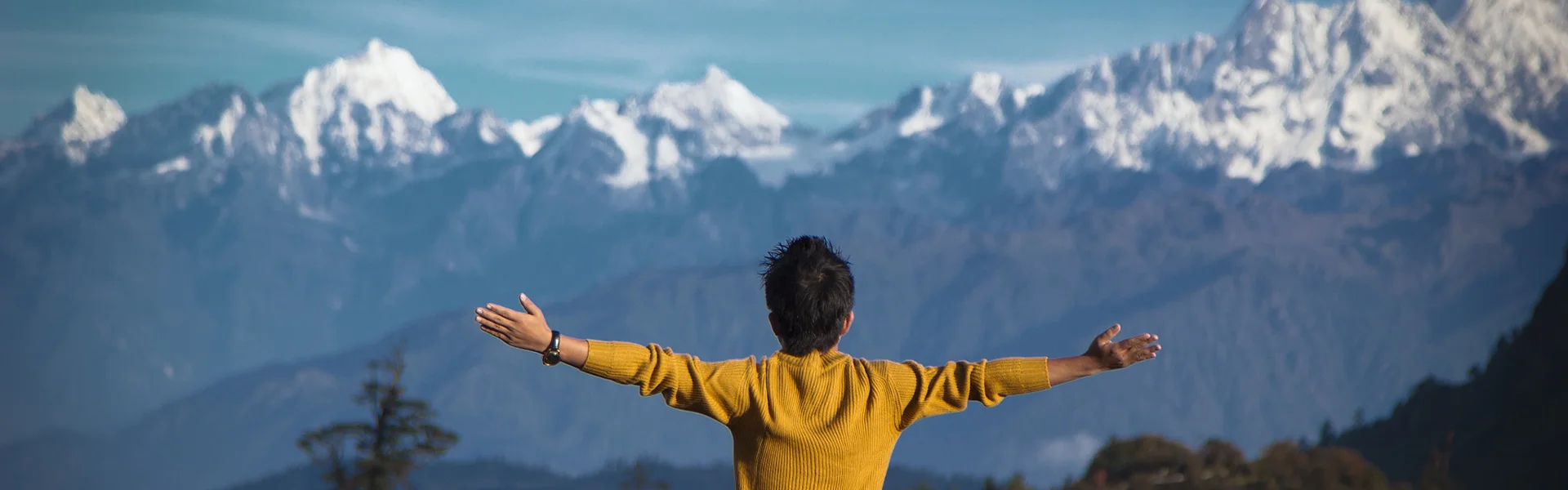

Annapurna Circuit Trek Packing List is more complex than a single-climate trip. The trail takes you through dramatic shifts in climate. Your trek begins with humid sub-tropical valleys and then climbs to the icy winds of Thorong La Pass. Because of this insane variation, no specific packing list works for every season.
This article will guide you to pack smartly for the four main trekking seasons. You can stay dry, comfortable, and warm with the right choices without overloading your backpack. The key is to travel light but wisely, bringing only what you need at different trek stages.
The Golden Rule of Layering System
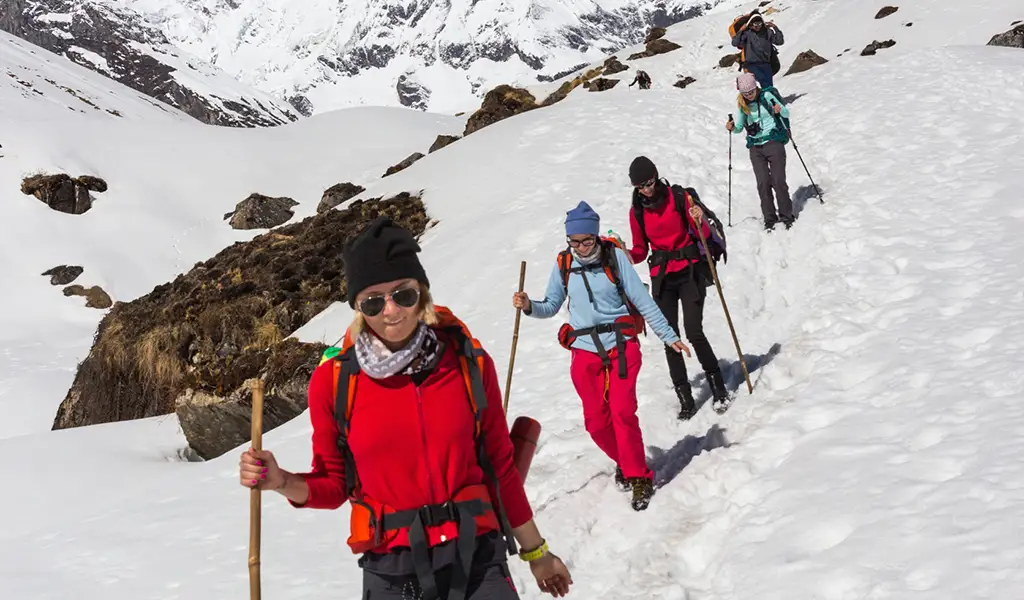
No matter when you trek, you must follow the golden rule of layering when dressing in the Himalayas. Instead of packing heavy jackets, you should bring lighter pieces you can stack together. You can wear more or remove clothes as the weather shifts throughout the day.
Base Layer of the Annapurna Circuit Trek Packing List: This layer sits directly on your skin and pulls the sweat away so you don’t stay damp and chilled. Your base layer should include fabrics like merino or synthetic blends like polyester. Pack a thermal long-sleeved sweater for your upper body and thermal bottoms for your lower body. You need a light base, even in summer, at a higher altitude, or at night.
Mid Layers: The mid layer of the Annapurna Circuit Trek Packing List is for insulation and to trap warmth. You can bring fleece jackets, lightweight foam, or synthetic puffer jackets. You can wear a thin fleece on a cool morning, then put on a thicker insulated jacket in the evenings at higher passes. Bring more than one mid-layer so you have flexibility.
Outer Layer: The last layer shields you from wind, rain, and snow. Materials like Gore-Tex or similar fabrics are ideal for the outer shell. You need a waterproof or windproof jacket and pants. Waterproof pants are essential if you’re trekking in wet or snowy conditions. Outer shells are usually light but tough enough to handle the mountain weather.
The Core Annapurna Circuit Trek Packing List (Essentials for All Seasons)
You must bring a few things regardless of when you plan to trek the Annapurna Circuit, and prepare for the Annapurna Circuit Trek Packing List. You must have some basics with you at all times.
Travel Documents: The first and most important part of the Annapurna Circuit Trek Packing List is your passport with a minimum of 6 months of validity. Carry your passport with a valid Nepal visa, ACAP, and TIMS card. Your guide or agency will help arrange the permits, but you must carry them. Bring some photocopies of your passport and visa, and store them separately in case you lose your originals. Your travel insurance must cover high-altitude trekking and emergency evacuation.
Backpack and Duffel: If you hire a porter, they’ll carry most of your gear in a duffel bag. Your trekking agency will likely provide the duffel bag for porters to carry. You’ll also need a daypack of 30-40L capacity to take your daily essentials like water, snacks, a camera, and a jacket. Buy a daypack with a sturdy waist belt, as you’ll wear it for hours daily. If you’re carrying all your gear yourself, a 50-60L daypack works well.
Footwear: You need sturdy, broken-in trekking boots. Waterproof bots with Google support work the best on rough trails. You need camp shoes or sandals like flip-flops or Crocs for the evenings at the teahouse.
Clothing basics: You need two to three pairs of quick-drying clothing basics. Convertible pants with a zip-off so they can turn into shorts are popular. Bring three to four short and long-sleeved shirts. Try to bring moisture-wicking fabrics and avoid cotton. You need a fleece or a light sweater even in summer. Pack additional warm layers for winter. Bring four to five pairs of quick-dry underwear. Socks of merino or synthetic blend fabrics help prevent blisters. You should also have a couple of thicker thermal socks for cold nights.
Sleeping Bag: While the teahouse provides basic blankets, you must bring a proper sleeping bag for higher altitudes. A -10°C rated bag works for most seasons, but if you’re trekking in winter, get one rated to -20°C. You can rent sleeping bags in Kathmandu and Pokhara, but ensure they are clean and in good condition.
Down Jacket: You need a lightweight down or synthetic insulated jacket for warmth in autumn, winter, and spring. Even in summer, you need a light insulated jacket for high altitude. Similar to sleeping bags, you can rent these, too.
Toiletries and Miscellaneous: You need toilet paper, a quick-dry towel, hand sanitizer, and wet wipes for a quick wash-up. Bring your toiletries like toothpaste, soap/body wash, and shampoo in a travel size. Bring women’s hygiene products and earplugs for the noisy teahouse if necessary. Bring small laundry soap packets in case you want to wash your clothes. You need zip-lock bags to protect electronics or documents and to pack your trash.
Other Essentials: Trekking poles to reduce knee strain and stability, and a headlamp is useful for pre-dawn hikes or at night in the teahouse. You need UV sunglasses, a hat, and a high-SPF sunscreen to protect against the sun. Carry a first aid kit with medications, blister pads, and basic pain relief. Bring a simple water purification method and a water bottle with a capacity of at least 2L. You also need spare batteries, a universal adapter, and a power bank.
Seasonal Variations
Annapurna Circuit Trek Packing List for Autumn (September – November)
Autumn in Nepal comes after the summer monsoon. It typically has stable weather, clear skies, and incredible mountain views. Lower elevations with colder nights are pleasantly warm at around 15-20°C. Higher elevations are still chilly with almost freezing nights. Nights at places like Manang or Thorong Phedi drop well below freezing by late November. While rare, early September can have light showers, and snow is possible at high altitudes at the end of the season.
What to Pack: Your basics should include a fleece and a down jacket. Bring thermal base layers for evenings and chilly mornings. You need a warm woolen hat and gloves for high altitudes and on Thorong La Pass. The sun is harsh under clear autumn skies. In addition to a hat and sunglasses, you need a buff or neck gaiter to shield your neck and face from the sun or wind. Heavy rain is rare, but you can wear a lightweight rain jacket or poncho as a windbreaker. Winds near the Thorong La can be harsh and cold, so you need a windproof shell and gloves.
Late autumn can bring frost or snow on early morning trails, so bring gators to keep boots and lower legs dry. Autumn is a festive season. You might see local celebrations throughout the trail. You can get a clean shirt or a small token like candies or a photo to share and enrich your cultural experience.
Spring (March – May)
Climate: Spring is cold in March and gradually warms up through April and May. Lower elevations have mild to warm days and nights, especially in March and early April, and remain cold. By May, the lower sections of the trails start to feel hot with mid-20°C temperatures. Spring may see occasional rain showers as the monsoon approaches. Spring sees a bloom of rhododendrons coloring the trail beautifully.
What to Pack: Spring weather can change from chilly mornings at high altitude to hot afternoons in the valley. Bring your fleece, down jacket, and thermal layers for higher elevations and nights. You need your shorts or zip-off pants and short-sleeve shirts for warmer sections of the trail. Late Spring brings afternoon showers and thunderstorms. So, bring a rain jacket and a backpack cover. Since the rain is moderate, lightweight or quick-dry trekking pants work well. Since warm spring brings mosquitoes and other insects to the lower forests.
Bring a small insect repellent, especially if you’re trekking in shorts or spending evenings outside. You can bring binoculars to observe birds or flowers on the trail. Since flowers bloom in Spring, you need antihistamines if you’re sensitive to pollen. The season also has melting snow and pre-monsoon train, which muddy the trails. You might want waterproof boots and extra trekking socks to keep your feet comfortable and dry when crossing the wet sections.
Annapurna Circuit Trek Packing List for Monsoon/Summer (June – August)
Climate: Monsoon brings heavy rain, clouds, and lush green landscapes. The lower part of the circuit, especially east of Manang, is wet and slippery, and the valley is warm and humid with daytime temperatures of around 25–30°C. Nights at lower elevations stay warm, but mountain views are rarely visible. Nights at low elevations are relatively warm, and leeches are common in forested areas. Beyond Manang, rainfall is much lower in Mustang as the region is in a rain shadow. Since the monsoon is off trekking season, you need extra gear to trek.
What to include in your Annapurna Circuit Trek Packing List: You’ll need a high-quality waterproof jacket, rain pants, and a poncho to cover you and your backpack. Test your gear before the trek to ensure it keeps you dry. It’s safe to assume everything you pack will get wet. Wear synthetic or merino fabric shirts, pants, underwear, and socks. Mud and leeches make gaiters almost mandatory. They keep your legs clean, protect your boots, and prevent leeches from crawling inside. Pack multiple pairs of socks and change into dry ones, when possible, to prevent blisters.
Use antifungal or talcum powder to keep your feet dry overnight. Carry insect repellent for mosquitoes and sprinkle salt to remove leeches from your skin. Keep your gear, clothes, and electronics in waterproof bags and use a rain cover on your pack. You can line the bag with a plastic bag for extra protection and use zip locks for smaller items and documents.
Make sure your footwear is sturdy with ankle support. Some trekkers choose lighter trail shoes for comfort in the heavy rain, but you still need sandals or Crocs at the teahouse. Nights are humid and warm in the lower altitudes, so a sleeping bag rated 0–5°C usually works. If you have a heavy winter bag, use it open like a quilt to avoid overheating.
Winter (December – February)
Climate: Winter on the Annapurna Circuit is cold and dry. December and January have clear skies with incredible views and freezing temperatures. Lower valleys have a temperature of 10–15°C, while above 3,000m, daytime temperatures hover around freezing, and nights can reach -10°C to -20°C. Higher elevations get heavy snow, which can block the Thorong La Pass. Trails are almost empty, and many teahouses are closing for the season.
What to Pack: You need a –20°C sleeping bag since teahouses don’t have any heating. Bring a thick down jacket or layer multiple mid-layers. You need fleece-lined pants or insulated trousers for evenings and rest days. Be prepared to wear 4-5 layers on your torso. Multiple base layers give flexibility to double up if necessary.
You need two-layer gloves with thin liners and insulated mittens for your hands. For the head, bring a warm beanie and a balaclava, or a face mask for windy pass day. You need thick wool socks with optional liners, and ensure boots are not too tight with layers for your feet. Since winter gets heavy snow, you need gaiters to keep them out of your shoes. Bring micro spikes or crampons for icy trails and category 3 or 4 sunglasses to prevent snow blindness.
Other winter essentials are lip balm and moisturizer for dry skin, a thermos for hot drinks, spare batteries, and chemical hand warmers for gloves or sleeping bags. You also need a power bank or a solar charger to power your electronics, as only a handful of lodges are open.
Final Tips
If you’re hiring a porter, keep your load around 15 kg. It’s common to exceed this limit in winter, so weigh your bag to keep it on the mark. The same rule applies if you’re carrying your own pack. You can rent or buy gear in cities like Kathmandu and Pokhara. You can rent sleeping bags rated to -20 °C and down jackets. If you forgot to pack something from home, you can buy it here. Not everything on a standard packing list will apply to you, so focus on the essentials like warm layers, sturdy boots, rain protection, and permits.
You can adapt the rest of the Annapurna Circuit Trek Packing List based on your needs. Organize your packs with stuff sacks or vibes to make it easier on the trail so you can grab the essentials without unpacking everything. Remember, the mountain weather is unpredictable, as the locals often say, you can experience all four seasons in one day. You need a sound layering system and a bit of flexibility to stay comfortable throughout your trek. Thousands of people complete the Annapurna Circuit each year with these basics. With a bright and light kit, you can complete the trek comfortably, too.