


This article is a well-planned Everest Base Camp Trek Packing List. Packing smartly helps you stay warm at night, cool during the day, and steady on rough trails. With the right layers and equipment, your trek is more enjoyable. Good preparation means a safe and comfortable trek. Trekking to EBC is an exciting challenge in some of the highest valleys in the world. The harsh weather, altitude, and decrease in comfort make the trek even more difficult. Snow, rain, intense sun, and thin air are common.
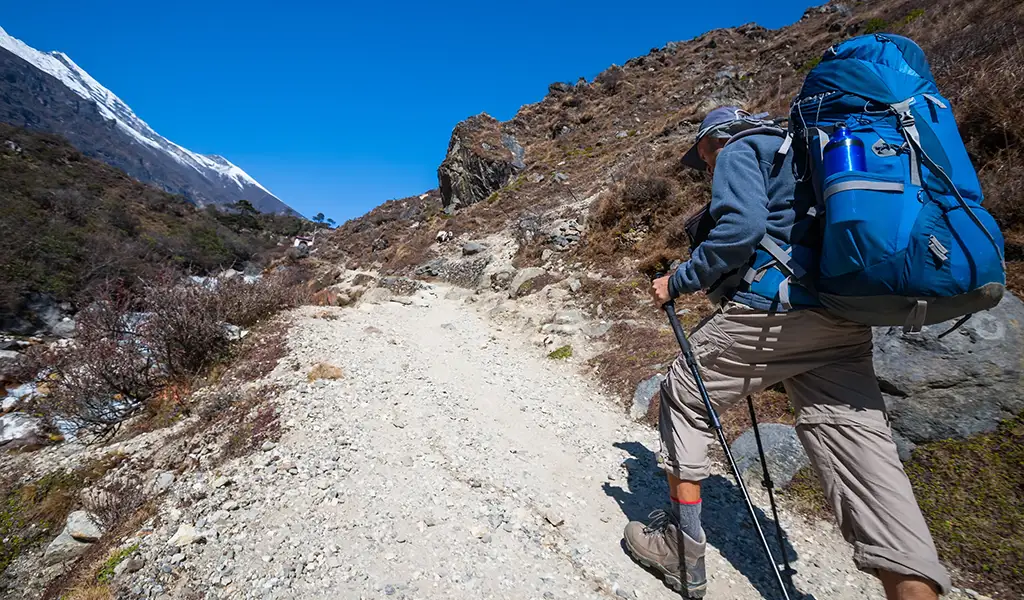
What We Provide
We provide the necessary gear and support for your trek. We supply a large duffel bag for your porter’s main luggage. You will also receive warm sleeping bags for cold mountains, a detailed trek map, route notes, and a trekking t-shirt as a souvenir. Our professional guide and porter team will do the heavy lifting and manage the logistics so that you can enjoy the trek. We will provide only a few things from your Everest Base Camp Trek Packing List.
What to Buy and What to Rent
It is essential to think about what gears to buy and what to rent. If you are seeking comfort and a proper fit, buy the gear. Invest in good hiking boots, breathable base layers, warm insulating layers, and trekking socks. They will make your trek more comfortable. It is better to purchase a 30L daypack, a head lamp, a flashlight, and other personal items.
You have the option to rent your gear in Kathmandu, especially in Thamel. Rental shops offer jackets, fleece or synthetic mid-layers, and waterproof clothing. You can rent sleeping bags, pads, trekking poles, and crampons. Renting reduces luggage weight and is an affordable choice. Check the quality and the fit before renting any gear.
Renting is more affordable and better if you are a one-time trekker. If you are a regular trekker, purchasing the gear is better. It’s okay not to spend a fortune on gear you’ll only use once. Both options have their advantages.
Everest Base Camp Trek Packing List in Detail
Clothes:
- Thermal layers: These layers play a key role in regulating body temperature. Take a lightweight thermal top and bottom of wool or synthetic material. They keep you warm by wicking sweat.
- Mid layer (insulation): A fleece or synthetic insulated jacket will work. These layers trap body heat to keep you warm in cold conditions. Make sure to bring at least one warm mid-layer.
- Outer shell: Take a water/windproof outer shell. Choose a breathable rain shell that will protect you from rain, snow, and wind. Mountain weather can change even with a clear forecast, so keep your outer shell in reach.
- Hiking pants: Choose lightweight, quick-drying trekking pants. Convertible zip-off pants that double as shorts are also a popular choice. Avoid jeans and heavy cotton. They stay damp and restrict movement.
- Socks: Pack wool or synthetic socks. A thick, quick-drying sock helps prevent blisters and keeps your feet warm. Bring extra pairs just in case.
- Inner and Outer gloves: Thin inner gloves are great in cool temperatures. They are an excellent insulation for heavy gloves. Outer gloves should be insulating and waterproof. You can also opt for mittens. They are essential on cold days and in the snow. Make sure they can keep your hands warm in -0 temperatures.
- Hats: Bring a warm fleece or wool hat, and wear an ear covering hat for cold nights. You need a neck gaiter to protect your face from dust and the sun. Use a sun hat or cap to protect the head from intense UV rays during the day.
Footwear:
- Camp Shoes: Bring a light pair of sandals or shoes for the evening at the lodges. Wear something comfortable after a long day of hiking. You also need them for bathroom visits.
- Trekking Boots: Pack sturdy, waterproof boots with strong ankle support. A good trekking boot will prevent injuries on rocky and uneven trails. Break them in to avoid blisters.
- Gaiters: They remove mud, snow, and debris from your boots. They are entirely optional but are helpful in snow or wet conditions.
Bags and Packing
- Duffel bag: We will provide a 60-80L duffel bag for the main luggage, which your porter will carry. These bags are sturdy and waterproof. It is durable and handles transportation by mule and in any weather.
- Daypack: This is the backpack you will carry. It should be 30-30L and bring water, snacks, a camera, extra layers, and other essentials. Buy one with padded shoulder straps and a waist belt.
- Rain cover: Your daypack may not be waterproof. Carry a waterproof cover to keep your gear dry during rain or snow.
- Dry or zip bags: You can organize your gear with sealable dry bags or large zip-locks inside the backpack. They help protect essential items like electronics, documents, and clothes. You can also use it to separate clean clothes from dirty ones.
Sleeping Gears
- Sleeping bag: We provide sleeping bags, but you can also bring one of your own. It should be rated to at least -10°C. Nights at higher altitudes like Gorak Shep and Everest Base Camp can be below freezing. A high-quality sleeping bag helps you keep warm and sleep comfortably.
- Sleeping bag liner: Bring one if you want extra comfort and hygiene. A lightweight silk or fleece liner adds warmth and keeps the bag clean.
- Travel pillow: Bring a small inflatable or compressible pillow for added comfort. Most lodges provide pillows, but they may be thin and unsupportive. Bring a personal pillow to help you get better sleep.
Hydration and Nutrition
- Water Bottle: A 1.5L capacity reusable bottle or a hydration bladder. Staying hydrated is essential at high altitudes to avoid altitude sickness. You can refill your bottle in clean streams along the trail or at lodges.
- Water Purification: You need water purification tablets or a portable filter to avoid drinking dirty water. Trekkers should purify the water to prevent waterborne illness. You can use iodine drops or UV purifiers as well.
- Snacks: Carry high-energy snacks like trail mix, energy bars, dried food, or chocolate. You can bring other snacks you want. The meals in lodges are hearty and filling, but not available during the hiking stretch. Snack during the trek so you can get a quick energy boost.
Toiletries and First Aid
- Sunscreen: The sun is intense with harsh UV rays at high altitudes. Apply SPF50+ sunscreen on all exposed areas to protect your skin even on cloudy days.
- Lip Balm: Take a lip balm with high SPF to prevent chapping and sunburn. The cold and dry mountain air can be harsh on lips. Dust is also a considerable concern. Keep the balm within reach so you can reapply it throughout the day.
- Hand Sanitizer: You might not get to wash your hands before meals. Carry a small bottle of hand sanitizer to clean your hands before and after meals, and after using shared facilities.
- Medication: Consult a doctor before the trek and get your prescriptions. Bring enough medication for 12 days and a basic set of travel medications. You should have altitude sickness medication like Diamox or acetazolamide, headache relief, anti-nausea medication, and diarrhea pills. You also need bandages, blister pads, and disinfectant.
- Toiletry Kit: Carry a travel-size toothbrush, toothpaste, biodegradable wet wipes, tissue paper, and feminine hygiene products. A shower is not always available, so clean your body with wet wipes and hand sanitizer. Keep your used toilet paper in a sealed bag to dispose of properly.
Electronics
- Headlamp or flashlight: Power cuts are common in the lodges. You need a headlamp for reading and late-night bathroom trips. And early morning hikes. Bring extra batteries so you can use them throughout the trek.
- Power bank: Electricity is limited, and charging devices may cost extra. Take a portable charger to keep your phone and camera powered. Pack a good power bank so you can charge your electronics several times.
- Charges and adapters: Nepal uses Type C and D plugs with 230V current. Bring a universal travel adapter so your cables work. Lodges provide charging stations but usually charge about a dollar per device.
- Camera or smartphone: You need your phone for connection. You can take pictures of the scenery with a camera or smartphone. Bring extra memory cards and backup batteries, as cold temperatures drain batteries. Keep the electronics inside your jacket so the cold doesn’t affect them too much.
Documents and Money
- Passport: Take your original passport and a few photocopies for permits. Keep a copy in your daypack separate from the original for safety reasons.
- Permits: You usually need a Sagarmatha National Park and Khumbu Rural Municipality Permit. We will arrange these for you. Make sure you have the original permits with you before the trek.
- Cash: While ATMs are available in Kathmandu and Lukla, none are on the trail. Bring enough Nepali cash to cover meals, hot showers, charging fees, and tips. Credit cards are usually not accepted in the trail.
- Insurance Information: You need a copy of your travel insurance and emergency contact numbers. Keep a printed version in your daypack and a digital version on your phone.
Miscellaneous
- Earplugs: Mountain lodges have little to no privacy. The walls are thin, and rooms can be noisy. Take a good pair of earplugs to get better sleep and rest.
- Duct tape or repair kit: Carry a compact multi-tool or sewing kit to fix broken straps, torn clothing, or minor gear issues. A small roll of duct tape or a repair kit is helpful during emergencies.
- Notepad and pen: You can journal your memories, take notes, or record contact details in your notepad; most trekkers like journaling the trek each day for the future.
- Plastic bags: Plastic bags help organize your stuff. You can use them to keep waterproof snacks, store trash, or separate clean and dirty laundry.
- Travel towel: You need a lightweight, quick-drying travel towel to freshen up in lodges. You can use it in damp weather or after a shower.
- Sunglasses: Bring category 4 UV-protective sunglasses to shield your eyes from strong sunlight. It is also valuable for avoiding snow blindness.
Recommended Brands for Key Gears
Select the right brand for maximum comfort, gear quality, and equipment durability. Here are some trusted international and local brands available in Kathmandu:
- Footwear: Salomon and Merrell are popular for sturdy, supportive hiking boots with excellent grip. If you want a local and affordable option, choose Kalapatthar, a brand made in Nepal.
- Backpacks: Osprey and Deuter are well known for their daypacks and duffel bags, which have strong support and sustainable performance. If you want to support a local brand, Kalapatthar or Everest Hardware packs are available in Thamel. These Nepal-based companies make the bags specifically for the mountain terrain and climate.
- Clothing and Insulation: The North Face, Patagonia, and Columbia make quality waterproof jackets, fleece layers, and down insulation. You can buy from Everest Hardwear and Himalaya Gear if you want a Nepali and affordable option.
- Footwear accessories: Smartwool and Darn Tough produce high-quality hiking socks. These socks are warm, durable, and imported. Alternatively, you can use locally made Tibetan wool socks or Sherpa-branded socks.
- Outdoor gear: Black Diamond and Leki are famous for their reliable trekking poles. They are sturdy, adjustable, and great for uneven trails. Check for shops selling these brands in Kathmandu if you want to buy them from Nepal.
- Sleeping gear: Sea to Summit and Therm-a-Rest make quality, lightweight sleeping pads and liners. You can buy a Himalayan Bootcamp sleeping gear in Kathmandu. They sell warm down bags and liners at a reasonable price.
Practical Packing Tips:
- Keep it light: Keep your total luggage light between 10 and 15kg. A porter carries your duffel bag, and you’ll have your daypack. Keep it light and manageable so you can reduce fatigue and enjoy the trek.
- Dry bags for organizing: Organize your clothes and essentials in dry sacks or zip-locks so your stuff stays organized and protected from moisture. Keep your trekking and sleeping clothes separate and label the bags so it’s easier to find the items.
- Testing gears: Go on a few hikes in your hiking boots to break them in. Sleep in your sleeping bag at home and ensure your headlamp works. Adjust your backpack straps and check the durability of the gears. Repairing gears is not easy on the trail. Test your trekking gear in advance to avoid any hassles mid-trip.
- Avoiding cotton: Cotton holds moisture and doesn’t dry quickly. Using a cartoon in cold conditions is dangerous. Choose synthetic or merino wool materials for your clothes. These fabrics dry faster, help keep you warm, and are breathable.
- Layering: Bring clothes in layers instead of packing one thick jacket. Layering your clothes helps adjust to the unpredictable weather.
- Essentials in reach: Keep sunscreen, water, and snacks in the outer pockets of your daypack to access them easily. You can bring a rain cover or poncho in case of sudden rain or snow.
- Essential documents: Have your passport, permits, and insurance papers in a waterproof pouch or sealed plastic bag. These cautions will help protect the documents from moisture and keep them safe.
Frequently Asked Questions
Can I rent gear in Kathmandu?
Yes, you can rent gear in Kathmandu. The Thamel area in Kathmandu offers plenty of options, with outdoor shops that rent quality trekking gear. You can rent down jackets, sleeping bags, trekking poles, and gaiters. Renting is more affordable than buying gear. It also reduces the weight and cost of bringing bulky gear from home. Check their condition and fit before renting.
Do I need a sleeping bag liner?
Optional. You are not required to bring a sleeping bag, but experts highly recommend it. It keeps your sleeping bag clean and makes you warm. They are lightweight, compact, and serve as a light sleeping option in warmer weather.
How many pairs of socks should I bring?
Bring at least 4 to 5 pairs of hiking socks. Keep your feet dry and comfortable. You can layer your feet with a thin liner sock and a thick outer sock on colder days. Pack extra in case some get wet or damaged.
What should I pack for the EBC trek?
Pack warm, layering clothes. Bring base layers, fleece or insulated jackets, and wind/waterproof outershells. Pack hiking boots, a sleeping bag, or a liner. Rain gear, water purification tablets/filter, snacks, sunscreen, and essential toiletries. Don’t forget your passport, permits, and enough Nepali cash. Refer to the guide above for a detailed packing list.
What is the weight limit for baggage?
We recommend a weight baggage of 10 to 15kg. It is the weight limit for the Luka flight as well. Porters will carry your duffel bags. Pack light so both you and your porter can enjoy a comfortable trek.
Do I need trekking poles?
Trekking poles are optional but recommended. They are helpful for your knees to reduce pressure and improve balance on rocky or uneven terrain. It also helps with steep ascents and descents and provides stability in snow or muddy trails. You can rent it in Kathmandu.
Can I charge my phone on the trail?
Most lodges do provide charging services, but you need to pay extra, around $1 per device. Bring a universal plug adapter to make sure you can charge your electronics. Keep your phone inside your jacket so the cold doesn’t drain the battery too quickly.
Should I bring snacks or water purification?
Yes, you should bring snacks and water purification. You should avoid waterborne diseases at all costs. Use a purification tablet to a filter so your water is safe for drinking. Meals provide food, but snacking on the trail gives a quick energy boost.
How many clothes do I pack?
You will be trekking for about 12 days. You don’t need a fresh outfit every day, but your clothes should be dry and changed regularly. Pack two sets of base layers, two insulating layers, and a few clean shirts. Take enough socks and undergarments.
Is it safe to buy or bring wool clothing?
Merino wool is excellent for trekking. It regulates temperature, resists odor, stays warm even when damp, and wicks moisture. Trekkers like wool as a base layer and socks. Take enough pairs to dry the layers.
Call to Action
The article gives you information about the details for the Everest Base Camp packing list. We support you every step of the way and allow you to enjoy the lovely mountain views. Book your Everest Base Camp trek today to start preparing for your unforgettable trek.