


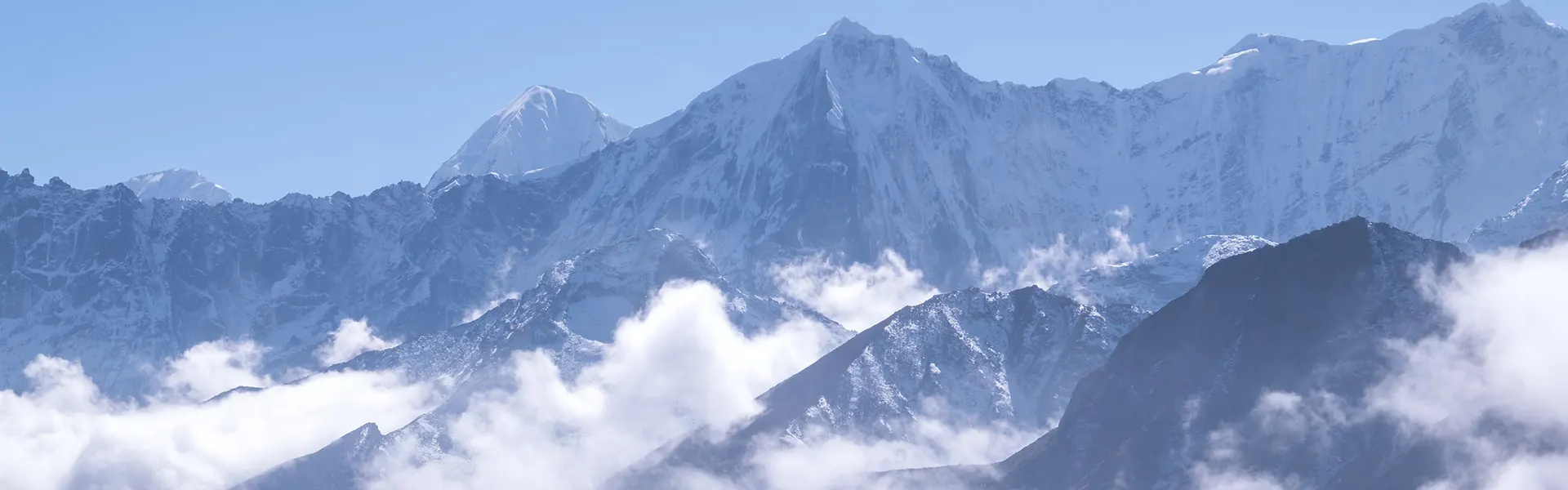

The Everest Three Passes Trek Guide helps trekkers plan the most complete high-altitude route in Nepal’s Khumbu region. The trek crosses Kongma La, Cho La, and Renjo La while linking Everest Base Camp, Kala Patthar, Gokyo Lakes, Gokyo Ri, Chhukung Valley, and Thame Valley. The route suits trekkers who want a longer, more challenging experience than the standard Everest Base Camp Trek. Most itineraries take 18 to 21 days.
Three high passes above 5,300 meters, long walking days, and sustained altitude exposure make the trek very challenging. This guide covers all three passes, route direction, a 20-day itinerary, altitude profile, difficulty, permits, guide rules, cost, best season, packing, teahouses, safety, and flexible route options.
Quick Answer: Everest Three Passes Trek Guide
The Everest Three Passes Trek crosses Kongma La, Cho La, and Renjo La in Nepal’s Everest region. Most itineraries take 18 to 21 days and include the Everest Base Camp, Kala Patthar, Gokyo Lakes, and Gokyo Ri. The route demands strong fitness, acclimatization, current permits, and a guide’s support.
What Makes the Three Passes Trek Different?
The standard EBC route follows one main valley up and down. The Three Passes route crosses between valleys through three high passes. The trek covers more of the Khumbu than any other standard teahouse route. The route links Everest Base Camp, Kala Patthar, Gokyo Lakes, and Gokyo Ri in one trip. It includes quieter lateral valleys like Chhukung, Gokyo, and Thame. The trade-off: longer days, steeper ascents, rough descents, more weather exposure, and repeated altitude stress.
The Three Passes Explained
Kongma La Pass (~5,535 m)
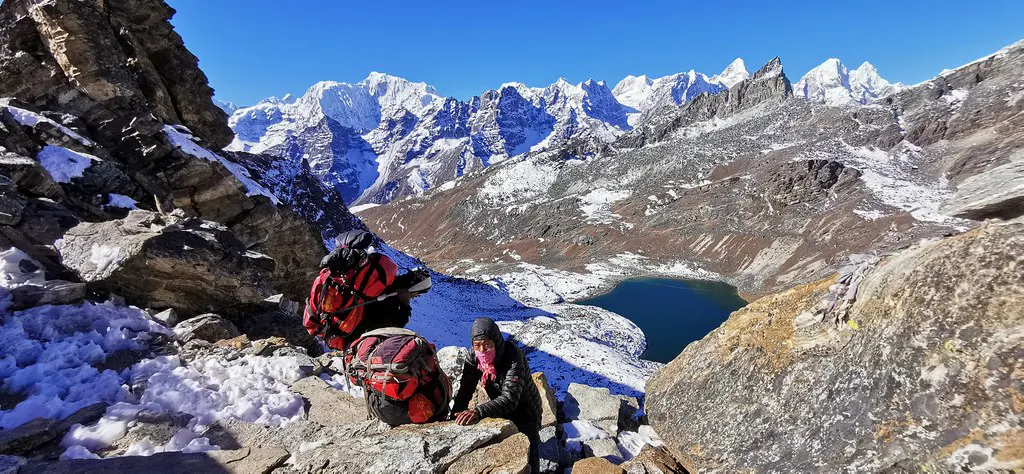
Kongma La connects Chhukung with Lobuche. Many trekkers consider it the most physically demanding pass. The terrain includes rocky sections, boulders, scree, and moraine. No teahouses sit between the start and finish. The crossing demands an early start and stable weather. Trekkers gain views of Makalu and the surrounding high peaks from the pass area. The descent toward Lobuche is steep and over loose ground. Strong legs and good balance matter here.
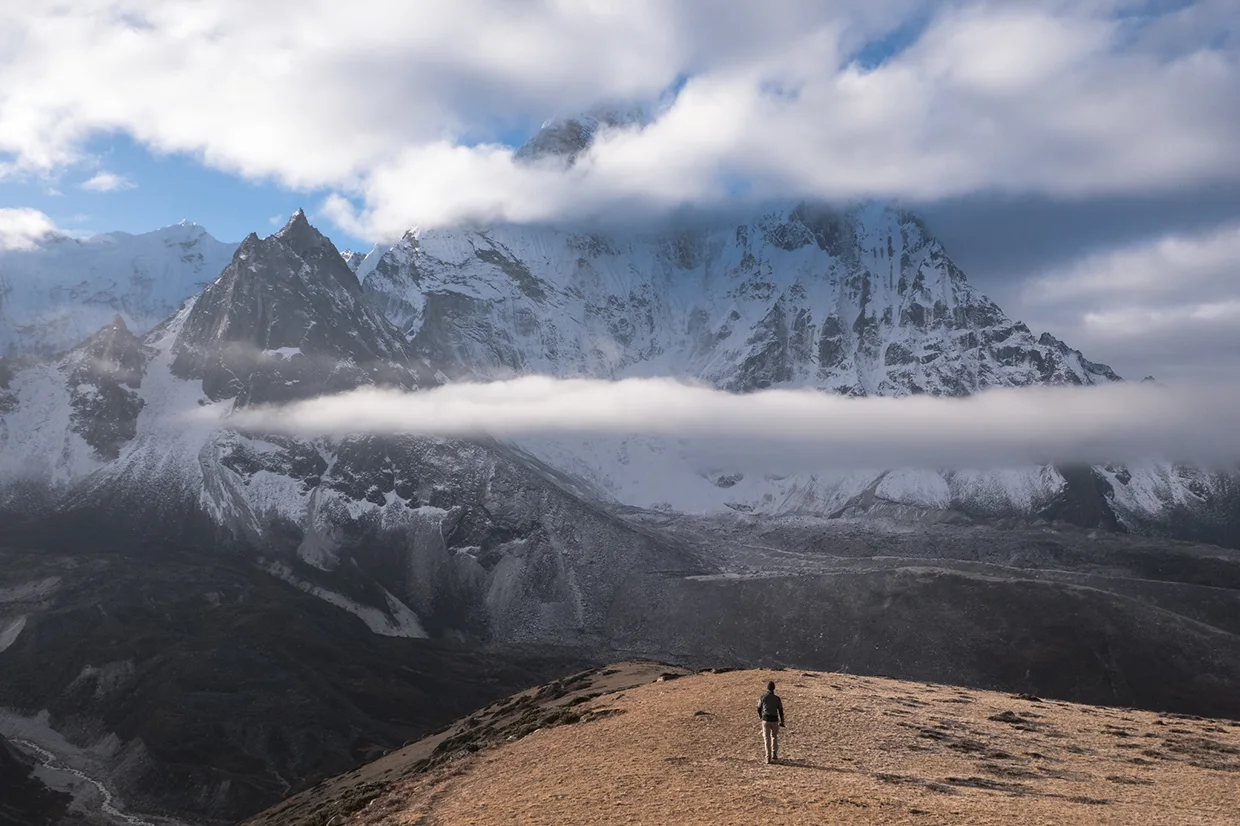
Cho La Pass (~5,420 m)
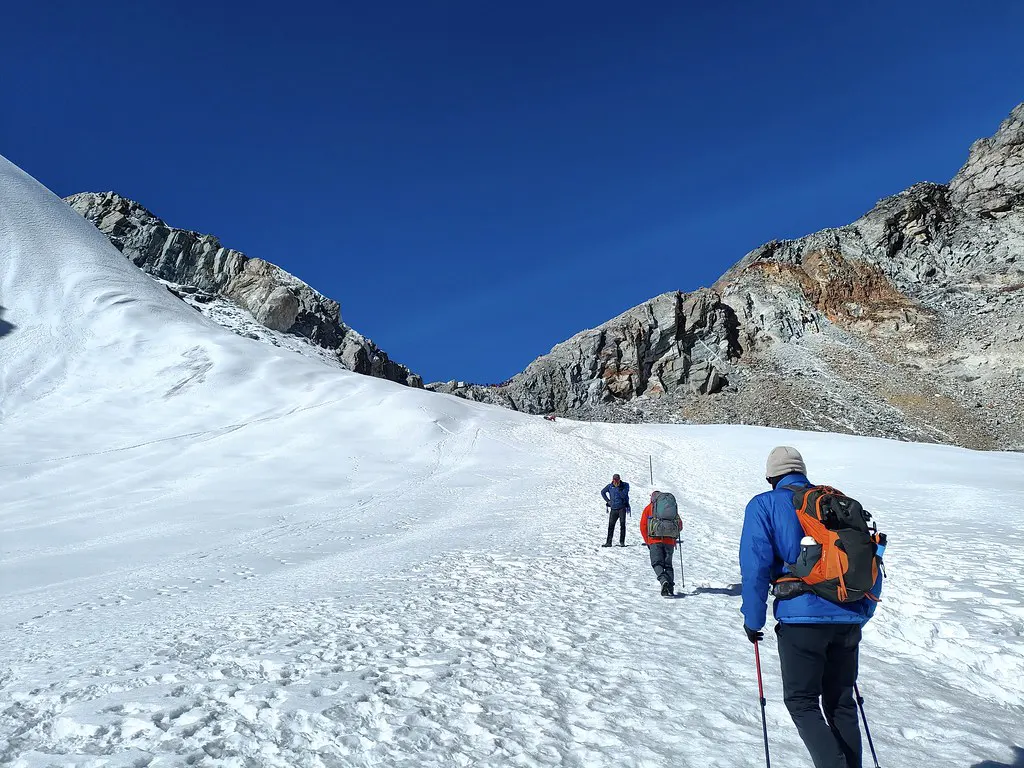
Cho La connects Dzongla with Thagnak/Dragnag on the Gokyo side. Snow or ice often covers sections near the pass. Microspikes or light crampons help in icy conditions. Conditions change with the seasons and recent weather. Cho La ranks as the most condition-sensitive pass. A dry, clear crossing feels straightforward. Fresh snow, ice, or poor visibility make the same crossing risky. Guide judgment and early start control safety here.
Renjo La Pass (~5,360 m)
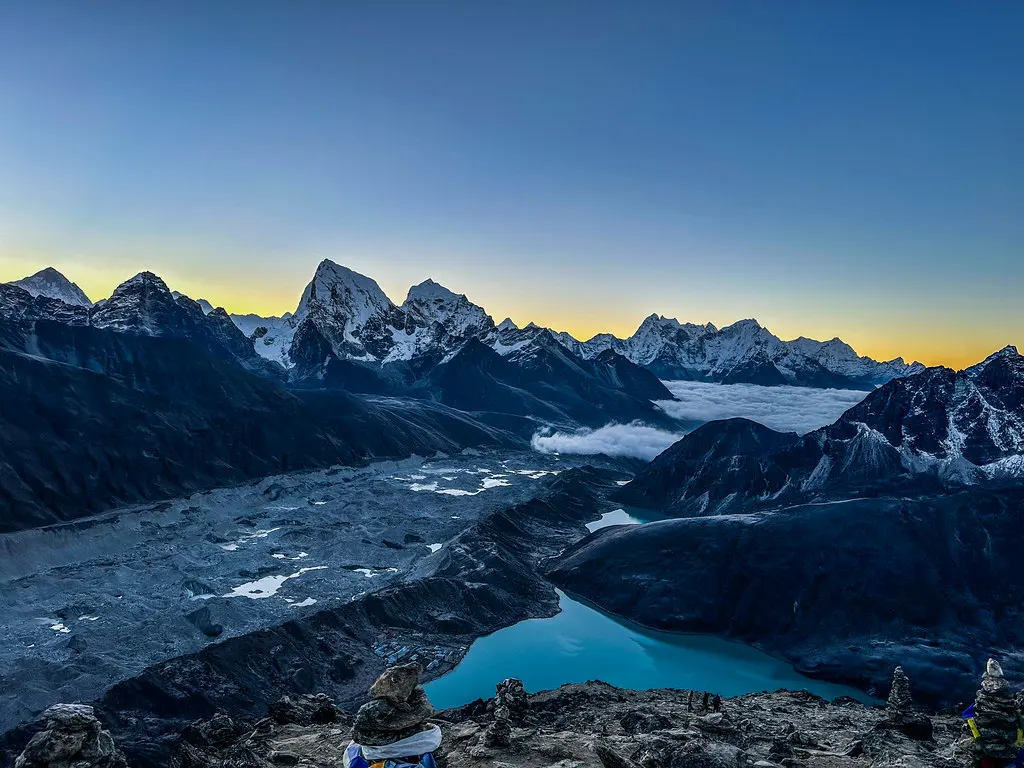
Renjo La connects the Gokyo Valley with Lungden/Lumde and the Thame side. The pass often gives one of the best views of the Gokyo Lakes and the Everest region peaks. The climb and descent follow a clear trail. Renjo La usually feels less technical than Cho La. The pass still rises above 5,300 meters. Strong fitness, warm gear, and cold-weather readiness remain essential.
Three Passes Comparison
| Pass | Altitude | Connects | Main Challenge | Best Feature |
|---|---|---|---|---|
| Kongma La | ~5,535 m | Chhukung to Lobuche | Long, rocky, remote crossing | Solitude and Makalu views |
| Cho La | ~5,420 m | Dzongla to Thagnak/Gokyo | Ice, snow, weather sensitivity | Links EBC and Gokyo |
| Renjo La | ~5,360 m | Gokyo to Lungden/Thame | Long climb and descent | Gokyo Lakes and Everest panorama |
Route Direction: Which Way Works Best?
Route A: Kongma La First (Common Guided Direction)
Lukla to Namche to Dingboche to Chhukung to Kongma La to EBC to Cho La to Gokyo to Renjo La to Thame to Lukla. Best for trekkers who want to complete Kongma La while their energy stays high. Good acclimatization through Namche and Dingboche before the first pass.
Route B: Renjo La First (Reverse Direction)
Lukla to Namche to Thame to Renjo La to Gokyo to Cho La to EBC to Kongma La to Chhukung to Lukla. Best for trekkers who prefer a gradual pass build. Gokyo comes earlier in the itinerary. Works well for experienced trekkers with flexible pacing.
Quick Answer: Which direction works best for the Three Passes Trek?
Many guided groups follow Kongma La first, then EBC, Cho La, Gokyo, and Renjo La. The plan gives good acclimatization through Namche and Dingboche before the first pass. The reverse direction also works with proper acclimatization.
Everest Three Passes Trek Itinerary: 20 Days
| Day | Route | Altitude | Walk Time | Notes |
|---|---|---|---|---|
| 1 | Arrive Kathmandu | 1,400 m | — | Briefing, gear check |
| 2 | Fly to Lukla, trek to Phakding | 2,610 m | 3-4 hrs | First trail day |
| 3 | Trek to Namche Bazaar | 3,440 m | 5-6 hrs | Main Khumbu town |
| 4 | Acclimatization in Namche | 3,440 m | 2-4 hrs | Hike high, sleep low |
| 5 | Trek to Tengboche | 3,860 m | 5-6 hrs | Monastery and Ama Dablam views |
| 6 | Trek to Dingboche | 4,410 m | 5-6 hrs | Higher altitude zone |
| 7 | Acclimatization in Dingboche | 4,410 m | 2-4 hrs | Critical rest day |
| 8 | Trek to Chhukung | 4,730 m | 3-4 hrs | Kongma La approach |
| 9 | Cross Kongma La to Lobuche | 5,535 m pass | 7-9 hrs | Pass 1: long, demanding |
| 10 | Gorak Shep and EBC | 5,364 m | 7-8 hrs | Reach Everest Base Camp |
| 11 | Kala Patthar, trek to Dzongla | ~5,545 m | 6-7 hrs | Sunrise view, Cho La approach |
| 12 | Cross Cho La to Thagnak | 5,420 m pass | 7-8 hrs | Pass 2: ice/snow possible |
| 13 | Trek to Gokyo | 4,790 m | 3-4 hrs | Reach Gokyo Lakes |
| 14 | Hike Gokyo Ri, explore Gokyo | 5,357 m | 4-5 hrs | Major viewpoint day |
| 15 | Cross Renjo La to Lungden | 5,360 m pass | 7-8 hrs | Pass 3: scenic crossing |
| 16 | Trek to Thame | 3,820 m | 4-5 hrs | Quiet Sherpa valley |
| 17 | Trek to Namche Bazaar | 3,440 m | 4-5 hrs | Return to the main trail |
| 18 | Trek to Lukla | 2,860 m | 6-7 hrs | Final trekking day |
| 19 | Fly to Kathmandu | 1,400 m | — | Weather-dependent flight |
| 20 | Buffer day/departure | — | — | Strongly recommended |
Important: Do not skip Namche or Dingboche acclimatization days. Cross each pass early in the morning. Keep buffer days for Lukla flights and weather-blocked passes.
Difficulty Rating
The Everest Three Passes Trek is rated very challenging. Three passes above 5,300 meters, long walking days (7-9 hours on pass days), rocky terrain, glacier moraine, snow or ice on Cho La, and sustained altitude exposure push this route well beyond standard EBC difficulty. Complete beginners should not choose the Three Passes Trek as their first Himalayan trek. The route suits fit trekkers with prior multi-day hiking experience, good altitude preparation, and the willingness to turn back if weather or health demands it.
Three Passes Trek vs EBC and Gokyo Lakes
| Factor | Three Passes | EBC Trek | Gokyo Lakes |
|---|---|---|---|
| Duration | 18-21 days | 12-14 days | 12-15 days |
| Difficulty | Very challenging | Moderate-challenging | Moderate-challenging |
| High passes | 3 | 0 | 0 (unless adding) |
| Includes EBC | Usually yes | Yes | No (unless Cho La) |
| Includes Gokyo | Yes | No | Yes |
| Route variety | Highest | Moderate | High |
| Best for | Experienced trekkers | First-time EBC seekers | Photographers, quieter route |
Permits and Guide Rules
| Permit / Rule | Required? | Notes |
|---|---|---|
| Sagarmatha National Park Permit | Yes | NPR 3,000 for foreigners |
| Khumbu Local Permit | Yes | Confirm the current local fee |
| Agency-issued TIMS card | Yes | Under the NTB revised provision |
| Licensed trekking guide | Yes | NTB lists Three Passes under guided routes |
| Restricted Area Permit | No | Not needed for standard route |
Best Time for the Everest Three Passes Trek
| Season | Months | Pass Conditions | Views | Rating |
|---|---|---|---|---|
| Autumn | Sep-Nov | Usually best | Excellent | Best |
| Spring | Mar-May | Good, snow possible | Good to excellent | Strong |
| Winter | Dec-Feb | Snow and ice risk | Clear on good days | Experts only |
| Monsoon | Jun-Aug | Wet and unstable | Poor | Not recommended |
Cost Overview
The Three Passes Trek costs more than a standard EBC trek. Extra days, remote lodges, pass-day logistics, and stronger guide support drive the price higher. The final cost depends on service level, group size, and comfort choices.
| Item | Budget Guided | Standard Guided | Comfort/Luxury |
|---|---|---|---|
| Guide and porter | Lower rate | Moderate | Higher, private support |
| Accommodation | Basic lodges | Standard lodges | Best available |
| Meals | Basic meals | Included meals | Wider menu support |
| Helicopter return | Not included | Optional | Common add-on |
Packing List for Pass Days
Essential Pass-Day Gear
- Daypack with rain cover
- Trekking poles (adjustable)
- Headlamp with spare batteries
- Sunglasses with UV protection
- Water bottles and purification
- High-energy snacks for long days
- Extra warm layer beyond normal trekking wear
- Microspikes or light crampons if advised for Cho La
- Compact first-aid kit
Clothing
- Thermal base layers
- Fleece or insulated mid-layer
- Down jacket
- Waterproof jacket and windproof shell
- Trekking pants
- Warm hat, sun hat, buff
- Liner gloves and insulated gloves
- Gaiters if snow risk exists
Footwear
- Broken-in waterproof trekking boots
- Warm trekking socks and liner socks
- Camp shoes for teahouse evenings
Test boots, poles, headlamp, and microspikes before the pass days. Cho La does not welcome first-time gear testing.
Fitness Training
The Three Passes Trek demands more fitness than the standard EBC. Train for six-to-eight-hour walking days, long climbs, long descents, rocky terrain, and back-to-back trekking days at altitude.
- Active trekkers: 10 to 12 weeks of trek-specific training
- Moderate fitness: 12 to 16 weeks
- Low fitness: choose a shorter trek first or start much earlier
- Previous high-altitude experience: strongly recommended
Best exercises include long hikes, stair climbing, step-ups, squats, lunges, calf raises, planks, and downhill walking practice. Build endurance steadily. Rest days matter.
Altitude Safety and Pass-Crossing Rules
- Keep acclimatization days at Namche and Dingboche
- Start pass days early — before sunrise when possible
- Carry extra warm layers on every pass day
- Eat enough on long days, even when appetite drops
- Drink clean water regularly
- Do not cross a pass in poor weather
- Do not continue higher if symptoms worsen
- Carry insurance covering high-altitude trekking and helicopter evacuation
- Listen to guide decisions about pass timing and conditions
Flexible Route Options
Option Passes Included Use Case
- Skip Kongma La Cho La + Renjo La Weather, fatigue, or lower fitness
- Skip Renjo La Kongma La + Cho La Time shortage after Gokyo
- Skip Cho La Kongma La + Renjo La (adjusted) Poor snow/ice conditions on Cho La
- Gokyo + Cho La + EBC One pass plus EBC and Gokyo Strong alternative for fewer days
- Helicopter return depends on the route, time-limited, or comfort for travelers
A flexible itinerary improves safety. Finishing two passes safely beats forcing all three in bad weather or poor health.
Common Mistakes to Avoid
- Attempting the Three Passes as a first high-altitude trek
- Skipping Namche or Dingboche acclimatization days
- Ignoring the guide’s advice on pass conditions
- Underestimating Kongma La’s length and terrain
- Treating Cho La like a normal trail day
- Starting pass crossings late in the morning
- Not carrying enough warm layers for the past few days
- Forgetting headlamp batteries
- Booking tight international flights after Lukla
- Training only for standard EBC-level difficulty
- Not testing microspikes or boots before the trek
- Ignoring altitude symptoms at any stage
FAQs
Q: What are the three passes?
A: These are Kongma La (~5,535 m), Cho La (~5,420 m), and Renjo La (~5,360 m), all situated significantly above 5,300 meters in Nepal’s iconic Khumbu region. These high-altitude crossings form a demanding loop that connects the major valleys of the Everest area. They are known for offering some of the most dramatic and panoramic mountain views in the Himalayan range.
Q: How many days does the trek take?
A: Most standard itineraries span 18 to 21 days starting from Kathmandu. This comprehensive schedule includes essential Lukla flights, multiple acclimatization days, the three pass crossings, and visits to Everest Base Camp, Kala Patthar, and Gokyo. It also incorporates vital weather buffer days to account for unpredictable conditions. This duration ensures a safe and steady pace through the challenging high-altitude terrain.
Q: How difficult is the Three Passes Trek?
A: This trek is considered very challenging due to three passes above 5,300 meters and sustained altitude exposure. Trekkers must endure long walking days, rocky terrain, and extremely cold conditions. These factors make the route significantly harder than a standard Everest Base Camp hike. It requires high levels of physical stamina and mental resilience to complete the full circuit safely.
Q: Is the Three Passes Trek harder than EBC?
A: Yes, it is harder because it is longer and crosses three high passes rather than following a linear path. The route includes more remote terrain and requires higher levels of fitness and prior trekking experience. While the standard Base Camp trek is accessible to many, the Three Passes version demands greater preparation and endurance to handle the increased physical strain of the high passes.
Q: Do I need a guide?
A: Yes, a licensed guide is required for this route according to the Nepal Tourism Board. The Three Passes Trek is listed under Everest-region routes that mandate professional accompaniment for safety. Additionally, travelers must obtain an agency-issued TIMS card. Having a guide is essential for navigating the high passes and managing the logistical complexities of such a long, remote, high-altitude journey.
Q: What permits do I need?
A: You must obtain three specific documents: a Sagarmatha National Park permit, a Khumbu local permit, and an agency-issued TIMS card. While these are mandatory for all trekkers in the region, the standard Three Passes route does not require a restricted area permit. Ensuring you have the correct paperwork is vital for passing through various checkpoints along the trail and supporting local conservation and management efforts.
Q: Do I need crampons for Cho La?
A: Microspikes or light crampons are highly recommended when snow or ice covers the Cho La pass. While dry conditions occasionally allow for a crossing without spikes, your guide will check current conditions before you start the ascent. Carrying traction devices is a critical safety measure, as the glacier on the pass can be slippery and dangerous year-round.
Q: When is the best time for the Three Passes Trek?
A: Autumn, specifically September to November, usually offers the clearest views and the most stable pass conditions. Spring, from March to May, is another popular option, though early spring can see the passes heavily snow-covered. Choosing these windows maximizes your chances of clear skies and safe crossings while avoiding the heavy monsoon rains or the extreme, impassable cold of winter.
Q: Can beginners do the Three Passes Trek?
A: No, complete beginners should avoid this trek. The route is best suited for fit trekkers with prior multi-day hiking experience and thorough altitude preparation. Because of the technical nature of some pass crossings and the physical toll of spending nearly three weeks at high altitudes, hikers should have several successful lower-altitude, less technical treks under their belt before attempting this circuit.
Q: Does the trek include Everest Base Camp?
A: Most standard itineraries for the Three Passes Trek include visits to Everest Base Camp and the Kala Patthar viewpoint. The route also typically covers the Gokyo Lakes and Gokyo Ri. This comprehensive approach allows trekkers to see all the major highlights of the Khumbu region in a single trip. However, you should always confirm the specific daily route details before booking.
Q: Which pass rates are hardest?
A: Many trekkers find Kongma La the hardest due to its high altitude, significant length, and very rocky terrain. However, Cho La often becomes the toughest crossing when snow or ice makes the route slippery. Ultimately, the difficulty of each pass is decided by the weather and trail conditions on the day you attempt it, as well as your own personal levels of fatigue.
Q: What if the weather blocks a pass?
A: If a pass is blocked, your guide may wait for better weather, utilize a buffer day, or reroute the trek to ensure safety. In some cases, a specific pass might be skipped entirely if conditions are deemed too dangerous. Maintaining a flexible itinerary and having extra days are essential strategies for safely navigating the high passes, as the mountains ultimately dictate the schedule.
Final Advice
The Everest Three Passes Trek gives trekkers the most complete high-altitude route in the Everest region. Kongma La, Cho La, Renjo La, Everest Base Camp, Kala Patthar, Gokyo Lakes, and Gokyo Ri combine into one demanding, rewarding itinerary. The route rewards preparation. Train beyond EBC-level fitness. Pack warm, pass-day gear. Confirm permits and guide rules. Add buffer days. Listen to your guide on pass conditions. Respect altitude, weather, and your own limits. The mountains stay. You return stronger each time.