


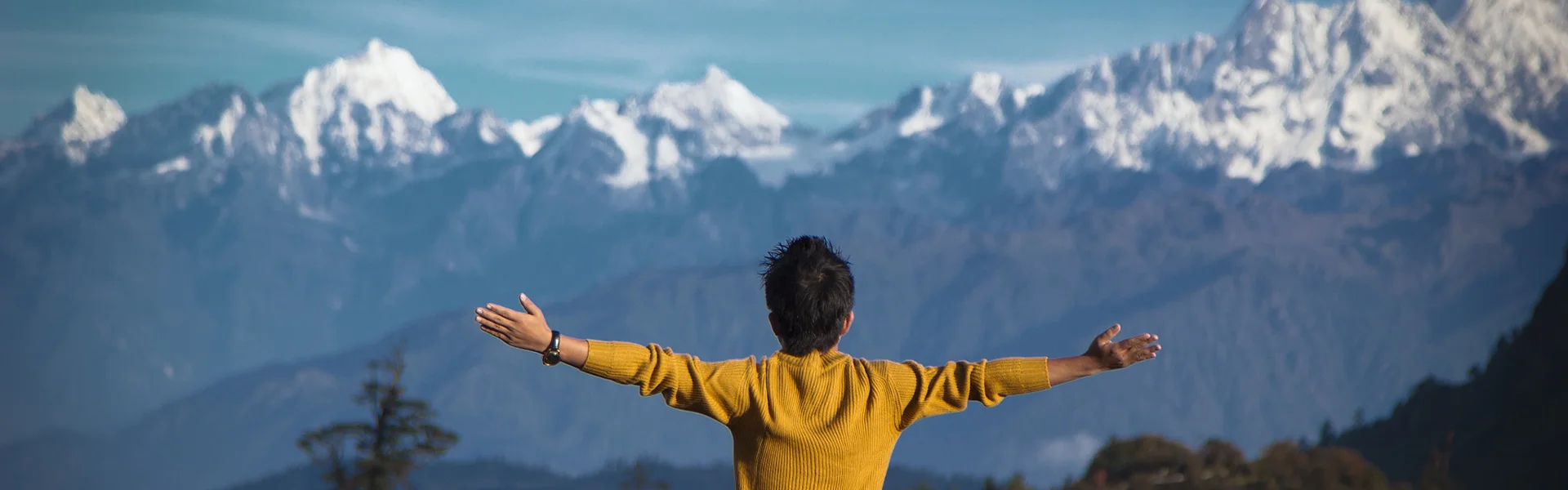

Lobuche is a high-altitude settlement in the Khumbu region of Nepal. Sitting at around 4,940m, Lobuche lies near the foot of the Khumbu Glacier with dramatic Himalayan peaks surrounding it. Lobuche is one of the final overnight stops on the Everest Base Camp (EBC) trail.
Lobuche sits between the vast and open plains of Pheriche and Dingboche to the south and the remote Gorak Shep to the north. Lobuche has a collection of stone buildings to support the trekkers and climbers on the Everest trail. It falls within the boundaries of the UNESCO World Heritage Site, the Sagarmatha National Park, and is popular for its mountain ecosystem and Sherpa heritage.
Despite the harsh environment and altitude, Lobuche is vital for trekkers and climbers pushing towards Everest Base Camp and Kala Patthar. Most trekkers reach this thin-air zone typically in the afternoon, followed by a cold night. It is the final acclimatization stop before continuing to a more demanding terrain.
Lobuche got its name after the two nearby peaks, Lobuche East (6,119m) and Lobuche West (6,145m), both popular climbing peaks. These peaks attract mountaineers preparing for the summit or returning from the climb.
While there are no farms or permanent homes in Lobuche, its location is dramatic. You will hear the Khumbu glacier creaking under the rock layers on one side and see giant rising peaks like Nuptse on the other. Cholatse and Taboche lie a little further from the valley.
Lobuche is a pathway and a resting stop. It’s cold, high, remote, and a key stop on the trail. Beyond Lobuche, it’s just Gorak Shep, a few teahouses, and the tents at the Everest Base Camp.
The High-Altitude Experience
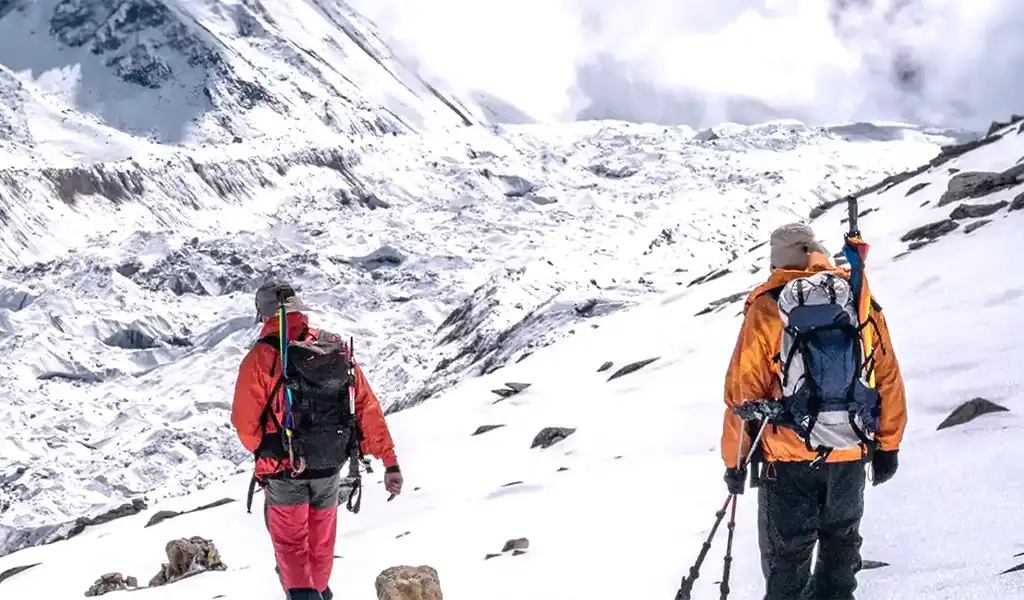
When you arrive in Lobuche at around 4,940m, you are already deep in high-altitude territory. The oxygen level is only about half that of the sea level here. The altitude makes it hard even to do small tasks. Walking across the lodge or bending over to repack your bag might leave you out of breath. Altitude sickness symptoms peak in Lobuche, with headaches, nausea, dizziness, and fatigue being common.
Stay alert for any symptoms of Acute Mountain Sickness (AMS). If you or anyone in the group shows serious symptoms like severe headaches, confusion, or trouble walking, pause your trek. Continuing to Gorak Shep or EBC in these states is extremely dangerous. Lobuche doesn’t have a permanent medical clinic, making it even harder. Larger trekking groups might carry oxygen tanks or check blood oxygen levels with a pulse oximeter, but help is not nearby. Descend to Pheriche if the symptoms start worsening.
Drink about four liters of warm and hydrated fluids every day since the beginning of your trek. Managing the altitude makes the trek easier. Avoid alcohol and smoking completely as they cause dehydration. Many trekkers arrive feeling tired or have mild headaches, which are common. Avoid pushing yourself too hard when you arrive; check into your lodge, warm up, have something warm, and rest.
Altitude might affect your appetite, but you should eat proper meals even if you don’t like them. Your body burns more calories at altitude and drains your energy quickly. Eat simple carbs like rice, soup, or potatoes as they are easier to digest. Many trekkers take Diamox from Lobuche to help with altitude. While Diamox doesn’t cure AMS, it allows the body to breathe deeply and metabolize oxygen efficiently.
Sleep difficulty is also common at Lobuche. Many people experience periodic breathing that makes their body alternate between deep breathing and short pauses, which can wake them up or make them feel as if they are gasping. Rooms don’t have a heating system, making it cold and difficult to sleep. Layer up before bed and keep your water bottle and headlamp within reach. The cold is intense, making it hard to get up at night. However, views of the stars are unreal, making it rewarding.
Respect the altitude here. Don’t rush, don’t ignore the symptoms, and have a flexible mindset. Remember, your health comes first. If you must descend from Lobuche or take an extra day, that’s okay. Don’t push yourself too hard.
Landscape and Mountain Views around Lobuche
Besides the altitude, the views are also very noticeable in Lobuche. Nuptse rises just above in the eastern skyline. Nuptse is so close to Lobuche that it blocks Everest, even though it is nearby.
Pumori stands tall toward Tibet in the north, and Cholatse and Taboche are in the west. You can see Cholatse and Taboche from Pheriche as well. On clear mornings, these giant peaks glow at sunrise with a soft orange-pink light. The view is beautiful, and many trekkers enjoy taking pictures of the sunrise.
Lobuche had dry and bare terrain with no trees or greenery, just gravel, dust, and scattered stones. A few mosses or tiny flowers may grow during summer, and that’s about it. Yaks eat sparse grass on the slopes or graze along the trails. While the conditions are harsh, the calm presence of these yaks adds a sense of life to the place.
Take a short walk up to the moraine behind Lobuche for a close view of the Khumbu Glacier. The Glacier is mostly gray rock at this elevation, but you can still hear the creaking beneath the surface. You can also catch bluish ice peeking through the debris. This long, frozen river of old ice flows down from the Western Cwm, near Everest.
You will pass the Thukla Pass before reaching Lobuche. Thukla Pass has dozens of stone memorials to honor the fallen climbers and Sherpas who lost their lives on Mount Everest and other nearby peaks. The air here is heavy with silence and leaves a deep impression on most people. Pumori and Lingtren rise in the background. Most trekkers feel a shift in their mood after crossing this pass.
If the day stays clear, you will see the sunset over Nuptse and other peaks from Lobuche. Wear your jacket and sit outside your lodge to catch the last light of the day. After sunset, stargazing is popular. The night sky here is massive since the area doesn’t have light pollution. The Milky Way stretched in the sky, and all stars shone brightly in the night sky.
Accommodation and Facilities in Lobuche
Lobuche is about function over comfort. It is cold, remote, and rugged, yet it gives you the necessities to get through the night, like shelter and food. You get a water place to sit down and talk with your fellow trekkers, which is often enough for this altitude.
Teahouses and Lodges
Lobuche has about five main lodges and other small teahouses. Rooms usually have two wooden beds with thin foam mattresses against cold plywood or stone walls. Spoke may have a hook or a small shelf, but it is rare. Rooms don’t have a heating system, and insulation is minimal. Your water might freeze and turn into ice during the night. Bring a four-season sleeping bag, thermal layers, and a hat to bed for proper insulation. Lodges provide a heavy blanket that you can use over your bag for extra warmth.
You will share bathrooms with fellow trekkers. Some lodges have squat toilets inside the main building, while some have an outhouse toilet. You’ll use a bucket of water to rinse things down. Pack your basic toiletries like toilet paper and hand sanitizer. Most trekkers skip showers by this point and use wet wipes if they want a quick wipe. If you must, you can ask for a bucket of hot water, but we don’t advise staying wet in this cold.
Some newer lodges might offer rooms with attached bathrooms, but they are rare and often don’t function due to frozen pipes. Running water is usually not available in rooms because everything freezes quickly. Boiled water for drinking is available for a small fee. You can also fill up your bottle with glacial water and purify it yourself, but remember that cold temperatures slow down purification and reduce chemical effectiveness. Boiling is the best option.
Dining and Communal area
Every lodge has a communal dining area where all trekkers gather for meals. It is the busiest and warmest place in the whole lodge. A metal or cast-iron stove lights with fire in the afternoon, using yak dung or wood. Trekkers leave their socks, boots, and gloves by the fire to dry.
You will eat your meals in these halls. Tables are basic along the walls. The dim lighting runs on solar or battery power until 9 or 10 PM. Rooms may have a small, weak bulb or nothing, so keep your headlamp in reach. The menu has fewer options, such as dal bhat, noodle soup, fried rice, momo, etc. Meat and fresh vegetables are rare, and most trekkers avoid meat altogether. Most vegetables are dried or hauled from lower regions.
Soups are popular for warmth, hydration, and salt. Garlic soup is a local remedy against altitude sickness. Sherpa stew, carbs like rice, potatoes, and pasta are popular meal options. Portion size decreases while the prices increase in Lobuche as porters or yaks carry all the supplies here, making it more expensive. Lodges are not charging you extra; the logistics make running these lodges in extreme conditions very hard.
Drink teas like hot masala, lemon, ginger, hot chocolate, or instant coffee to keep warm. Most trekkers spend the evening sipping tea around the stove, chatting, playing cards, or resting quietly. Some lodges sell cake or bakery items, especially if a group celebrates.
Amenities: Lodges generate limited electricity from solar power or a generator. Charging devices cost an extra NPR of around 400-600 per device and only during certain hours when power is available. It’s better to charge all your devices in Pheriche or Dingboche and conserve the battery in airplane mode. Many trekkers bring a power bank for these higher-altitude villages. WIFI is technically available with Everest Link, but it’s too slow or doesn’t work in Lobuche.
The mobile signal is unreliable, and you will disconnect during this part of the trek. In case of emergencies, your guide will use radios or satellite phones. You may need to descend to a lower zone for a reliable signal.
Lobuche doesn’t have any medical clinics. The nearest medical post is in Pheriche. Some lodges keep a small oxygen bottle for short-term relief if anyone gets sick overnight. If the symptoms are severe, descending is the only solution. The Everest ER clinic sometimes operates at the base camp during climbing season, but it is not helpful for someone in Lobuche. Ensure your insurance covers high-altitude rescue, and your guide can contact help when necessary.
Lobuche is uncomfortable; it’s a remote, high-altitude outpost offering warmth, food, and shelter before continuing to the EBC. Cold, thin air, and simple meals are all part of the trekking experience. It’s a tough stop, but it also marks your hard work for coming a long way. Instead of complaining, celebrate the limited amenities to enjoy the trek fully.
Sherpa Culture and Community
Lobuche is not a permanent Sherpa village like Khumjung or Pangboche. It is a seasonal village operating mainly during the trekking and climbing months. Lodge owners and workers are primarily from the Sherpa community, some from Tibet or other parts of Nepal. During peak months, people from surrounding villages like Pangboche, Phortse, or Khunde operate businesses here. Though the settlement is temporary, the culture of the local Sherpa community is still evident here.
Dining halls may have a small Buddhist altar, a picture of Guru Rinpoche or the Dalai Lama, butler lamps, and prayer flags. Some staff quietly spin a small prayer wheel in their hand and recite mantras during free time. These small yet significant practices keep the spiritual routines alive in the harsh and remote Lobuche village.
Running a lodge in Lobuche is hard. Staff wake up early to melt frozen water for water, to cook meals in thin air where even tea takes a long time to boil, and to host many tired guests. They serve you hot meals and find a place for you to rest. They will even help you find another lodge if their lodge is full.
Porters from Pheriche or lower arrive here in the evening with food, fuel, and other supplies. Porters stay in simple quarters, eat modest meals, and leave early next morning, often unseen. Most of the time, their work goes unnoticed, even though they are one of the vital parts of making settlements possible in these high-altitude regions.
Yaks and naks haul loads from Pheriche, Lobuche, and Gorak Shep. The bells around their neck signal their arrival even before you see them. The Sherpa or Tamang people mostly handle these yaks; you can smile at them to show appreciation. Give them room on the trail so they can pass first.
Despite the rough conditions, there are countless opportunities to form new connections. Lodge owners might hand you tea before you even ask. Your guide might remind you to warm your hands near the stove. You can make friends with fellow trekkers, guides, and staff by sharing jokes and stories. These simple exchanges reflect the value of offering care and kindness even in the harshest conditions.
Trekking Beyond Lobuche
Sitting at the crossroads of routes, Lobuche marks the final push towards Everest Base Camp. Most trekkers leave this place early for Gorak Shep (5,164m), the last stop with lodges before the Everest Base Camp. Although the distance is only about 4 to 5 km between Gorak Shep and Lobuche, it might take about 3 hours to reach during high altitude and uneven terrain.
The trail follows along the Khumbu glacier through loose moraine and small hills of scree. It’s a short but demanding stretch. Nuptse towers over you on your right with a vast, rugged glacier on your left. Eventually, you’ll reach the sandy basin of Gorak Shep, a flat, dried village with a few basic lodges. Trekkers usually rest here, eat lunch, and then continue towards Everest Base Camp (5,364m) the same day.
Trekkers leave their bags behind in Gorak Shep and walk across the rocky moraine towards the Base Camp. The EBC has seasonal tents during climbing season; otherwise, the place is empty with prayer flags and memorial stones. You won’t see the Everest summit from here, so you’ll continue to Kala Patthar for the iconic view the next morning.
Hike to Kala Patthar in the early morning after spending the night in Gorak Shep. After Kala Patthar, you’ll descend steadily to Pheriche in just one day. You will pass through Lobuche and Thukla Pass into lower and thicker air.
Descending is quicker and safer. Some trekkers might spend an extra night in Lobuche on the way down, especially those affected by weather delays or fatigue. Lobuche is also a junction. Trekkers on the Three Passes route cross Cho La Pass (5,420m) west from here to reach the Gokyo Valley. Others arrive in Lobuche from Dzongla and rest here before continuing to Gorak Shep.
Climbers preparing for Lobuche East Peak also pass through this village. You might spot them organizing gear with their porters. When you leave Lobuche for the last time, the altitude will decrease, leaving you with a sense of reward and relief. Each step you take down, the air gets thicker and your energy level increases., You can slow your pace, look around more, and connect with people and places you overlooked while on your way up.
Lobuche might not be a traditional village, but it is a memorable and vital place. It’s where the stakes feel high, the air thinnest, and your mental endurance tests itself. Its harsh beauty and challenge linger even when you descend past this village.
Best Time to Visit and Weather
Lobuche sits nearly at 5,000m, making it cold throughout the year. You should pack well for the cold and prepare for the quick weather shift.
Spring (March to May)
Spring is pleasant even in Lobuche. While it’s still cold, it’s a bit warmer than in winter. Temperature ranges from -5°C to +5°C in daytime with freezing nights at around -10°C to -15°. It starts warming up by late spring. There are stills in March, but it usually melts as April and May approach. The sky is mostly clear, and the sun is intense. While you need a jacket when you stop walking, the sun makes the temperature bearable.
The weather is dry and stable; short snow showers and wind are possible. April is the Everest climbing season, making the trail busy and exciting. Overall, spring offers a good mix of weather, views, and activity, making it one of the ideal months to visit Lobuche.
Autumn (September to November)
Autumn is the best trekking season in Nepal. Lobuche shines during this time with crisp air and clear skies after the monsoon. Early September has some clouds or occasional rain, but most of the season has sunny mornings and calm days. Daytime temperatures are just above freezing, ranging from 0°C to 5 °C, with nights falling to almost -20°C. Days are shorter; by late autumn, it is dark by 5:30-6:00 PM with a quickly dropping temperature. While the weather is calm, you can expect some unexpected light snowfall or a frosty morning trail.
Monsoon (June to August)
Summer is the monsoon season in Nepal. The temperature is warmer at around 5°C during the day and nights just below freezing. But trails are wet and skies are cloudy. Heavy rain makes the trail muddy and slippery. Lobuche experiences rain, fog, sleet, or even snow. Clouds block the mountain view, and the damp air makes the cold feel even worse. Since the season is unpopular among trekkers, you’ll likely have the lodge. Most trekkers avoid this season due to weather delays, flight cancellations, and poor trail conditions.
Winter (December to February)
Winter is cold and challenging in Lobuche. Daytime temperatures range between 5°C and 10°C, and -25°C or lower during nighttime. Snowstorms are frequent, and deep snow can block the trail for days. Positively, the sky is clear and the crowds are gone. Unless highly experienced and thoroughly prepared, trekkers don’t attempt this season. Only a few lodges operate due to the harsh cold and limited trekkers. You need a flexible plan and a good guide to complete your trek successfully during winter. Winter is ideal for those who want solitude and can manage extreme cold.
Thus, the best times to be in Lobuche are late March to April and late September to October. Skies are clear, and the cold is manageable with good trail conditions. Early November is also fine, but expect colder and darker days. Early March is also good, but you may face snow and cold like in winter. Late April is ideal for the whole Everest Base Camp experience. It is the climbing season and thus has the best conditions. October is also good with the classic trekking feel, with great views and lively teahouses.
Regardless of when you trek, keep an eye out for the weather. Mountains experience quick weather shifts. The afternoon will likely bring snow or heavy clouds if clouds start forming over Everest or Ama Dablam in the morning. Aim to reach Lobuche of Gorak Shep by noon or 1 PM to avoid weather changes. Keep your jackets close as cold hits fast. With the right timing and preparation, Lobuche offers an unforgettable experience.