


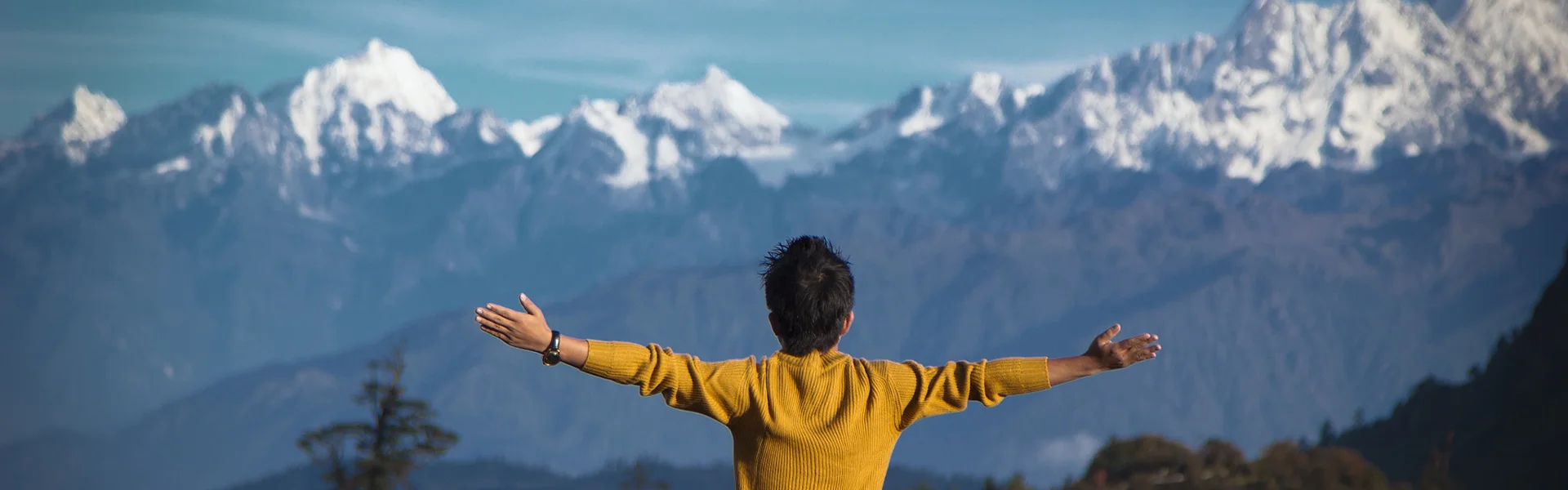

The International Mountain Museum tells the story of giant peaks and the culture that lives among them. It sits on the base of the Machhapuchhre mountain. It displays the scale of the Himalayas into perspective. The museum appeals to trekkers, climbers, students, and families alike. They display captions in both Nepali and English so anyone can understand them. The museum highlights mountaineering history, Himalayan traditions, and high-altitude wildlife.
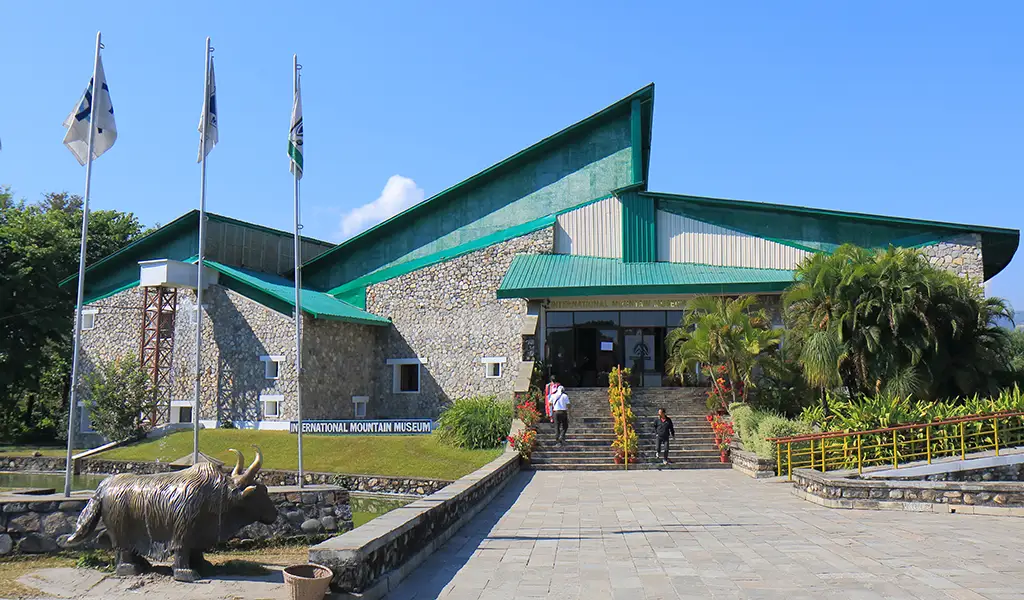
Where Is the International Mountain Museum?
The International Mountain Museum (IMM) is in Ratopahiro, about 3.5 km southeast of central Pokhara. It’s below the iconic Machhapuchhre Mountain. Locals often call it Parbat Sadan (Mountain House)
You can get there by taxi from Lakeside. It’s about a 10 to 15-minute drive and costs around NPR 300-500. You can take a public minibus or a shared van to Sital or Dhikurpokhari, which stops near the museum. Ask the driver to drop you at the IMM. It’ll cost you about NPR 30-50. Alternatively, you can take a 30-45-minute walk uphill through quiet village lanes.
The museum provides free parking. Wheelchair users can reach the main exhibition areas via ramps and elevators that serve the first two floors. The climbing wall and the outdoor garden are also on the ground floor.
History and Purpose of the Museum
Nepal Mountaineering Association (NMA) founded the International Mountain Museum (IMM) to honor the Himalayas and the people living among them.
In 1973, NMS leaders got the royal permission to establish a museum dedicated to mountains and mountaineering. Fundraising took many years with support from climbers and donors worldwide.
The government donated the land in 1992, and the first exhibition hall opened in 2002. Junko Tabei (the first woman to summit Mount Everest) and Apa Sherpa (who had then summited Mount Everest 14 times) officially inaugurated IMM on February 5, 2004.
The museum aims to preserve the record of mountaineering achievements. It protects the Himalayan culture and educates visitors about the fragile mountain ecosystem. Its main objective is to inspire respect for the high peaks and their people.
IMM runs school workshops on climate change, ecology, and Sherpa culture. It has partnered with local schools since 2018. They integrate their exhibits into science and geography lessons. Many students go to the museum for projects and field trips.
Over time, IMM has expanded its facilities. They added a climbing wall in 2016 and announced plans for digital exhibition halls in 2019. Unfortunately, the digital exhibition got delayed due to the pandemic. The team repaired cracks and upgraded displays after the 2015 earthquake.
By 2019, IMM attracted nearly 100,000 visitors annually and became one of Nepal’s top museums.
In 2010, NMS and international climbing groups recognized the IMM’s efforts. Its success inspired a similar mountaineering exhibit at Kathmandu International Airport in 2019.
Key Exhibits and Highlights
Hall of the Great Himalayas: This hall introduces you to the natural side of the mountains. A life-size snow leopard greets visitors at the entrances. There are displays of blue sheep, Himalayan pheasants, and other native species. You can see the large maps to learn how the Himalayas formed by colliding tectonic plates, and a wall graphic of Asia’s 8,000m peaks. You’ll also see panels explaining how Everest rises a few mm yearly. There are also local stories like why Machhapuchhre remains unclimbed.
Hall of Fame (Mountaineering): This section features equipment and stories from legendary climbers. Sir Edmund Hillary’s boots, ice axe, Tenzing Norgay’s cap, and GPS watch are also there. The museum also features the pictures from the 1953 Everest expedition. Items from Junko Tabei, Ang Rita Sherpa, and other faces are also on the show. A video kiosk plays summit clips and a large mural honoring the first summit team. Another section honors George Mallory and Andrew Irvine. These British climbers vanished on Everest in 1924.
Hall of World Mountains: The museum focuses beyond the Himalayas. Models and displays highlight the Alps, Kilimanjaro, Aconcagua, and other famous peaks. The Seven Summits map will help you learn the highest mountain on each continent. Children can place flags on a world map where they dream of climbing. Exhibits a variety of different types of peaks, from South America’s high plains to Asia’s snow-covered ridges.
Mountain People Gallery: This gallery celebrates the people of the Himalayas. You can see Mannequins wear Sherpa, Gurung, and other traditional outfits. A small yurt (tent) gives a feel of nomadic life. Panels show the Sherpa culture, including how Tenzing Norgay sold Buddha bracelets to fund his expedition. Musical instruments, prayer flags, and thangka paintings decorate the hall. You can see a sand mandala with Buddhist art traditions. A special corner honors women climbers. It highlights iconic women like Pasang Lhamu Sherpa, the first Nepali woman to summit the Everest.
Special Exhibits: The rotating display highlights a new topic each year. It has covered mountain medicine, Bhutanese climbers, and the 1950 Annapurna expedition.
Interactive Display: Visitors can interact with the exhibits, try on gear, and experience mountaineering activities themselves. Children can try on helmets or sit inside a model oxygen tent at a mock campsite. You can engage in touchscreen quizzes and climbing games. They also tested a short VR Everest climb in 2019.
Unique Features: The centerpiece is a 9.5-meter model of Mount Manaslu that visitors can climb. Another wall features impressions linked to Yeti legends. The museum also houses Nepal’s tallest indoor climbing wall, which is 21 meters high. It’s open to the public on weekends.
Outdoor Garden: The garden has Himalayan plants, benches, and a statue of NMA founder G.P. Mohring.
Nepal’s First: A timeline display celebrates Nepal’s mountaineering milestones like the first Nepali woman on Everest and the first Nepali ascent without oxygen.
Base Camp Diorama: There’s also a detailed model of the Himalayan base camp with tents, prayer flags, and everyday life at high altitude. You get a glimpse into the routines of climbers and Sherpas at 5,000 meters.
The Visitor Experience
Visitors enter a high-ceilinged foyer that looks like a grand Himalayan lodge. You’ll begin at a large map wall where you can point out where you’ve trekked before. The exhibition has warm lighting with the smell of polished wood and wax from taxidermy.
The halls are quiet with faint sounds of school groups or mountain wind recordings. You can see summit celebrations in the monitor. Dimmed corners make some exhibits feel like a glacier. You can also hear Sherpa folk songs and prayers.
Kids can try the climbing harness, sit in the oxygen tent, or spin the prayer wheels. There are maps and quizzes to test your mountain knowledge as well. You can read the stories of famous climbs, like Junko Tabei’s ascent, and learn about the world’s highest peaks, mountain wildlife, and weather.
A small library has about 3,000 books, maps, and charts. Visitors can browse or borrow them with a photo ID. You can try an indoor climbing wall at the back of the museum. You can click pictures, but don’t use flash. The Manaslu model, the snow leopard, and the garden outside are popular spots.
The Gorkha Village Restaurant serves Nepali meals like dal bhat for about NPR 300. You can try traditional Nepali meals while the staff share their trekking stories. Most visitors spend about 3 hours in the museum. If you’re short on time, visit the Hall of Fame and Sherpa gallery first.
Some extra features of the museums are the audio of folk songs, yak bells, or wind sounds. Sometimes climbers or scientists give talks or sign books. You can watch short climbing documentaries in the small theater and charge your electronics using the USB ports on the bench.
Best Time to Visit and Weather Considerations
Since the museum is indoors, the season doesn’t affect the exhibits. If the day is clear, you can see Machhapuchhre. During the monsoon, IMM is a good alternative when trekking is difficult. The museum sees the most visitors in autumn. The museum also hosts cultural programs for students this season.
If you want to visit the museum without many crowds, visit right after opening at 8:30 AM or later, around 3:30 PM. Midday on weekends can be busy, but later days are quiet.
The indoor exhibits remain the same in any weather. If the day is sunny, you can get mountain views from the garden. Before 2019, the museum used to bring about 200 visitors daily. You may find very few visitors during the off-season or monsoon months.
The museum is open until 7 PM for stargazing on some full moon nights. Many Pokhara trekking or cultural tours include an hour stop at IMM.
Practical Tips for Visitors
There are no dress restrictions. You can wear casual clothes if you want to. The steps give carpeting, but it’s better to wear shoes. You should carry your phone or a camera. A small notebook and a pen are helpful when you want to jot down notes. Carry a water bottle instead of buying water to refill at the drinking fountains.
The entry fees for foreigners are NPR 750, NPR 350 for SAARC nationals, and NPR 150 for Nepali nationals. Nepali students must pay NPR 80, and children under 5 get free entry. You need to pay an additional NPR 70 for the garden.
All exhibits have both English and Nepali labels. Staff also speak Nepali, English, and sometimes Hindi and other languages.
You should walk at a steady pace so everyone can enjoy the displays. You can only eat and drink in the cafes and not the halls. Keep your voice low, especially near prayer spaces or audio exhibits. You can follow the floor’s numbered route for a smoother visit.
The museum allows no flash photography. Most cameras auto-disable flash near glass. You can also ask the staff to get a better shot. There’s a small library in the museum where students borrow books. You can rest on the benches in the hall of the world mountains. The museum is very safe. You may need to leave large tripods outside the galleries.
You can visit women’s cooperatives to buy local souvenirs like handmade keychains, teas, and shawls. The products have fixed prices to support the local producers, so don’t bargain. You can write your suggestions at the entrance. The security staff can call for medical help when necessary.
Nearby Attractions to Combine with Your Visit
Phewa Lake: The Phewa lake is just next door. You can rent a rowboat and have the boat operator paddle you to Tal Barahi Temple on the island. The lake is calm and peaceful, perfect for enjoying the day quietly.
Devi’s Falls and Gupteshwor Cave: These attractions are about 3 km from the museum. You can see the dramatic waterfall crashing into limestone and explore the holy Gupteshwor cave.
Sarangkot: This viewpoint is famous for its sunrise views and paragliding. You can start your trip here and return through Pokhara to combine the views with adventure.
Tibetan Refugee Camp (Tashi Palkhel): 5km north of the museum. You can see traditional Tibetan crafts, weave, and enjoy hot butter tea.
World Peace Pagoda: This monastery sits on a hill across the lake. You can hire the boat and cross the lake, then hike the Queen’s Forest trail for about an hour to reach the stupa.
Old Bazaar: This traditional marketplace offers carved woodwork, a prominent Hindu temple, and many souvenirs.
Cable Car Viewpoint is an upcoming project. This plan will link Lakeside to Sarangkot, possibly passing near the museum by cable car. If you’re visiting in the future, keep an eye on it.
Cultural and Environmental Insights
Education: The exhibitions on glacier retreat and climate change highlight the changing Himalayas. One display compares the old and new photos of shrinking glaciers. One Sherpa elder says, “Our mountains feed our future – keep them clean.” These highlighted words send a clear message that protecting mountains protects life.
Community: Local climbers and families donated many of the artifacts in the museum. Local volunteers helped set up exhibits, and veteran mountain guides often guide school groups. Some museum funding also comes from trekking fees that link tourism with conservation.
Visitor Voices: Guides often say the museum makes the Himalayas feel alive. It shows the mountains, courage, culture, and tradition. Visitors also leave the place feeling proud of Nepal. One guide says, “Here, someone learns why we call Everest Sagarmatha, Mother of the World — it’s more than just a picture.”
Sustainability: The museum cafe uses locally grown produce. Many recycling bins around the museum, with a ban on single-use plastics. IMM also organizes the “Clean Trek Annapurna” campaign to collect waste along the trails.
Heritage Respect: The museum explains Nepal’s cultural symbols, like the national flag, and rare scriptures like the Lotus Sutra scroll. It also acknowledges the history honestly, noting that early expeditions relied heavily on Sherpa expertise.
Visitor Impact: Every purchase at the gift shop supports mountain communities. Even a $5 donation can help preserve a historical relic, prayer wheel, or other artifact for the next generation.
Logistics and Accommodation
Getting There: You can follow the main signs towards the airport to reach IMM through Lakeside’s main road. Public buses towards Sulichaur stop at the check post, and you can walk 5 minutes to the museum. Alternatively, you can take a taxi or a personal vehicle. The parking lot is small and costs NPR 50 per hour, but it is free for the day if you show your museum ticket.
Opening Hours: The museum opens from 8:30 AM to 5:00 PM daily. The museum stays closed during Dashain and Tihar. It may close earlier on certain religious days, and when they do, it’ll post the notice at the gate.
Facilities: There are lockers in the entrance for coats or large bags. You can refill water in the free drinking water fountains on each floor. The museum also has western-style restrooms with baby-care and wheelchair accessible toilets on each floor.
Food: The Gorkha Village Restaurant opens from 9:00 AM to 5:00 PM, serving Nepali meals and snacks. You can get dal bhat at about NPR 300 and tea/coffee for NPR 50. You can also buy espresso, Tibetan bread, and bottled drinks near the entrance if you want more options. You can purchase food from Lakeside, where you’ll find international and local restaurants.
Lodging: Most visitors stay in Lakeside. You’ll pay around $10-20 per night in budget hotels, $30-60 in mid-range hotels, and $100+ in luxury hotels. All lodging options provide quick access to IMM.
Tips: If you want to visit right at opening time, you can book a Lakeside hotel near the airport. Trekkers staying at Dhikurpokhari (10km away) also drop by IMM on their way back to Pokhara.
Equipment: You don’t need any special gear. Wear Comfortable shoes and avoid using flash when photographing. Bring a pocket altimeter or a GPS to check the rooftop’s elevation if you want mountain data.
Transit: You can easily find taxis and rideshares. Public buses from Lakeside to the city center run until about 9:00 PM. If you’re staying late, arrange a round-trip taxi in advance.
Payment: The ticket desk accepts major cards and USD. You should ask for the stamped ticket so you can re-enter later in the day. The restaurant and shop also accept cards and mobile payments like eSewa.
Conclusion
The International Mountain Museum (IMM) in Pokhara offers a deep look into the world of the Himalayas. It highlights the mountains and people who live and climb them. Inside, you’ll find stories of legendary mountaineers, the traditions of Sherpa communities, and exhibits on geology, culture, and conservation.
The museum shows how the Himalayas shaped both daily life and global adventure. It displays the early climbing gear to models of peaks and information on the fragile ecosystem. You’ll learn and respect the region more as you know about it.
Guides often call IMM, where Nepalis and travelers truly understand the meaning of the Himalayas to the country. Many guides call it eye-opening and say it changes their perspective on the mountains.
Plan at least 2 to 3 hours to explore the museum thoroughly. The museum is rich in details of mountaineering in each hall. Whether you’re a trekker, climber, or casual visitor, IMM offers a clear and lasting connection to the Himalayas.