


Travelers find many choices in Nepal. Backpackers, mid-range guests, and luxury visitors find suitable options. Total expenses change based on route and travel style choices. Fixed costs exist for all visitors. Official costs include visa fees and park entries. Heritage entry fees are also required in cities. This article breaks down the plan into different costs. These sections cover visas, hotels, food, and transport. They also detail sightseeing, trekking, safaris, and specific trip lengths.
The Nepal Travel Budget Guide helps calculate real daily spending. Readers compare budget, mid-range, and luxury options. People understand the difference between fixed and flexible costs. The data helps choose a route that matches specific funds. Travelers use the facts to avoid common money mistakes.
How Much Does a Nepal Trip Cost?
Data shows that price ranges vary by travel style. Budget travelers spend small amounts daily. Mid-range travelers pay more for comfort. Luxury travelers pay the highest amounts for premium services. The section of the Nepal Travel Budget Guide provides readers with a quick answer. A budget traveler uses simple hotels and local meals.
These visitors take tourist buses and do basic sightseeing. A mid-range traveler uses comfortable hotels and mixed transport. These guests eat at restaurants and seek convenience. Luxury travelers pay for premium hotels. These visitors take domestic flights or private cars. They choose curated experiences and top lodges. Fixed official costs raise the total even on low budgets. Nepal Immigration and the Tourism Board publish these official fees.
What Affects the Cost of a Nepal Trip?
Multiple factors change the cost of a trip to Nepal. Visitors find that expenses vary based on timing and location. Total spending rises or falls based on specific choices.
- Season: Peak months increase travel expenses. Peak hiking months in Nepal increase hotel and transportation demand. Visitors pay higher prices during these busy times. Off-season city visits often reduce total expenses. Weather affects comfort levels and route efficiency. Travelers pay less when tourist numbers drop.
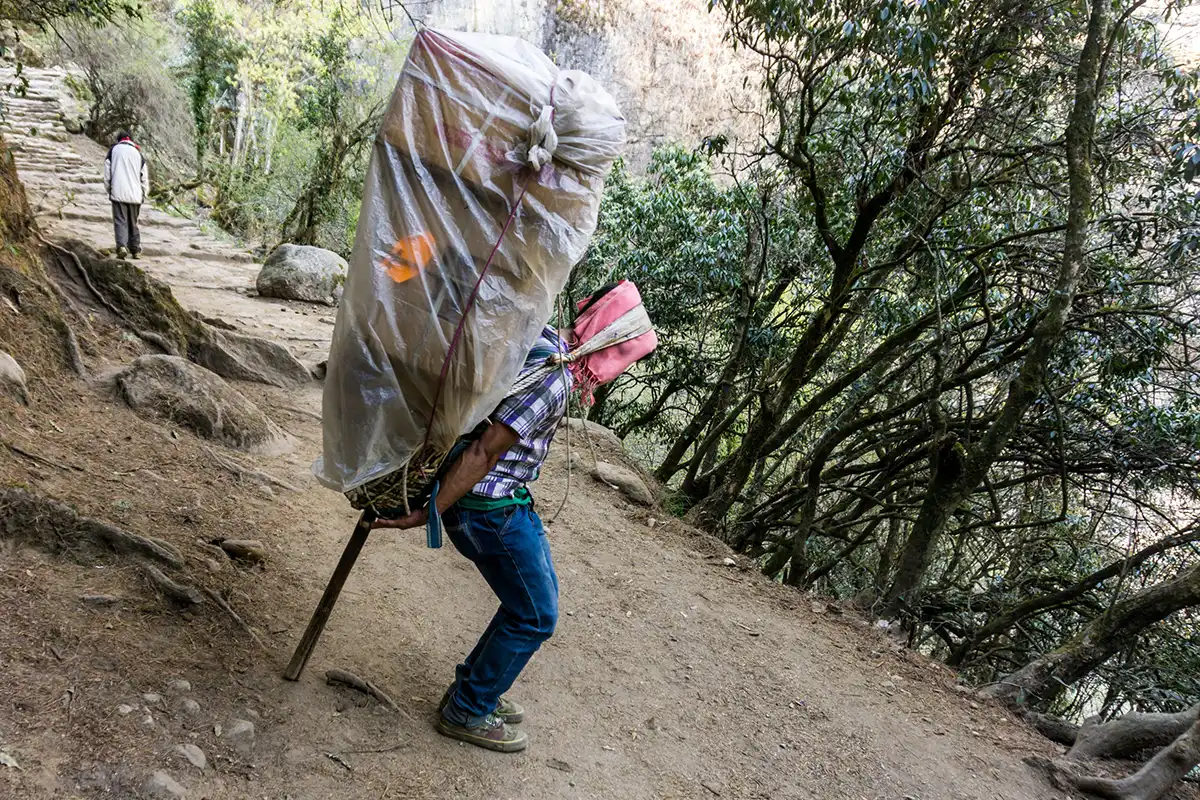
- Route: Destinations change the total spending needed. Kathmandu, Pokhara, and Chitwan cost differently from remote regions. Trekking routes raise meal and lodging costs. Porters carry supplies uphill, which raises prices. City routes often cost less than multi-stop trekking routes.
- Travel style: Comfort choices link directly to specific funds. The budget travel style favors shared transport. Budget visitors stay in simple rooms. Mid-range travel balances comfort and value. Luxury travel pays for speed, privacy, and convenience.
- Activities: Extras raise daily spending quickly. Specific activities increase the total cost of the Nepal tour. Safaris and mountain flights add significant fees. Paragliding and rafting also raise daily costs. Trekking permits and private guides quickly increase expenses.
Nepal Travel Budget by Travel Style
Different styles offer distinct service levels and costs. Travelers find options that match personal comfort levels and funds. Every style provides a unique experience in cities and mountains.
Budget Travel in Nepal
The Nepal Travel Budget Guide describes costs for basic services. Budget travelers stay in simple guesthouses. They choose budget hotels in big cities. These guests eat local food to save money. They use tourist buses or shared vehicles for transport. The style includes fewer paid extras. It fits flexible travelers best. People spend small amounts of cash daily. The travel cost in Nepal remains low with these choices.
Mid-Range Travel in Nepal
Moderate spending brings more comfort. Mid-range travelers choose comfortable hotels. They enjoy a better variety of food at restaurants. Occasional private transfers offer comfort during the trip. Some guests take domestic flights to save time. The style balances comfort and value. It fits most first-time visitors well. Travelers receive reliable services at low cost.
Luxury Travel in Nepal
Premium services cost high amounts. Luxury travelers choose premium hotels and lodges. They use private transport for all movements. The route design focuses on high comfort. Visitors enjoy premium experiences during their stay. The experiences include scenic flights and luxury safaris. Travelers pay high daily rates for top services. The total Nepal trip cost reaches high levels in this category.
| Travel Style | Hotel Level | Food Style | Transport Style | Best For |
|---|---|---|---|---|
| Budget | Simple Guesthouses | Local Meals | Tourist Buses | Flexible Travelers |
| Mid-Range | Comfortable Hotels | Restaurant Meals | Mixed Transport | First-time Visitors |
| Luxury | Premium Hotels | Fine Dining | Flights and Cars | High Comfort Seekers |
Fixed Costs Travelers Should Calculate First
Certain fees remain the same for all guests. The section lists required fees for all guests. People calculate these costs before arrival to avoid surprises.
Nepal tourist visa cost
The government lists standard tourist visa fees. A 15-day visa costs 30 US dollars. A 30-day visa costs 50 US dollars. The 90-day visa costs 125 US dollars. Travelers pay these fees at entry points. Cash payments in major currencies work best. Visa extensions cost 45 US dollars for 15 days. Each extra day after that costs 3 US dollars. Late fines add 5 US dollars per day. Children under 10 years receive free visas.
Heritage entry fees
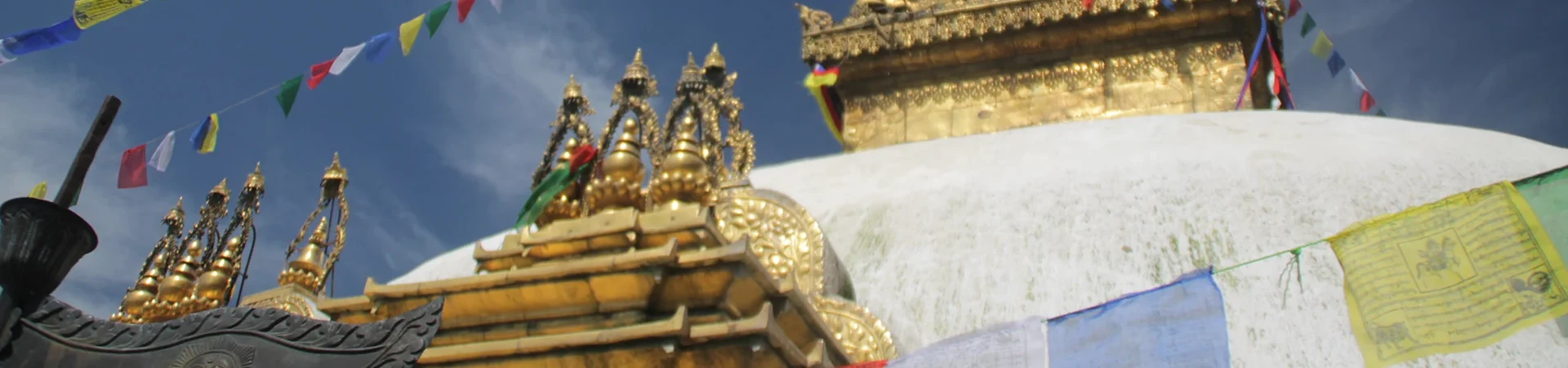
City sightseeing adds real costs to the budget. Kathmandu Durbar Square charges 1000 to 1500 Nepali rupees. Patan Durbar Square charges similar entry fees. Bhaktapur Durbar Square costs 1500 Nepali rupees or 15 US dollars. Boudhanath Stupa costs 400 to 1000 Nepali rupees. Swayambhunath costs 200 to 2,000 Nepali rupees, depending on the updates. Pashupatinath Temple charges 1000 Nepali rupees per day. The fees support the preservation of ancient sites.
National park and protected-area fees
The Nepal Travel Budget Guide provides cost estimates for wildlife areas. Wildlife and trekking routes require entry permits. Chitwan National Park costs 15-25 USD per day. Bardia National Park charges 15 dollars per day. Sagarmatha National Park costs 3000 Nepali rupees. Langtang National Park also charges 3000 Nepali rupees. Annapurna Conservation Area permits cost 3000 Nepali rupees. Travelers buy permits at official centers in Kathmandu. People also buy them at park entry points.
TIMS and trekking paperwork
Trekkers need special paperwork for specific routes. The TIMS card costs 2000 Nepali rupees for foreigners. Group travelers pay 1000 Nepali rupees per person. South Asian citizens pay reduced rates for TIMS cards. Restricted-area permits cost much more. Upper Mustang costs $ 500 for 10 days. Upper Dolpo charges the same high amount. Manaslu permits cost $75 to $100 per week.
| Cost Item | Current Fee | Source Type | Notes |
|---|---|---|---|
| Tourist Visa 15 Days | $30 USD | Official Fee | Pay at entry points |
| Tourist Visa 30 Days | $50 USD | Official Fee | Pay at entry points |
| Tourist Visa 90 Days | $125 USD | Official Fee | Pay at entry points |
| Heritage Sites | $10 – $15 USD | Ticket Booths | Valid for specific days |
| National Parks | $15 – $30 USD | Entry Points | Daily or per-entry fees |
Full Nepal Trip Cost Breakdown
A complete analysis shows where the money goes. Every category requires careful planning. People manage funds better with detailed breakdowns.
Flights to Nepal
The Nepal Travel Budget Guide separates international airfare from domestic flights inside Nepal. International airfare takes up a large share of the funds. Round-trip tickets cost between $ 500 and $1,500. Prices depend on the departure city and airline. Seasonality plays a big role in flight prices. Domestic flights save time inside the country. A flight from Kathmandu to Pokhara costs around 100 dollars. Flights to mountain airstrips cost about the same. Travelers book flights early to get better rates. Weather causes delays on some domestic flight routes.
Hotel Costs in Cities
Hotel prices vary across different cities and towns. Kathmandu offers hotels from 5 to 200 dollars. Pokhara has similar price ranges for visitors. Chitwan hotels often include meal packages in total costs. City hotels provide electricity and hot showers. Budget hotels offer clean beds and shared bathrooms. Luxury hotels provide swimming pools and Western food. Guests book rooms online to secure specific prices.
Lodge Costs on Treks
Trekking lodges cost $3 to $10 per night. Lodge owners require guests to eat meals at the lodge to get low room rates. Luxury lodges in Everest cost $150 to $300. High mountain lodges offer basic beds and blankets. Rooms remain simple on these remote trails. Travelers pay for room usage at checkout. Lodge owners demand full payment for meals from guests. Policy requirements support the local mountain economy.
Food in Kathmandu and Pokhara
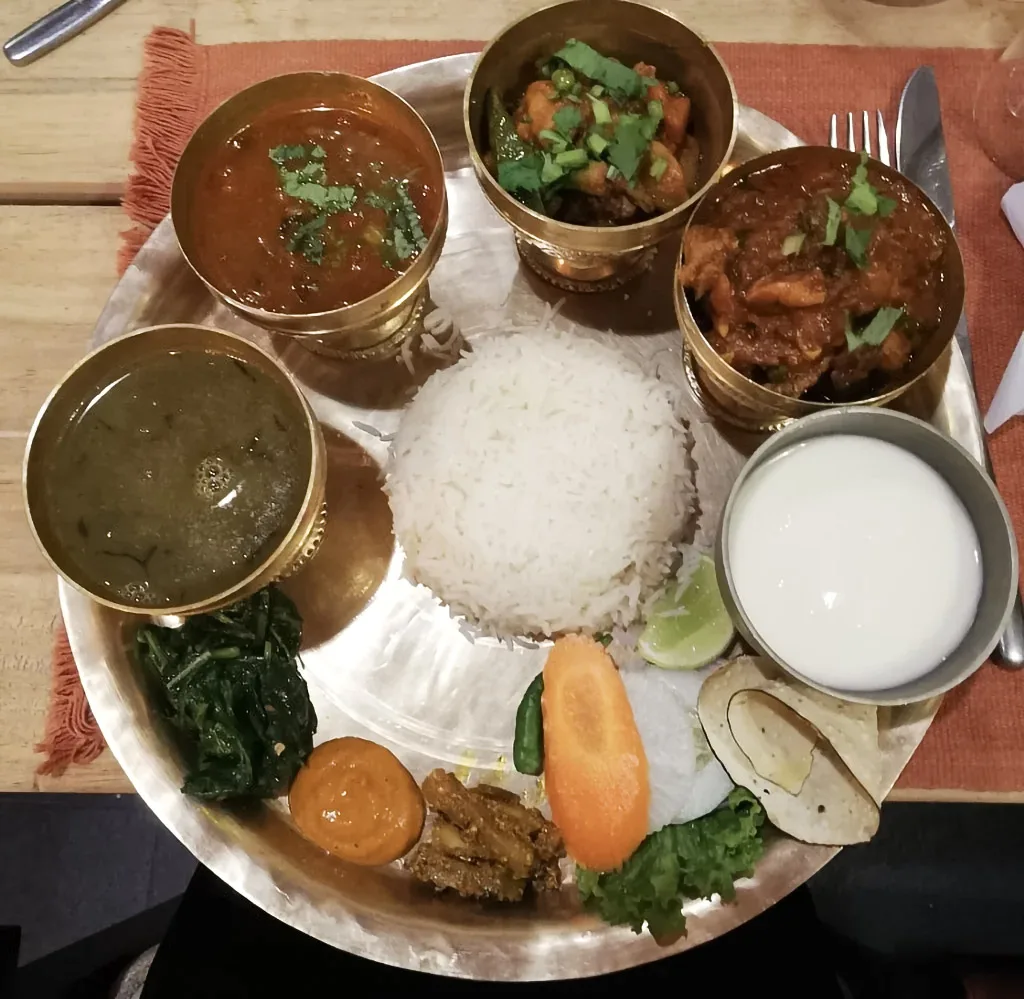
Food expenses in cities remain very low for guests. Local meals in cities cost $2 to $5. Tourist restaurants charge $5 to $15 per meal. Fine dining costs $20 to $50 per person. Cities offer many different international cuisines. Visitors can easily find Italian, Chinese, and Indian food. Bakeries sell fresh bread and coffee every morning. Street food vendors sell cheap snacks in markets.
Food on Trekking Routes
Trekking routes have higher food prices due to higher transport costs. Meals on trails cost 5 to 10 dollars. Supplies are carried up the mountains by mules or porters. Menus offer noodles, rice, and potato dishes. Fresh vegetables remain rare at high elevations. Lodge kitchens cook meals over wood fires. Drinking water costs more at higher elevations on trails. Travelers buy boiled water to stay healthy.
Local Transport Options
Local transport choices affect the daily travel expenses. Taxis in cities cost $5 to $10. Tourist buses between cities cost $10 to $25. Local buses cost less than one dollar but offer low comfort. Private cars with drivers cost $50 to $80 per day. Shared jeeps work well in mountain areas. Airport transfers cost 10 to 20 dollars in cities. Transport costs depend on comfort levels and speed.
Heritage Site Entry Fees
Sightseeing activities require specific entry fees in historic areas. Historical sites in Kathmandu Valley charge daily fees. Ticket booths sell passes at every entrance. The funds support the preservation of ancient buildings. Visitors pay fees in local currency at booths. Some tickets remain valid for multiple days. People keep their tickets safe to show at checkpoints. Sightseeing costs add up quickly during a busy week.
Museum Entry Fees
Museums cost 1 to 5 dollars for foreign guests. The National Museum charges small fees for entry. Art galleries require separate payments in historic cities. Visitors learn about history and culture in these spaces. Exhibits show ancient tools, paintings, and statues. Guides explain the details for small fees. Museum visits provide educational value during city stays. People spend several hours looking at cultural displays.
Guide Salaries
Trekking guides earn $15 to $25 per day. Licensed guides speak English and are well-versed in mountain trails. They ensure safety during difficult mountain pass crossings. Guides help guests communicate with local lodge owners. Group treks share the daily guide costs easily. Solo travelers pay the full daily rate alone. Guides handle emergency situations on remote mountain trails. Their experience protects travelers from high altitude problems.
Porter Salaries
Porters cost $10 to $20 per day. They carry heavy bags on steep mountain trails. One porter carries bags for two separate guests. Arrangements reduce daily expenses for trekking groups. Porters walk fast and reach lodges before guests. They carry heavy loads through strong physical effort. Travelers pay porter salaries at the end. Generous tips reward their hard work on trails.
Trekking Equipment Costs
Trekking gear rental costs money before mountain treks. Down jackets and sleeping bags are available to rent at a small daily fee. Kathmandu shops sell cheap imitation clothing and gear. Visitors buy maps and walking poles in local markets. Quality gear keeps trekkers warm in freezing mountain weather. Cheap gear sometimes fails at high altitudes. Travelers choose between renting and buying before leaving cities. Good equipment ensures comfort on high mountain passes.
Safari Packages in Chitwan
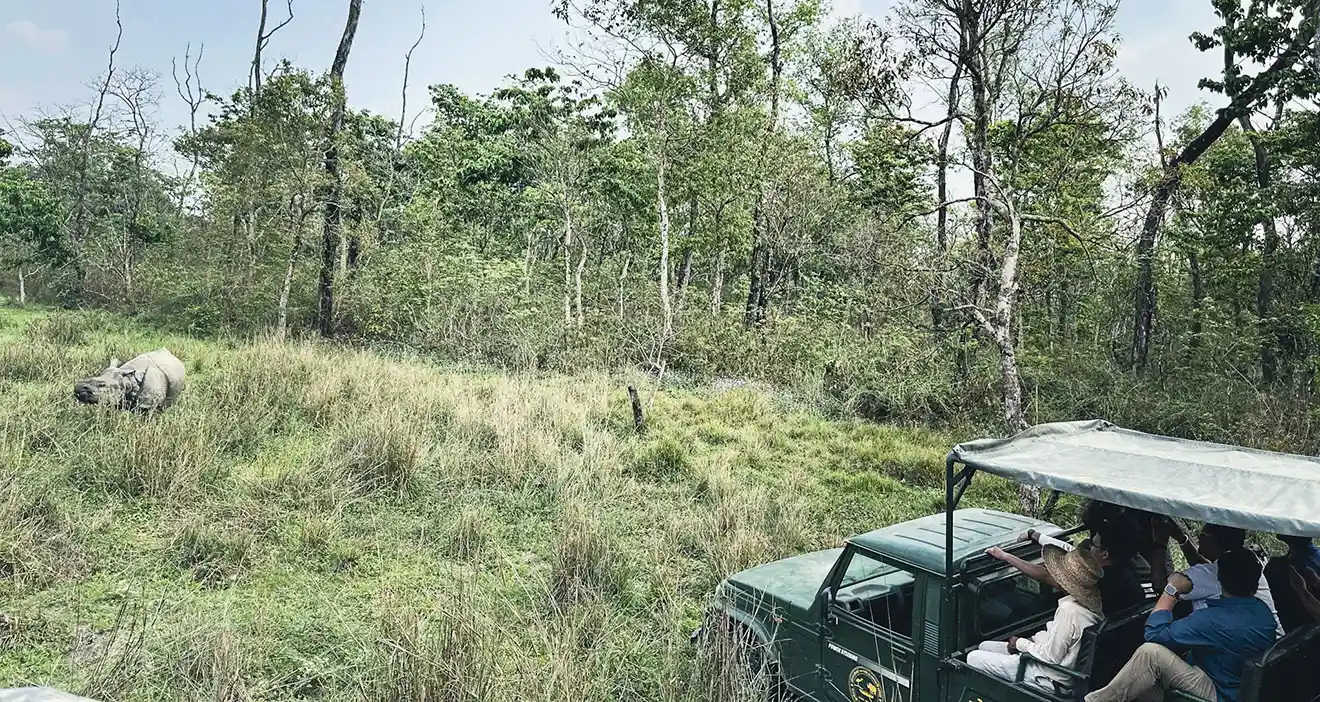
Wildlife safaris take place in Nepal’s southern plains. Park entry costs $15 to $30 daily. Jeep safaris cost $30 to $50 per day. Canoe rides cost small amounts on the rivers. Lodge packages often include guides and jungle walks. A full safari package costs $100 to $150 per day. Visitors see rhinos and birds during these trips. Royal Bengal tigers live in these national parks.
Travel Insurance Expenses
Nepal trips require specific travel insurance policies for safety. Policies covering high altitudes cost 150 to 280 dollars. Trekkers need insurance that covers emergency helicopter rescues. Standard insurance does not cover high mountain activities. Insurance companies demand precise trip details before issuing policies. Trekkers register their policy numbers with trekking agencies. Rescue teams perform quick actions during emergencies. Valid insurance protects financial funds from high medical costs.
| Expense Type | Budget | Mid-Range | Luxury |
|---|---|---|---|
| Visas | $30 – $50 | $30 – $50 | $50 – $125 |
| Hotel | $5 – $15 | $20 – $70 | $80 – $300+ |
| Meals | $5 – $10 | $10 – $20 | $20 – $50 |
| Flights | $500 – $1500 | $500 – $1500 | $500 – $1500 |
| Safaris | $30 – $50 | $100 – $150 | $200 – $400 |
Nepal Travel Budget by Trip Length
Trip length determines the total funds required. People choose lengths that match holidays and available money. Every timeframe allows for distinct route designs.
Nepal budget for 7 days
The Nepal Travel Budget Guide suggests this timeframe for visits to Kathmandu and Pokhara. A 7-day trip fits well with specific, quick routes. Travelers visit Kathmandu and Pokhara in one week. Some people add Chitwan at a very quick pace. A budget style costs $200 to $350. The mid-range style costs $500 to $800. Luxury style costs 1400 to 2500 dollars. People spend less when staying in fewer cities. Short trips require efficient transport choices to save time.
Nepal budget for 10 days
A 10-day trip allows for a better experience. Visitors see Kathmandu, Pokhara, and Chitwan in ten days. Some people take a short trek instead of a safari. A budget style costs $300 to $500. Mid-range style costs $ 700 to $1,200 for 10 days. Luxury style costs 2000 to 4000 dollars. The length balances city visits and nature perfectly. Travelers see the culture and the wildlife without rushing.
Nepal budget for 2 weeks
A 2-week trip fits best with classic mountain routes. People take longer treks like the Annapurna Circuit trek. Others easily combine cities, wildlife, and short walks. A budget style costs $450 to $700. Mid-range style costs $1,000 to $1,800 for two weeks. Luxury style costs between $ 3,000 and $ 6,000. Travelers get a complete experience in two weeks. The length requires solid planning for transport and permits.
| Trip Length | Typical Route | Budget Level | Mid-Range Level | Luxury Level |
|---|---|---|---|---|
| 7 Days | Cities Only | $200 – $350 | $500 – $800 | $1400 – $2500 |
| 10 Days | Cities + Safari | $300 – $500 | $700 – $1200 | $2000 – $4000 |
| 14 Days | Cities + Trek | $450 – $700 | $1000 – $1800 | $3000 – $6000 |
Nepal Travel Budget by Route Type
The section in the Nepal Travel Budget Guide shows how route type determines daily costs. Route type determines the daily costs. People choose paths based on personal interests. Costs remain predictable when routes stay simple.
Kathmandu, Pokhara, and Chitwan budget
The route offers the best value for visitors. Travelers see historical sites and scenic lakes in cities. They also see rhinos and birds in southern jungles. The route requires no high mountain permits. Transport between these places costs very little money. Tourist buses run daily on these specific routes. Hotels offer competitive rates because there are many options. The path is ideal for first-time visitors who want variety.
Nepal budget with a short trek
The Nepal Travel Budget Guide explains how permits, guides, and mountain food change the total. Adding a short trek raises the total expenses. Trekkers pay for mountain permits and conservation fees. Guides and porters add to the daily costs. Food costs more at high elevations on trails. Tea houses charge small fees for basic mountain rooms. Trekkers spend $30 to $50 per day. Short activities include the Poon Hill trek or the Langtang Valley trek. Beautiful mountain views reward the efforts on these trails.
Nepal budget without trekking
Trips without trekking make cost control easier. Travelers spend money on hotels, food, and city transport. People avoid high permit fees and guide salaries. The choice fits families and senior travelers best. Visitors focus on culture, scenery, and wildlife safaris. Costs remain predictable throughout the entire stay. People stay in comfortable hotels without having to walk long distances. The style offers relaxation and rich cultural experiences.
Trekking budget vs sightseeing budget
Trekking budgets differ significantly from those for city sightseeing. Trekking requires permits and daily support staff. Transport to trailheads sometimes requires expensive flights. Mountain food costs more than city meals. Sightseeing budgets go toward entry fees and taxis. City meals cost less than meals on the mountain trail. Travelers control city spending by choosing local restaurants. Both styles offer unique value for different interests.
Hidden Costs Travelers Often Miss in Nepal
The Nepal Travel Budget Guide helps readers avoid underbudgeting by listing these items. Airport transfers take small amounts of cash upon arrival. Baggage fees on domestic flights add to the cost. Mountain airlines have strict baggage weight limits. Guide and porter tips add costs at trail ends. People pay tips to show respect for hard work. Bottled water costs more on high mountain trails. Coffee and small daily snacks add up over the course of weeks. Extra hotel nights are required due to flight delays.
Camera or museum fees apply at specific historical sites. Travel gear rental costs money before mountain treks. ATM fees and payment issues reduce total available funds. People plan for these small fees to keep finances stable. Knowing these costs ensures a better experience in the mountains. Budget tracking prevents financial problems during the stay.
Where to Save Money on a Nepal Trip
The Nepal Travel Budget Guide offers practical ways to reduce spending. Travelers find many ways to save money during visits. People choose to travel in fewer regions to save transport costs. Avoiding too many domestic flights keeps total costs low. Guests use tourist buses when comfort levels allow. Eating more local meals quickly reduces the food budget.
Staying longer in fewer places reduces transport costs. People choose city routes over permit-heavy mountain trails. These choices keep expenses low for budget travelers. Sharing costs with friends saves significant money. Group travelers pay less for guides and private cars. People book hotels directly to get better rates. These steps help keep daily spending low in cities.
Where Not to Cut Costs in Nepal
The Nepal Travel Budget Guide gives expert value by warning against dangerous savings. Certain expenses require full funding for safety and legality. Travelers never cut costs on valid travel insurance. Good policies cover emergency helicopter rescues in the mountains. Medical treatment costs high amounts without insurance. People always buy legal permits for every trail.
Park rangers check permits at checkpoints on routes. Fines cost twice the original permit price. Reliable trekking support ensures safety in high passes. Safe transport on longer routes protects travelers from accidents. Proper gear keeps trekkers warm in freezing mountain weather. Weather and delay buffers save trips when flights stop. Cutting costs on these items creates dangerous situations.
Best Time to Visit Nepal for Better Value
The Nepal Travel Budget Guide explains that peak seasons often bring the best conditions but higher demand. Peak seasons bring the best weather for mountain views. These months also bring a higher demand for rooms. Hotel prices go up when many tourists arrive. Shoulder and off-season months reduce some city costs. Travelers find cheaper rooms during these quiet times.
Weather trade-offs matter more than prices alone. Rain makes mountain trails muddy during the summer months. Clouds block mountain views in cities during wet seasons. People choose the best balance between cost and weather. Winter offers clear skies but freezing mountain temperatures. Spring offers warm weather and blooming mountain flowers.
Sample Nepal Travel Budgets
Budgets reflect real costs for daily services. Travelers choose the level that best fits their budget.
Budget traveler example
A budget traveler follows a simple city route. The guest stays in hostels or budget hotels. Daily spending reaches 20 to 30 dollars. The total cost for one week hits 200 dollars. The budget covers basic rooms and local food. It includes tourist buses between Kathmandu and Pokhara. The style includes basic sightseeing and no flights. Travel costs in Nepal remain very low.
Mid-range traveler example
A mid-range traveler uses a balanced first-time route. The guest spends $60- $120 per day. The total cost for 10 days is $1,000. The budget covers comfortable hotels in big cities. The plan includes restaurant meals and private cars. It covers a short trek with a guide. Sightseeing fees and park entries fit inside the budget. Travelers enjoy comfort without paying extreme luxury prices.
Luxury traveler example
A luxury traveler follows a premium mountain route. The guest spends between $200 and $500 daily. The total cost for one week reaches 2500 dollars. The budget covers five-star hotels and luxury lodges. The plan includes private helicopters and fine dining. It covers personal guides and high comfort transport. The style offers ultimate convenience across all locations. People pay top rates for the best available services.
FAQs
Q: How much money do I need for a Nepal trip?
A: Travel style dictates your total costs. Budget travelers spend $15 to $30 daily, while mid-range visitors need $42 to $120. These amounts cover comfortable rooms, local transport, and restaurant meals. Overall, Nepal offers great value compared to Western countries. Your final budget depends on personal choices regarding luxury services and specific activities.
Q: Is Nepal cheap or expensive for tourists?
A: Nepal is considered very cheap, offering excellent value for money. Food and transport are significantly more affordable than in Western countries. While luxury services cost more, they offer high value. Most visitors find that a realistic daily budget of $50 covers comfortable accommodation, quality meals, and standard sightseeing fees across various regions.
Q: What is a realistic daily budget for Nepal?
A: A budget of $50 per day is realistic for most visitors. This amount typically covers comfortable lodging, good restaurant meals, local transport, and sightseeing fees. Spending remains stable across many regions. While budget options range from $15 to $30, this mid-range level strikes a balance between comfort and adventure without the high costs of luxury services.
Q: How much does a 7-day Nepal trip cost?
A: A week-long trip costs between $200 and $1,400. The total price depends heavily on your choice of style and activities. Exploring cities generally costs less than embarking on a mountain trek. This shorter timeframe suits quick itineraries well, allowing visitors to experience the culture and scenery at a lower overall cost than longer expeditions.
Q: How much does a 10-day Nepal trip cost?
A: Expect to spend between $300 and $2,000 for ten days. This duration is ideal for first-time visitors, providing enough time to balance comfort with adventures like safaris or short walks. Your final expenses will reflect your choices between basic facilities and higher-end services. The length allows for a more immersive experience across different landscapes and cultural sites.
Q: How much does a 2-week Nepal trip cost?
A: A 14-day trip ranges from $450 to $3,000. This length is perfect for classic mountain trails and complete travel experiences. Total costs are influenced by the permits required and the support staff for trekking. Whether you choose rugged adventure or more relaxed sightseeing, these two weeks allow for a comprehensive exploration of the country’s diverse natural and cultural heritage.
Q: Is trekking in Nepal expensive?
A: Costs vary depending on the specific trail. Standard routes typically cost $30 to $50 daily. However, restricted areas are much more expensive due to high permit fees. Daily expenses also increase when hiring guides and porters. Additionally, expect small extra charges on trails for amenities like Wi-Fi or hot showers, which should be factored into your trekking budget.
Q: What fixed fees should I plan for in Nepal?
A: You must budget for non-negotiable visas and permits. Visas cost between $30 and $125, depending on your stay. National park entry fees generally range from $15 to $30 per day. Planning for these fixed costs, along with daily food and lodging expenses, ensures your finances remain stable throughout your trip while you enjoy local heritage and nature.
Q: What are the hidden costs of traveling in Nepal?
A: Beyond basics, plan for tips, taxi fares, and gear rentals. On trekking trails, amenities like hot showers and Wi-Fi cards often cost extra. Small daily expenses for transport or equipment can add up over time. Factoring in these minor fees helps maintain a stable budget, ensuring you aren’t surprised by the cumulative cost of these essential services and conveniences.