


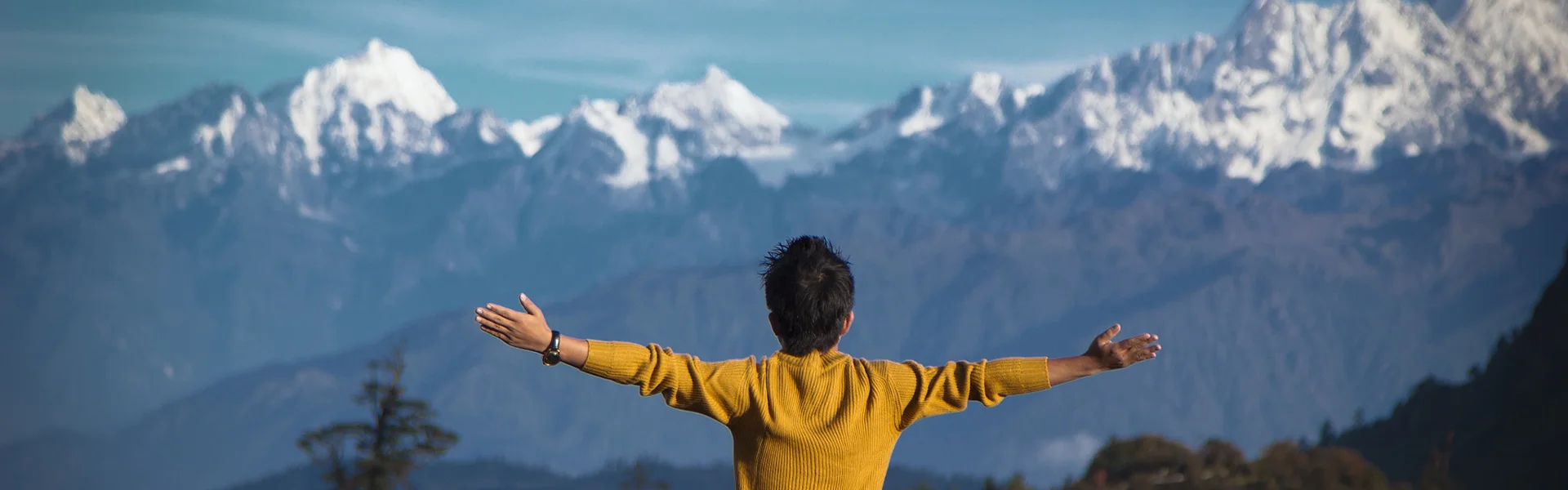

At around 4,371m, Pheriche is a high-altitude village in Nepal’s Khumbu region. Sitting at the upper Imja Valley within the Sagarmatha National Park, Pheriche lies between Namche Bazaar and the higher stops of Lobuche and Gorak Shep. Pheriche offers some of the most dramatic alpine scenery and mountains like Ama Dablam, Taboche, and Cholatse. The Imja River and the expansive valley create a landscape that feels vast and grand.
Despite the remote setting, Pheriche is a key waypoint for trekkers. Many trekkers acclimate in Pheriche while heading to EBS or other trekking routes. Since Dingboche and Pheriche are at similar elevations, the trail closely connects them. Pheriche offers open views and access to the famous Himalayan Rescue Association air post that provides medical support and altitude sickness education.
Pheriche is more exposed than Dingboche, making it a soldier’s and winter’s destination, but that’s part of its charm. It offers a raw and open panorama of the surrounding peaks and valleys. Pheriche’s barren and breezy setting makes a lasting impact on anyone who visits.
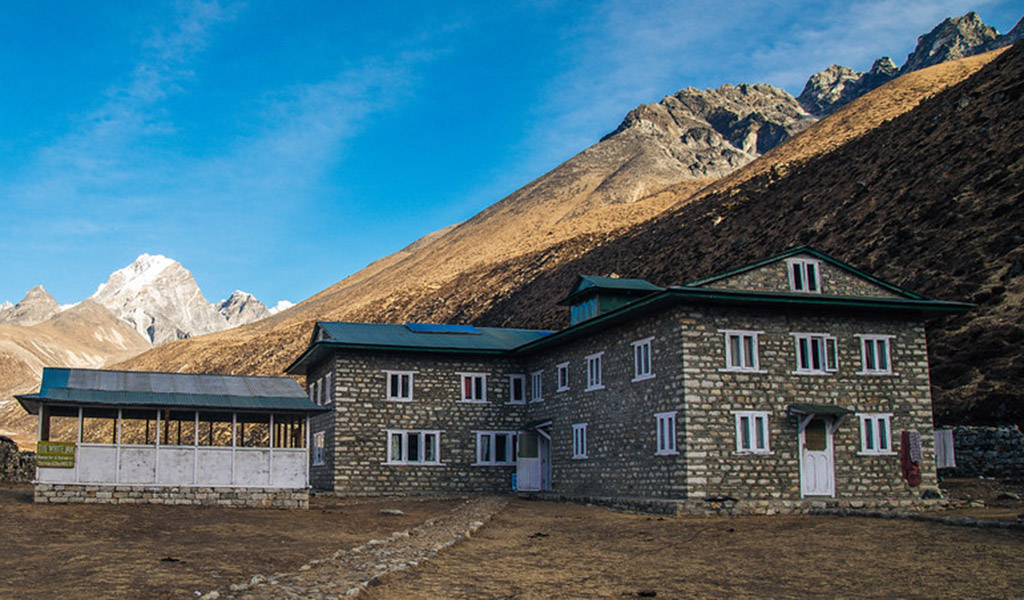
The Himalayan Rescue Association (HRA) Aid Post – The Heart of Pheriche
The Himalayan Rescue Association (HRA) in Pheriche is a small high-altitude clinic that has saved multiple local and foreign lives. This clinic is critical for emergency care, medical evacuation, and reassurance along the EBC trail.
Established in 1973, the HRA aims to reduce mountain fatalities. They also educate trekkers on safe acclimatization. The Pheriche clinic operates primarily during the primary trekking season, from March to May in the spring and October to December in the autumn. Doctors from all around the world volunteer here, ensuring the best possible treatment. This clinic is one of the most critical safety nets in the Khumbu region.
Core Services in HRA Aid Post
Altitude Sickness Treatment: HRA diagnoses and manages acute mountain sickness and more severe conditions, such as High Altitude Cerebral Edema (HACE) and High-Altitude Pulmonary Edema (HAPE). If not recognized early, these conditions can be life-threatening. The clinic staff will check the oxygen saturation level of trekkers. They will provide clinical assessment and treatment, including medication such as Nifedipine or Dexamethasone, supplemental oxygen, or immediate descent recommendations.
Daily Altitude Safety Lectures: The Pheriche clinic offers lectures on altitude sickness in the afternoon, at around 3 or 4 PM, held by volunteer doctors. They cover causes, symptoms, prevention, and treatment of AMS, HAPE, and HACE. They share real-life stories from the trails of fellow trekkers. The information shared in these lectures can save lives, so we advise all trekkers to attend the lecture. The session concludes with a Q&A section, enabling visitors to speak directly with the medical professionals.
Emergency Response and Evacuation Support: In case of severe cases from altitude illness, injury, or other medical emergencies, the clinic helps arrange helicopter evacuation. Staff coordinate with local rescue providers and issue the necessary medical clearances that insurance providers require for helicopter evacuation. HRA clinic also has a portable hyperbaric chamber, or Gamow Bag, to stimulate rapid descent by increasing air pressure around the patient. The hyperbaric chamber is a vital tool in life-threatening altitude cases.
Healthcare for the local Community: While HRA assists trekkers and climbers, it also offers healthcare to local villagers. These services are a lifeline in a region without year-round medical facilities.
The HRA clinic in Pheriche offers more than just emergency care; it provides peace of mind. HRA is also an educational cause. Trekkers, guides, and porters leave Pheriche with better information about altitude risks and spread awareness throughout the trail. The clinic is a non-profit organization and relies heavily on donations. Many visitors contribute generously to appreciate the volunteer doctors’ dedication and expertise.
Acclimatization and Health in Pheriche
Pheriche is a critical point in checking your health and acclimating properly. Most Everest Base Camp itineraries include a day on Pheriche or Dingboche. An extra night at this altitude, at around 4,300m-4,400m, is essential so your body can adapt before heading higher.
Trekkers reach Pheriche after a significant ascent from Tengboche or Pangboche, making it a natural pause point. Trekkers would gain over 800m of altitude from Namche Bazaar. Take a break here so your body can adjust to the reduced oxygen levels. The village is wide and has even terrain, ideal for a gentle acclimatization hike without much strain.
Acute Mountain Sickness (AMS) symptoms start appearing around this altitude. Headaches, fatigue, dizziness, nausea, or difficulty sleeping are common early signs. Don’t continue your trek higher unless these symptoms resolve. You can stop by the HRA for a professional evaluation so doctors can check your blood oxygen level or discuss your symptoms. Mild AMS is manageable with proper rest and hydration, but moderate signs require an additional rest day or descending to a lower elevation.
To prevent and manage AMS, you should follow appropriate altitude safety principles. Ascend gradually and try not to gain more than 300-500 m altitude between your sleeping points daily after 3,000m. Stay well-hydrated as higher elevation dehydrates the body quickly, worsening the altitude sickness. Avoid alcohol, smoking, and excessive caffeine, as they also cause dehydration. Eat enough food containing carbohydrates to fuel the acclimatization process. Dress warmly and rest whenever you need to. Listen to your body and check how you feel for a safe acclimatization.
If symptoms worsen, like consistent headaches without any relief from medicine, vomiting, or extreme exhaustion, do not continue higher. Many trekkers use Diamox to aid acclimatization. Some start taking it in Namche or Dingboche as a preventive measure. While it aids acclimatization, it doesn’t cure it. Consult your doctor before your trek if you plan on using it. It causes mild side effects like tingling sensations or increased urination. The HRA doctors in Pheriche can explain how Diamox works and the misconceptions that it “cures” AMS.
You should slow down in Pheriche and listen to your body. A day of acclimatization and rest here improves your chances of reaching the EBC and makes the trip more enjoyable. A short hike to the surrounding slopes offers excellent views and helps the body acclimate. Hydration, good nutrition, and cautious planning ensure a safe trek.
Life and Environment in Pheriche
You will sense an immediate shift in the atmosphere of Pheriche from the bustling streets of Namche Bazaar. Pheriche is quiet and offers solitude. The valley opens up with a river flowing nearby. Forests are no longer visible due to altitude; you’ll notice hardy grass and low juniper shrubs. Ama Dablam rises in the south while the twin summits of Taboche and Cholatse stand west of the valley. On clever days, a short walk north of the village lets you see glimpses of Lhotse and other peaks near Everest.
The weather and terrain make the Pheriche look even more beautiful. Mornings are calm and bright; however, stormy minds can form in the afternoon, sometimes creating dust devils. These conditions make Pheriche seem colder than other villages at a similar elevation. Due to these winds, the temperature can drop quickly; after sunset, the wind chill can be pretty intense. Trekkers often wear windproof jackets and wool hats for protection against the wind.
Pheriche is not as densely populated as Namche or Khumjung. There are some stone houses and yak pens. Pheriche was a seasonal pasture for yak herders during the summer in older times. At present, yaks still grace nearby, especially in summer. While limited, villagers farm potatoes for a supply of food.
The village has deep Sherpa and Buddhist heritage, reflected by mani walls and a large stupa on the village outskirts. Trekkers and porters often pause in the stupa to spin prayer wheels and walk around the stupa clockwise. Even though Pheriche doesn’t have a big monastery like the Tengboche Monastery, Buddhism still guides daily life here.
Pheriche’s economy thrives with tourism. Teahouses, guides, and porters all generate their finances from tourism. Besides tourism, yak herding and farming are also part of daily life. Lodges pack with visitors during trekking season, and many locals find work as guides, porters, or lodge staff. Locals work hard to carry fuel and supplies up steep trails to make tea in Pheriche. Every cup you drink shows their care and dedication to welcoming trekkers.
Evenings are quiet once trekkers go indoors to rest. The sky brightens with stars due to the absence of light pollution. The Milky Way stretches in the sky, and the wind makes the surroundings chilly. You can drink ginger tea and share your stories with fellow trekkers during dinner.
Accommodation and Facilities
Pheriche, a remote and high-altitude village, provides modest facilities with limited infrastructure. Most trekkers find the services sufficient to stay comfortable.
Teahouses and Lodges: Accommodation is basic and cozy in Pheriche. Rooms come with two single beds with a pillow and a woolen blanket. The walls are thin and have limited insulation, making the indoor temperature almost mimic the outdoor temperature perfectly. The plywood walls don’t reach the ceiling, making it great for ventilation but not for noise control.
Since there is no insulation, bring a four-season sleeping bag to sleep warmly. Trekkers usually share one outhouse bathroom. These bathrooms typically have a squat toilet or sometimes basic Western-style toilets. Running water is especially rare in the mornings as pipes can freeze due to extreme cold.
Every lodge has a communal dining hall where a central stove provides heat with yak dung or briquettes instead of firewood. This hall is the social heart in the evenings as trekkers, guests, porters, and lodge staff gather around the warmth and share stories.
Food and Drink: Menu options are similar to those of other villages in the EBC trail. Dal Bhat remains the untouched first-place holder in terms of popularity among trekkers. It fuels the body as it is rich in carbohydrates, and you can even ask for refills for free. Other options include noodle soups, fried potatoes, spaghetti, momo, and vegetable rice. Sherpa stew is a mix of different grains, potatoes, vegetables, and hand-pulled dough and is both popular and filling.
Garlic soup is the local remedy for altitude sickness. Porters and yaks carry every supply here from a lower elevation, so fresh food is often scarce. Mixed vegetables mean potatoes with cabbage or carrot; meat is usually dried or canned, and can be tough to chew. Vegetarian meals are safer and tastier while trekking.
Drinks include instant coffee, hot chocolate, warm lemon water, and hot tea options like black, green, milk, lemon-honey-ginger, and butter. Staying hydrated at this altitude is essential, so consume about 4 liters daily. Ginger-lemon tea is a nice option to soothe a dry throat and cough.
Amenities: Showers are rare and cost about $5-7 extra. Staff heat water for you and offer a bucket full of warm water. Most trekkers skip showers here and wait until descending. If you shower, do it in the early afternoon and dry off immediately.
Lodges generate power with solar panels or generators. Due to limited electricity, lodges charge an extra $2-5 per device. Bringing a power bank to save money and avoid outages is better. If you want WIFI, you can buy an Everest Link WiFi card via prepaid cards, which is slow and unreliable. Most trekkers skip out and enjoy the digital detox. Cellular signal is also almost non-existent, with occasional weak signals nearby ridges. Some guides carry a satellite phone for emergencies.
Pheriche has a few shops that sell essentials like toilet paper, soap, toothpaste, snacks, and batteries. Prices are higher than in Kathmandu due to limited supplies and difficulty transporting goods. You can replace or buy gear like gloves or hats before reaching Pheriche.
Thanks to the Himalayan Rescue Association, Pheriche is well-equipped for altitude-related and other health issues. A seasonal helipad helps with emergency evacuations; lodge owners and fellow trekkers can share their medical information for minor problems.
Pheriche is minimal yet sufficient. While it lacks luxuries like bakeries or bars in lower elevations, simple pleasures like a hot stew, a warm stove, and newfound connections make the stay enjoyable. Bring enough cash, warm clothing, charged batteries or power banks, and offline entertainment like books or cards.
Trekking Routes and Further Trip Beyond Pheriche
Getting to Pheriche: Pheriche lies on the trail to Everest Base Camp after Tengboche and Pangboche. From Tengboche (3,867m) to Debuche through rhododendron and pine forests, then go along the Imja Khola. Pangboche at 3,985m is the last village with a monastery and permanent residents. The trail splits from here, with the right path climbing over a ridge to Dingboche and the left path continuing along the river to Pheriche. Dingboche is on the east, and Pheriche is on the west, sitting on opposite sides of Imja Valley. Their trail reconnects at Dughla. The distance between Dingboche and Pheriche is about 3 km, with a connecting footpath linking them in 30 to 45 minutes.
The Pangboche-to-Pheriche route offers a pleasant, gradual ascent through a broad valley. You will trek along the Imja Khola along with grazing yaks. Cross a small bridge on the left bank of the river to reach the flat village. Many trekkers find this section easier than the previous day’s climb to Tengboche. However, since the altitude is over 4,000m, even a slight incline can leave you short of breath.
Continuing the trek: Almost all routes lead to Dughla or Thukla after crossing Pheriche. The trail follows north through a flat section, then the steep zigzag climb begins at the end of the Khumbu Glacier’s moraine. You will reach the famous Thukla hill, one of the toughest parts of the trek due to its 200m ascent at a high altitude. An hour-long trek from Pheriche brings you to Chukpi Lhara or Thukla Pass. The atmosphere is solemn here due to the stone memorials honoring the climbers who lost their lives on Everest. Many trekkers pause here to rest and reflect.
After the pass, the trail shifts to a gentler ascent along the lateral moraine of the Khumbu Glacier. You’ll reach Lobuche (4,940m) by early afternoon. Although mainly just lodges, Lobuche is the last settlement before the Base Camp. Stay here overnight to acclimate before continuing through the trek to Gorak Shep (5,164m) and the Everest Base Camp.
On the way down: Most trekkers continue down the familiar trail after visiting Everest Base Camp and Kala Patthar. Some itineraries include a return via Dingboche instead of Pheriche if they skipped Dingboche on the way up and vice versa. Many trekkers descend through Pheriche for a shorter and scenic route back to Pangboche. When descending, altitude is not much of a concern, so descending from Pheriche is a more popular option.
Alternatively, you can trek down through a more remote route over Kongma La Pass (5,535m), along the Khumbu Glacier side near Lobuche. This high-altitude pass is part of the Three Passes Trek. Don’t choose this route if the weather is bad and you are trekking without a guide.
Pheriche connects eastwards up to Imja Valley and Chukhung. From there, trekkers head towards Island Peak or the Amphu Laptsa Pass as an extension for technical trekkers.
People often associate Pheriche with acclimatization, altitude awareness, and mountain medicine. The broad valley, health post, and quiet environment set Pheriche apart from other settlements. As you continue through Pheriche, whether ascending through the thin air or descending to the green hills below, the teachings of this village stay with you. Pheriche teaches everyone to love respectfully, listen to their body, and appreciate the mountain communities.
Weather and Best Time to Visit
Pheriche and Dingboche have similar weather conditions. The similarities in elevation make the conditions similar all year-round; however, they vary with the season.
Spring (March to May): Spring is a pleasant time to be in Pheriche. March has cold days and freezing night temperatures, warming up by April and May. Daytime temperature is mild at 5-10°C, and nights can drop below -10°C. Early spring may still get snowfall, but trails are mostly dry and open. The brown pastures start emerging as the snow melts away. Morning brings clear skies, with afternoons forming clouds as the day passes. Sound is a popular trekking season with pleasant temperatures, stable weather, open teahouses, and the Himalayan Rescue Association (HRA) operation.
Autumn (September to November): Autumn is the most stable season, offering some of the best views. Autumn brings clear skies, sharp visibility, and comfortable trekking temperatures, attracting thousands of trekkers. October has 5-8°C daytime temperatures and nights dropping to -10°C. The temperature can go below -15°C by late November. You can expect frosty mornings and thin ice. Autumn also welcomes some of Nepal’s most significant festivals and clear weather. Tengboche monastery celebrates the Mani Rimdu Festival, adding cultural color to the season. Since autumn is a popular trekking season, accommodations fill up quickly, so book accommodations early.
Monsoon (June to August): Monsoons overlap with summer in Nepal. It is warm, wet, and cloudy. Daytime temperature can reach 10-15°C, with nights around freezing. Visibility is bad with rain and fog hiding the mountains. The trails below Tengboche turn muddy with heavy rain. Pheriche can become marshy, and landslides and floods can make trekking risky. Monsoon is not a trekking season, so most lodges are empty. Trains are empty, offering solitude to those who seek. The valley is lush with blooming wildflowers and grasses, making it look green.
Winter (December to February): Winter is harsh and quiet in Pheriche—most teahouses close by mid-December, with only a few operating for locals and experienced trekkers. Days are near freezing, and nights can drop to -20°C or even lower. Though not constant, snow can be heavy, blocking the trail, making it challenging or impossible to pass. The sky is clear with beautiful scenery. Trekking in Pheriche in the winter demands high-quality gear and prior experience. Weather disruptions can delay flights in Lukla.
Pheriche experiences strong valley winds all year round. The winds are powerful in the afternoon and early evening. It can create a dust devil and make the environment chilly. Mornings are calmer, but the wind is a common theme throughout the year, no matter the season.
Spring and autumn are the best seasons to trek through Pheriche. October has clear skies and a vibrant atmosphere, and April has warmer days. Late March and early November also offer similarly good conditions with fewer crowds.
At 4,371m, the weather is unpredictable in Pheriche. A sunny morning can shift to a snowy afternoon with mild evenings changing to frigid nights. Keep your layers, like a down jacket, windproof shell, gloves, and hat, within reach. You will truly experience “four seasons in a day” in Pheriche.
Pheriche is more than just a stop on the Everest Base Camp trail; it is a place to rest and prepare for the altitude ahead. The broad valley, harsh wind, and beautiful scenery make Pheriche an unforgettable experience. The HRA clinic makes Pheriche more than just a lovely place. Attend a life-saving lecture about altitude or sip tea by the stove in Pheriche. Enjoy its rare mix of raw nature and high-altitude hospitality. You’ll learn to respect the mountains and their people here.