

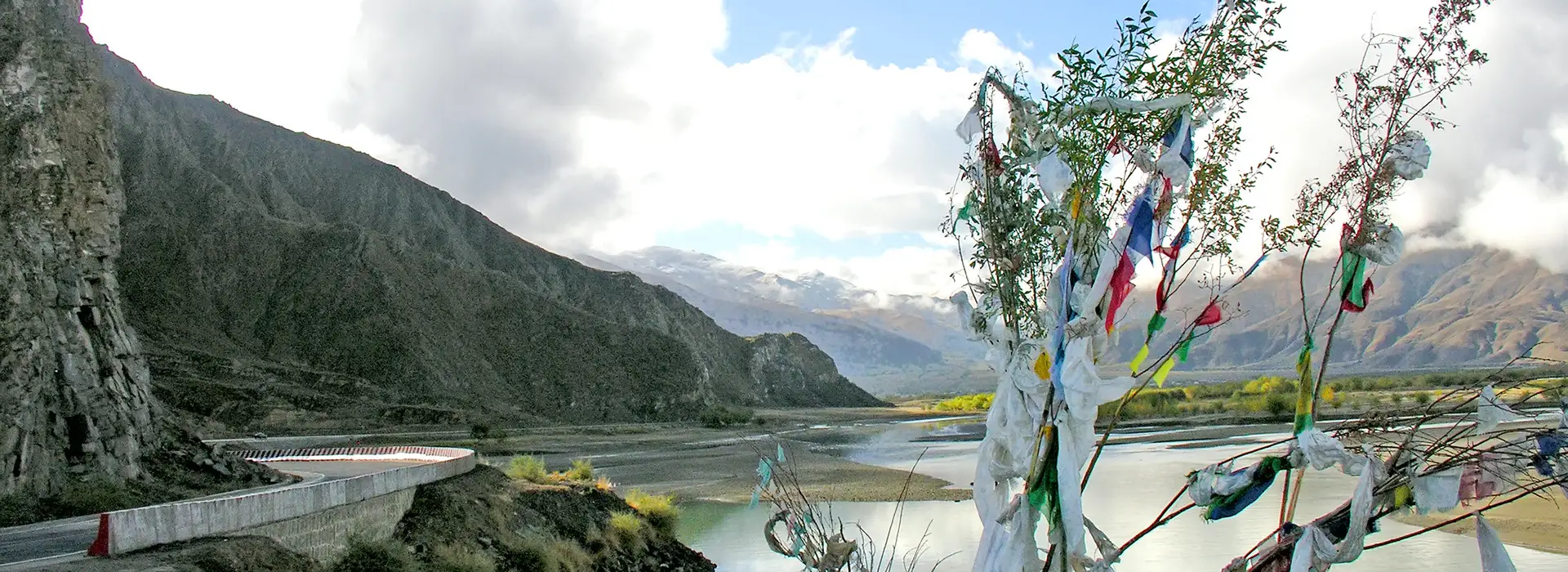

Tibet offers remarkable cultural sites and landscapes, yet it sits on one of the world’s highest plateaus. Before planning a trip, it is important to understand who should avoid traveling to Tibet because the tour involves thin air, cold nights, and long drives through remote terrain. Most healthy travelers can visit safely with proper planning and enough time to acclimatize. However, some people may need to postpone their trip or take extra precautions. This guide explains who should avoid traveling to Tibet and why, noting that certain health conditions, altitude risks, travel fatigue, and limited medical access may require careful consideration before visiting.
Quick Facts:
- Main Risk: High altitude over the first 2–3 days, plus long drives.
- Biggest challenge: Elevation and rugged travel.
- Best approach: Slow itinerary with added rest days.
- For higher-risk travelers: Choose a private tour, avoid hard routes, and get medical clearance.
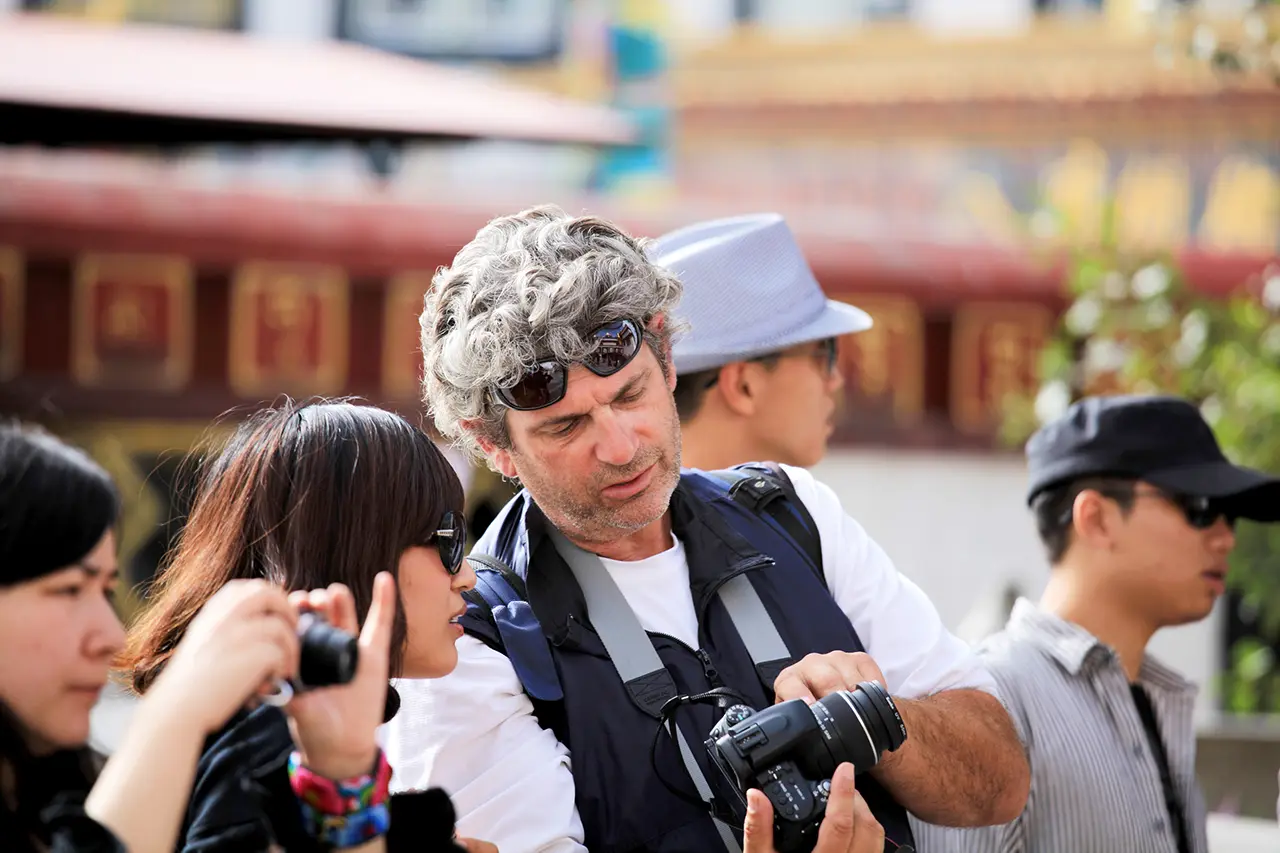
Why Some Travelers May Want to Avoid Tibet
Travel to Tibet involves special challenges. It sits at around 3,650 meters (12,000 ft) in Lhasa, with many passes above 4,500m. Key reasons to avoid or postpone include:
- High-altitude stress: Low oxygen levels can trigger altitude sickness, especially in the first 72 hours.
- Cold, dry climate: Strong sun, thin air, and cold nights affect health and comfort.
- Long drives: Roads between cities involve hours of driving on mountain roads. This can be tiring, especially for those prone to motion sickness or exhaustion.
- Basic facilities: Outside major cities, hospitals, and hotels are basic. Emergency care can be far away.
- Permit rules: Tibet requires fixed-route permits. If you feel unwell, you can’t easily change your route or schedule on short notice.
| Risk Factor | Why It Matters | Safer Alternative |
|---|---|---|
| High altitude | Low oxygen levels can cause headaches, fatigue, and other altitude-related symptoms. | Spend more time in Lhasa at 3,650 meters to adjust before traveling higher. |
| Low medical access | Remote areas often have limited hospitals, clinics, and emergency support. | Choose major cities such as Lhasa and Shigatse for a safer Tibet trip. |
| Long drives | Long road journeys can increase fatigue, discomfort, and motion sickness. | Choose a slower itinerary, add rest stops, and use a private vehicle when possible. |
| Cold nights | Cold temperatures can reduce sleep quality and increase the risk of hypothermia. | Pack warm layers and confirm heated rooms before booking. |
| Dry air | Dry conditions can lead to dehydration, dry skin, and breathing discomfort. | Drink plenty of water and use a humidifier when available. |
| Fixed itineraries | Rigid travel plans make it harder to adjust the route if someone feels unwell. | Add buffer days and travel with a flexible guide or private arrangement. |
These factors combine to make Tibet challenging for certain travelers. The sections below detail who may need special caution or should consider alternative plans.
Who Should Avoid Traveling to Tibet?
1. Travelers with Serious Heart or Lung Conditions
This group is often included when discussing who should avoid traveling to Tibet. People with advanced heart disease, such as heart failure or a recent heart attack, as well as those with serious lung conditions like moderate to severe COPD, recent pneumonia, or oxygen dependency, may face significant risks at high altitude.
At elevations found across Tibet, oxygen levels are much lower than at sea level. Because of this, the heart and lungs must work harder to supply oxygen to the body. For travelers with weakened heart or lung function, this extra strain can lead to chest discomfort, severe breathlessness, or other medical complications.
If you have a serious heart or lung condition, traveling to Tibet may not be advisable. A detailed medical consultation is essential before making any plans. Doctors may recommend avoiding high elevations altogether. If travel is still considered possible, take strict precautions: obtain a fitness-to-travel evaluation, carry all prescribed medications, and limit travel to major cities with medical facilities. Long routes crossing high mountain passes should be avoided.
A safer alternative is to choose lower-altitude destinations such as Yunnan or other regions with easier terrain. If you still decide to visit Tibet, follow a very gentle itinerary. Spend at least four nights in Lhasa to acclimatize and consider additional travel only if your physician confirms it is safe.
2. Travelers with Uncontrolled Chronic Conditions
Who: People with uncontrolled or unstable chronic illnesses, such as high blood pressure, diabetes, or kidney disease. Also, those recovering from stroke or serious surgery.
Why: Altitude and stress may aggravate these conditions. Blood pressure can rise; blood sugar control can fluctuate. Seeking medical help in rural Tibet is hard.
Advice: Manage your health first. If your condition is not well-controlled, delay the trip. Get a thorough check-up. If cleared, bring enough medications and monitor yourself. Shorten travel or stick to Lhasa.
Safer option: Ensure at least 1 week has passed after any serious illness or surgery before traveling. Follow doctors’ orders on altitude and exertion. Travel with a guide who knows the nearest hospitals.
3. Pregnant Travelers
Who: Pregnant women, especially beyond the first trimester (over ~28 weeks).
Why: High altitude can lower blood oxygen to the fetus. The long trip (flights/drives) and limited medical options can be a concern.
Advice: Pregnancy itself is not a strict ban, but caution is key. Many doctors advise against travel above 3,000 meters after 24–28 weeks. Discuss with your obstetrician. If you go, plan a very safe itinerary (short travel days, no high passes, always near good medical facilities). Have good travel insurance that covers pregnancy.
Safer option: If any risk factors exist (e.g., hypertension in pregnancy, bleeding), postpone. Otherwise, some choose to visit in early pregnancy or travel only as far as lower areas of Tibet (e.g. eastern routes). Always travel in a private tour for flexibility.
4. Very Young Children and Families
Who: Infants and very young children (especially under 2 years old), or families with infants.
Why: Young children’s bodies adapt less predictably. They cannot communicate symptoms well. They are also more sensitive to the sun, cold, and dehydration.
Advice: Traveling with kids requires extra care. Consider skipping Tibet with infants or very young kids. If you do bring young children, prepare to move very slowly. Use a baby carrier to avoid long walks, and avoid high altitudes (below 4,000m) until later in the trip.
Safer option: Stick to short, low-altitude outings (city tours, parks) for the first 2–3 days. Book family-friendly hotels. Bring extra snacks, plenty of water, sun protection, and any special baby supplies. Expect to cut sightseeing time and add nap breaks.
5. Seniors and Older Travelers
Who: Older travelers (60+), especially if they have health issues or low fitness.
Why: Age alone is not a ban, but fitness and health often decrease with age. Long drives and altitude can be tiring. Some older travelers tolerate it fine; others find it very hard.
Advice: If fit and experienced, many seniors can safely visit Tibet. The key is pace and comfort. Choose a private tour. Allow more rest – spend 3+ nights in Lhasa before going further. Plan short driving days and use good hotels. If you have minor conditions (mild high blood pressure, controlled diabetes), get clearance first.
Safer option: Opt for a relaxed itinerary: Lhasa, maybe Gyantse, Shigatse. Avoid high passes like Karo La or the Everest region unless you feel strong. Travel in warm months (June–Sept) when the weather is milder. Take medication with you (aspirin, heart meds) as a precaution and stay hydrated.
6. Travelers Who Can’t Slow Down or Follow a Rest Plan
Who: Those who insist on an action-packed schedule without rest, or refuse to slow down despite fatigue.
Why: A rushed trip can turn into a medical emergency. Ignoring symptoms or skipping rest increases the likelihood of altitude sickness.
Advice: If you normally push through fatigue and hate taking breaks, Tibet may be a challenge. Altitude demands a slower pace. If you have a guide, follow their advice and rest.
Safer option: Choose a trip with planned leisure days. Or consider another destination. If you still go, set firm rules: maximum two stops per day at attractions, mandatory rest at noon, and early nights. Do not plan more than one moderately difficult activity per day.
7. Travelers Needing Luxury Comfort Every Day
When discussing who should avoid traveling to Tibet, travelers who require five-star hotels, extensive dining options, and modern amenities every day should consider the region’s limitations. Tibet’s remote landscape and high altitude mean that outside Lhasa and a few major towns, accommodations can be simple.
In places such as Gyantse, Shigatse, or near Everest Base Camp, hotels may have limited heating, and hot water may not always be available. Dining options are also basic compared to those in international cities. Travelers expecting luxury restaurants, spas, or extensive hotel facilities throughout the trip may find the experience uncomfortable.
If comfort standards are very important, it is best to limit travel to Lhasa or combine a Tibet visit with cities such as Chengdu, where high-end hotels and Western-style services are widely available. Expecting luxury resort conditions in remote Tibetan areas often leads to disappointment.
A safer approach is to stay mainly in Lhasa or larger towns where upgraded hotels are available. Choose well-reviewed boutique properties, travel by private vehicle, and carry snacks or personal comforts for long drives. Be prepared to pay extra for any premium services that may be available in remote areas.
8. Travelers with Severe Motion Sickness or Anxiety
Who: Anyone who suffers from heavy motion sickness in cars or severe fear of long drives/winding roads.
Why: Tibetan journeys often mean many hours on mountain highways. Vomiting or panic along the way can stress your body further.
Advice: If you know you get travel sick, take preventive measures: medication (like scopolamine patches), acupressure bands, and ginger candy. Sit in front if possible. Plan for extra stops.
Safer option: Break up drives into shorter legs. Use scenic train routes (Xining-Lhasa train has oxygen and a smoother ride after Golmud) if it suits your timing. Or fly to Lhasa and do short excursions around town. Carry anti-nausea meds and always snack lightly before rides.
9. Travelers with Limited Mobility
Who: People with difficulty walking, using stairs, or who need a wheelchair.
Why: Many temples and scenic spots involve stairs, uneven paths, or hills. Even some hotels lack elevators. Getting around can be a challenge.
Advice: Assess carefully. Lhasa city center is somewhat wheelchair-friendly (flat roads, some ramps), but temples often aren’t. If you use a cane or have mild mobility issues, take it very slow. Bring good walking poles.
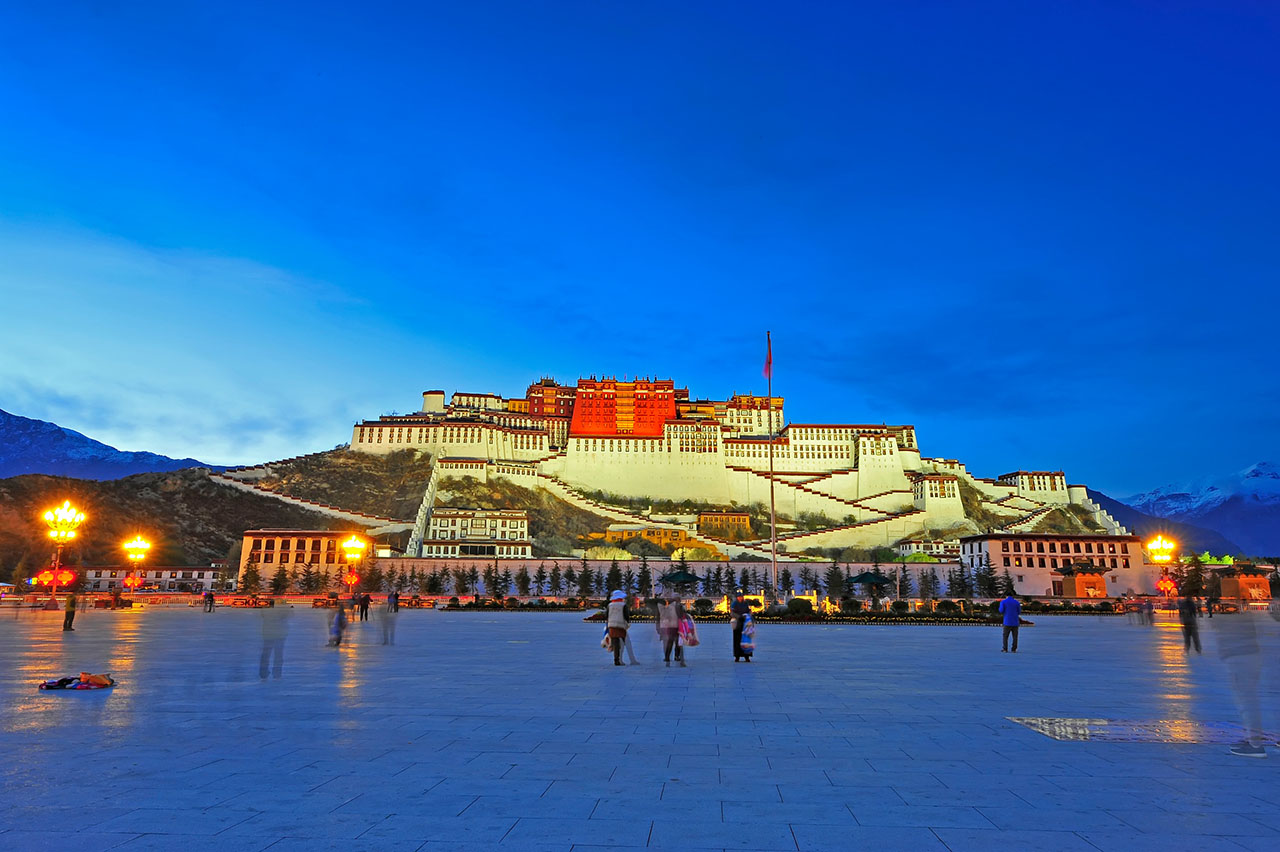
Safer option: Avoid high-altitude hikes or difficult trails. Consider tours that use vehicles instead of walking. Plan fewer steps: visit Jokhang Temple but skip Potala Palace (many steps). Book hotels on ground floors. Always allow someone to help with luggage and boarding transport.
10. Travelers with Severe Allergies or Immune Issues
Who: Those with life-threatening food allergies (e.g., nuts, dairy), or immune-compromised conditions (on chemotherapy).
Why: Remote areas have limited food options and unpredictable cooking methods. If an allergic reaction occurs, help may be far away. People with weaker immune systems may get ill from minor infections in rural clinics.
Advice: Proceed only with caution. Carry allergy medications (like EpiPens, antihistamines) and a doctor’s note. Inform guides of needs. Stay in clean hotels and use only bottled or boiled water.
Safer option: Limit diet to basic foods (plain rice, cooked vegetables). Avoid raw foods. If your allergy is severe, you may want to avoid small-town dining entirely. Arrange a private vehicle to carry certain foods or snacks.
Are There Absolute Bans?
No official travel ban exists for Tibet except for entry restrictions (permits). These guidelines are about safety. In general, no single condition automatically rules out Tibet, but severity matters. Always consult your doctor about the details of your plan.
For example, controlled asthma or mild diabetes are not show-stoppers for some travelers. But uncontrolled or severe cases are red flags. Use the above points to self-assess.
If you fall into one or more “may want to avoid” categories, consider the safer alternatives listed next.
Self-Assessment Checklist
Before you finalize plans, check yourself against these questions. Answering “No” to many could be a warning.
- Can I spare 2–3 extra days for acclimatization at the start?
- Am I comfortable with minimal exertion on Days 1–2?
- Can I sit for long periods in a car without severe discomfort?
- Do I have travel insurance covering high-altitude emergency evacuation?
- Can I cope with cold nights, dry air, and less sleep than usual?
- Can I follow instructions to rest or descend if feeling unwell?
- Am I willing to rely on boiled or bottled water, basic foods in small towns?
If you answered “No” to 3 or more items, you may want a gentler trip. That could mean adding more rest days, traveling in a group tour, or even choosing a different destination. Being realistic now avoids problems later.
Safer Alternatives and Solutions
If the above points sound risky for you, here are ways to travel more safely:
- Slow-paced itinerary: Spend extra days in Lhasa before leaving. Limit each day’s activities.
- Private tour: Having your own vehicle and guide means you decide when to stop and rest. The pace is fully yours.
- Upgrade accommodations: Stay in hotels with good heating and oxygen if possible. Ask for ground-floor rooms or those near elevators.
- Choose summer months: Late spring to early autumn (May–Sept) offers milder weather and longer daylight. Avoid winter for seniors or anyone with cold intolerance.
- Avoid extreme routes: Skip very high-altitude destinations (Mt. Kailash, Everest Base Camp) if health is marginal. Focus on cultural sites under 4,000 m.
- Combine with China/Nepal: For some, entering via Chengdu or Kathmandu and spending a day there adds acclimatization time.
- Use trains or flights wisely: Flying directly to Lhasa is fast, and you can rest, whereas on trains at higher altitudes, cabins may be crowded. But the train gives a gradual altitude gain (still take rest afterward).
Common Mistakes to Avoid
Even healthy travelers can make errors that increase risk. Avoid these pitfalls:
- Going too high too fast: Don’t plan a trip to Everest or Kailash right after landing.
- Jam-packed days: Trying to see dozens of sites in a short time. Keep to a few highlights per day.
- Skipping rest: Ignoring tiredness and pushing on. Listen to your body.
- No buffer day: No free days allowed. Include at least one spare day for weather or recovery.
- Underestimating cold: Not packing enough warm clothing or assuming mountain hotels will be well-heated.
FAQs
Q: Is Tibet safe for seniors or families?
A: Yes, many older adults and families travel safely. The key is pace. For seniors, a private tour with gentle drives helps. Families should plan extra breaks and keep itineraries short. Very young children may struggle with altitude.
Q: Can people with asthma visit Tibet?
A: Mild asthma is usually manageable with proper medication. Carry your inhaler always. Severe asthma or other lung diseases are riskier – get a doctor’s clearance first.
Q: Do I need a doctor’s note for traveling to Tibet with health issues?
A: Not usually, but it’s wise to get medical clearance if you have a chronic illness. That means proving a doctor evaluated you for high-altitude safety.
Q: How many rest days should I plan?
A: At least 2 nights in Lhasa before anything strenuous. Then add 1–2 more rest or easy days during your trip (e.g. at Gyantse or Shigatse).
Q: What if my health worsens in Tibet?
A: Inform your guide immediately. They can adjust the plan or get you to a clinic. Always have a way to descend to a lower altitude (for example, returning to Lhasa) if needed.
Q: Can I do a Tibet tour without going on long drives?
A: You can minimize driving by focusing on areas near Lhasa or by taking trains/flights. However, some driving is inevitable if leaving Lhasa. Private tours allow more stops.
Q: What should I do if I have symptoms of altitude sickness?
Stop ascending and rest. Drink water, eat light, and notify your guide. If symptoms are severe, descending to a lower altitude (even 300–500m lower) can greatly help.
In summary, understanding who should avoid traveling to Tibet is essential before planning a trip to this high-altitude region. Tibet’s high elevation, cold climate, long drives, and limited medical facilities can pose challenges for travelers with certain health conditions, very young children, or those who struggle with altitude and rugged terrain. While many healthy visitors can explore Tibet safely with proper acclimatization and a slow itinerary, some travelers may need to postpone their plans or take additional precautions. By carefully evaluating your health, travel expectations, and ability to adapt to high altitude, you can decide whether Tibet is the right destination or whether a gentler itinerary or alternative location would be a safer choice.