


Lhasa serves as the spiritual center for millions of followers of Buddha. A Tibetan Buddhist Pilgrimage Tour provides a direct path to the heart of this ancient culture. Travelers find deep meaning in the high mountain air and the golden roofs of the temples. The region sits on the roof of the world. This high elevation creates a unique environment for spiritual growth and physical challenge.
Local people spend their lives practicing devotion through simple acts. They walk around holy sites and chant sacred words. Every corner of the plateau holds a story about wisdom and compassion.
Visitors learn how to balance their physical needs with spiritual goals. A Tibetan Buddhist Pilgrimage Tour requires careful preparation because of the thin air. The body needs time to adjust to the elevation. Meanwhile, the mind opens to the monasteries’ peaceful atmosphere. This guide helps people plan a respectful visit to the sacred land. It covers everything from the history of the Dalai Lamas to the practical steps for getting travel permits.
The Spiritual Gateway of Lhasa
Lhasa stands as the capital city and the first stop for most visitors. The city sits at 3,650 meters above sea level. Sunlight bathes the buildings’ white walls in a bright glow. Most people start their Tibetan Buddhist Pilgrimage Tour here to acclimate their bodies. The city is home to the region’s most famous structures.
The Potala Palace
The Potala Palace dominates Lhasa’s skyline. King Songtsen Gampo built the first palace here in the 7th century. Later, the 5th Dalai Lama expanded the building in the 17th century. It has served as the winter home for the Dalai Lamas for hundreds of years. The palace contains 13 stories and over 1,000 rooms.
Inside, travelers find the tombs of past Dalai Lamas covered in gold and jewels. Thousands of statues fill the chapels. The Red Palace serves as the religious center, while the White Palace holds the living quarters. A Tibetan Buddhist Pilgrimage Tour involves climbing many stone steps to reach the entrance. Visitors see the golden roofs from miles away. The palace represents the power and the faith of the people.
Jokhang Temple and Barkhor Street
Jokhang Temple sits in the center of the old town. People consider it the holiest temple in all of Tibet. King Songtsen Gampo built it to house a sacred statue of Buddha. The Jowo Shakyamuni statue depicts Buddha at age twelve. Princess Wencheng brought this statue from China as a gift.
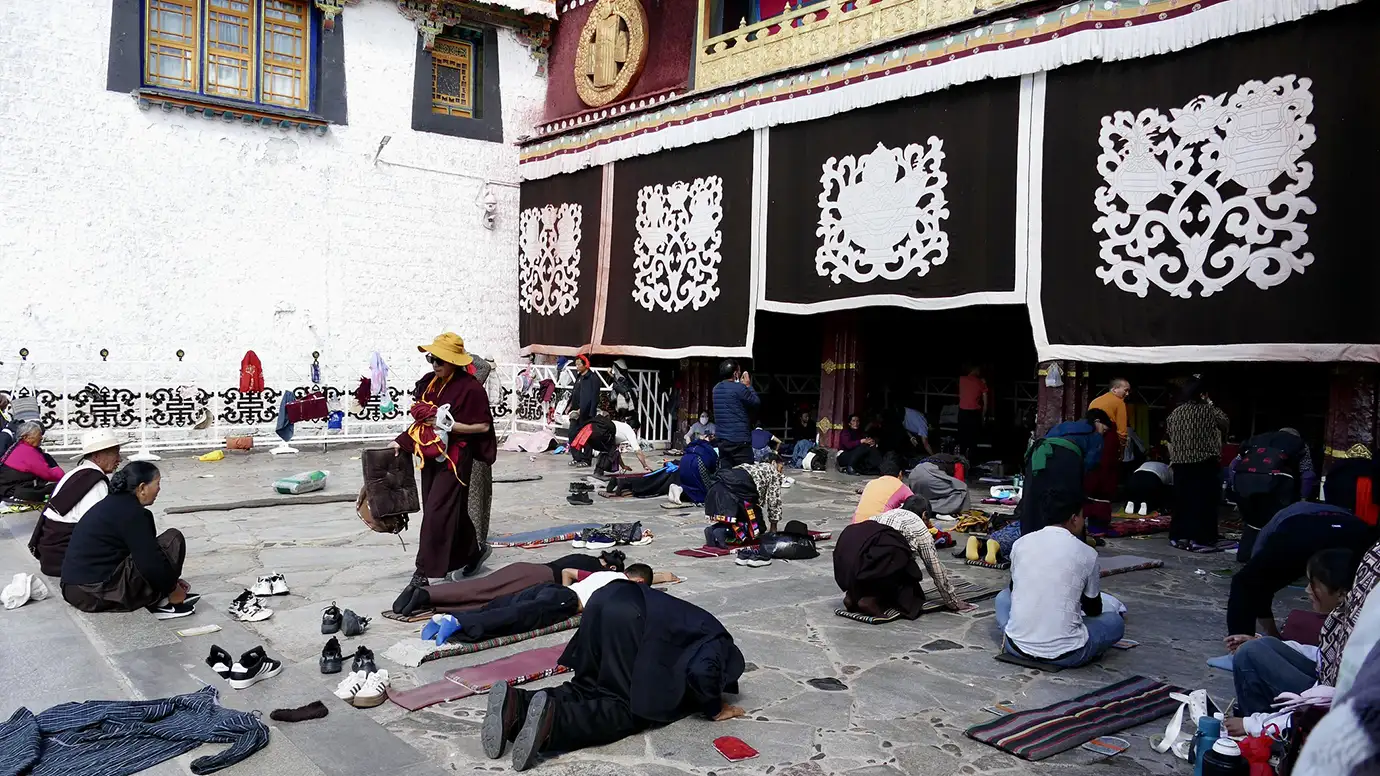
Barkhor Street surrounds the temple. This circular path serves as a kora, or pilgrimage route. Pilgrims walk clockwise around the temple every day. They spin hand-held prayer wheels and mutter mantras. Some people perform full-body prostrations on the stone floor. A Tibetan Buddhist Pilgrimage Tour visitor follows the flow of the crowd to experience the local energy. The air smells like burning juniper and yak butter lamps.
The Great Monastic Universities of the Gelugpa
The Gelugpa school, or the Yellow Hat sect, maintains three main monasteries near Lhasa. These sites function as universities for monks. They have studied philosophy and logic for many years.
Drepung Monastery
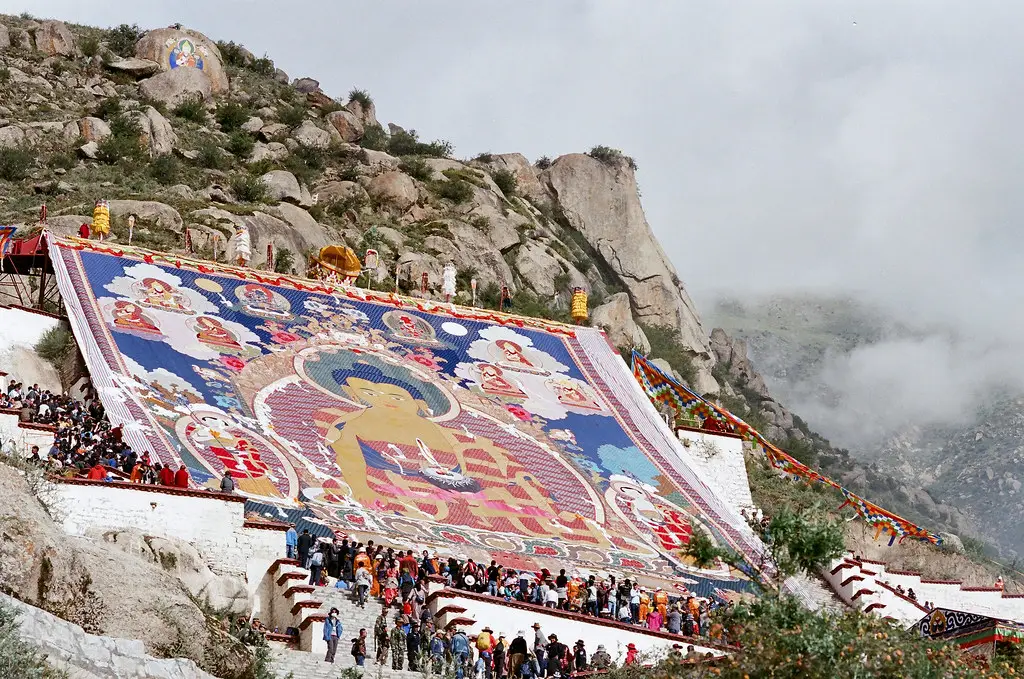
Drepung Monastery sits on a hillside 8 kilometers west of Lhasa. Founded in 1416, it once stood as the largest monastery in the world. Over 10,000 monks once lived here at the same time. The white buildings look like a heap of rice on the mountain. The monastery served as the residence for the Dalai Lamas before the Potala Palace was built. Visitors explore the large assembly halls and the kitchens where monks cook for thousands. During the Shoton Festival, the monastery displays a large thangka. This event attracts thousands of people during a Tibetan Buddhist Pilgrimage Tour.
Sera Monastery
Sera Monastery lies at the foot of the northern mountains. Founded in 1419, it is famous for the tradition of monastic debating. Every afternoon, monks gather in the courtyard to debate Buddhist points. They use specific handclaps and gestures to emphasize their arguments. The standing monk asks questions while the seated monk defends his thesis. This practice helps them understand the nature of reality. A Tibetan Buddhist Pilgrimage Tour provides a front-row seat to this lively exchange. Travelers must remain quiet and respect the monks during the session.
Ganden Monastery
Ganden Monastery sits on a high ridge 50 kilometers from Lhasa. Je Tsongkhapa, the founder of the Gelugpa sect, established it in 1409. It sits at an altitude of 4,300 meters. The monastery offers amazing views of the Lhasa River valley. The main attraction is the golden tomb of Tsongkhapa. Pilgrims walk the high kora path around the mountain peak. This path takes about one hour to finish. A Tibetan Buddhist Pilgrimage Tour often includes a day trip to Ganden to see the birthplace of the Yellow Hat sect.
Sacred Landscapes and Ancient Palaces
The Yarlung Valley and the Shigatse region hold deep historical roots. These areas contain the first buildings and the seats of high spiritual leaders.
Samye Monastery
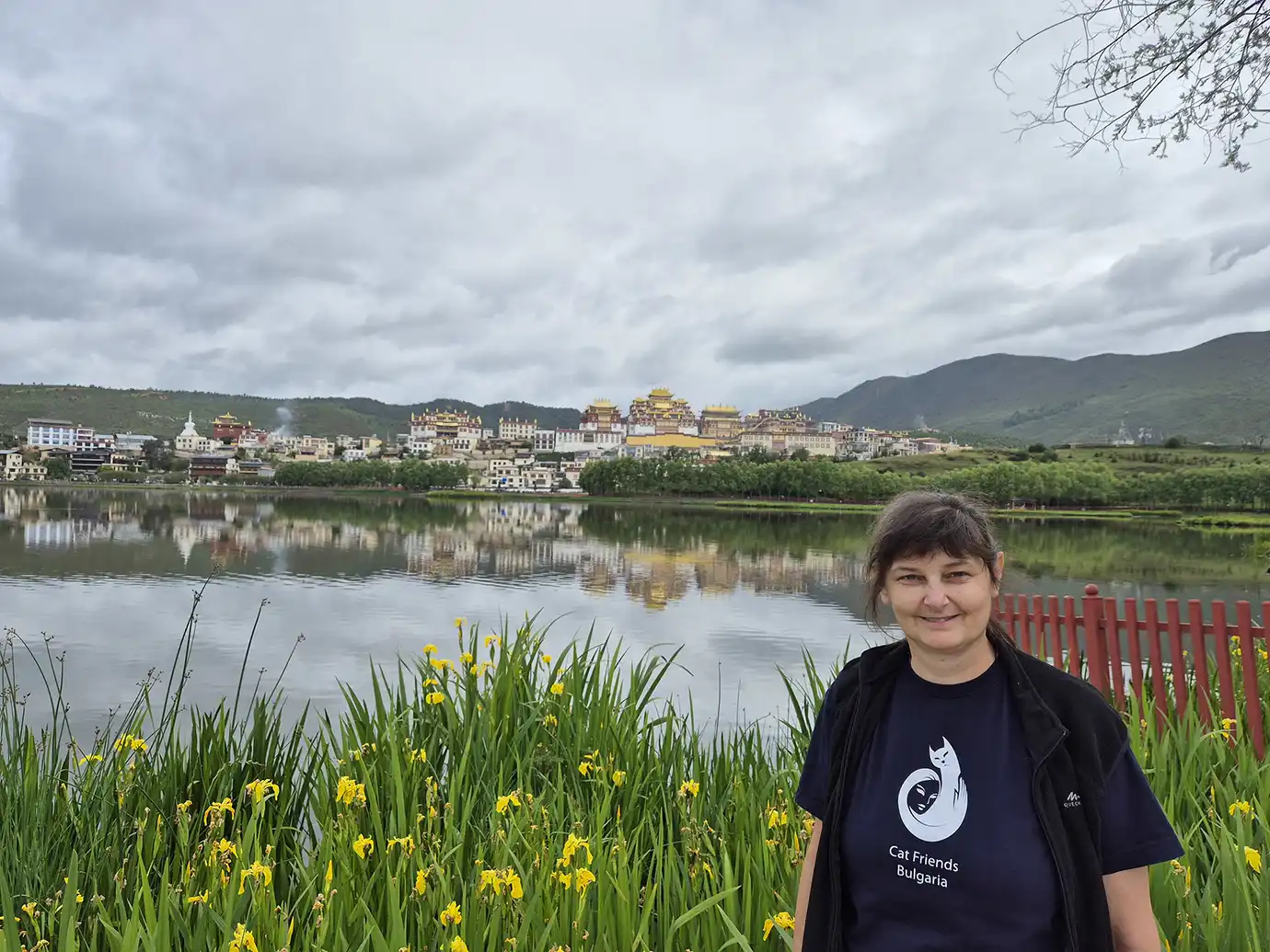
Samye Monastery stands as the first Buddhist monastery in the region. King Trisong Detsen built it in the 8th century. The layout represents the Buddhist universe in the form of a mandala. The central temple signifies Mount Meru, the center of the world. Four colorful stupas surround the main hall. They use red, white, black, and green colors. A visitor on a Tibet Buddhist Pilgrimage Tour learns about the early spread of Buddhism here. The monastery sits near the Yarlung Tsangpo River in a beautiful desert valley.
Tashilhunpo Monastery
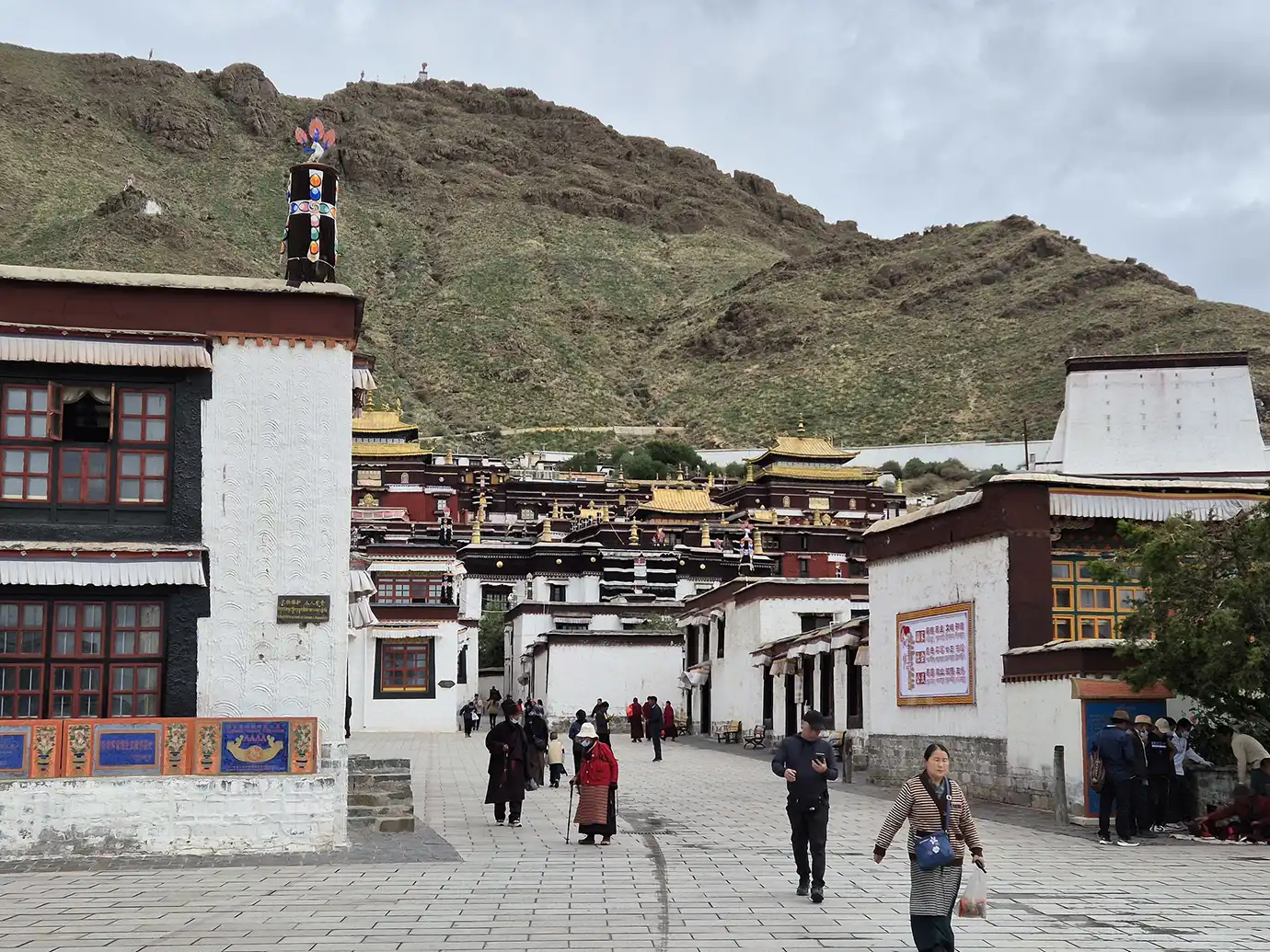
Tashilhunpo Monastery sits in Shigatse, the second-largest city. The 1st Dalai Lama founded it in 1447. It serves as the official seat of the Panchen Lama. The monastery houses a massive statue of the Future Buddha, Maitreya. This statue stands 26 meters high and uses 279 kilograms of gold. The complex features red walls and golden roofs that shine in the sun. Pilgrims walk the kora around the monastery walls to earn merit. A Tibetan Buddhist Pilgrimage Tour typically spends one or two days in Shigatse to explore this site.
Yumbulakang and Tradruk Temple
Yumbu Lakang is the first palace in the land’s history. It sits on a high hill overlooking the Yarlung Valley. Legend says it was built for the first king, Nyatri Tsenpo. Travelers can walk or ride a horse up to the palace. Tradruk Temple is another ancient site nearby. It belongs to the same period as the Jokhang Temple. The temple houses a famous thangka made of thousands of pearls. Princess Wencheng is said to have embroidered this treasure herself. These sites are essential for a complete Tibet Buddhist Pilgrimage Tour of the southern valleys.
Mount Kailash: The Ultimate Pilgrimage
Mount Kailash represents the peak of spiritual travel in Asia. It sits in the remote west of the plateau. Four major religions consider the mountain sacred: Buddhists, Hindus, Jains, and Bon followers.
The Kailash Kora
The kora around Mount Kailash covers 52 kilometers of rugged terrain. Most pilgrims finish the trek in three days. The path crosses the Dolma La Pass at 5,630 meters. This is the highest point of a Tibetan Buddhist Pilgrimage Tour. Pilgrims believe that one circle around the mountain washes away the sins of a lifetime. They carry simple supplies and sleep in basic guesthouses. The view of the snow-capped peak is a powerful experience for any traveler.
Lake Manasarovar
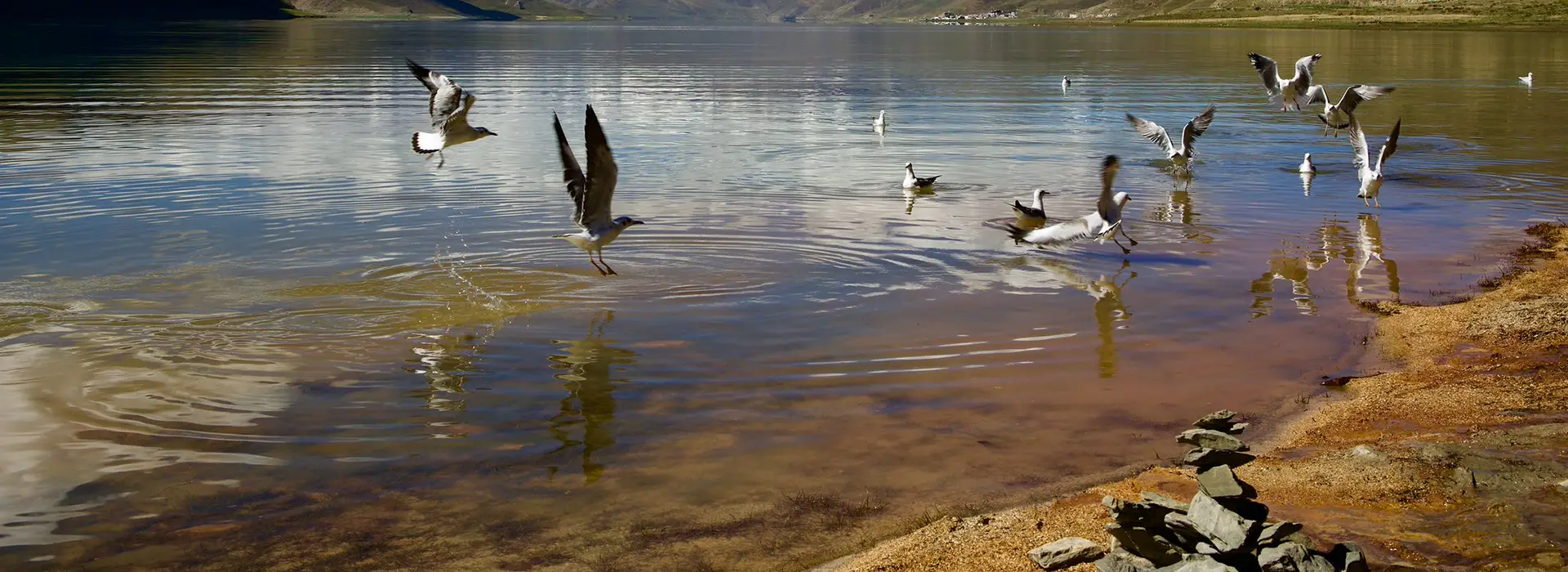
Lake Manasarovar sits near the base of Mount Kailash. It is one of the world’s highest freshwater lakes. Pilgrims bathe in the cold water to cleanse their bodies and spirits. The lake looks like a giant turquoise jewel under the sun. Many people camp near the lake to watch the sunrise. A Tibetan Buddhist Pilgrimage Tour often combines the Kailash trek with a visit to this holy lake. It serves as a place of peace and meditation for thousands of visitors every year.
Pilgrimage Rituals and Customs
Followers of Buddha use physical actions to express their faith. A Tibetan Buddhist Pilgrimage Tour allows visitors to witness these deep traditions.
Prayer Wheels and Mala Beads
Prayer wheels are cylinders filled with printed mantras. People spin them clockwise to release the prayers into the world. Large rows of wheels line the walls of every monastery. Small, hand-held wheels are common among elderly pilgrims. Mala beads are a string of 108 beads used for counting mantras. Pilgrims hold them in one hand and move the beads with their thumb. This helps them stay focused on their prayers while they walk. The number 108 is sacred in the Buddhist tradition.
Prostrations
Prostration is a way to show humility and devotion. The pilgrim stretches their whole body on the ground. They touch the floor with their forehead, hands, and knees. This act helps purify the mind, speech, and body. Some people prostrate for hundreds of miles to reach Lhasa. They wear heavy aprons and wooden pads on their hands for protection. A visitor on a Tibetan Buddhist Pilgrimage Tour sees many people performing this ritual in front of the Jokhang Temple.
Butter Lamps
Butter lamps use yak butter to fuel a small flame. They symbolize the light of wisdom driving away the darkness of ignorance. Pilgrims add scoops of butter to the lamps as an offering. The soft glow of thousands of lamps creates a peaceful atmosphere in the shrines.
Major Tibetan festivals follow the Tibetan lunar calendar, so their solar dates change each year. This table shows key dates for the 2026 Tibet festival, plus expected timing for 2027 and 2028 to help travelers plan tours, permits, and festival visits more easily.
| Festival Name | 2026 Date (Solar) | 2027 Expected | 2028 Expected |
|---|---|---|---|
| Tibetan New Year (Losar) | February 18 | February 7 | February 26 |
| Monlam Prayer Festival | February 21–27 | February | March |
| Butter Lamp Festival | March 3 | February | March |
| Saga Dawa (Holiest Day) | May 31 | June 18 | June 7 |
| Tashilhunpo Thangka Unveiling | June 28–30 | June 20–22 | July 9–11 |
| Gyantse Horse Race | July 15–20 | July | July |
| Shoton (Yogurt) Festival | August 12 | August 16 | August 4 |
| Bathing Festival | August 30 – September 5 | September 1 | September 19 |
Planning Your Pilgrimage: Permits and Rules
Travelers need specific documents to enter the region. A Tibetan Buddhist Pilgrimage Tour must be organized by a licensed agency.
Tibet Travel Permit (TTP)
The TTP is the primary permit for all foreign visitors. The travel agency applies for this document through the Tibet Tourism Bureau. Travelers must provide a copy of their passport and Chinese visa. The process takes about 15 to 20 days to finish. The physical permit is checked when boarding a flight or train to Lhasa. Travelers cannot apply for this permit on their own. The agency delivers the permit to the traveler’s hotel in mainland China.
Alien Travel Permit and Military Permit
If the Tibet Buddhist Pilgrimage Tour itinerary includes visits to remote areas, additional permits are required. The Alien Travel Permit is required for Mount Everest and Shigatse. The tour guide usually gets this in Shigatse with the traveler’s passport. The Military Permit is needed for the Kailash region and areas near the border. This permit takes longer to process, so travelers must plan early. A reliable agency handles all these steps for the visitor.
Health and Altitude Safety
The average elevation of the plateau is over 4,000 meters. This height causes altitude sickness for many people.
Acclimatization Tips
The body needs time to adjust to the thin air. Spend the first two days in Lhasa resting. Do not take a shower on the first night to avoid catching a cold. Walk slowly and do not carry heavy bags. Drink 3 to 4 liters of water every day. Hydration helps the body handle the altitude. Avoid alcohol and smoking during the entire Tibet Buddhist Pilgrimage Tour. These habits lower blood oxygen levels.
Managing Symptoms
Mild symptoms include headaches, dizziness, and feeling tired. Most people feel better after a day of rest. If symptoms get worse, use supplemental oxygen. Many hotels provide oxygen in the rooms.
Altitude sickness symptoms can range from mild discomfort to a serious emergency. This table explains common high-altitude symptoms, their severity, and the actions travelers should take to ensure safer trekking and pilgrimage travel.
| Symptom | Severity | Action |
|---|---|---|
| Mild headache | Common | Rest, drink water, and take ibuprofen if suitable for you |
| Loss of appetite | Mild | Eat light, high-carb meals and drink enough fluids |
| Severe breathlessness | Serious | Use oxygen if available and tell the guide immediately |
| Confusion | Severe | Descend to a lower altitude at once and get urgent help |
Food and Drink for Pilgrims
The local diet helps people stay warm and energetic in the cold climate.
Traditional Staples
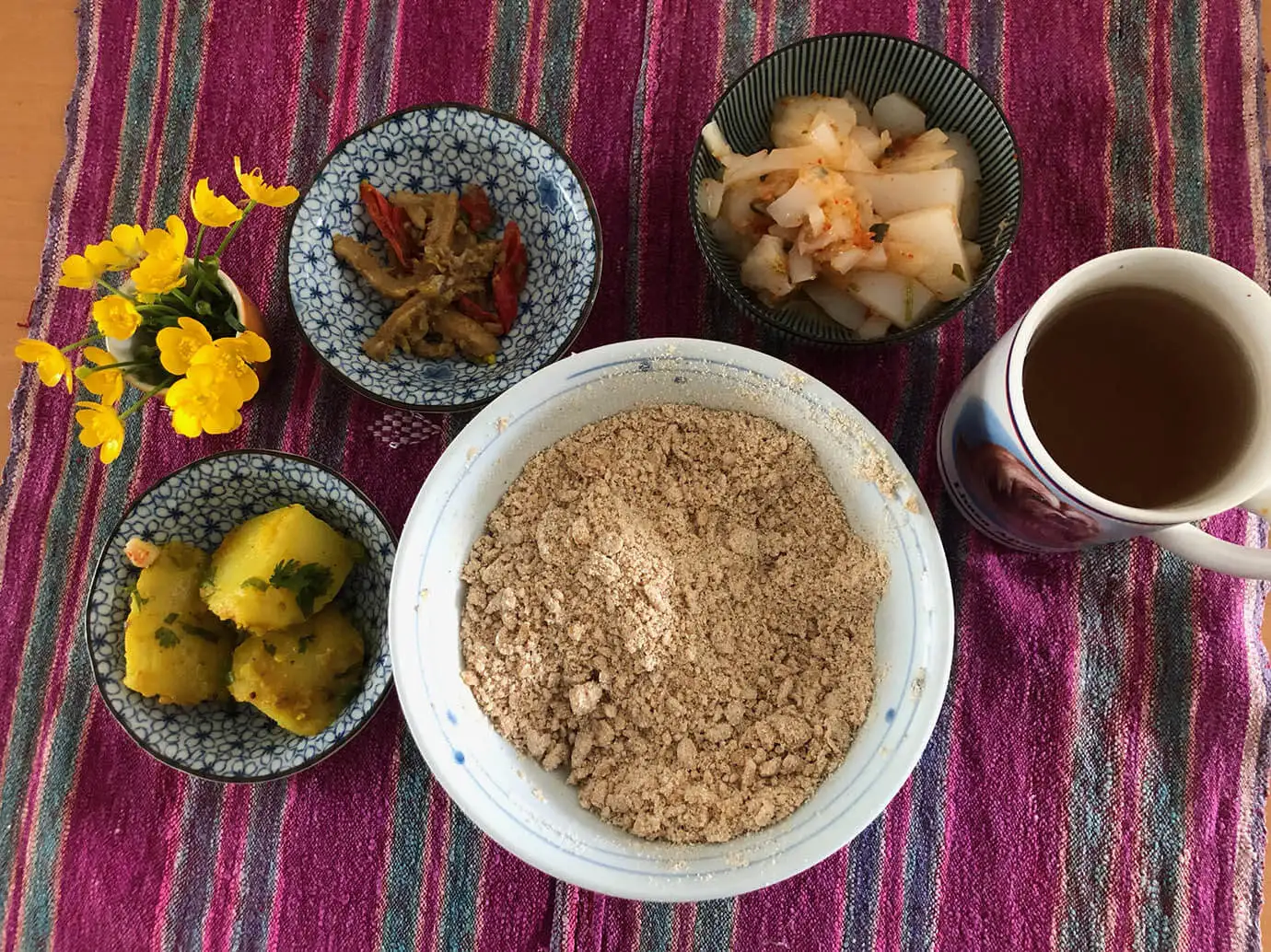
Tsampa is the main food for local people. It is made from roasted barley flour mixed with butter tea. It is easy to carry and very healthy. Yak meat and mutton are the main sources of protein.
Tibetan butter tea is a unique drink. It contains tea leaves, salt, and yak butter. It tastes like a salty soup and helps with altitude sickness. Sweet tea is also popular and tastes more like milk tea.
Vegetarian Options
Many monasteries and restaurants offer vegetarian food. Buddhism promotes a meat-free diet for many practitioners. Common dishes include vegetable momos, potato curry, and fried rice. Tofu and mushrooms are also easy to find in Lhasa. A visitor on a Tibetan Buddhist Pilgrimage Tour should stick to well-cooked foods. Avoid eating raw vegetables or fruits unless you peel them yourself. Drink only bottled or boiled water to avoid stomach issues.
Packing List for Your Tour
The weather changes quickly on the high plateau. Days are sunny and warm, but nights are freezing.
Clothing Layers:
- Waterproof and windproof jacket.
- Warm fleece or down coat.
- Thermal underwear (top and bottom).
- Wool socks and warm gloves.
- Sun hat and warm beanie.
Footwear:
- Comfortable, broken-in hiking boots.
- Sandals or light shoes for evening rest.
Personal Gear:
- High-SPF sunscreen and lip balm.
- Sunglasses with UV protection.
- Reusable water bottle and thermos.
- Small flashlight or headlamp.
- Power bank for charging devices.
Medicine Kit:
- Altitude sickness pills (like Diamox).
- Pain relievers for headaches.
- Anti-diarrhea tablets.
- Band-aids and antiseptic cream.
Local Etiquette and Social Rules
Respecting local customs is vital for a good experience. Tibetans are very polite and value quiet behavior.
Temple Etiquette
Always walk clockwise around a temple or stupa. This follows the direction of the sun. Remove your hat before entering a shrine. Do not take photos inside the temples unless you get permission. Do not touch the statues, murals, or religious objects. Avoid making loud noises or laughing during a tour of a sacred site. Speak in a low voice and move slowly.
Social Manners
When meeting a local person, say “Tashi Delek” as a greeting. Use both hands when giving or receiving an object. Do not point your feet at statues or people while sitting. It is best to sit cross-legged on the floor. Do not touch the heads of local people or children. The head is considered the most sacred part of the body. Always let the oldest person go first when walking or eating. These small gestures show your respect for the culture.
Sample Itinerary: 15-Day Pilgrimage
A long tour allows the body to adapt and the spirit to rest.
- Day 1-3: Lhasa Arrival and Rest. Visit the Jokhang Temple and Potala Palace. Walk the Barkhor kora to see the local life.
- Day 4-5: Lhasa Monasteries. Visit Sera and Drepung Monasteries. Watch the monks debate in the afternoon.
- Day 6: Ganden Monastery. Take a day trip to the birthplace of the Yellow Hat sect. Walk the high kora for amazing views.
- Day 7-8: Shigatse and Gyantse. Visit the Tashilhunpo Monastery and the Kumbum Stupa. See the massive Maitreya Buddha statue.
- Day 9-11: Mount Everest. Drive to Rongbuk Monastery, the highest monastery in the world. See the North Face of Everest.
- Day 12-14: Lake Yamdrok and Return. Drive past the turquoise Yamdrok Lake on the way back to Lhasa. Spend the final night shopping in the Barkhor.
- Day 15: Departure. Transfer to the airport or train station.
Festivals to Enhance Your Pilgrimage
A Tibetan Buddhist Pilgrimage Tour is even more special during a major festival.
Saga Dawa Festival
Saga Dawa is the most sacred month in the lunar calendar. It celebrates the birth, enlightenment, and death of Buddha. Pilgrims perform kora and make many offerings. Many people refrain from eating meat during this month. It usually falls in May or June.
Shoton Festival
The Shoton Festival is also known as the Yogurt Festival. It starts with the unveiling of a giant thangka at Drepung Monastery. People eat yogurt and watch traditional Tibetan opera at the Norbulingka Palace. It is a time of joy and celebration in the late summer.
Tibetan festivals follow the lunar calendar and hold deep cultural and religious meaning. This table explains major Tibetan festivals, their lunar dates, and their main focus to help travelers understand festival timing and significance in Tibet.
| Festival Name | Lunar Date | Focus |
|---|---|---|
| Losar | 1st day, 1st month | New Year and family celebration |
| Chunga Choepa | 15th day, 1st month | Butter lamp offerings and prayer |
| Saga Dawa | 15th day, 4th month | The birth, enlightenment, and parinirvana of Buddha |
| Shoton | 30th day, 6th month | Yogurt festival, Tibetan opera, and monastery celebrations |
Conclusion: Preparing for the Heart of Tibet
A Tibetan Buddhist Pilgrimage Tour is more than just a trip. It is an opportunity to see how faith shapes a whole region. By visiting the holy sites in Lhasa and the remote peaks of Kailash, travelers learn about the power of the human spirit. Careful planning for altitude and permits ensures a safe experience. Respecting local customs, such as the clockwise kora and the presentation of khatags, builds bridges with local people. The high plateau offers a unique chance to find peace and clarity. Every prayer wheel spun, and every lamp lit adds to the spiritual energy of the roof of the world. Plan your visit with a heart full of respect and a mind open to the wisdom of the mountains.