


Religious and cultural traditions define the high-altitude regions of the Himalayas. The annual Tibet Festival calendar offers a unique view into ancient Buddhist practices and communal harmony. Every year, thousands of pilgrims and international travelers gather to observe these sacred events. The most important event is the Saga Dawa, also called the Month of Merit. This period marks the birth, enlightenment, and passing of Buddha Shakyamuni. The 2026 Tibet Festival season carries extra weight because it aligns with the Year of the Fire Horse. Experts consider this a rare celestial window that opens once every sixty years.
Travelers planning a visit to the Tibet Festival must understand the complex rules regarding permits and high-altitude safety. The region requires all foreign visitors to join an organized tour. Independent travel remains prohibited, so picking a reliable agency is the first step. A successful Tibet Festival trip depends on slow acclimatization and careful packing. The following report provides deep insights into the rituals, locations, and logistics for the upcoming 2026, 2027, and 2028 seasons.
The Spiritual Essence of Saga Dawa
The term Saga Dawa comes from two Tibetan words. Saga refers to a specific star in the sky, and Dawa means month. This fourth month of the lunar calendar represents the holiest time for practitioners. People believe that every good deed produces a huge amount of positive energy during this time. The effect of a single prayer or a small act of charity multiplies billions of times.
Triple Anniversary of Buddha Shakyamuni
The Tibet Festival of Saga Dawa focuses on three major milestones in the life of the Buddha. These events guide the community’s spiritual behavior throughout the month.
- Birth: The birth of Siddhartha Gautama in Lumbini, bringing hope to all living beings.
- Enlightenment: Buddha attains deep wisdom under the Bodhi tree. He discovers the way to end suffering.
- Parinirvana: Buddha leaves the physical world. He reaches a state of ultimate peace and liberation.
Practitioners spend the month following Buddha’s final instructions. Buddha tells his followers to honor him by living a noble life and showing kindness. This instruction shapes the daily life of every local during the Tibet Festival season.
The Merit Multiplier Effect
A central belief during the Tibet Festival is the accumulation of merit. Merit is the result of virtuous actions that lead to a better future. During Saga Dawa, the spiritual energy of the plateau reaches a peak. Tibetan Buddhists call this the Month of Merits because it provides an easy way to gain spiritual rewards.
| Offering Item | Symbolic Meaning | Practice |
|---|---|---|
| Butter Lamp | Wisdom and clarity | Lighting a flame in a shrine |
| Khatag Scarf | Purity and goodwill | Placing a white scarf on a statue or sacred space |
| Water Bowls | Purity of heart | Placing clean water on an altar |
| Incense | Discipline and virtue | Burning juniper, herbs, or incense sticks |
2026 Year of the Fire Horse: A 60-Year Celestial Event
The year 2026 stands out as the most significant in recent history for the Tibet Festival. The Fire Horse zodiac appears only once in sixty years. This cycle creates a powerful opportunity for spiritual clearing and purification.
The Sacred Connection to Mount Kailash
Tibetan tradition assigns a specific year to each holy site. The Year of the Horse belongs to Mount Kailash, which locals call Kang Rinpoche. Pilgrims believe the mountain spirits are most active during this time. A single circle around the mountain in 2026 equals thirteen circles in any other year. This belief draws massive crowds to the remote western regions of the plateau.
The Fire Element and Transformation
The element of Fire represents change and energy. It burns away the mental clouds that prevent people from seeing the truth. The combination of the Horse year and the Fire element makes 2026 a peak time for a Tibet Festival tour. Travelers should expect more people at holy sites and higher demand for permits.
Mount Kailash in 2026 holds special spiritual importance for many pilgrims. This table explains key 2026 spiritual features, their symbolic meaning, and practical travel advice for planning a safe and meaningful Kailash pilgrimage.
| Feature of 2026 | Spiritual Meaning | Practical Advice |
|---|---|---|
| Fire Horse Cycle | Purification, strength, and spiritual energy | Plan your trip 4 to 6 months in advance |
| 13-Kora Multiplier | Rapid karma clearing and deeper merit | Train physically for at least 6 months |
| Celestial Alignment | Peak cosmic energy and special spiritual timing | Book early if you want to travel around the full moon day |
Rituals and Cultural Practices
The Tibet Festival is not just a time for sightseeing. It involves active participation in rituals that have survived for centuries. These practices foster a sense of unity among the people.
The Path of the Kora
Circumambulation is the act of walking around a sacred object. Pilgrims walk clockwise while spinning prayer wheels and reciting mantras.
- Lingkhor: The outer circle around the city of Lhasa.
- Barkhor: The middle circle around the Jokhang Temple.
- Nangkhor: The inner circle inside the temple itself.
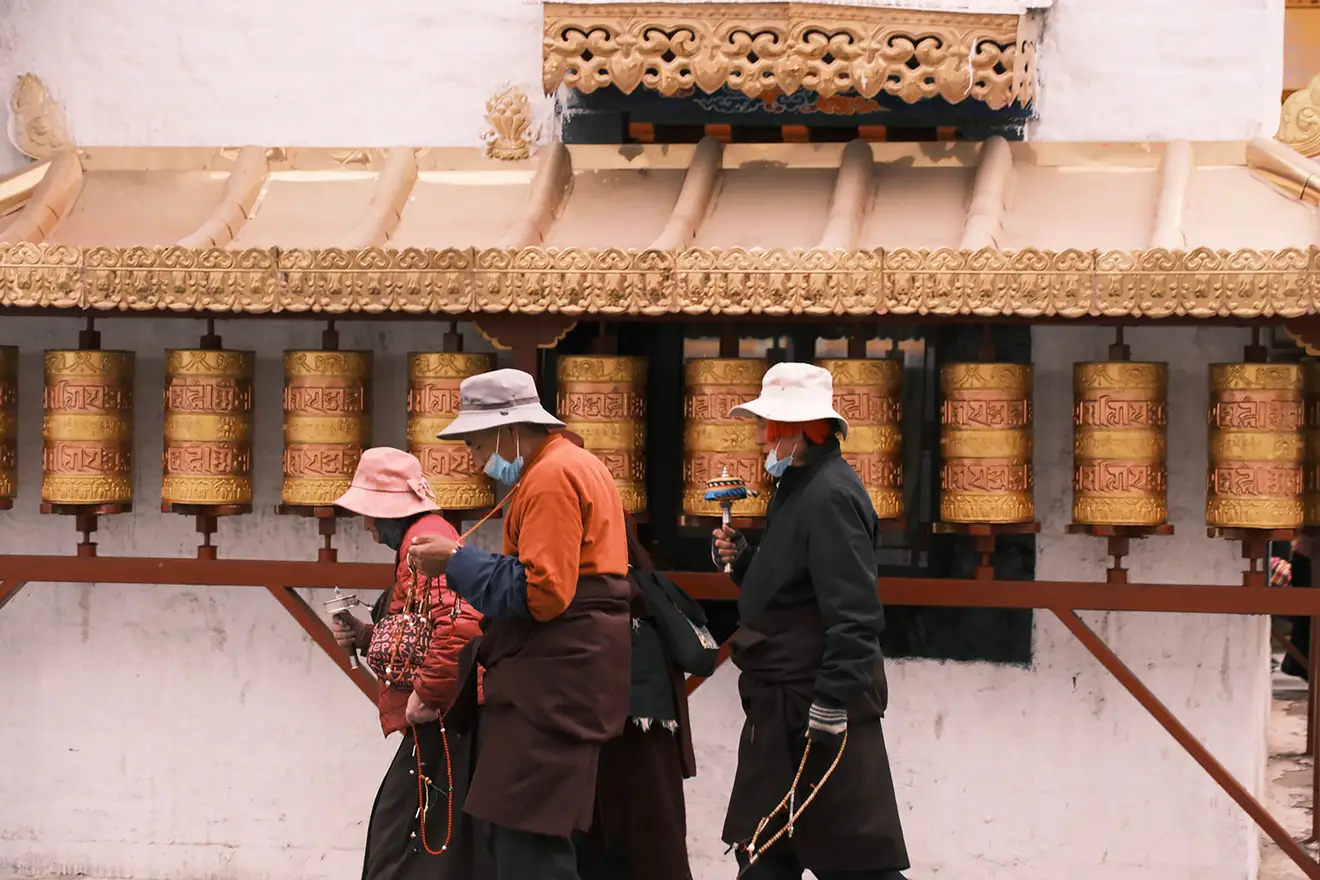
Walking these paths brings peace and spiritual blessings to the individual and their family. Some people perform full-body prostrations, which show deep humility and devotion.
Butter Lamps and the Light of Wisdom
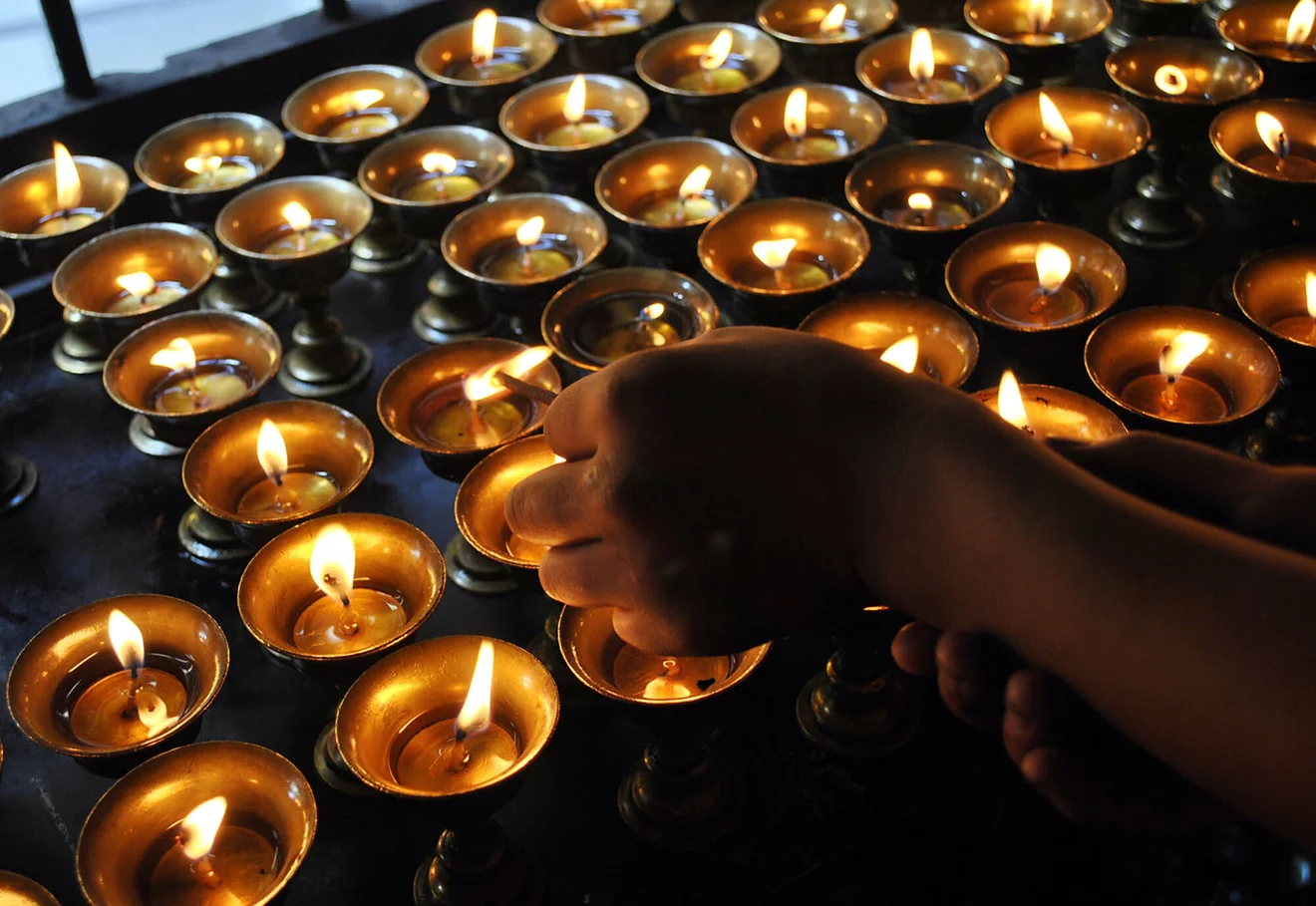
Lighting lamps is a fundamental ritual during any Tibetan Festival. People use containers made of clay, copper, or silver. They fill these containers with yak butter or vegetable oil.
- Symbolism: The flame represents wisdom that kills the darkness of ignorance.
- Intention: People light lamps for the sick, for new marriages, or to help the dead. During Saga Dawa, thousands of lamps are lit in temples, creating a warm, peaceful glow.
Raising the Tarboche Flagpole
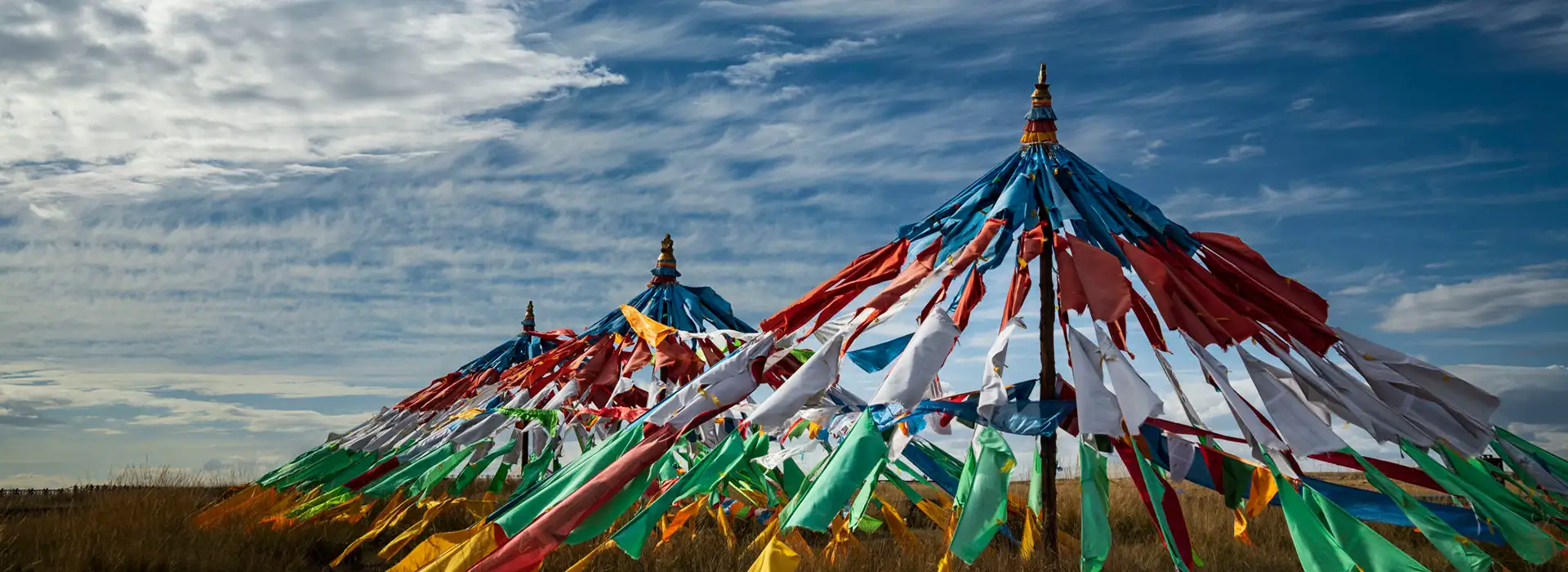
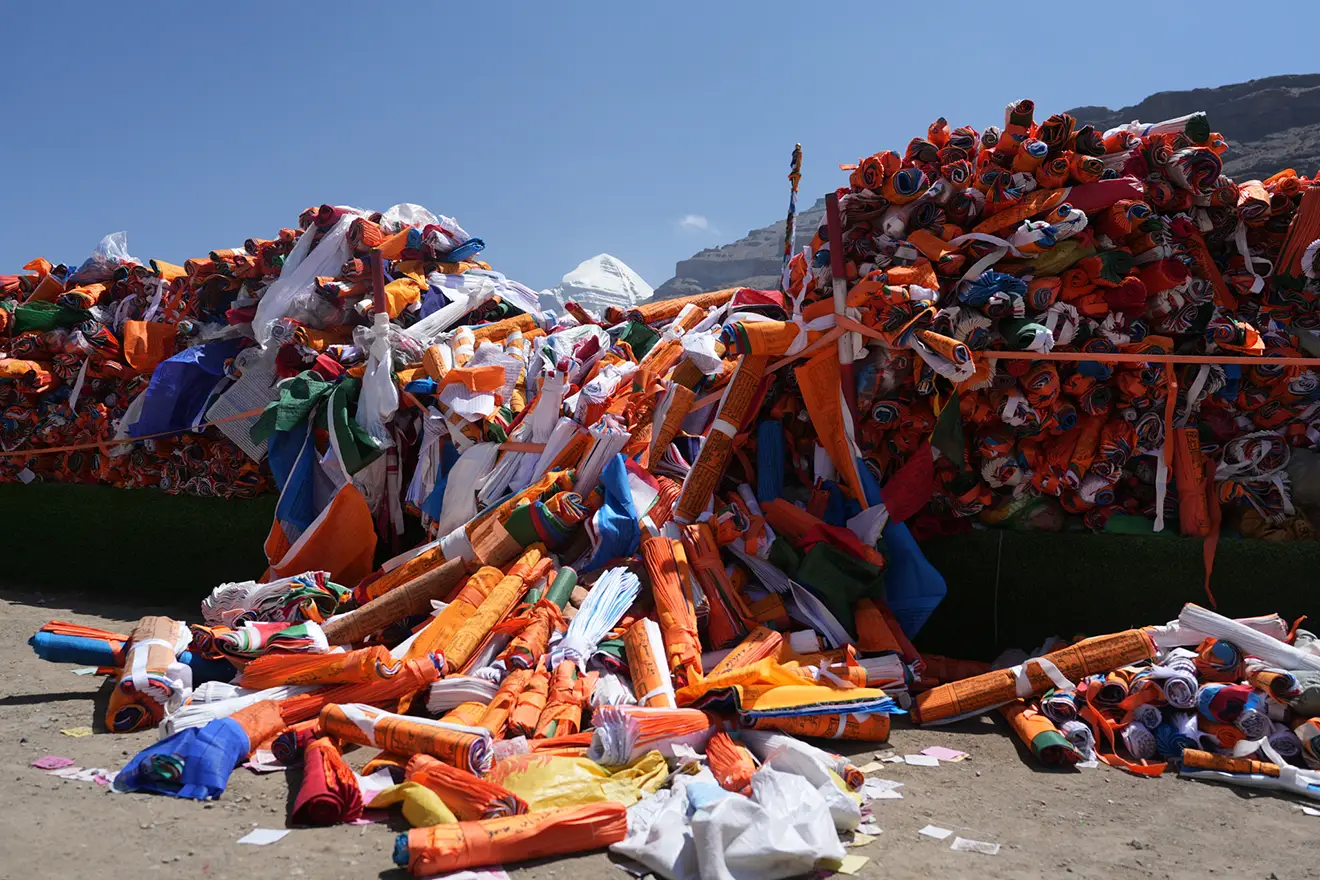
The Tarboche valley sits at the base of Mount Kailash. It hosts the most famous event of the Tibet Festival season. A giant flagpole stands here, covered in thousands of colorful flags.
- The Ceremony: A high-ranking Lama leads the ritual. Workers take down the old pole and put up a new one.
- Divination: Everyone watches to see if the pole stands straight. A straight pole means good luck for everyone. If the pole leans, it might signal a difficult year ahead.
The ritual involves the sounds of long trumpets and conch shells. People throw “wind horses” into the air, small pieces of paper with prayers. The wind carries these blessings to all corners of the world.
Major Destinations for the Tibet Festival
Choosing where to go depends on the specific experience a traveler seeks. Each city and site offers a different vibe during the Tibet Festival season.
Lhasa: The Religious Heart
Lhasa is the center of the Tibet Festival universe. The city fills with pilgrims who travel from across the plateau.
- Jokhang Temple: This temple houses the most sacred Buddha statue in Tibet. It is the most popular place for prayer during Saga Dawa.
- Potala Palace: A symbol of Tibetan power. People gather in the square below to pray and offer lamps.
- Sera and Drepung Monasteries: These are the great monastic universities. Visitors can watch monks debate Buddhist philosophy in the courtyards.
Shigatse and the Tashilhunpo Monastery
Shigatse is the second-largest city and home to the Tashilhunpo Monastery. This monastery is the seat of the Panchen Lama.
- Maitreya Buddha: The monastery houses a massive golden statue of the Future Buddha.
- Monastic Rituals: During the Tibet Festival, monks perform special chanting and prayers in the large assembly halls.
Mount Kailash: The Ultimate Pilgrimage
Mount Kailash is not just a mountain; it is a spiritual gateway. The Kora around the mountain is 52 kilometers long. It reaches a height of 5,630 meters at the Dolma La Pass.
- Difficulty: The trek is physically hard. Travelers need good gear and plenty of time to adapt to the air.
- Experience: The feeling of unity among pilgrims at Tarboche is a highlight of the Tibet Festival.
Detailed Tibet Festival Calendar 2026-2028
The dates for each Tibet Festival change every year because they follow the moon. The full moon day remains the most important time for any celebration.
Symptoms of altitude sickness can range from mild discomfort to a serious medical emergency. This table explains common high-altitude symptoms, their severity, and the actions travelers should take to ensure safer trekking and pilgrimage travel.
| Symptom | Severity | Action |
|---|---|---|
| Mild headache | Common | Rest, drink water, and use simple pain relief only if suitable for you |
| Loss of appetite | Mild | Eat light meals, focus on fluids, and avoid pushing higher too fast |
| Severe breathlessness at rest | Serious | Use oxygen if available, tell the guide at once, and get urgent medical help |
| Confusion | Severe | Descend immediately and seek emergency medical help |
Regulatory Requirements: The Permit System
Foreigners cannot enter Tibet without the correct papers. The government has strict rules for travel in the region. Agencies manage the paperwork, but travelers must provide the documents.
Types of Permits Needed
The number of permits depends on the route of the Tibet Festival tour.
- Tibet Travel Permit (TTP): The main document required to enter the region. Travelers need it to board a train or flight to Lhasa.
- Alien Travel Permit: Authorities issue this for travel to destinations such as Everest Base Camp or Shigatse. The guide usually gets this in Tibet.
- Military Permit: Required for remote areas such as Mount Kailash. It takes longer to process.
- Border Pass: Required for travel near Nepal’s and India’s borders.
Application Process and Timeline
Processing permits for a Tibet Festival trip takes time. Travelers should follow a strict schedule to avoid missing their trip.
- Step 1: Book a tour with a licensed agency.
- Step 2: Send scanned copies of your passport and Chinese visa to the agency.
- Step 3: The agency applies to the Tourism Bureau in Lhasa.
- Step 4: The original permit arrives at the traveler’s hotel in China.
A standard application takes 15 to 20 working days. If the Tibet Festival plan includes Kailash, allow at least 30 days for military review.
Health and Safety: Beating Altitude Sickness
The Tibet Festival occurs at a very high altitude. Lhasa sits at 3,650 meters, and other sites are much higher. The lack of oxygen can make people feel sick.
The Rule of Gradual Ascent
The best way to stay healthy during a Tibet Festival tour is to climb slowly. The body needs time to adjust to the thin air.
- Acclimatization in Xining: Xining is a great place to start at 2,261 meters. Staying here for two days helps the body prepare.
- The Train to Lhasa: The Qinghai-Tibet Railway provides a comfortable way to reach the plateau. The train has oxygen systems to help passengers breathe.
- Rest Days in Lhasa: Spend the first 48 hours in the city doing very little. Walk slowly and avoid drinking alcohol.
Daily Health Tips
- Hydrate Relentlessly: Drink 3-4 liters of water daily. The air on the plateau is very dry.
- Eat Light Foods: Noodles, rice, and soups are easy for the stomach to handle at high altitudes.
- Sun Protection: The sun is very strong during the Tibet Festival season. Use a high-SPF sunscreen, sunglasses, and a hat.
Economic Breakdown: Planning Your Budget
The cost of a Tibet Festival tour depends on the length of the trip and the size of the group. Travelers should understand what the package price includes.
Small Group Tours versus Private Tours
Most people choose small group tours to save money during the Tibet Festival. These groups usually have 2 to 15 people.
- Small Group Costs: A 4-day Lhasa tour costs about $500-$600. An 8-day Everest tour costs around $900 to $1,000. A 15-day Kailash tour for Saga Dawa costs approximately $2,000 to $2,300.
- Private Tour Costs: Private tours offer more flexibility but cost 30% to 50% more. You pay more for a private guide and vehicle.
Expected Daily Expenses
Travel costs in Tibet can vary based on comfort level, season, route, and booking style. This table compares budget and comfort or luxury options for accommodation, food, flights to Lhasa, and train travel to help travelers plan their Tibet trip more clearly.
| Item | Budget Option | Comfort/Luxury Option |
|---|---|---|
| Accommodation | $35–$70 per night | $120–$200+ per night |
| Food | $4–$22 per day | $30–$75+ per day |
| Flights to Lhasa | $130–$440 one way | Varies by departure city and airline class |
| Train to Lhasa | $70–$205 one way | Soft sleeper options available |
Gear and Packing List for May and June
The weather during the Tibet Festival season is pleasant but changes quickly. Layers are the most important part of any packing list.
Essential Clothing
- Base Layers: Lightweight shirts help with moisture.
- Middle Layer: A fleece or a thin down jacket provides warmth in the early morning and at night.
- Outer Layer: A windproof and waterproof jacket protects against sudden rain or cold winds.
- Footwear: Wear sneakers for city tours. Waterproof hiking boots are necessary for the Kailash trek.
Important Items to Carry
- 3C Mark Power Bank: Airport security checks for the 3C mark on all batteries.
- Sleeping Bag: Guesthouses in remote areas provide blankets, but they are rarely washed. Bringing a light sleeping bag or an inner sheet is a good idea.
- Personal Hygiene: Pack a towel, toothbrush, and soap. Most remote lodges do not provide these items.
- Snacks: Carry energy bars, nuts, or instant meals for long driving days.
Accessibility for Seniors and Families
The Tibet Festival is now more accessible to travelers with limited mobility or traveling with children. Infrastructure has improved in major cities like Lhasa and Shigatse.
Support for Senior Travelers
Agencies offer comfort-level tours that move at a slower pace.
- Oxygen Availability: Many hotels and vehicles provide oxygen bottles to help with breathing.
- Wheelchair Access: The area around Barkhor Square is flat. The main entrance to the Jokhang Temple has wheelchair ramps. Ganden Monastery also features some accessible pathways and assembly halls.
- Medical Services: Guides monitor oxygen levels and are trained to recognize signs of altitude sickness.
Tips for Families with Kids
Visiting the Tibet Festival with children can be a great educational experience.
- Keep it Short: A 4 to 6-day tour focusing on Lhasa is better for younger children.
- Acclimatize Well: Ensure kids spend extra time in Xining or Lhasa before going higher.
- Engagement: Watching the monk debates at Sera Monastery is often a highlight for children.
Social Etiquette and Respectful Travel
Participating in the Tibet Festival requires respect for local traditions. The community is very religious and appreciates polite behavior.
General Rules of Behavior
- Walk Clockwise: Always walk clockwise around temples or holy sites.
- Ask Permission: Always ask before taking photos of monks, pilgrims, or rituals.
- Dress Modestly: Cover your shoulders and knees inside monasteries. Do not wear shorts or revealing tops in sacred spaces.
- Respect Objects: Never touch statues, thangkas, or other religious items. Remove your shoes if requested before entering a chapel.
Monastery Photography
Most monasteries allow photos of the exterior but ban photos inside the chapels. This rule protects ancient paintings from camera flashes.
- Exterior Shots: You can get great photos of the Potala Palace from Chakpori Hill or the palace square.
- Fees: Some temples charge a small fee for photography in specific areas. Always check with the guide first.
Future Planning for 2027 and 2028
Planning for the Tibet Festival years in advance helps secure the best guides and hotels.
- 2027: The festival falls in late May. This is a good time for a more relaxed tour after the busy 2026 season.
- 2028: The full moon occurs in early June. The weather is warm, and the flowers in the valleys are in bloom.
The Tibet Festival is a profound experience that connects travelers to the heart of the plateau. By following the rules for permits and staying healthy, anyone can enjoy this spiritual event. The energy of Saga Dawa and the rare Fire Horse year create memories that last a lifetime. Preparing carefully ensures a smooth and rewarding trip to the roof of the world.